Ryoshi Cancún occupies a prominent address on Boulevard Kukulkán in the Zona Hotelera, positioning itself within a stretch where Japanese-influenced dining has carved a distinct niche alongside the Caribbean. The restaurant draws from a tradition that treats raw fish as a serious craft, offering an alternative register to the seafood-heavy Mexican formats that dominate the Hotel Zone's dining circuit.
Pearl is the En Primeur Club membership app — saves, bookings, and concierge access live there. Same editors, same standards.
- Address
- Boulevard Kukulkán Lote 18-10 Manzana 52, U.P. 1 Sección “A, Zona Hotelera, 77500 Cancún, Q.R., Mexico
- Phone
- +529981479655
- Website
- opentable.com
- Directions
- Get directions
 Saves & bookings on Pearl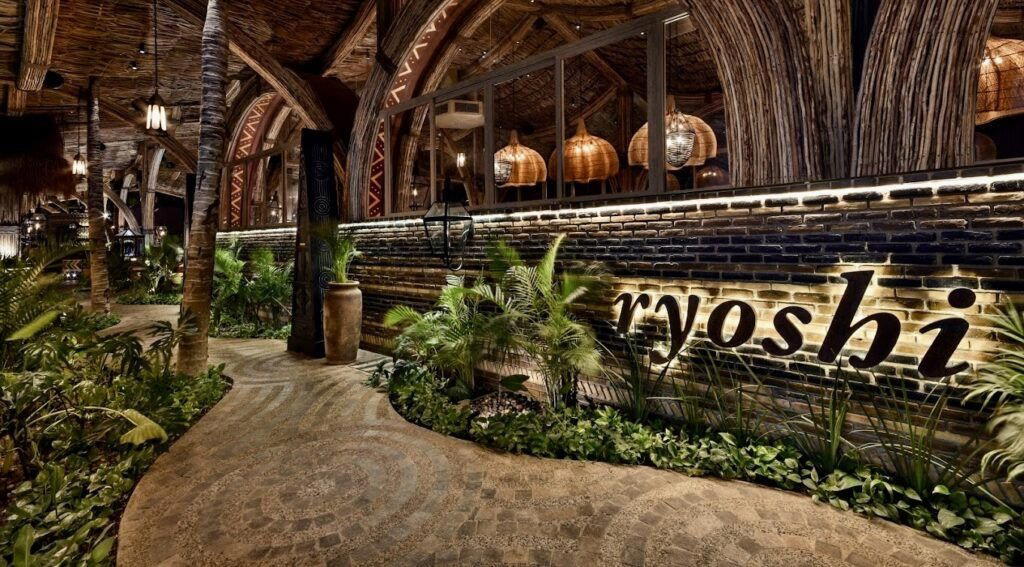
Japanese Craft on the Caribbean Strip
The Zona Hotelera in Cancún operates on a logic that rewards persistence. Boulevard Kukulkán runs for kilometres between lagoon and sea, and the dining options arrayed along it range from resort buffets to genuinely serious cooking. Japanese cuisine has found a durable foothold in this corridor, a pattern visible across Mexican resort destinations where a demanding international clientele expects precision-oriented formats alongside local seafood traditions. Ryoshi Cancún, at Lote 18-10 Manzana 52 in the Zona Hotelera, sits inside that Japanese dining tier on the strip rather than adjacent to it.
The Hotel Zone's geography creates a specific dining atmosphere: restaurants here compete not against neighbourhood trattorias or local fondas but against each other and against the full-service resort dining rooms that absorb much of the foot traffic by default. Within that context, a Japanese-focused address occupies a clearly defined niche. Venues in this category tend to read quieter in register than the louder, high-energy beachfront formats, and the atmosphere typically shifts toward lower ambient noise, deliberate plating, and a service rhythm paced by the kitchen rather than the table-turn target.
The Setting Along Kukulkán
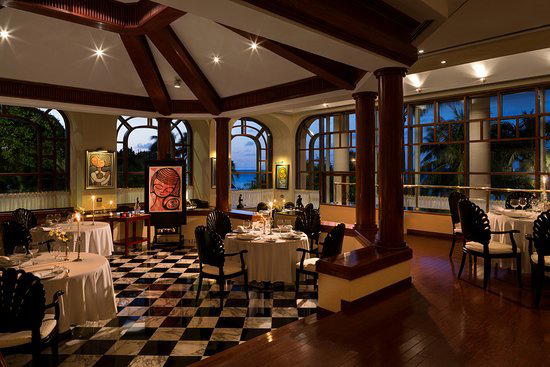
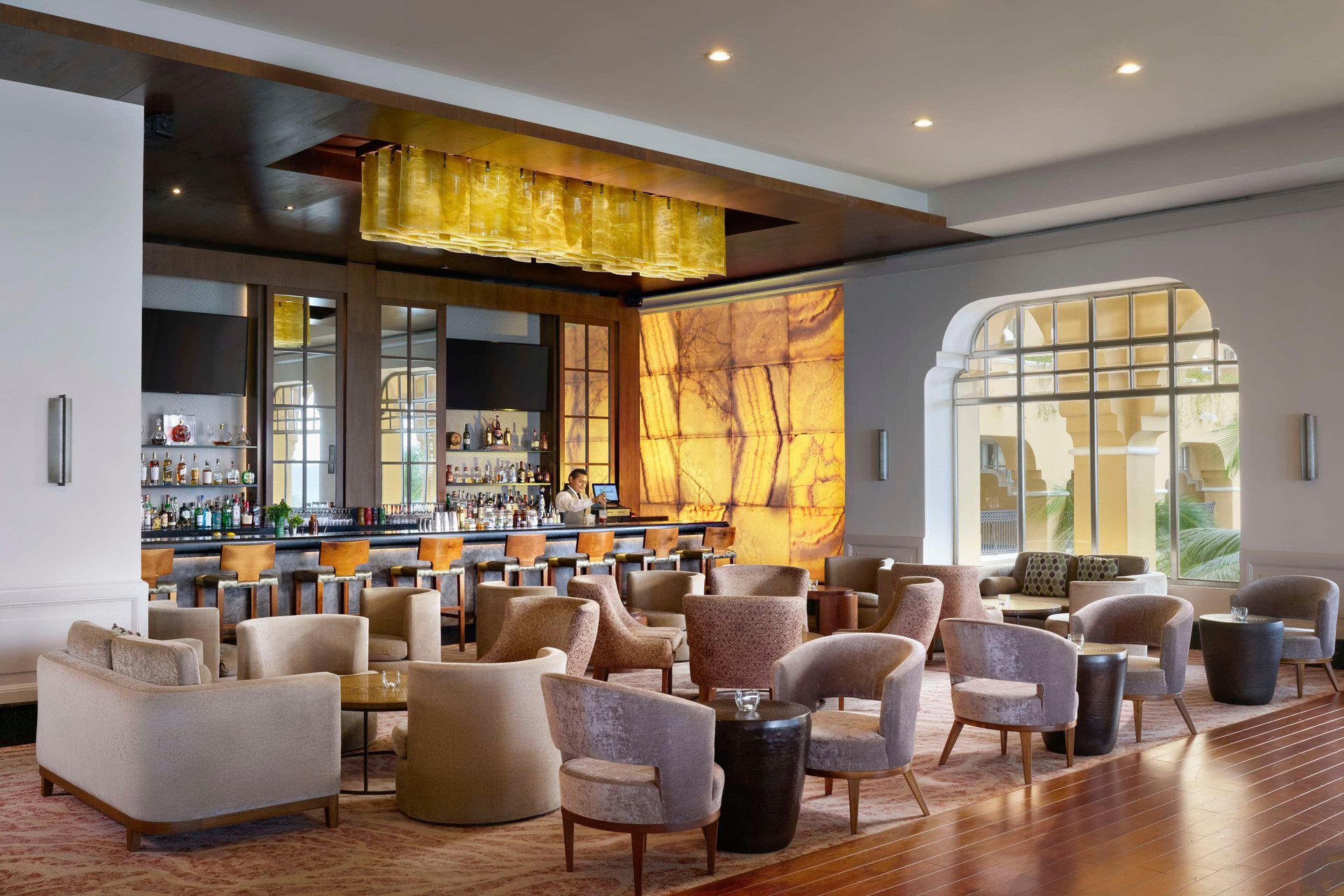
Approaching any restaurant along this stretch, the sensory frame is shaped by the boulevard itself: salt air from the nearby Caribbean, the diffuse brightness of the lagoon side at certain hours, and the transition from exterior heat into climate-controlled interiors that defines almost every dining room in the zone. What distinguishes a Japanese restaurant within that context is what happens once you're inside. The aesthetic vocabulary of Japanese dining, whether a full omakase counter or a broader sushi and cooked-dish format, tends toward restraint in material choices: wood surfaces, muted tones, and a spatial organisation that focuses attention on the counter or the plating station rather than on decorative spectacle.
Cancún's Hotel Zone does not, as a rule, reward restraint-led design with immediate visibility. The venues that attract consistent traffic here often signal loudly from the exterior. A Japanese dining room that holds to a quieter visual register is making a deliberate positioning choice, betting on clientele who already know what they are looking for rather than on passing traffic converted by spectacle. That choice carries trade-offs and advantages: it filters for guests who arrive with intent, which in turn affects the pace and character of service inside.
Where Ryoshi Sits in the Cancún Dining Circuit
Cancún's restaurant scene in the Zona Hotelera is more stratified than it appears from the outside. The visible tier, heavy on seafood and grilled formats, includes well-established names like Lorenzillo's, which has operated as a lagoon-side seafood destination for decades. Above that there is a smaller group of restaurants operating in more specific culinary registers: Le Basilic in French seafood, The Club Grill in the steakhouse tradition. Japanese dining occupies its own vertical within that landscape, with price points and service formats that vary considerably from casual sushi to more formal multi-course structures.
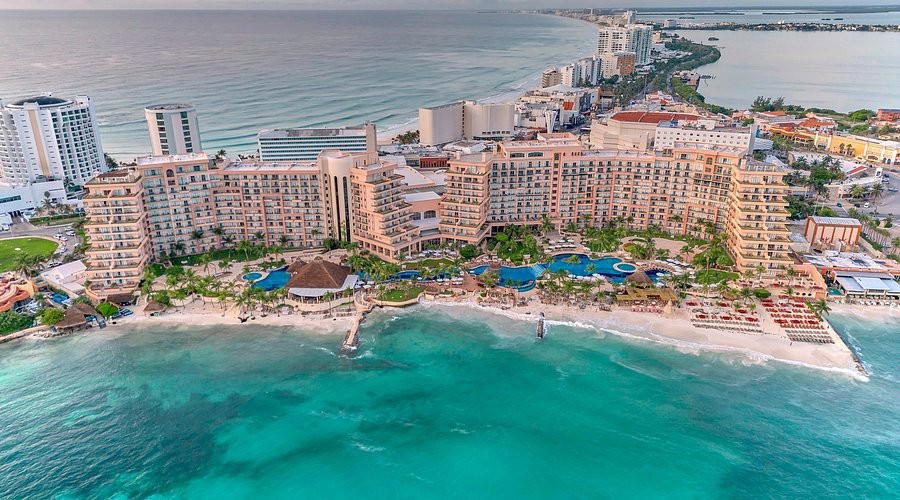
Ryoshi's address on Kukulkán places it geographically within reach of the major hotel clusters, which matters for a restaurant format that depends on guests willing to leave their resort for a specific dining experience. For travellers comparing options, the relevant question is not whether to eat Japanese in Cancún but which tier and which format aligns with their expectations. The Cancún dining circuit, explored in depth in our full Cancun restaurants guide, spans from casual coastal spots to restaurants that compete with serious dining addresses in Mexico City and Monterrey.
Japanese Dining Traditions in a Mexican Resort Context
Japan-influenced dining in Mexican coastal destinations has developed its own hybrid grammar over the past two decades. The base tradition, whether sashimi precision or the broader izakaya register, tends to absorb local seafood supply chains: the Caribbean and Gulf of Mexico yield different cuts and species than what a Tokyo counter would source, and the kitchens that handle those materials most effectively are the ones that adapt technique without abandoning discipline. The result, in strong examples across the Yucatan Peninsula and further along Mexico's Pacific coast, is a cuisine that reads Japanese in method while operating on local raw material.
Comparison is instructive here. HA' in Playa del Carmen demonstrates how serious ocean-to-plate cooking operates down the Riviera Maya corridor, applying rigorous technique to Caribbean seafood in a format that earns recognition on its own terms. Closer to Mexico's fine dining axis, Pujol in Mexico City and KOLI Cocina de Origen in Monterrey represent the benchmark for how Mexican kitchens can operate with international credibility. The regional picture extends further: Levadura de Olla in Oaxaca, Alcalde in Guadalajara, and Lunario in El Porvenir all illustrate the range of what serious cooking looks like across Mexican regions. Animalón in Valle de Guadalupe and Olivea Farm to Table in Ensenada show how northern Baja has developed its own credible dining identity. Within Cancún itself, Pangea in San Pedro Garza García represents the northern Mexico dining benchmark. For guests who also want to explore the Zona Hotelera's non-Japanese alternatives, the Argentine grill tradition appears at Asador La Vaca Argentina and Bodega Argentina, while Bombay Cancún, Café con Gracia, and Capri Pizza Moderna fill out the zone's range of European-influenced formats.
For the highest tier of technically focused ocean-based cooking in the broader region, Le Chique in Puerto Morelos sets a regional benchmark, and internationally the standard against which serious seafood-focused kitchens are measured includes addresses like Le Bernardin in New York City and Atomix in New York City, the latter demonstrating how Korean fine dining has fused precision with narrative in ways that parallel Japanese omakase discipline.
Planning Your Visit
Ryoshi Cancún's address on Boulevard Kukulkán places it within the Hotel Zone's main corridor, accessible by taxi or the R1 bus route that runs the length of the strip. The Hotel Zone's higher-end dining addresses, particularly those operating in focused cuisine formats, can see demand outpace availability during peak season months from December through February and again during spring break periods, making advance planning worthwhile for specific dining targets.

At a Glance
- Lively
- Trendy
- Elegant
- Sophisticated
- Date Night
- Group Dining
- Special Occasion
- Waterfront
- Open Kitchen
- Terrace
- Sake Program
- Craft Cocktails
- Waterfront
Current opening hours
- Monday
- 12 PM–1 AM
- Tuesday
- 12 PM–1 AM
- Wednesday
- 12 PM–2 AM
- Thursday
- 12 PM–2 AM
- Friday
- 12 PM–2 AM
- Saturday
- 12 PM–2 AM
- Sunday
- 12 PM–1 AM
Hours can change for holidays and private events. Last verified .
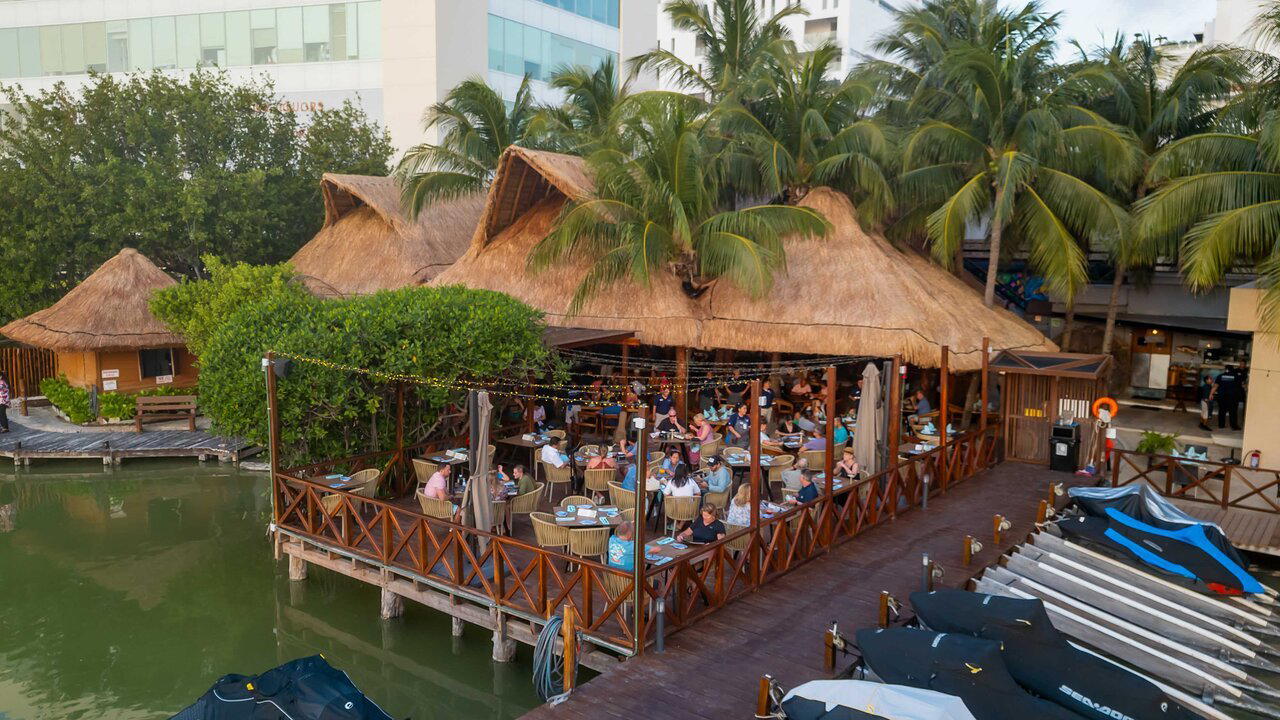
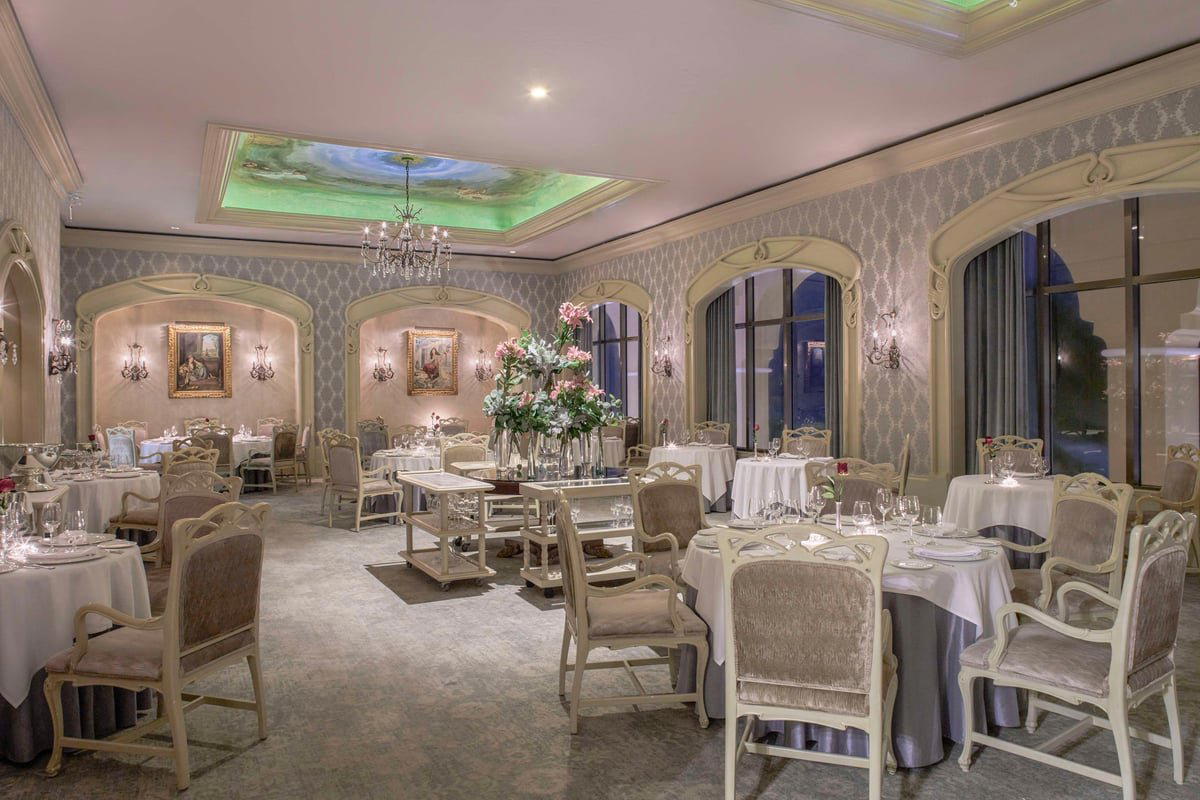
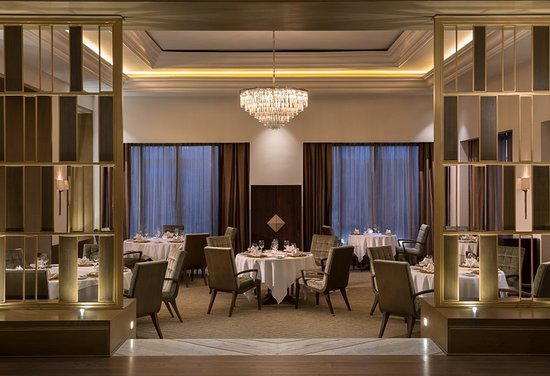
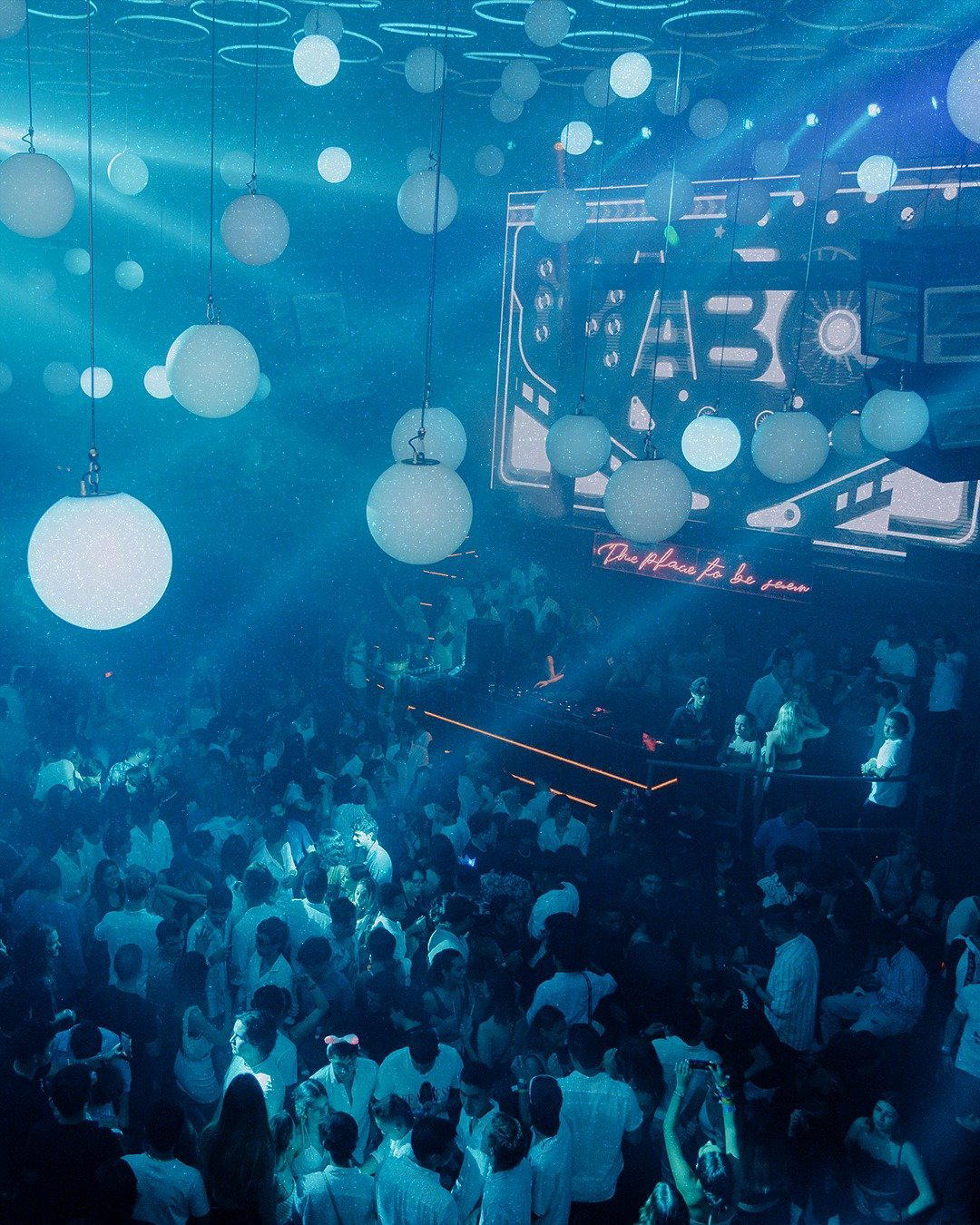
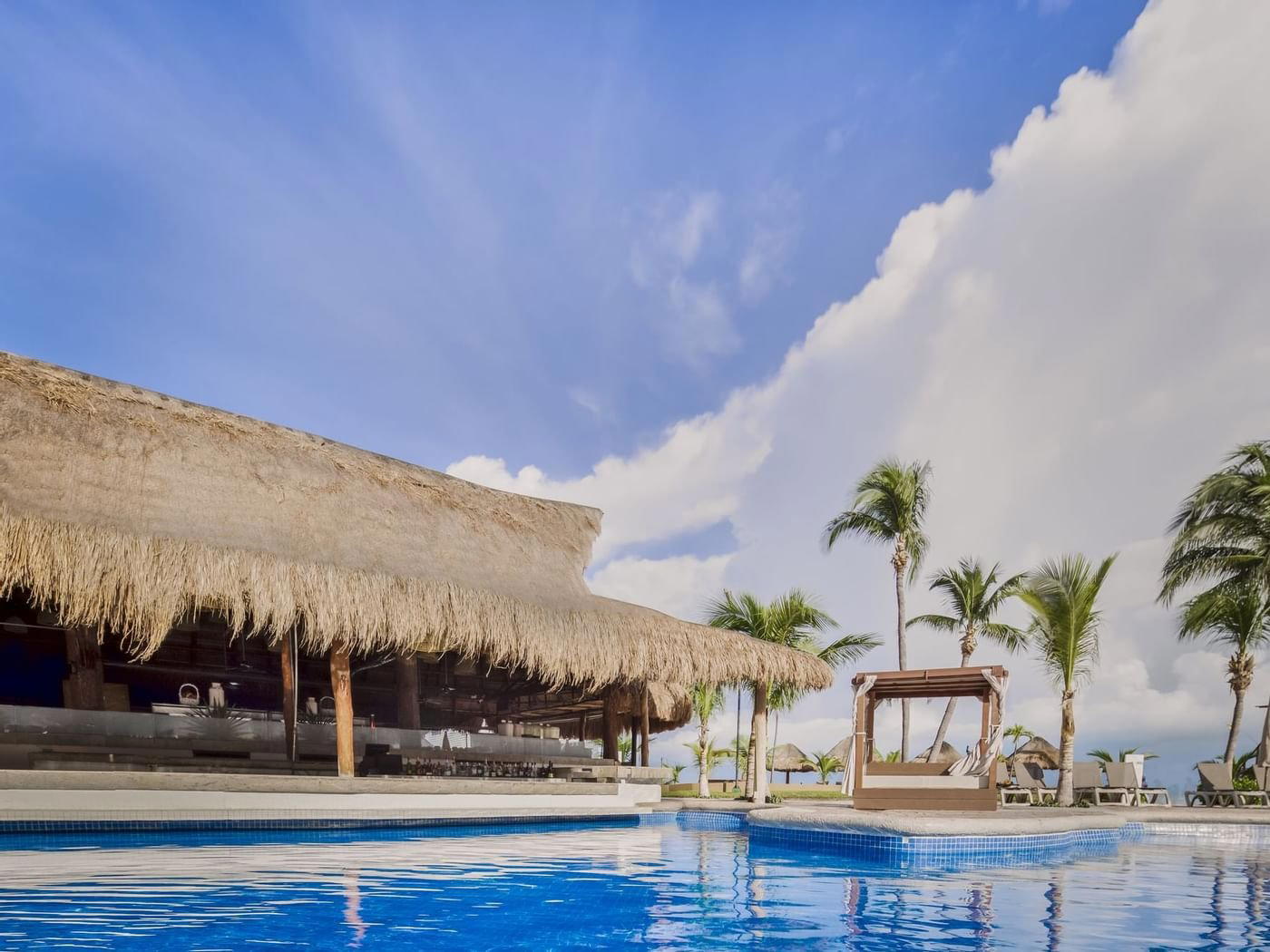
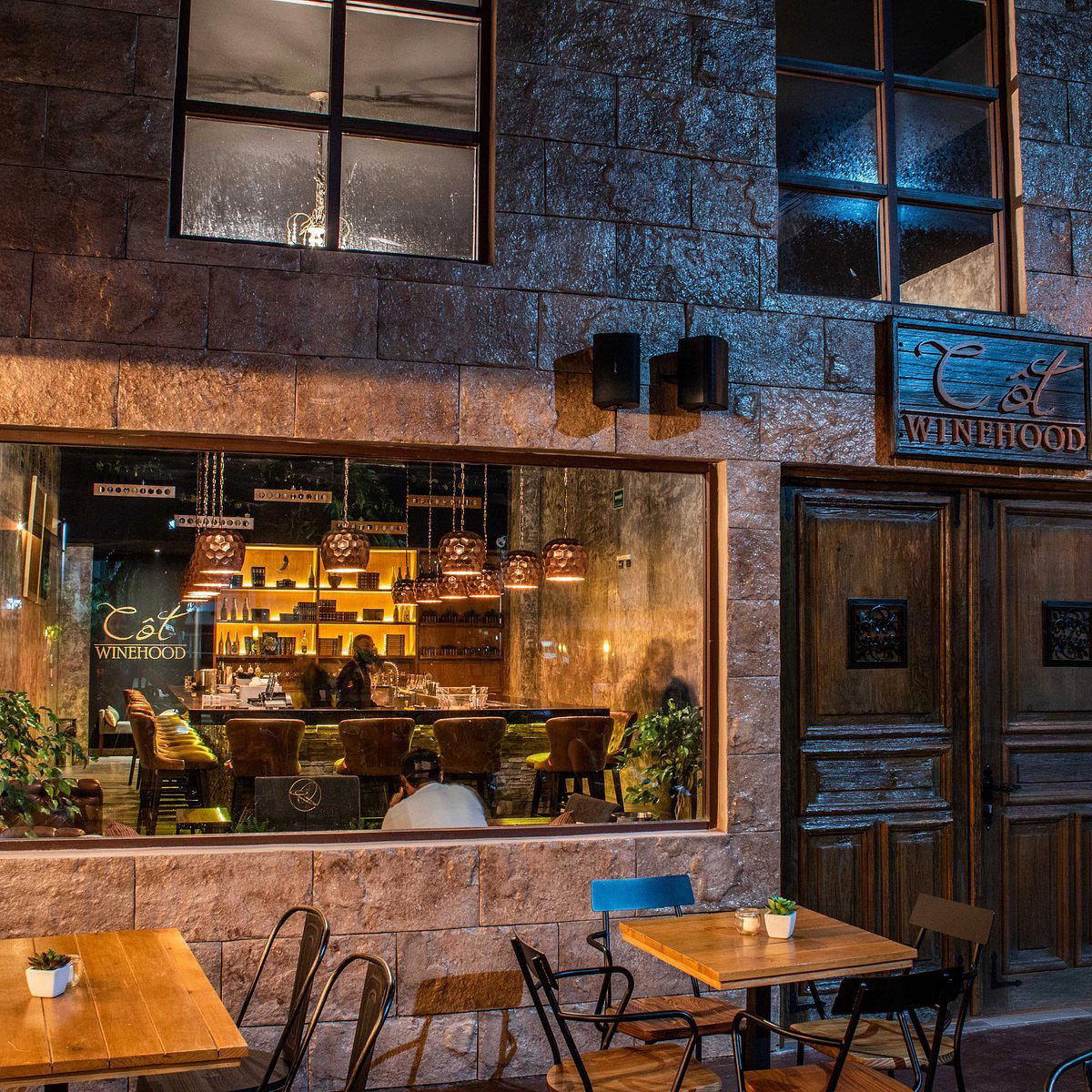
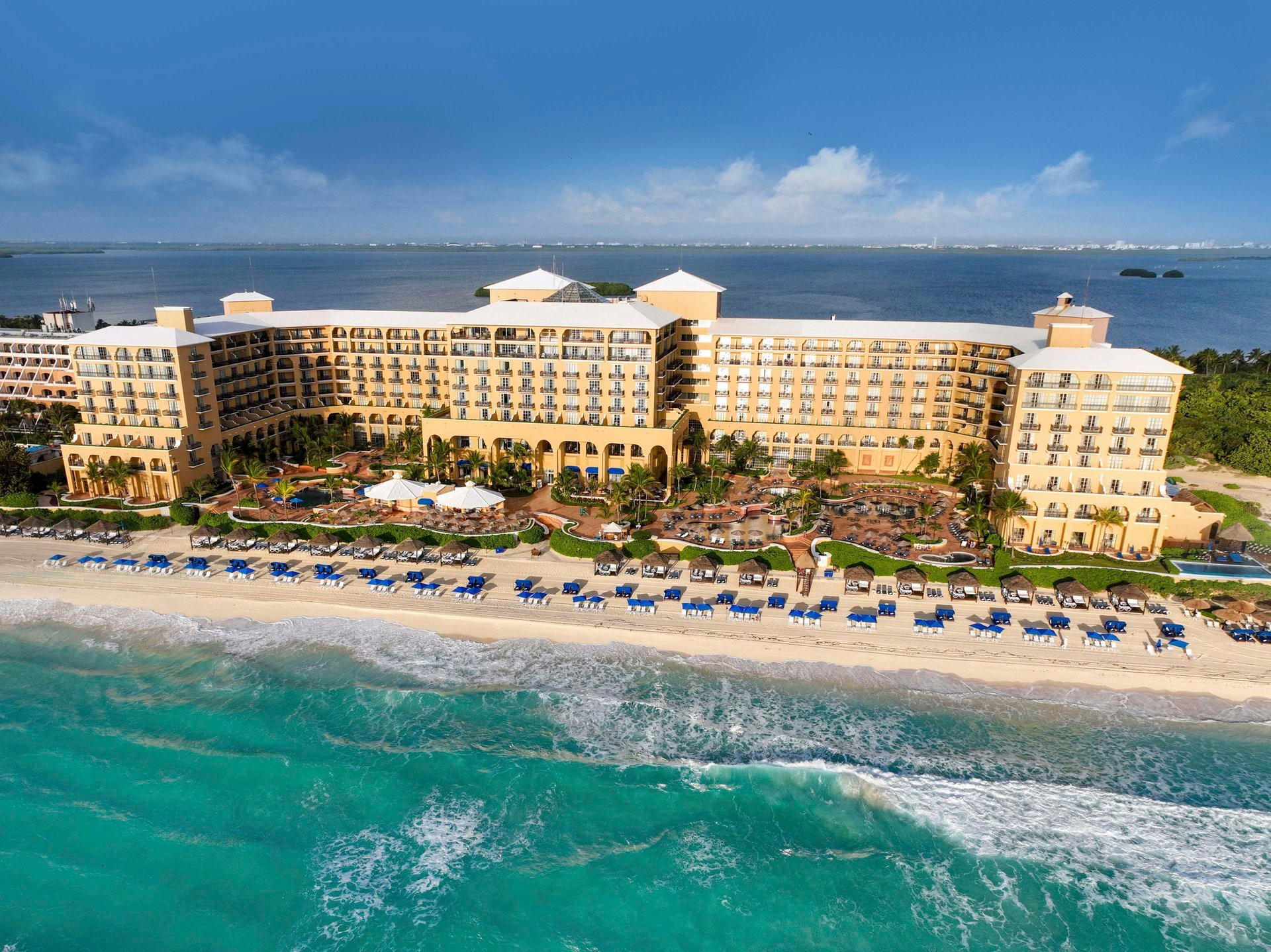
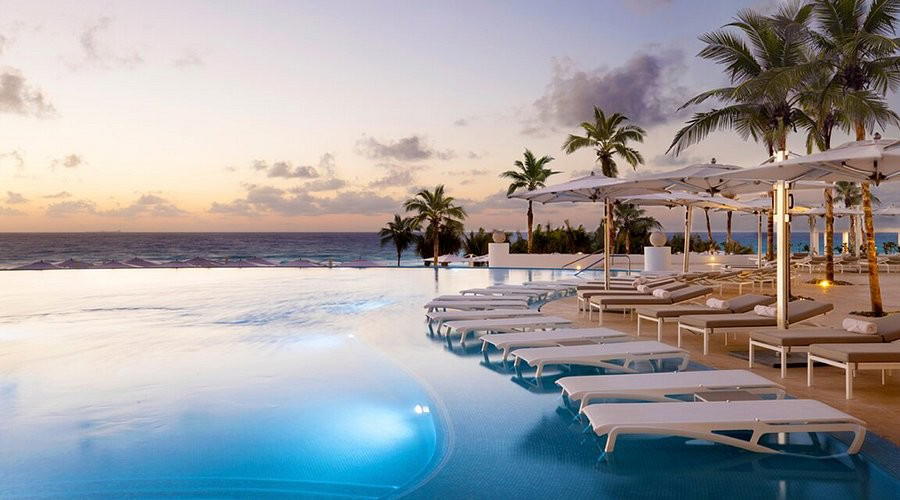
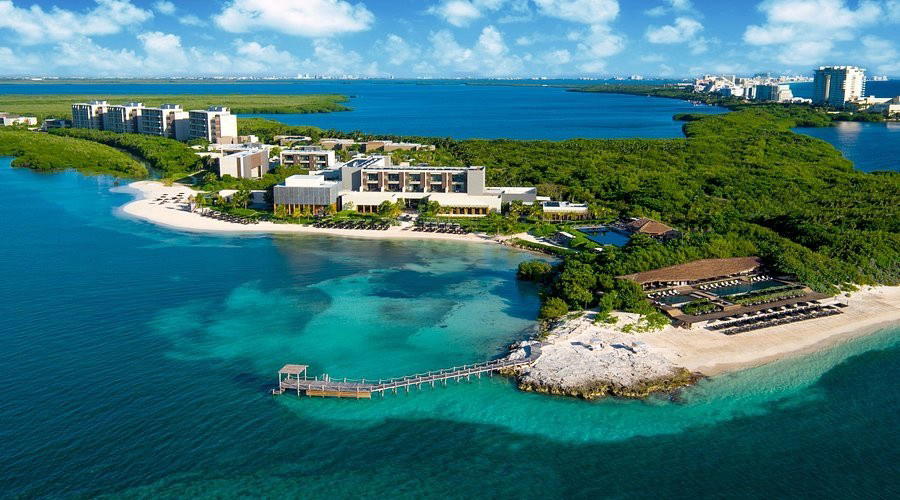
Urban chic interior blending modern sophistication with Japanese elements, warm ambient lighting, and relaxing open-air deck overlooking Nichupté Lagoon.
Know Before You Go
- Getting there
- Boulevard Kukulkán Lote 18-10 Manzana 52, U.P. 1 Sección “A, Zona Hotelera, 77500 Cancún, Q.R., Mexico