

White Guide Nordic Restaurants - Masters Level · We're Smart World 5 Radishes
Our verdict
Rutabaga occupied a significant moment in Stockholm's fine-dining conversation: the point at which a decorated chef voluntarily closed a successful meat-forward restaurant and reopened it as a fully lacto-ovo-vegetarian operation. Located at Södra Blasieholmshamnen 6, the restaurant earned five Radishes from the We're Smart Green Guide for its commitment to plant-forward cooking at the highest level. Note that Rutabaga is now permanently closed.
The menu
What to order
- Truffle pizza
- Carrot variations
A Waterfront Address and a Deliberate Shift
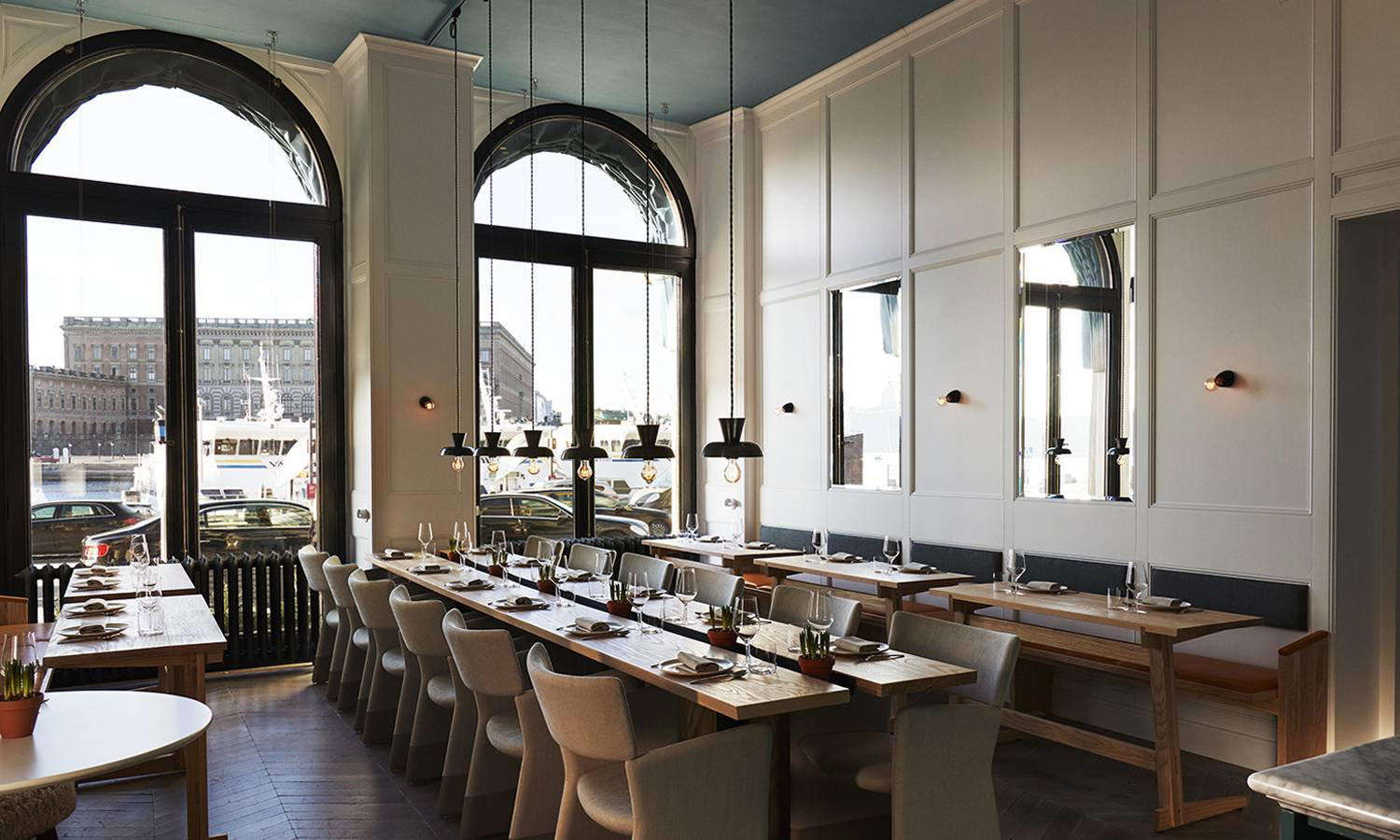
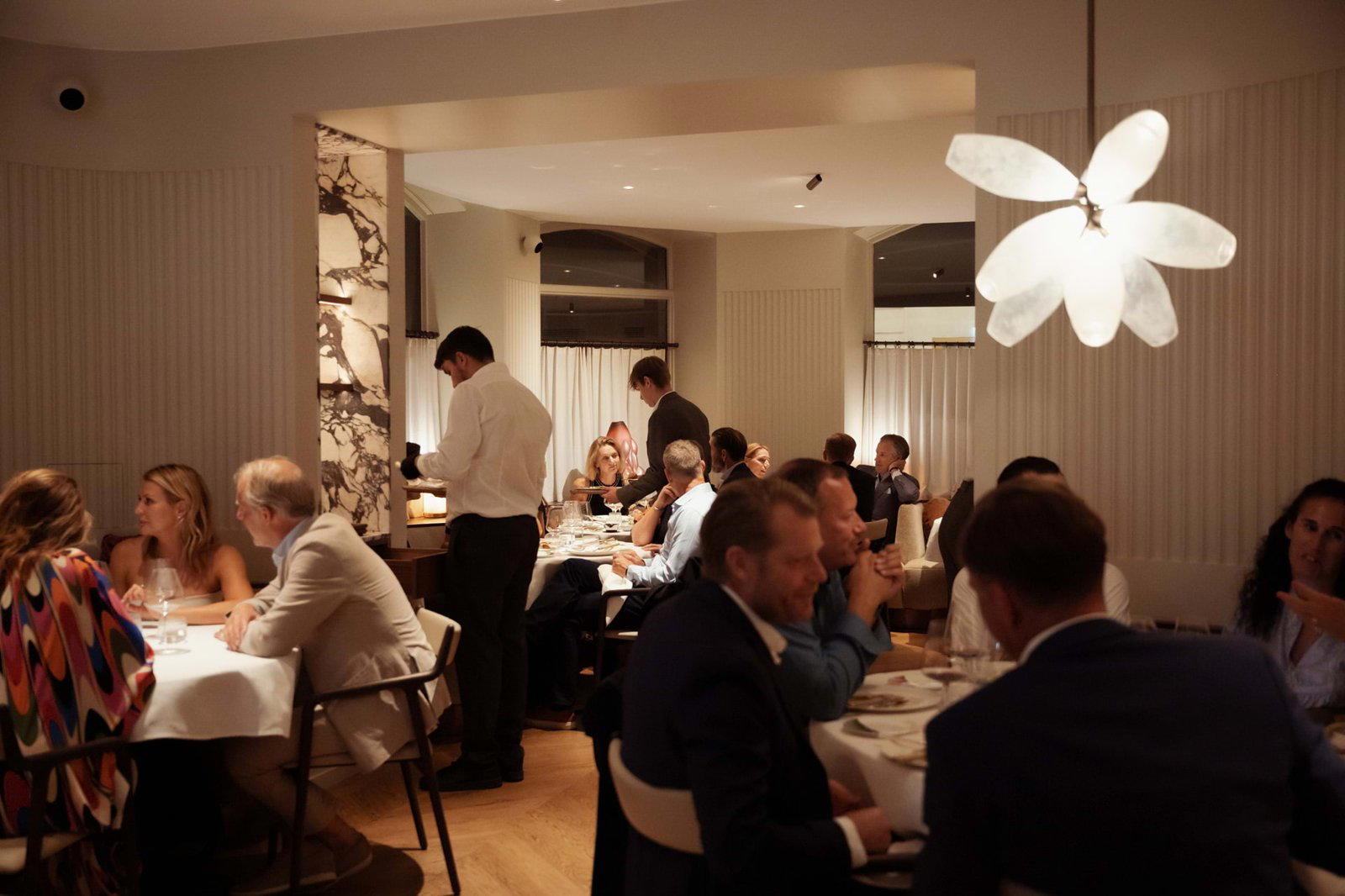
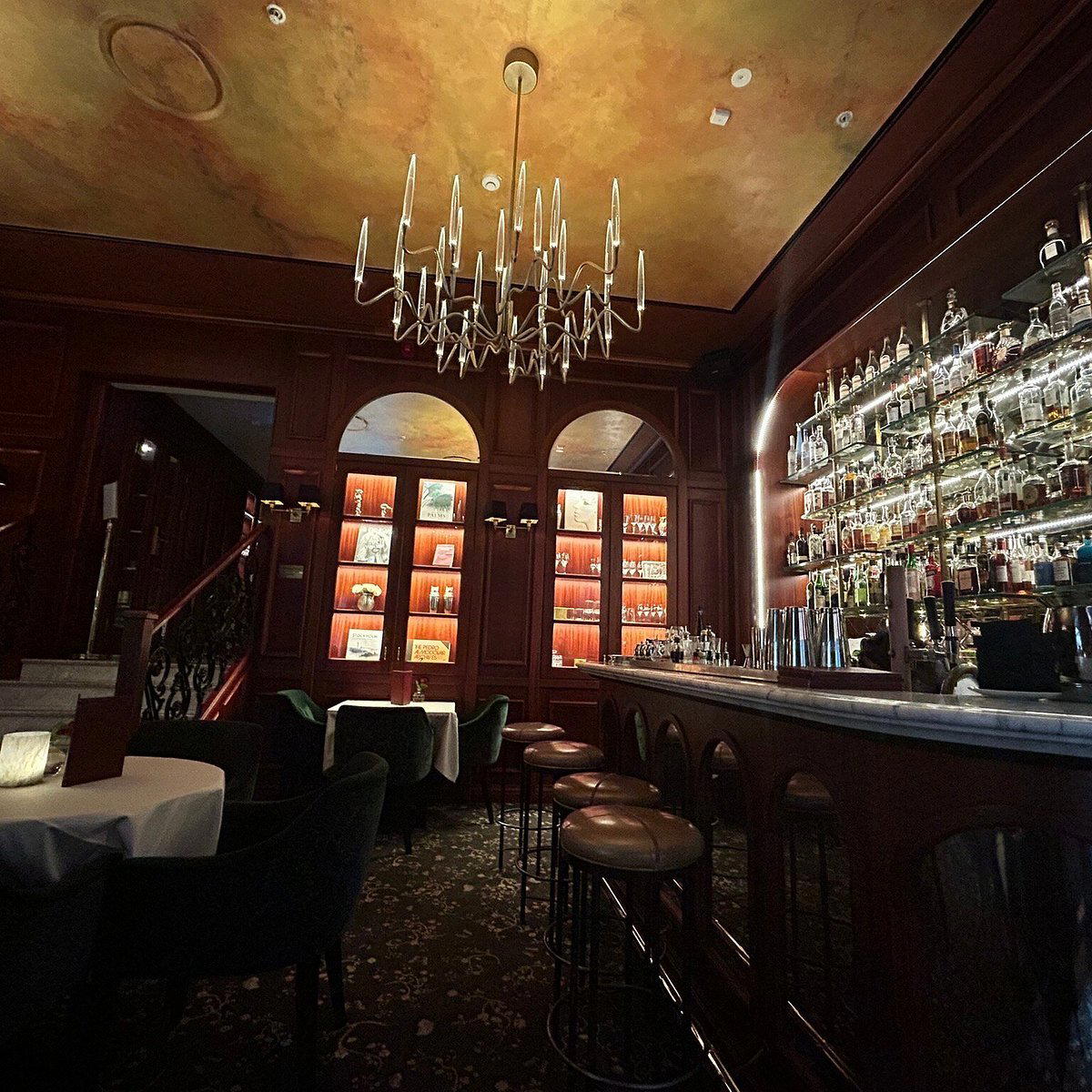
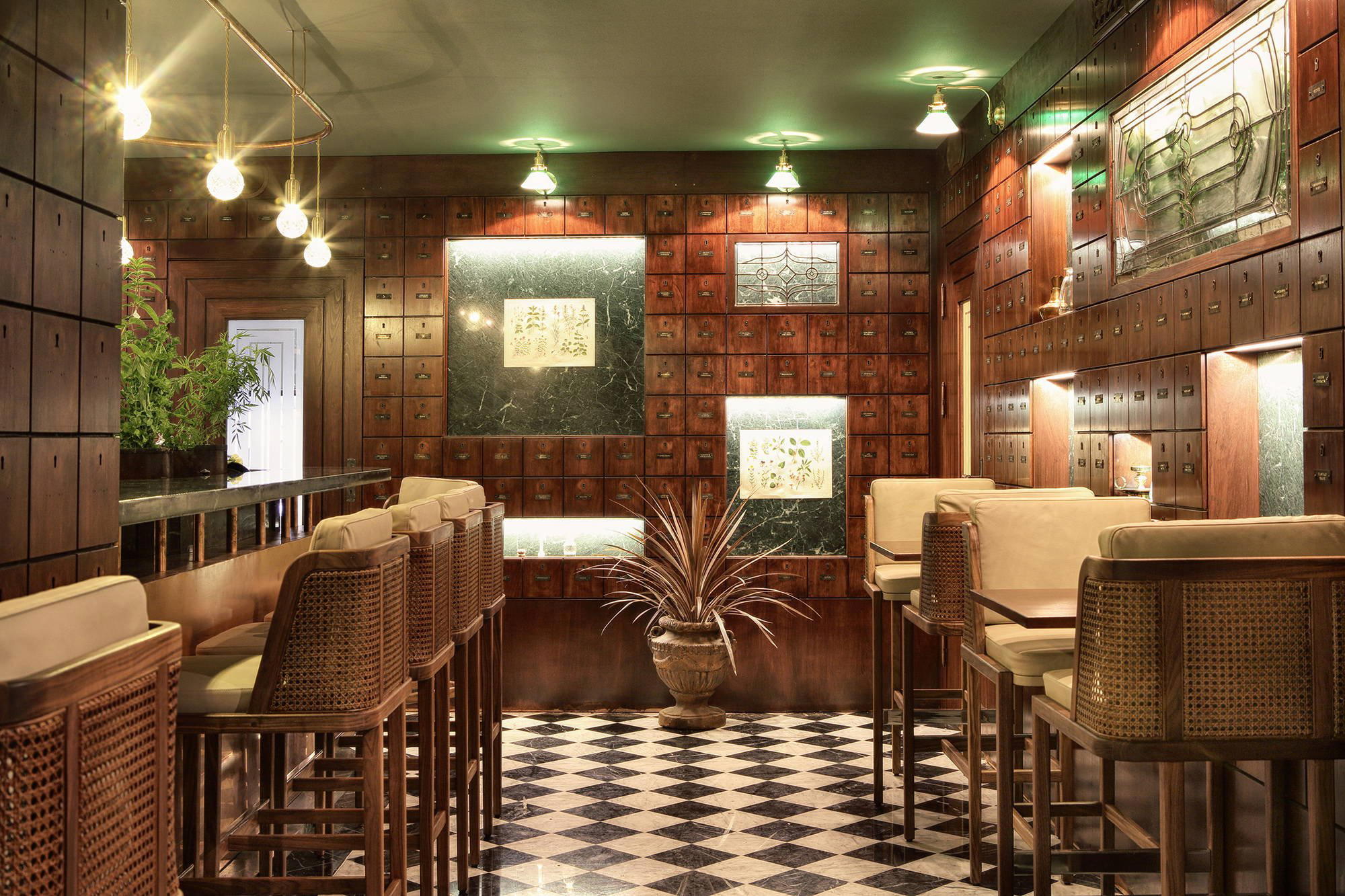
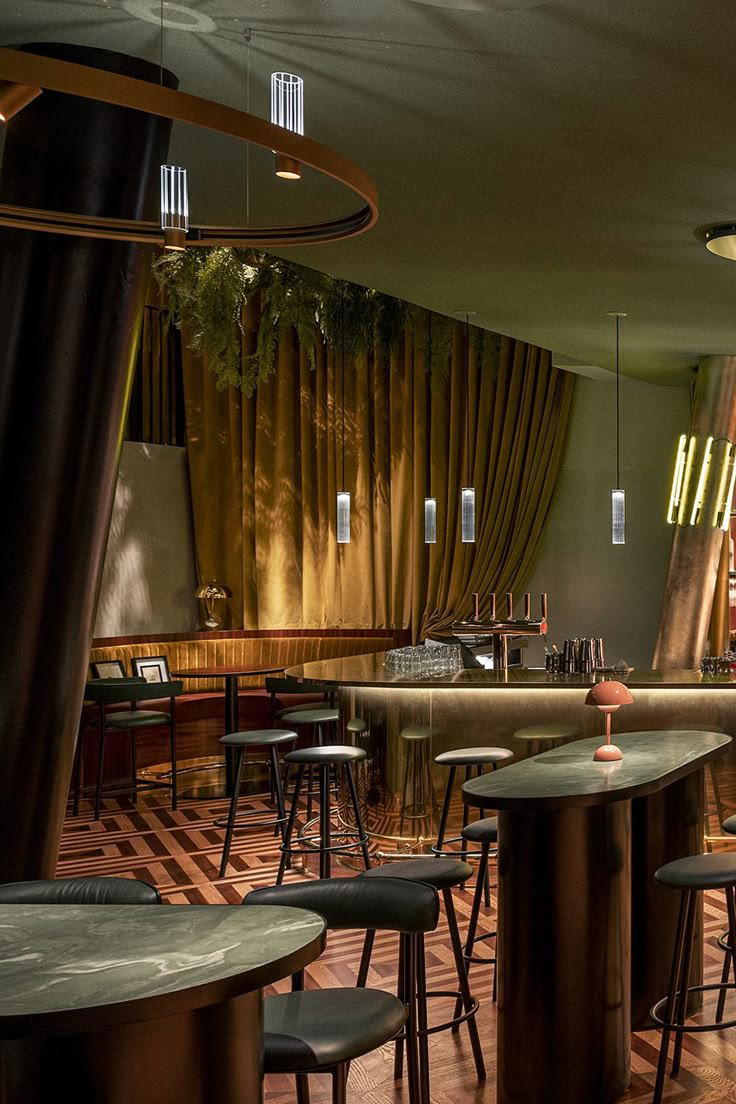
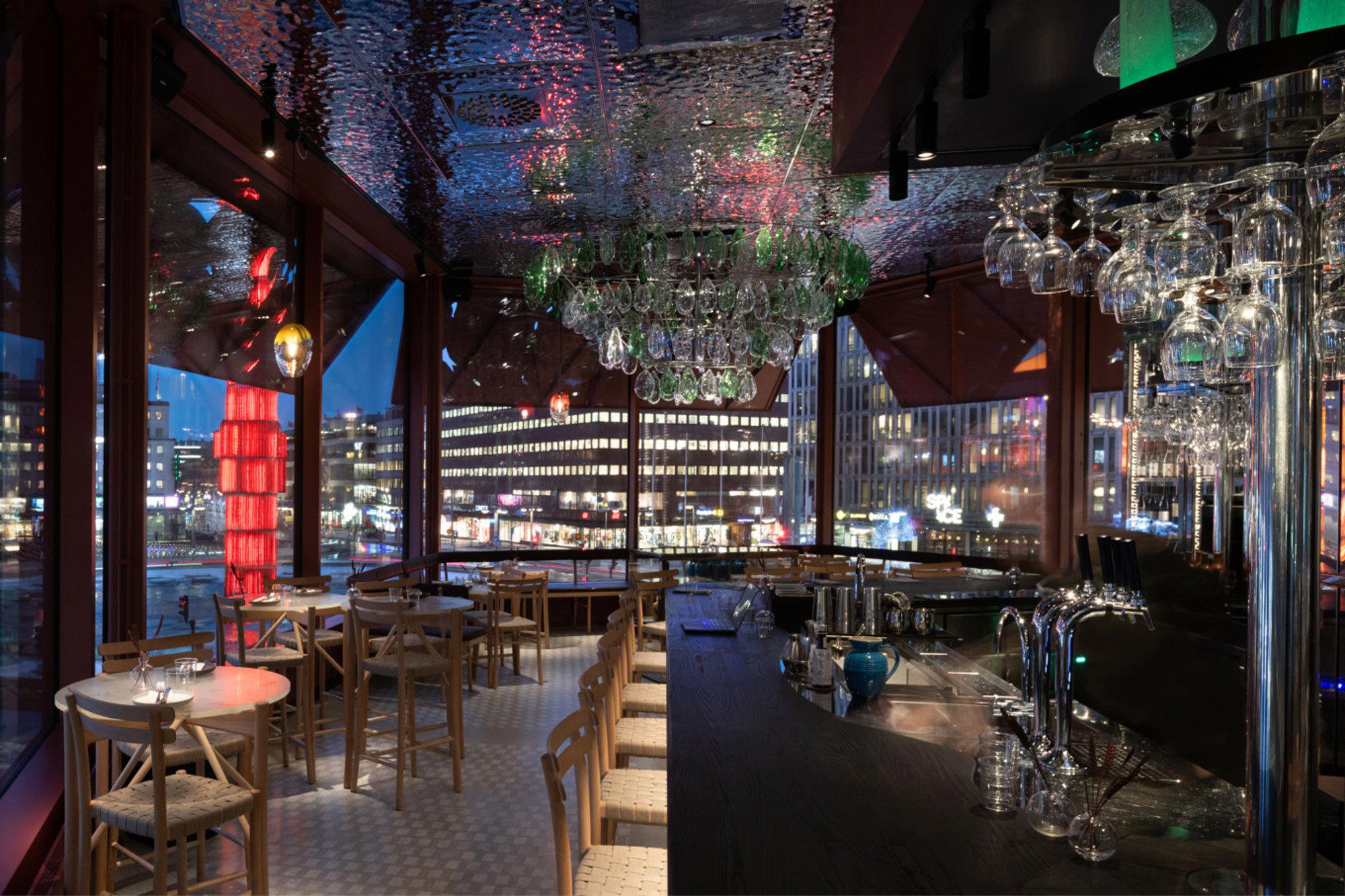
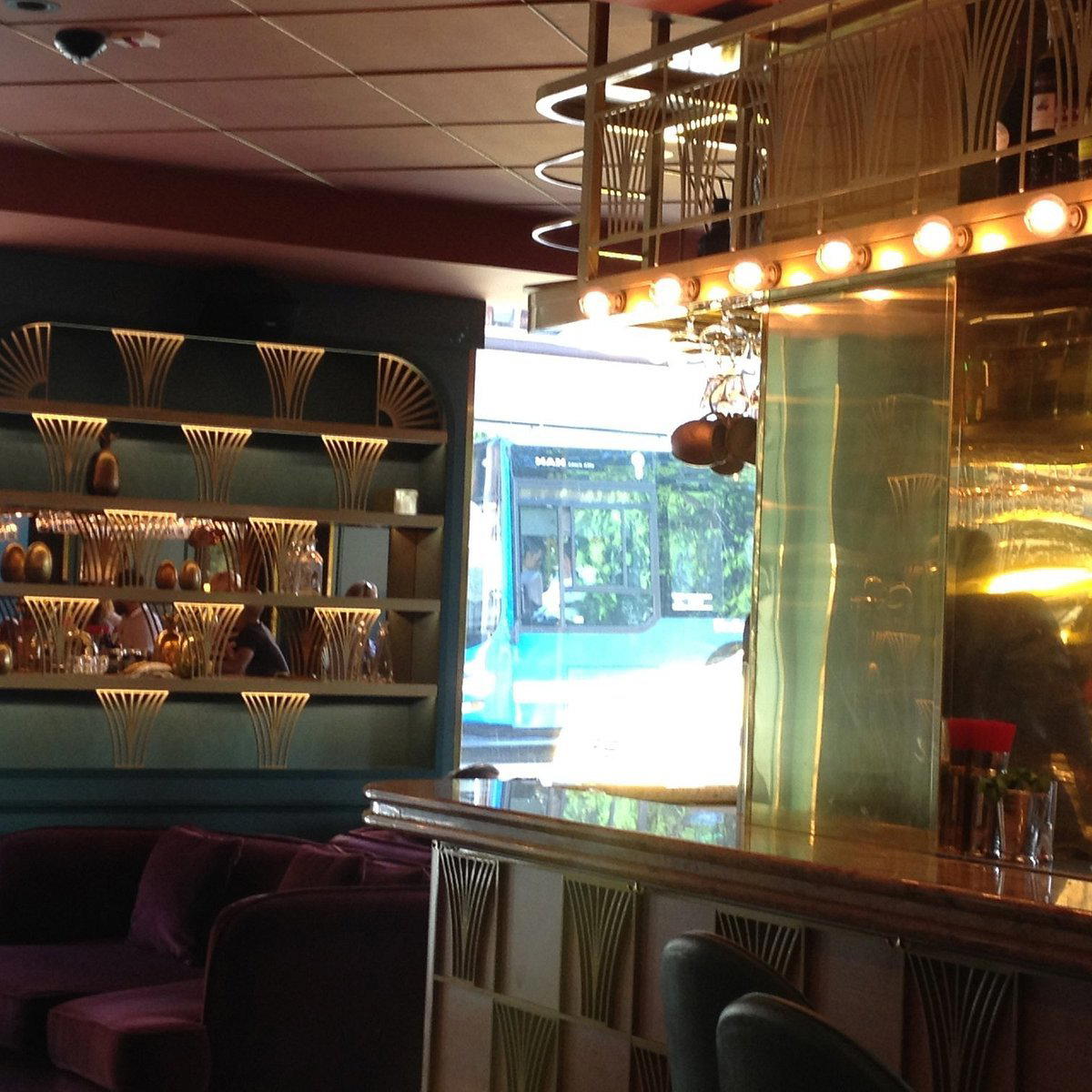
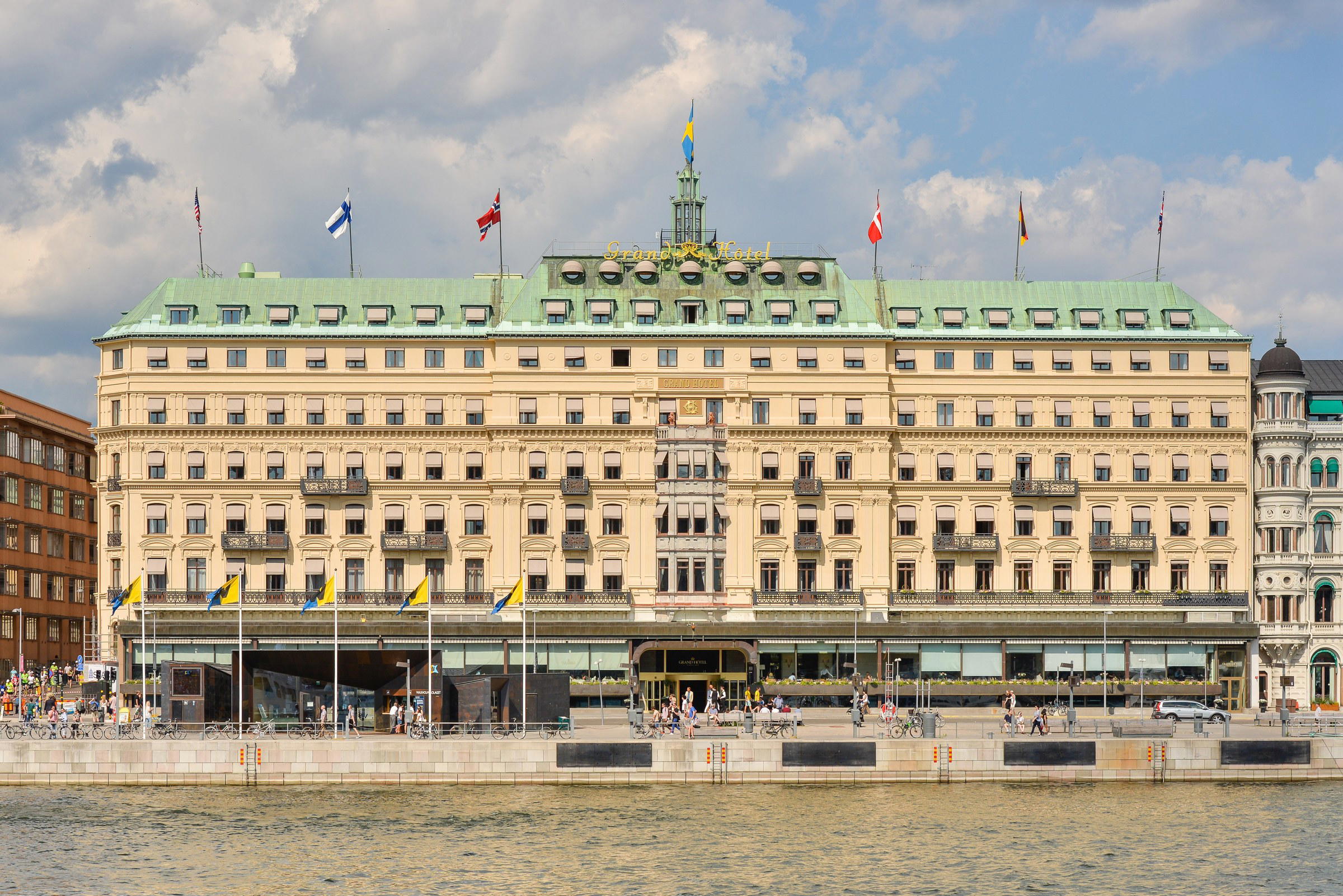
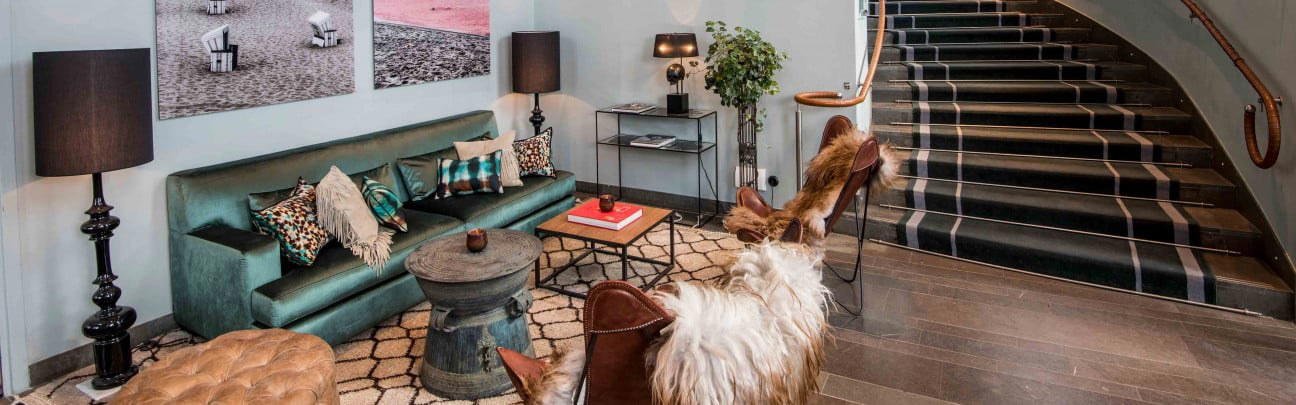
Södra Blasieholmshamnen sits at the edge of Stockholm's inner harbour, a stretch of embankment that frames one of the city's more self-consciously formal dining corridors. Hotels and white-tablecloth rooms line this water's edge, and for years the expectation was that the cooking to match the address would involve protein in the classical sense. Rutabaga complicated that assumption. When the restaurant operated at number 6 on that quay, it did so as a fully lacto-ovo-vegetarian kitchen housed in surroundings that carried none of the earnest austerity that vegetarian dining had historically implied in Scandinavia. The dining room was hotel-grade in its finish, the service registered on the same frequency as the rooms at comparably priced Stockholm tables, and the menu structure followed fine-dining logic rather than the health-café vernacular that plant-based cooking had long been saddled with in the Nordic context.
That positioning matters, because the story of Rutabaga is not really a story about one restaurant. It is a story about a particular moment in Stockholm's fine-dining evolution, when chefs at the top of the city's table began treating vegetables as a primary discipline rather than a support category. That shift is now visible across much of Stockholm's upper tier, but Rutabaga arrived at it earlier and more completely than most.
The Scene Rutabaga Entered
Stockholm's fine-dining conversation has historically been anchored in New Nordic frameworks, with Scandinavian produce, preservation techniques, and seasonal discipline forming the shared grammar of the city's most serious rooms. Frantzén, operating at three Michelin stars, and Operakällaren, with its deep roots in Swedish classical tradition, represent the poles of that conversation. AIRA, Aloë, and Adam / Albin each occupy different registers within it. What most of these rooms share is an architecture that treats vegetable cookery as sophisticated but ultimately subordinate to meat and fish.
Rutabaga sat outside that architecture by design. A lacto-ovo-vegetarian format at the fine-dining price point occupied a much smaller niche in Stockholm, one where the competitive set was not really other local tasting-menu rooms but rather a handful of European addresses that had made the same structural choice: eliminating animal protein without eliminating the ambition level that justified the cover price. The We're Smart Green Guide, which specifically tracks sustainability credentials and plant-forward kitchen practice, recognised this by awarding the restaurant five Radishes, its highest classification, citing both the conviction behind the concept and the execution in the plate.
Team Structure at the Level of the Concept
At rooms operating at this pitch, the collaboration between kitchen, floor, and cellar tends to define the experience as much as any single element. A fully vegetarian tasting menu at fine-dining scale creates specific coordination demands that are different from those in a conventional format. The sommelier pairing problem changes when there is no meat course to anchor a red-wine sequence; the floor team carries more interpretive weight when guests are encountering ingredient combinations that have no reference point in their prior dining experience; the kitchen's internal communication has to account for the fact that vegetable cookery is less forgiving of timing errors than a resting piece of meat.
These are not trivial operational questions, and the rooms that handle them well tend to have invested specifically in team coherence rather than relying on the conventional fine-dining playbook. At Stockholm's upper tier, this kind of specialised floor-and-cellar fluency is what separates a concept that works from one that is merely sincere. Rutabaga's recognition from the We're Smart Green Guide reflected not just the kitchen's output but the totality of the operation, the way the concept held together across every department.
The Broader Tradition
Vegetable-centred fine dining has a specific geography in Europe. Its credibility grew through a handful of benchmark rooms that demonstrated, at sufficient price and prestige, that eliminating meat was not a constraint but a discipline. That argument was not universally accepted quickly; in many markets, including Stockholm's, the assumption persisted for years that serious cooking required animal protein at its centre. What changed that assumption in city after city was not advocacy but execution: rooms that delivered technically sophisticated, aesthetically coherent menus at price points that signalled peer status with the leading omnivore tables in the same market.
Rutabaga made that argument in Stockholm with enough conviction that it attracted critical recognition from a guide specifically equipped to evaluate it. That is a narrower achievement than a Michelin star, but it is a more specific one: the five-Radish rating from the We're Smart Green Guide is awarded on criteria that conventional guides do not apply, and reaching the maximum score places a kitchen in a genuinely small peer group across Europe. For reference, international fine-dining operations that have sought similar recognition in the sustainability and plant-forward space, such as Le Bernardin in New York City with its seafood-centred sustainability commitments, or Emeril's in New Orleans with its sourcing philosophy, demonstrate how credential-building around a single clear principle can define a room's identity in a way that crosses geography.
The Wider Swedish Table
Stockholm's fine-dining scene does not exist in isolation from the broader Swedish restaurant geography. Several rooms outside the capital have built distinctive identities around produce-led cooking and regional specificity. Signum in Mölnlycke, Vollmers in Malmö, and VYN in Simrishamn each represent the regional dimension of Swedish fine dining, while ÄNG in Tvååker, Knystaforsen in Rydöbruk, and PM & Vänner in Växjö anchor a mid-country corridor that has developed its own serious identity. Rutabaga, operating at the capital's harbour edge, drew from the same broader Swedish food culture but pointed it in a specific direction that none of these rooms had taken as completely.
Planning Around a Permanently Closed Address
Rutabaga is permanently closed. The restaurant no longer operates at Södra Blasieholmshamnen 6, and the concept in its original form is no longer available to visit. For those researching Stockholm's fine-dining options, the relevant question now is where the approach Rutabaga pioneered has migrated across the city's current room. Some of that migration is visible in how Stockholm's active tasting-menu kitchens handle vegetable courses; more of it is latent, present in the willingness of serious Swedish rooms to build menus around plant material at price points that once required animal protein as justification.
For current Stockholm restaurant, hotel, bar, and experience planning, EP Club maintains full city guides: our full Stockholm restaurants guide, our full Stockholm hotels guide, our full Stockholm bars guide, our full Stockholm wineries guide, and our full Stockholm experiences guide cover the current operating landscape in detail.
Frequently asked questions
What is Rutabaga known for?
Rutabaga is known as Stockholm's most prominent fully lacto-ovo-vegetarian fine-dining room, operating at a harbour address associated with high-end tasting-menu cooking. The restaurant earned five Radishes from the We're Smart Green Guide, the guide's highest rating, awarded in recognition of both the conviction behind the vegetarian commitment and the quality of the plant-centred cooking. In the context of Stockholm's fine-dining scene, it occupied a niche that no comparable room had claimed as completely.
What do regulars order at Rutabaga?
As the restaurant is permanently closed, current ordering is not possible. When operating, the format was vegetarian fine dining structured around a tasting menu, which means the kitchen determined the progression of dishes rather than guests selecting individually. The cuisine was lacto-ovo-vegetarian, meaning eggs and dairy were in play, while meat and fish were not. For plant-forward dining at comparable ambition in Stockholm's current scene, the EP Club Stockholm restaurants guide covers the active options.
Is Rutabaga reservation-only?
Rutabaga is permanently closed and no longer accepts reservations. When it operated, the format and price point of a Stockholm fine-dining room at this level would typically have required advance booking. Stockholm's current high-end tasting-menu rooms, including those at the Frantzén tier, require reservations made weeks or months in advance; the same booking discipline applied to Rutabaga when it was active. For current Stockholm fine-dining reservations, consult the EP Club city guide for up-to-date booking guidance.
Cuisine and Recognition
| Venue | Cuisine | Price | Awards | Notes |
|---|---|---|---|---|
| RutabagaThis venue (the venue you are viewing) | Modern Vegetarian Fine Dining | Not listed | White Guide Nordic Restaurants - Masters Level · We're Smart World 5 Radishes | Not listed |
| Operakällaren | Modern Scandinavian Fine Dining | $150–200 | 1 Michelin Star · World's 50 Best #27 | Swedish, Modern Cuisine |
| AIRA | Modern Nordic Seasonal Tasting Menu | $200–300 | 2 Michelin Stars · La Liste Top Restaurants | Modern European, Modern Cuisine |
| Adam / Albin | Modern Scandinavian Fine Dining | $100–150 | 1 Michelin Star · La Liste Top Restaurants | New Nordic |
| Ekstedt | Wood-Fire Nordic Fine Dining | $200–300 | 1 Michelin Star · La Liste Top Restaurants | Progressive Asador, Grills |
| Etoile | Creative International Fine Dining | $300–500 | 1 Michelin Star · Star Wine List | Contemporary French, Creative |
Recognition history
Dated appearances from independent guides and award organizations, with the underlying list record or original source where available.
White Guide Nordic Restaurants - Masters Level
White Guide
We're Smart World 5 Radishes
We're Smart World
Continue exploring
More in Stockholm
Restaurants in Stockholm
All restaurants in Stockholm →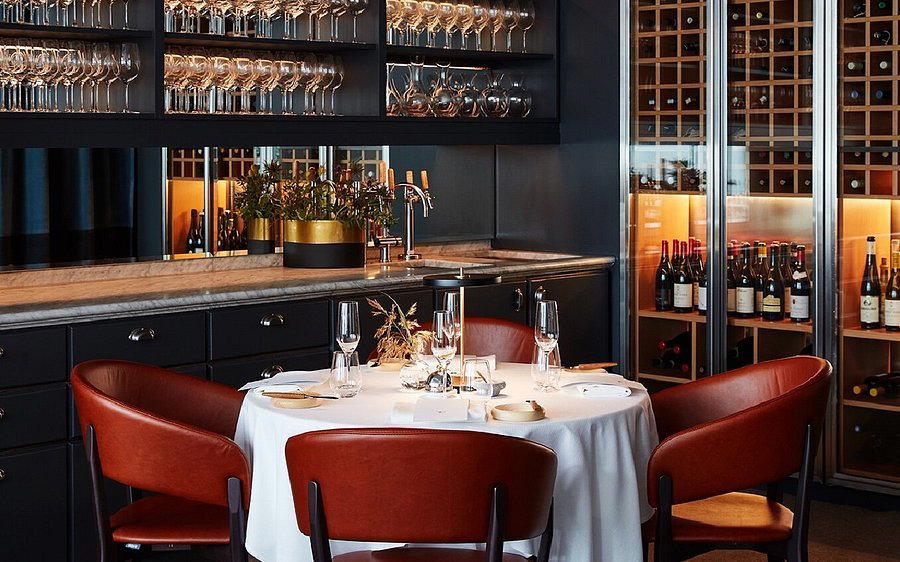
Details
- Modern
- Elegant
- Cozy
- Sophisticated
- Minimalist
- Date Night
- Special Occasion
- Open Kitchen
- Hotel Restaurant
- Extensive Wine List
- Natural Wine
- Waterfront
- Street Scene
- Tasting Menu
- A La Carte
- Small Plates
- Vegetarian Friendly
- Vegan Options
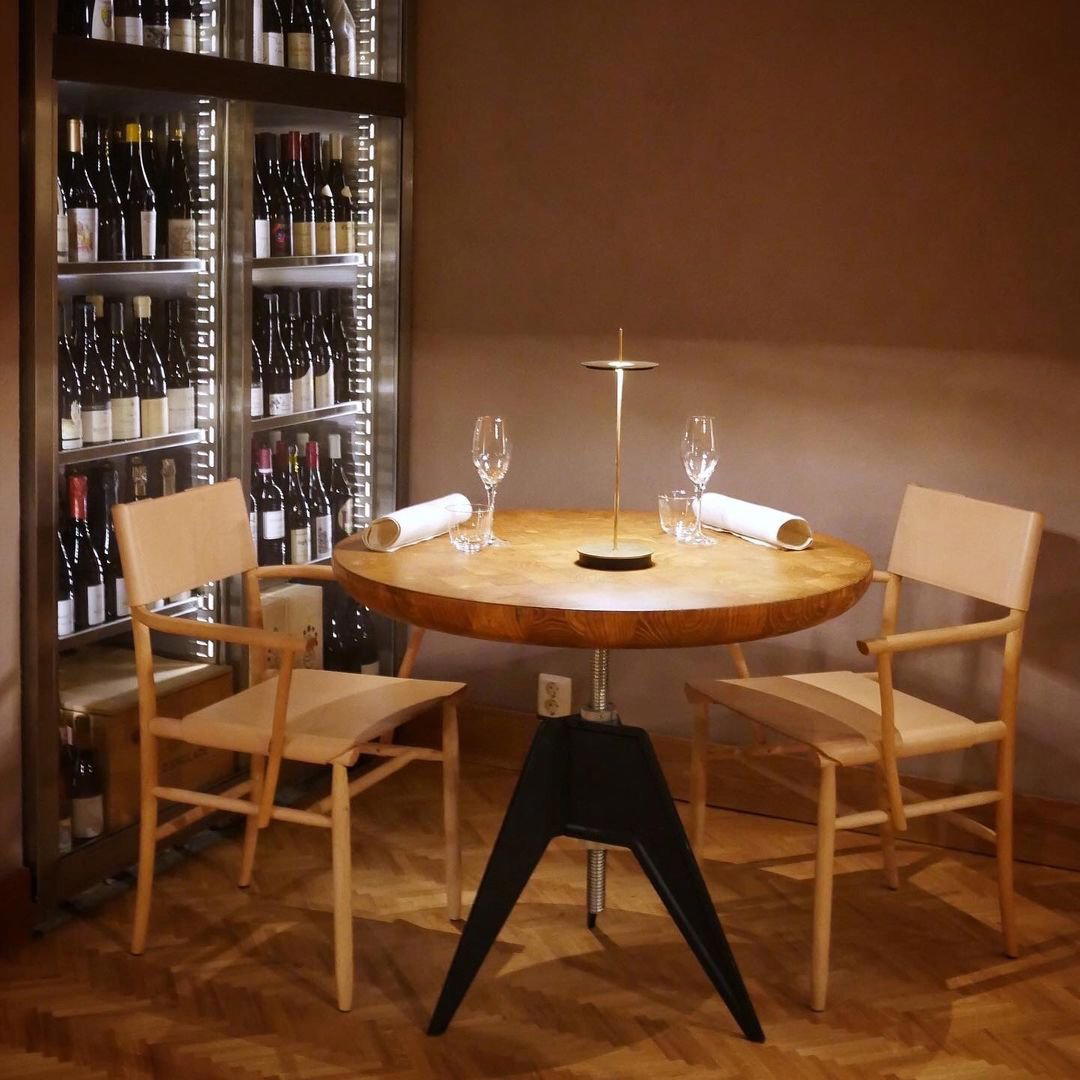
Warm and snug with light wood, soft hues, warm lighting, and innovative seating promoting intimacy and conversation.