Ruge

A family-run restaurant on the road to the La Jarosa reservoir, Ruge sits in the forested foothills north of Madrid and draws on the sierra's grilling tradition for its à la carte. Grilled meats and rice dishes anchor the menu, with tapas and Japanese-influenced plates adding range. The rustic-minimalist interior and a chillout terrace make it a considered stop for a day out of the capital.
Pearl is the En Primeur Club membership app — saves, bookings, and concierge access live there. Same editors, same standards.
- Address
- Carr. de La Jarosa, 28440 Guadarrama, Madrid, Spain
- Phone
- +34 689 41 56 22
- Website
- rugerestaurante.com
- Directions
- Get directions
 Saves & bookings on Pearl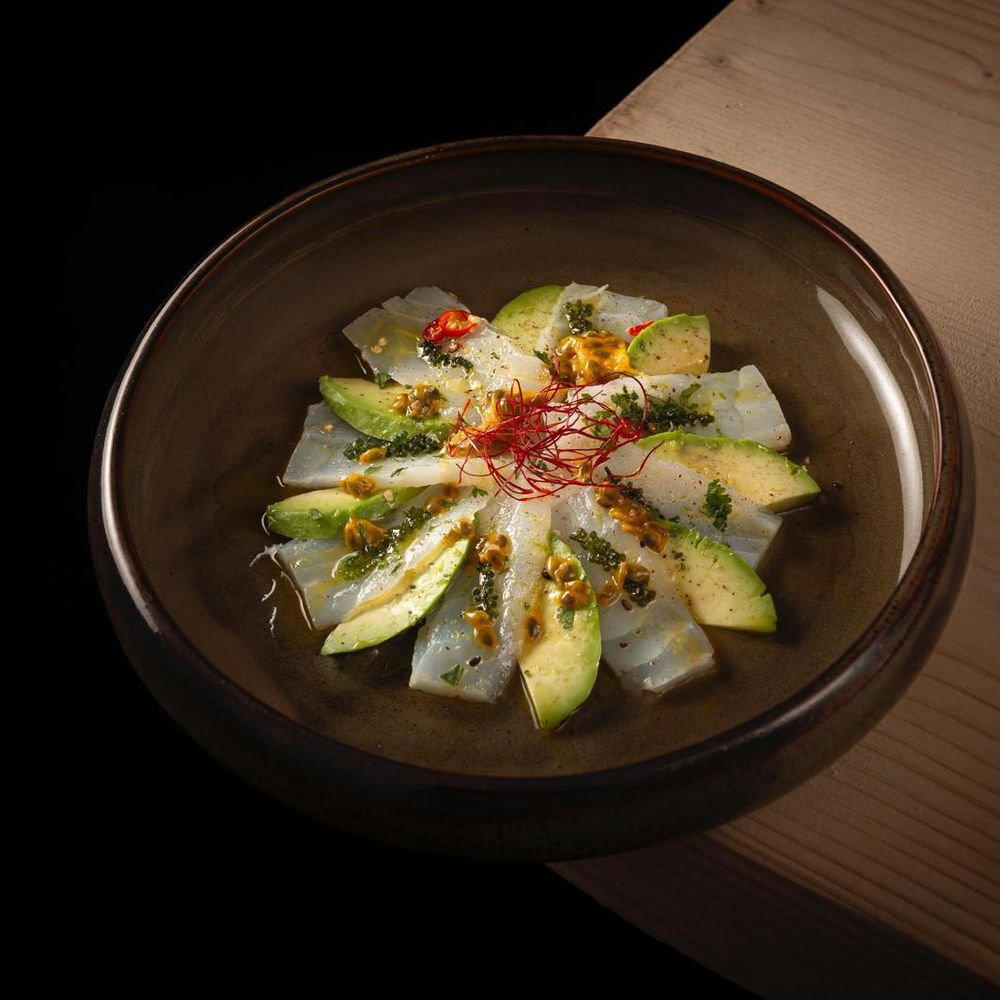
Where the Sierra Meets the Table
The road out of Madrid toward the Sierra de Guadarrama changes character quickly. Within an hour of the capital, the motorway gives way to pine forest, reservoir views, and the kind of altitude that makes city-warm afternoons feel noticeably cooler. It is this corridor, running northwest through towns like Guadarrama toward the La Jarosa reservoir, that has quietly built a reputation for honest, ingredient-led cooking that the Spanish call cocina de producto: food whose quality lives or dies on what is sourced, not what is done to it. Ruge sits squarely in that tradition, on the Carretera de La Jarosa, with the reservoir close enough that its proximity shapes both the mood of the meal and the appetite you arrive with.
Family-run restaurants in this stretch of the sierra occupy a particular position in the Madrid dining ecosystem. They are not weekend spectacles in the way some destination restaurants outside the capital operate. They function more as anchors, places that locals treat as the default for a long Sunday lunch and that Madrid day-trippers discover through word of mouth rather than press coverage. That relative quietness is not a signal of quality, it is a signal of audience. For anyone comparing this category to the high-concept tasting-menu format found at places like DiverXO in Madrid or the creative progression of El Celler de Can Roca in Girona, the register here is entirely different. This is not a venue positioned against Spain's Michelin tier; it is positioned against the landscape it occupies and the specific pleasures that landscape produces.
What the Sierra Supplies
The culinary logic of the Madrid sierra is built around fire and land. The meseta's lamb and suckling pig have long defined Castilian cooking to the south and east, but the forested foothills around Guadarrama produce their own set of ingredients: wild mushrooms in autumn, game in the colder months, and year-round access to the quality beef and pork that the region's small farms have supplied to Madrid tables for generations. Grilling over wood or charcoal is not a stylistic choice in this context; it is one direct way to let that primary material show. Ruge's menu reflects this honestly, with grilled meat and rice dishes as the structural core of the à la carte.
Rice dishes carry their own sourcing story in Spanish cooking. The Valencia coast has its arròs tradition, and the inland mountain restaurants have adapted rice as a vehicle for the flavours available to them, often pairing it with game, mushrooms, or slow-cooked meat. At the sierra level, a well-executed rice dish functions as a barometer for kitchen discipline: the ratio of stock to grain, the timing, the treatment of the socarrat. It is not the flashpoint of a meal in the way a showpiece dessert might be, but it signals whether a kitchen is paying attention. Restaurants across the broader EP Club network, from Ricard Camarena in València to coastal operations at Aponiente in El Puerto de Santa María, demonstrate how seriously Spanish chefs across formats treat the discipline of rice. At a family restaurant in the sierra, the ambition is calibrated differently, but the underlying care for the ingredient is the same cultural inheritance.
The Menu's Wider Range
Beyond the grilled meats and rice, Ruge runs a tapas selection alongside what the venue describes as Japanese-influenced dishes, a pairing that would read as incongruous in another context but has a logic in the Madrid dining scene. The capital has developed one of Spain's most engaged Japanese-food communities, and that influence has filtered outward to restaurants in its orbit, particularly those seeking to broaden their appeal to younger Madrid visitors who make up a share of the sierra day-trip audience. The combination of traditional Castilian grilling with Japanese-inspired plates is less a fusion statement than a practical acknowledgement of who is now sitting at these tables. Spain's most technically ambitious restaurants, such as Arzak in San Sebastián, Mugaritz in Errenteria, and Disfrutar in Barcelona, have long drawn on Japanese technique at a high level. At Ruge, the reference is lighter, more in the register of shared flavour principles than structural reinvention.
Interior and Terrace
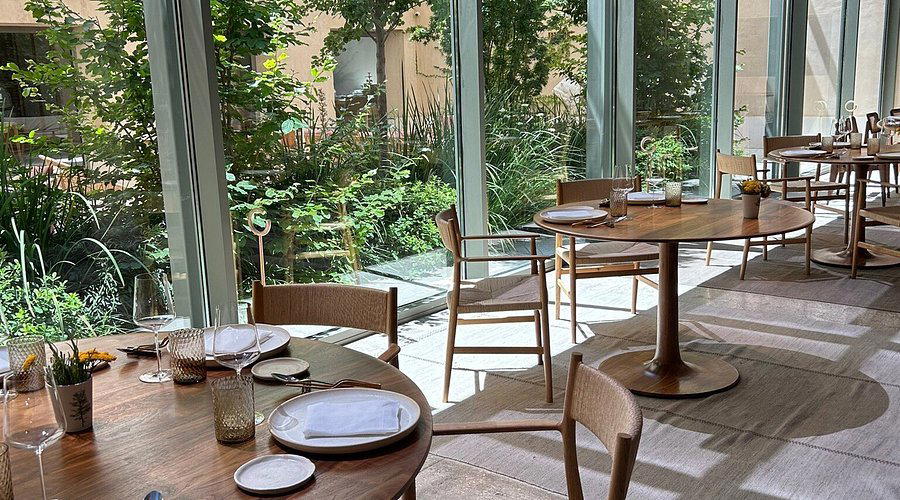
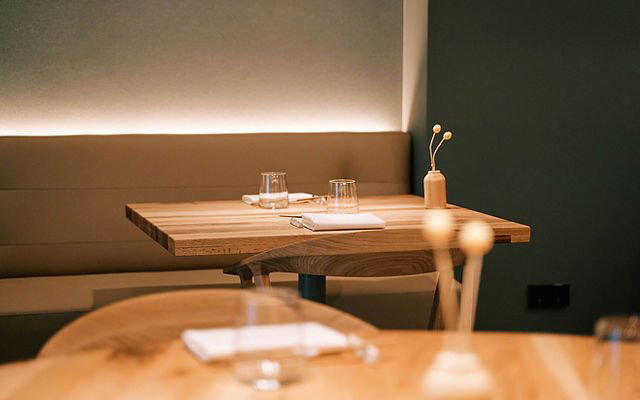
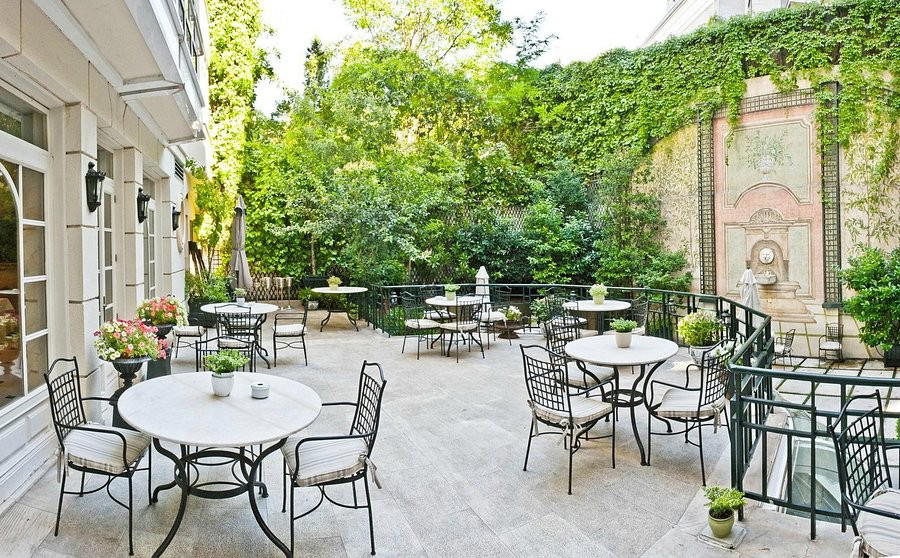
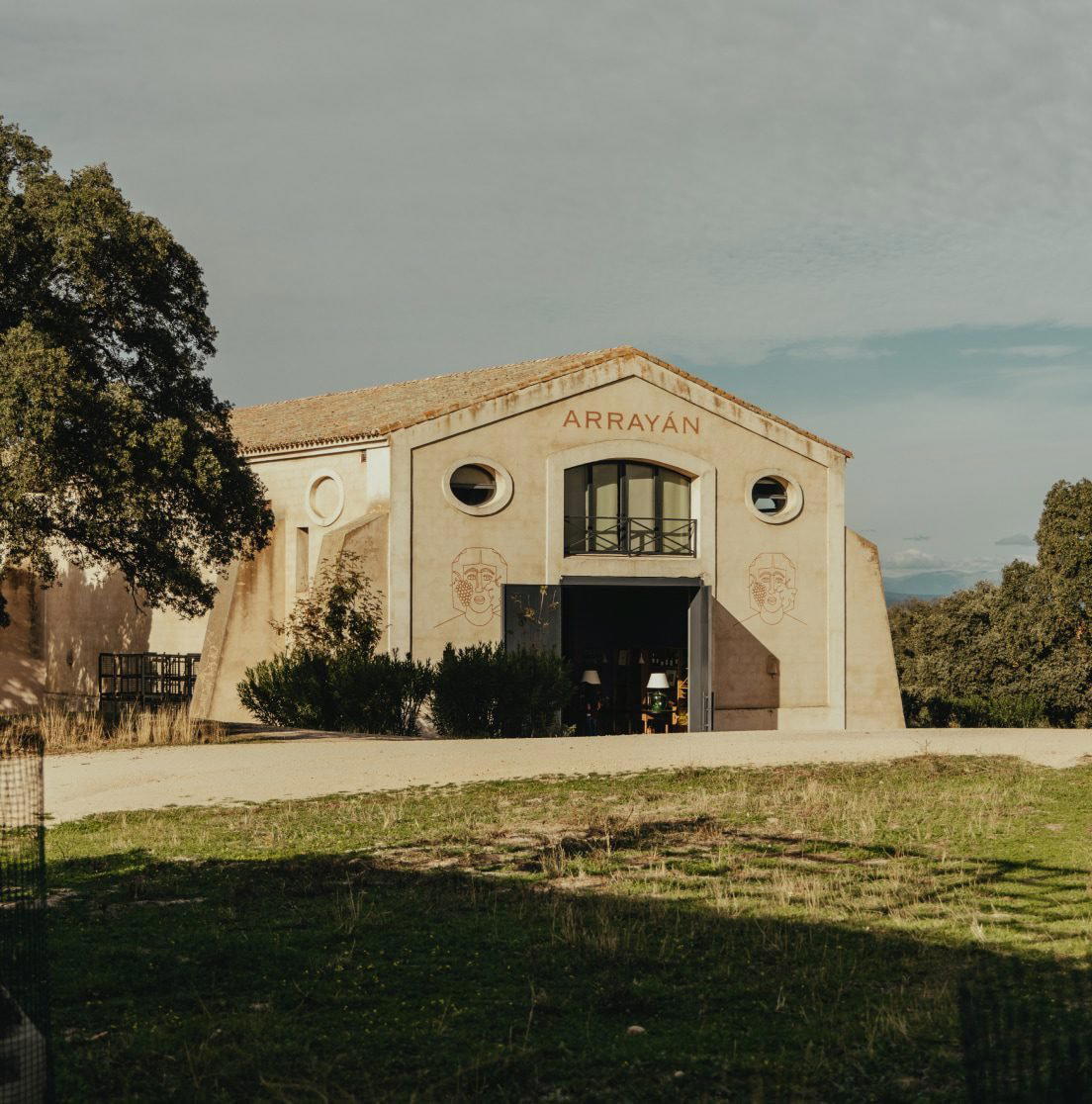
The physical space at Ruge works against the expectation you might form from the address. The Carretera de La Jarosa is a functional mountain road, and the building reads from the outside as utilitarian. Inside, the rustic-minimalist approach replaces the heavy beamed-and-checked-tablecloth register that still dominates many sierra restaurants with something cleaner, where the materials are natural but the arrangement is considered. The chillout terrace adds an outdoor dimension that, in the warmer months running from late spring through early autumn, becomes the primary reason to time your visit for midday or the long Spanish early evening. The reservoir's proximity means there is actual air movement and a green backdrop that changes the experience of eating here relative to an urban terrace.
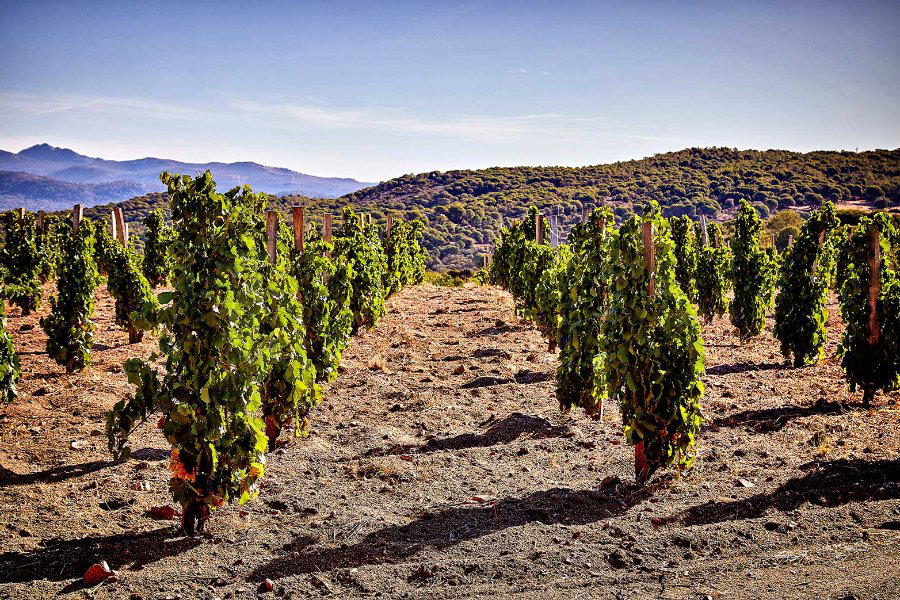
The broader appeal of this specific stretch of the sierra for day visitors from Madrid is well established. Guadarrama sits roughly an hour from the capital on the A-6, close enough for a spontaneous afternoon or a planned Sunday outing. For anyone building a longer stay in the area, accommodation options in the sierra are easy to find. Those looking to extend the day with drinks will find relevant options nearby, and the region's wine producers sit alongside sierra cooking.
How Ruge Fits the Broader Picture
Spain's upper restaurant tier is well documented. The country's highest tier of dining is well documented, with places like Azurmendi in Larrabetzu, Quique Dacosta in Dénia, Martin Berasategui in Lasarte-Oria, and Atrio in Cáceres representing a high-water mark in technique and ambition. Ruge does not belong to that conversation, and nor does it seek to. What the sierra family restaurant format offers is a different kind of value proposition: direct sourcing from the surrounding landscape, cooking that references generations of regional tradition, and a setting that functions as part of the meal rather than as a backdrop to it. For anyone coming to Guadarrama primarily for the nature and the reservoir, lunch here is a reason to stay longer in the sierra rather than rushing back to the capital.
The wider range of options in the area is easy to explore, and the sierra offers plenty beyond the table.
In Context: Similar Options
Comparable venues nearby, for context on price, style, and recognition.
| Venue | Cuisine | Price | Awards | Notes |
|---|---|---|---|---|
| RugeThis venue — the venue you are viewing | Spanish Grill & Rice with Nikkei Influences | $$$ | Michelin Plate | Not listed |
| Lhardy | Classic Spanish Haute Cuisine | $$$ | Not listed | Sol |
| La Taberna de Élia | Spanish Steakhouse | $$$ | Not listed | Pozuelo de Alarcón |
| Cuenllas | Traditional Spanish with Notable Wines | $$$ | Not listed | Arguelles |
| Lakasa | Modern Spanish Market Cuisine | $$$ | Michelin Plate | Rios Rosas |
| Casa Mortero | Modern Spanish Cuisine | $$$ | Michelin Plate | Cortes |
Recognition history
Dated appearances from independent guides and award organizations, with the underlying list record or original source where available.
Michelin Plate
Michelin
Continue exploring
More in Guadarrama
Restaurants in Guadarrama
Browse all →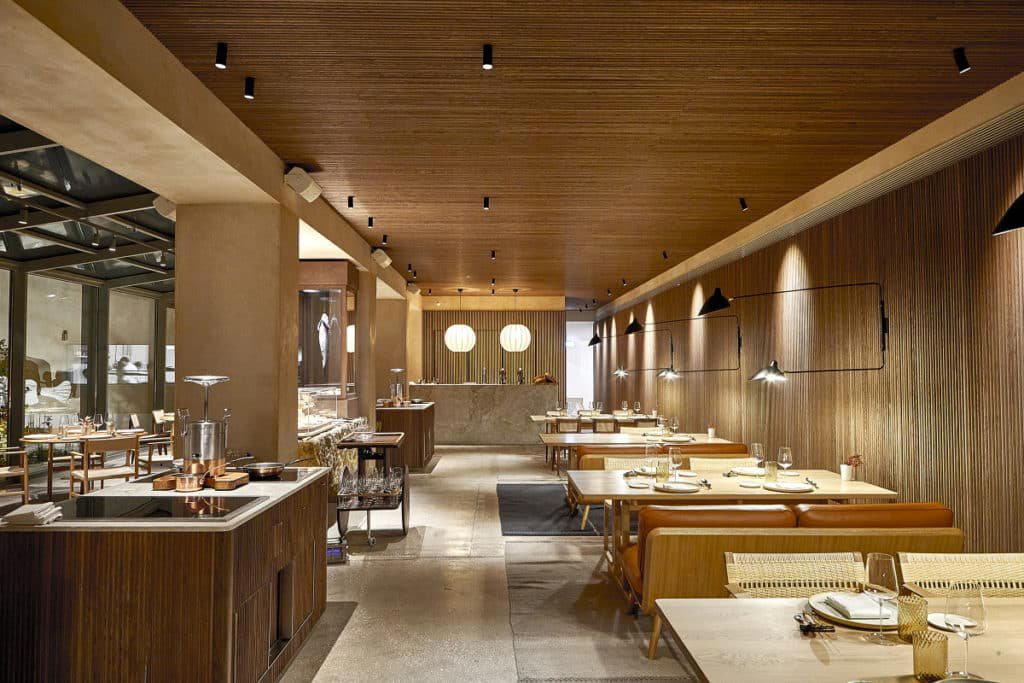
Bars in Guadarrama
Browse all →
Hotels in Guadarrama
Browse all →

At a Glance
- Rustic
- Cozy
- Scenic
- Casual Hangout
- Special Occasion
- Terrace
- Mountain
Rustic-minimalist interior with an enchanting chill-out terrace amidst nature.