Ræst







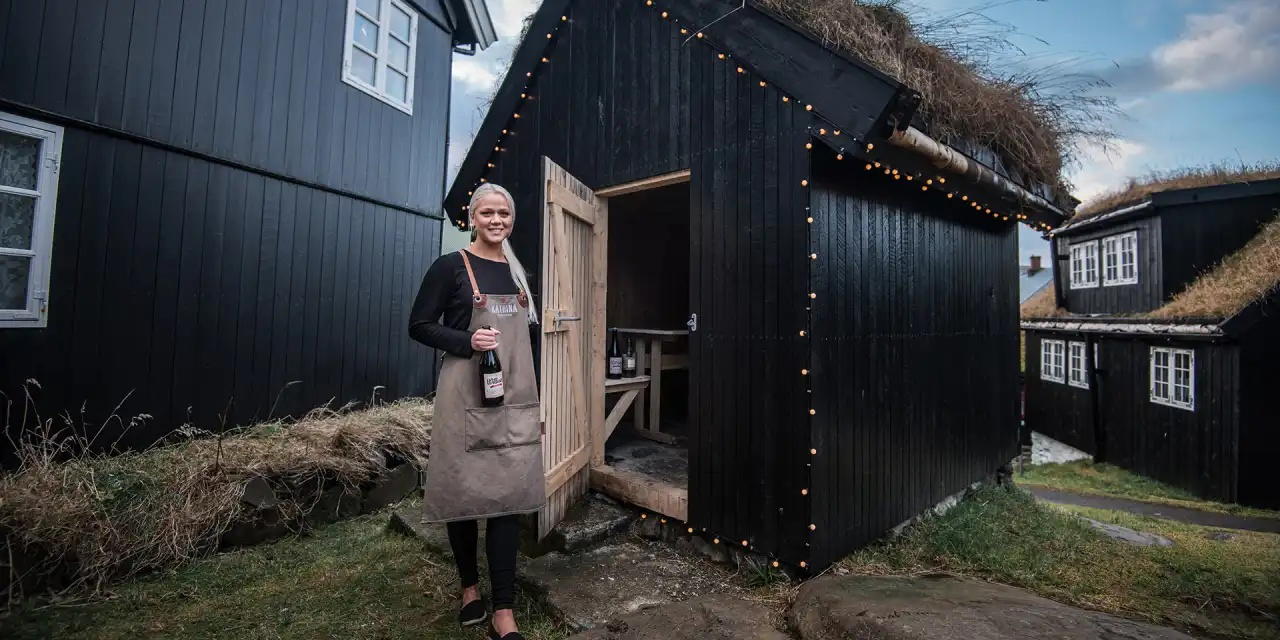
At 8 Gongin in central Tórshavn, Ræst takes its name from the Faroese word for fermented and builds its entire set menu around that tradition. A turf-roofed house with low-ceilinged shared dining rooms frames cooking that holds a Michelin Plate (2025), a NextGen Award for chef Sebastian Jiménez, and a La Liste ranking of 75 points (2026). Open Wednesday to Saturday only.
Pearl is the En Primeur Club membership app — saves, bookings, and concierge access live there. Same editors, same standards.
- Address
- 8 Gongin, Tórshavn 100, Faroe Islands
- Phone
- +298 411430
- Website
- raest.fo
- Directions
- Get directions
 Saves & bookings on Pearl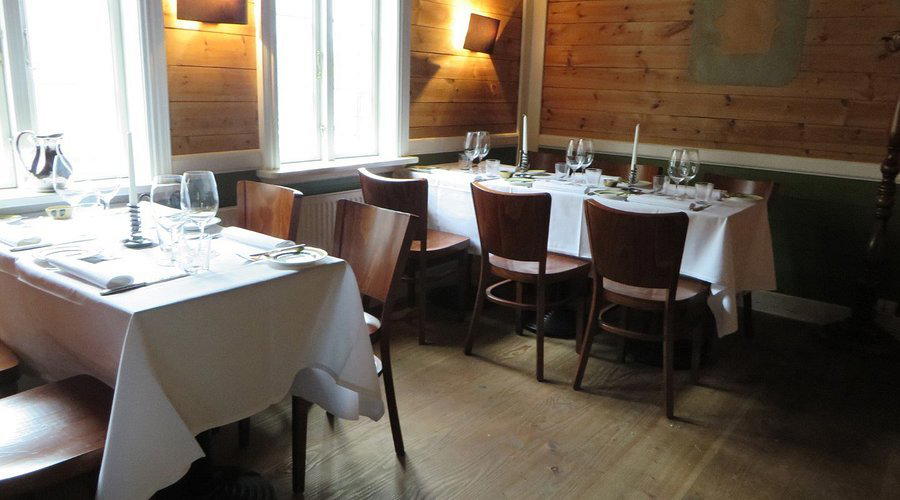
Where Fermentation Is the Architecture
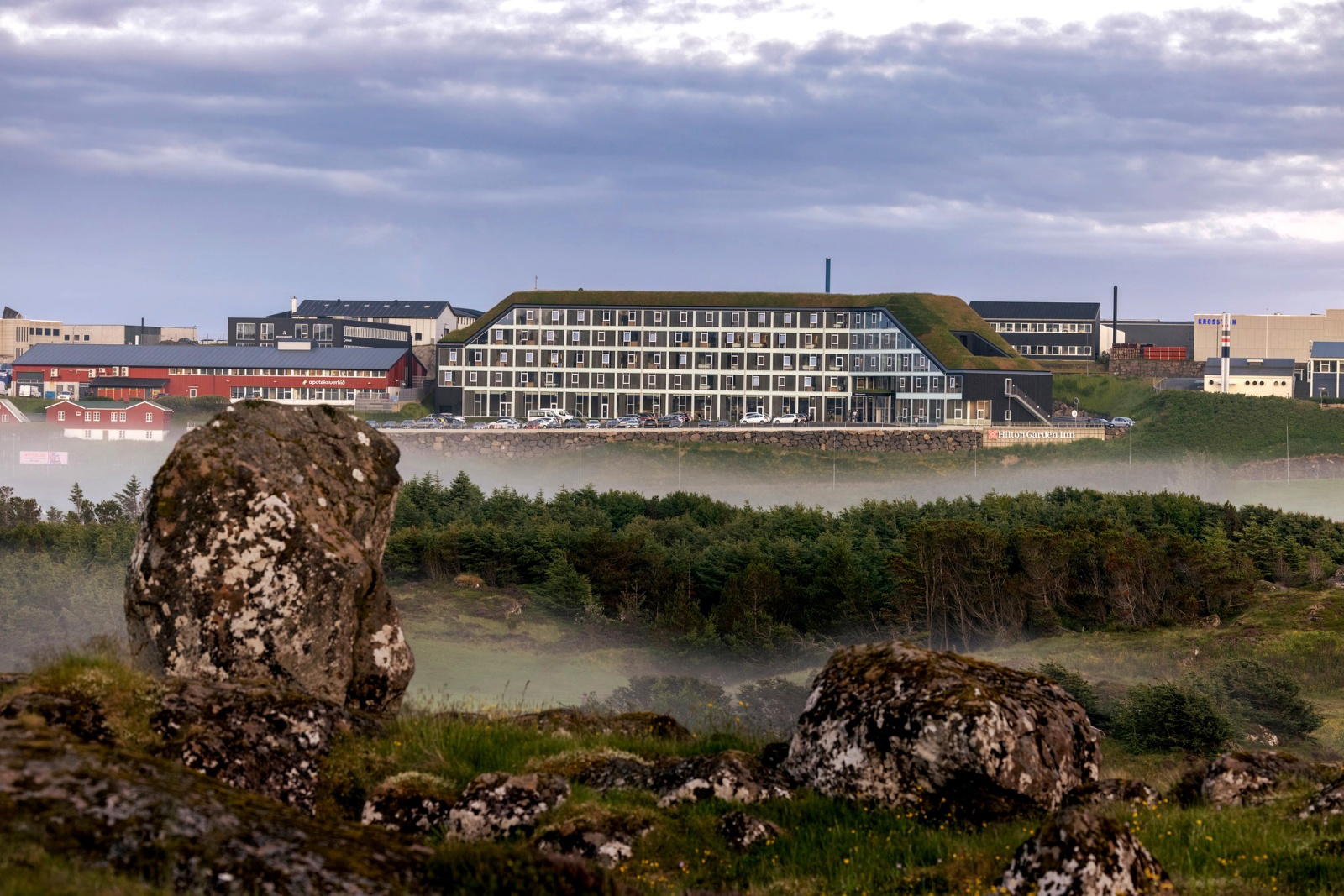
The turf roof is the first signal. Approaching the address at 8 Gongin, the building reads less like a restaurant and more like a piece of the island itself, low-ceilinged rooms pressed against the ground as though braced against Atlantic weather. That physical grammar is not incidental. In the Faroe Islands, architecture and food preservation developed in response to the same conditions: isolation, cold, wind, and months of limited daylight that made fermentation and ageing not a technique but a technology of survival. Ræst, whose name translates directly as "fermented," takes that survival logic and places it at the centre of a set menu built around what the archipelago actually tastes like over time.
This is a different entry point into New Nordic than the one most visitors encounter in Copenhagen or Stavanger. At Geranium or RE-NAA, the Nordic framework tends to express itself through precision sourcing and technical restraint applied to fine-dining formats. At Ræst, the framework is older and more specific: the Faroese tradition of ræstur (fermented meat and fish) and skerpikjøt (wind-dried mutton) that predates any culinary movement by centuries. The restaurant does not reference that tradition from a distance. It builds around it.
The Fermentation Tradition Behind the Menu
Preservation in the Faroe Islands was never a choice. The islands sit at roughly 62 degrees north, receive around 840 hours of annual sunshine, and have historically sustained populations that could not depend on external supply chains. Mutton hung in wooden sheds called hjallur until the wind stripped the moisture and transformed the protein. Fish was layered in salt or left to ferment in specific conditions that the Faroese learned to control through generations of repetition. What emerged from that necessity was a sensory vocabulary of deep, funky, mineral flavours that has no direct equivalent in mainland European cuisine.
Ræst's set menu draws that vocabulary forward into contemporary plating. The approach is bold and well-balanced according to Michelin's 2025 plate recognition, which acknowledges the cooking as creative and grounded without being gratuitous. The shared table format inside the turf-roofed house enforces a certain communality that suits the material: fermented food is, historically, food that a community made together and ate together over a long winter. The format aligns the social structure of the meal with the cultural origin of its ingredients.
Within the New Nordic category, the comparison that makes most sense is not to the Scandinavian mainland but to archipelago-specific projects like Kadeau Bornholm, which applies a similarly place-locked ingredient philosophy to Baltic terroir. Both restaurants operate from the premise that island food cultures carry a coherence that cannot be replicated by importing Nordic technique from urban centres. The Faroese version is more extreme in its commitment to fermentation as structure rather than accent.
Sebastian Jiménez and the Nextgen Recognition
The chef guiding this menu holds a Michelin NextGen Award (2025), a distinction that recognises young chefs reshaping how a cuisine can be understood rather than simply executing inherited formats. Sebastian Jiménez arrived at the Faroe Islands via a trajectory that ran through pop-up cooking, Latin American concept development, and several years at KOKS, the archipelago's most internationally cited restaurant. His background is relevant not as biography but as evidence of what kind of cooking is happening at Ræst: the fermentation tradition is not being presented as a museum exhibit. It is being worked on by someone with a technical range that reaches beyond the archipelago, which gives the menu room to move without losing its anchor.
The La Liste ranking of 75 points (2026) and the Opinionated About Dining placement at #395 in Europe (2024) position Ræst within the upper tier of serious European destination restaurants. For visitors already coming to Tórshavn, it sits at the level where booking in advance is necessary and the experience is the reason to be at that address on that evening.
Tórshavn's Restaurant Geography
Tórshavn's dining scene has developed quickly relative to its size, partly because the Faroe Islands function as a destination for food-interested travellers who research before they arrive. Ræst operates at the €€€ price point, which places it in the same tier as PAZ (Creative, €€€€) directly above it and distinguishes it from the more accessible end of the market represented by ROKS (Seafood, €€). For New Nordic specifically, Áarstova occupies a different lane, one less centred on the fermentation tradition and more on the softer register of Faroese home cooking. The overlap between venues in a capital with Tórshavn's population is low enough that each restaurant fills a distinct role.
The broader New Nordic category, for comparison, extends from Reykjavík (DILL), through Bornholm (Kadeau), to Helsinki (Grön) and southern Sweden (VYN). Each operates with a different ingredient logic shaped by its particular geography. What separates the Faroese version is the primacy of time as an ingredient: ræst flavours cannot be produced quickly, and the menu is structured around that constraint.
Planning the Visit
The restaurant opens Wednesday through Saturday, 6 to 10 pm, with Monday, Tuesday, and Sunday closed. That four-night-per-week schedule reflects the operating reality of a small-team kitchen running a set menu format with significant preparation lead times. Tórshavn is a compact city and the address at 8 Gongin is within walking distance of most central accommodation options. The shared table format means solo travellers or pairs will be seated alongside other guests, which is worth knowing before you arrive.5 across 122 reviews, a signal of consistent delivery rather than outlier opinions. Given the Michelin recognition and the La Liste placement, demand at this scale means advance booking is the practical requirement, not a precaution.
Cuisine and Awards Snapshot
Comparable venues nearby, for context on price, style, and recognition.
| Venue | Cuisine | Price | Awards | Notes |
|---|---|---|---|---|
| Ræst | Modern Faroese Fermentation | $$$$ | Michelin Plate | Tórshavn |
| Barbara Fish House | Faroese Seafood Tapas | $$$$ | Not listed | Tórshavn city centre |
| Áarstova | Contemporary Scandinavian with Faroese Lamb & Seafood | $$$ | Not listed | Tórshavn Old Town |
| ROKS | Modern Faroese Seafood Tasting | $$$$ | Michelin Plate | Tórshavn old town |
| PAZ | Modern Faroese Fine Dining | $$$$ | Michelin 2 Star | Tórshavn |
| Barbara | Faroese Seafood Tapas | $$$ | Not listed | Tórshavn |
Recognition history
Dated appearances from independent guides and award organizations, with the underlying list record or original source where available.
Falstaff Restaurant - 92 Falstaff Points
Falstaff
La Liste Top Restaurants
La Liste
Michelin Plate
Michelin
Star Wine List
Star Wine List
White Guide Denmark Restaurants - Global Masters Level
White Guide
Michelin Plate
Michelin
Star Wine List
Star Wine List
The Best Chef Two Knives
The Best Chef
Michelin Plate
Michelin
Opinionated About Dining Top Restaurants in Europe Ranked #395
Opinionated About Dining
Continue exploring
More in Tórshavn
Restaurants in Tórshavn
Browse all →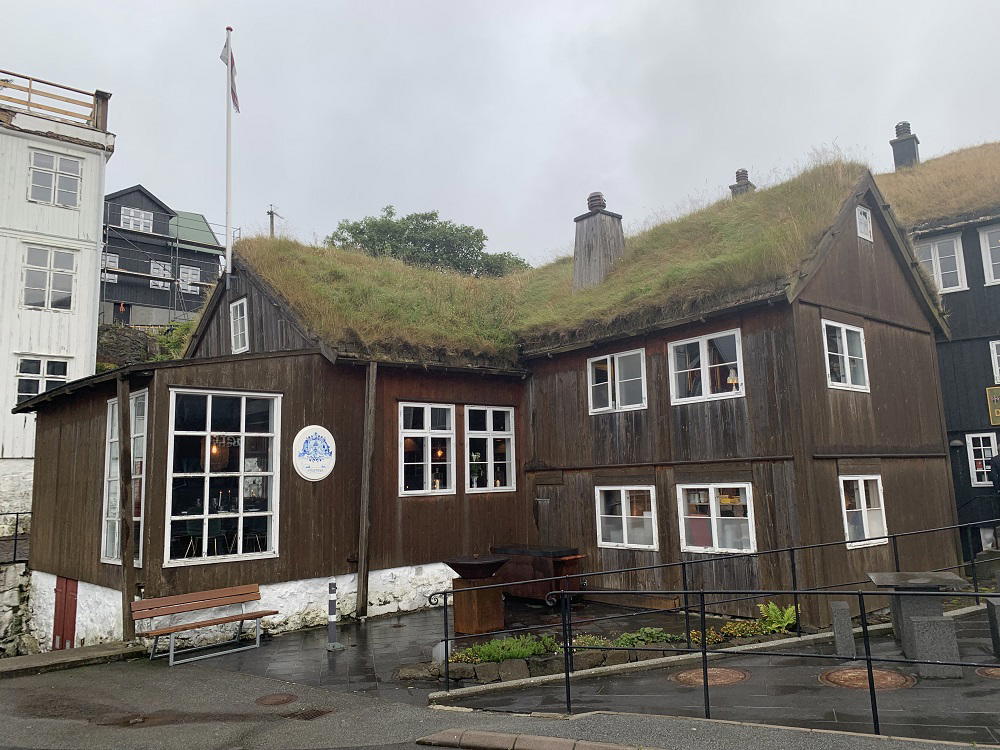
At a Glance
- Cozy
- Rustic
- Intimate
- Date Night
- Special Occasion
- Historic Building
- Extensive Wine List
- Local Sourcing
Current opening hours
- Monday
- Closed
- Tuesday
- Closed
- Wednesday
- 6–10 PM
- Thursday
- 6–10 PM
- Friday
- 6–10 PM
- Saturday
- 6–10 PM
- Sunday
- Closed
Hours can change for holidays and private events. Last verified .
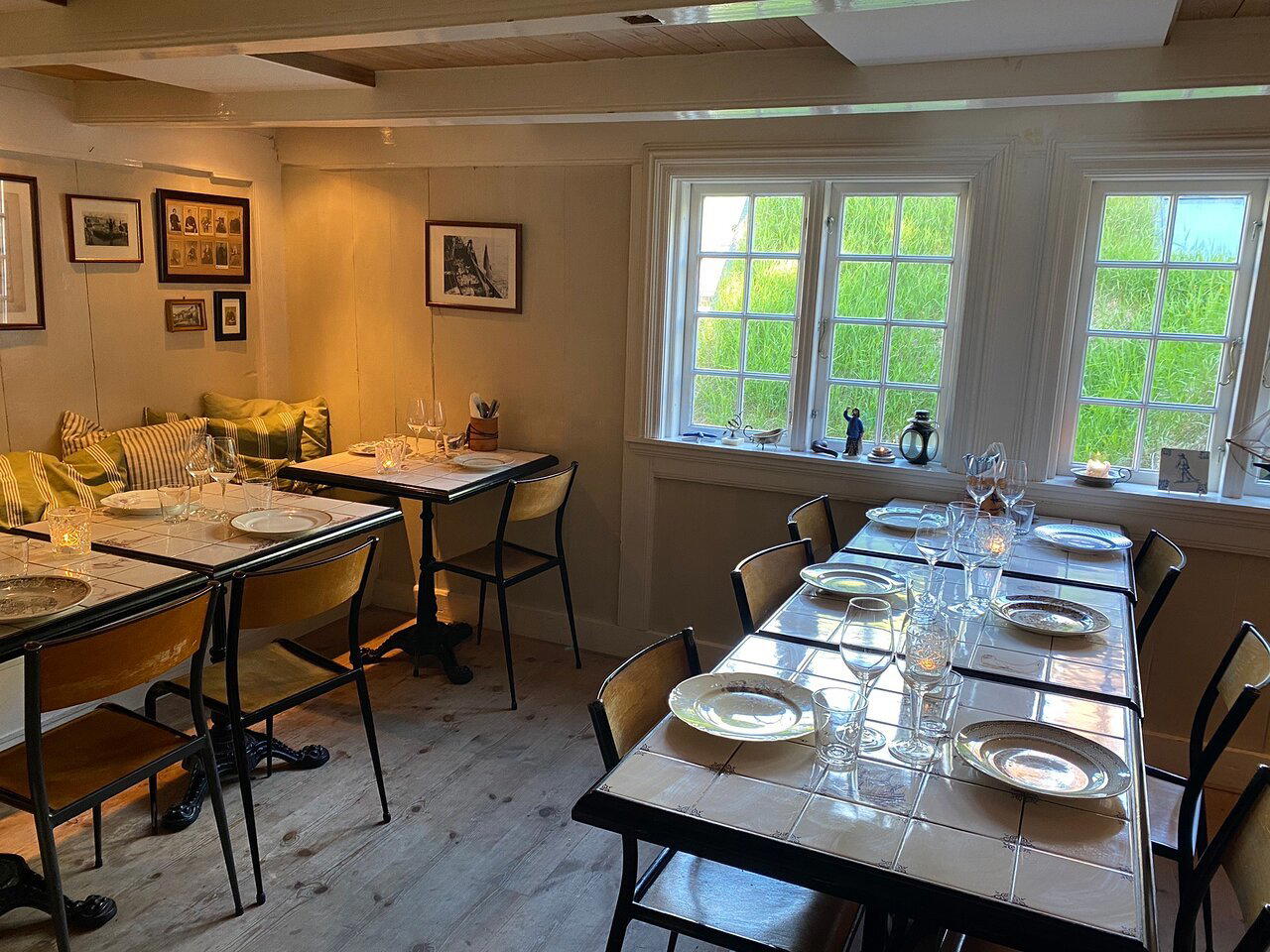
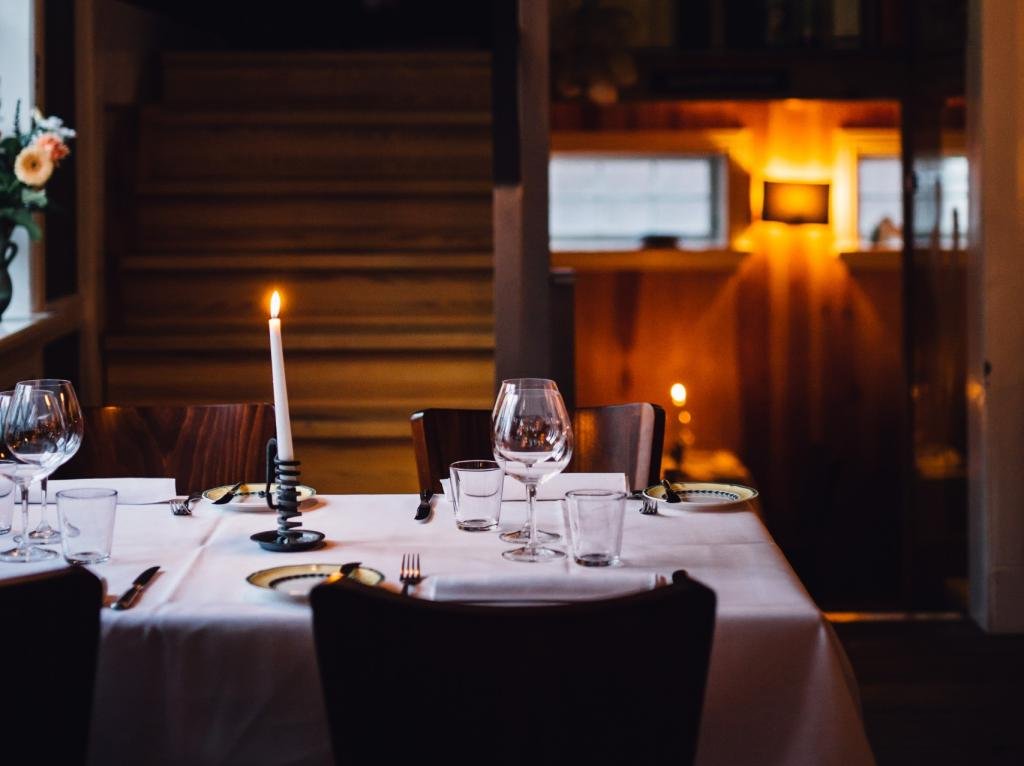
Characterful low-ceilinged dining rooms in a creaky historic house with salvaged driftwood walls and communal tables from reclaimed ship mast, creating a cozy and rustic atmosphere.