Rosita's Place
On East McDowell Road, Rosita's Place occupies a stretch of Phoenix that has tracked the city's demographic and culinary shifts more faithfully than most. The restaurant sits within a broader story about how Mexican and Sonoran cooking has moved from neighborhood staple to critical reference point in the Southwest, a transformation that McDowell corridor regulars have watched unfold across decades.
Pearl is the En Primeur Club membership app — saves, bookings, and concierge access live there. Same editors, same standards.
- Address
- 2310 E McDowell Rd, Phoenix, AZ 85006
- Phone
- +16022449779
- Website
- rositasplace.com
- Directions
- Get directions
 Saves & bookings on Pearl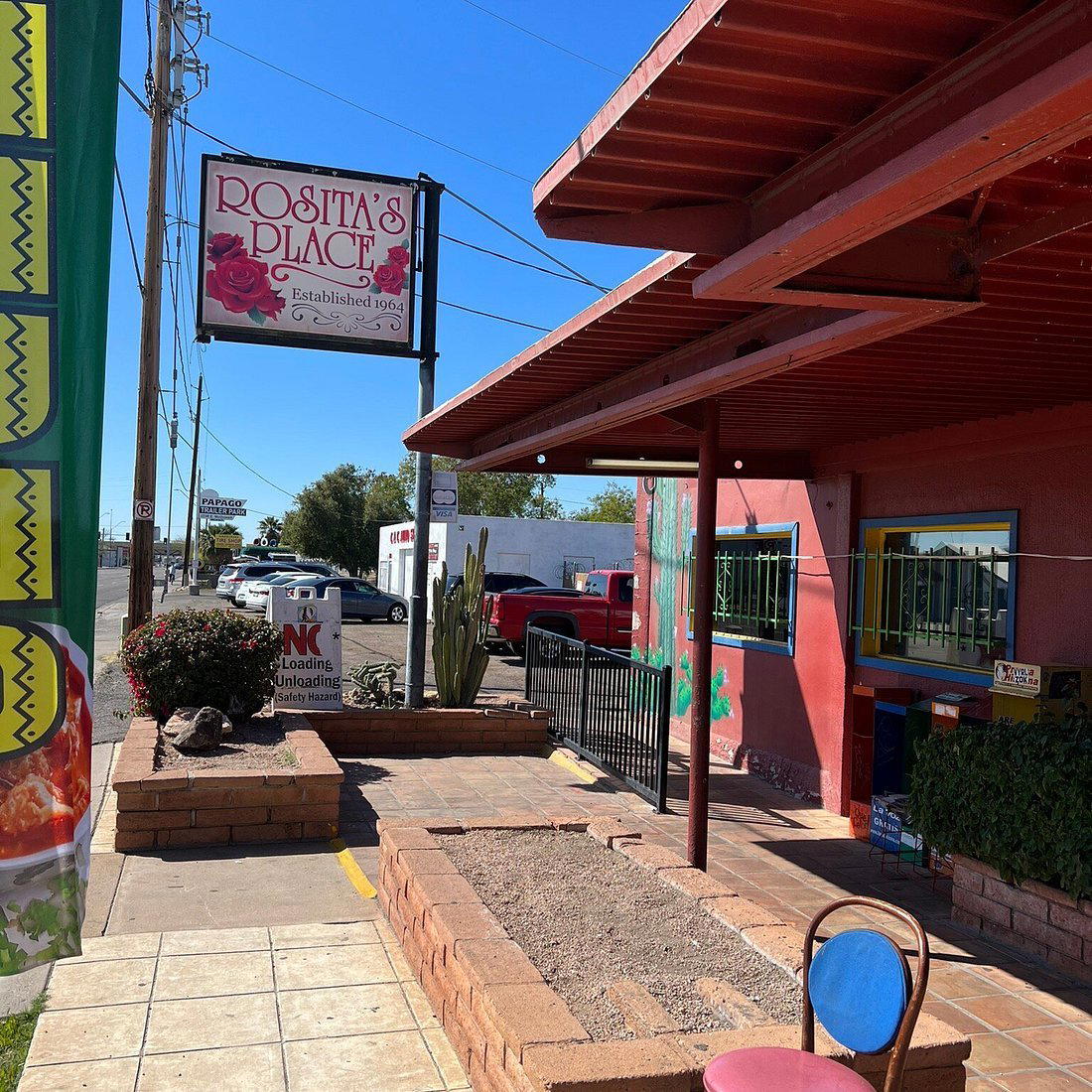
McDowell Road and the Long Arc of Phoenix's Mexican Dining Scene
East McDowell Road has never been Phoenix's most photographed corridor, but it has been one of its most instructive. The stretch running through the 85006 zip code has absorbed waves of demographic change, commercial reinvention, and culinary recalibration that tell a more honest story about Phoenix than the resort districts to the north. Rosita's Place, at 2310 E McDowell Rd, sits inside that history rather than apart from it. Understanding what the restaurant represents now requires understanding how the neighborhood around it has changed, and how Mexican home-cooking traditions in Phoenix have been reappraised over the same period.
Phoenix's broader dining conversation has shifted considerably over the past fifteen years. Sonoran-inflected Mexican cooking, once treated as a category beneath critical notice, now draws the kind of attention that serious publications give to regional American cuisines elsewhere. Bacanora, which operates in a similar geographic and culinary register, represents one pole of that reappraisal: self-consciously refined, drawing on Sonoran traditions while signaling clearly to a restaurant-literate audience. Rosita's Place occupies a different position in that same conversation, rooted in the McDowell neighborhood's longer memory rather than in the current wave of critical interest.
Evolution on a Single Block
The story of any restaurant that has lasted on a working-class Phoenix corridor is, by definition, a story of adaptation. McDowell Road has cycled through phases of disinvestment and incremental revival, and restaurants that survived those cycles did so by maintaining relevance to a local clientele that did not change its address when the neighborhood's commercial character shifted. Rosita's Place is shaped by that dynamic. The address at 2310 E McDowell places it in a section of the road that sits between the more intensively redeveloped areas closer to downtown and the quieter residential stretches further east, a position that has required a particular kind of durability.
That durability in Phoenix's Mexican restaurant sector is worth examining on its own terms. The restaurants that have held their ground on corridors like McDowell tend to evolve in ways that are less visible than the pivots made by higher-profile venues: menus that absorb changing supplier relationships, formats that respond to the rhythms of a neighborhood rather than to food-media cycles, price structures that reflect what regulars can sustain rather than what a destination diner expects to pay. This is a different kind of reinvention than the public relaunches seen at places like Alinea in Chicago or Lazy Bear in San Francisco, but it is reinvention nonetheless, and it produces restaurants with a different kind of accumulated authority.
Positioning Within the Phoenix Mexican Dining Tier
Phoenix's Mexican and Sonoran dining options now span a wider range of formats and price points than they did a decade ago. At one end sit the tasting-menu interpretations that price against a national audience of traveling diners. At the other end sit the counter-service and drive-through formats that serve the city's everyday population. The restaurant on McDowell operates in a middle register that is increasingly interesting to track: sit-down Mexican restaurants with roots in specific neighborhoods, priced for regulars, but increasingly noticed by the same audience that follows Vincent Guerithault on Camelback for its French Southwestern synthesis or visits Lom Wong for its precision Thai cooking in an unexpected Phoenix setting.
The McDowell corridor also has a comparator in a different register: Pane Bianco on McDowell operates within the same zip code's food culture but points toward a different audience and tradition. The coexistence of these formats on a single road reflects how Phoenix's mid-city food corridors have become more textured, less monolithic, than the city's resort-district dining tends to suggest.
What the McDowell Corridor Signals Now
For the traveling reader whose Phoenix itinerary has been built around the city's higher-profile dining tier, the McDowell stretch offers a useful corrective. The restaurants that have persisted here are not making arguments about cuisine in the way that a destination tasting-menu room does. They are, instead, evidence of a different kind of staying power: the ability to remain necessary to a specific place over a long period. That is a rarer qualification than a favorable review cycle, and it is worth factoring into any serious reading of Phoenix's food culture.
Phoenix sits within a Southwest regional context where Sonoran cooking carries particular historical weight. The proximity to the border, the long history of Sonoran cattle ranching, and the specific flour-tortilla traditions that distinguish Sonoran Mexican cooking from the cuisines of other Mexican states have all produced a regional food identity that is substantive and traceable. Restaurants on East McDowell are embedded in that tradition in ways that newer, more design-conscious venues often are not. For broader reference on how other American cities have handled the critical reappraisal of regional cuisines, the contrast with Blue Hill at Stone Barns or Providence in Los Angeles is instructive: those kitchens made explicit arguments about sourcing and regional identity; the McDowell corridor's Mexican restaurants have made the same argument implicitly, through duration and daily operation.
Planning a Visit
The restaurant is located at 2310 E McDowell Road in Phoenix's 85006 zip code, a section of the city that is accessible from central Phoenix by surface roads. The McDowell corridor is not a destination dining strip in the way that some Phoenix neighborhoods have been packaged for visitors, which is partly what makes it worth the detour. Visitors arriving from the resort areas north of Camelback should budget time for the drive and treat the approach itself as context for what the restaurant represents.
- Chile Relleno
- Enchiladas
- Menudo
- Chimichanga
- Breakfast Burrito
- Machaca Enchilada with Chile Verde
Cuisine-First Comparison
Comparable venues nearby, for context on price, style, and recognition.
| Venue | Cuisine | Price | Notes |
|---|---|---|---|
| Rosita's PlaceThis venue — the venue you are viewing | Authentic Sonoran Mexican | $ | Not listed |
| Huarachis Taqueria | Mexican Taqueria | $$ | Roosevelt Row |
| Tequila Cocina + Cantina | Modern Mexican Cuisine Inspired by Jalisco | $$ | Midtown Phoenix |
| Arriba Mexican Grill | New Mexico-Style Mexican Grill | $$ | Midtown Phoenix |
| Top Shelf Mexican Food & Cantina | Traditional Mexican Cantina | $$ | Rancho Encanto |
| MacAlpine's Soda Fountain | Classic American Soda Fountain Diner | $ | Encanto |

At a Glance
- Rustic
- Cozy
- Classic
- Family
- Group Dining
- Casual Hangout
- Brunch
- Standalone
- Beer Program
Current opening hours
- Monday
- Closed
- Tuesday
- 10 AM–9 PM
- Wednesday
- 10 AM–9 PM
- Thursday
- 10 AM–9 PM
- Friday
- 10 AM–9 PM
- Saturday
- 9 AM–10 PM
- Sunday
- 8 AM–9 PM
Hours can change for holidays and private events. Last verified .
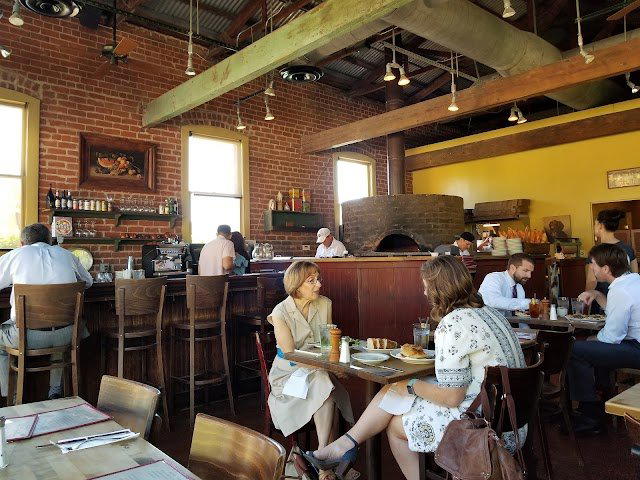
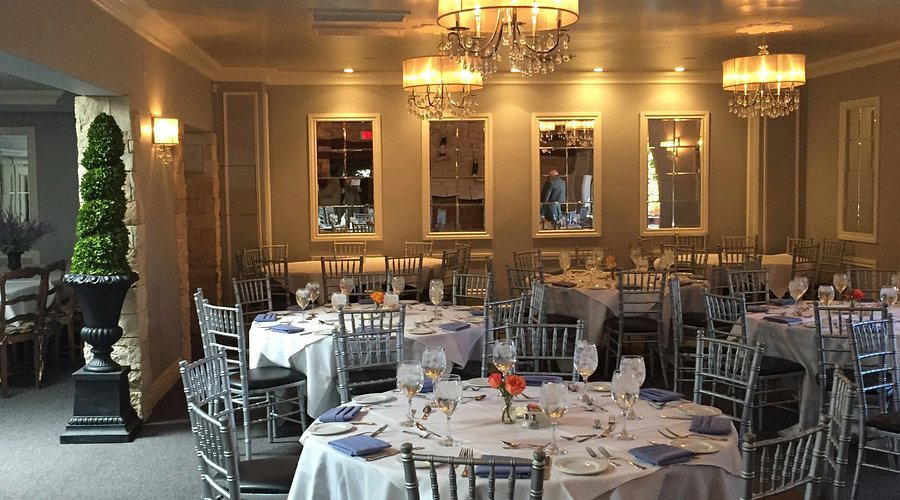
Quaint and festive with colorful tiles, rough-hewn furniture, and a small gurgling waterfall; humble exterior belies a warm, inviting interior atmosphere.