Fish & Forest

On a narrow cobbled lane minutes from the Shambles, Fish & Forest holds a Michelin Plate for cooking that takes the British larder seriously. The blackboard menu rotates around small-boat fish, game from local shoots, and husbandry-first meats, with a self-taught chef pushing for near-zero waste across every service. Rated 4.8 on Google from nearly 300 reviews, this is one of York's most purposeful dining rooms.
Pearl is the En Primeur Club membership app — saves, bookings, and concierge access live there. Same editors, same standards.
- Address
- 13 Grape Ln, York YO1 7HU, United Kingdom
- Phone
- +44 1904 661135
- Website
- fishandforestrestaurant.com
- Directions
- Get directions
 Saves & bookings on Pearl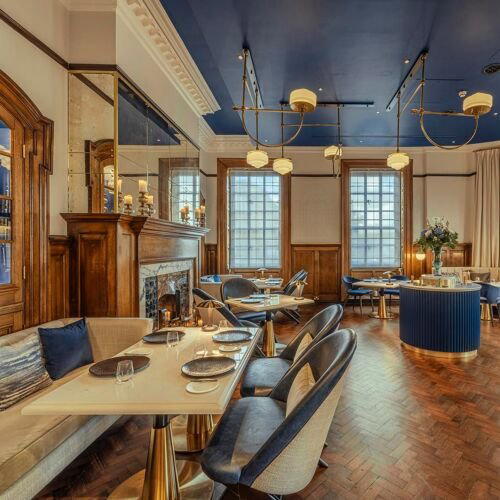
A Lane, a Blackboard, and the British Larder Done Properly
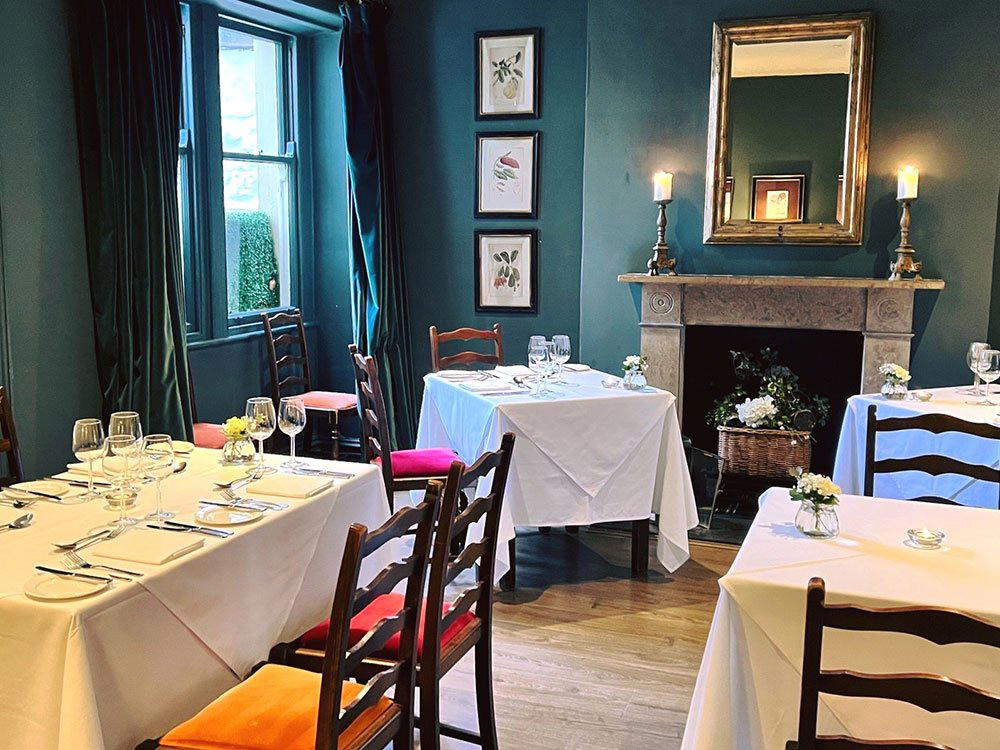
Grape Lane is the kind of street York does well: narrow enough that two people walking abreast must angle their shoulders, cobbled underfoot, and close enough to the Shambles to catch the tourist drift without quite belonging to it. Fish & Forest sits here at number 13, and the physical approach tells you something useful before you have eaten a bite. There is no shopfront theatre, no statement signage angled for Instagram. The room is intimate by design, which in practice means that the kitchen's decisions land without the buffer of a large dining room to absorb them. That arrangement suits the cooking.
Where the British Seasonal Larder Meets a Working Kitchen Ethic
The modern British restaurant has fractured into several distinct sub-categories. At one end, there are the grand-room operations, the kind where a prix-fixe of fifteen courses is accompanied by a front-of-house team in matching aprons and a very long wine list. At the other end sits a smaller, more fleet-footed cohort: places whose menus are written on blackboards because they mean it, where the sourcing logic runs directly from producer to plate and the kitchen adapts daily rather than quarterly. Fish & Forest belongs firmly to the second category.
The name is a fairly literal brief. Fish comes from small boats, which in practical terms means variable supply, shorter shelf life, and a kitchen that has to be genuinely responsive rather than menu-locked. The forest half covers game from local shoots and meats reared with husbandry as the organising principle. This is the British larder read through a seasonal and geographic lens: the same tradition that underpins places like L'Enclume in Cartmel or Moor Hall in Aughton, though at a scale and price point that sits much closer to the everyday. Within York itself, the closest comparisons in terms of commitment to local sourcing are Roots York and Melton's, both of which share the same instinct toward provenance-led cooking, though each arrives at different conclusions about format and presentation.
Whole-ingredient approach, using every part of what the kitchen receives rather than selecting prime cuts and discarding the rest, is both an ethical position and a technical discipline. It requires a kitchen that can generate value from secondary cuts, offal, bones, and trimmings, and it tends to produce menus that read more interestingly than those built around predictable prime portions. Game cookery especially rewards this approach: a well-handled bird from a local shoot, worked across two or three preparations, tells a more complete story than a single breast plated in isolation.
Michelin Recognition and What It Means at This Level
Fish & Forest has held the Michelin Plate in both 2024 and 2025. The Plate sits below Bib Gourmand and star level in the Guide's hierarchy, but it is a meaningful signal: it indicates a kitchen that Michelin inspectors consider worth visiting, cooking that meets the Guide's quality threshold without yet reaching the consistency or ambition to push into Bib or star territory. In a city where Bow Room at Grays Court operates at the ££££ level and newer entrants like Legacy and Skosh push into more experimental formats, the Plate positions Fish & Forest in York's recognised tier without placing it in direct competition with the grand-room model.
For a small, intimate room where word of mouth does most of the work, that number carries weight.
The self-taught background of the chef is relevant here as comparative context rather than biography. In the current British restaurant scene, formal culinary training at institutions or established kitchens is less a prerequisite than it was two decades ago, and some of the most technically decisive cooking now comes from self-directed practitioners who have built their knowledge around a specific ingredient philosophy rather than a classic brigade progression. The cooking at Fish & Forest is described as having an ambitious edge, which at the Plate level and under these sourcing constraints is a more precise claim than it might appear: ambition applied to a blackboard menu built on what small boats bring in and what local shoots produce is a different discipline than ambition applied to a fixed tasting menu with reliable luxury ingredients.
Where Fish & Forest Sits in the Broader British Scene
The seasonal, produce-driven Modern British model has its high-end expression in places like CORE by Clare Smyth in London, Gidleigh Park in Chagford, and Hand and Flowers in Marlow. At the other end of the formality register, kitchens like hide and fox in Saltwood demonstrate how much a small operation with strong sourcing instincts can achieve outside London. Fish & Forest operates in that same spirit: the geography, the scale, and the sourcing philosophy align it with a strain of British cooking that treats locality as a structural principle rather than a marketing adjective. For a fuller view of how the formal end of the spectrum looks, The Ritz Restaurant in London and The Fat Duck in Bray represent the poles against which these mid-scale Plate-level rooms define themselves.
Planning Your Visit
Fish & Forest is at 13 Grape Lane, York YO1 7HU, a short walk from the Shambles and York Minster. The £££ price point places it above the city's casual offer but below the grand-room tier, which puts it in line with what you would expect to pay at a serious regional restaurant with Michelin recognition. Given the intimate size of the room and the blackboard format, booking ahead is sensible, particularly for weekend evenings when demand from both residents and visitors converges. The kitchen's commitment to small-boat fish and local game means the menu shifts with supply and season, so arriving with fixed expectations about specific dishes is less useful than arriving with a willingness to take what the current blackboard offers.
For a full picture of what else York's dining scene offers across formats and price points, see our full York restaurants guide. If you are planning a longer stay, our York hotels guide, bars guide, wineries guide, and experiences guide cover the rest of the city's offer.
Cuisine-First Comparison
| Venue | Cuisine | Price | Awards |
|---|---|---|---|
| Fish & ForestThis venue — the venue you are viewing | Modern British | £££ | Not listed |
| The Star Inn The City | Modern European, Modern British | Not listed | Modern European, Modern British, ££ |
| Roots York | Modern British | Not listed | Modern British |
| Arras | Modern Cuisine | Not listed | Modern Cuisine, £££ |
| Bow Room at Grays Court | Modern British | Not listed | Modern British, ££££ |
Recognition history
Dated appearances from independent guides and award organizations, with the underlying list record or original source where available.
Michelin Plate
Michelin
Michelin Plate
Michelin
Michelin Plate
Michelin

At a Glance
- Cozy
- Intimate
- Relaxed
- Modern
- Date Night
- Special Occasion
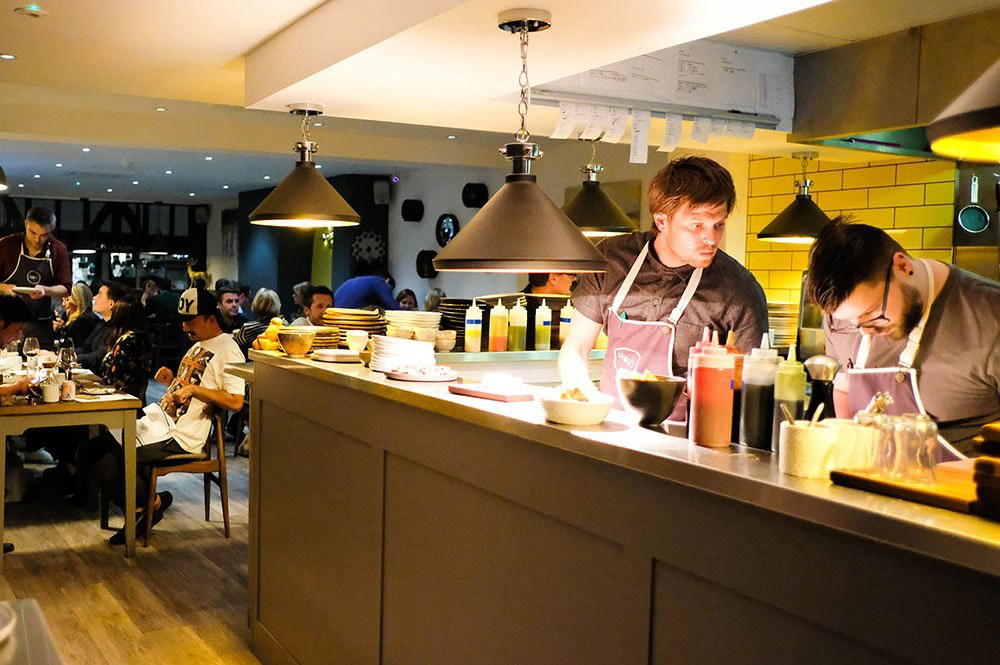
- Open Kitchen
- Local Sourcing
- Sustainable Seafood
Current opening hours
- Monday
- Closed
- Tuesday
- Closed
- Wednesday
- 10 AM–11 PM
- Thursday
- 10 AM–11 PM
- Friday
- 10 AM–11 PM
- Saturday
- 10 AM–11 PM
- Sunday
- Closed
Hours can change for holidays and private events. Last verified .
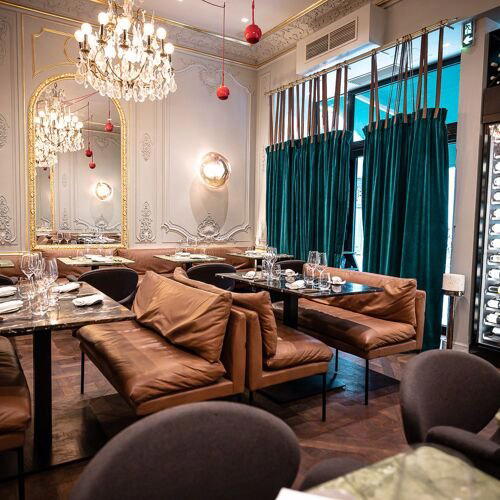
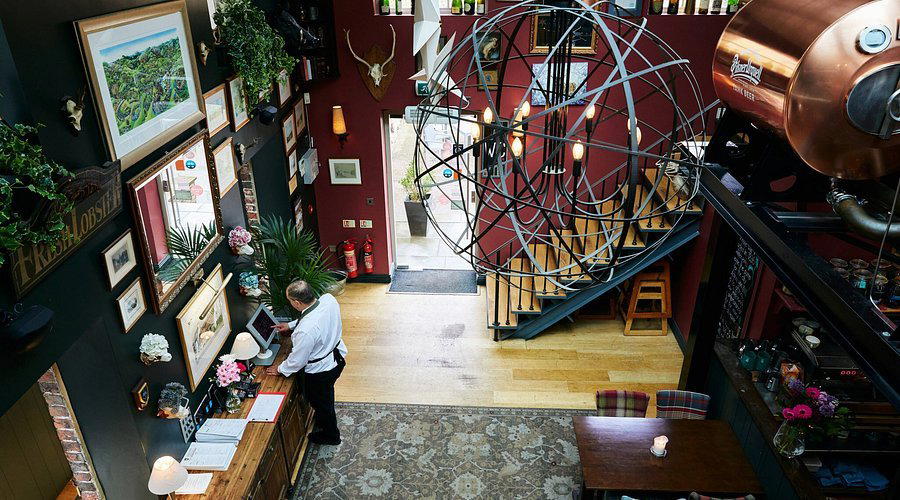
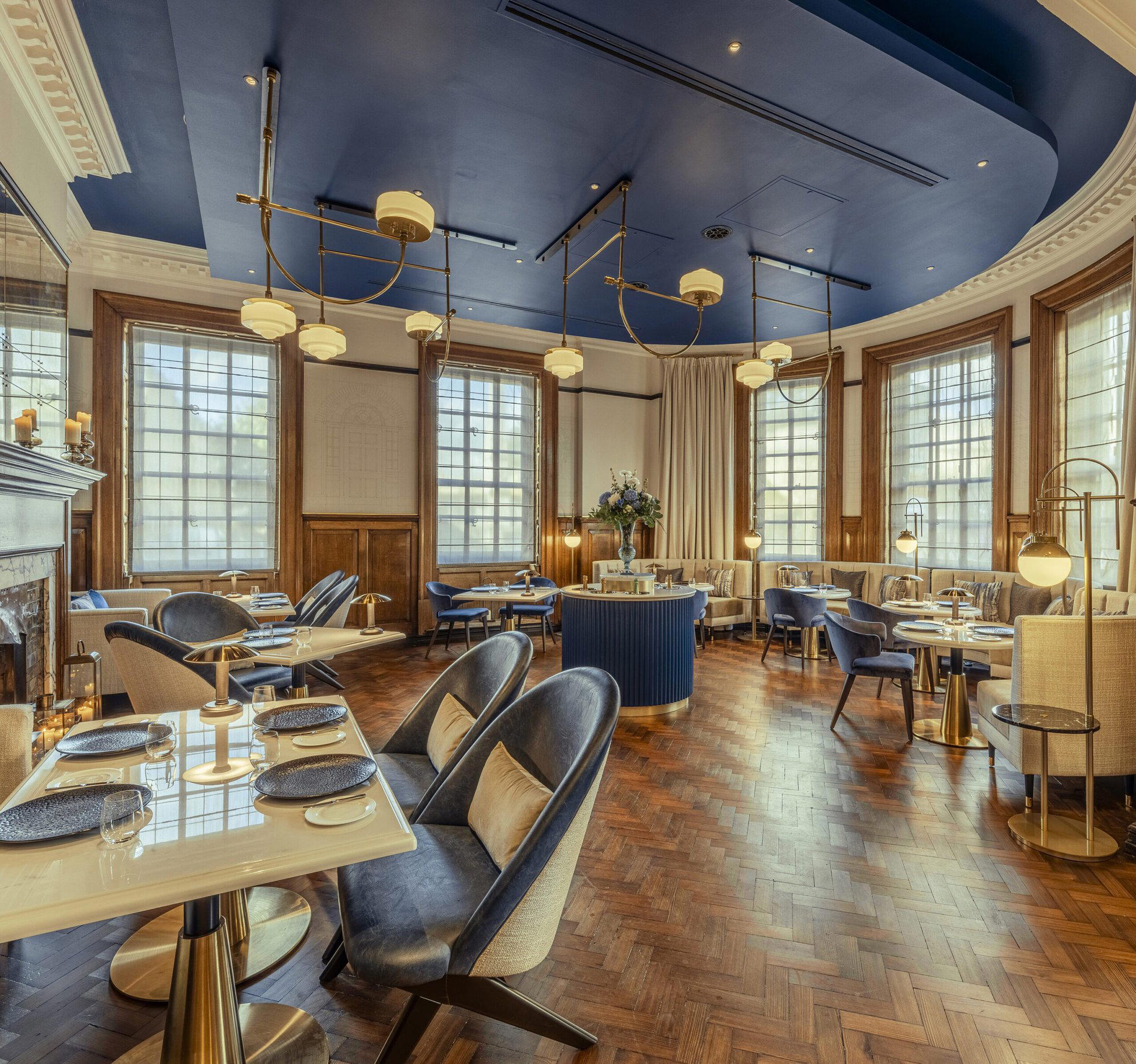
Candle-lit, cosy atmosphere with friendly, passionate service and enough space between tables for an intimate yet relaxed dining experience.