Roograhu resto
Our verdict
On the western edge of Hiiumaa island, Roograhu resto occupies a stretch of Estonian countryside where the supply chain is measured in kilometres, not continents. The cooking draws from the island's coastal and agricultural traditions, placing it within a category of rural Estonian restaurants that treat proximity to the source as the organizing principle of the menu. For visitors making the journey to Hiiu maakond, it represents a considered stop rather than an afterthought.

Pearl is the En Primeur Club membership app, where members save venues, book tables and use the concierge.
Hiiumaa's Ingredient Logic and Where Roograhu Fits
Estonia's island restaurants operate under a different set of constraints and advantages than their mainland counterparts. On Hiiumaa, the second-largest island in the country, the ferry crossing from Rohuküla to Heltermaa creates a natural boundary that shapes what kitchens can realistically source, how often deliveries arrive, and which ingredients arrive at peak condition. The restaurants that work well here tend to accept those constraints as a design brief rather than a limitation. Roograhu resto, addressed at Roograhu tee in the small settlement of Hiiessaare within Hiiu maakond, sits inside that island logic.
Across Estonia, the conversation about ingredient provenance has sharpened considerably over the past decade. Tallinn's more technically ambitious rooms, such as 180° by Matthias Diether, operate with access to European supply networks and the sourcing flexibility that a capital city affords. Rural and island restaurants occupy a different register: the sourcing radius is smaller, the seasonal rhythm is more pronounced, and the menu is often shaped as much by what the surrounding landscape produces as by any single culinary philosophy. That compression of supply chain, when handled with intention, produces cooking that reads as genuinely regional rather than generically rural.
The Approach to the Place
Arriving at Hiiessaare means passing through a Hiiumaa interior defined by pine and juniper heath, the kind of terrain that gives the island its reputation for quietness and ecological conservation. The address on Roograhu tee places the restaurant outside the island's main settlement of Kärdla, away from what passes for tourist infrastructure in this part of Estonia. That positioning is itself informative: restaurants that operate this far from the island's commercial centre are typically sustained by a combination of local regulars and visitors with a specific reason to seek them out, rather than passing foot traffic.
In the broader pattern of Estonian rural dining, this model has precedent. Places like Kuur in Vihtra and Ilmaveere in Obinitsa demonstrate that cooking rooted in a specific regional identity can sustain a loyal audience even when the venue is a deliberate detour. The same pattern holds on the Estonian coast, where spots like Wana Kala Kõrts in Neeme and KABE Beach in Kaberneeme draw visitors prepared to travel for food that connects to a specific place rather than a general dining category.
What Island Sourcing Actually Means for the Plate
Hiiumaa's food geography is worth understanding before the meal rather than after. The island has a functioning agricultural and fishing tradition: lamb grazed on coastal pasture, fish from the surrounding shallow sea, foraged ingredients from a landscape subject to relatively low agricultural intensity. These are not marketing abstractions in this context; they reflect the actual conditions under which small island kitchens operate when they commit to short supply chains.
The Estonian tradition of cooking with what the immediate season and geography produce has been documented in the country's broader culinary conversation, and the island restaurants tend to express it more directly than urban kitchens. Where a Tallinn restaurant might reference Estonian ingredients within a wider European framework, an island kitchen on Hiiumaa is more likely to be genuinely constrained by them. That constraint often produces a more honest plate: the cooking has to work with what is actually available rather than what is ideally available.
For visitors familiar with how this model operates in other northern European contexts, from the coastal restaurants of the Finnish archipelago to the farm-focused places scattered across rural Latvia and Lithuania, Roograhu resto's positioning in Hiiessaare will read as legible. It belongs to a category of place where the question of where the food comes from is answered by looking out the window rather than reading a sourcing statement.
Situating Roograhu in the Wider Estonian Dining Picture
Estonia's restaurant spectrum runs from technically ambitious tasting-menu rooms in Tallinn to traditional cuisine in smaller cities. Kolm. Restoran in Võru and Kohvik in Viljandi represent the kind of regional cooking that sustains a local dining culture outside the capital. Roograhu operates in a more remote register still: Hiiumaa's population is small, the tourist season is compressed into the warmer months, and the restaurant's catchment area is genuinely limited by geography.
That remoteness places it in a different competitive conversation than mainland Estonian venues. Roograhu's frame of reference is the small number of Estonian island and coastal restaurants that have built a reputation specifically on locality and seasonal rhythm.
Internationally, the template exists at a much higher tier of ambition and recognition: restaurants like Le Bernardin in New York or the technically precise Korean cooking at Atomix demonstrate how a narrow, disciplined focus on a specific ingredient category or cultural tradition can define a restaurant's identity over time. The scale is entirely different, but the underlying logic, that a restaurant committed to a specific sourcing and cooking discipline develops a clearer identity than one without that focus, applies across price tiers.
Planning a Visit
Reaching Hiiessaare requires the Hiiumaa ferry, which runs from the mainland port of Rohuküla to Heltermaa on the island's eastern coast. From Heltermaa, Hiiessaare is a drive across the island's interior, making this a venue that rewards combining with a broader exploration of Hiiumaa rather than treating as a standalone day trip. Given the island's tourism season runs primarily from late spring through early autumn, timing matters: visiting outside the summer window carries the risk of reduced hours or seasonal closure, and verifying current opening status before making the crossing is sensible planning. No phone or website details are currently listed, so reaching the venue may require local enquiry through accommodation providers on the island. For a broader picture of what the area offers, our full Hiiessaare restaurants guide maps the options in more detail.
Visitors exploring Estonia's wider coastal and island dining circuit might also consider Kalana ÄÄR in Kalana, which operates in a similar coastal register, or the peninsula dining represented by Valgeranna Veinitall in Audru near Pärnu. For a different kind of Estonian regional cooking, Kärme Küülik in Haapsalu covers the western Estonian mainland side of the same geographic region.
Frequently asked questions
Is Roograhu resto good for families?
Hiiessaare's rural setting on Hiiumaa, Estonia's second-largest island, points toward an unhurried pace that typically suits families better than a city tasting-menu room. The address on Roograhu tee places it away from urban foot traffic, which usually means space rather than the compressed seating of a town-centre spot. Contact details are not currently listed, so confirming any children's menu or specific provisions in advance is advisable before making the trip from the Heltermaa ferry terminal.
What should I expect atmosphere-wise at Roograhu resto?
The Hiiessaare location, deep in Hiiumaa's pine and juniper interior, sets the tone before you arrive: this is not a polished urban room. Expect a setting shaped by the island's agricultural character rather than any city-facing design ambition. The address on Roograhu tee suggests a working rural context, which on Hiiumaa typically means stripped-back interiors and an emphasis on the produce rather than the theatre of service.
Is Roograhu resto worth the Hiiumaa ferry crossing for dinner?
Reaching Hiiessaare requires the Rohuküla–Heltermaa ferry, which makes any meal here a deliberate half-day commitment rather than a casual detour. That ferry dependency filters the clientele naturally: the people who arrive have planned to be there, which shapes the pace and expectation of the room.
What's the signature dish at Roograhu resto?
What is established is that Hiiumaa supports a genuine local food tradition, including lamb farming, coastal fishing, and foraged ingredients from the island's heath terrain. Any dish rooted in those sources would represent the strongest claim to the kitchen's identity, but confirming current offerings directly with the venue is the only reliable route before visiting.
Where exactly is Roograhu resto?
Roograhu resto is located at Roograhu tee, Hiiessaare, 92335 Hiiu maakond, Estonia, Hiiessaare.
Do they take walk-ins at Roograhu resto?
No booking policy is documented for Roograhu resto. Given the venue's location in Hiiessaare on Hiiumaa, which requires a ferry crossing from the mainland port of Rohuküla to reach, arriving without a confirmed reservation carries real logistical risk. Until contact details are publicly listed, approaching the venue through local accommodation or the Hiiumaa tourism network is the most practical way to establish availability before the journey.
Fast Comparison
Comparable venues nearby, for context on price, style, and recognition.
| Venue | Cuisine | Price | Awards | Notes |
|---|---|---|---|---|
| Roograhu restoThis venue (the venue you are viewing) | European Grill with Local Estonian Cuisine | $20–30 | Not listed | Not listed |
| Kärme Küülik | Modern Estonian with Wood-Fired Grill | $30–50 | White Guide Baltic Restaurants - Very Fine Level | Haapsalu |
| Restoran Groot | European Gourmet | Not listed | Not listed | Rannakula |
| KOGU Resto | Modern Estonian Signature Cuisine | $50–100 | Not listed | Kalaranna |
| Noarootsi Lokaal | Modern Estonian Country Fare | Not listed | Not listed | Pürksi |
| Pastoraat | Modern European Cafe | Not listed | White Guide Baltic Restaurants - Fine Level | Old Town |
Continue exploring
More in Hiiessaare
Restaurants in Hiiessaare
All restaurants in Hiiessaare →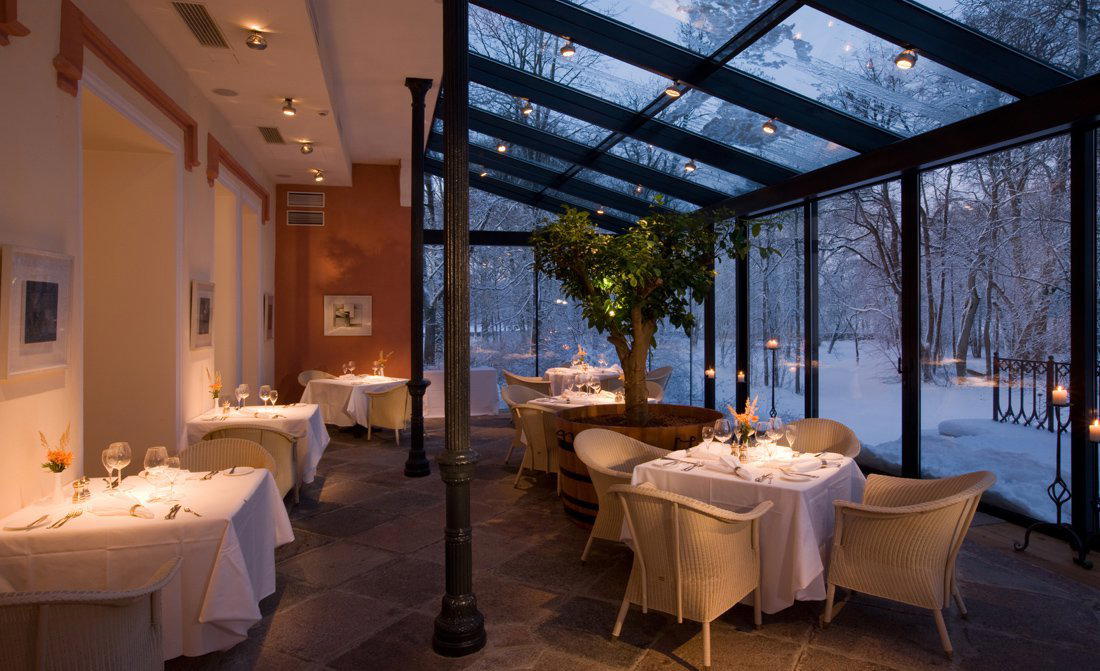
Details
- Scenic
- Rustic
- Cozy
- Family
- Group Dining
- Casual Hangout
- Waterfront
- Terrace
- Beer Program
- Local Sourcing
- Waterfront
- A La Carte
- Beer
- Vegetarian Friendly
- Vegan Options
- Gluten Free Options
Current opening hours
- Monday
- 12–6 PM
- Tuesday
- 12–6 PM
- Wednesday
- 12–6 PM
- Thursday
- 12–6 PM
- Friday
- 12–9 PM
- Saturday
- 12–9 PM
- Sunday
- 12–6 PM
Hours can change for holidays and private events. Hours as of .
Relaxed and family-friendly atmosphere with natural lighting from waterfront views; casual dining environment with a bar area.