Romeo & Julieta
Our verdict
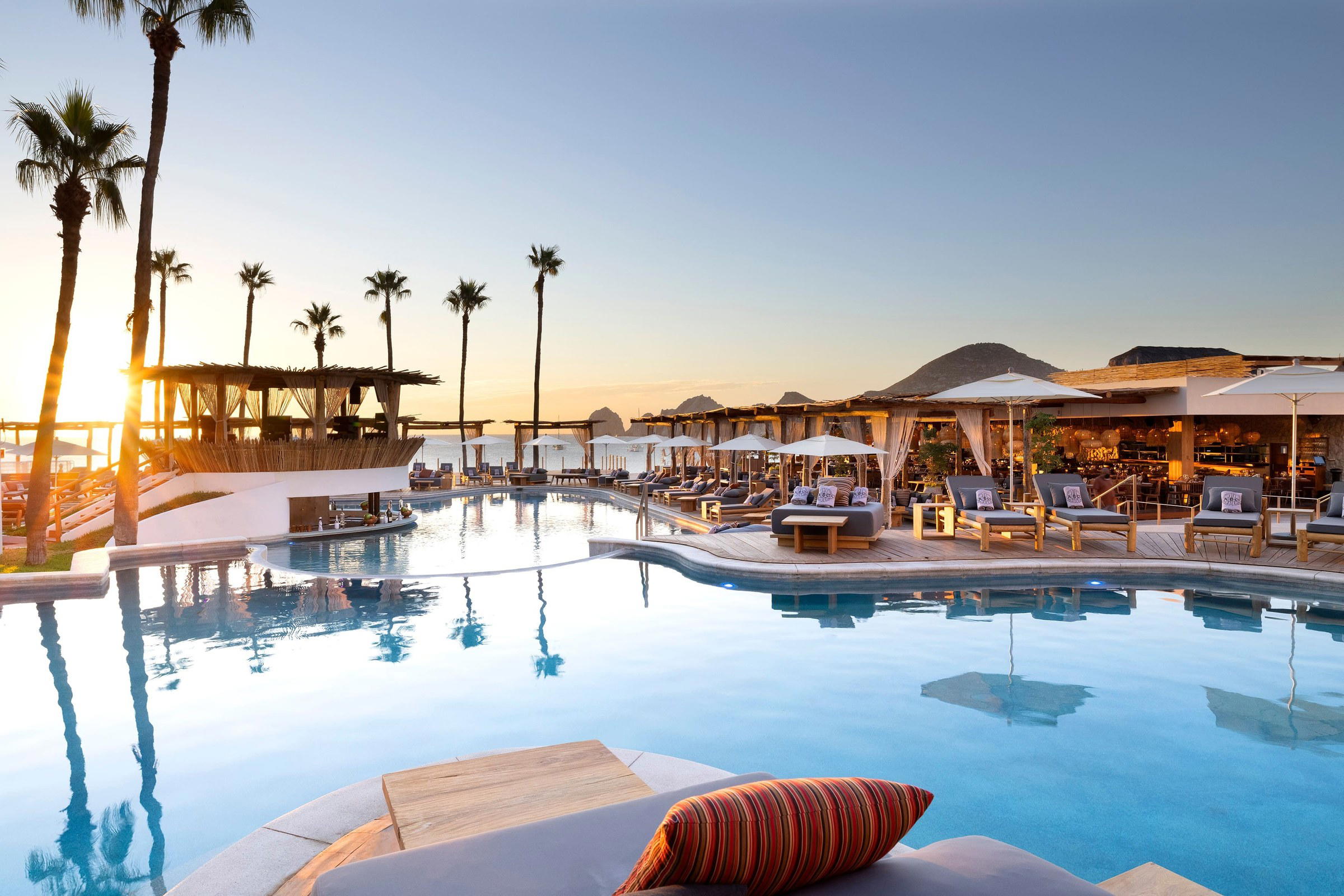
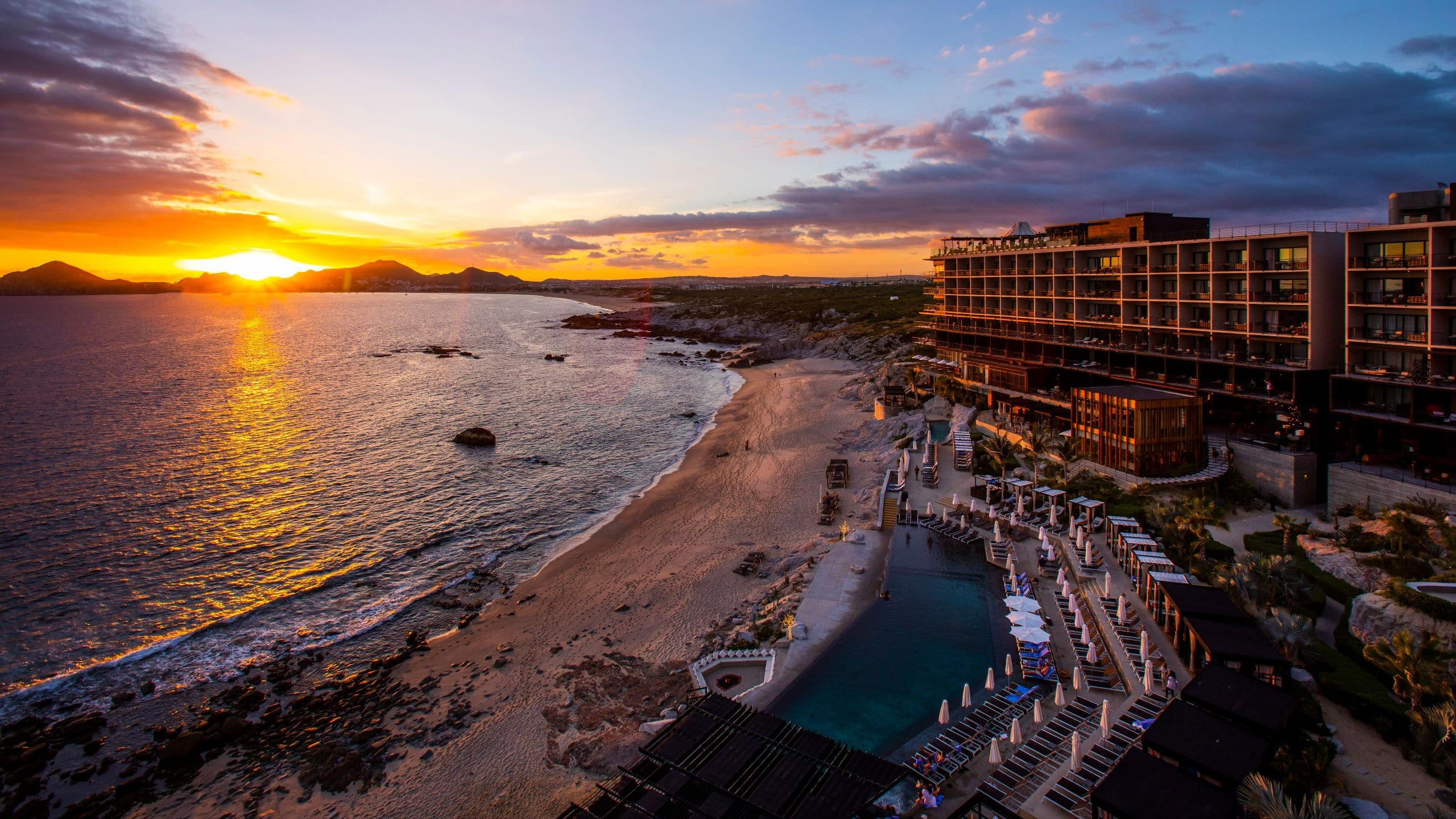
Romeo & Julieta occupies a marina-facing position along Cabo San Lucas's Paseo de la Marina, where the dining scene tends to operate between tourist-facing spectacle and more considered local eating. The address places it squarely in the resort corridor, where sea air, boat traffic, and evening light shape the context as much as what arrives on the plate.

Pearl is the En Primeur Club membership app, where members save venues, book tables and use the concierge.
The menu
What to order
- Lasagna
- Pesce alla Mugnaia
- Tableside Caesar Salad
- Linguine ai Frutti di Mare
- Risotto al Tartufo
Eating Along the Marina: What the Setting Demands
Cabo San Lucas's marina strip operates under a particular kind of pressure. The boulevard that runs along Paseo de la Marina carries foot traffic from resort hotels, sport-fishing docks, and the kind of sunset-chasing crowd that populates every port town with serious tourist infrastructure. Restaurants on this stretch compete less on neighbourhood authenticity and more on positioning: how well they hold the room, how they read the water, and whether the experience justifies the real estate. Romeo & Julieta sits along this corridor, at the address where those factors converge.
The name signals a Spanish-language romanticism common to coastal Mexico dining rooms that pitch themselves toward couples and anniversary dinners rather than bar-hopping groups. That framing matters because it shapes the sonic register of the space: marina-front venues in this tier tend toward lower volumes, table spacing that allows conversation, and an evening rhythm that builds slowly rather than peaking early. The physical approach, walking from the marina promenade with the harbour visible and the smell of salt air mixing with kitchen smoke from the strip, is part of what the address sells.
Cabo's Marina Dining Tier: Where This Address Sits
To understand Romeo & Julieta's position, it helps to map the broader dining structure of Los Cabos. The region has split into roughly three tiers. At the leading sit resort-integrated restaurants like Al Pairo at Solaz, which operate inside five-star hotel footprints with chef-driven tasting formats. In the middle, marina-adjacent and town-centre restaurants serve a mix of visitors and locals with menus that span seafood, Mexican, and international comfort. Below that sits the taqueria and street-food register that remains Cabo's most honest eating.
Romeo & Julieta occupies the middle tier, where venues like Aleta and Asi y Asado compete on atmosphere, menu range, and the ability to capture the evening dining window. This is not the register of Mexico's most critically discussed restaurants: the tasting-menu ambition of Pujol in Mexico City, the open-air drama of Animalón in Valle de Guadalupe, or the ingredient rigour of Levadura de Olla Restaurante in Oaxaca. Nor does it claim to be. The marina context defines a different set of expectations, and within that context, address and setting carry more weight than in a neighbourhood without the same visual draw.
The Sensory Register of a Marina Evening
What a marina-front room offers that an interior street cannot is a particular quality of evening light. The sun drops behind the Pacific horizon to the west of Cabo's Land's End, and the golden-hour window on the marina runs from roughly 90 minutes before sunset through the first hour of darkness. Restaurants on Paseo de la Marina benefit from this window regardless of what's on the menu. The light catches the water, the boats shift on their moorings, and the ambient temperature drops just enough that outdoor or semi-open seating becomes comfortable after the afternoon heat.
That sensory context, the combination of reflected light, sea air, and the low-frequency hum of the harbour, is what distinguishes marina dining from every inland alternative in Cabo. Venues like Baja Brewing draw on a different register entirely, built around a convivial indoor-outdoor beer-hall energy. The marina restaurants, Romeo & Julieta among them, trade on a quieter version of the same coastal appeal.
Mexican Coastal Dining in Context
Cabo sits at the southern tip of the Baja Peninsula, which has developed a distinctive culinary identity separate from both mainland Mexico and the border-region cooking more familiar to American visitors. Baja cuisine draws heavily on Pacific seafood, Baja California wine (increasingly serious since the Valle de Guadalupe emerged as a recognised wine region), and a grilling tradition that differs from the wood-smoke intensity of Oaxacan or Yucatecan cooking. The port position means ceviches, aguachiles, and seafood preparations sit at the centre of any serious Cabo menu.
Mexico's wider restaurant scene has seen significant critical attention in recent years, with names like HA' in Playa del Carmen, Le Chique in Puerto Morelos, and KOLI Cocina de Origen in Monterrey drawing international notice. Cabo's contribution to that conversation has historically come from its resort-tier kitchens rather than its marina strip. The marina format, responsive to tourist volumes and high seasonal turnover, operates under different constraints than a destination tasting-menu room. That is neither a criticism nor an excuse; it is simply the condition of cooking in a port-resort economy.
For context on how the Baja wine and farm connection plays out in a more rurally positioned setting, Olivea Farm to Table in Ensenada and Lunario in El Porvenir represent the northern Baja approach, while Alcalde in Guadalajara and Pangea in San Pedro Garza Garcia show what the interior-city fine-dining version of Mexican ambition looks like. Romeo & Julieta operates in a different register from all of these, one governed more by location and occasion than by culinary ideology.
Planning Your Visit
Romeo & Julieta's address on Blvd. Paseo de la Marina places it in the heart of the marina district, walkable from the main resort corridor and accessible without a vehicle for guests staying in the Centro or marina-adjacent hotels. Cabo San Lucas's high season runs from October through April, when temperatures are cooler and visitor volumes peak; marina restaurants during this window operate at full capacity and table availability tightens, particularly for the sunset-hour window between 6pm and 8pm. The shoulder months of May and early June offer warmer weather but noticeably quieter service floors, which can work in favour of diners who prefer a less pressured pace. For a broader map of where this restaurant sits within Cabo's full dining range, see our full Cabo San Lucas restaurants guide. Comparative reference points at the top of the Cabo market include Arts & Sushi for those whose priority is precision Japanese technique in a resort-town setting.
Frequently asked questions
What's Romeo & Julieta's location?
Romeo & Julieta is located at Blvd. Paseo de la Marina S/N, Centro, 23450 Cabo San Lucas, B.C.S. Mexico, Cabo San Lucas.
Is Romeo & Julieta suitable for a dinner outing along the Cabo marina walk?
The restaurant's address at Blvd. Paseo de la Marina S/N in Centro, Cabo San Lucas places it directly on the pedestrian-accessible marina boulevard, making it a practical stop within a marina evening. Cabo's marina strip concentrates dining, nightlife, and water-access in a walkable stretch, so Romeo & Julieta fits naturally into that circuit rather than requiring a separate destination trip.
What's the best thing to order at Romeo & Julieta?
Without a current menu on record, the safest approach is to ask staff what is sourced locally that day. Cabo San Lucas sits at the confluence of the Pacific and the Sea of Cortez, which means the Baja peninsula's coastal restaurants typically have access to yellowfin tuna, dorado, and regional shellfish. A marina-front address like Blvd. Paseo de la Marina tends to reflect what came off the boats that morning.
How far ahead should I plan for Romeo & Julieta?
Cabo San Lucas's marina corridor draws consistent foot traffic from the resort strip, and tables at marina-facing rooms fill faster during peak winter and spring break seasons, roughly December through April. For that window, securing a reservation at least a few days in advance is practical. Outside peak season, same-day availability along Paseo de la Marina is generally more accessible.
What's Romeo & Julieta best at?
The address on Blvd. Paseo de la Marina puts Romeo & Julieta squarely in Cabo's marina dining tier, where the setting itself carries significant weight. Marina-front rooms in this district trade on the evening light over the water and proximity to the boat traffic of the main corridor. That context, rather than any single dish category, defines the experience this location is built around.
Awards and Standing
Comparable venues nearby, for context on price, style, and recognition.
| Venue | Cuisine | Price | Notes |
|---|---|---|---|
| Romeo & JulietaThis venue (the venue you are viewing) | Traditional Italian Trattoria | $50–100 | Not listed |
| Bitos | Italian-Mexican Fusion with Wood Oven Pizza | $20–30 | Cabo San Lucas |
| Koi Sushi | Japanese Sushi | $20–30 | Cabo San Lucas |
| Luna Italiana | Authentic Italian Pasta | $50–100 | Cabo San Lucas |
| JM Steakhouse | Italian Steakhouse | $50–100 | Cabo San Lucas |
| Señor Frog's - Cabos | Mexican Party Gastropub | Not listed | Cabo San Lucas |