
Michelin Bib Gourmand
Our verdict
RÖHMS DELI holds back-to-back Michelin Bib Gourmand recognition (2024 and 2025) for farm-to-table cooking in Lüneburg's old town. At a €€ price point, it sits in a tier where ingredient sourcing and seasonal discipline matter more than elaborate technique. not occasional brilliance.

Pearl is the En Primeur Club membership app — saves, bookings, and concierge access live there. Same editors, same standards.
The menu
What to order
- Sweet potato fries
- Daily specials
- House-made pastries
What Lüneburg's Old Town Looks Like at Lunch
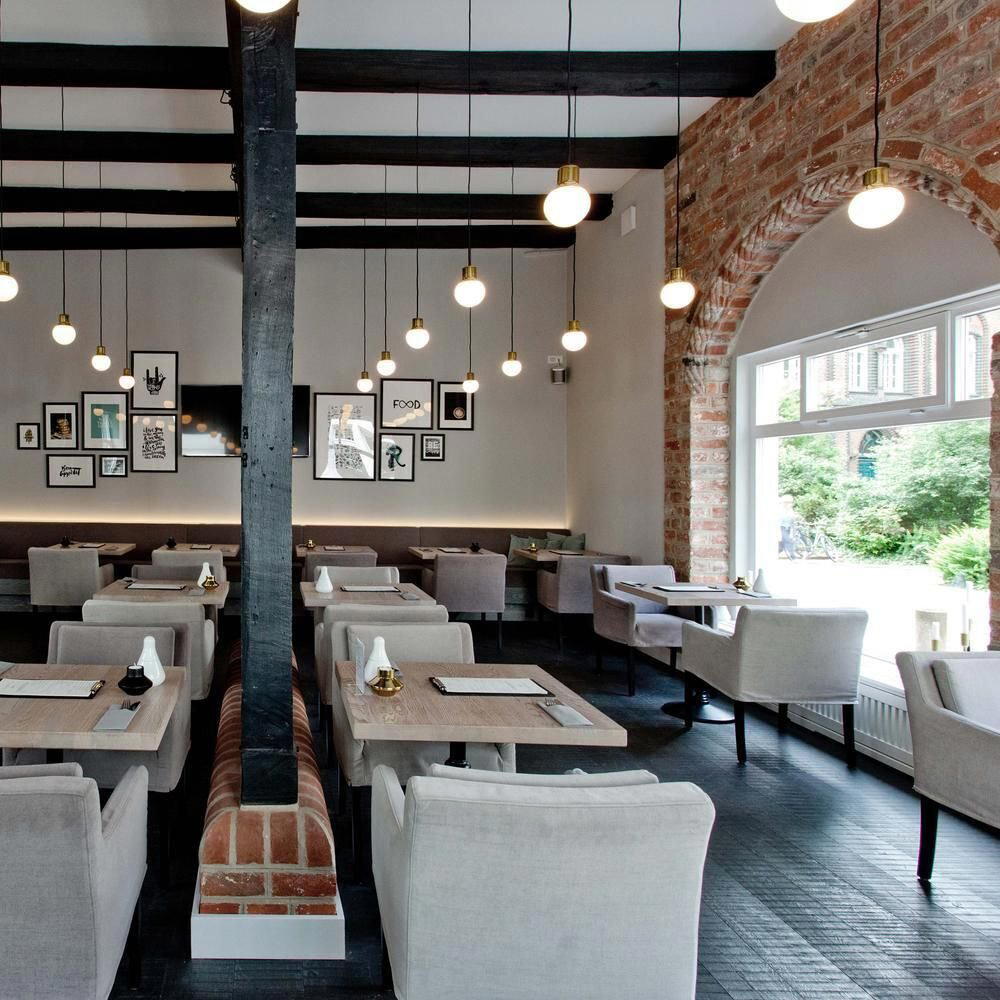
Heiligengeiststraße is the kind of street that rewards slow walking. The medieval brick facades, the slight lean of buildings that have been settling since the Hanseatic salt trade, the absence of chain retail — it sets a context that most German city centres can no longer offer. RÖHMS DELI sits at number 30 in that street, and the physical environment does a significant amount of the work before a plate arrives. In a town where tourism tends to concentrate around the crane and the old harbour, this address is slightly off the main circuit, which means the room skews toward locals and return visitors rather than day-trippers checking boxes.
That geography matters for farm-to-table cooking specifically. The Michelin Bib Gourmand — awarded in both 2024 and 2025, making RÖHMS DELI a consecutive holder, recognises cooking that delivers quality above its price point. At €€, the kitchen is not operating in the same cost structure as, say, Aqua in Wolfsburg or Vendôme in Bergisch Gladbach, both of which operate at €€€€ with the infrastructure that bracket implies. The Bib Gourmand exists precisely to flag the gap between price and quality, and consecutive years of recognition suggest it is not a one-season anomaly.
Farm-to-Table in Northern Germany: What That Actually Means Here
Farm-to-table as a category has suffered from overuse. Attached to everything from casual brunch spots to tasting menus, the phrase has lost precision in many markets. In northern Germany's context, it tends to mean something more specific: a reliance on the agricultural output of the Lüneburg Heath and the broader Lower Saxony region, where livestock farming, root vegetables, and foraged ingredients have defined local cooking for centuries before the term existed. Heathland lamb, regional game, preserved beets, dark rye, these are not imported references but the actual raw materials of the surrounding countryside.
Chef Michael Röhm's operation at this address works within that regional logic. The Bib Gourmand designation signals that the execution reaches a level Michelin's inspectors consider worth flagging for readers who want quality without the tasting-menu price structure. In the German farm-to-table segment, that places RÖHMS DELI alongside venues like BOK Restaurant Brust oder Keule in Münster and Clostermanns Le Gourmet in Niederkassel, kitchens where sourcing discipline and seasonal rotation are the central commitments rather than a marketing layer over a conventional menu.
The Chef Behind the Counter
Germany's Bib Gourmand tier is populated by chefs who have, in most cases, passed through formal fine-dining kitchens before stepping back to a more focused format. The discipline required to run a kitchen with genuine seasonal constraints at a moderate price point is not less demanding than running a starred room; the margin for error on ingredient cost is actually tighter. Michael Röhm's name on the venue signals a proprietor-chef model rather than a branded restaurant with a rotating brigade, which at this scale usually means direct involvement in sourcing decisions and menu construction.
That model tends to produce more consistent results at the Bib Gourmand level than chef-patron arrangements where the named figure has moved on to other projects. For comparison, venues in this tier that rely on a single wave of media attention typically show a wider variance in review sentiment as the initial attention fades.
For readers who want to understand where RÖHMS DELI fits in the broader German dining conversation, the higher end of the country's restaurant scene is represented by kitchens like Schwarzwaldstube in Baiersbronn, JAN in Munich, Schanz in Piesport, and Waldhotel Sonnora in Dreis. RÖHMS DELI operates in a fundamentally different tier, not as a stepping stone toward that bracket, but as a deliberate point in a different part of the market where access and approachability are part of the offer.
Reading the Room: Format, Feel, and Who Eats Here
The deli designation in the name is worth taking seriously. In central Europe, the deli format has historically implied a hybrid of retail and dining, a space where produce moves through multiple formats, from counter sales to plated service. This is not a room where you arrive in a jacket for a three-hour progression through a tasting menu.
For Lüneburg specifically, that positioning fills a gap. The city draws a steady stream of visitors, primarily from Hamburg (roughly an hour south by train), who are looking for a full day out rather than a quick transit stop. A kitchen that offers Michelin-recognised quality at a price point accessible to a broad range of visitors, in a room that does not require formal commitment, is a more useful proposition for that audience than a starred venue requiring advance booking months out. The €€ price point, combined with the Bib Gourmand's implicit quality floor, makes RÖHMS DELI function as a reliable anchor for a Lüneburg visit.
Planning a Visit
RÖHMS DELI is at Heiligengeiststraße 30 in Lüneburg's old town, walkable from the main train station. Lüneburg is well-connected from Hamburg by direct regional rail, which makes it a natural day-trip or short-stay destination. The €€ price range means a meal here is unlikely to require financial planning, but consecutive Bib Gourmand years suggest tables may move faster than the address implies, particularly on weekends and during summer when the city's visitor numbers peak. Checking availability in advance is advisable.
For a fuller picture of eating and drinking in the city, our full Lüneburg restaurants guide maps the broader dining scene. If you are planning an extended stay, our Lüneburg hotels guide covers accommodation options, and our bars guide and experiences guide cover the rest of the city's offer. Wine-focused visitors can reference our Lüneburg wineries guide for regional producers worth knowing.
Those travelling across northern Germany and wanting to calibrate other dining stops should also consider Restaurant Haerlin in Hamburg for a higher-commitment evening, and Bagatelle in Trier or ES:SENZ in Grassau for reference points elsewhere in the German scene. For creative-format dining, CODA Dessert Dining in Berlin and Victor's Fine Dining by Christian Bau in Perl represent the more experimental end of the spectrum.
Frequently asked questions
Would RÖHMS DELI be comfortable with kids?
At the €€ price point and deli format, RÖHMS DELI sits well outside the ceremonial fine-dining register that tends to make children conspicuous. Lüneburg itself draws families as a day-trip destination from Hamburg, and a Bib Gourmand-rated kitchen at this price tier typically prioritises accessibility over formality. That said, confirm current setup directly with the venue before arriving with young children.
Is RÖHMS DELI formal or casual?
Casual, by design and by category. Michelin awards the Bib Gourmand specifically to venues delivering quality above their price point, not to formal dining rooms — and RÖHMS DELI's €€ positioning in a mid-sized northern German city reinforces that. The deli designation in the name signals a hybrid retail-and-dining format rather than a tasting-menu progression with tableside ceremony.
What's RÖHMS DELI known for in terms of accolades?
RÖHMS DELI has received recognition including: Michelin Bib Gourmand (2025); Michelin Bib Gourmand (2024).
What do people recommend at RÖHMS DELI?
RÖHMS DELI operates a farm-to-table kitchen under chef Michael Röhm, which means the offer follows seasonal and regional produce rather than a fixed signature repertoire. The Michelin Bib Gourmand recognition in both 2024 and 2025 points to consistent execution across the menu rather than a single standout dish. For current highlights, checking recent local reviews or contacting the venue at Heiligengeiststraße 30 will give you the most accurate picture.
Fast Comparison
| Venue | Cuisine | Price | Awards |
|---|---|---|---|
| RÖHMS DELIThis venue (the venue you are viewing) | Seasonal European Deli Cuisine | $30–50 | Michelin Bib Gourmand |
| Schwarzwaldstube | French, Classic French | Not listed | Michelin 3 Star |
| Aqua | Contemporary German, Italian/Japanese, Creative | Not listed | Michelin 3 Star |
| CODA Dessert Dining | Creative | Not listed | Michelin 2 Star |
| Tantris | Modern French, French Contemporary | Not listed | Michelin 2 Star |
| Vendôme | Modern European, Creative | Not listed | Michelin 2 Star |
Recognition history
Dated appearances from independent guides and award organizations, with the underlying list record or original source where available.
Michelin Bib Gourmand
Michelin
Full recognition history (3 entries)
Michelin Bib Gourmand
Michelin
Michelin Bib Gourmand
Michelin
Continue exploring
More in Lüneburg
Restaurants in Lüneburg
All restaurants in Lüneburg →
Bars in Lüneburg
Browse all →
Hotels in Lüneburg
Browse all →
Wineries in Lüneburg
Browse all →
Details
- Modern
- Cozy
- Elegant
- Date Night
- Business Dinner
- Casual Hangout
- Terrace
- Standalone
- Beer Program
- A La Carte
- Set Menu
- Wine
- Beer
- Vegetarian Friendly
- Gluten Free Options
Current opening hours
- Monday
- Closed
- Tuesday
- 12–9 PM
- Wednesday
- 12–9 PM
- Thursday
- 12–9 PM
- Friday
- 12–9 PM
- Saturday
- 12–9 PM
- Sunday
- Closed
Hours can change for holidays and private events. Last verified .
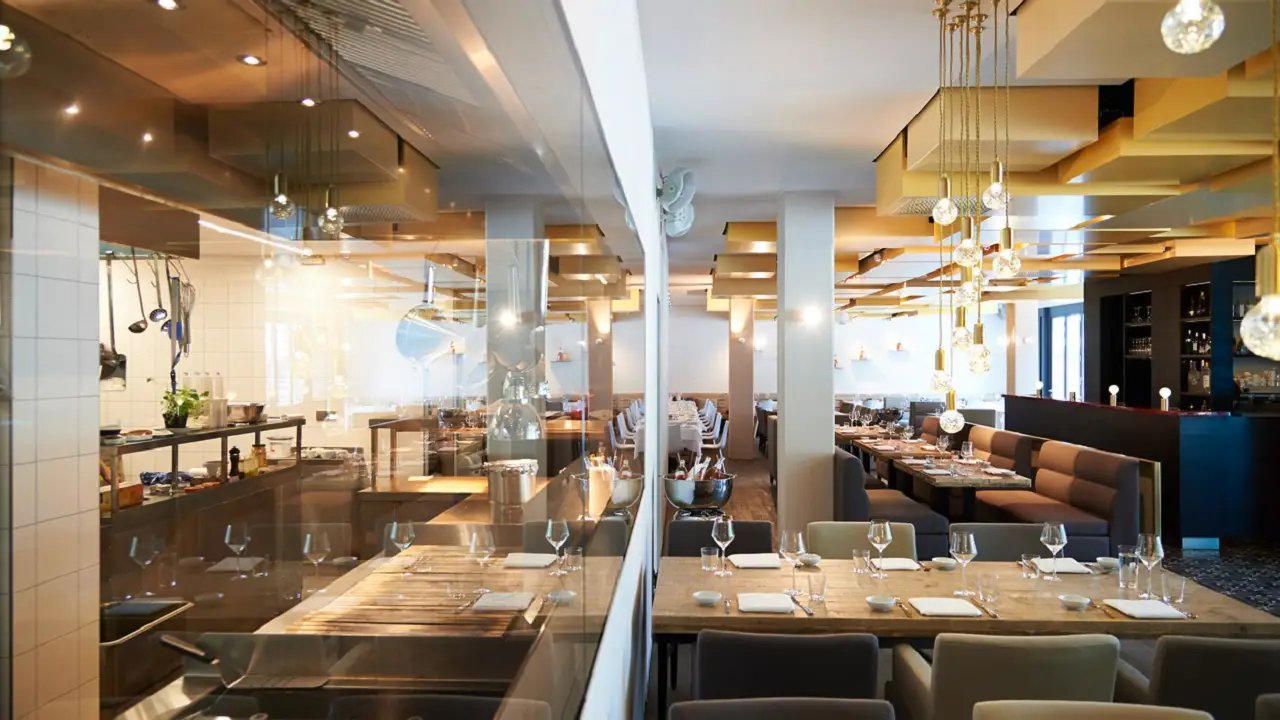
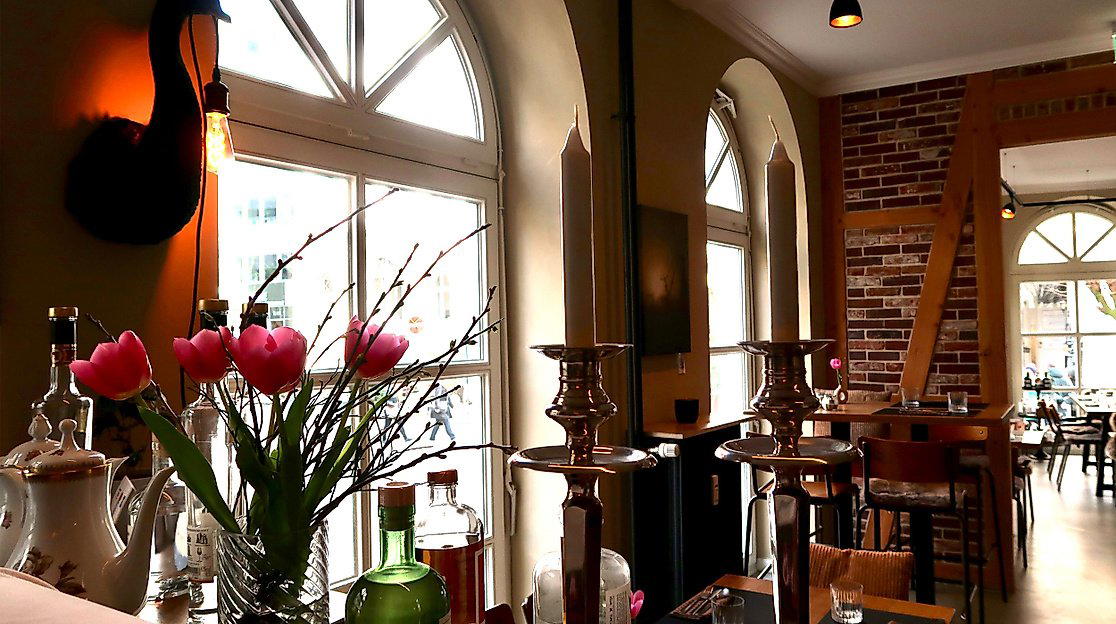
Friendly, modern atmosphere with pleasant natural lighting; terrace seating in a traffic-calmed area provides a relaxed yet refined dining experience.