Rogan & Co





1 Michelin Star · AA Rosettes 3 Rosettes · We're Smart World 2 Radishes
Our verdict
Rogan & Co holds a Michelin star and an Opinionated About Dining Top 120 ranking, operating out of a cottage beside the Cartmel stream with head chef Liam Fitzpatrick cooking from Simon Rogan's Our Farm supply chain. The format is shorter and more relaxed than L'Enclume, with lunch and dinner service Wednesday through Saturday at ££££ pricing.

Pearl is the En Primeur Club membership app — saves, bookings, and concierge access live there. Same editors, same standards.
- Address
- Devonshire House, Devonshire Square, Cartmel, Grange-over-Sands LA11 6QD, United Kingdom
- Phone
- +44 15395 35917
- Hours
- Mon ClosedTue 6–9 PMWed–Sat 12–1:30 PM, 6–9 PMSun Closed
- Website
- roganandco.co.uk
- Directions
- Get directions
- Booking
- Book on the venue's website
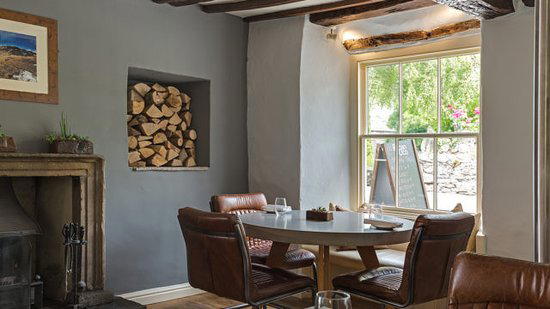
A Cottage, a Stream, and the Rogan Supply Chain
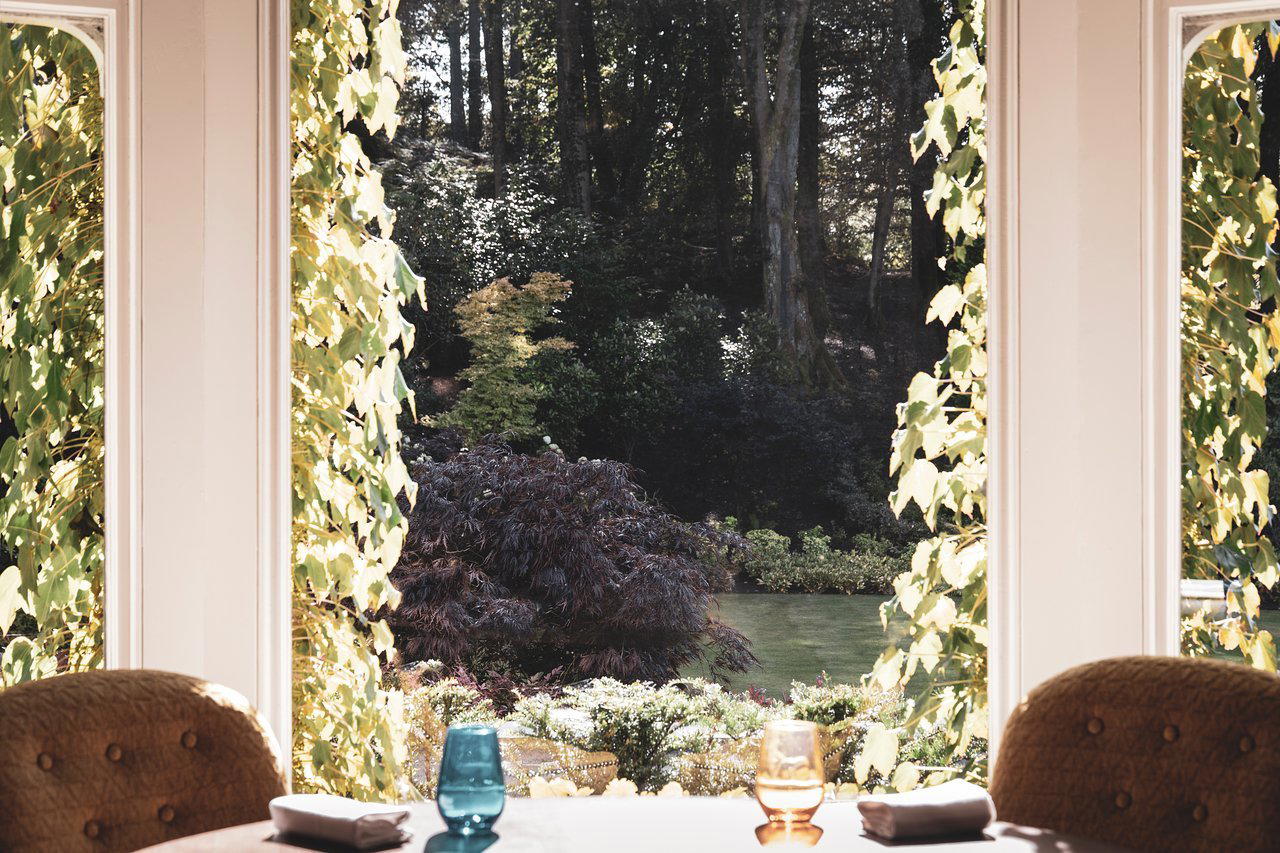
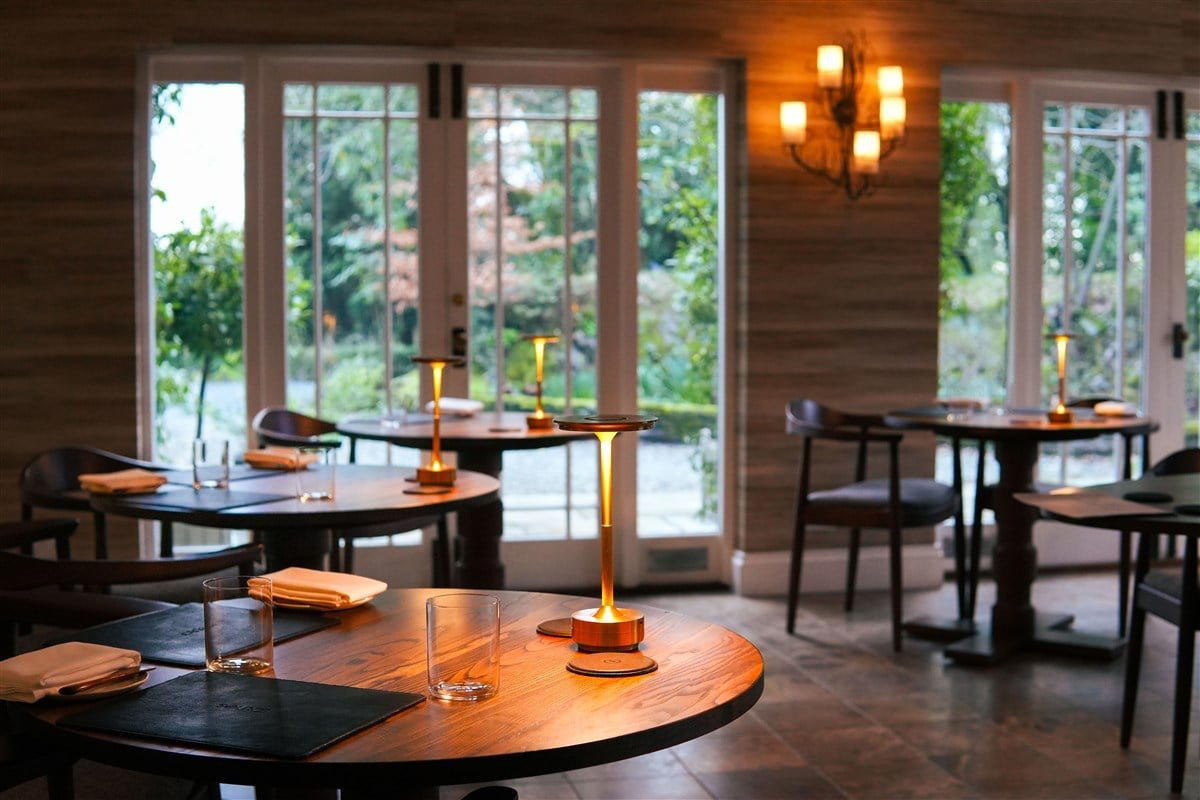
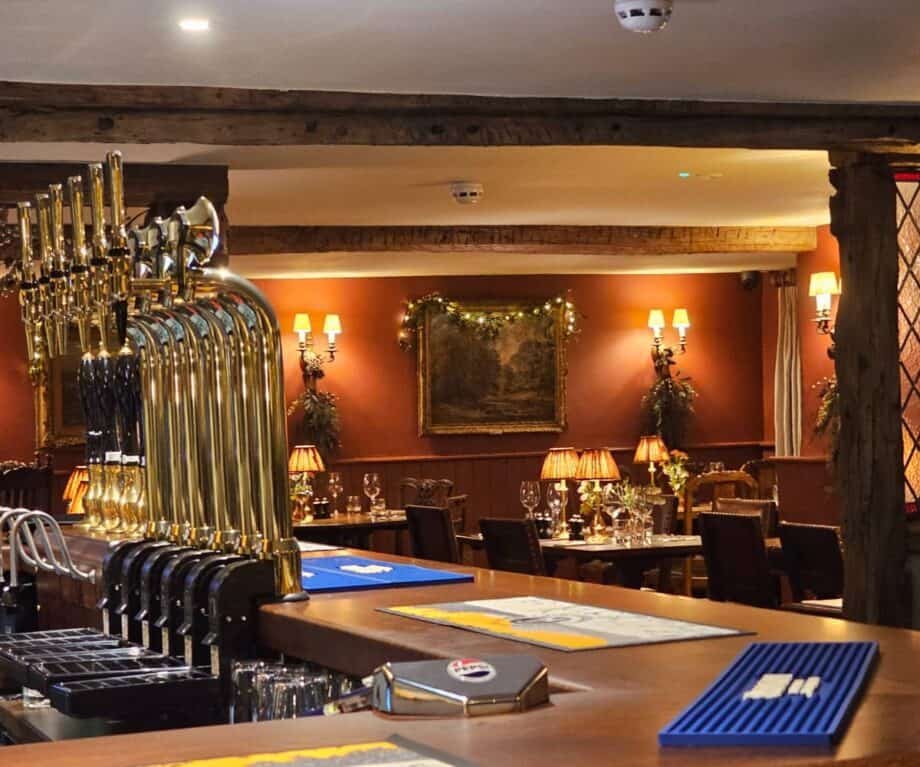
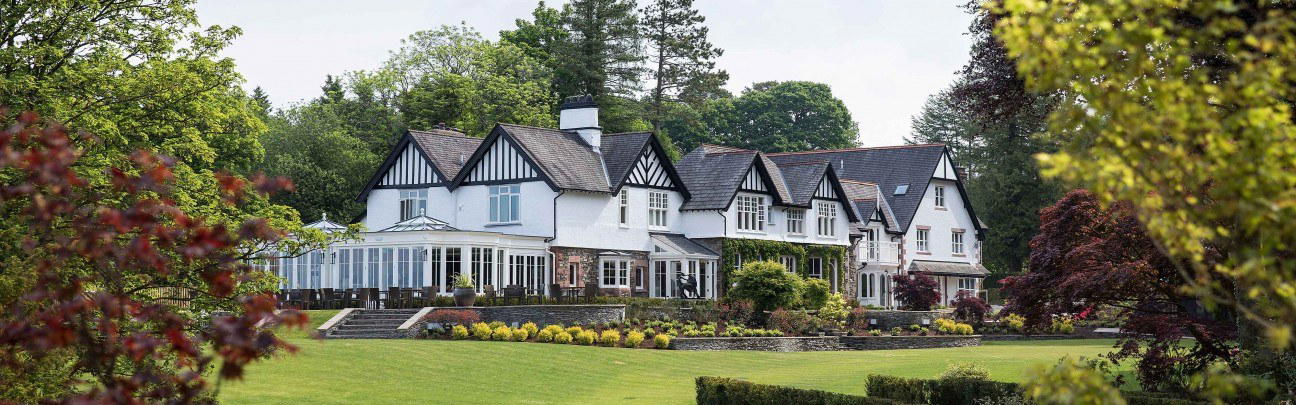
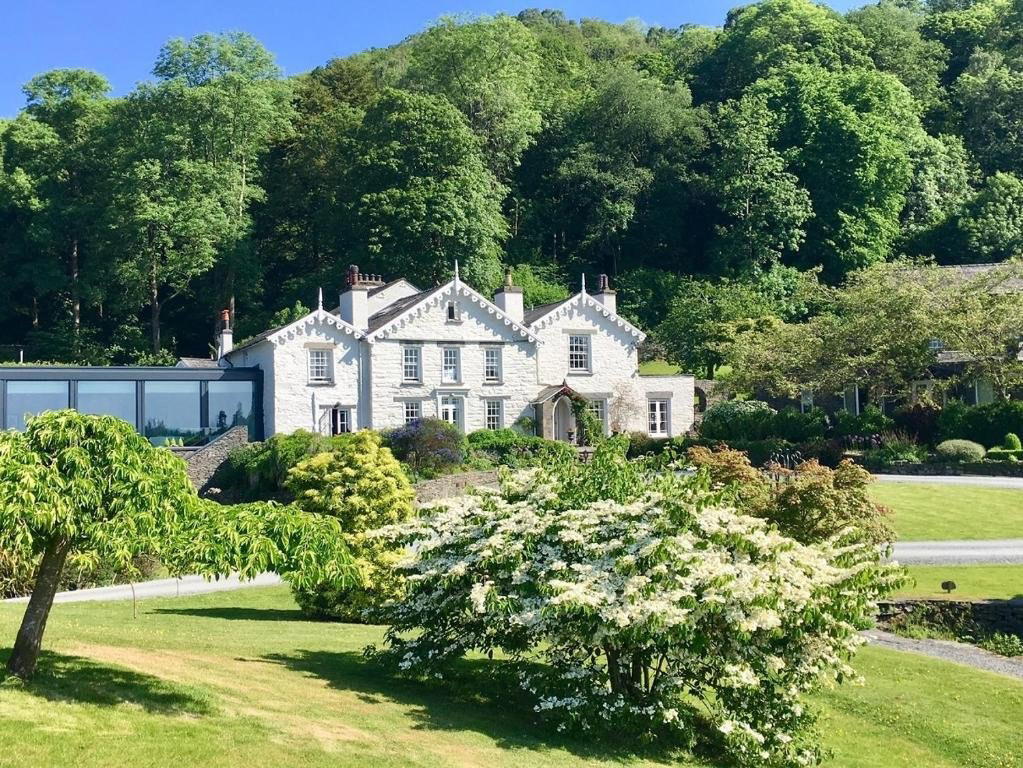
The physical approach to Rogan & Co sets expectations accurately. A pretty cottage on Devonshire Square, dark wood beams overhead, open fires lit through the colder months, and the sound of the stream running alongside the building: the setting signals a deliberately lower register than the Michelin-starred formality that defines the higher end of British destination dining. That register is the point. Where L'Enclume operates at full ceremony, Rogan & Co occupies the more relaxed tier of the same culinary ecosystem, a format increasingly common among serious British chef groups who want to serve the village they operate in rather than only the long-distance tasting-menu pilgrim. The white walls are hung with photography of Lakeland fells. Tables are simply laid. Nothing here performs luxury; it simply delivers cooking of a standard that a Michelin star — held since 2024 — and an Opinionated About Dining Casual Europe ranking of 109th in 2025 confirm as the real article.
The Rogan Ecosystem and What This Address Means Within It
British destination dining has, over the past decade, developed a clear infrastructure model: a flagship restaurant anchors a location, and a secondary address extends the reach of the same farm supply and culinary philosophy to a broader audience at a lighter touch. The Cartmel valley operates precisely this way. L'Enclume is the flagship; Rogan & Co is the village restaurant that makes the same ingredient philosophy available across a shorter, more accessible format. Simon Rogan's Our Farm development, positioned on Aynsome Lane just outside the village, provides vegetables, herbs, and fermented produce that flow through both addresses. The result is that a lunch at Rogan & Co in season carries the same provenance credentials as a full evening at the flagship, at a pace more suited to a Saturday afternoon than a five-hour progression. For anyone planning a Cartmel stay, understanding this hierarchy clarifies the decision: Rogan & Co is not a consolation prize when L'Enclume is booked out; it is a distinct and considered format.
Within the wider map of Michelin-starred Modern British cooking, this cottage sits in a specific niche. Restaurants such as Moor Hall in Aughton, Midsummer House in Cambridge, and CORE by Clare Smyth in London operate at a formal tasting-menu frequency; Rogan & Co positions itself as the northern English equivalent of the serious neighbourhood restaurant, where craft and sourcing are non-negotiable but the room temperature is set warmer. That positioning has earned consistent recognition: OAD Casual Europe ranked it 144th in 2023, 111th in 2024, and 109th in 2025, a trajectory that maps cleanly onto growing credibility rather than a single-year anomaly.
The Ritual of the Meal: How the Menu Builds
The Sunday roast tradition in Britain is fundamentally about technique applied to familiar ingredients, timing that respects the cut or the bird, and the communal table where the food is the occasion rather than a backdrop to it. Rogan & Co conducts that logic at a higher technical register. Head chef Liam Fitzpatrick's menu opens with snacks that function as a calibration sequence: a tartlet of whipped cod's roe, a Parmesan sablé with artichoke cream, a croquette of mushroom and truffle duxelles that reads as a concentrated umami primer for what follows. These are not amuse-bouches designed to impress; they are calibrated palate preparations for a meal built on restraint and clear flavour identity.
The Our Farm produce arrives in what the menu calls 'Aynsome offerings': a bowl of carefully prepped vegetables whose contents shift with the harvest. Green beans, kale leaves, baby turnips, and nasturtium from the current picking sit alongside fermented cucumber and pickled radish carried over from the previous year, the combined sourness and freshness anchored by a sauce of Isle of Mull Cheddar. This is the farm-to-table argument made concrete rather than decorative: the interplay between this season's crop and last season's ferments is a practical consequence of running a working farm, not a marketing construct. It is also the dish that most closely echoes the Sunday roast principle of bringing together ingredients from a single coherent source, cooked and prepared with full attention to what each element contributes.
Main courses sustain that logic. A piece of hake, grilled to the point of just-set flesh, is served with spinach cooked in miso butter and a fermented celeriac and mussel sauce, the Japanese-inflected technique sitting naturally inside a Lake District ingredient context. St Brides chicken breast, stuffed with hen of the woods mousse and served with heritage carrots and a mirror-glossy chicken sauce, represents the kind of Sunday-bird cooking that justifies the journey: the dehydrated skin mixed with toasted yeast introduces umami without heaviness, the sauce ties protein and vegetable together rather than sitting separately on the plate. This is roast chicken as a technical argument, not a comfort shortcut.
Desserts close with deliberate nostalgia calibrated precisely enough not to tip into sentimentality. A vanilla rice pudding served in a wooden bowl with blackcurrant sorbet, fresh blackberries, toasted macadamia nuts, and oxalis is pitch-correct for early autumn; a dark chocolate fondant with apple marigold handles the richer register. The sticky toffee pudding madeleines served with coffee make an explicit nod to Cartmel's most recognised export, grounding the meal geographically at its close.
The Drinks List and Room Logic
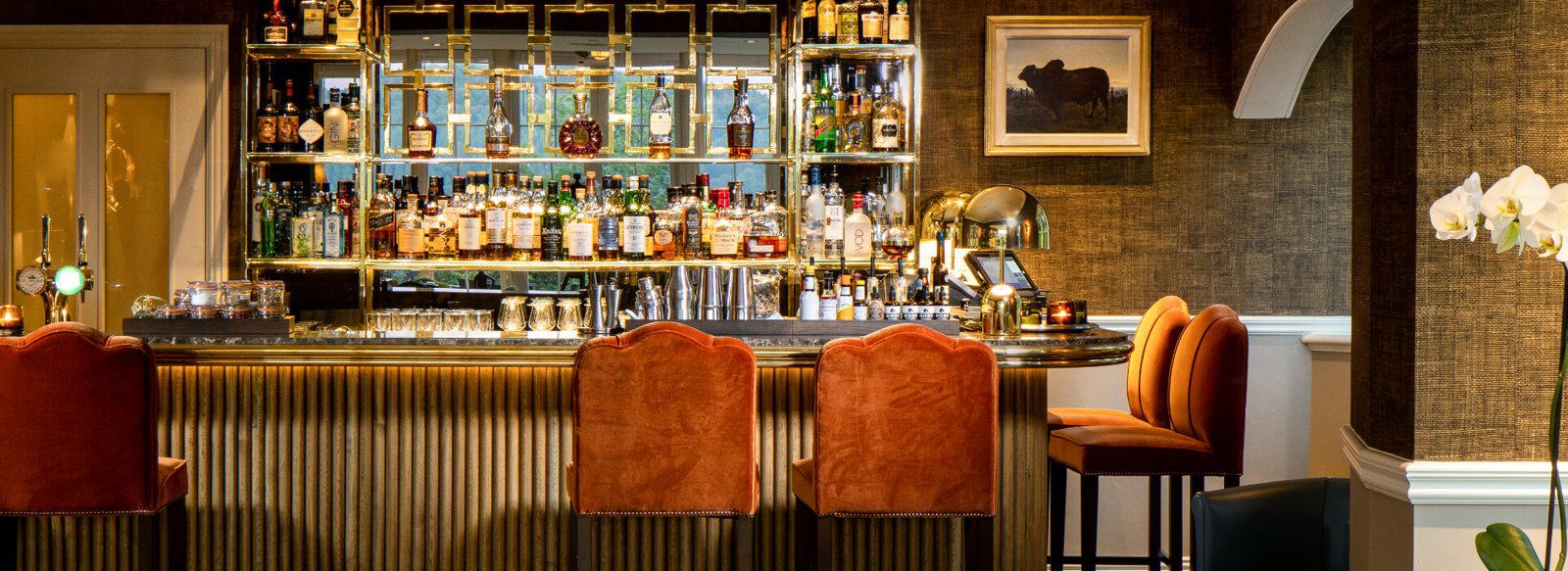
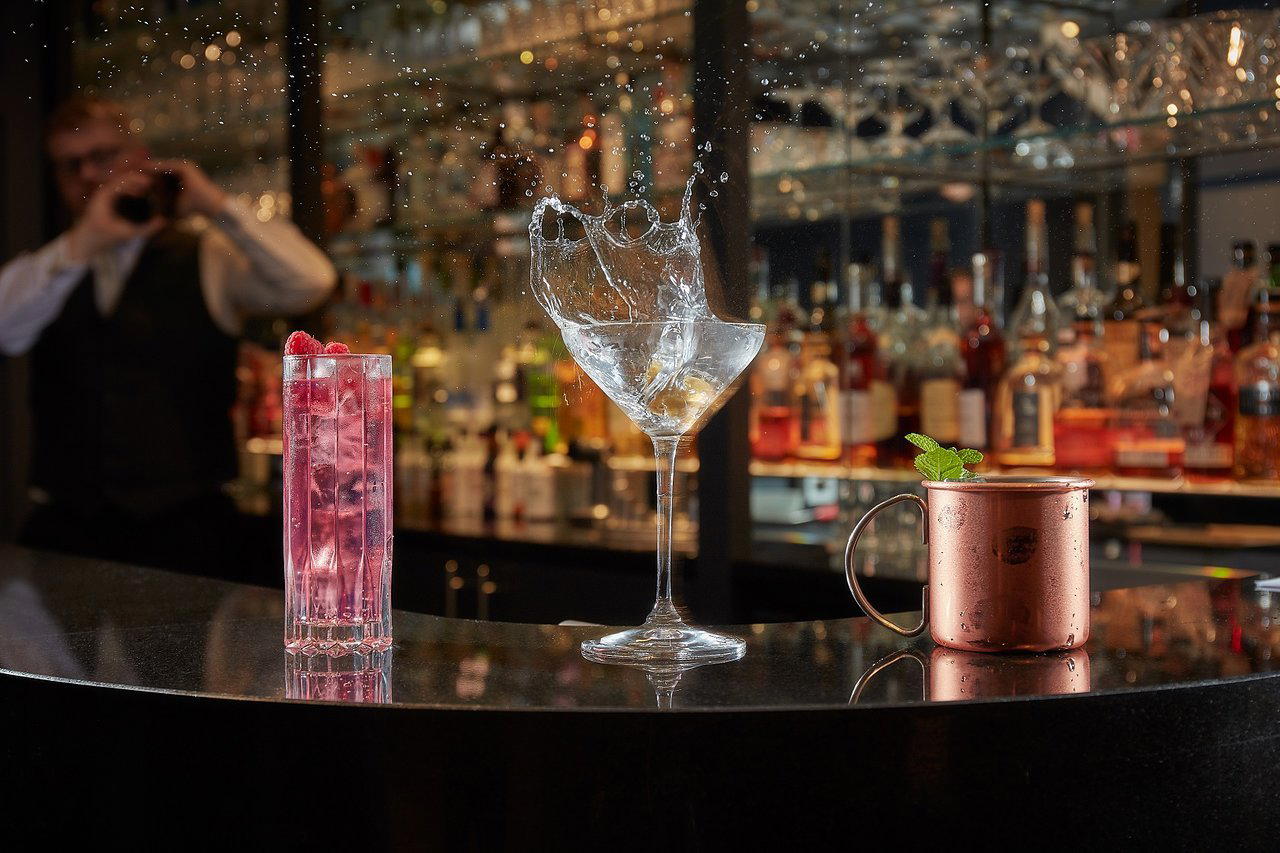
The wine list leans toward natural styles, with 125ml pours available across multiple options, which makes the list genuinely functional for a two-course lunch rather than committing diners to a full bottle. The ceiling is a Californian Cabernet at £185, which positions the list as serious without being collector-focused. The cocktail programme uses spirits infused with Our Farm produce, extending the farm's presence into the bar programme in a way that reads as consistent logic rather than gimmick. A woodruff Old Fashioned is a specific example of how the herb garden feeds the drinks as readily as it feeds the kitchen.
The room operates with service that balances the confidence of a young front-of-house team with the steadying authority of experienced management. This is a known dynamic in the British starred-restaurant circuit: properties that function as training grounds for the wider group tend to produce service that is engaged and unaffected rather than polished into distance. At Rogan & Co, that translates into a meal that feels looked after rather than supervised.
Planning a Visit
Rogan & Co opens for dinner Tuesday through Saturday from 6pm to 9pm, and for lunch Wednesday through Saturday from noon to 1:30pm. The kitchen is closed Sunday and Monday, which concentrates midweek and weekend service into a manageable window that suits the village format. Given the OAD recognition and the Michelin star, booking ahead is direct prudence rather than anxiety. The address is Devonshire House, Devonshire Square, Cartmel, Grange-over-Sands LA11 6QD. Cartmel itself is a small village in the southern Lake District with limited accommodation, so visitors combining dinner with an overnight stay should consult our Cartmel hotels guide early. The wider region's culinary options are mapped in our full Cartmel restaurants guide, with additional coverage across bars, wineries, and experiences in the valley.
Those looking north of the border will find Restaurant Andrew Fairlie in Auchterarder operating in a comparable destination format. At the high end of the London Modern British tier, The Ledbury and The Ritz Restaurant represent a different scale and register. Beyond the UK, the destination-village model has precedents at Le Manoir aux Quat' Saisons in Great Milton, Gidleigh Park in Chagford, and Hand and Flowers in Marlow, each of which has built a serious culinary identity around a rural or semi-rural address rather than a city platform. The comparison is instructive: Rogan & Co operates at the same logic of place-led provenance, but with the particular advantage of drawing from a working farm in the same valley.
What to Order at Rogan & Co
Based on the documented menu and sourced reviews, the Our Farm vegetable course is the clearest expression of the kitchen's culinary position: the interplay between live harvest and fermented carry-overs from the prior season is an argument about ingredient philosophy that no other dish on the menu makes as directly. The St Brides chicken main, with its layered mushroom and umami treatment and the glossy sauce that draws the plate together, represents the kind of roast-bird cooking that justifies Michelin recognition at this address. For dessert, the vanilla rice pudding in its wooden bowl is the dish most directly tied to the Lake District autumn season and is worth ordering when the fruit and sorbet components reflect the current harvest. The cocktails built on Our Farm infusions are a logical extension of the meal's ingredient logic and are worth considering as an aperitif rather than an afterthought.
Frequently asked questions
What's the pricing like at Rogan & C0?
Pricing at Rogan & C0 is listed as ££££.
Budget Reality Check
| Venue | Cuisine | Price | Awards |
|---|---|---|---|
| Rogan & C0This venue — the venue you are viewing | Modern British Fine Dining | $100–150 | 1 Michelin Star · AA Rosettes 3 Rosettes |
| The Ledbury | Modern European, Modern Cuisine | Not listed | Michelin 3 Star |
| Sketch, The Lecture Room and Library | Modern French | Not listed | Michelin 3 Star |
| CORE by Clare Smyth | Modern British | Not listed | Michelin 3 Star |
| Restaurant Gordon Ramsay | Contemporary European, French | Not listed | Michelin 3 Star |
| Dinner by Heston Blumenthal | Modern British, Traditional British | Not listed | Michelin 2 Star |
Recognition history
Dated appearances from independent guides and award organizations, with the underlying list record or original source where available.
Michelin 1 Star
Michelin
AA Rosettes 3 Rosettes
AA Rosettes
Opinionated About Dining Casual in Europe Highly Recommended
Opinionated About Dining
The Good Food Guide GFG Very Good
The Good Food Guide
We're Smart World 2 Radishes
We're Smart World
Full recognition history (10 entries)
Michelin 1 Star
Michelin
Opinionated About Dining Casual in Europe Ranked #109
Opinionated About Dining
Michelin 1 Star
Michelin
Opinionated About Dining Casual in Europe Ranked #111
Opinionated About Dining
Opinionated About Dining Casual in Europe Ranked #144
Opinionated About Dining

Details
- Cozy
- Elegant
- Intimate
- Rustic
- Date Night
- Special Occasion
- Historic Building
- Natural Wine
- Farm To Table
- Local Sourcing
- A La Carte
Current opening hours
- Monday
- Closed
- Tuesday
- 6–9 PM
- Wednesday
- 12–1:30 PM, 6–9 PM
- Thursday
- 12–1:30 PM, 6–9 PM
- Friday
- 12–1:30 PM, 6–9 PM
- Saturday
- 12–1:30 PM, 6–9 PM
- Sunday
- Closed
Hours can change for holidays and private events. Last verified .
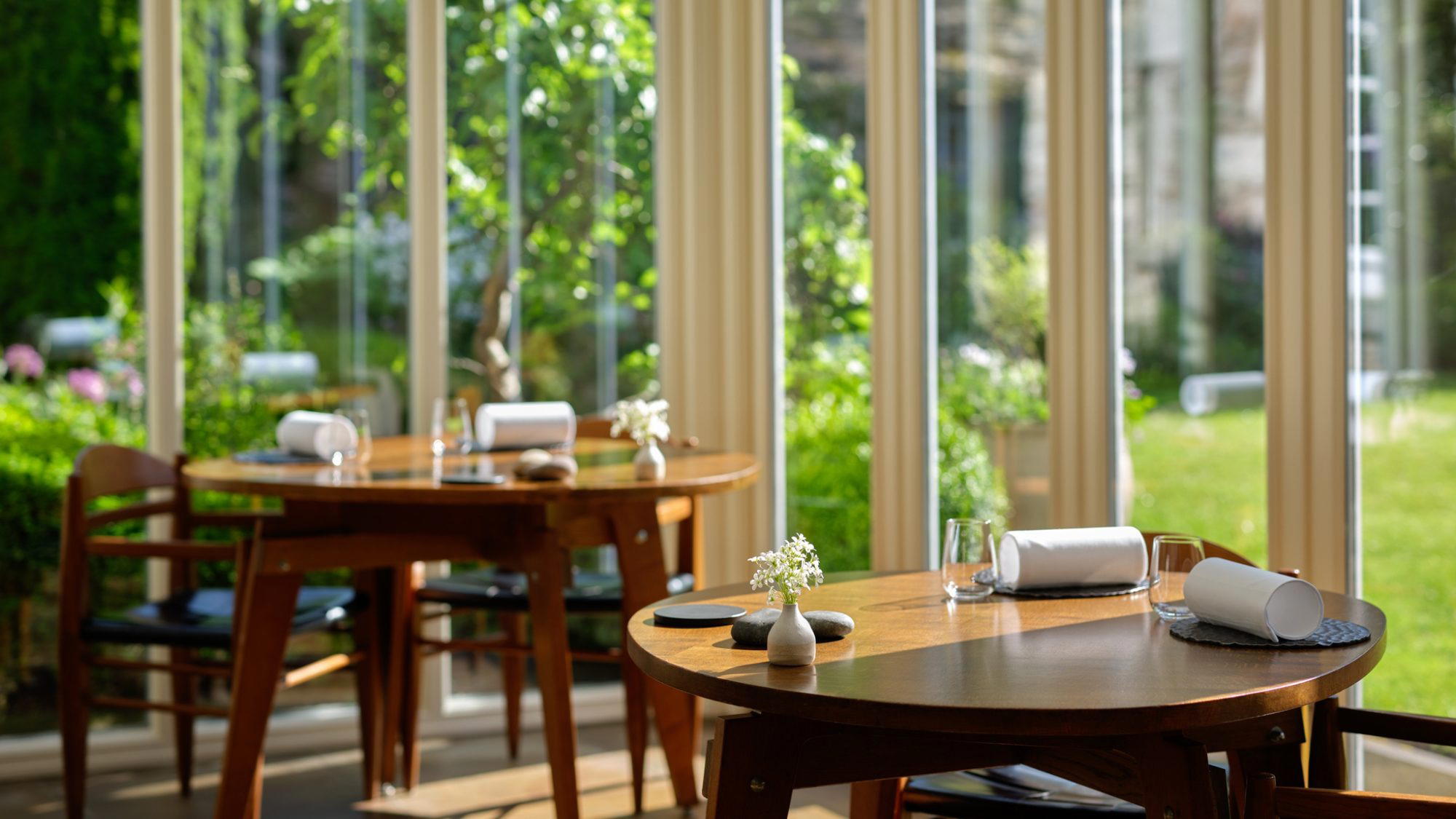
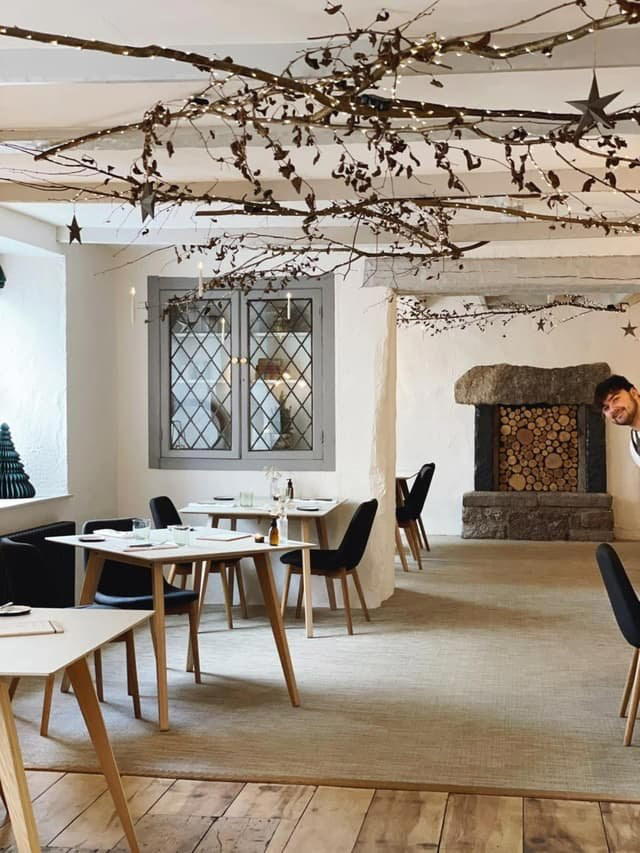
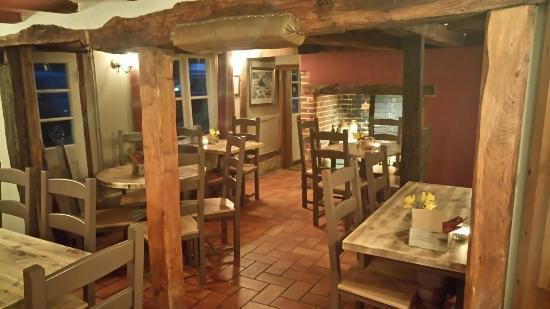
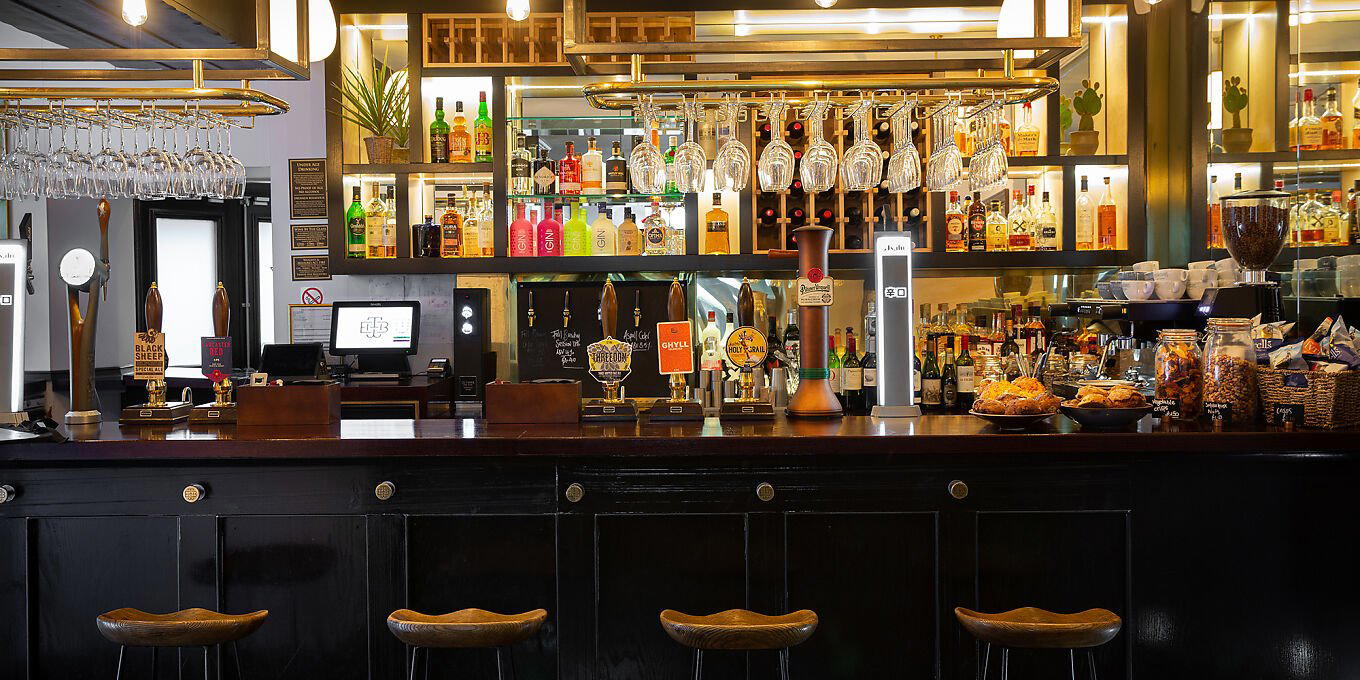
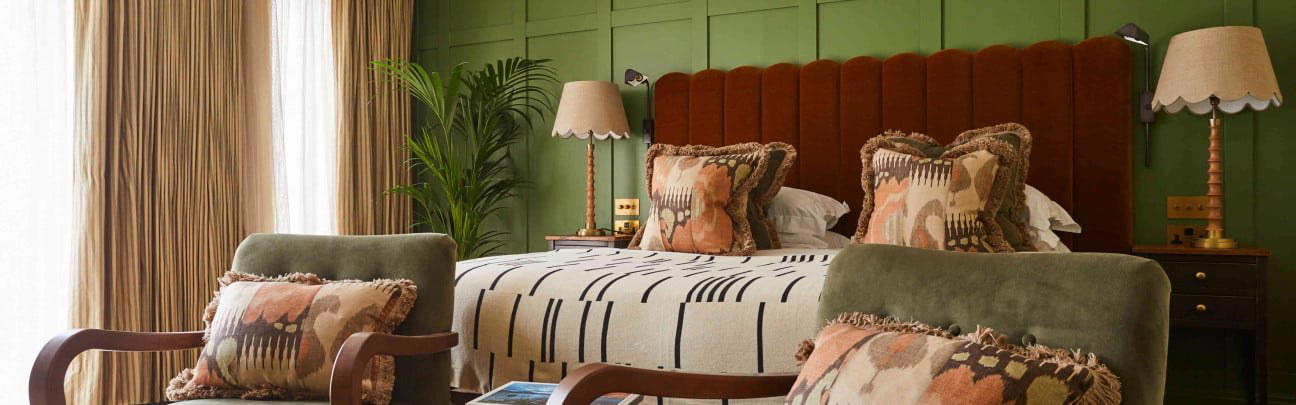
Modest elegance in a pretty beamed cottage with dark wood beams, welcoming open fires, white walls, and a warm, buzzy informal atmosphere.