Roaring Fork

James Beard Award Best Chefs
Our verdict
Roaring Fork on North Scottsdale Road sits in the territory where the American Southwest meets open-fire cooking, a format that has found a durable audience in Scottsdale's mid-to-upscale dining tier. The room's scale and regional orientation place it alongside properties like Atlas Bistro in a city where steakhouse culture and New American ambition frequently overlap.

Pearl is the En Primeur Club membership app, where members save venues, book tables and use the concierge.
The menu
What to order
- Green Chile Pork
- Braised beef short ribs
- Sugar-cured duck breast
The Physical Proposition: What the Room Does Before the Food Arrives
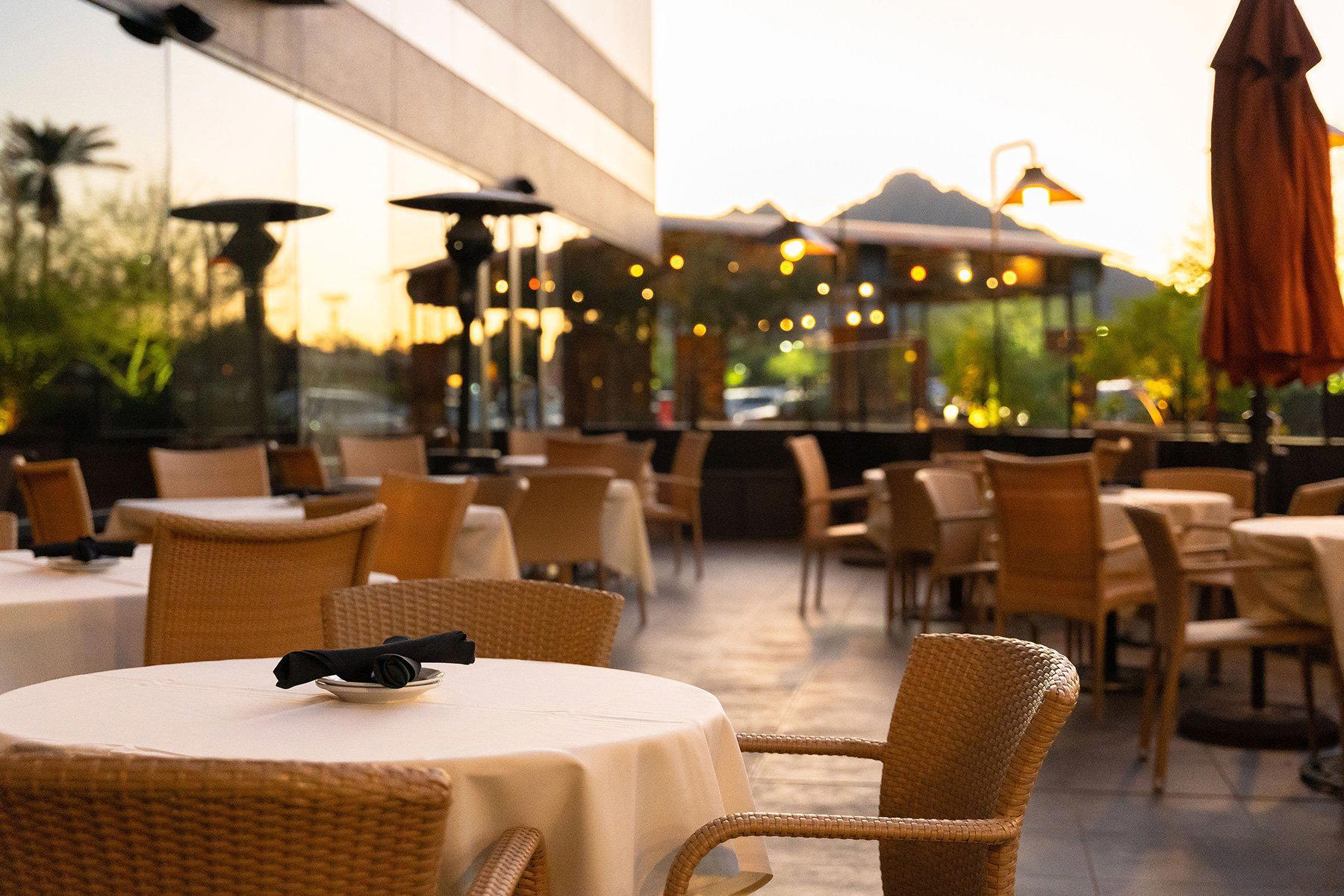
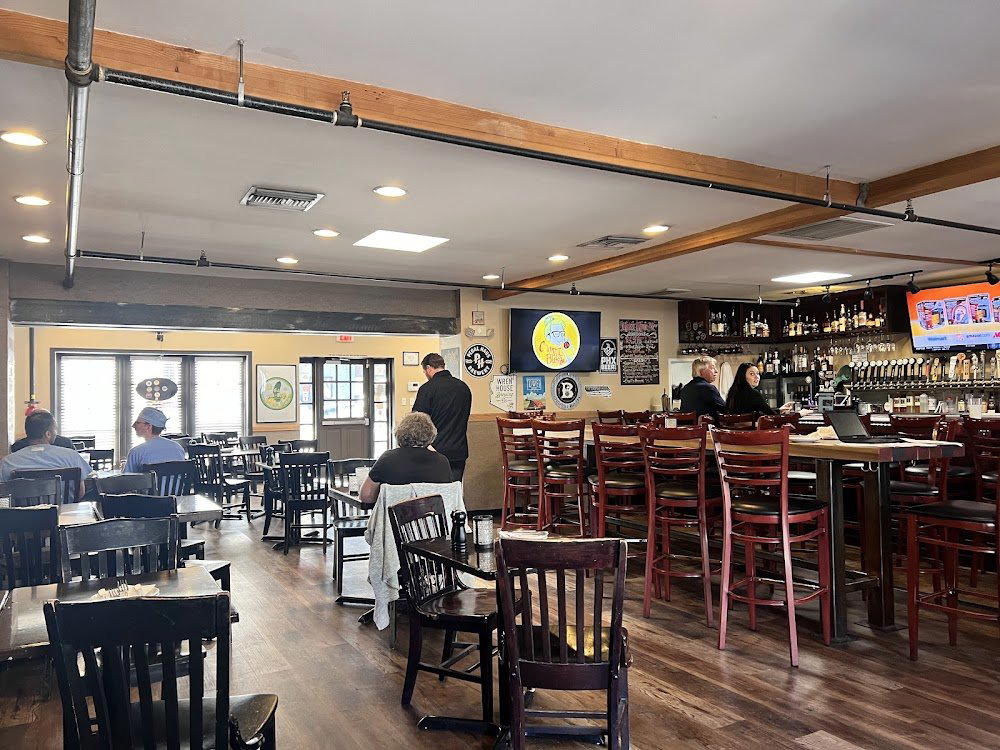
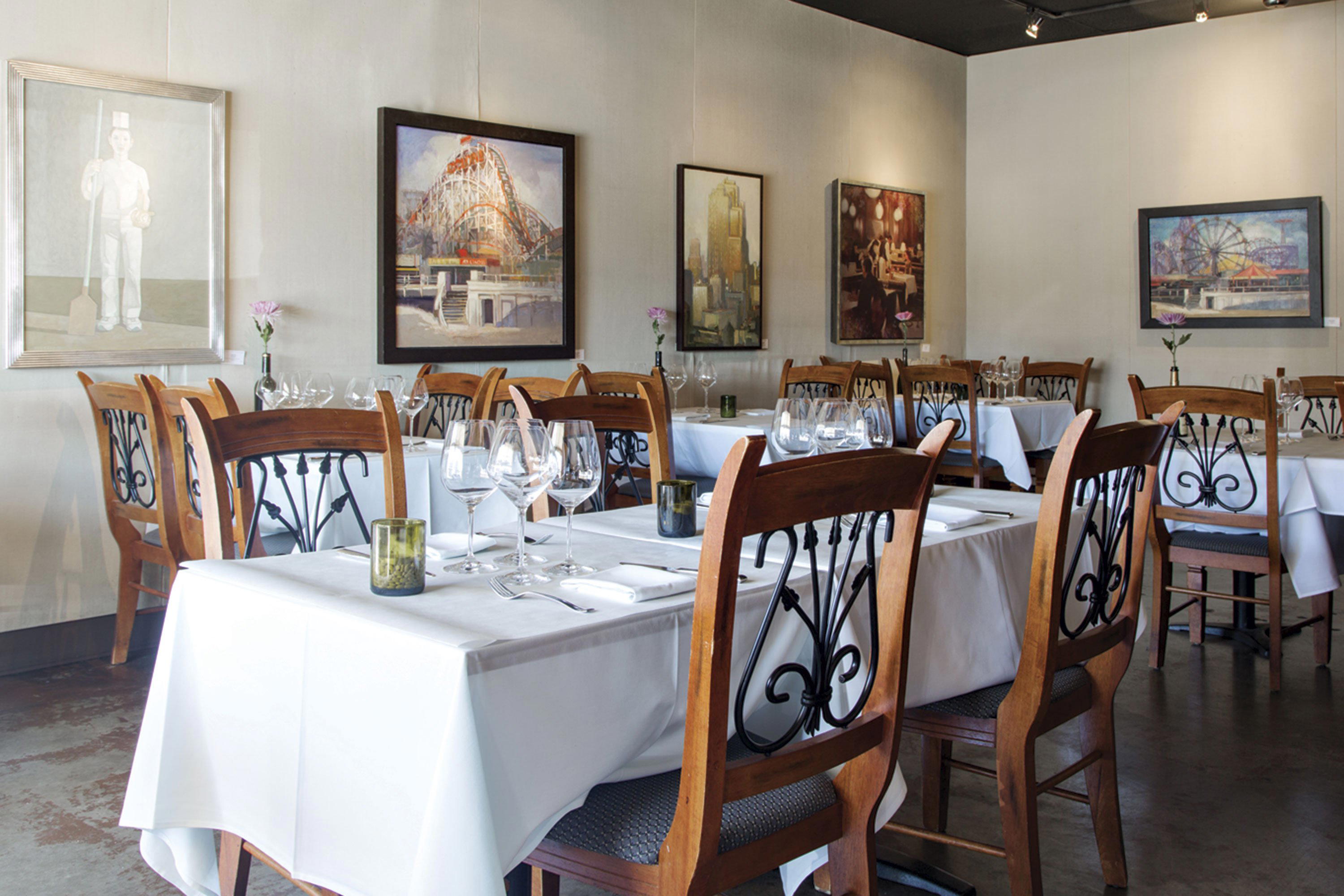
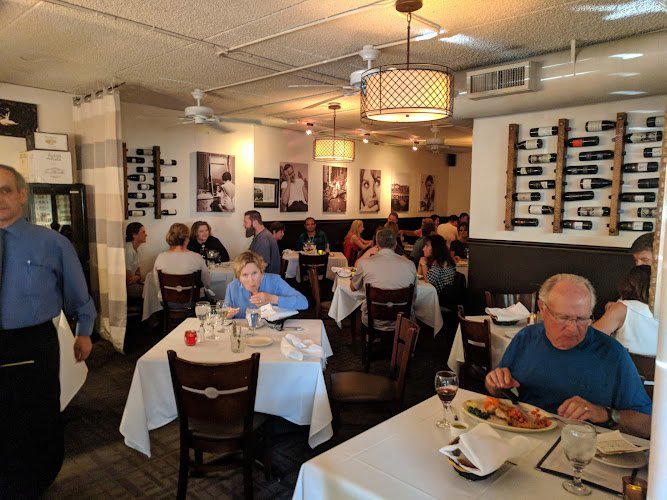
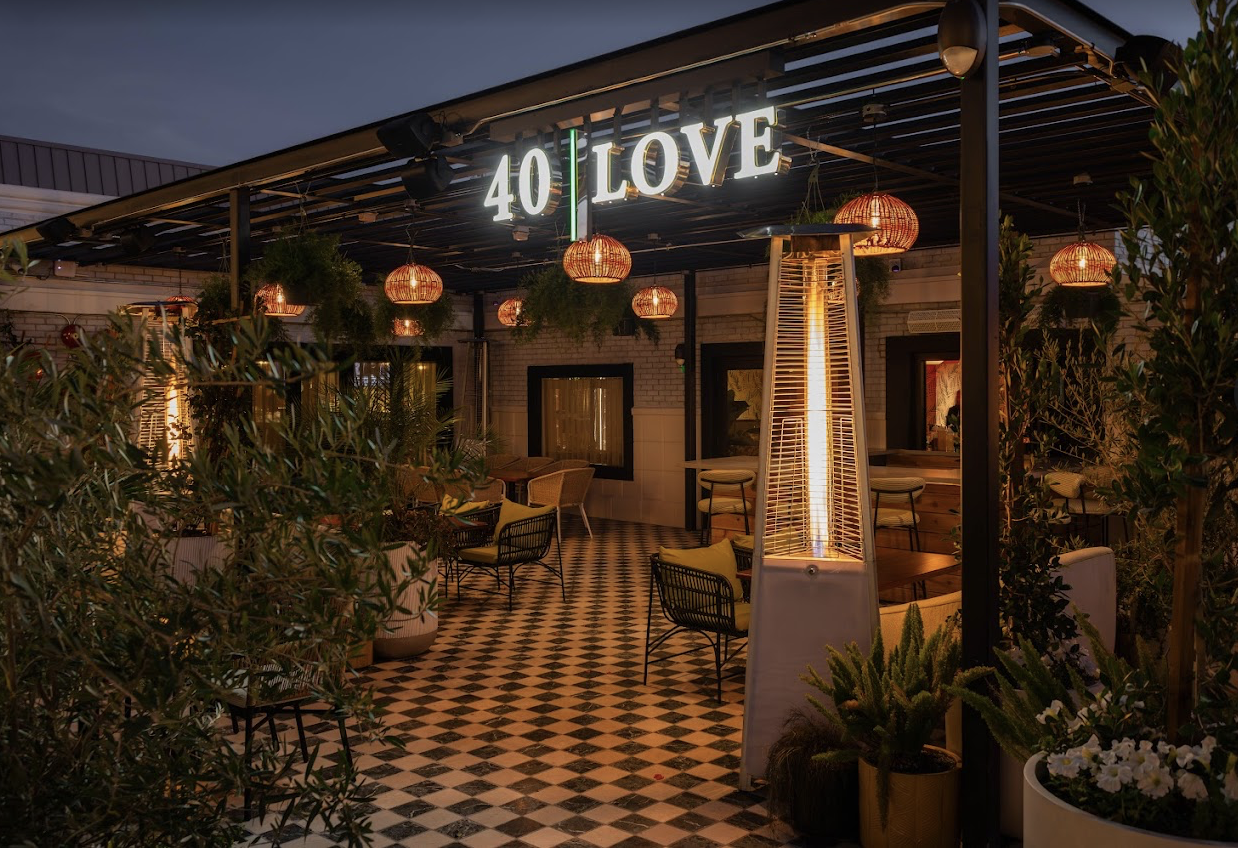
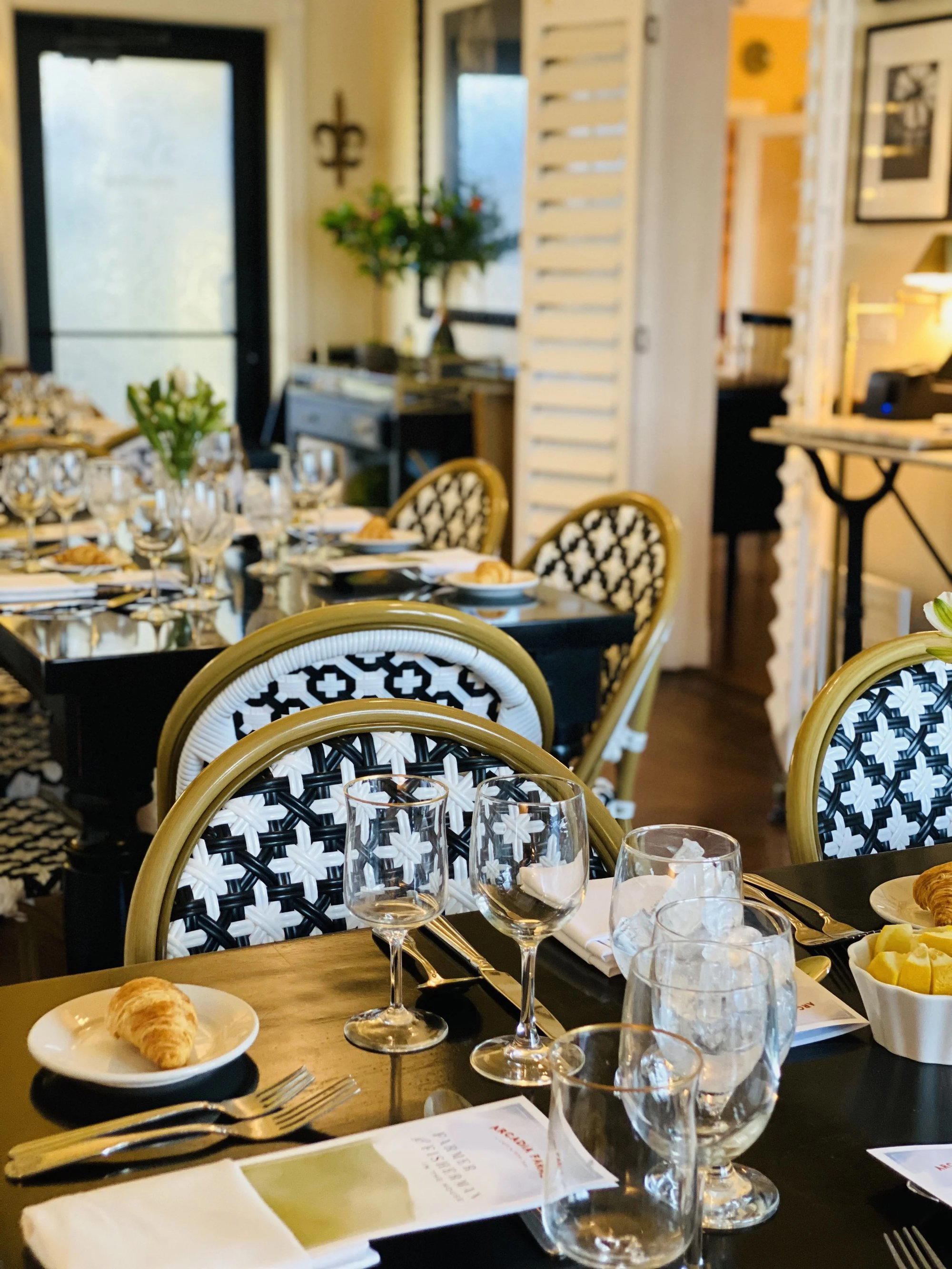
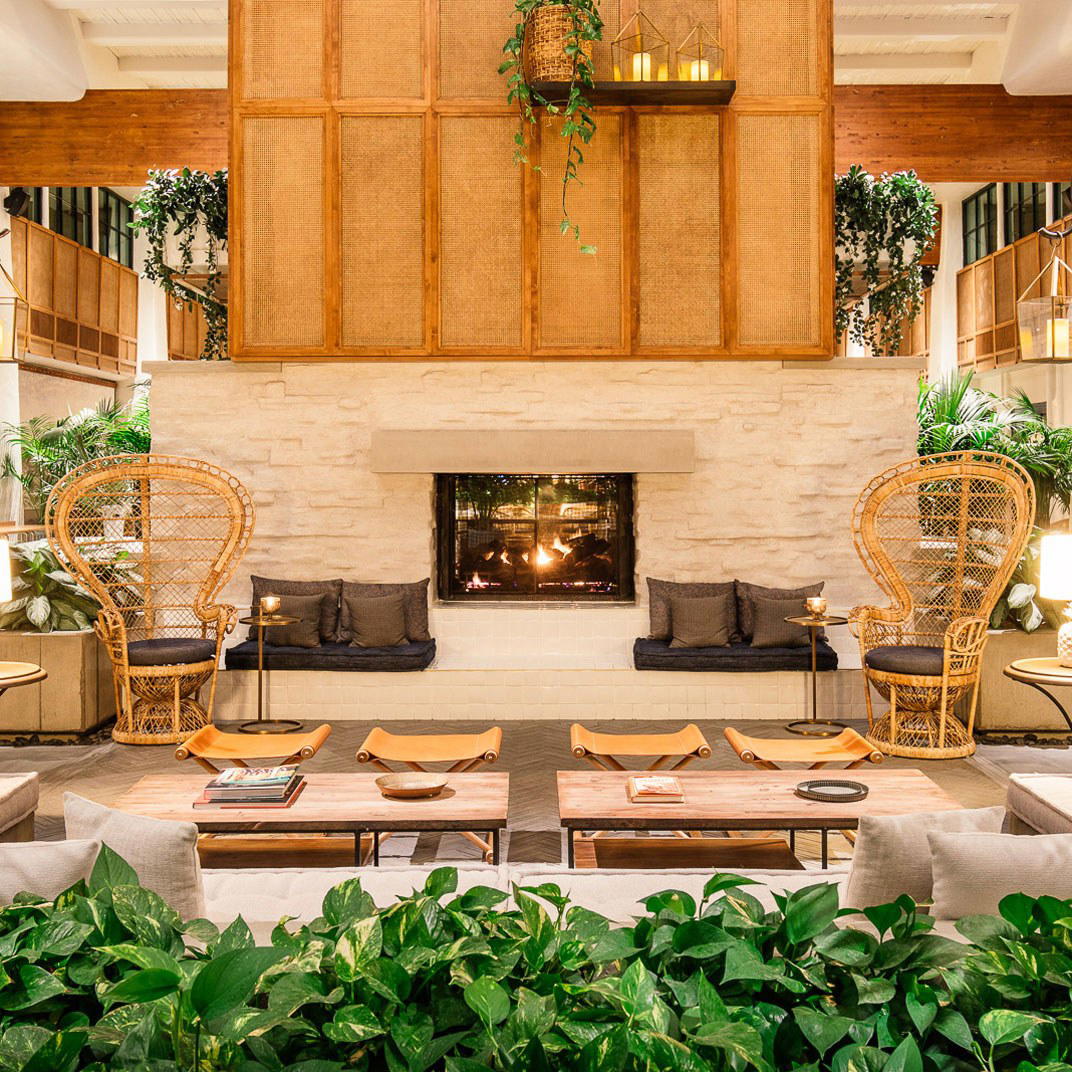
Scottsdale's dining stock along the North Scottsdale Road corridor tends toward one of two modes: the polished steakhouse format with dark wood and controlled lighting, or the casual-upscale hybrid that tries to read as both neighborhood gathering place and destination. Roaring Fork at 4800 N Scottsdale Rd occupies the second category, and the room communicates that positioning before a menu arrives. The design vocabulary of open-fire American kitchens, rough-hewn timber, visible hearth or grill infrastructure, warm amber light against darker materials, has become a distinct subgenre in the Southwest, and this address operates within it. That physical grammar carries meaning: it signals that the cooking will be anchored in live fire and regional product, not in the architectural plating that defines the tasting-menu tier.
Seating arrangements in rooms like this are rarely incidental. The bar area in open-fire American restaurants typically pulls significant volume because the format invites repeat visits for drinks and a smaller plate, not only formal dining occasions. That dual-use character shapes who comes in and when, and it gives the room a different energy at 6pm than at 8:30pm. For visitors calibrating when to arrive, the earlier window at Scottsdale's mid-tier restaurants tends to seat walk-ins more readily; weekend evenings across this stretch of North Scottsdale Road run at capacity from roughly 7pm onward. Planning accordingly, or contacting the venue in advance for reservations, remains the practical baseline for a comfortable experience.
Where This Sits in Scottsdale's Dining Tier
Scottsdale's restaurant market has stratified noticeably over the past decade. At the upper end, hotel-anchored steakhouses and resort dining rooms, the kind of operation that competes on wine list depth and table spacing, occupy the premium bracket. Below that sits a substantial mid-market with strong kitchens and more casual physical formats. Roaring Fork operates in that mid-to-upper-mid zone, where the comparison set includes Atlas Bistro on the New American side and the city's steakhouse properties on the other. The open-fire Western American format it represents is not common across the city's dining stock, which gives it a category-specific position that steakhouse visitors and New American regulars may find distinct.
For context on what separates Scottsdale's culinary offer from nationally recognized fine-dining programs, the contrast is useful. Restaurants like The French Laundry in Napa, Le Bernardin in New York City, or Addison in San Diego operate with tasting-menu formats, formal service architecture, and price points that reflect their award infrastructure. Roaring Fork does not compete in that bracket and does not appear to try to. Its competitive set is the guest who wants a credible American kitchen in a room that feels designed rather than generic, without the ceremony or cost of the tasting-menu tier. That is a large and loyal segment of Scottsdale's dining audience, particularly during the October-to-April high season when the city's population swells with seasonal visitors from colder markets.
The Cooking Format and What It Implies
Open-fire American cooking, the format most associated with Roaring Fork's positioning, places wood and live flame at the center of flavor development. That technical commitment has consequences: smoke integration, crust formation, fat rendering, and char control all require active kitchen management rather than the passive precision of induction or steam. When executed with consistency, the results are distinct from other cooking traditions in ways that register clearly on the plate. Proteins cooked over wood carry a flavor depth that gas-fired kitchens cannot replicate, and the menu structure in this format typically reflects that: cuts suited to the fire, regional ingredients that carry their own character, and accompaniments that support rather than compete with the primary cooking method.
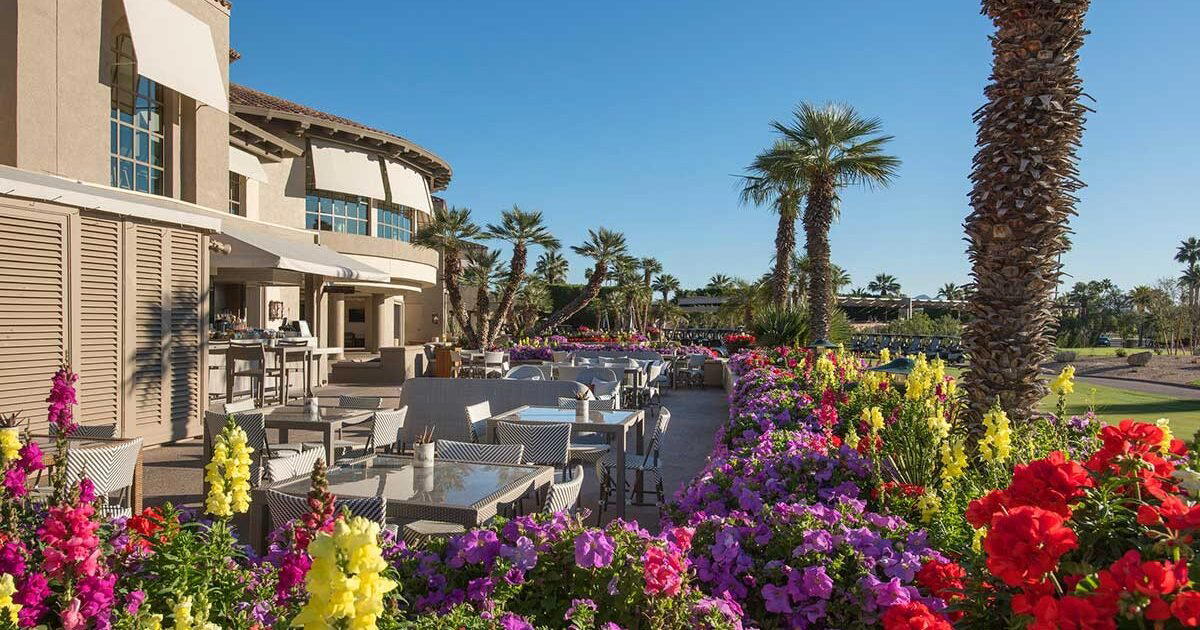
This is not the kitchen philosophy of Blue Hill at Stone Barns or Single Thread Farm in Healdsburg, where farm-to-table ideology shapes every sourcing decision at a granular level. It is also not the refined contemporary approach of Smyth in Chicago or Lazy Bear in San Francisco. Roaring Fork's territory is American comfort at a capable technical level, where the fire is the feature and the menu is built to showcase it. That is a legitimate and durable restaurant category, and Scottsdale's climate, which keeps outdoor dining viable for a large portion of the year, suits the format's informal-but-intentional character well.
Planning a Visit: What to Know Before You Go
Roaring Fork sits at 4800 N Scottsdale Rd, a central point on the North Scottsdale Road corridor that runs through the city's main commercial and hospitality spine. The address is direct to reach from most Scottsdale hotels and from the Old Town area. Parking in this stretch is generally accessible compared to denser urban dining districts. For visitors building a broader Scottsdale itinerary, the area around this address also supports other dining options worth considering: AC Kitchen covers the European-inspired breakfast register, Andreoli Italian Grocer offers an independent Italian anchor, and Afternoon Tea at the Phoenician handles the resort-formal occasion at the luxury end. For a complete picture of how these venues fit into the city's dining geography, the full Scottsdale restaurants guide maps the options by neighborhood, cuisine type, and occasion.
Contact details and current hours are best confirmed directly with the venue, as operational specifics for mid-market restaurants in Scottsdale shift seasonally. The October-to-April window is the city's high season, when demand is highest and reservation lead times extend across the category. Visitors arriving in summer, when temperatures regularly exceed 110°F, will find a quieter dining scene and typically more table availability on short notice.
Broader Scene References Worth Knowing
For readers using Scottsdale as a base but interested in the wider Southwest and national dining conversation, the reference points extend well beyond the city. Emeril's in New Orleans represents the American regional cooking tradition from a different geographical anchor. Providence in Los Angeles demonstrates what seafood-focused fine dining looks like at the California end of the West Coast spectrum. Further afield, Atomix in New York City, The Inn at Little Washington, and Atelier Moessmer Norbert Niederkofler in Brunico represent what the tasting-menu format looks like when it operates at maximum ambition and award recognition. Roaring Fork does not compete in that tier, but understanding where it sits relative to that spectrum clarifies the decision for any visitor calibrating their expectations.
Within Scottsdale itself, visitors comparing options at a similar price and format level should also consider Arrivederci Pinnacle Peak for Italian-focused evenings, which offers a different cuisine angle at a comparable positioning in the city's mid-upscale bracket.
Frequently asked questions
Where is Roaring Fork located?
Roaring Fork is located at 4800 N Scottsdale Rd, Scottsdale, AZ 85251, Scottsdale.
How does Roaring Fork differ from Scottsdale's resort and hotel restaurant scene?
Scottsdale's dining market is heavily anchored by hotel and resort properties, where dining rooms operate as amenities within larger hospitality complexes. Roaring Fork at 4800 N Scottsdale Rd sits outside that structure, functioning as a standalone destination on the North Scottsdale Road corridor. Its open-fire American cooking format is built around a specific technique rather than the resort-style service model, which gives it a different operational identity from the hotel-anchored steakhouses that dominate the city's upper dining tier.
What should I order at Roaring Fork?
Roaring Fork's format centers on open-fire American cooking, which means the menu is built around wood and live flame as primary flavor drivers. That positions proteins, particularly anything cooked directly over fire, as the logical focus of any order. The broader American grill menu at 4800 N Scottsdale Rd extends to sides and comfort-leaning dishes that round out the format. Order along the fire-cooked section and let the kitchen's core technique do the work.
How hard is it to get a table at Roaring Fork?
Roaring Fork sits on the North Scottsdale Road corridor, one of the city's most active dining and hospitality stretches, which means demand tracks closely with Scottsdale's busy season from October through April. Weekends during that window will require advance planning; mid-week visits tend to be more accessible. Checking availability directly through the restaurant is the most reliable approach, particularly if you're visiting during major events or the peak winter season.
What's Roaring Fork best at?
The kitchen's clearest strength is its commitment to open-fire technique, which puts it in a distinct category from Scottsdale's hotel steakhouse circuit that dominates the upper dining tier. Where resort dining rooms tend toward controlled precision and polished service formats, Roaring Fork's live-flame approach produces a different register, one grounded in wood smoke and direct heat rather than classic steakhouse convention. That separation is what gives the restaurant its positioning on the North Scottsdale Road corridor.
Can Roaring Fork accommodate dietary restrictions?
Open-fire American kitchens are typically meat-forward by structure, but most established restaurants in Scottsdale's mid-to-upper dining tier maintain menu flexibility for common dietary needs. Contacting Roaring Fork at 4800 N Scottsdale Rd directly before your visit is the practical step, particularly for more specific requirements. Staff can confirm current menu options and any kitchen accommodations rather than leaving that to assumption.
Compact Comparison
Comparable venues nearby, for context on price, style, and recognition.
| Venue | Cuisine | Price | Awards | Notes |
|---|---|---|---|---|
| Roaring ForkThis venue (the venue you are viewing) | Wood-Fired American Steakhouse | $50–100 | James Beard Award Best Chefs | Not listed |
| Desert Pony Tavern | Southwest-Inspired Gastropub | Not listed | Not listed | North Scottsdale, Southwest-Inspired Gastropub |
| Course Restaurant | Modern American Tasting Menu | $150–200 | James Beard Award Semi Finalist | Central Scottsdale, Modern American Tasting Menu |
| Village Tavern | Classic American Tavern | $30–50 | Not listed | South Scottsdale, Classic American Tavern |
| Mesa Centrale | American Southwest Grill | $20–30 | Not listed | Scottsdale, American Southwest Grill |
| Soul Cafe | Modern American Southwest Comfort | $20–30 | Not listed | Pinnacle Peak, Modern American Southwest Comfort |
Recognition history
Dated appearances from independent guides and award organizations, with the underlying list record or original source where available.
James Beard Award Best Chefs
James Beard Award
Continue exploring
More in Scottsdale
Restaurants in Scottsdale
All restaurants in Scottsdale →
Bars in Scottsdale
All bars in Scottsdale →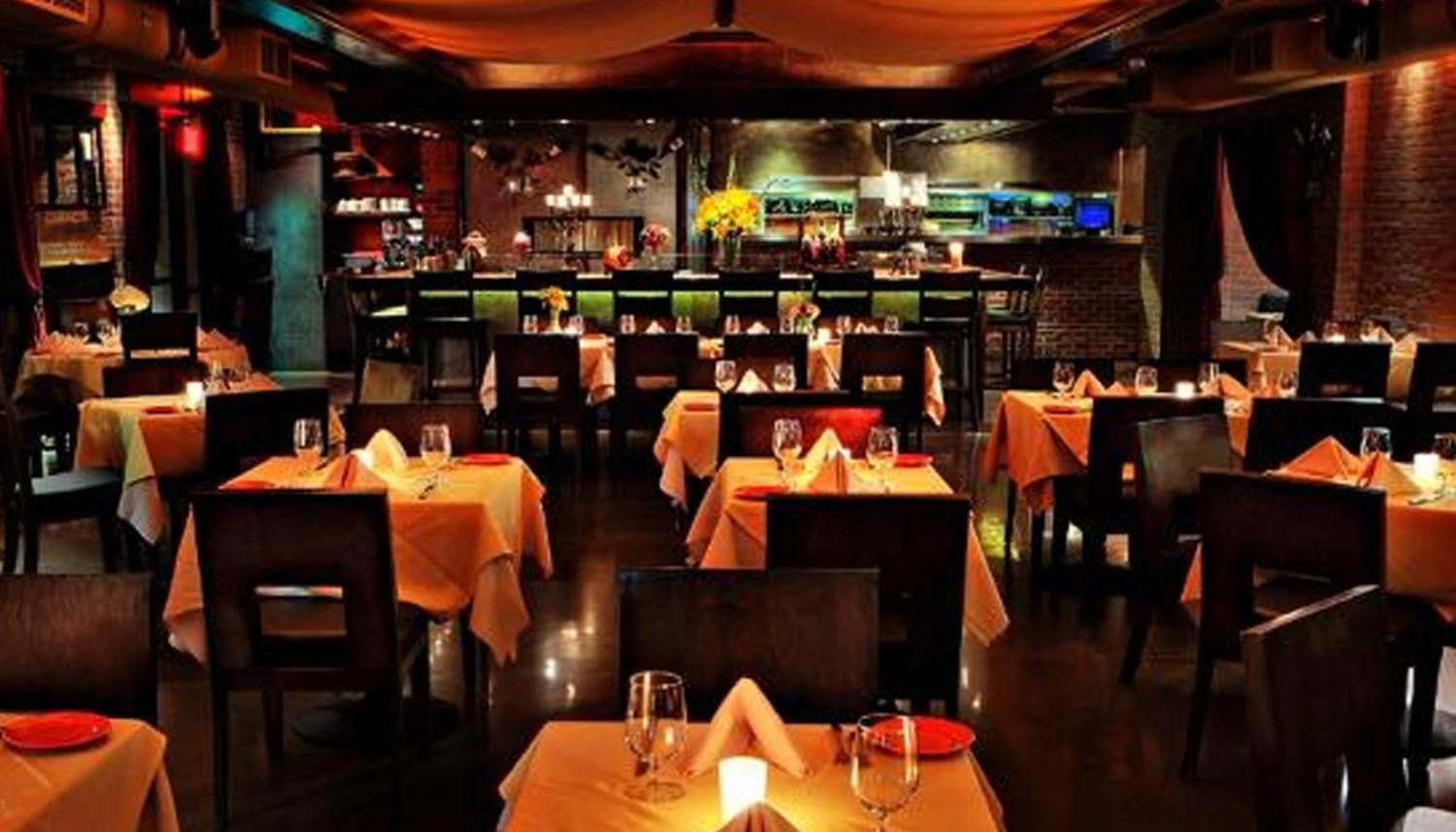
Details
- Rustic
- Cozy
- Elegant
- Date Night
- Group Dining
- Celebration
- Brunch
- Open Kitchen
- Private Dining
- Craft Cocktails
- A La Carte
- Vegetarian Friendly
- Vegan Options
- Gluten Free Options
Current opening hours
- Monday
- 4–9 PM
- Tuesday
- 4–9 PM
- Wednesday
- 4–9 PM
- Thursday
- 4–9 PM
- Friday
- 4–10 PM
- Saturday
- 4–10 PM
- Sunday
- 4–9 PM
Hours can change for holidays and private events. Hours as of .
Contemporary Western with Old West theme featuring antler chandeliers, fireplaces, and multiple heated patios for year-round comfort.