Ritu
Ritu is a London restaurant where the value of the experience depends less on a public awards trail and more on how clearly the room, kitchen, and service team communicate their point of view. With no published chef, cuisine, price, or awards details, it suits diners who are comfortable judging the table on the night rather than by a pre-written hierarchy.
Pearl is the En Primeur Club membership app — saves, bookings, and concierge access live there. Same editors, same standards.
- Address
- 1 Blenheim Terrace, London, NW8 0EH, United Kingdom
- Phone
- 020 3857 2754
- Website
- ritu.london
- Directions
- Get directions
 Saves & bookings on Pearl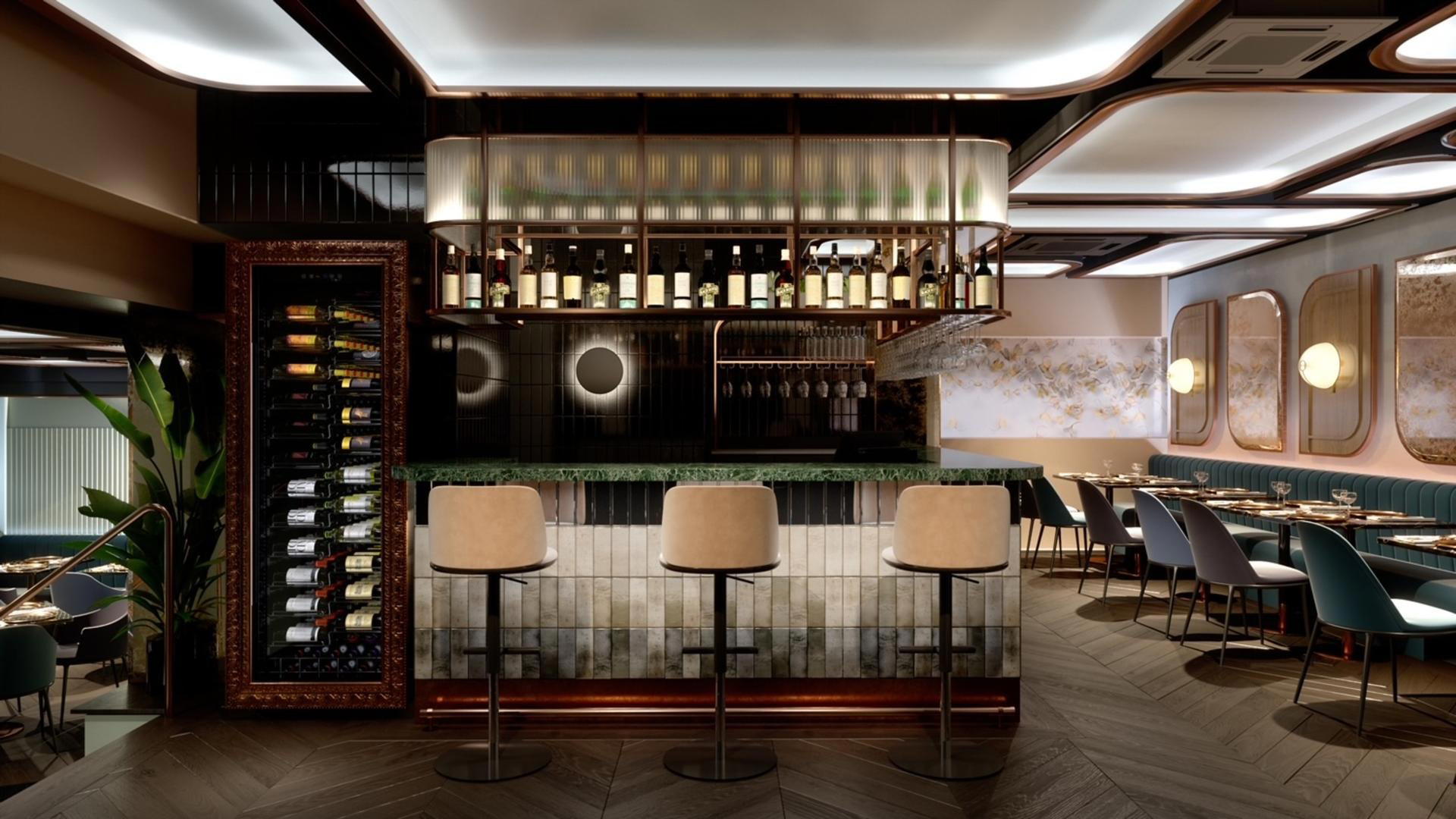
London dining often reveals itself before the first plate arrives: the spacing of tables, the pace at the door, the confidence or strain in the first exchange with front-of-house. Ritu belongs in that part of the city’s restaurant conversation where the room has to carry more weight than a trophy cabinet. With no awards or named chef details provided here to drive the narrative, the meal is best judged by coordination: how the kitchen’s rhythm, service tone, and any drinks guidance align into a coherent evening.
A London table where the team matters more than the headline
The stronger London restaurants without a dominant public chef-brand usually depend on collective discipline. That can be a harder model to read from outside, because there is no tasting-menu mythology, no awards shorthand, and no widely signposted category doing the work for the diner. The relevant question is practical and editorial at once: does the team make decisions feel intentional, from pacing to menu explanation to the way the room handles changes during service?
That dynamic matters in London because the city’s mid-to-premium restaurant field is crowded with venues that signal identity quickly. Some lean into a clear room style or a defined dining rhythm; others use a more formal format or destination-polished approach. Ritu sits in a less documented lane, which makes the front-of-house role sharper. Staff need to explain the restaurant’s intention without relying on awards shorthand.
Reading the menu without a public cuisine label
When a London restaurant does not publish a clean cuisine category, the useful approach is to read structure rather than labels. Is the meal built around sharing, courses, counter-style pacing, or a classic starter-main-dessert sequence? Is the drinks conversation led by wine, cocktails, or non-alcoholic pairings? Those choices reveal more than adjectives. They also show whether the kitchen and service team are working from the same script.
This is where London’s breadth becomes the comparison point rather than any single rival. A diner looking for a tightly defined format may choose another London dining room; a more defined international or neighbourhood proposition might point toward Alba, Aventure, Geamos, Mammasantissima Ristorante Pizzeria uk, or Singapore Garden. Ritu’s public profile gives less away, so the editorial test is execution: whether the restaurant can make its format legible once the guest is seated.
London has plenty of rooms built around individual authorship, but a team-led restaurant asks for a different assessment. The chef’s name is not the only signal of seriousness. Consistent pacing, accurate menu guidance, confident allergy handling, and a drinks recommendation that matches the food can be just as revealing. In this category, the handover between kitchen, drinks lead, and floor team becomes the experience.
How to place Ritu in a wider London itinerary
For travellers building a food-led London stay, Ritu works better as a flexible restaurant choice than as the sole anchor of a trip. The city rewards mixing formats: a compact neighbourhood dinner, a higher-structure menu, a bar-led evening, and one casual meal with a clear point of view. The broader EP Club map helps set that range, from our full London restaurants guide to our full London bars guide, our full London hotels guide, our full London experiences guide, and our full London wineries guide.
The same calibration applies beyond the capital. A diner comparing London against the wider UK might look at other dining rooms with different levels of formality, visibility, and regional character. For an international contrast in smaller-format dining culture, other cities show how much a narrow format can define expectations before the meal begins.
The sensible verdict is measured. Ritu is not a restaurant to read through awards, published price bands, or a heavily public chef identity, because those specifics are not provided here. It is a London table to judge by the joined-up work of the room: whether the welcome, menu explanation, drinks advice, and kitchen pacing feel aligned. In a city crowded with restaurants that announce themselves loudly, that kind of coordination is the detail to watch.
Price Lens
Comparable venues in the metro at similar price points.
| Venue | Cuisine | Price | Notes |
|---|---|---|---|
| RituThis venue — the venue you are viewing | Not listed | $$$ | Not listed |
| Shezan | Not listed | $$$ | Knightsbridge, Authentic Indian & Pakistani |
| Salloos | Not listed | $$$ | Belgravia, Authentic Pakistani & North Indian |
| Black Salt | Mortlake, Modern Indian | $$$ | Not listed |
| Thali | Earl's Court, Modern North Indian | $$$ | Not listed |
| Indian Zing | Ravenscourt Park, Modern Indian | $$$ | Not listed |
Continue exploring
More in London
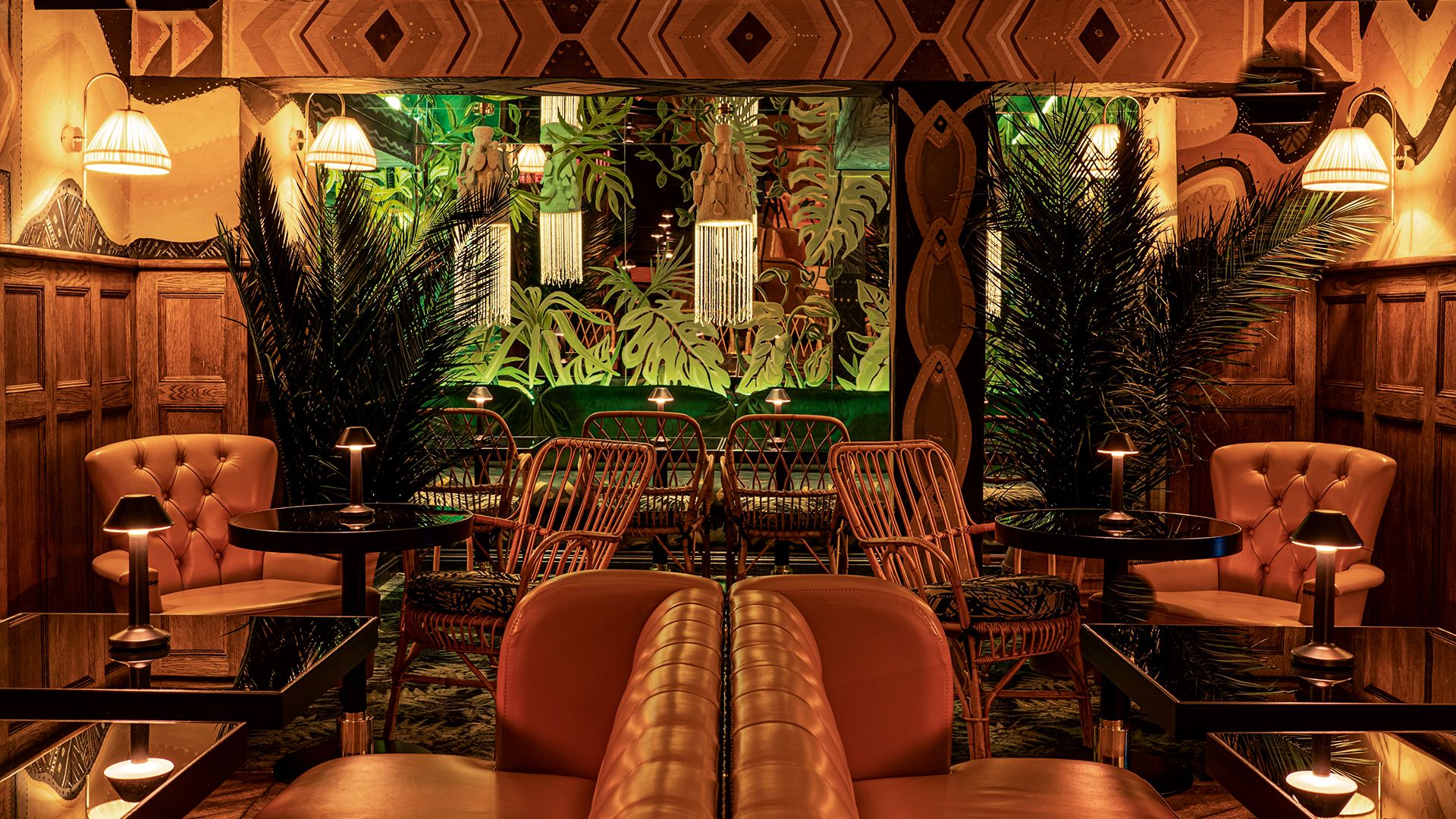
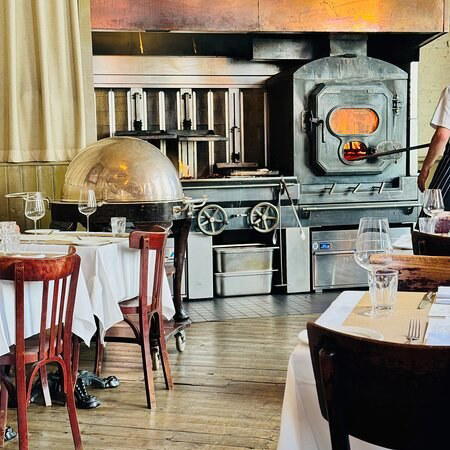
Restaurants in London
Browse all →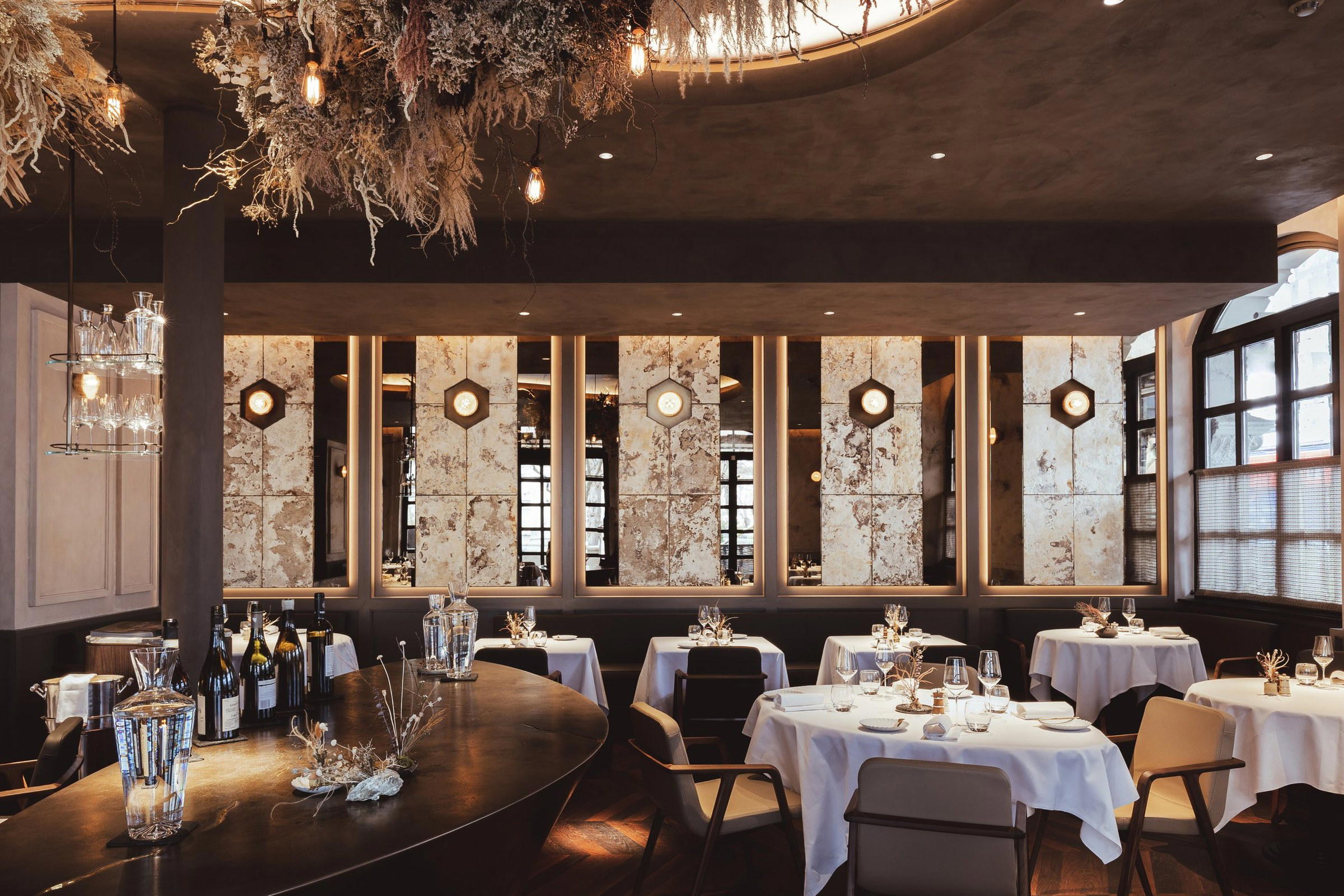
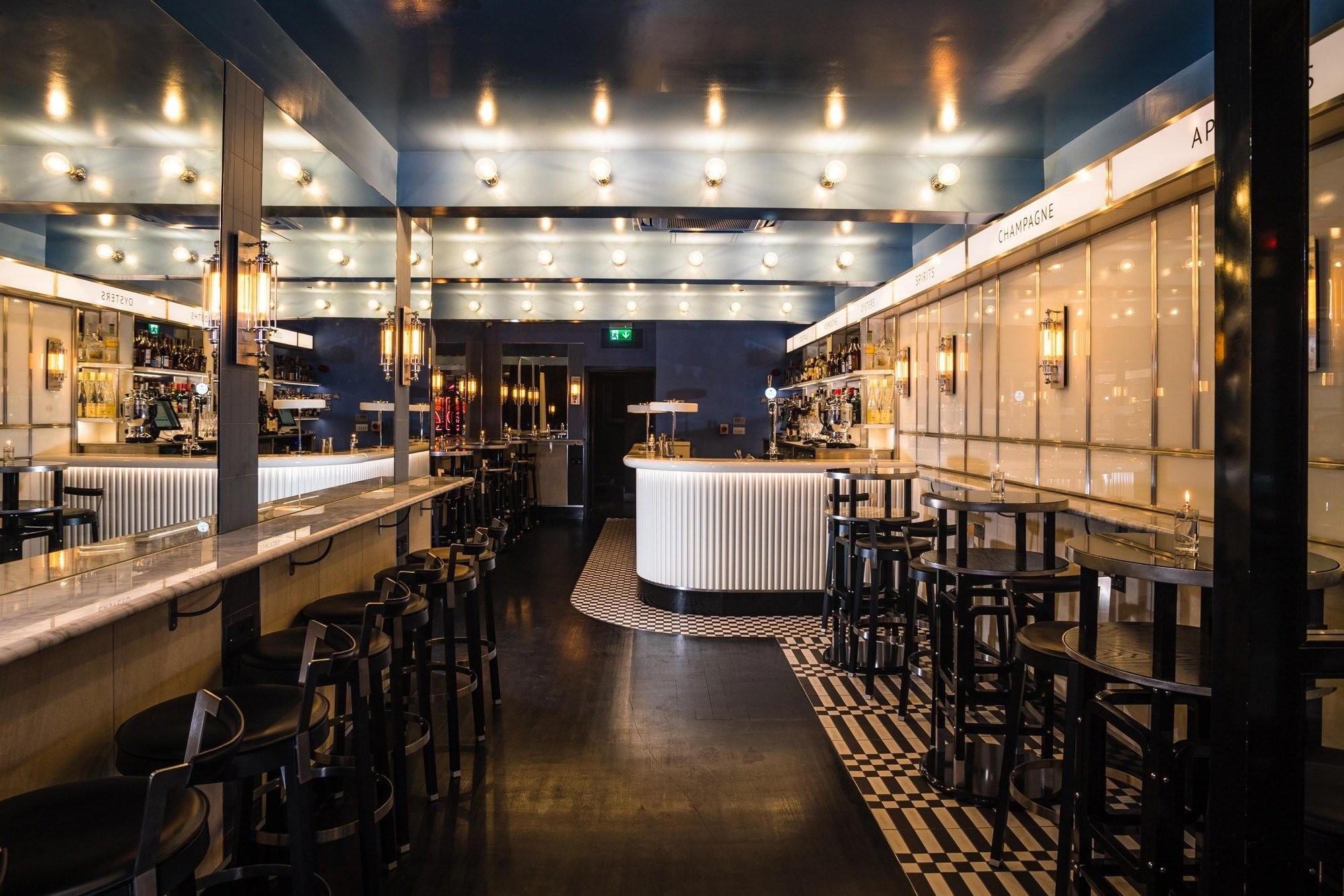
Bars in London
Browse all →
Hotels in London
Browse all →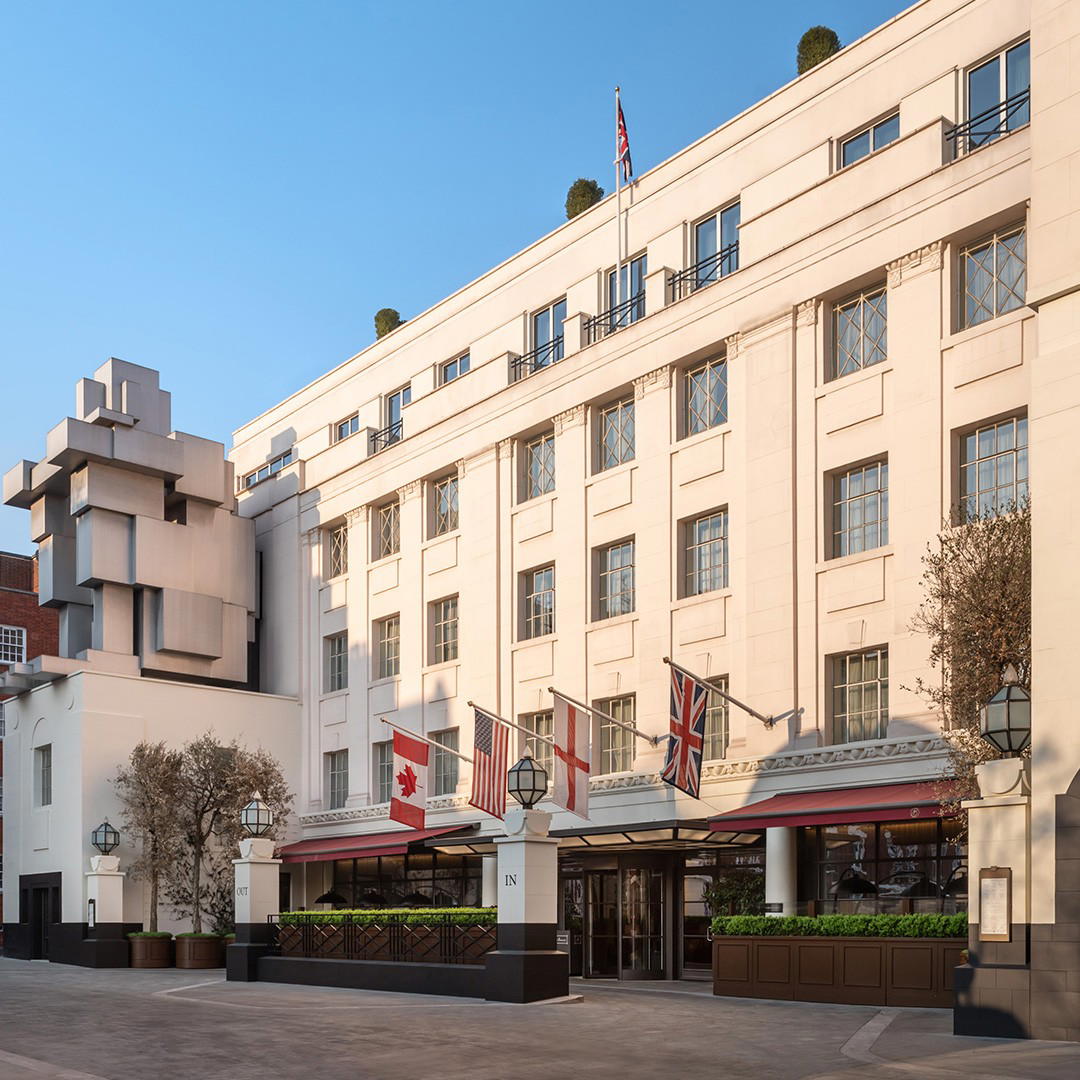



At a Glance
- Elegant
- Sophisticated
- Intimate
- Romantic
- Date Night
- Group Dining
- Celebration
- Special Occasion
- Private Event
- Private Dining
- Standalone
- Craft Cocktails
- Local Sourcing
Distinctive and elegant, with a refined, presentation-led atmosphere that feels polished and celebratory.