Our verdict
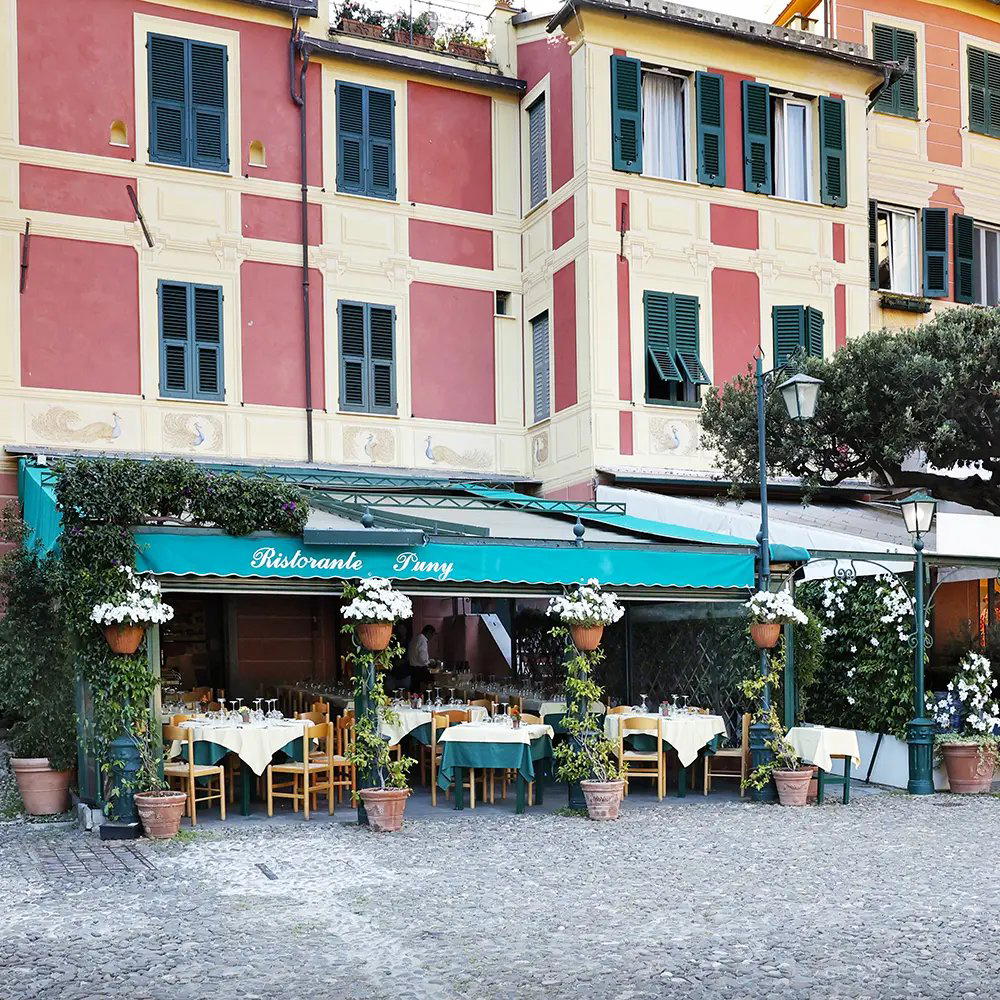
On Portofino's piazza, Ristorante Puny has held its position for decades as the village's most reliably local dining address, drawing a crowd that ranges from returning Italian families to well-travelled visitors who know the difference between harbour-view theatre and genuine Ligurian cooking. The setting is the piazza itself, and the food follows the Ligurian coast's own logic: fish caught close, herbs grown closer, and pasta made the way it has been in this corner of Liguria for generations.

Pearl is the En Primeur Club membership app, where members save venues, book tables and use the concierge.
The menu
What to order
- Branzino al sale
- Baked fish with bay leaves potatoes and olives
- Pappardelle Portofino
The Piazza as Dining Room
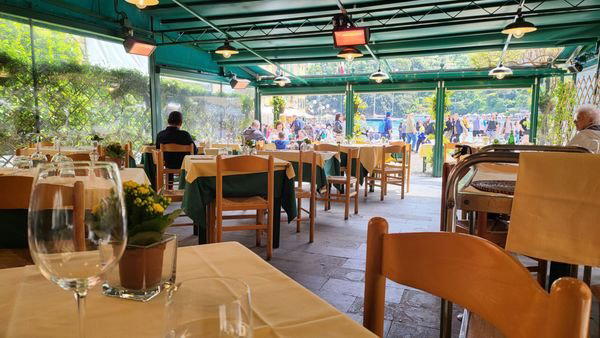
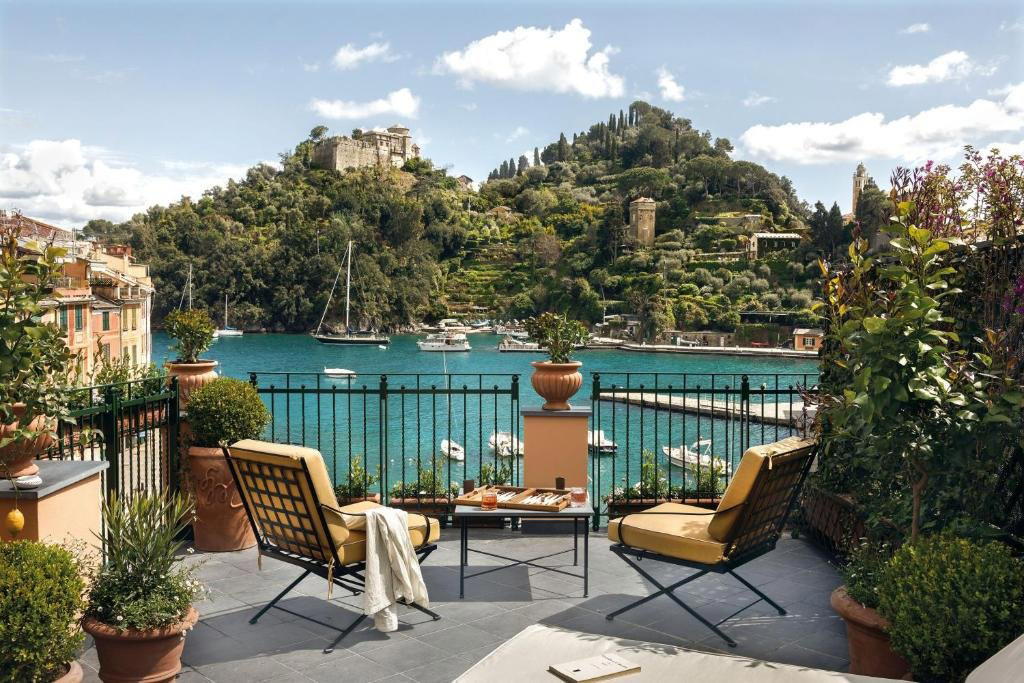
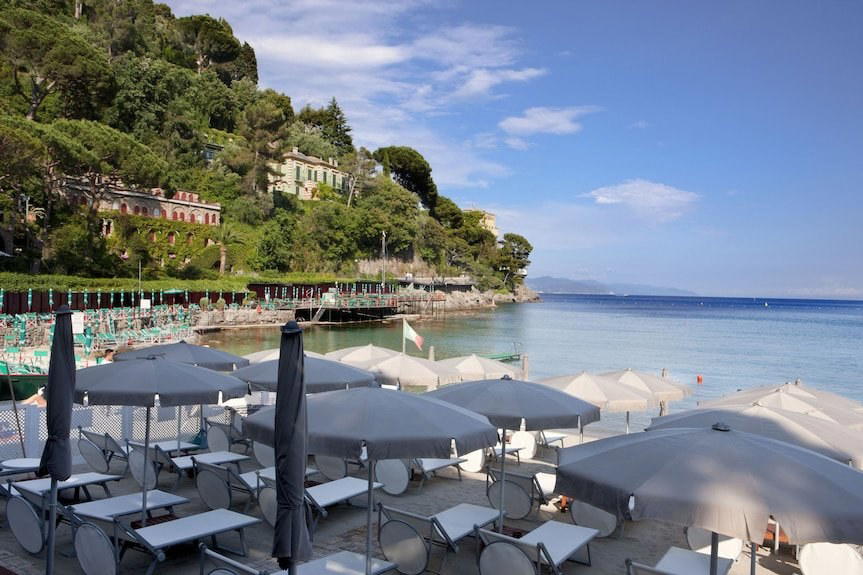
In most Italian seaside towns, the restaurant on the main square is the one to avoid. Portofino inverts that rule. The piazza at Piazza Martiri dell'Olivetta is not a transit corridor but the social centre of a village with fewer than five hundred permanent residents, and Ristorante Puny has occupied its corner long enough to become part of the architecture. Tables pushed toward the open edge of the square give diners an unobstructed view of the harbour's horseshoe, the painted facades, the boats riding at anchor. The light shifts continuously as afternoon moves into evening, and the crowd at the surrounding tables shifts with it, from lunching day-trippers to the slower, more settled rhythm of people who are staying.
That physical position matters for understanding what Puny is and is not. It is not a destination restaurant in the Michelin-chasing sense. The conversation about Italy's most technically ambitious tables happens elsewhere: at Osteria Francescana in Modena, at Le Calandre in Rubano, at Piazza Duomo in Alba. Puny sits in a different category entirely: the long-established trattoria that a specific, demanding clientele returns to because it does not change in ways that matter.
Ligurian Cooking at the Water's Edge
Liguria's cooking is one of Italy's most coherent regional traditions, built around constraints that shaped it over centuries. The terrain is steep and rocky, agriculture limited to terraced hillsides, and the sea immediately present. The result is a cuisine that leans on aromatic herbs, olive oil pressed from small coastal groves, fresh pasta made without egg in some preparations, and seafood treated with minimal intervention. Pesto alla genovese is the internationally recognised ambassador, but the broader canon includes trofie, trenette, focaccia baked in a specific way, and a range of seafood preparations that prioritise freshness over elaboration.
Portofino sits near the southern end of the Ligurian Riviera di Levante, and the fish available here, including branzino, orata, and the mixed catch that local fishermen bring in, feeds directly into what kitchens like Puny's have always done: cook what arrived that morning in ways that the local tradition dictates. The seasonality is built into the supply chain rather than announced on the menu as a marketing posture. Among Portofino's dining options, Cracco Portofino and DaV Mare both operate at the higher-investment, more produced end of the seafood spectrum. Puny's register is different: less architectural plating, more direct relationship between ingredient and preparation.
Where Puny Sits in Portofino's Dining Tier
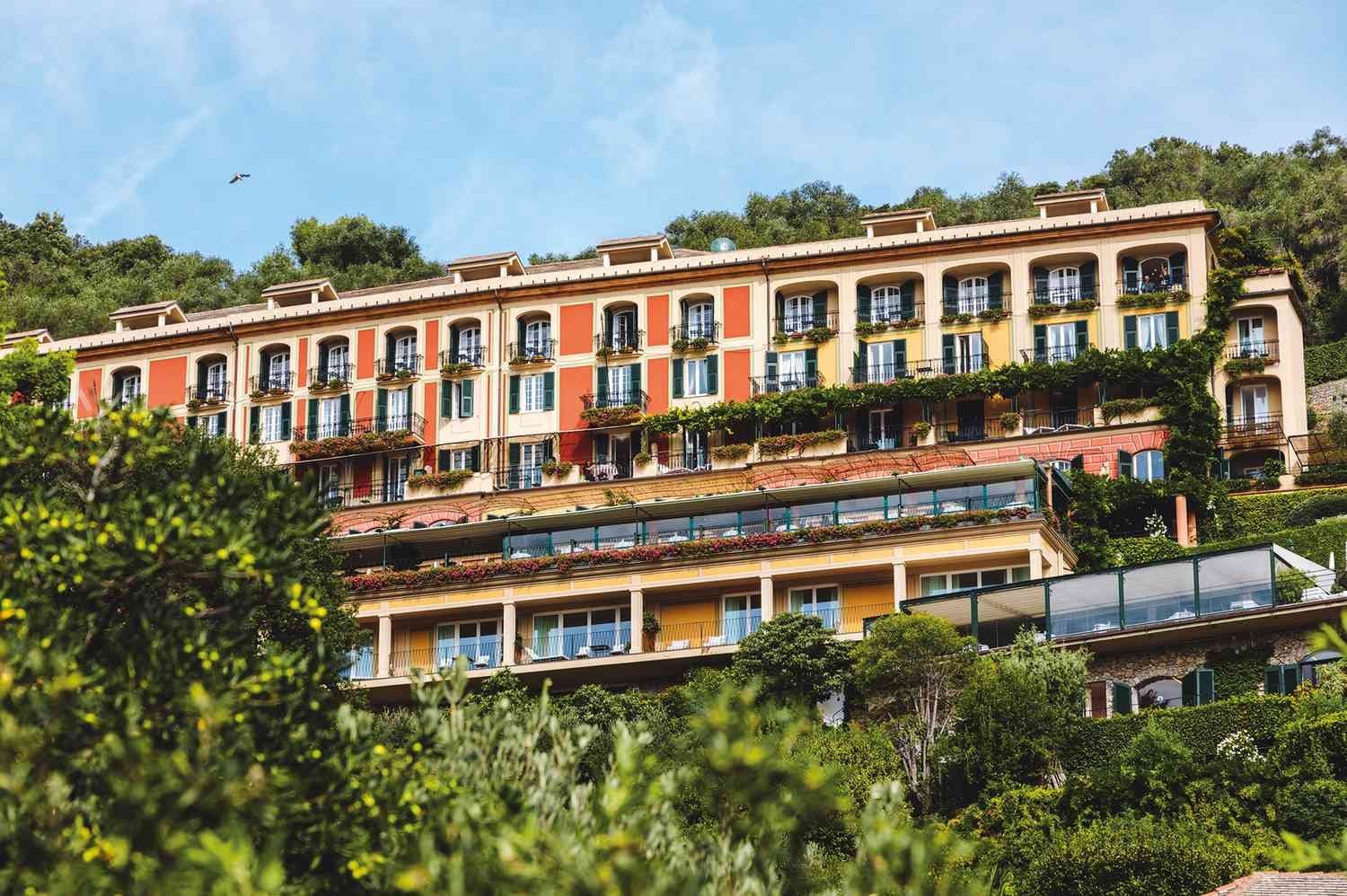
Portofino is a village that prices against a clientele of significant means. The yachts moored in the harbour are not day-trip vessels, and the hotels, including Splendido with its terrace dining at La Terrazza, set a price floor for the whole destination. Within that context, the village's restaurants occupy a compressed range: even the more casual addresses here carry prices that would read as premium in most Italian cities. Da O Batti, a few minutes from the piazza, represents one interpretation of Ligurian cooking at this latitude; Puny represents another, with the added premium of the square itself.
The comparison set for Puny across Italy's coastal fine-dining tradition is interesting to map. The serious Italian seafood houses, places like Uliassi in Senigallia or Quattro Passi in Marina del Cantone, carry Michelin recognition and operate with the formal structure that recognition requires. Puny does not belong to that category. It belongs to a parallel tradition of coastal Italian restaurants where longevity and local loyalty are the operating credentials, and where the regulars would be suspicious of a kitchen that changed too much in pursuit of external validation.
The Crowd and the Calendar
Portofino's high season runs from May through September, with July and August bringing the most pressure on every table in the village. The piazza at midday in peak summer is a specific kind of social spectacle: recognisable faces from European finance and Italian industry, the occasional celebrity visible enough to generate a subtle reorientation of nearby tables, and a steady flow of day visitors who arrive by ferry from Santa Margherita Ligure or by water taxi from further along the coast. Puny, given its position on the square, sits at the centre of all of this.
That visibility has a practical implication for planning. Advance booking during peak months is standard practice across Portofino, not specific to Puny. The village has limited capacity, and the restaurants that hold a known position in the local social fabric fill first. Arriving without a reservation on a summer Saturday and expecting a table on the piazza is not a realistic strategy. Shoulder season, particularly late April, May, and early October, gives the village back something closer to its residential character, and the experience of eating on the square in moderate weather, without the August crowd density, is meaningfully different.
The broader Italian coastal dining tradition rewards this kind of timing intelligence. Venues like Dal Pescatore in Runate or Atelier Moessmer Norbert Niederkofler in Brunico operate with booking windows measured in months; Puny operates differently, but the principle of planning around the season rather than arriving speculatively applies here as strongly as anywhere in Italian fine dining.
Planning Your Visit
Portofino is accessible by car to Santa Margherita Ligure, from which a short ferry or taxi covers the final stretch; the village itself has no practical parking. For those arriving from further afield, Genoa's Cristoforo Colombo Airport is the closest major hub. Booking Ristorante Puny directly in advance of any peak-season visit is the only sensible approach; the piazza tables are not a walk-in proposition in summer. Dress in Portofino runs toward the smart-casual end without formal requirements, though the crowd on the square in high season trends toward dressed-up rather than relaxed. For the fullest picture of where Puny sits among the village's options, the EP Club Portofino restaurants guide maps the complete dining picture across the destination.
Frequently asked questions
What's the address for Ristorante Puny?
Ristorante Puny is located at Piazza Martiri dell'Olivetta, 5, 16034 Portofino GE, Italy, Portofino.
Is Ristorante Puny suitable for a long lunch in Portofino, and how does it compare to dining further along the Ligurian coast?
Puny is structured around exactly that occasion: a leisurely piazza lunch in Portofino, where the setting at Piazza Martiri dell'Olivetta, 5 is as much a draw as the Ligurian cooking on the plate. Towns like Camogli and Santa Margherita Ligure, both accessible within 30 minutes, offer the same regional cuisine at lower price points and without the yacht-crowd premium. Puny's case rests on Portofino itself, if the village is the destination, the restaurant is the natural anchor for the afternoon.
What's the best thing to order at Ristorante Puny?
Puny's kitchen draws on Liguria's coastal pantry, so the focus falls on seafood and the region's herb-driven sauces rather than meat-heavy preparations. Ligurian tradition points toward pasta with pesto, fresh fish from the Ligurian Sea, and dishes built around local olive oil and fragrant basil. Specific menu details are not published, so ask staff on arrival what is freshest that day, in a fishing village, that question matters.
How hard is it to get a table at Ristorante Puny?
During July and August, securing a table at Puny requires advance planning. The restaurant sits on Portofino's main piazza at Piazza Martiri dell'Olivetta, 5, which means demand peaks precisely when the village is at its most pressured. Shoulder season, May, June, and September, offers a more realistic walk-in prospect, though the piazza terrace is in demand throughout the warm months.
What's Ristorante Puny best at?
Puny's clearest strength is its position: a piazza-front table in Portofino, a village with fewer than 500 residents, where most comparable settings are hotel terraces priced for a captive audience. The cooking is grounded in Ligurian tradition, a regional cuisine shaped by coastline and steep terrain rather than pastoral abundance. That combination, place and regional coherence, is what sets Puny apart from the harbour's more transient dining options.
Is Ristorante Puny allergy-friendly?
No allergy or dietary accommodation policy is published for Ristorante Puny. Ligurian cooking relies heavily on wheat-based pasta, pine nuts, and seafood, which are relevant for common allergen concerns. The practical approach is to check the venue's official channels before booking; given the village scale and the cooking style, kitchen flexibility is best confirmed in advance rather than assumed.
Does Ristorante Puny justify its prices?
Portofino prices against a clientele arriving on private yachts, and Puny sits at the centre of that economy on the village's main piazza. The price point reflects location as much as plate, this is one of Italy's most photographed harbours, not a regional town with competing mid-range options. Whether that calculus works depends on what you are paying for: if the piazza setting and Ligurian cooking are the goal, the answer is yes; if you are benchmarking purely on food value, Liguria offers stronger returns a short distance along the coast.
Cost Snapshot
Comparable venues nearby, for context on price, style, and recognition.
| Venue | Cuisine | Price | Awards | Notes |
|---|---|---|---|---|
| Ristorante PunyThis venue (the venue you are viewing) | Ligurian Seafood | $100–150 | Not listed | Not listed |
| Splendido | Modern Ligurian Seafood | $150–200 | World's Best Wine Lists Awards WBWL 3-Star | Portofino, Modern Ligurian Seafood |
| Da O Batti | Traditional Ligurian Seafood | Not listed | Not listed | Portofino, Traditional Ligurian Seafood |
| DaV Mare | Modern Ligurian Seafood | $200–300 | Michelin Plate | Portofino, Modern Ligurian Seafood |
| La Terrazza | Classic Ligurian Seafood | $150–200 | Relais Chateaux Award | Portofino, Classic Ligurian Seafood |
| Cracco Portofino | Modern Ligurian Seafood | $150–200 | 1 Michelin Star · Wine Spectator Best of Award of Excellence | Portofino, Modern Ligurian Seafood |
Continue exploring
More in Portofino
Restaurants in Portofino
All restaurants in Portofino →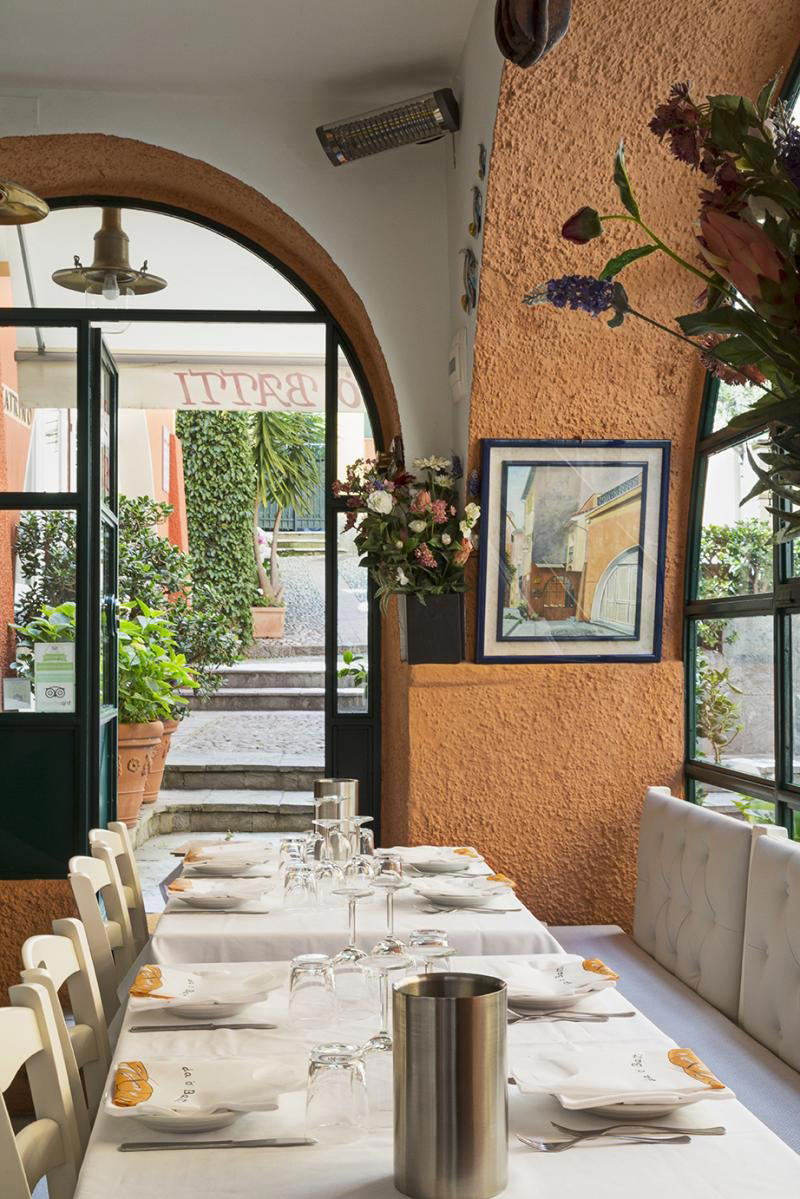
Bars in Portofino
All bars in Portofino →

Details
- Classic
- Elegant
- Well Known
- Intimate
- Date Night
- Special Occasion
- Terrace
- Historic Building
- Waterfront
- Street Scene
- A La Carte
- Vegetarian Friendly
- Vegan Options
Cozy and elegant interior with warm homely atmosphere, plus al fresco tables overlooking the harbor and village square.