

A two-time Michelin Plate recipient on Old Theatre Street, Risette sits in Valletta's mid-to-upper modern cuisine tier at the €€€ price point. The address places it inside the capital's increasingly competitive fine-dining corridor, where the physical space and culinary approach carry as much weight as the plate.
Pearl is the En Primeur Club membership app — saves, bookings, and concierge access live there. Same editors, same standards.
- Address
- VLT1429, 81 Old Theatre Street, Valletta, Malta
- Phone
- +356 2122 4821
- Website
- risette.com.mt
- Directions
- Get directions
 Saves & bookings on Pearl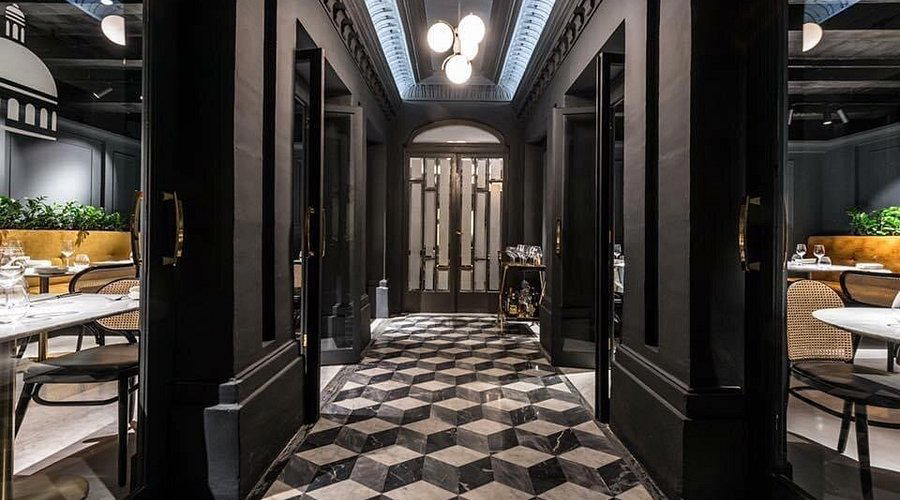
Old Theatre Street and the Architecture of Modern Dining in Valletta
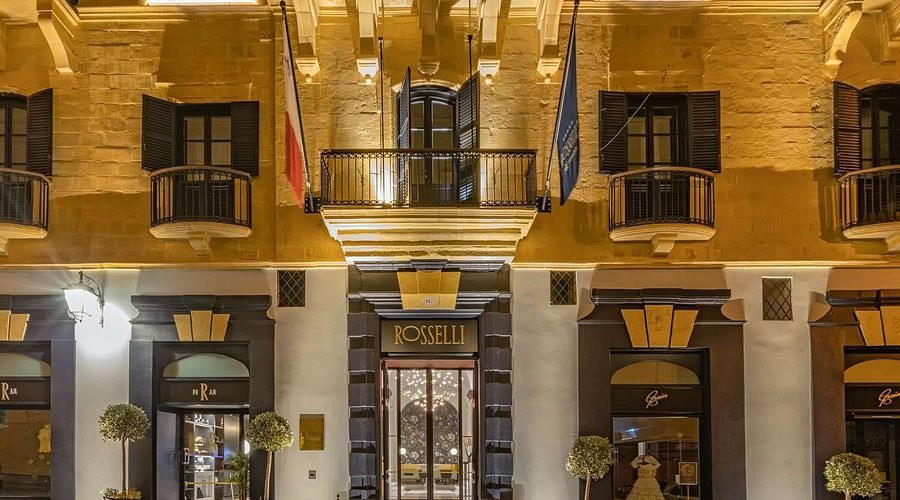
Old Theatre Street runs through one of Valletta's most architecturally layered quarters, where the compressed geometry of the Baroque grid forces restaurants into spaces that were never designed for them. Repurposed townhouses, converted warehouses, and the occasional former civic building define the physical reality of dining in the Maltese capital — the container always precedes the concept. Risette, at number 81, occupies that kind of address: a street-level entry in a city where the relationship between a room and its history is rarely incidental. In Valletta, the space is always part of the argument.
This matters because modern cuisine, when it lands in a historic European capital, tends to resolve in one of two ways: the interior either retreats into neutral minimalism to let the food speak, or it leans into the building's bones as a counterpoint to contemporary plating. In either case, the room is doing interpretive work. At the €€€ price point — above the accessible end of the Valletta dining market, where places like Grain Street operate at €€, but a tier below the €€€€ positioning of Noni or ION Harbour by Simon Rogan, Risette occupies the middle bracket where space, service, and culinary ambition all need to carry their weight.
Where Risette Sits in Valletta's Modern Cuisine Tier
Valletta has developed a genuine concentration of modern-cuisine addresses over the past decade, a shift that reflects the city's 2018 European Capital of Culture designation and the sustained investment in hospitality infrastructure that followed. The capital now supports at least four restaurants operating at the €€€ or €€€€ mark with credible culinary programs, a density that would have been unusual fifteen years ago for a city of its scale.
Within that set, Michelin recognition functions as the clearest external calibration. Risette holds the Michelin Plate for both 2024 and 2025, a designation that denotes good cooking without ascending to starred territory. The Plate is, in Michelin's own framing, a signal of quality rather than a consolation prize, and consecutive years of recognition matter more than a single listing. For a small capital city where Michelin coverage remains limited relative to major European dining destinations, two consecutive Plates represent a meaningful credential within the local competitive set.
For broader modern cuisine context at a similar positioning, Frantzén in Stockholm and FZN by Björn Frantzén in Dubai illustrate how modern cuisine operates at the starred end of the spectrum, useful reference points for understanding where the Plate tier sits relative to the broader category.
The Physical Container: Design, Scale, and the Dining Room as Argument
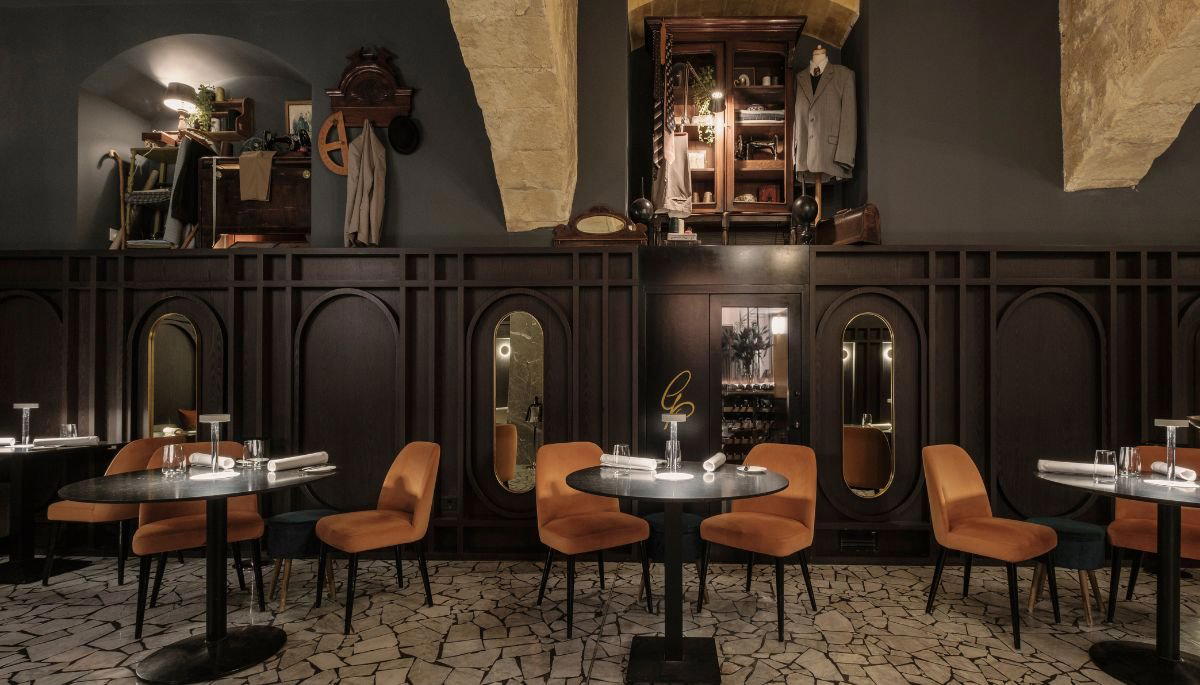
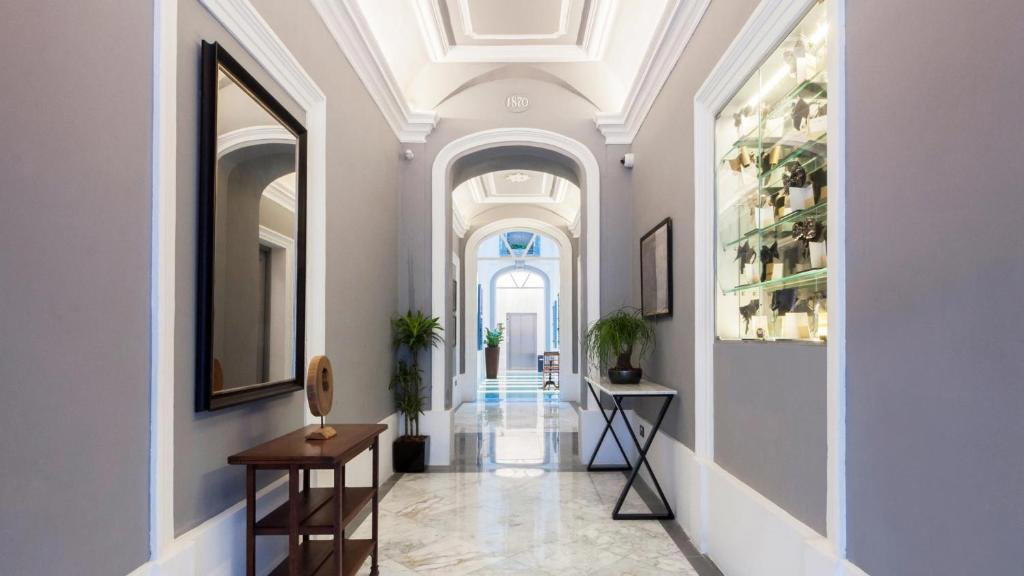
In cities where every building carries sediment, Baroque churches adjacent to modernist interventions, Ottoman-era details surviving next to 20th-century alterations, a restaurant's interior decisions signal something about its culinary position. A stripped-back room in a 17th-century building reads differently from a maximalist renovation of the same footprint. The editorial angle on Risette, given its Old Theatre Street address and its placement in the modern cuisine category, is necessarily spatial before it is gastronomic.
Valletta's dining rooms tend to be compact. The city's urban fabric was planned for density, not for the large-floor-plate formats that characterise restaurant design in purpose-built hospitality precincts. This compression shapes the experience: intimacy is structural rather than engineered, and the distance between tables reflects the building's proportions rather than a design choice. For diners accustomed to the wide, airy dining rooms of coastal Mediterranean resort restaurants, the capital's interior scale can feel either claustrophobic or focused, depending on how well the room is managed.
Seasonal and Timing Considerations
Malta's dining calendar has a defined rhythm that any visitor should account for. The shoulder seasons, spring (April to early June) and autumn (October to November), deliver cooler temperatures, reduced tourist volume, and the local trade that sustains a restaurant's consistency. Summer brings a significant influx of visitors, and Valletta's restaurants, particularly those with Michelin recognition, can become difficult to book at short notice during peak July and August weeks. Booking ahead is advisable regardless of season; for a Michelin Plate address at the €€€ tier, arriving without a reservation during any tourist-active period is a gamble.
Autumn is arguably the most coherent time to eat in Malta. The summer heat has broken, the harvest cycle has run its course, and locally sourced ingredients, the Maltese kitchen draws on both the island's agricultural output and the Central Mediterranean's seafood, are at peak availability. Modern cuisine formats that engage with local produce respond noticeably to seasonal shift, and the autumn-to-winter window tends to produce menus with more structural depth than the lighter, high-volume summer programming that tourist demand often encourages.
Risette in the Context of Malta's Wider Restaurant Map
Valletta functions as the formal dining capital of the Maltese archipelago, but the modern cuisine conversation extends to the mainland towns. Le GV in Sliema and Rosamì in St Julian's operate in the same general tier from different coastal positions, while AYU in Gzira and Bahia in Balzan extend the serious-dining map inland. On Gozo, Al Sale in Xagħra represents the island's independent fine-dining presence. For day-trip logistics, Commando in Mellieħa anchors the northern end of the main island.
Within Valletta specifically, Risette's position on Old Theatre Street places it at the quieter, more residential end of the capital's dining geography, away from the Republic Street corridor and the heavily trafficked waterfront approaches. That address has a practical implication: the pre-dinner and post-dinner rhythm of the neighbourhood is calmer, which tends to suit the pace of a three-course modern cuisine meal more naturally than a table squeezed into a high-traffic tourist block.
Planning Your Visit
Risette is at 81 Old Theatre Street, Valletta, Malta (VLT1429). Phone and booking policy details are not listed in current public records, so direct contact via the restaurant is the recommended route for reservations. Given the Michelin Plate recognition across consecutive years, booking at least one to two weeks ahead during any active tourism period is a reasonable minimum. For accommodation context during a Valletta stay, our full Valletta hotels guide covers the capital's lodging options, and the Valletta bars guide and experiences guide fill out the surrounding programme. The full restaurant picture for the capital is in our Valletta restaurants guide, which maps the city's dining options across price tiers and styles. For those extending beyond Malta's dining scene into wine, the Valletta wineries guide covers the local production context.
City Peers
| Venue | Cuisine | Price |
|---|---|---|
| RisetteThis venue — the venue you are viewing | Modern Cuisine | €€€ |
| Noni | Modern Cuisine | €€€€ |
| ION Harbour by Simon Rogan | Contemporary | €€€€ |
| Grain Street | Modern Cuisine | €€ |
| Under Grain | Modern Cuisine | €€€ |
| 59 Republic | Classic Cuisine | €€ |
Recognition history
Dated appearances from independent guides and award organizations, with the underlying list record or original source where available.
Michelin Plate
Michelin
Star Wine List
Star Wine List
Michelin Plate
Michelin
Michelin Plate
Michelin
Continue exploring
More in Valletta
Restaurants in Valletta
Browse all →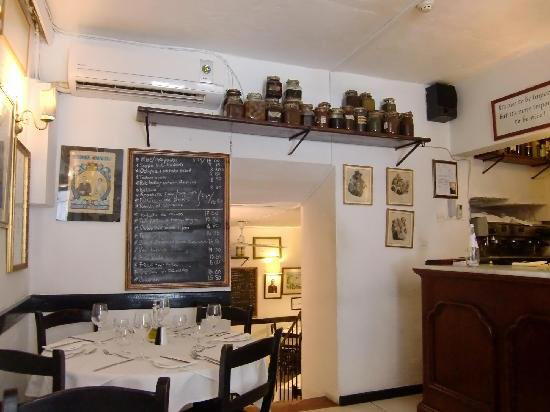
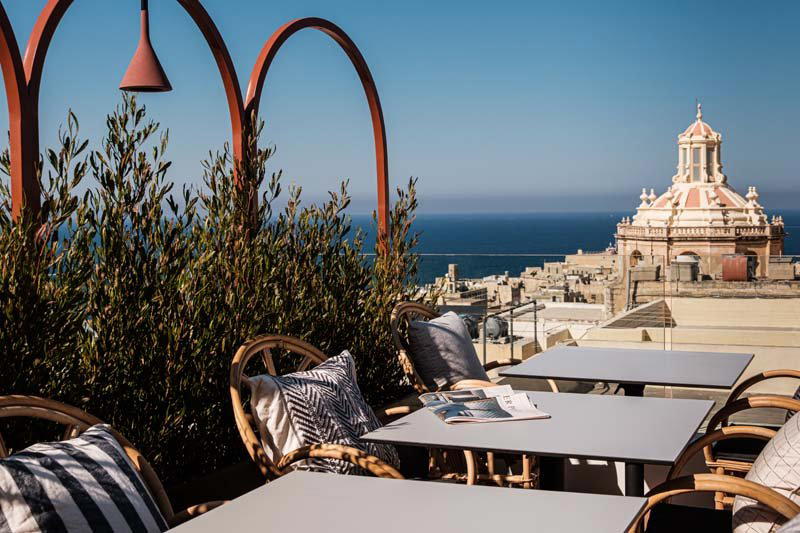
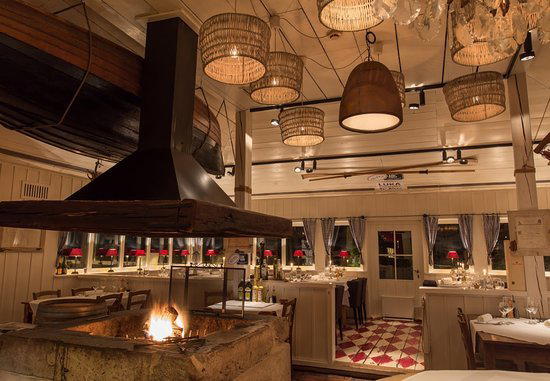
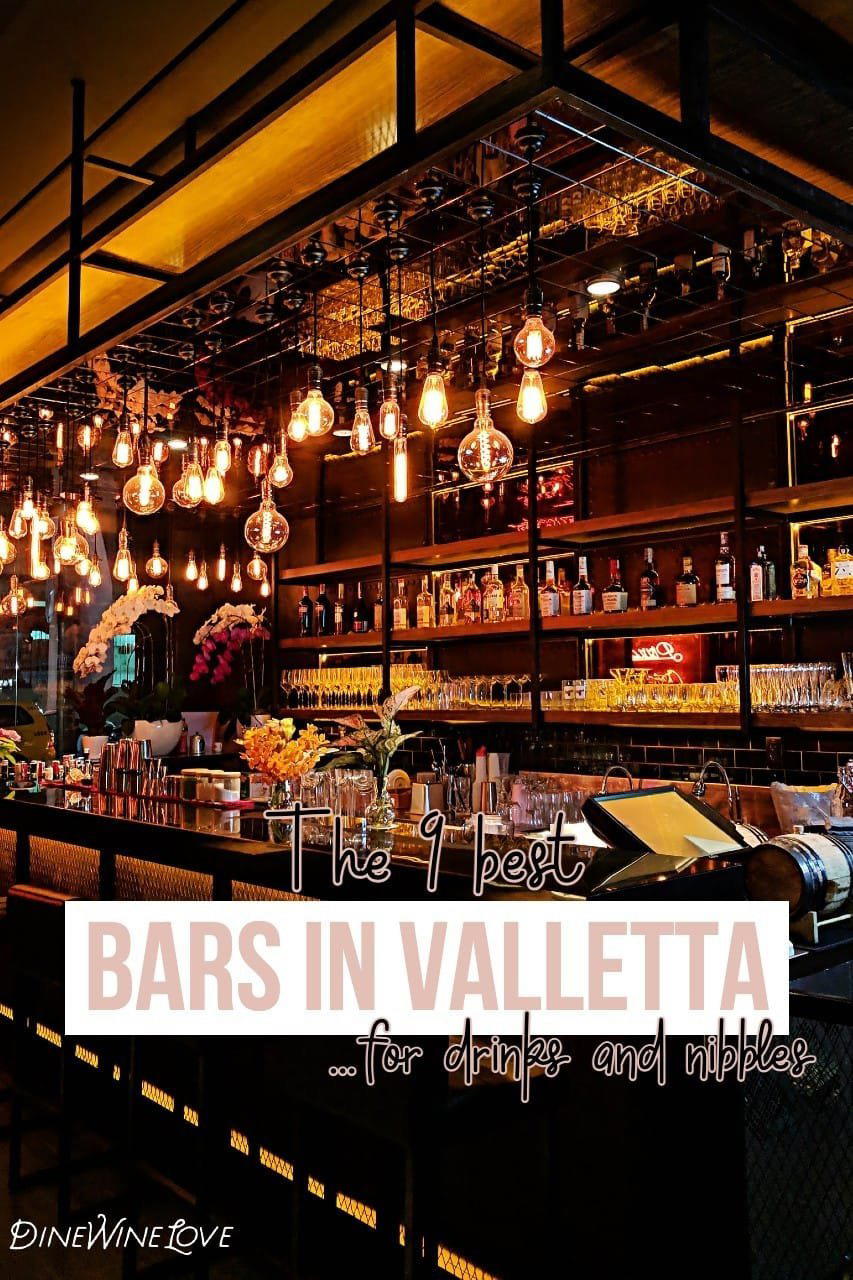
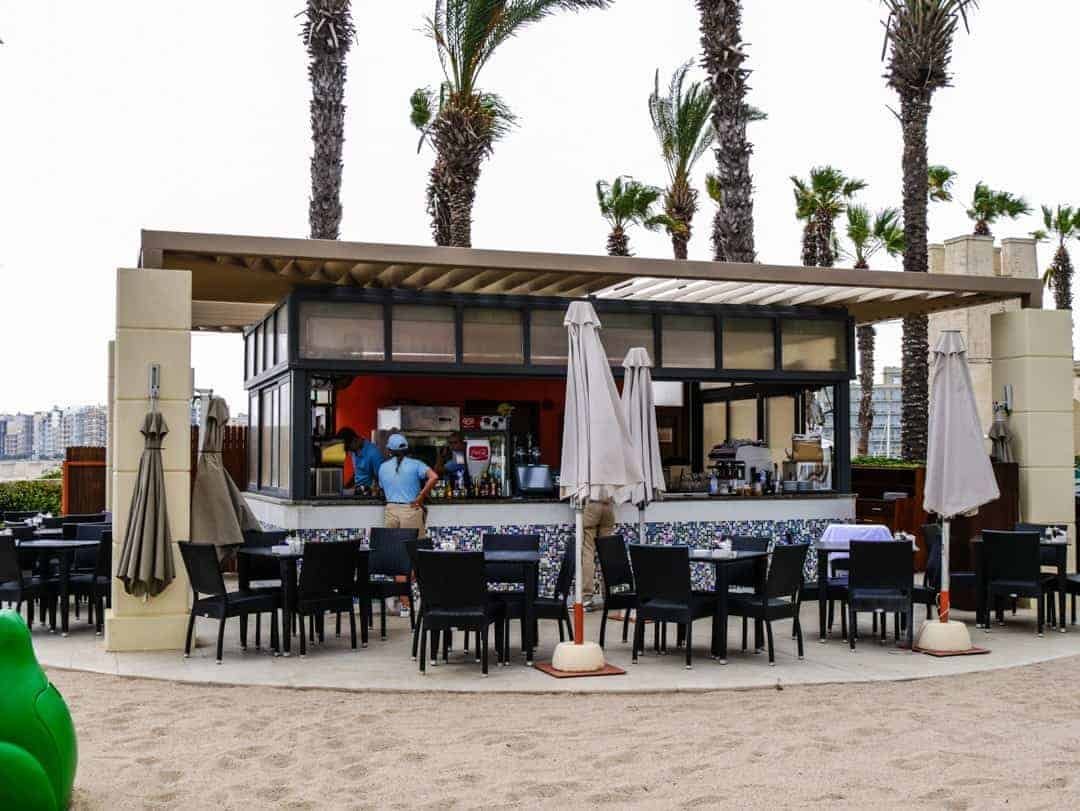
Bars in Valletta
Browse all →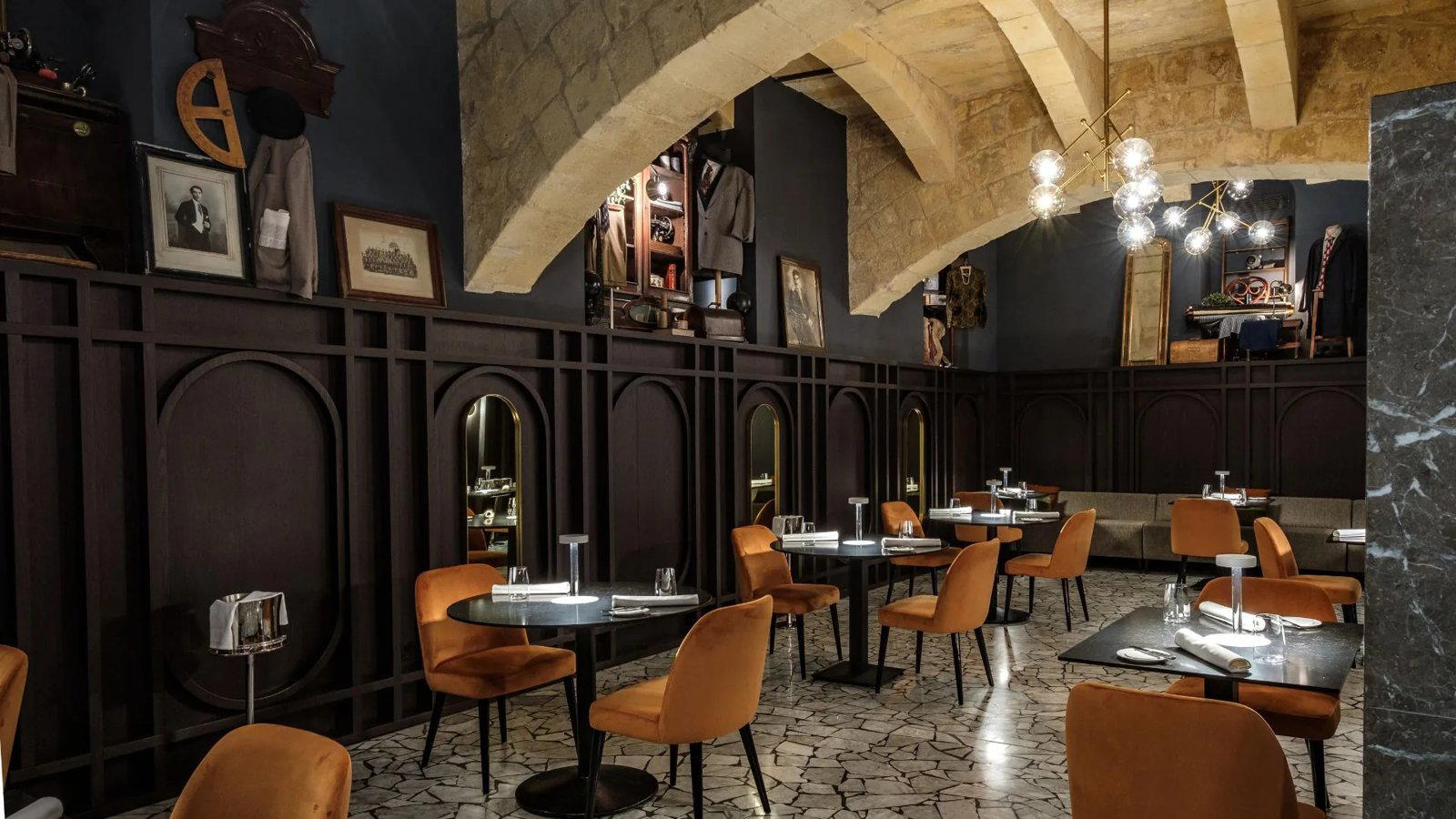
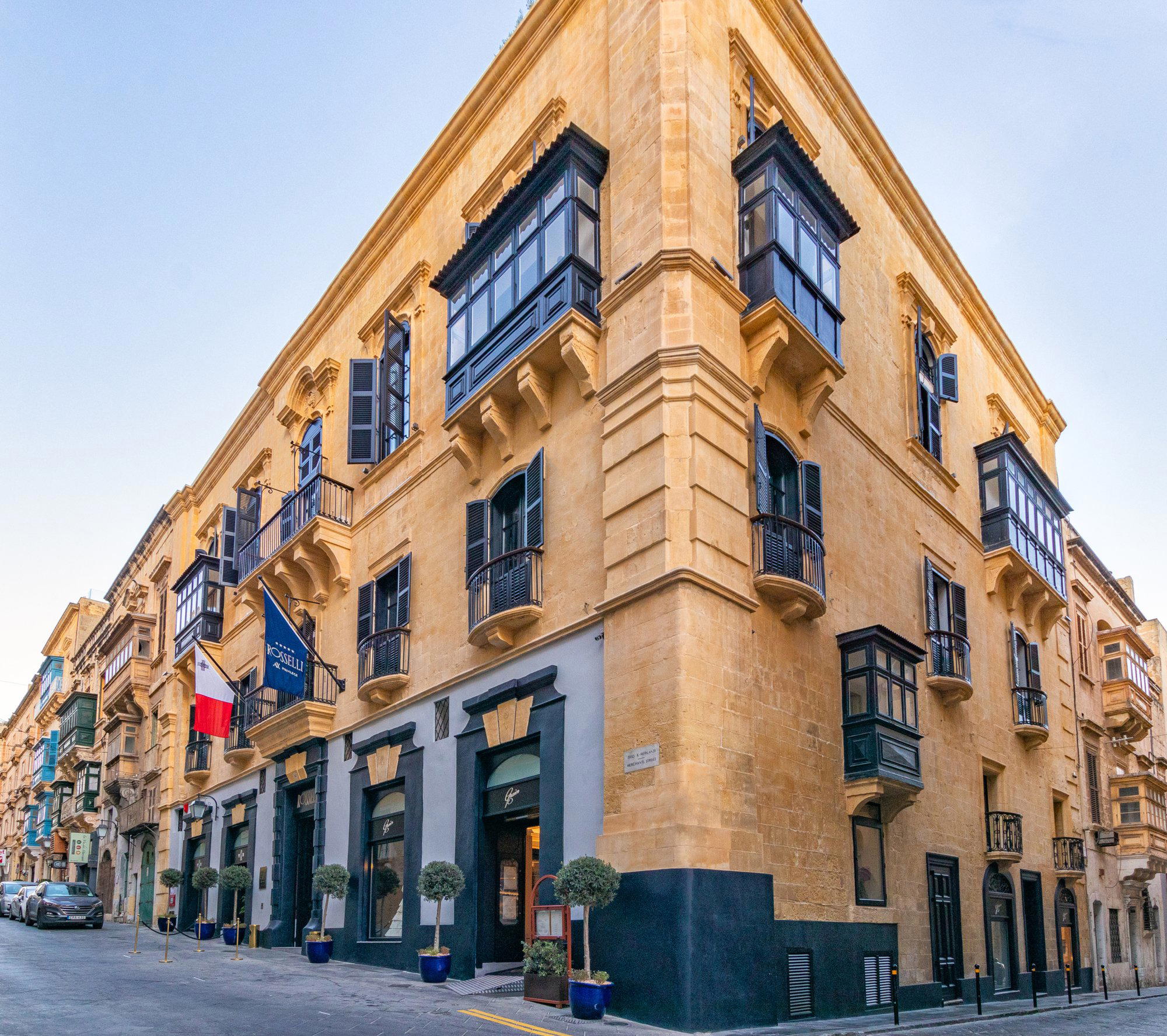
Hotels in Valletta
Browse all →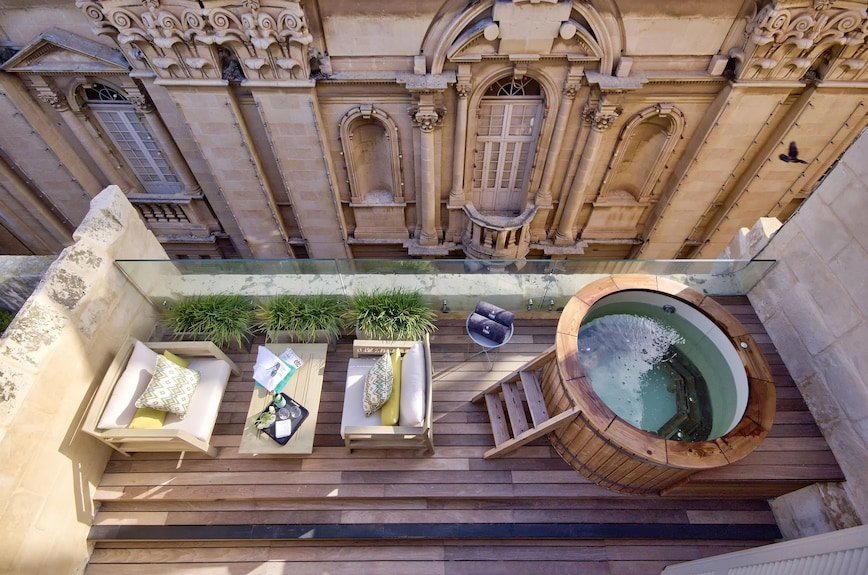
Wineries in Valletta
Browse all →
At a Glance
- Elegant
- Intimate
- Sophisticated
- Modern
- Cozy
- Date Night
- Special Occasion
- Hotel Restaurant
- Extensive Wine List
Current opening hours
- Monday
- 6:30–9:30 PM
- Tuesday
- Closed
- Wednesday
- 6:30–9:30 PM
- Thursday
- 6:30–9:30 PM
- Friday
- 6:30–9:30 PM
- Saturday
- 6:30–9:30 PM
- Sunday
- Closed
Hours can change for holidays and private events. Last verified .
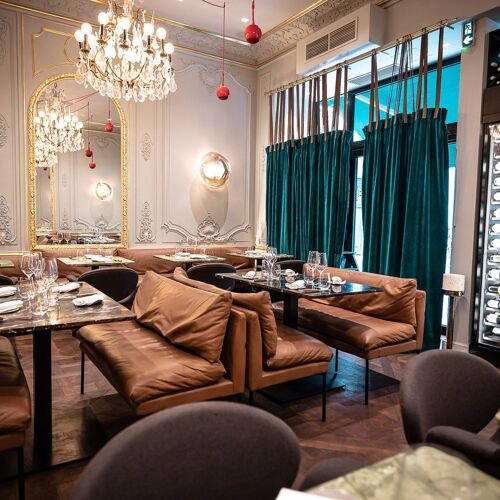
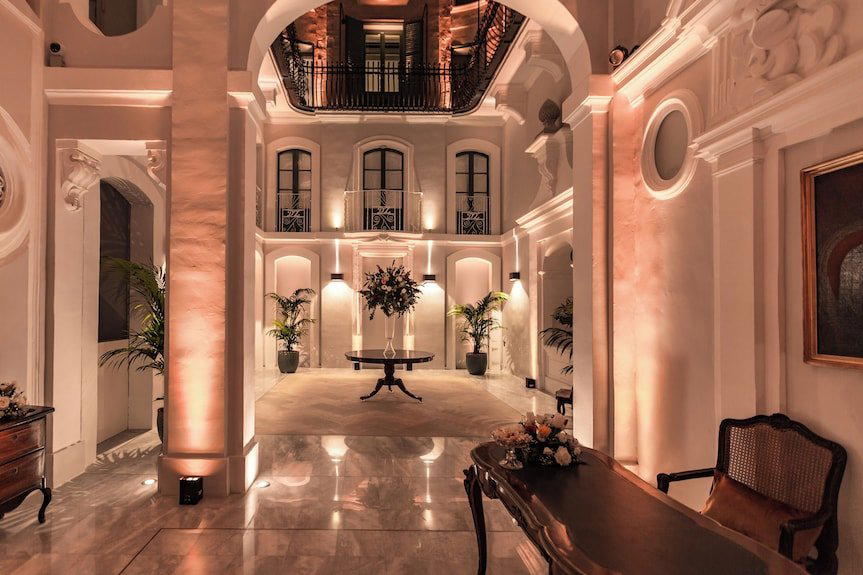
Modern and elegant interiors with refined, cozy, and sophisticated atmosphere, soft lighting, and intimate seating.