Rincon Criollo
Our verdict
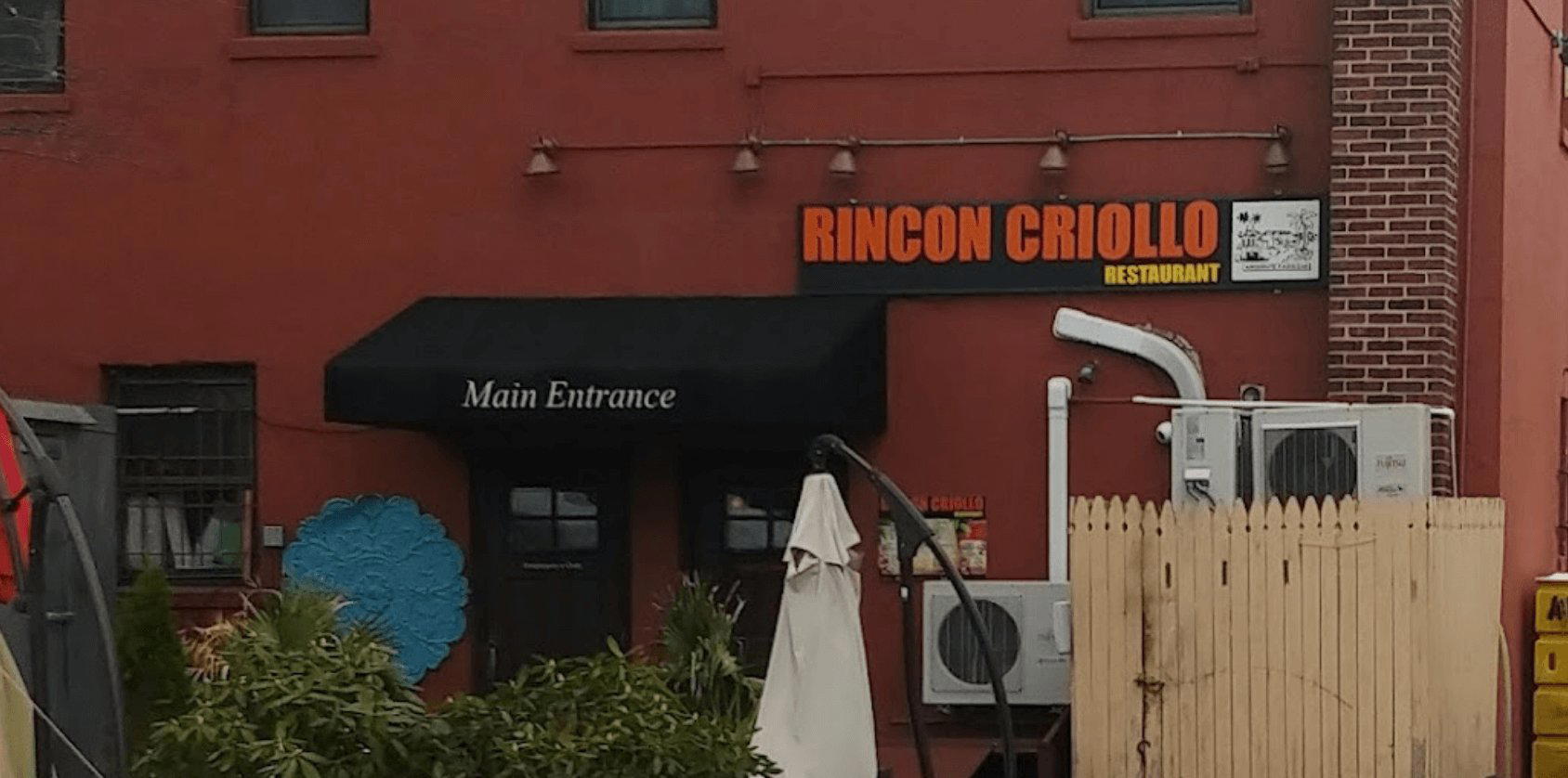
Rincon Criollo brings the cooking traditions of the Latin Caribbean to Huntington Station, Long Island, where criollo cuisine — built on slow-cooked meats, sofrito foundations, and generations of technique — occupies a market position distinct from the Island's broader dining mainstream. For Long Island residents looking beyond Italian-American standards, this address on West Jericho Turnpike represents a durable, community-rooted alternative.

Pearl is the En Primeur Club membership app — saves, bookings, and concierge access live there. Same editors, same standards.
The menu
What to order
- Ropa Vieja
- Pechuga Rincon Criollo
- Lechon Asado
Where Criollo Cooking Finds Its Footing on Long Island
Long Island's dining character has long been shaped by its Italian-American inheritance and its proximity to New York City's pull. Independent restaurants that draw from Latin Caribbean traditions occupy a smaller, more specialized tier in that context, and those that sustain community loyalty over time do so through consistency of technique rather than trend-chasing. Rincon Criollo, at 16 W Jericho Turnpike in Huntington Station, sits within that smaller tier. It is a neighborhood address that has built its identity around criollo cooking — the culinary tradition that knits together Spanish colonial influence, African technique, and indigenous Caribbean ingredients into a cuisine defined less by spectacle and more by depth of flavor achieved through repetition and craft.
The name itself signals the approach. "Criollo" refers to something native, something born of a specific place and lineage, and the term carries culinary weight across Puerto Rico, Cuba, and the broader Hispanic Caribbean. In that tradition, the kitchen is less a laboratory and more a record — of sofrito built from slow-roasting aromatics, of meats braised until they surrender completely, of rice cooked in stock rather than water. These are not shortcuts. They are the evidence of a cooking culture that measures quality in hours, not in plating geometry. Compared to the tasting-menu format that defines destination dining at places like Lazy Bear in San Francisco or Alinea in Chicago, criollo restaurants operate in an entirely different register, one where the cooking is accountable to community memory rather than critical novelty.
The Ingredient Logic Behind Criollo Cuisine
The sourcing logic in criollo cooking is not farm-to-table in the way that phrase has been commercialized in American fine dining, the mode that defines restaurants like Blue Hill at Stone Barns in Tarrytown or Single Thread Farm in Healdsburg. It is something older and less self-conscious: produce and proteins sourced to match specific flavor profiles that the cuisine demands, not to satisfy a marketing framework. Sofrito, the base that anchors much of criollo cooking, requires specific varieties of sweet pepper, culantro, and onion that differ from their generic supermarket equivalents. Finding those ingredients in sufficient quality on Long Island involves suppliers and markets that serve the Latin community rather than the specialty-food trade.
That sourcing reality shapes where these restaurants locate and who they primarily serve. Huntington Station, as a neighborhood, has a Latin American community large enough to support the supply chains that criollo cooking requires. That community presence is part of why an address like Rincon Criollo exists here rather than in more affluent parts of the Town of Huntington. It is also part of what determines the kitchen's accountability, cooking to a community that grew up eating this food is a different standard than cooking to a general audience encountering it as novelty. Restaurants that operate under that standard tend to be more consistent, not less, because the customer base will notice the difference immediately. This is a dynamic that plays out in Latin neighborhoods across the Northeast, from Jackson Heights in Queens to neighborhoods in Hartford and Providence.
Positioning Within Long Island's Dining Geography
The Town of Huntington covers a wide socioeconomic and culinary range. The village of Huntington itself has seen independent restaurant openings with higher price points and broader ambition; Cold Spring Harbor and Lloyd Harbor attract a different dining profile entirely. Huntington Station occupies a different position in that geography: more residential, more transit-oriented, and home to a more diverse population base. Restaurants that take root here tend to be operationally focused, with pricing that matches the neighborhood and menus calibrated to regulars rather than destination visitors.
For the reader approaching from New York City, this is worth framing plainly. Rincon Criollo is not positioned against the multi-course tasting programs of Le Bernardin or Atomix in New York City, nor against the ingredient-driven fine dining of The French Laundry in Napa or Providence in Los Angeles. Its competitive set is the neighborhood criollo and Latin Caribbean restaurants of the broader Long Island and Queens market. In that context, sustained local presence over time functions as its own credential. Our full South Huntington restaurants guide covers the broader dining options in the area for readers building a longer itinerary.
How Criollo Cuisine Reads at the Table
Criollo cooking arrives at the table without theatrical presentation. Portions tend to be generous, proteins slow-cooked to tenderness, and accompaniments like tostones, arroz con gandules, and black beans present as structural parts of the meal rather than decorative additions. The cooking tradition does not separate starch from protein as an afterthought, rice and beans, in the criollo framework, are as technically considered as the main protein. That integration is part of what makes the cuisine satisfying at a level that lighter, more composed cooking does not always achieve. Across the wider American scene, the regional depth of Latin Caribbean cooking is gaining more editorial attention, visible in how restaurants like Causa in Washington, D.C. and ITAMAE in Miami have brought Latin American culinary traditions into higher-visibility dining formats. The criollo neighborhood restaurant operates further from that visibility, but it carries the same underlying seriousness about origin and technique.
Planning Your Visit
Rincon Criollo is located at 16 W Jericho Turnpike in Huntington Station, accessible from the Long Island Expressway or via the Long Island Rail Road to Huntington Station. For visitors coming from Manhattan, the LIRR Port Jefferson Branch covers the route. Current hours, booking requirements, and contact details are best confirmed directly before visiting, as this information was not available at time of publication. Readers building a broader Long Island dining itinerary will find additional context in our South Huntington guide. For those interested in the wider register of regionally-rooted American restaurants, Bacchanalia in Atlanta, Frasca Food and Wine in Boulder, and Bruto in Denver each represent different expressions of cuisine rooted in specific place and sourcing logic. For the fine dining end of ingredient-driven cooking, Addison in San Diego, The Inn at Little Washington, and Emeril's in New Orleans provide useful reference points for how regional sourcing logic scales into formal dining contexts.
Frequently asked questions
Is Rincon Criollo suitable for children?
Criollo cooking is built around generous, approachable proteins and rice-and-bean foundations that translate well for younger diners. The Huntington Station location on W Jericho Turnpike draws a neighborhood crowd, and that community-restaurant character tends to be family-inclusive. Nothing in the format points toward an adults-only experience.
How would you describe the vibe at Rincon Criollo?
Rincon Criollo reads as a neighborhood anchor rather than a destination-dining exercise. Criollo restaurants in the Caribbean-Latin tradition prioritize table comfort and portion scale over choreographed service or minimalist interiors. Expect the kind of room where the cooking does the talking and the pace is set by the guests, not a timed course structure.
How does Rincon Criollo fit into the broader Caribbean-Latin dining options on Long Island?
Long Island's Caribbean and Latin restaurant presence is concentrated in communities across Nassau and western Suffolk County, making Rincon Criollo's position in Huntington Station one of the further east expressions of that tradition. The criollo format, distinct from Tex-Mex or generalized Latin-American categories, draws on Caribbean cooking logic: seasoned low-and-slow proteins, sofrito-based sauces, and rice preparations that differ from what most Long Island diners encounter in the broader regional dining scene.
What's the signature dish at Rincon Criollo?
Those categories form the structural core of the cuisine and are the logical starting point for first-time visitors at the Huntington Station location.
Where is Rincon Criollo located?
Rincon Criollo is located at 16 W Jericho Turnpike, Huntington Station, NY 11746, South Huntington.
Is Rincon Criollo reservation-only?
Neighborhood criollo restaurants in this format typically operate on a walk-in basis, though calling ahead for larger groups is standard practice across this category.
What has Rincon Criollo built its reputation on?
Rincon Criollo operates in a part of Long Island where Caribbean and Latin communities have established consistent demand for criollo cooking rooted in technique rather than trend. Its presence in Huntington Station places it outside the more conspicuous restaurant corridors of the island, which means its standing comes from return custom and word-of-mouth within that community rather than awards or press attention.
Quick Comparison
Comparable venues nearby, for context on price, style, and recognition.
| Venue | Cuisine | Price | Awards | Notes |
|---|---|---|---|---|
| Rincon CriolloThis venue — the venue you are viewing | Authentic Cuban | $20–30 | Not listed | Not listed |
| El Castillo De Jagua Restaurant | Authentic Dominican | $20–30 | Not listed | Lower East Side |
| Coppelia | Latin Cuban Diner | $20–30 | Not listed | Chelsea-Hudson Yards |
| La Piraña Lechonera | Puerto Rican Lechon Asado | $20–30 | Eater 38 #1 | South Bronx |
| Good Taste | Authentic Haitian | Not listed | Not listed | Crown Heights (North) |
| Bird Pepper | Caribbean | Not listed | Not listed | Prospect Heights |
Continue exploring
More in South Huntington
Restaurants in South Huntington
All restaurants in South Huntington →
Bars in South Huntington
Browse all →
Hotels in South Huntington
Browse all →

Wineries in South Huntington
Browse all →
Details
- Lively
- Rustic
- Family
- Group Dining
- Casual Hangout
- A La Carte
Current opening hours
- Monday
- 12–10 PM
- Tuesday
- 12–10 PM
- Wednesday
- 12–10 PM
- Thursday
- 12–10 PM
- Friday
- 12–10 PM
- Saturday
- 12–10 PM
- Sunday
- 12–10 PM
Hours can change for holidays and private events. Last verified .
Lively and welcoming with great service.