
Michelin Plate
Our verdict
A Michelin Plate-recognised bistro in Berlin's Tempelhof district, Richard Bistro sits in the accessible mid-market tier of the city's modern cuisine scene. Consecutive Michelin Plate awards in 2024 and 2025 signal consistent kitchen discipline. It draws both neighbourhood regulars and visitors tracking Berlin's broader shift toward technically grounded, ingredient-led cooking at approachable price points.

Pearl is the En Primeur Club membership app, where members save venues, book tables and use the concierge.
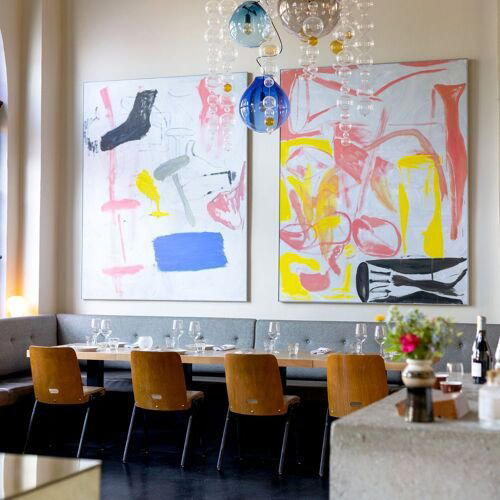
The menu
What to order
- Baked monkfish with fennel
- Black angus tartare
- Artichoke with chimichurri
Where Tempelhof Meets the Table
Berlin's Tempelhof district does not carry the gastronomic freight of Mitte or Prenzlauer Berg, and that is partly why it rewards attention. The neighbourhood's restaurant scene is less curated and more contingent, shaped by local demand rather than tourist itineraries. It is the kind of place that other Berlin restaurants quietly respect.
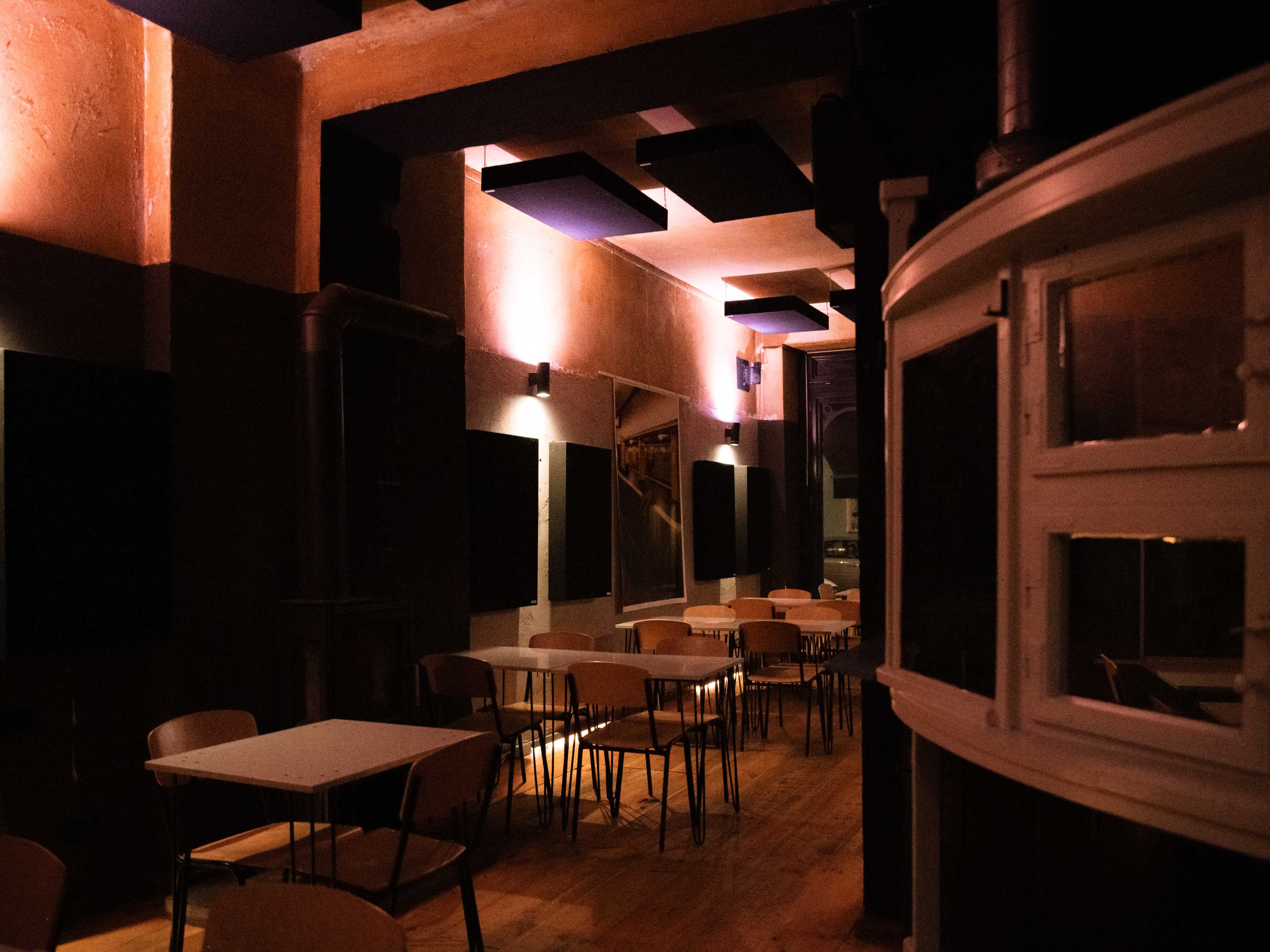
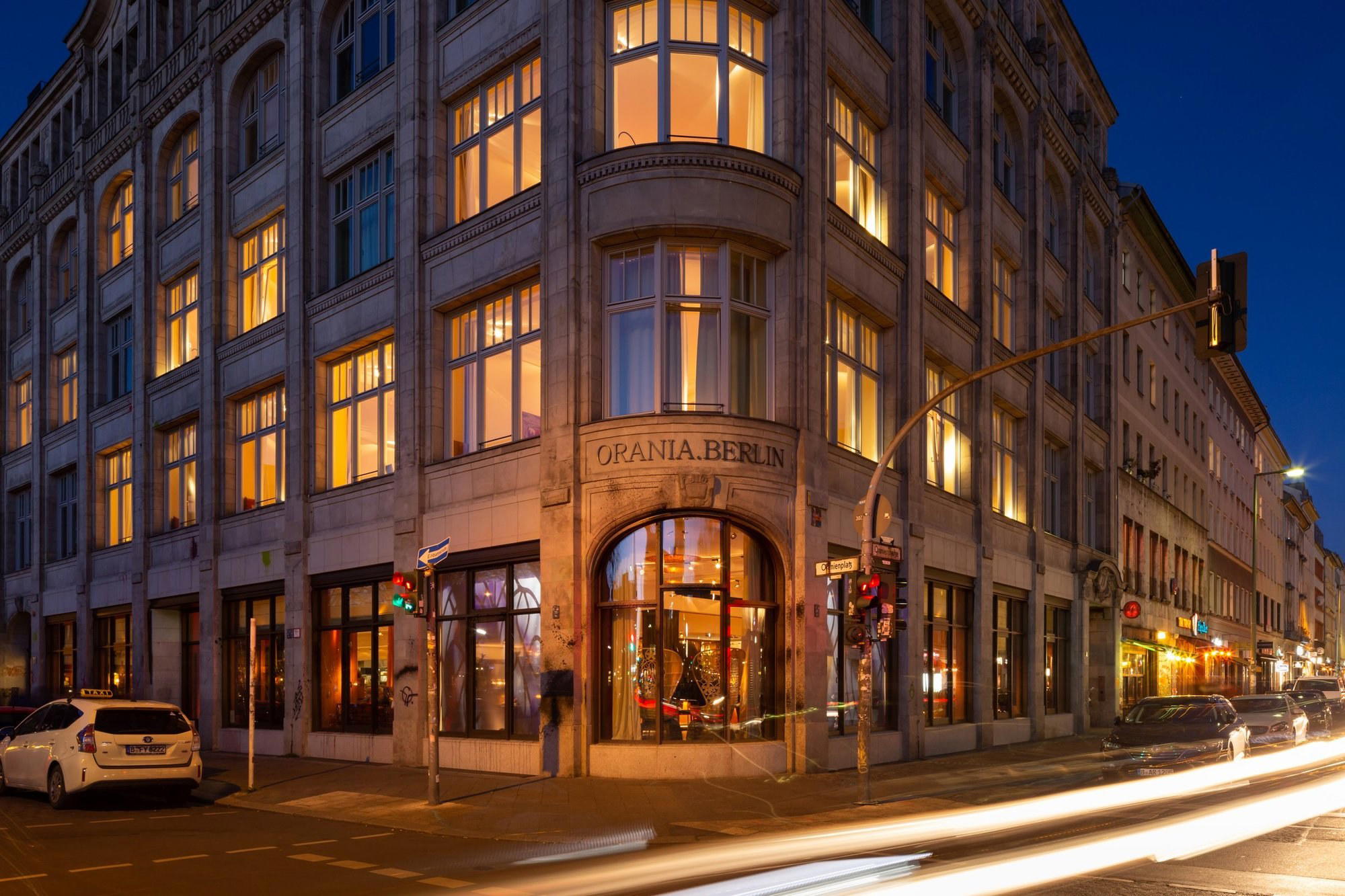
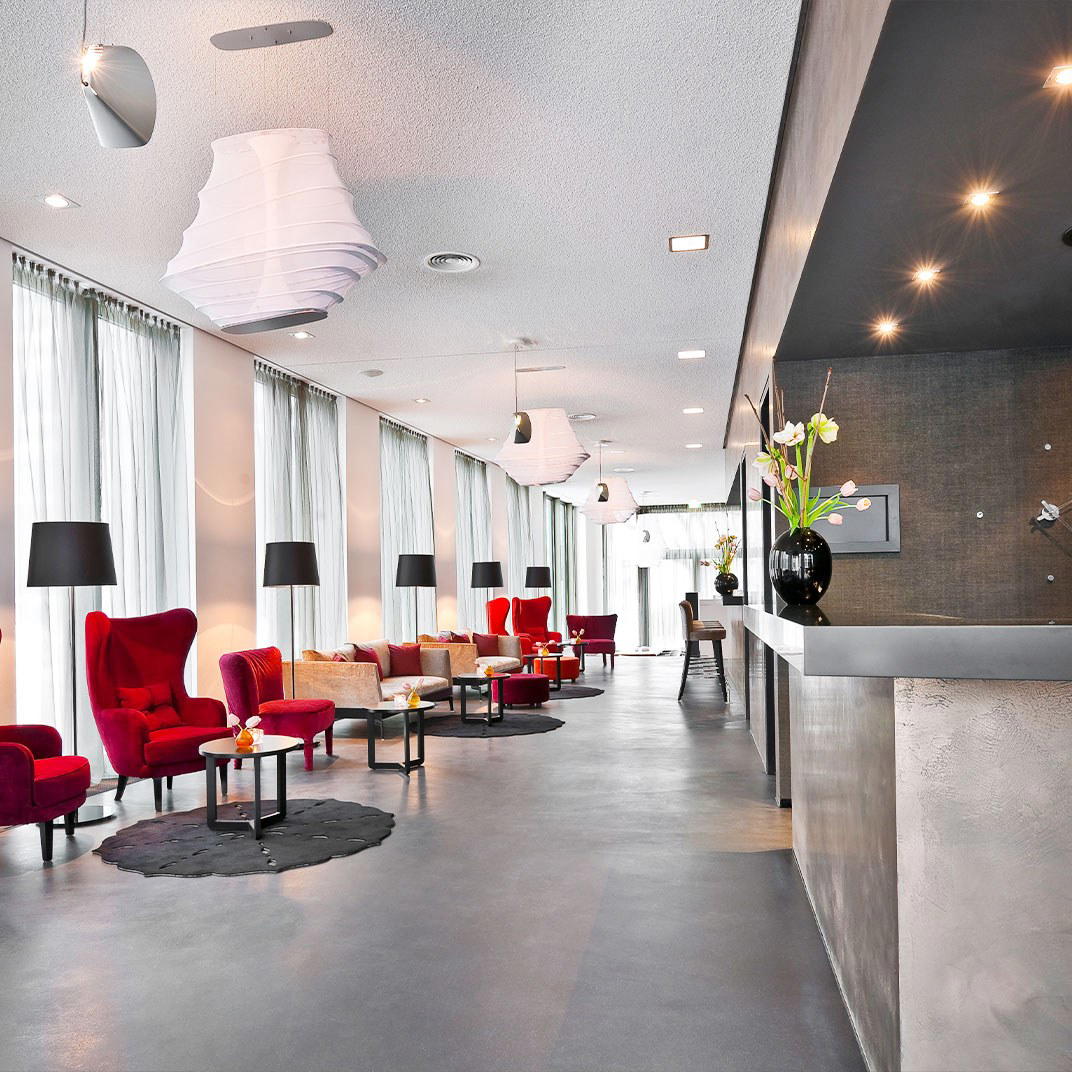
The bistro sits under the address registered to Lodos Bistro on Flughafenstrasse in the 12101 postcode, a part of the city where industrial heritage and residential life coexist. Walking the street, the room's presence announces itself without spectacle, no doorman, no queue architecture, no PR-polished exterior. That restraint extends inward. The interior character of rooms like this in Berlin tends toward clean lines, low-key material honesty, and a dining rhythm that favours conversation over performance. It is a format that Berlin has refined across a generation of neighbourhood restaurants, and Richard Bistro fits that pattern without disappearing into it.
Modern Cuisine at the Accessible Tier
Berlin's upper bracket of modern European cooking is well-documented. Hugos operates at the formal fine-dining register. Rutz and FACIL compete in the €€€€ category with Michelin star credentials. Nobelhart and Schmutzig has staked out its territory with strict regional sourcing. These are the reference points for how Berlin codes ambition at the leading end. Further down the price scale, the city's modern cuisine conversation becomes more interesting, because the discipline required to cook with real intent at the €€ bracket is different and, arguably, harder to sustain.
Richard Bistro's consecutive Michelin Plate awards place it inside that mid-market tier of recognised cooking rather than the anonymous mass of neighbourhood options. The Plate designation, introduced by Michelin to signal restaurants where inspectors find quality cooking that does not yet reach star level, functions as a floor rather than a ceiling. It tells you the kitchen is consistent and technically considered, not simply decorative. At a price point where corners are easily cut, that consistency is the actual achievement.
For direct neighbourhood comparison, hallmann and klee and Bieberbau represent adjacent registers of Berlin's considered mid-market dining. pars Restaurant and SKYKITCHEN offer different angles on how the city approaches modern cuisine outside the headline addresses. Taken together, these restaurants describe a Berlin dining culture that sustains quality well below the Michelin star threshold, a dynamic less visible in cities where the critical gaze stays fixed on the top tier.
Local Ingredients, Imported Method
The editorial angle that defines modern cuisine in Berlin's €€ tier is not fusion in the old sense. It is something more precise: the application of technique developed in French, Scandinavian, or broader European kitchens to produce that is sourced closer to home. Brandenburg's agricultural belt, the fish markets of northern Germany, and the seasonal rhythms of the broader Central European food year all feed into kitchens that have absorbed classical discipline without being enslaved to classical presentation.
This is the tension that makes the category worth tracking. Across Germany, the restaurants generating the most sustained critical interest are those working this intersection. Schwarzwaldstube in Baiersbronn and Vendôme in Bergisch Gladbach do it at the starred level. JAN in Munich and ES:SENZ in Grassau push it in different regional directions. At the Hamburg end, Restaurant Haerlin represents the formal end of that same conversation. Even internationally, kitchens like Frantzén in Stockholm and FZN by Björn Frantzén in Dubai illustrate how far that methodology has travelled from its northern European roots.
Richard Bistro operates at a more modest register than any of those, but it participates in the same underlying movement: cooking that does not perform its technique, that grounds imported method in local produce, and that resists the pressure to become a themed experience. The €€ price point is not a concession to ambition; in this case, it is the format's point.
The Regulars and the Scene
Reviews at places like Richard Bistro skew toward repeat visitors rather than first-timers checking boxes. The score suggests a kitchen that has earned loyalty from people who have multiple competing options and choose to return. That is a more demanding test than novelty.
The Tempelhof neighbourhood has historically lagged behind Friedrichshain or Neukölln in attracting Berlin's food-first crowd, but that gap has been narrowing. As rents in more visible districts compress the margins available for serious cooking at accessible prices, addresses in Tempelhof and the surrounding 12101 postcode have absorbed some of that energy. Richard Bistro is part of that shift rather than a cause of it, a symptom of where the city's considered mid-market dining is finding room to operate.
For visitors building a Berlin dining itinerary, the bistro represents an argument for leaving the tourist-facing centre. The cooking at this level, in a neighbourhood that has not yet been fully absorbed into the city's dining circuit, often delivers a more honest version of what Berlin's restaurant culture actually looks like day to day. See our full Berlin restaurants guide for broader context on how the city's modern cuisine scene distributes across its districts.
Berlin Beyond the Plate
Planning a visit around Richard Bistro fits naturally into a broader Berlin programme. The city's bar culture, hotel offer, and cultural experiences are all documented in depth: our full Berlin bars guide, our full Berlin hotels guide, our full Berlin wineries guide, and our full Berlin experiences guide cover the surrounding ecosystem. Tempelhof's proximity to the former Tempelhof Airport park gives the area a scale and openness unusual for an inner-city district, which makes the neighbourhood worth spending time in rather than simply passing through.
Know Before You Go
- Address: Flughafenstrasse area, 12101 Berlin (Tempelhof)
- Cuisine: Modern Cuisine
- Price range: €€ (mid-market)
- Awards: Michelin Plate 2024 and 2025
- Hours: Not publicly listed; verify before visiting
- Dress code: Not specified; neighbourhood bistro dress standards typically apply
Frequently asked questions
Is Richard Bistro Michelin-listed?
Richard Bistro has received recognition including: Michelin Plate (2025); Michelin Plate (2024).
Is Richard Bistro expensive?
Pricing at Richard Bistro is listed as €€.
What do regulars order at Richard Bistro?
Richard Bistro's Michelin Plate recognition across both 2024 and 2025 points to consistent kitchen output rather than a single signature dish. At the €€ price point in Berlin, the focus is modern cuisine built for repeat visits, which typically means a tight, seasonal menu where most items earn their place. The safest approach is to follow the server's lead on whatever the kitchen is running that week.
How do I find Richard Bistro?
Richard Bistro is located at Lodos Bistro, 12101 Berlin, Germany, Berlin.
Is Richard Bistro reservation-only?
Walk-ins may be possible on quieter weeknights, but contacting the venue directly before visiting is the practical approach.
Awards and Standing
| Venue | Cuisine | Price | Awards | Notes |
|---|---|---|---|---|
| Richard BistroThis venue (the venue you are viewing) | Modern Mediterranean Bistro | $50–100 | Michelin Plate | Not listed |
| CODA Dessert Dining | Dessert-Inspired Fine Dining | $200–300 | 2 Michelin Stars · World's 50 Best #79 | Creative |
| Rutz | Modern German Fine Dining | $200–300 | 3 Michelin Stars · La Liste Top Restaurants | Modern European, Modern Cuisine |
| Nobelhart & Schmutzig | Hyper-Local Modern German Fine Dining | $100–150 | 1 Michelin Star · World's 50 Best #59 | Modern German, Creative |
| FACIL | Modern Fusion Fine Dining | $200–300 | 2 Michelin Stars · La Liste Top Restaurants | Contemporary European, Creative |
| Horváth | Modern Austrian Vegetable Cuisine | $200–300 | 2 Michelin Stars · La Liste Top Restaurants | Modern Austrian, Creative |
Recognition history
Dated appearances from independent guides and award organizations, with the underlying list record or original source where available.
Michelin Plate
Michelin
Full recognition history (2 entries)
Michelin Plate
Michelin
Continue exploring
More in Berlin
Restaurants in Berlin
All restaurants in Berlin →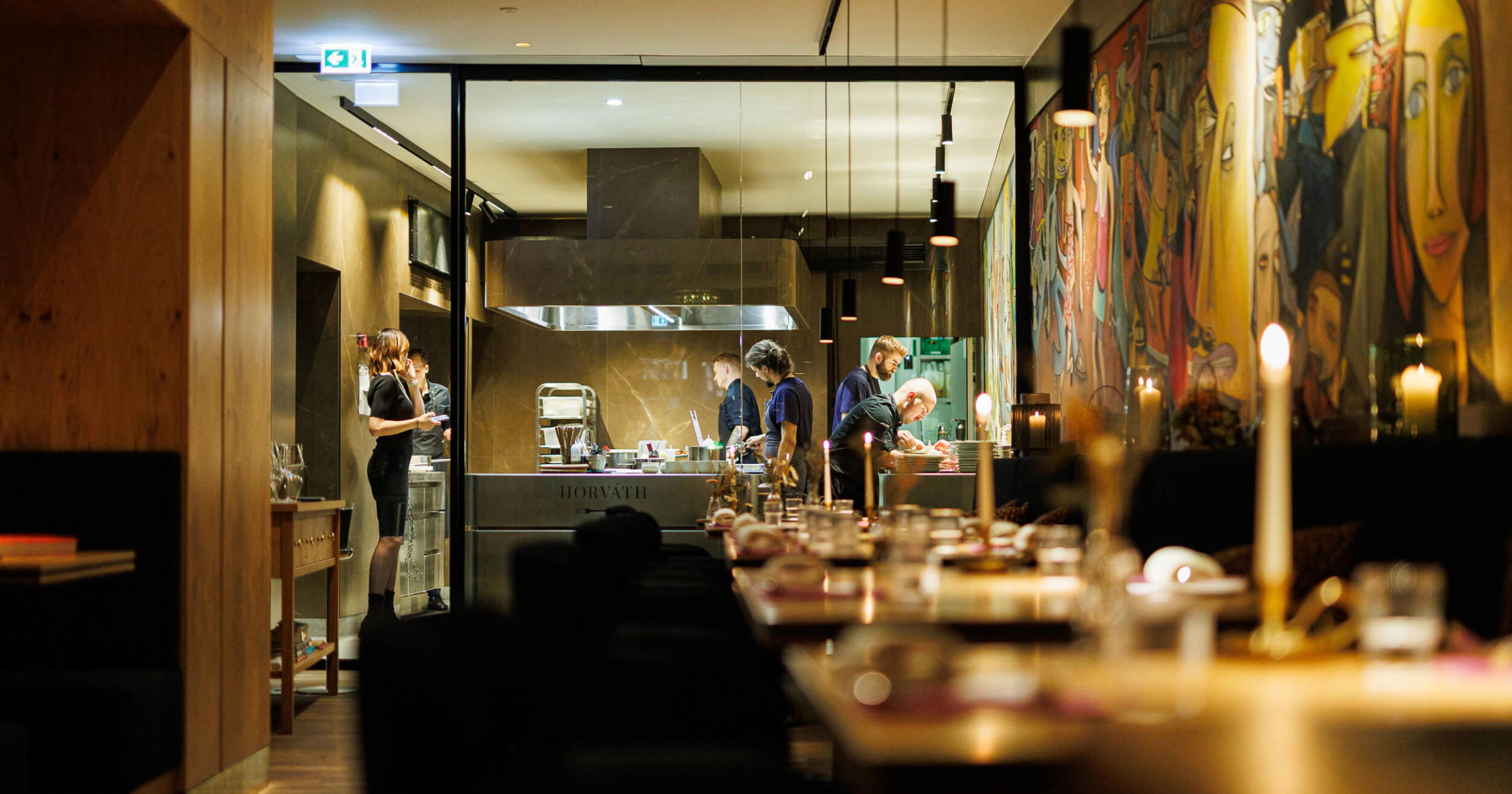
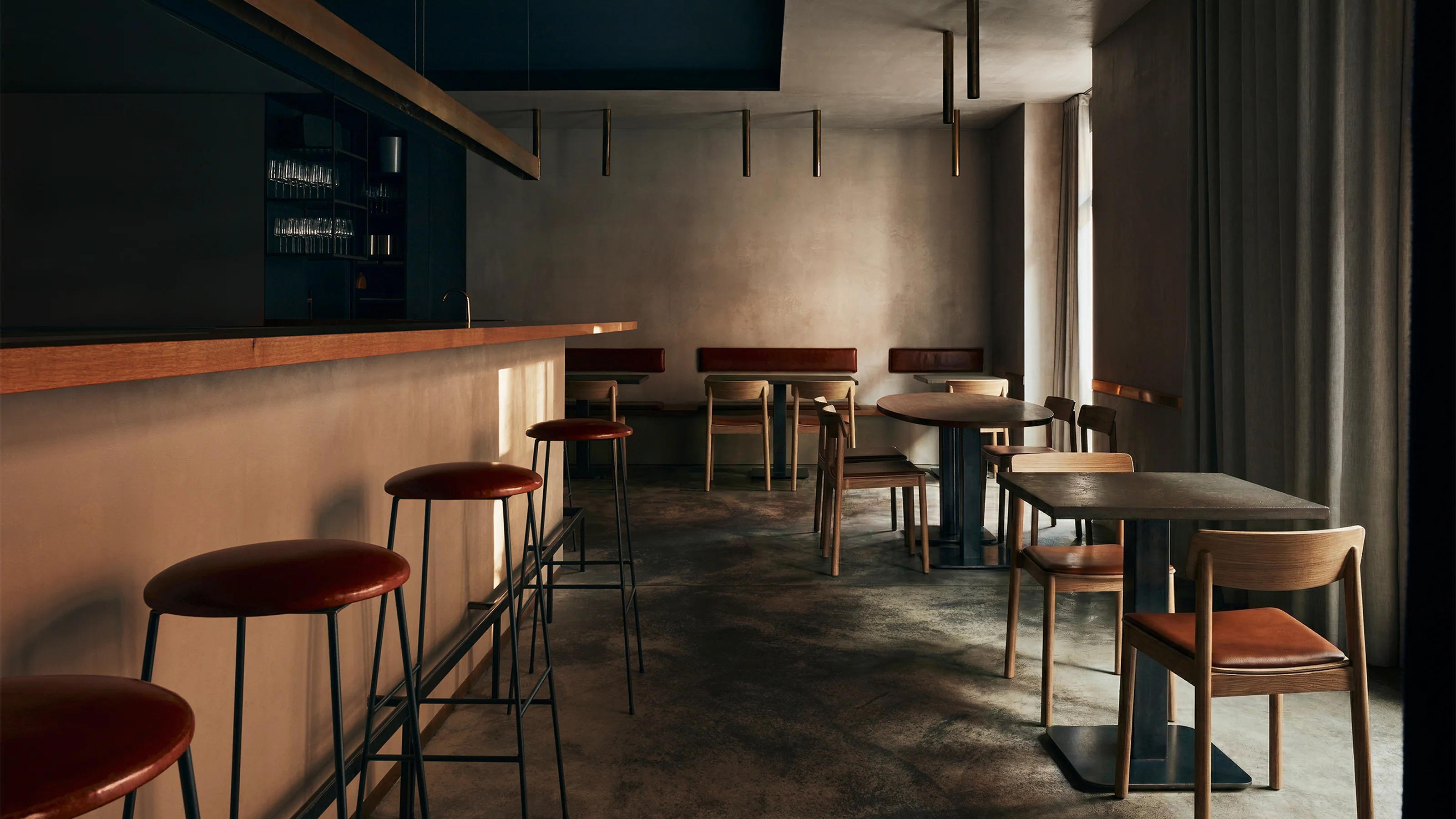
Bars in Berlin
All bars in Berlin →

Details
- Elegant
- Cozy
- Sophisticated
- Historic
- Intimate
- Date Night
- Special Occasion
- Historic Building
- Natural Wine
- Local Sourcing
- A La Carte
- Small Plates
- Natural Wine
- Vegetarian Friendly
- Vegan Options
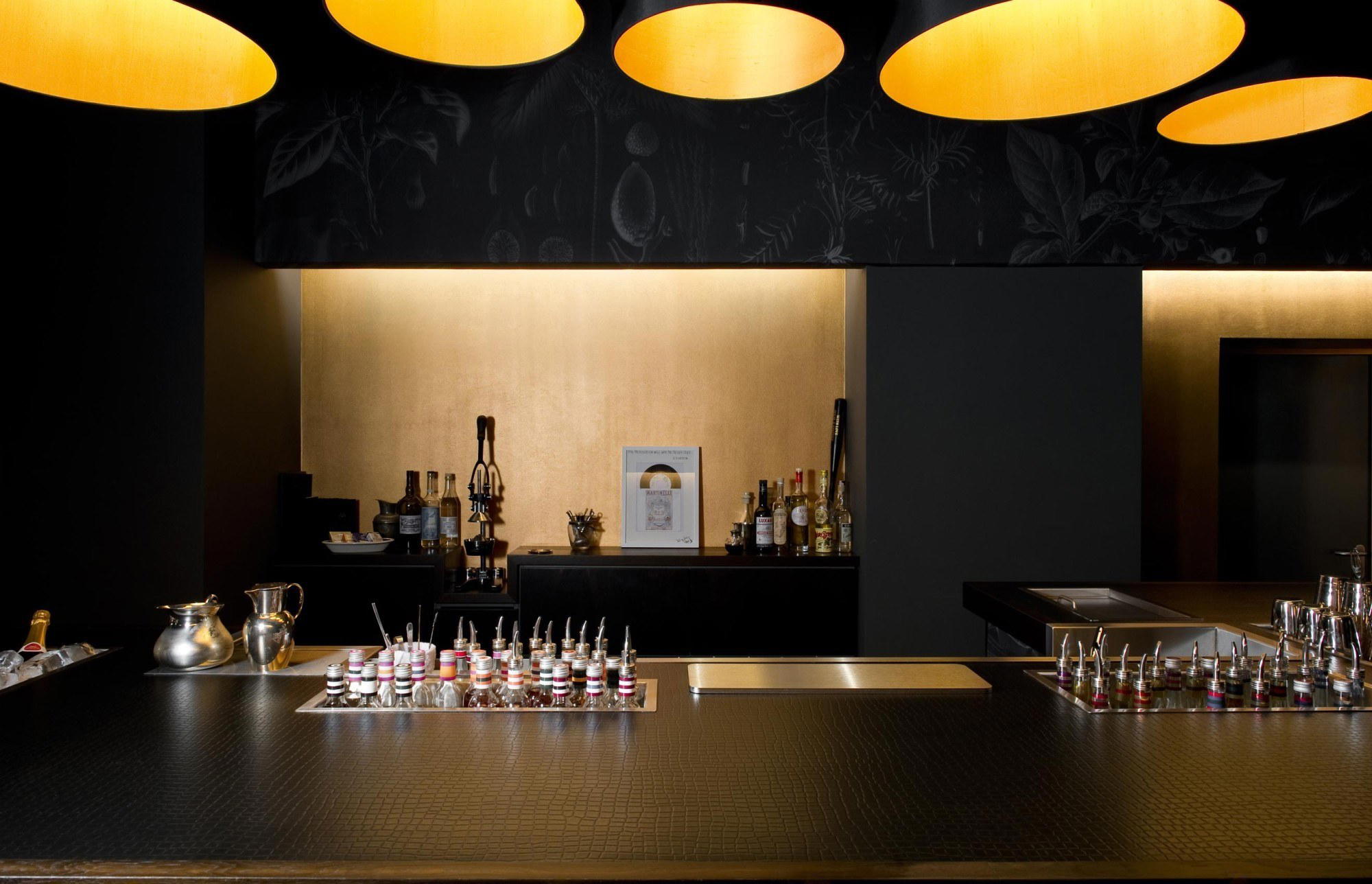
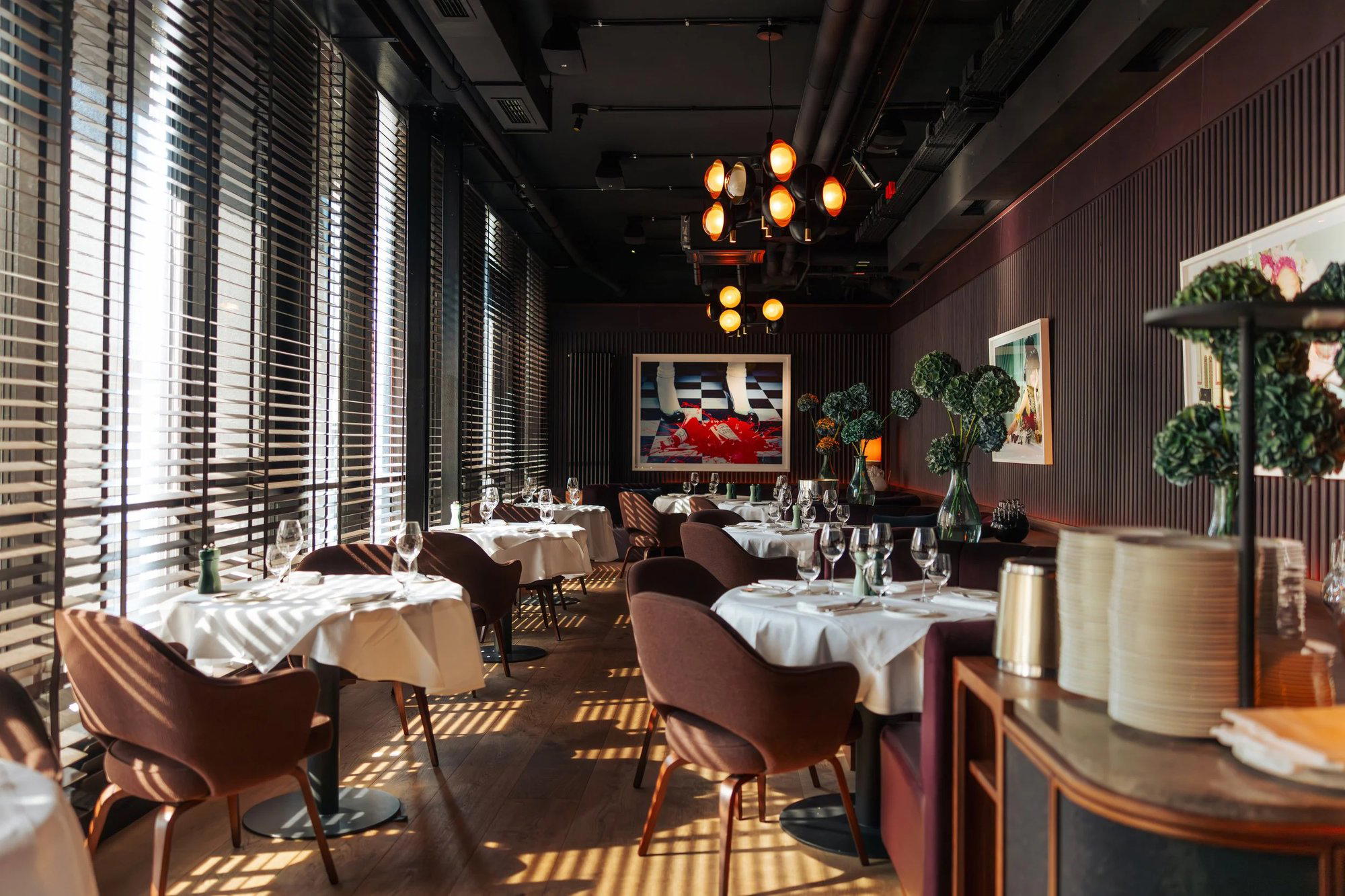
Beautiful blend of historic architecture with dramatic high wooden ceilings, gothic stained-glass windows, and contemporary artwork, creating an elegant yet relaxed atmosphere.