Rice Boulevard
Our verdict
Rice Boulevard runs through the heart of West University Place, one of Houston's most established residential enclaves, where a concentrated stretch of neighborhood dining has developed its own character distinct from the city's bigger dining corridors. The street anchors a local food scene that rewards repeat visits over destination hype, sitting squarely between Rice University and the Bellaire border.

Pearl is the En Primeur Club membership app — saves, bookings, and concierge access live there. Same editors, same standards.
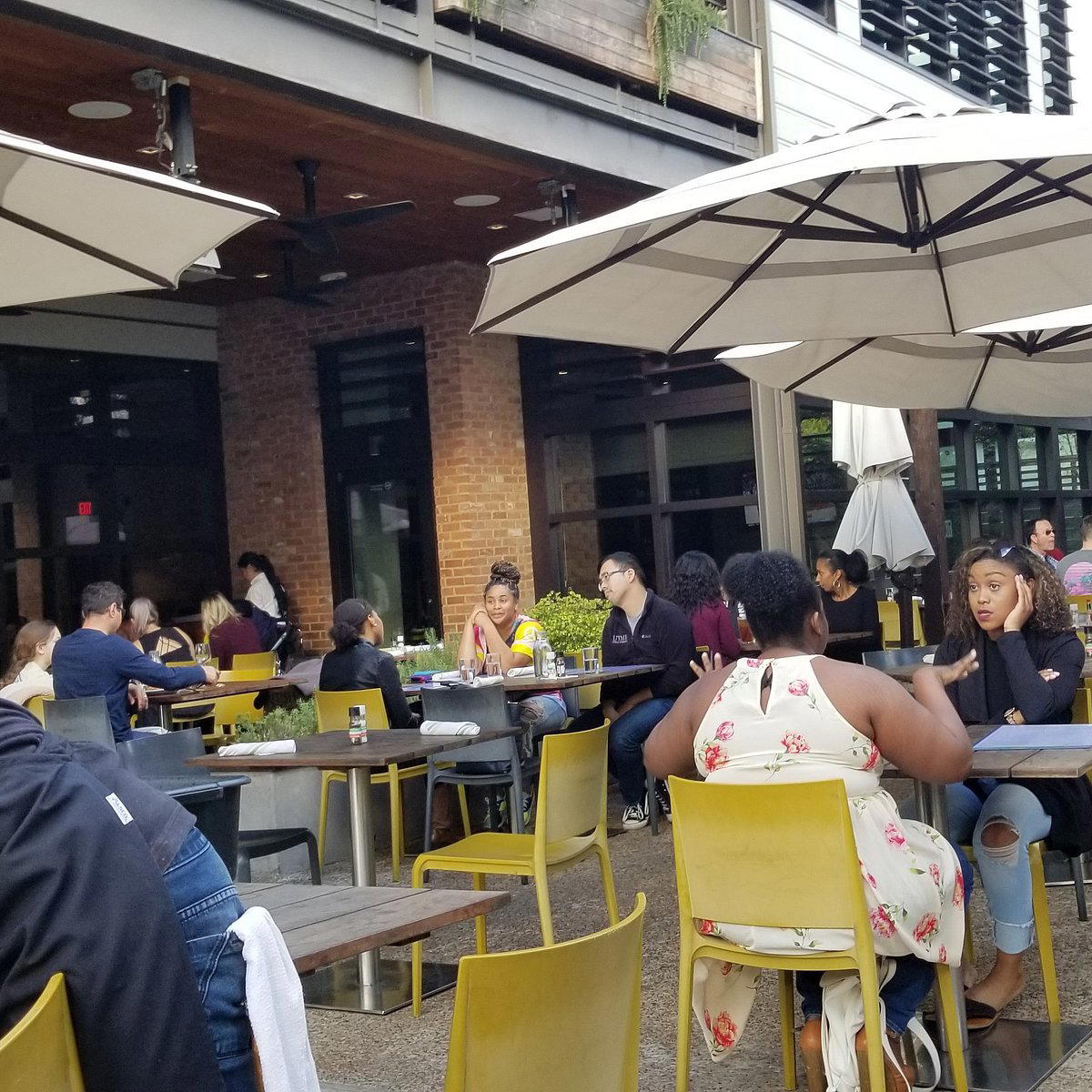
West University Place and the Street That Defines Its Table
Rice Boulevard moves through West University Place with the unhurried confidence of a neighborhood that has never needed to advertise itself. The streets here are shaded by mature oaks, the lots are deep, and the residents tend to eat close to home by choice rather than necessity. That disposition has shaped a dining corridor that reads less like a curated food district and more like a genuine local circuit: familiar operators, regular customers, and the kind of informal loyalty that only develops when a street becomes an extension of domestic life.
West University Place sits entirely within Houston's urban footprint but operates as an independent municipality, a detail that matters for understanding why its commercial strip has a different texture from Montrose or the Heights. Zoning is tighter, turnover is lower, and the restaurants that survive here tend to do so because they serve the neighborhood rather than draw from it as a backdrop. Rice Boulevard is the main artery of that arrangement.
A Neighborhood Dining Circuit, Not a Destination Strip
The distinction between a neighborhood dining street and a destination restaurant corridor is worth stating plainly. Destination corridors attract visitors from across a metro area and beyond; their restaurants price and position accordingly. Neighborhood streets like Rice Boulevard function on a different logic: the customer base is local, the occasions are weekly rather than annual, and the atmosphere calibrates to the rhythms of family dinner and casual weekday lunch rather than special-occasion ceremony.
That context shapes everything from format to price tolerance. The booking horizon is short, the format is accessible, and the measure of success is whether you come back next week.
Venues like Little Matt's and Tiny's No. 5 represent this pattern well: operators embedded in the neighborhood's daily routine rather than positioned for external attention. Osteria di Mercato brings a traditional Italian frame to the same local-first dynamic, an approach with clear precedent in how Italian-American neighborhood restaurants have anchored residential streets in cities from New York to Chicago for decades.
Cultural Roots and the Logic of Neighborhood Italian
The presence of a traditional Italian operator on a street like Rice Boulevard connects to a longer pattern in American urban dining. Italian cuisine, in its neighborhood register, has historically been one of the most durable formats for residential streets: moderate price points, broad menu legibility, and dishes built around pasta, sauce, and shared plates that translate across family configurations. The red-sauce trattoria and the neighborhood osteria occupy different rungs of that tradition, but both operate on the premise that regulars matter more than reviews.
West University Place's demographic profile, educated, professionally stable, with households that cook at home but also eat out frequently, maps well onto that tradition. The cuisine type that takes root on a street is rarely accidental; it reflects what the surrounding population reaches for when they want dinner without a project. Italian in this context competes less with the tasting-menu tier represented by venues like Smyth in Chicago or Atomix in New York City and more with the domestic alternative: cooking at home.
That is a harder competition to win on technical merit alone. Neighborhood restaurants survive it through consistency, familiarity, and the social function they serve as a third space between home and office. When the format works, the restaurant becomes part of how a neighborhood understands itself.
Houston's Wider Dining Geography and Where West U Fits
Houston's dining reputation has grown substantially over the past decade, driven largely by its inner-loop neighborhoods and the city's exceptional demographic range. The city's size means that culinary traditions from Vietnam, India, Mexico, and West Africa coexist at a density few American cities match. West University Place sits at the edge of that diversity, close enough to access it but operating with the homogeneity of a suburb that happens to be geographically central.
For visitors oriented toward destination dining, the comparison set for serious investment of time and money runs to properties like Providence in Los Angeles, Addison in San Diego, Blue Hill at Stone Barns in Tarrytown, or The Inn at Little Washington. Rice Boulevard operates at the opposite end of that axis: it is where people who live in West U eat on a Tuesday, not where out-of-town visitors plan a special-occasion reservation.
That is not a limitation so much as a different category of value. The farm-to-table ambition of Single Thread Farm in Healdsburg or the fermentation-forward commitment of Lazy Bear in San Francisco answers a different question than what Rice Boulevard answers. Both questions are legitimate; they just belong to different readers.
Planning a Visit: What the Street Rewards
Rice Boulevard rewards the visitor who arrives with neighborhood expectations rather than destination ones. The street is walkable from parts of West University Place and accessible by car from the Rice University campus and adjacent Southside Houston. Parking is generally available on side streets. The dining options cluster around the casual-to-informal register: expect counter service, table service without ceremony, and menus oriented toward families and small groups rather than couples seeking privacy.
For visitors building a broader Houston itinerary, our full West University Place restaurants guide maps the neighborhood's options in more detail. The street pairs logically with a visit to Rice University's campus or the nearby Museum District, both within a short drive. Reservations, where applicable, are unlikely to require more than a day or two of advance planning for most operators on this stretch.
Comparison dining in the wider region runs toward places like Emeril's in New Orleans for Gulf Coast context, or Frasca Food and Wine in Boulder and The Wolf's Tailor in Denver for the broader Southwest neighborhood-dining conversation. Internationally, the commitment to local sourcing and seasonal produce in venues like Atelier Moessmer Norbert Niederkofler in Brunico shows how far that philosophy can extend when given serious technical investment, a useful frame for understanding what the neighborhood-restaurant format looks like at its ceiling.
Rice Boulevard sits well below that ceiling by design. Its value proposition is proximity, regularity, and the specific comfort of a street that knows its audience and serves it without pretension.
Frequently asked questions
Is Rice Boulevard good for families?
West University Place is a family-oriented municipality, and the dining formats along Rice Boulevard reflect that residential character. Price points and service styles along the street align with everyday family use rather than special-occasion dining. The walkable layout within the 77005 zip code also makes it manageable with children in tow.
What should I expect atmosphere-wise at Rice Boulevard?
The atmosphere reads as residential-adjacent: low ambient noise, a regular local crowd, and none of the curated energy found on Houston's destination corridors like Montrose or the Heights. Operators here serve the neighborhood first, which keeps the tone relaxed and unpretentious. Visitors arriving with destination-strip expectations will likely find it underwhelming; those arriving with neighborhood expectations will find it comfortable.
What makes Rice Boulevard worth considering if you're based near Houston's Museum District?
Rice Boulevard in West University Place sits within a short drive of Houston's Museum District, making it a practical option for a low-key meal before or after a museum visit without competing for tables on busier destination streets. The 77005 zip code puts it closer to the Museum District than most inner-loop dining corridors. For visitors already in that part of Houston, it adds a neighborhood-scale alternative to the city's higher-profile options.
What do people recommend at Rice Boulevard?
The street's reputation within West University Place is built on consistent, accessible everyday dining rather than signature dishes that circulate in wider food media. Checking current operator listings for the 77005 area will give the most accurate picture of what is on offer.
How do I find Rice Boulevard?
Rice Boulevard is located at Texas 77005, West University Place.
How far ahead should I plan for Rice Boulevard?
The booking horizon for neighborhood-tier dining in West University Place is short by Houston standards. Most operators in this category accept walk-ins or same-day reservations, making Rice Boulevard a practical option for spontaneous meals rather than advance-planning territory. Peak weekend evenings may warrant a same-day call, but week-night availability is generally open.
What has Rice Boulevard built its reputation on?
Rice Boulevard's reputation is local rather than culinary in the broader Houston dining conversation. The street is known within West University Place as a reliable, walkable dining circuit serving one of Houston's more established residential communities. Its draw is consistency and proximity, not award recognition or destination-level operators.
Pricing, Compared
Comparable venues nearby, for context on price, style, and recognition.
| Venue | Cuisine | Price | Notes |
|---|---|---|---|
| Rice BoulevardThis venue — the venue you are viewing | Modern American with Wood-Fired Pizza | $20–30 | Not listed |
| Little Matt's | American Tex-Mex Comfort | $10–20 | West University Place, American Tex-Mex Comfort |
| Tiny's No. 5 | Modern American | $20–30 | West University Place, Modern American |
| Osteria di Mercato | Modern Italian Osteria | $50–100 | West University Place, Modern Italian Osteria |
| The Raven Grill | Southwestern Grill | Not listed | Montrose, Southwestern Grill |
| Local Foods | Locally-Sourced Sandwiches & Salads | $20–30 | River Oaks, Locally-Sourced Sandwiches & Salads |
Continue exploring
More in West University Place
Restaurants in West University Place
All restaurants in West University Place →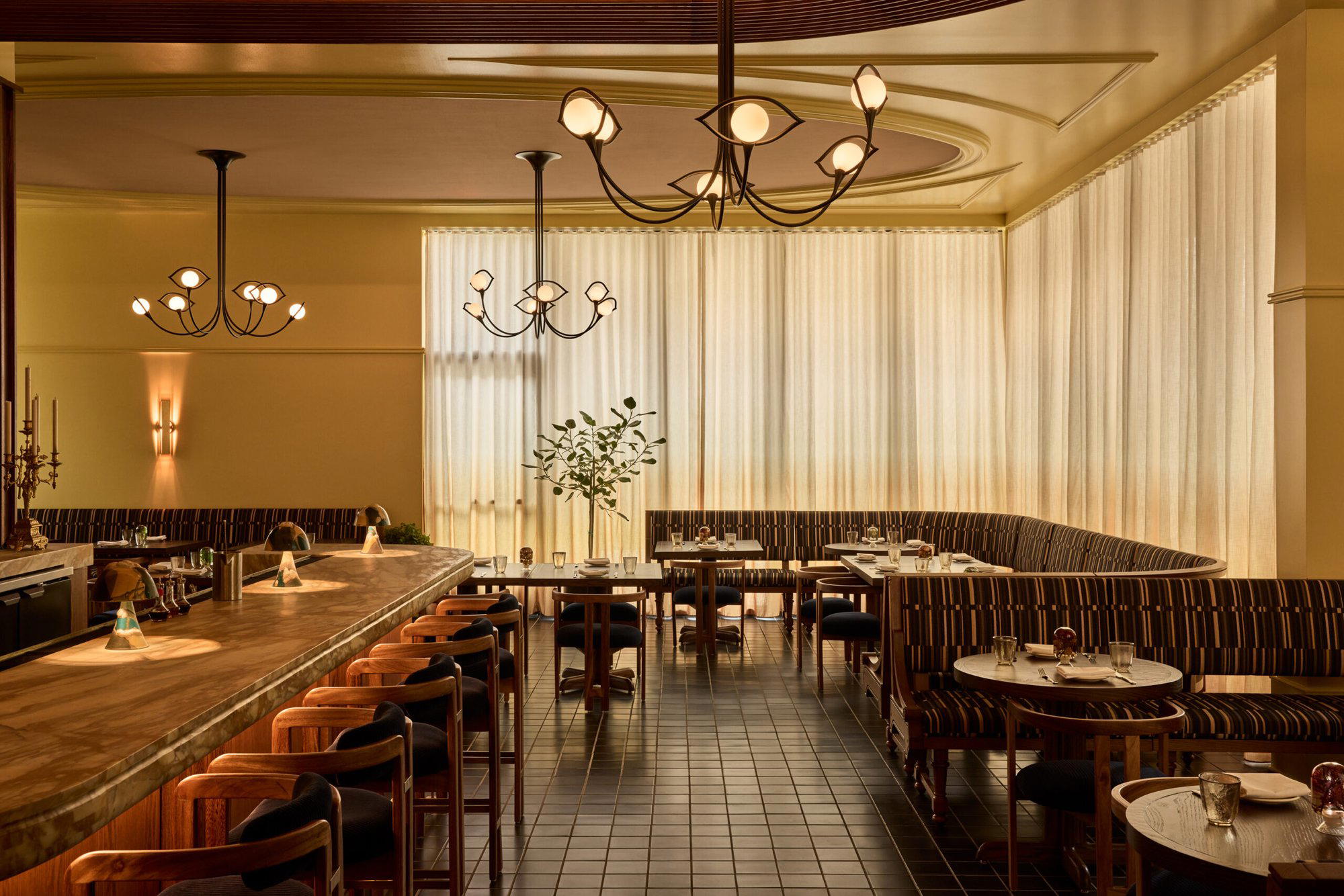
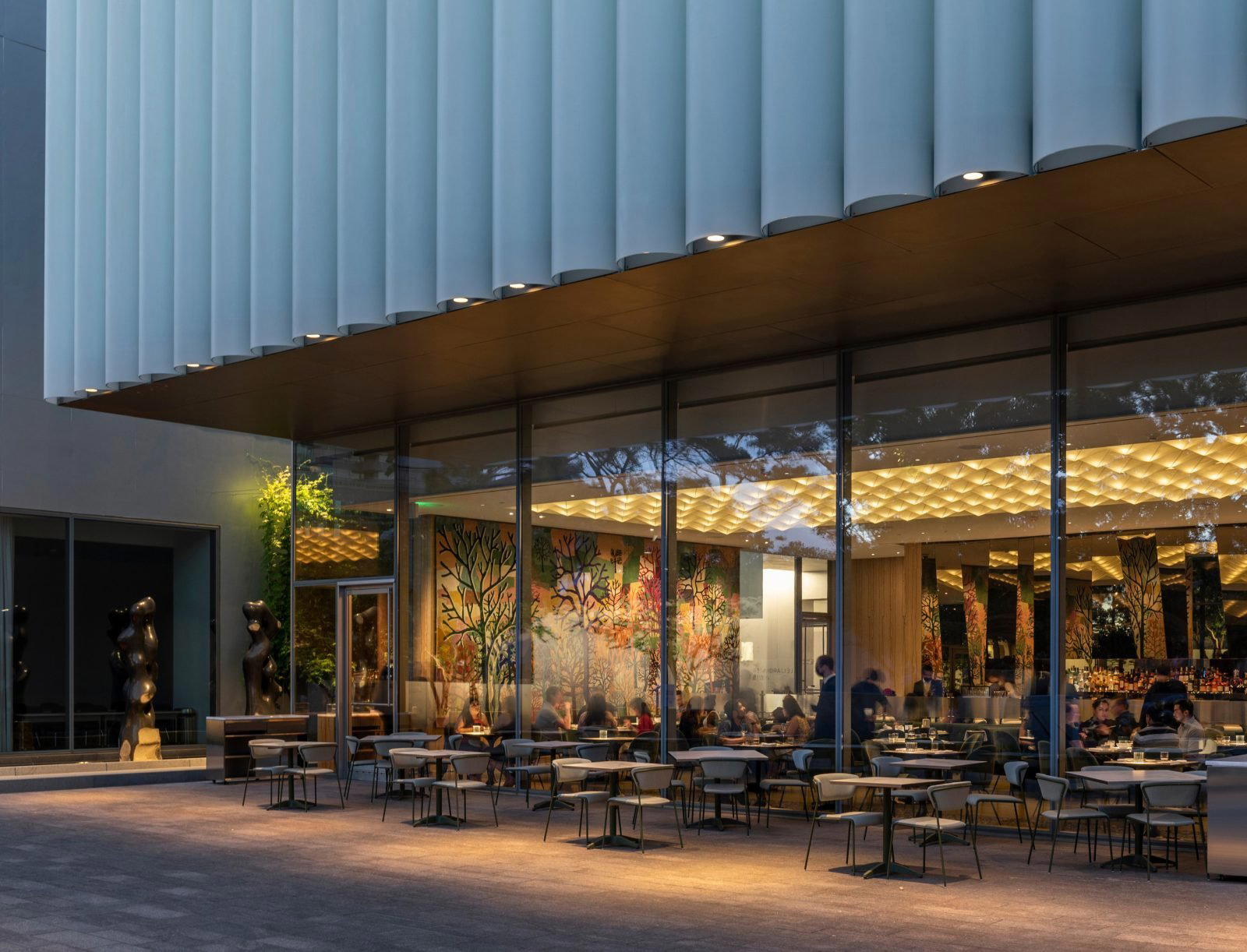
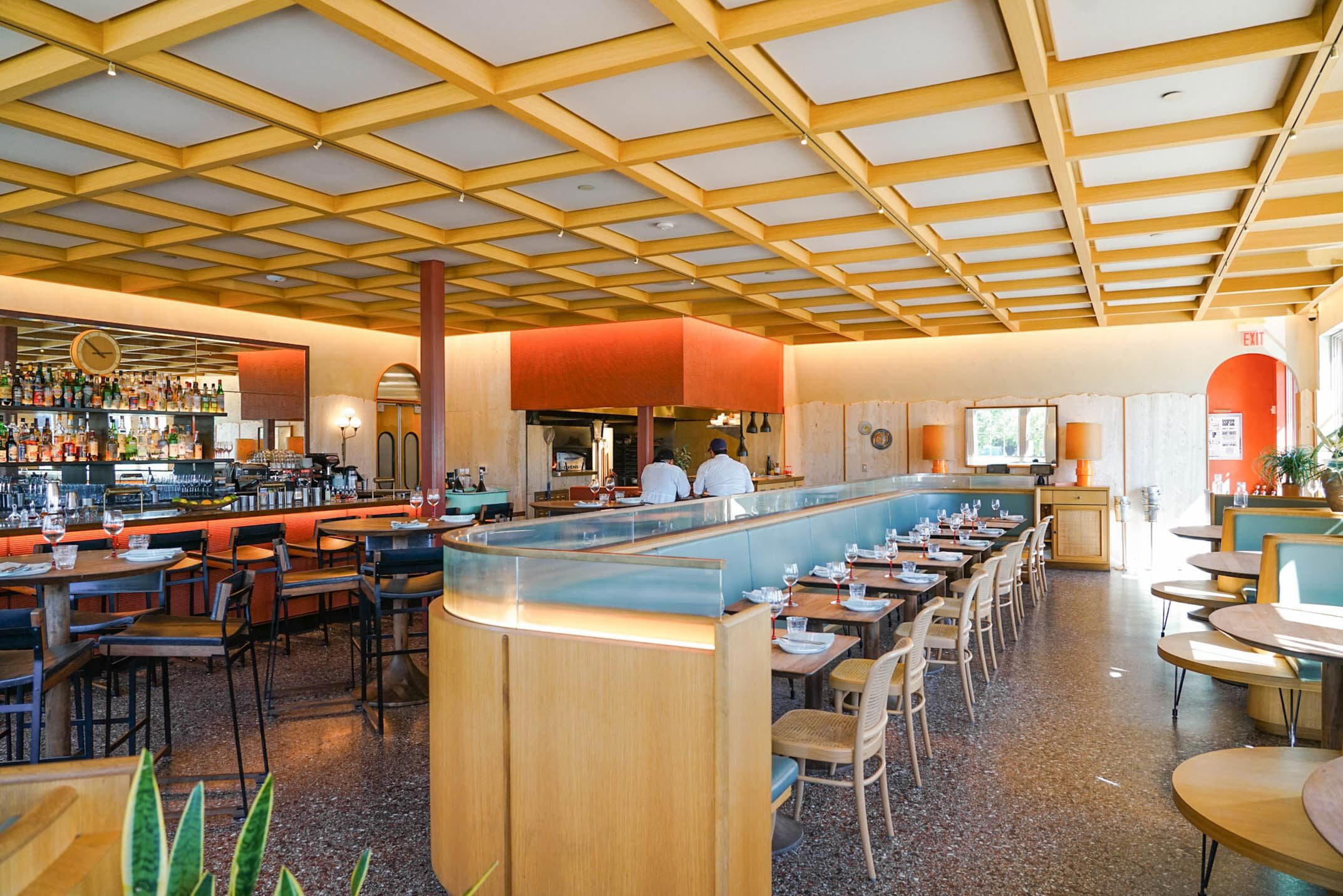
Bars in West University Place
Browse all →
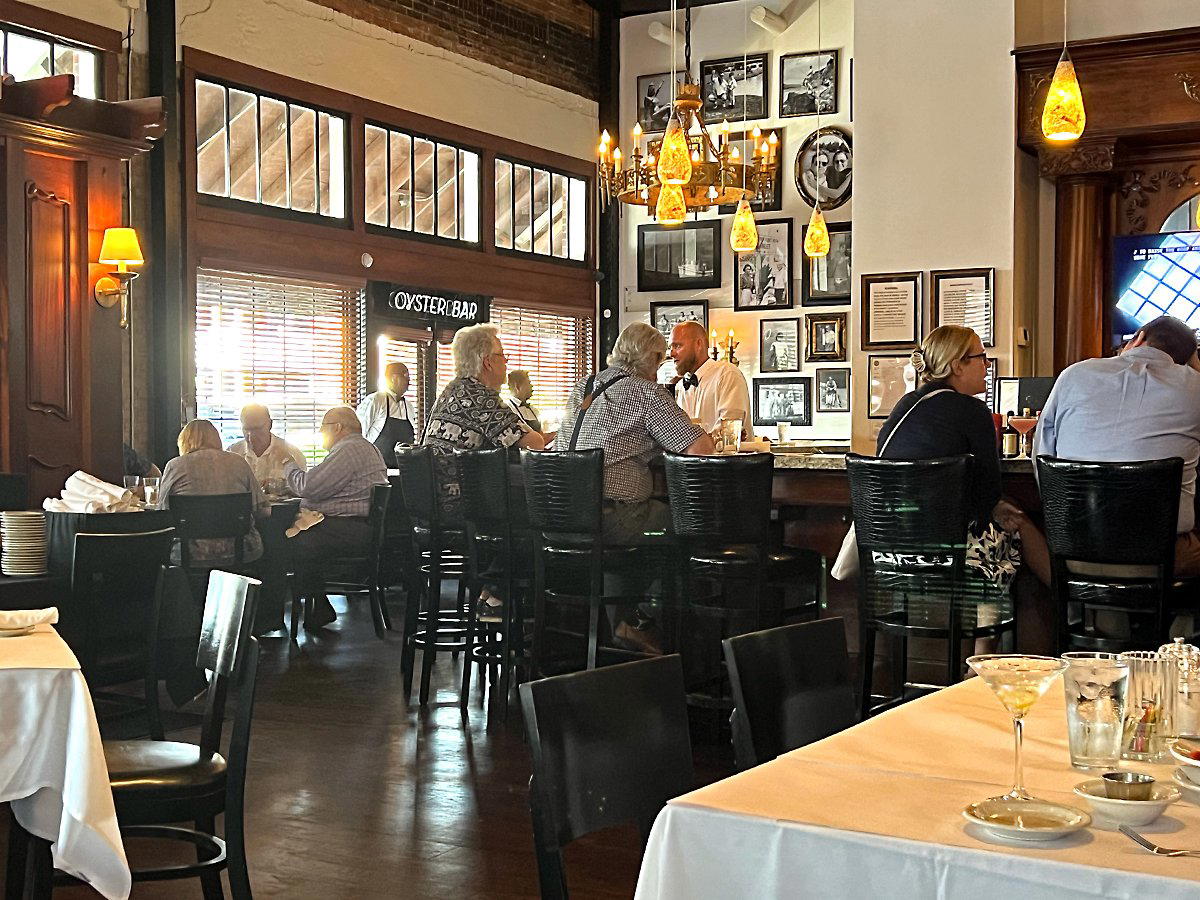
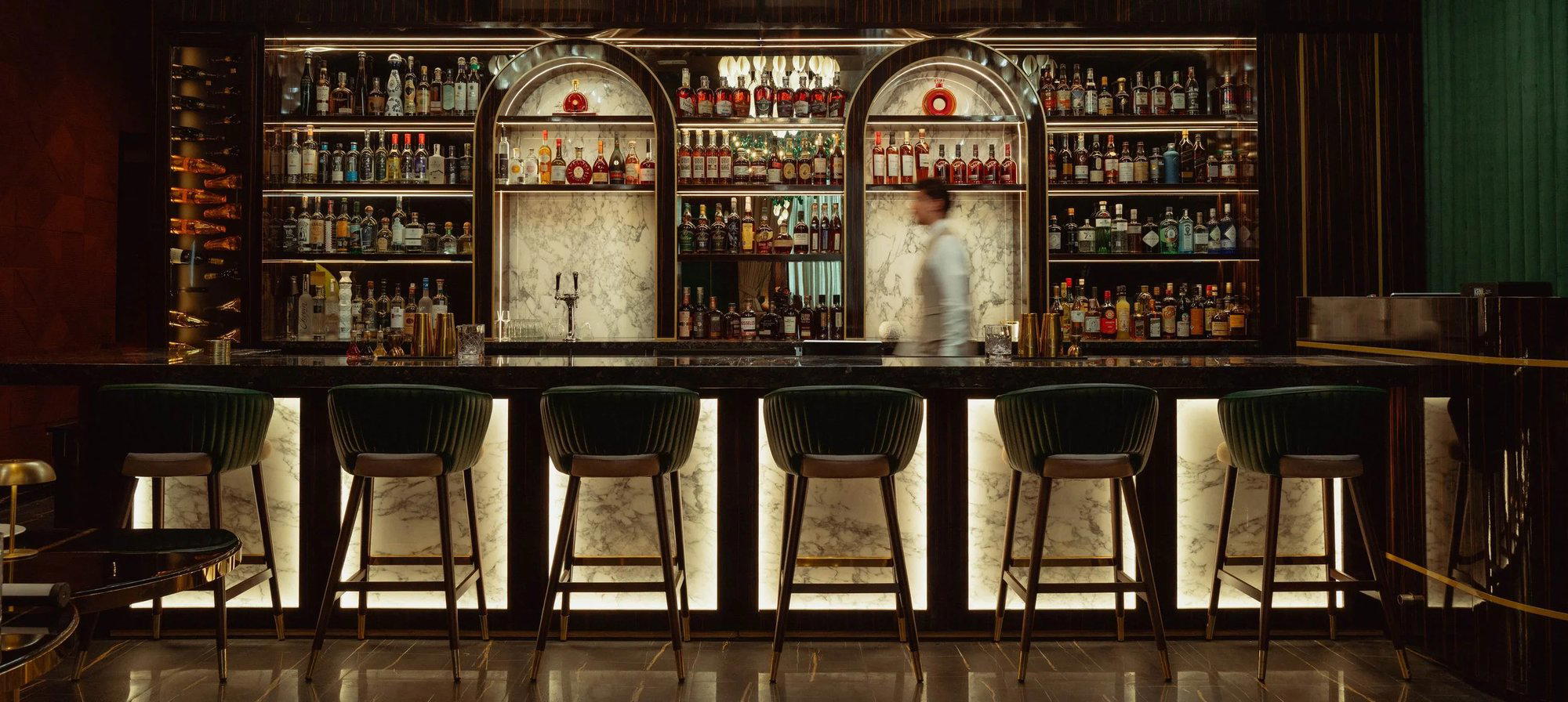
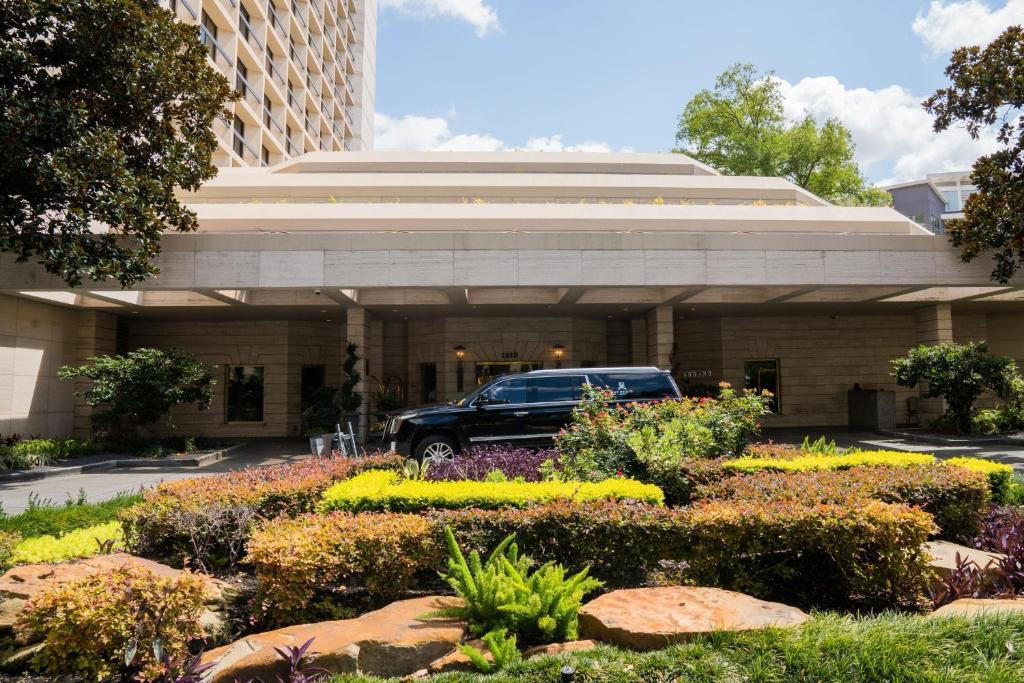
Hotels in West University Place
Browse all →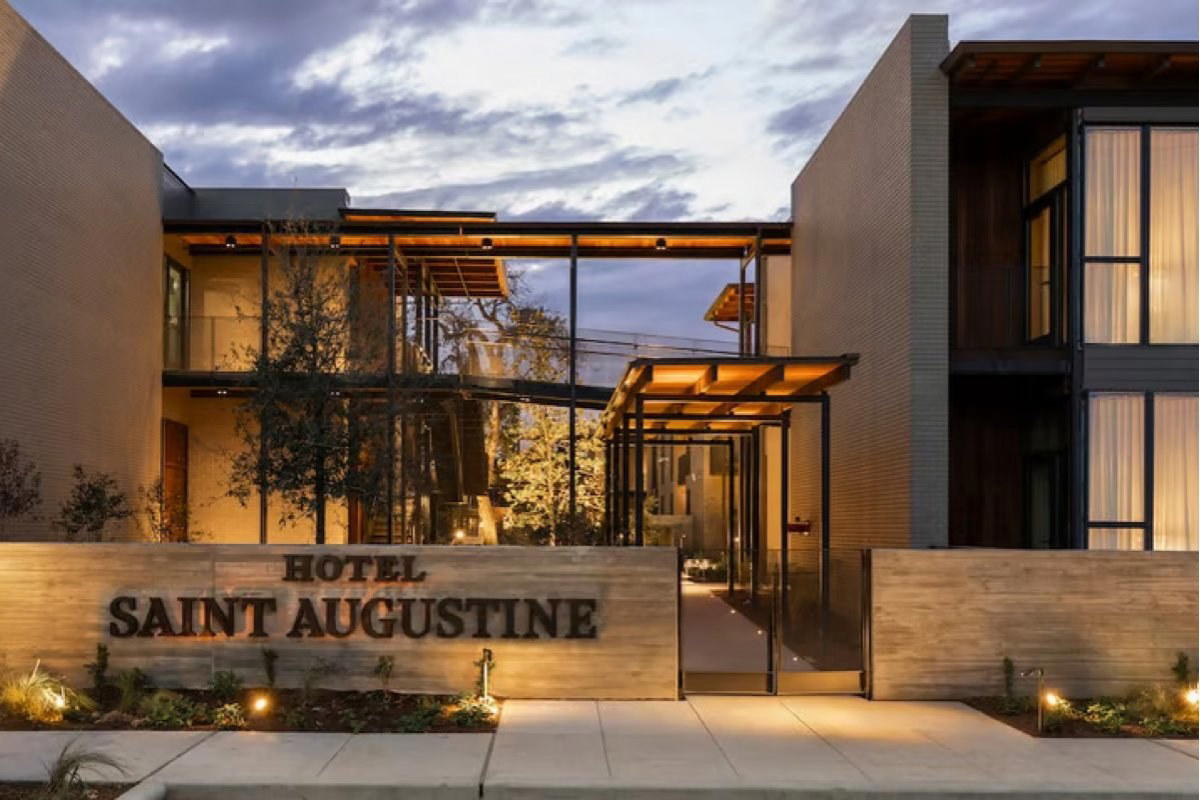
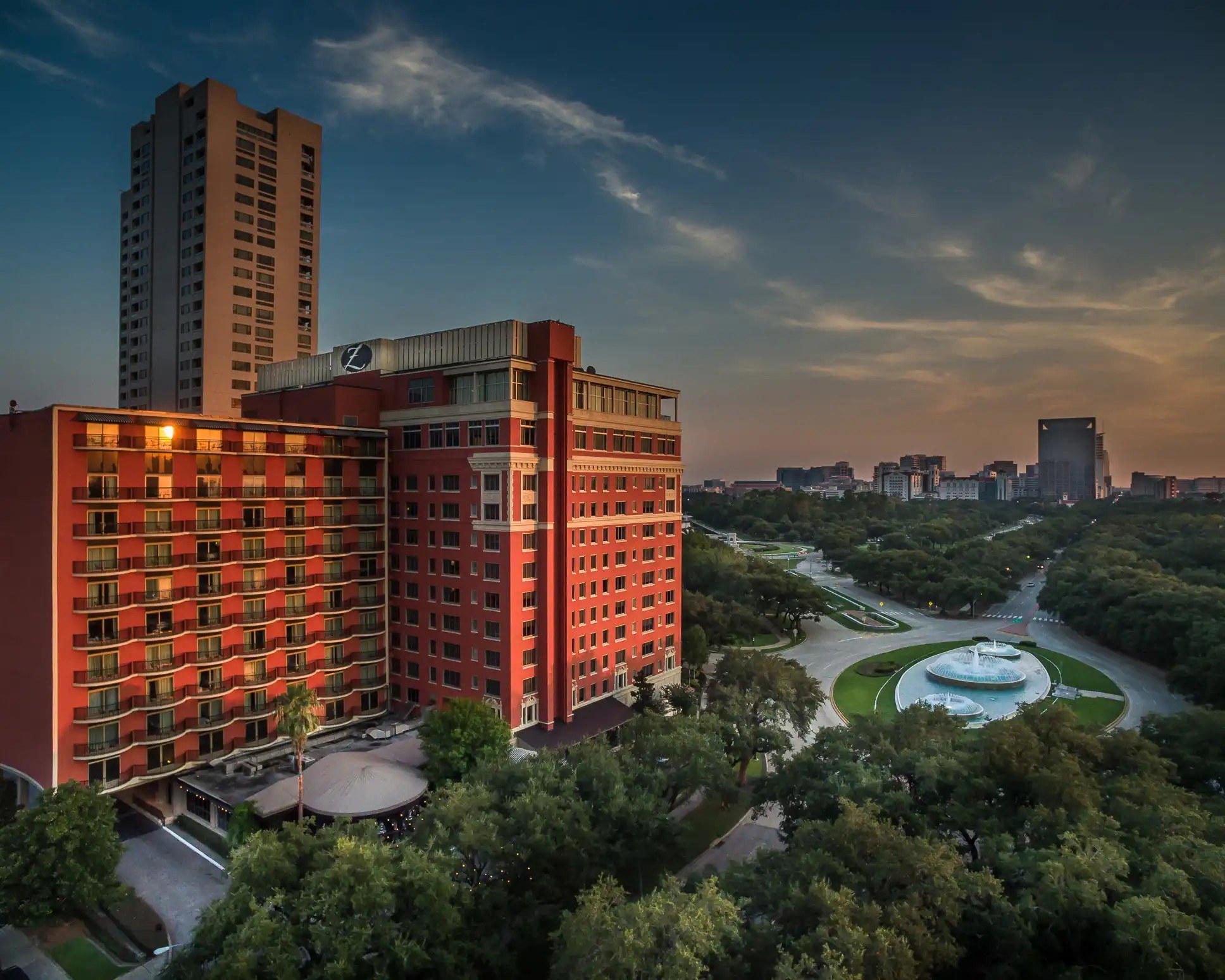
Wineries in West University Place
Browse all →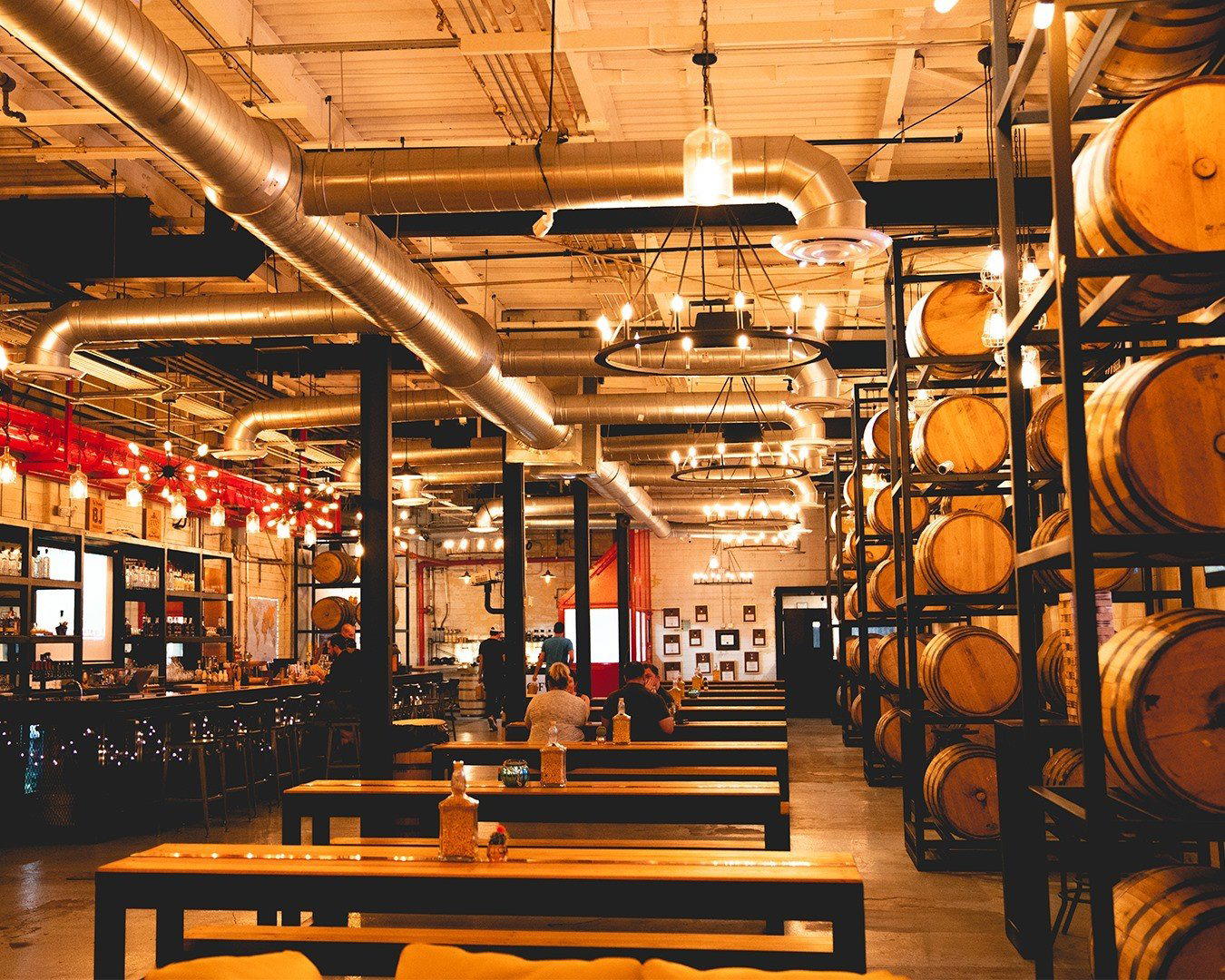
Details
- Casual
- Modern
- Lively
- Casual Hangout
- Group Dining
- After Work
- Terrace
- Open Kitchen
- Craft Cocktails
- A La Carte
- Small Plates
- Craft Cocktails
Current opening hours
- Monday
- 11 AM–9 PM
- Tuesday
- 11 AM–12 AM
- Wednesday
- 11 AM–12 AM
- Thursday
- 11 AM–12 AM
- Friday
- 11 AM–12 AM
- Saturday
- 11 AM–12 AM
- Sunday
- 11 AM–10:30 PM
Hours can change for holidays and private events. Last verified .
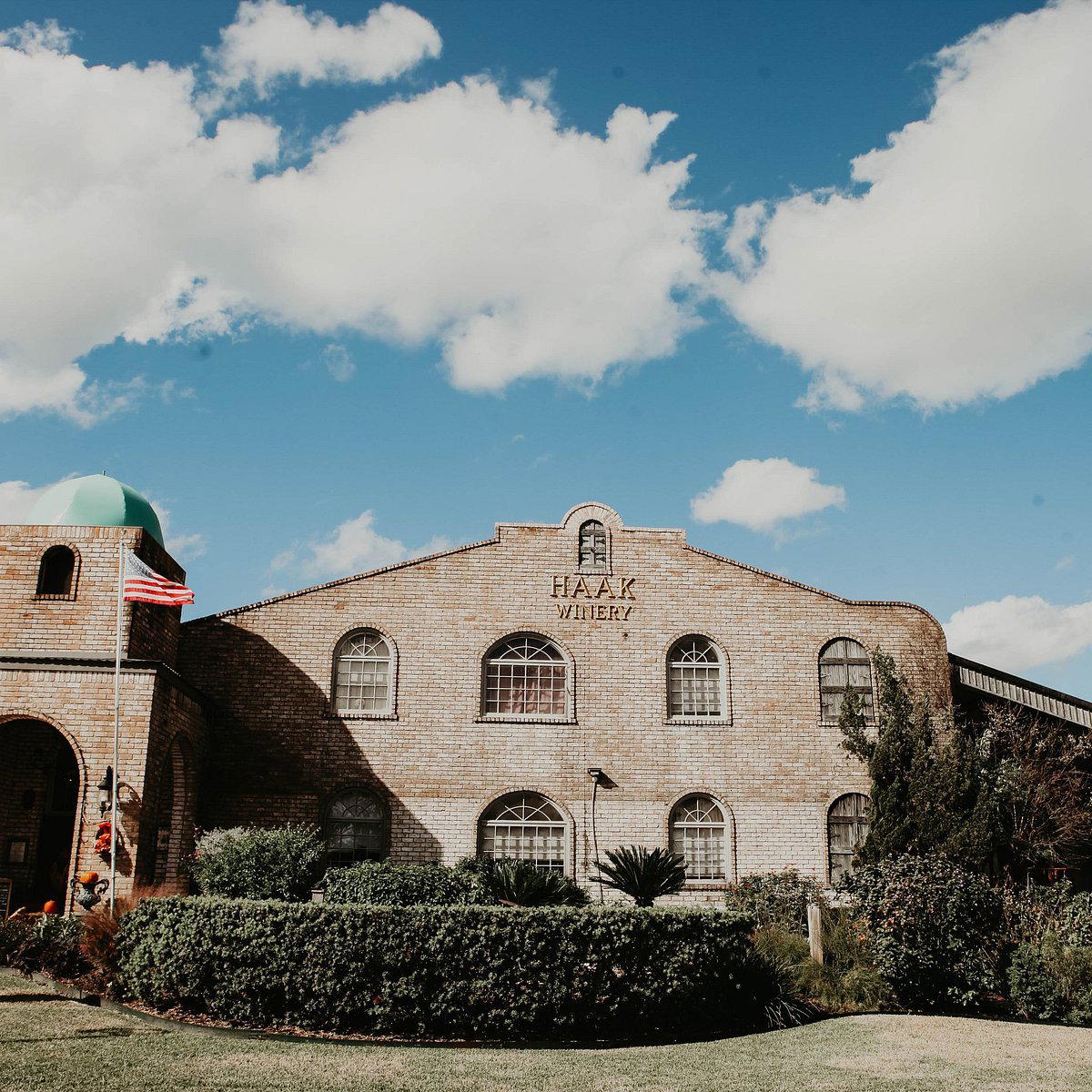
Contemporary casual atmosphere with natural oak tree surroundings and an upstairs terrace setting.