
A Michelin Plate-recognised seafood address on the port at Bacoli, Riccio delivers both a cooked fish selection and more technically ambitious preparations including dry-aged, smoked and preserved seafood.
Pearl is the En Primeur Club membership app — saves, bookings, and concierge access live there. Same editors, same standards.
- Address
- Via Molo di Baia, 47, 80070 Bacoli NA, Italy
- Phone
- +39 081 868 8617
- Website
- riccio.eatbu.com
- Directions
- Get directions
 Saves & bookings on Pearl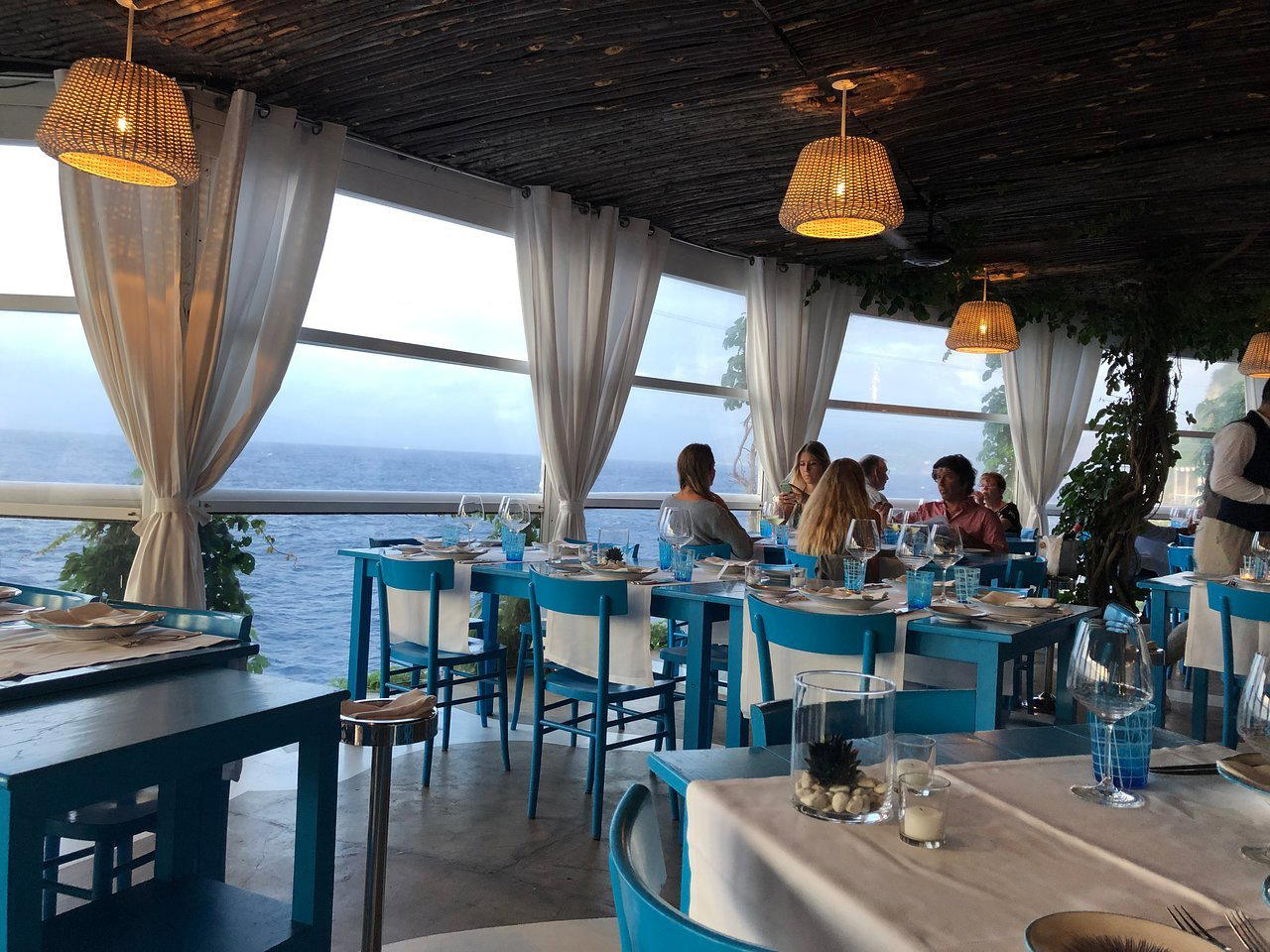
Harbour-Side Seafood on the Campi Flegrei Coast
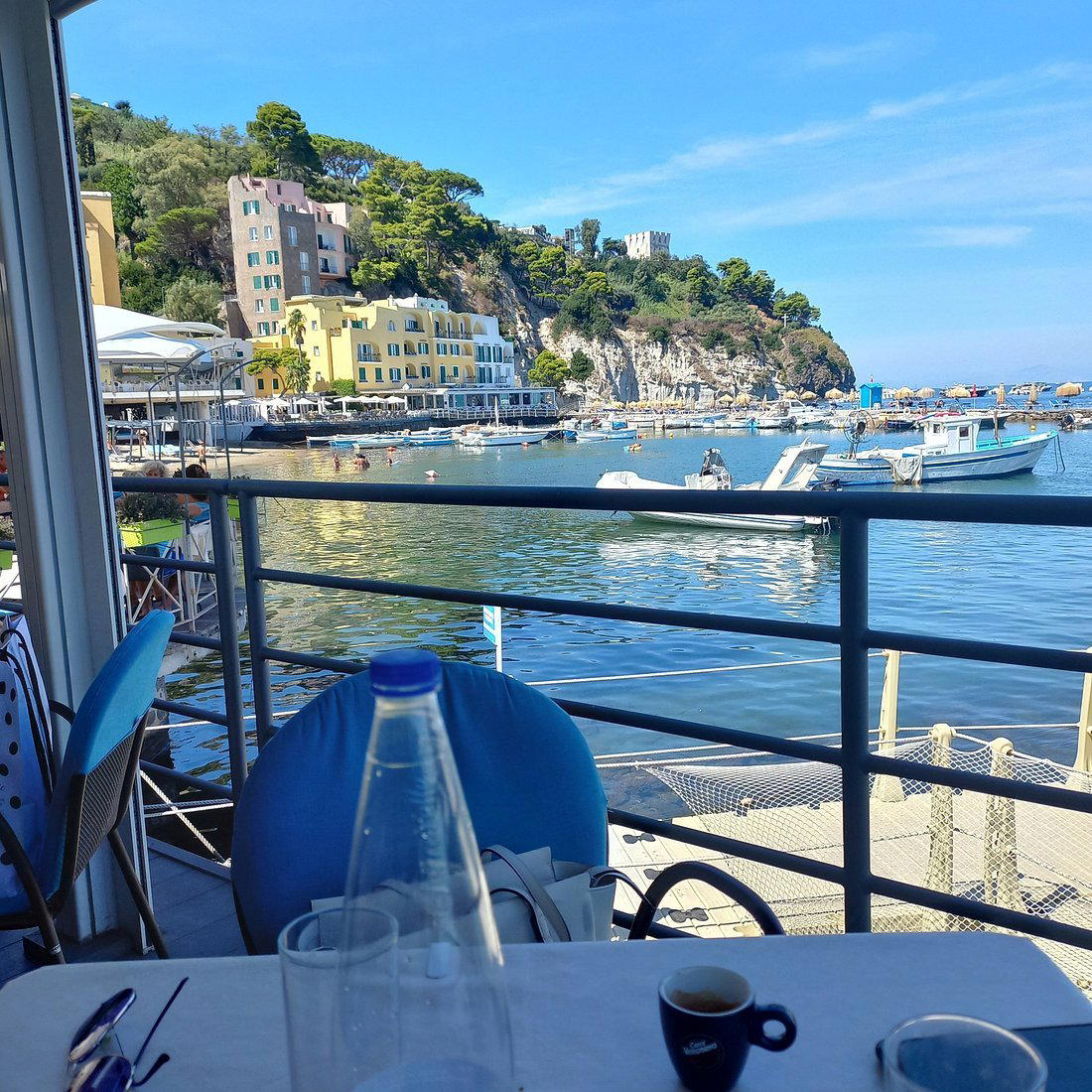
The port at Baia, on the outer arc of the Campi Flegrei peninsula, frames a particular kind of dining scene: working boats within sight of restaurant tables, catches traded metres from where they are cooked, and a clientele that comes as much for proximity to the water as for anything on the plate. Riccio Restaurant sits on Via Molo di Baia and belongs to this tradition of harbour-front fish cooking, though what distinguishes it from the broader cluster of waterside trattorias in Bacoli is a visible commitment to technical craft that goes beyond the fryer and the pasta pot.
Bacoli itself occupies an instructive position in Campanian dining. It is far enough from Naples to avoid the tourist-volume pressure that flattens menus elsewhere on the coast, and the Campi Flegrei area carries its own distinct culinary identity, rooted in both volcanic terroir and centuries of maritime trade. Riccio represents the category of address where the fisherman's vernacular and a more considered kitchen approach occupy the same counter.
The Raw Question: Craft at the Uncooked End of the Menu
The editorial angle on contemporary Italian seafood restaurants is often dominated by crudo culture, the idea that rawness and minimal intervention signal seriousness. That framing has become almost reflexive in coverage of coastal Campanian cooking, partly because the region's waters produce fish and shellfish that need little done to them. Riccio does offer a raw fish selection, and it would be direct to anchor a visit entirely in that section of the menu.
But the more considered reading of what this kitchen is doing puts the cooked fish selection first, which is where the Michelin inspector's note specifically directs attention. The recommendation to start with the cooked preparations before moving into classic seafood dishes is not a conservative suggestion. It reflects a broader shift in how Italian seafood kitchens are being assessed: the ability to apply heat, smoke, curing, and ageing with precision is increasingly read as a harder test of craft than the shucking counter alone. Raw preparation requires excellent sourcing and a clean hand; preserved and dry-aged fish requires those things plus a controlled environment, timing discipline, and a working knowledge of fermentation and maturation science.
Italy has a documented tradition of preserved fish, from the bottarga of Sardinia and Calabria to the colatura di alici that originates close to this coastline in Cetara, on the Amalfi side of the Sorrentine peninsula. The presence of dry-aged, smoked, and preserved fish and seafood on a mid-price menu in Bacoli signals that this kitchen is engaging with that lineage rather than treating preservation as a novelty technique borrowed from Nordic fine dining. For a comparative point of reference on how Italian seafood kitchens at the upper end of the price scale deploy similar techniques, Uliassi in Senigallia and Quattro Passi in Marina del Cantone offer useful benchmarks, though both operate at a substantially higher price point.
Reading the Menu Structure
The menu at Riccio moves through a logical progression. An opening cooked fish selection gives the kitchen an early opportunity to demonstrate range before the meal settles into more familiar territory. Classic seafood dishes, spaghetti with clams and fried fish among them, hold the structural middle of the menu. These are not filler: in Campania, the spaghetti alle vongole is a dish that carries genuine regional expectation, and the quality of the clam, the salinity of the pasta water, and the timing of the sauce reduction are all read closely by local diners who have eaten versions of this dish their entire lives.
The more original preparations, the dry-aged, smoked, and preserved options, function as a distinct register within the same meal. That these sit alongside rather than instead of the classics is a practical decision that suits the port setting and the mid-price format. It also reflects a broader pattern in Italian coastal cooking, where innovation tends to be additive rather than disruptive, layered over traditional structures rather than replacing them.
Raw fish option is present for those who want it, and the sourcing quality implied by the Michelin Plate recognition suggests it is handled with care. The Gambero Rosso in Marina di Gioiosa Ionica and Alici on the Amalfi Coast represent other Michelin-recognised Italian seafood addresses where the raw and cooked registers are managed with similar attention, providing useful comparison points for travellers mapping the southern Italian seafood circuit.
Recognition and Peer Context
A Michelin Plate in both 2024 and 2025 places Riccio in the tier of addresses the guide considers worth noting. For a mid-price seafood restaurant on a working port outside the main Neapolitan tourist circuit, consecutive Plate recognition is a meaningful signal. It indicates consistent kitchen standards across two inspection cycles, which at a mid-range price level requires particular attention to sourcing margins and execution discipline.
Google's aggregate score of 4.5 from 659 reviews adds a separate data layer. That volume of ratings on a harbour-side restaurant in a town of Bacoli's size points to a local and regional following rather than a purely tourist-driven operation, which tends to produce more volatile and often inflated scores. The convergence of Michelin recognition and a high-volume local audience suggests the kitchen is performing consistently across different types of diner.
Italy's most decorated seafood kitchens, from three-starred addresses like Osteria Francescana down through the regional fine dining tier represented by Reale in Castel di Sangro, operate at price points and ambition levels that are not directly comparable to Riccio. But they exist in the same national conversation about Italian cooking and technique, and the presence of a young chef deploying preservation and ageing methods in a mid-price harbour setting is part of the same wider movement toward technical seriousness across the full price spectrum. For broader comparison within the Italian fine dining context, Le Calandre, Piazza Duomo in Alba, and Enoteca Pinchiorri in Florence each illustrate how Italian kitchens at different price levels have incorporated preservation techniques over the past decade.
Planning a Visit
Riccio is a modern Italian seafood restaurant on Via Molo di Baia, 47, in Bacoli, within reach of the archaeological remains at Baia and the broader Campi Flegrei volcanic complex. The area draws a mixed audience of day-trippers from Naples, local Phlegraean families, and increasingly, travellers making a dedicated circuit of the coast's restaurant scene. The price point sits around $75 per person, making it viable as a lunch stop between sites or as the main event of a half-day in the area.
For visitors extending their stay in the area, our full Bacoli hotels guide maps accommodation options, while the bars guide covers where to drink before or after. Travellers with an interest in the region's wine production can reference our Bacoli wineries guide, and the experiences guide covers the archaeological and volcanic attractions that give this coastline its particular character. For a complementary seafood perspective in Bacoli, Caracol offers a Mediterranean-focused alternative worth considering on the same trip.
What Should I Order at Riccio Restaurant?
Start with the cooked fish selection. This is where the kitchen makes its clearest argument, and the dry-aged, smoked, and preserved preparations that appear among the more original dishes are particularly instructive expressions of the young chef's technical range. Classic dishes, including spaghetti with clams, anchor the middle of the meal and reflect the deep Campanian tradition this kitchen works within. The raw fish option is available for those who prefer it, and the sourcing quality that supports the cooked menu applies equally there. Both registers are available; the cooked route is the more revealing one.
Booking and Cost Snapshot
Comparable venues nearby, for context on price, style, and recognition.
| Venue | Cuisine | Price | Awards | Notes |
|---|---|---|---|---|
| Riccio RestaurantThis venue — the venue you are viewing | Baia, Modern Italian Seafood | $$$ | Michelin Plate | Not listed |
| Caracol | Not listed | $$$$ | Michelin 1 Star | Bacoli, Modern Italian Seafood Fine Dining |
| Casamare | Not listed | $$$ | Michelin Plate | central Salerno, Refined Seafood with Campania Traditions |
| Livello 1 | Ardiatino, Modern Seafood | $$$ | Michelin Plate | Not listed |
| A' Paranza | Atrani, Traditional Amalfi Coast Seafood | $$ | Michelin Plate | Not listed |
| Acciuga | Monte Mario, Modern Italian Seafood | $$$ | Michelin Plate | Not listed |
Recognition history
Dated appearances from independent guides and award organizations, with the underlying list record or original source where available.
Michelin Plate
Michelin
Michelin Plate
Michelin
Michelin Plate
Michelin
Continue exploring
More in Bacoli
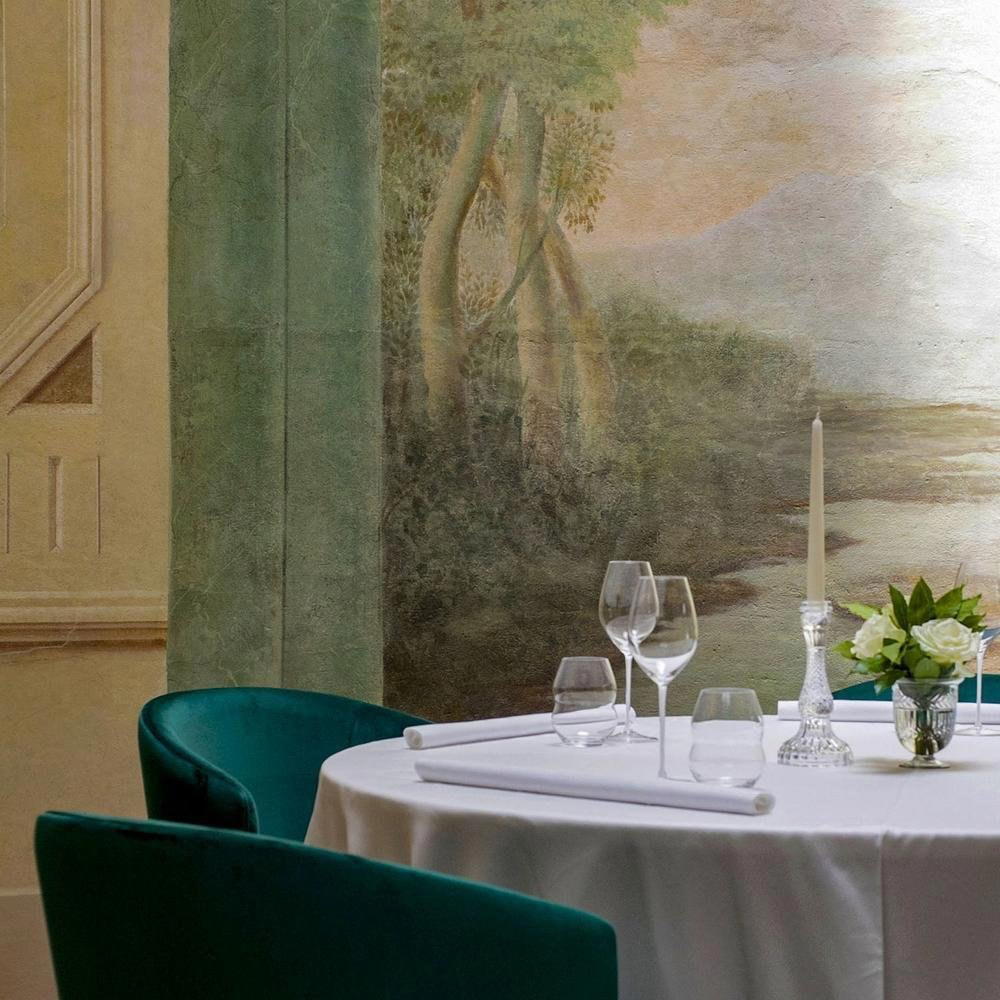
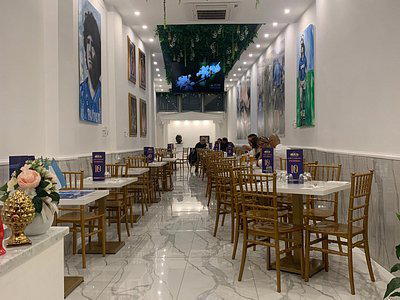
Restaurants in Bacoli
Browse all →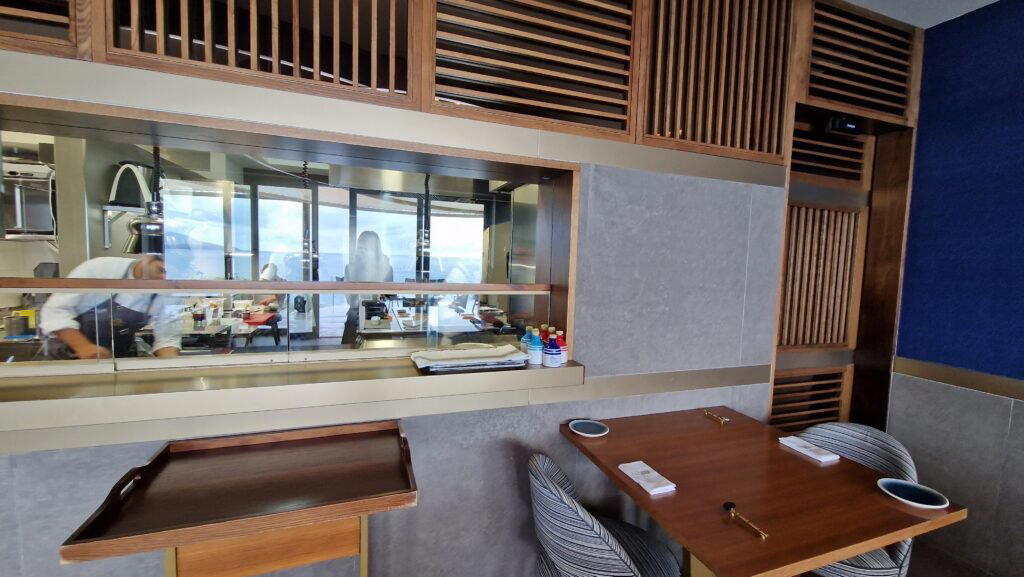
Bars in Bacoli
Browse all →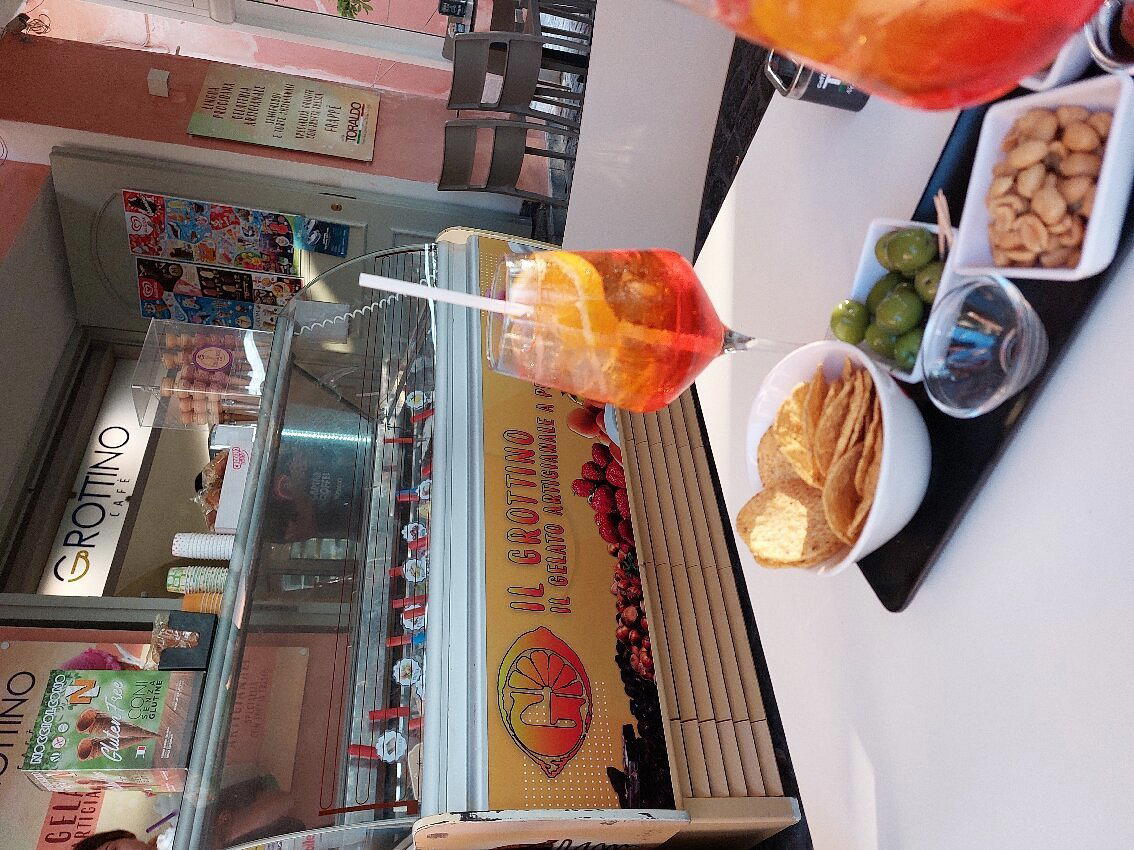
Hotels in Bacoli
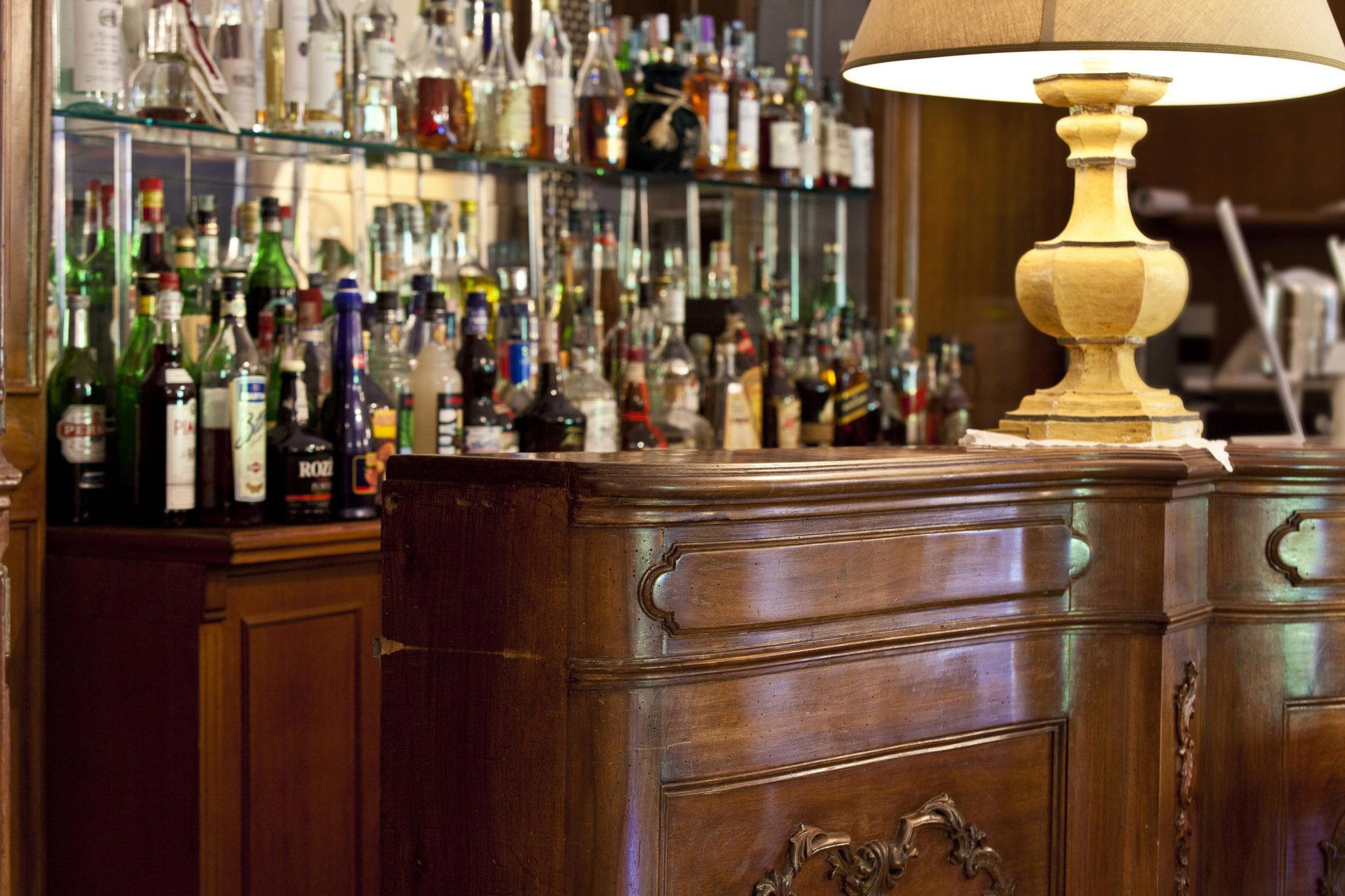
Browse all →
At a Glance
- Elegant
- Romantic
- Scenic
- Intimate
- Date Night
- Special Occasion
- Waterfront
- Open Kitchen
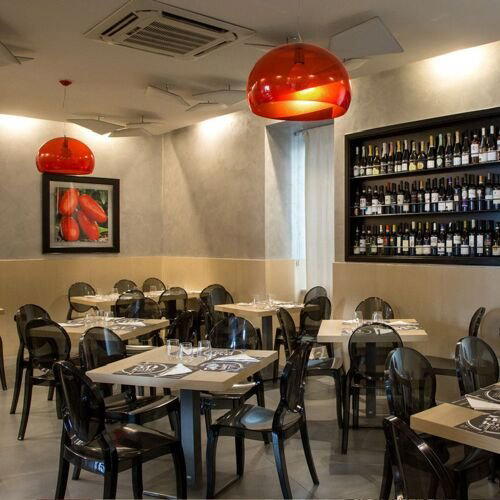
- Extensive Wine List
- Waterfront
- Street Scene
Current opening hours
- Monday
- 12:30–3:30 PM, 7:30–11 PM
- Tuesday
- 12:30–3:30 PM, 7:30–11:30 PM
- Wednesday
- Closed
- Thursday
- 12:30–3:30 PM, 7:30–11:30 PM
- Friday
- 12:30–3:30 PM, 7:30–11:30 PM
- Saturday
- 12:30–3:30 PM, 7:30–11:30 PM
- Sunday
- 12:30–4:30 PM
Hours can change for holidays and private events. Last verified .
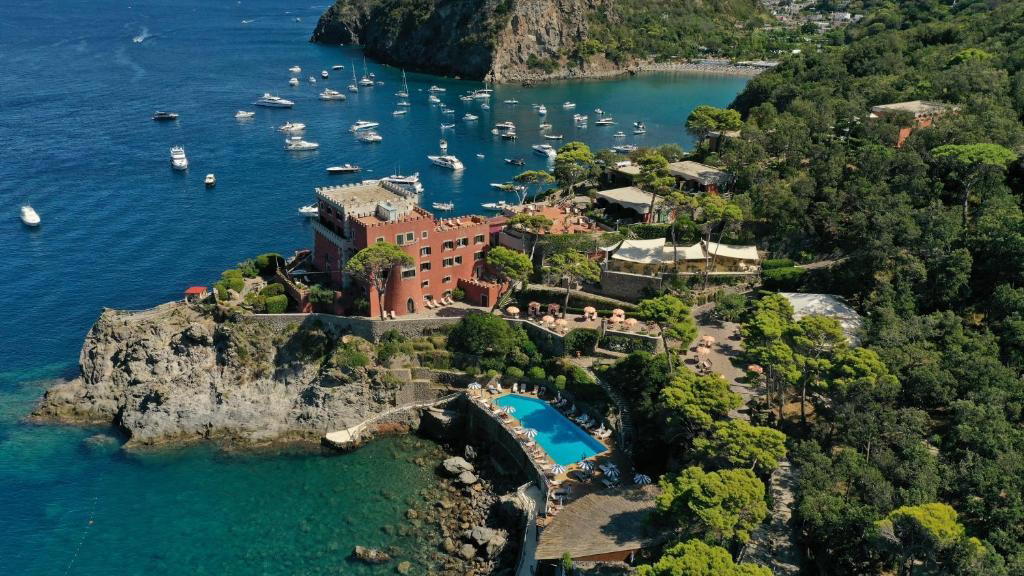
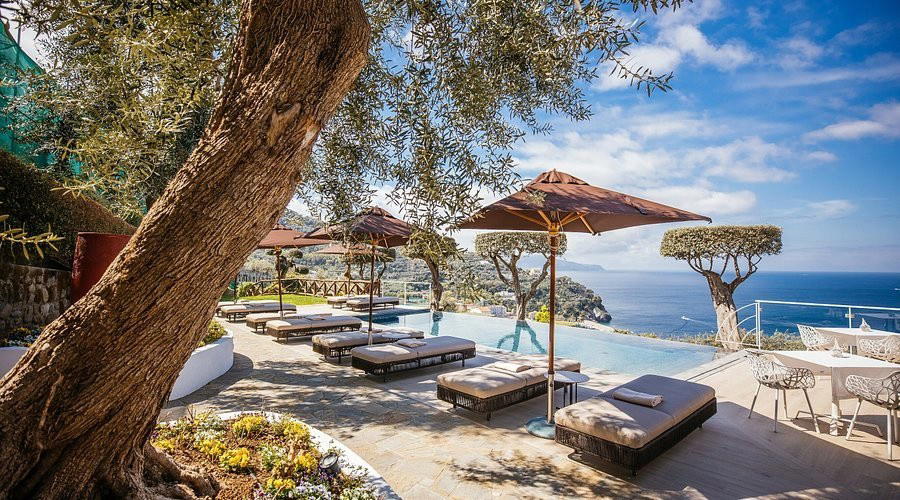
Refined portside atmosphere with sea views from outdoor platforms, attentive service, and a welcoming yet sophisticated dining environment.