Restaurante Suki
Our verdict
Restaurante Suki occupies a small address on Rua Diário dos Açores in central Ponta Delgada, positioning itself within the city's growing appetite for Asian-inflected dining. On an island where the default plate runs to grilled fish and cozido das Furnas, Suki represents a distinct counter-current. Visitors should verify hours and booking arrangements directly before visiting.

Pearl is the En Primeur Club membership app, where members save venues, book tables and use the concierge.
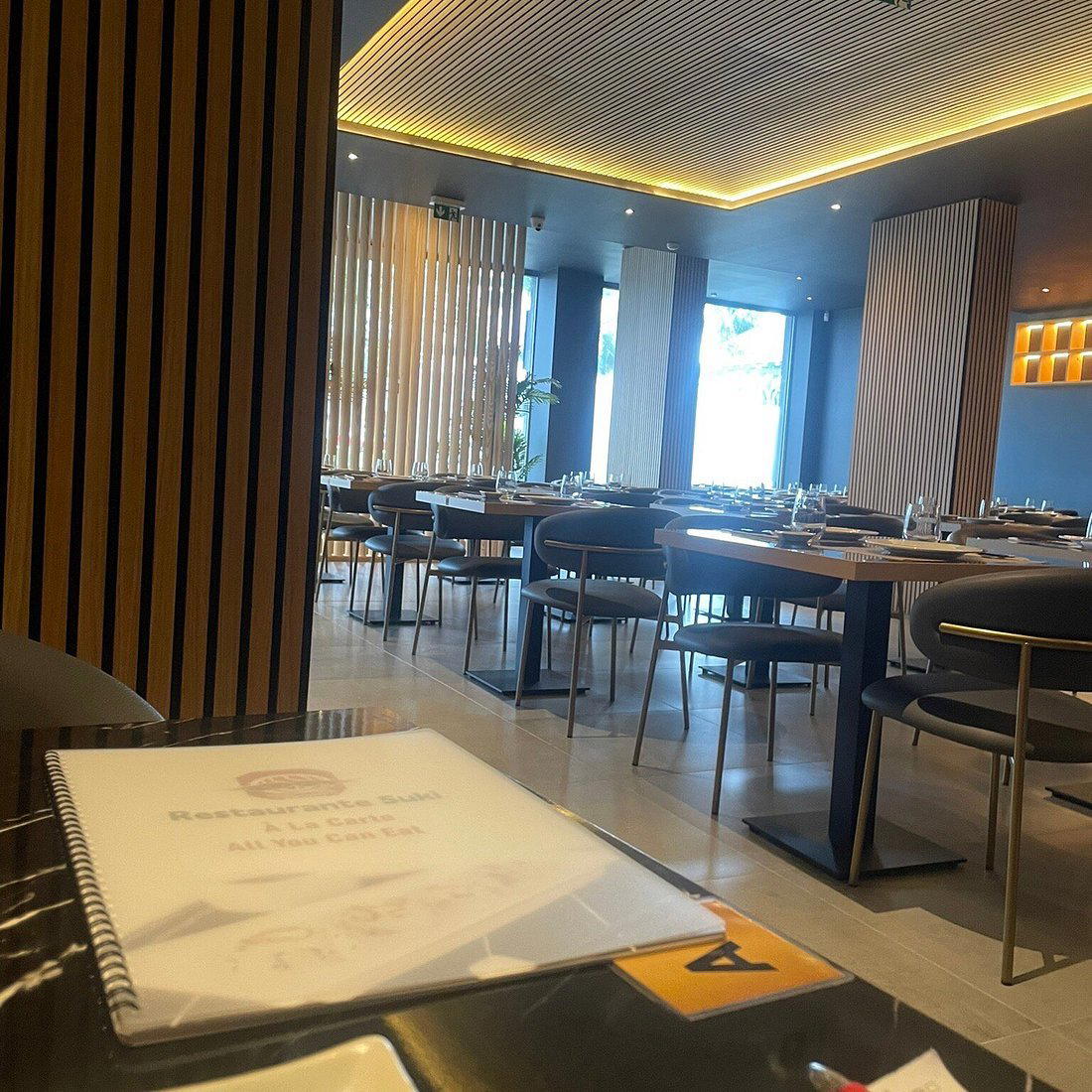
Asian Dining in the Mid-Atlantic: What Suki Represents on São Miguel
Ponta Delgada sits at a geographic crossroads that its restaurant scene is only beginning to reflect. The Azores were a Portuguese trading stopover for centuries, and the islands absorbed culinary influences at a slower pace than Lisbon or Porto. Today, the city's dining is dominated by the produce-forward traditions of the archipelago: limpets grilled with garlic and butter, slow-cooked cozido prepared in volcanic calderas, fresh tuna landed the same morning. Into that context, the emergence of Asian-format restaurants on São Miguel reads as something more than trend-following. It signals a maturing visitor economy and a local appetite for variety that didn't exist at meaningful scale a decade ago.
Restaurante Suki, at Rua Diário dos Açores 20 in central Ponta Delgada, sits within that shift. The address places it in a walkable stretch of the city, close enough to the waterfront and the main commercial streets to draw both visitors staying nearby and residents who have discovered the offer. On an island where sushi and broader Japanese or pan-Asian formats remain a minority proposition, the restaurant occupies a specific niche: a category of dining that positions itself against local tradition rather than alongside it.
The Cultural Weight of Asian Cuisine on a Portuguese Atlantic Island
To understand what a restaurant like Suki means in Ponta Delgada, it helps to understand the city's relationship with culinary tradition more broadly. The Azorean kitchen is deeply conservative in the leading sense: it protects local ingredient quality, resists substitution, and treats the volcanic geography as a defining element of flavour. Thermal-cooked meat, dairy from pasture-fed cattle, and seafood caught within sight of the harbour constitute a serious regional canon. This is a food culture with genuine stakes, not simply a backdrop for tourism.
Pan-Asian dining formats, by contrast, operate on different logic. Sushi, in particular, has developed a global grammar: the omakase counter, the casual conveyor-belt format, the mid-market hybrid that borrows techniques and presentations without strict adherence to any single tradition. In European island contexts with limited ingredient supply chains, the quality ceiling for Asian-format restaurants is partly set by logistics rather than skill alone. What arrives fresh, what is sourced locally, and how the kitchen adapts its approach to what São Miguel can realistically supply are the questions that determine the actual experience.
Elsewhere in Portugal, the conversation around formal dining and international culinary traditions is more developed. Belcanto in Lisbon and Antiqvvm in Porto represent the country's engagement with high-end contemporary cooking at a national level, while Atlantic island restaurants like Il Gallo d'Oro in Funchal have demonstrated that Michelin recognition is achievable away from the mainland. The Azores have not yet produced that tier of formal recognition, which means the dining scene here is judged by different standards: consistency, value relative to context, and willingness to do something distinct.
Ponta Delgada's Emerging Asian Food Scene
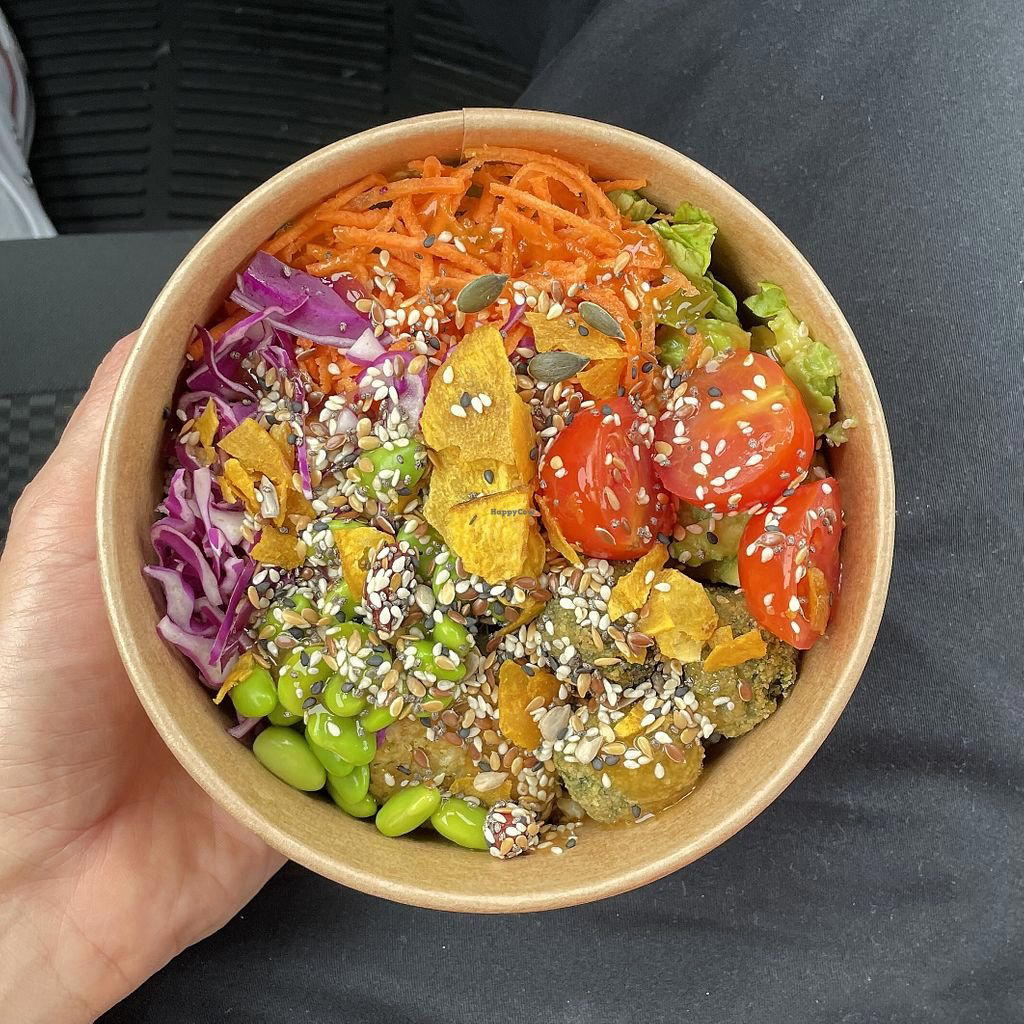
Suki does not operate in isolation on São Miguel. Fuji Sushi Experience addresses a similar audience, and Azorean Poke occupies an adjacent category: Pacific-inflected bowl formats that borrow from Hawaiian poke culture while nodding to local fish supply. The three restaurants together describe a micro-scene that has developed in response to both visitor demand and local curiosity. None of them is competing with the traditional Azorean kitchen for primacy. They exist alongside it, capturing occasions when diners want something outside the grilled-fish-and-stew register that dominates the island's core offer.
That positioning carries its own logic. Ponta Delgada's visitor base has grown substantially since the island's tourism sector expanded through the 2010s, and the incoming demographic skews toward travellers who expect urban-level restaurant variety even in smaller cities. A restaurant like Suki benefits from that shift without depending on it entirely: the local population in any city of Ponta Delgada's size generates enough midweek traffic to sustain a niche format, provided the offer is consistent.
For broader comparison within Portugal's dining range, the country supports a substantial number of serious addresses across its geography. Vila Joya in Albufeira, Ocean in Porches, and Bon Bon in Lagoa anchor the Algarve's formal dining tier, while Fortaleza do Guincho in Cascais, Casa de Chá da Boa Nova in Leça da Palmeira, The Yeatman in Vila Nova de Gaia, A Cozinha in Guimaraes, A Ver Tavira in Tavira, and Al Sud in Lagos each represent distinct regional positions within the national conversation. The Azores sit outside that established circuit, which gives restaurants here unusual latitude: there is no dominant critical framework shaping expectations, and no Michelin map to benchmark against. That freedom cuts both ways.
Visiting Suki: What to Know Before You Go
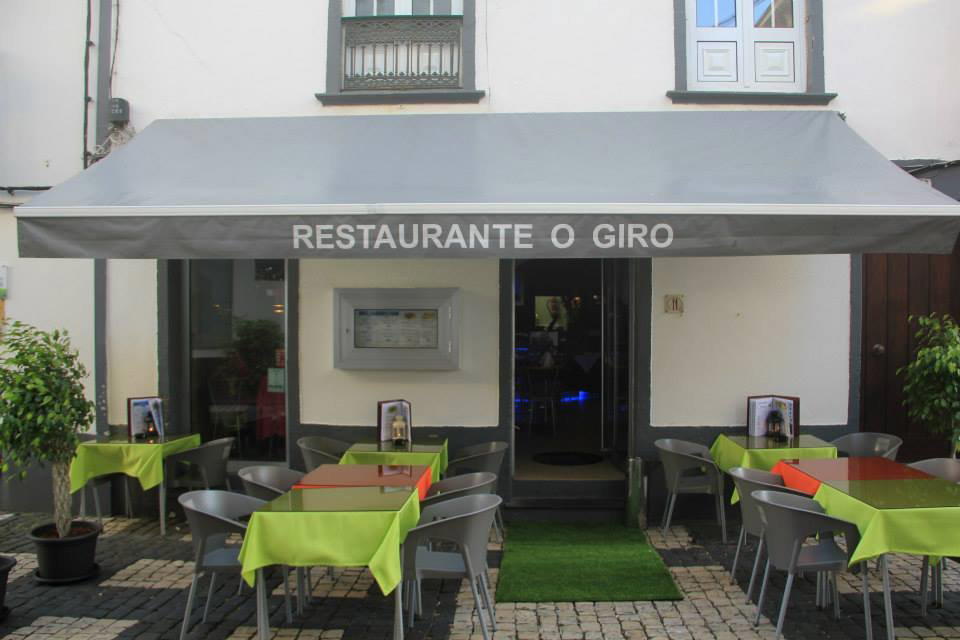
The restaurant's address on Rua Diário dos Açores places it within the older urban fabric of central Ponta Delgada, a neighbourhood of low-rise buildings and narrow streets that connects the commercial centre to the seafront. The street is accessible on foot from most of the city's main accommodation clusters. For visitors exploring the island's dining options beyond the traditional canon, Suki represents one of the more accessible departures: Asian-format restaurants tend to offer shareable formats that suit groups and are generally hospitable to diners arriving without prior knowledge of the cuisine. O Giro is another address worth considering for Ponta Delgada evenings if availability at Suki is unclear.
On the question of sequencing a visit to Suki within a broader Azores itinerary: the island rewards early mornings and active days, which tends to push appetite toward substantial evening meals. A sitting at a restaurant outside the Azorean tradition works well as a counterpoint to days spent eating local: cozido at lunch near the calderas, then something lighter and more varied in the evening. The city's compact scale means that moving between the waterfront, the market, and a restaurant on Rua Diário dos Açores requires minimal effort.
For anyone building a wider Portugal dining itinerary around an Azores visit, the contrast between what is available here and what cities like Lisbon or Porto offer is itself part of the experience. International programmes like Le Bernardin in New York City and Atomix in New York City benchmark Asian fine dining at its most formal and technically demanding globally. Ponta Delgada operates at a different register entirely, and that is the point. See our full Ponta Delgada restaurants guide for a broader view of where the city's dining is heading.
Frequently asked questions
How do I find Restaurante Suki?
Restaurante Suki is located at R. Diário dos Açores 20, 9500-178 Ponta Delgada, Portugal, Ponta Delgada.
Is Restaurante Suki suitable for visitors looking for Asian food in the Azores?
For travellers on São Miguel who want to eat outside the Azorean and Portuguese canon, Suki on Rua Diário dos Açores in Ponta Delgada is one of the few dedicated Asian dining addresses on the island. The broader Asian food scene in Ponta Delgada remains small, Fuji Sushi Experience and Azorean Poke are the main comparators, which means Suki draws both residents and visitors without much local competition. If Asian cuisine is a specific priority during your time in the Azores, this central-city location is worth factoring into your plans.
What's the best thing to order at Restaurante Suki?
Your clearest route to current dish recommendations is to ask staff directly when you arrive at the Rua Diário dos Açores address, counters in this category on São Miguel tend to update offerings seasonally. Checking recent visitor reviews before your visit will give you the most accurate read on what's being served.
What's the best way to book Restaurante Suki?
No reservation platform or phone number is publicly listed for Restaurante Suki at this time. For a restaurant at this address in central Ponta Delgada, walking in or making contact through social media channels is often the most practical approach. Azorean dining culture in the city centre generally accommodates drop-in guests outside peak summer months, though smaller Asian-focused venues can fill quickly on weekends.
What is Restaurante Suki known for?
Suki occupies a specific gap in Ponta Delgada's food scene: Asian cuisine on an Atlantic island whose restaurant culture has historically been anchored in Azorean and Portuguese traditions. Its significance is as much contextual as culinary, it represents a category that barely existed on the island a decade ago.
Budget Reality Check
Comparable venues nearby, for context on price, style, and recognition.
| Venue | Cuisine | Price | Notes |
|---|---|---|---|
| Restaurante SukiThis venue (the venue you are viewing) | Chinese & Japanese Fusion | $20–30 | Not listed |
| Azorean Poke | Hawaiian Poke with Azorean Twist | $10–20 | São José, Hawaiian Poke with Azorean Twist |
| Fuji Sushi Experience | Azorean Japanese Sushi | $50–100 | Ponta Delgada, Azorean Japanese Sushi |
| O Giro | Modern Azorean | $30–50 | Ponta Delgada City Center, Modern Azorean |
| Barbela Companhia de Peixe e Marisco | Modern aged-seafood restaurant with Japanese influence | $50–100 | Santos, Modern aged-seafood restaurant with Japanese influence |
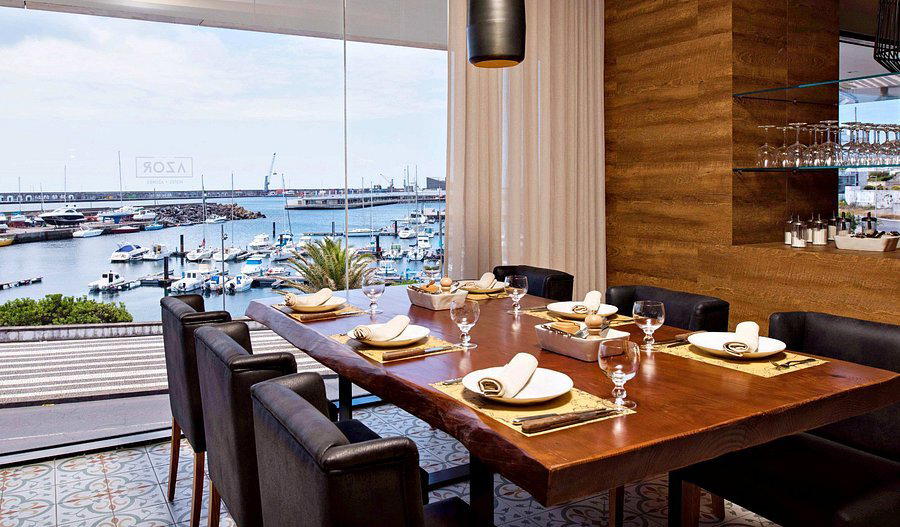
| TUPUQ Restaurant & Bar | Modern Portuguese | Not listed | Olhos de Agua, Modern Portuguese with Ocean Views |
Continue exploring
More in Ponta Delgada
Details
- Casual Hangout
- A La Carte
Current opening hours
- Monday
- 11:30 AM–3 PM, 6:30–11 PM
- Tuesday
- Closed
- Wednesday
- 11:30 AM–3 PM, 6:30–11 PM
- Thursday
- 11:30 AM–3 PM, 6:30–11 PM
- Friday
- 11:30 AM–3 PM, 6:30–11 PM
- Saturday
- 11:30 AM–3 PM, 6:30–11 PM
- Sunday
- 11:30 AM–3 PM, 6:30–11 PM
Hours can change for holidays and private events. Hours as of .
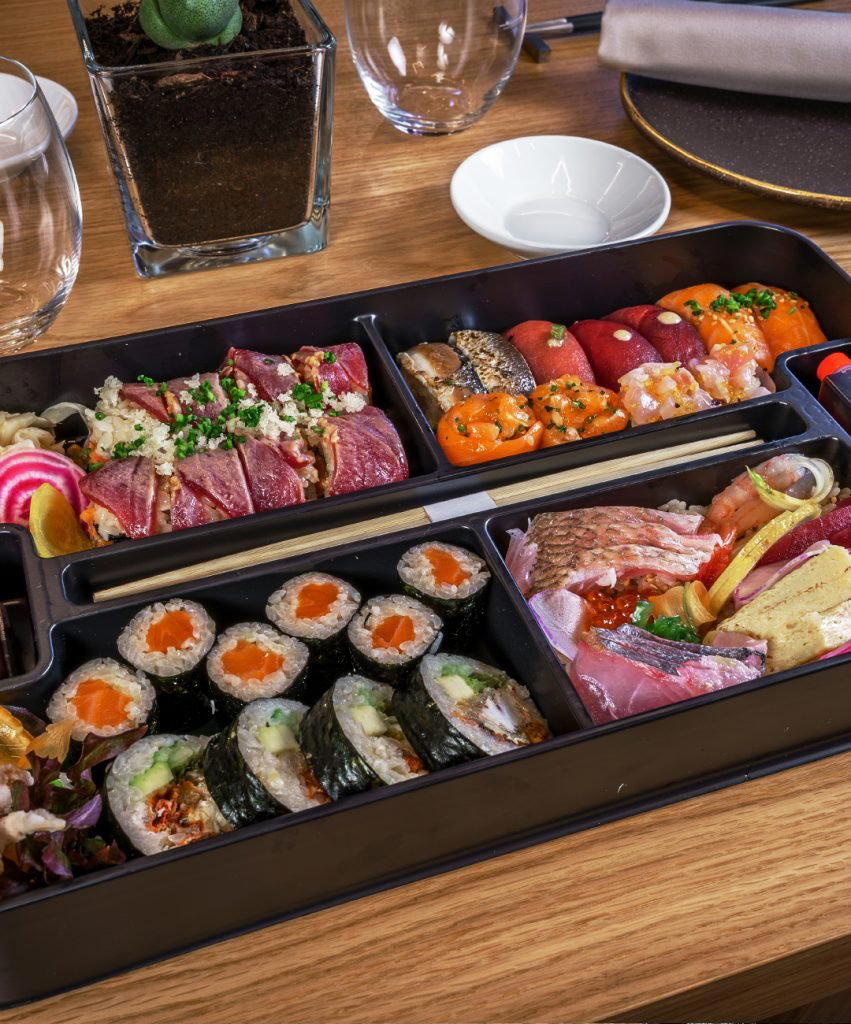
Casual dining spot with standard atmosphere focused on fresh sushi preparation.