Azorean Poke
Our verdict
Ponta Delgada's poke counter on Rua da Vitória brings the bowl format into direct conversation with the Azores' own extraordinary raw material base. The islands produce some of the Atlantic's most notable tuna, and a concept built around that provenance makes geographic sense in a way it simply wouldn't on the Portuguese mainland. A casual, ingredient-led stop in the city centre.

Pearl is the En Primeur Club membership app, where members save venues, book tables and use the concierge.

Atlantic Provenance in a Bowl
The poke format arrived in Europe largely as an export of Hawaiian-Californian food culture, carried by the same wave that delivered acai bowls and cold-brew to every capital city. Most European poke counters work from frozen fish sourced through the same wholesale channels as any other fast-casual operator. What makes the Azores an interesting location for this format is that it sidesteps that supply chain problem entirely. Ponta Delgada sits in the middle of the North Atlantic, and the waters around São Miguel have historically produced tuna of genuine quality, fished by rod-and-line methods that are still practiced in the archipelago. A poke concept here, if it draws on local catch, is operating from a sourcing position that a Madrid or Lisbon outpost cannot replicate.
Azorean Poke occupies a unit at Rua da Vitória 23 C, in the older commercial grid that runs behind Ponta Delgada's waterfront promenade. The street sits close enough to the city's pedestrian core that foot traffic is reliable, but the address itself is a working neighbourhood address rather than a tourist-facing terrace. That positioning tends to attract a mixed clientele: office workers at lunch, travellers who have moved past the harbour restaurants, and locals who want something lighter than the island's traditional pork-and-bread-heavy midday meal.
Why Ingredient Origin Matters Here More Than Most Places
The Azores occupy a specific position in Atlantic food geography. The archipelago's fishing tradition centres on species that rarely appear in European poke bowls assembled from farmed salmon and frozen yellowfin: local skipjack, Atlantic bluefin during seasonal migration, and smaller reef species caught close to the volcanic shelf. Azorean tuna caught by cana (traditional pole-and-line) carries a provenance story with genuine environmental credentials, and the method produces fish with lower bruising and better muscle texture than net-caught equivalents. For a raw preparation like poke, that difference in handling quality is not incidental.
Portugal's broader fine dining circuit has spent the last decade making provenance central to its identity. Restaurants like Vila Joya in Albufeira, Belcanto in Lisbon, and Casa de Chá da Boa Nova in Leça da Palmeira have built tasting menus around the argument that Portuguese coastal and agricultural produce belongs in the same conversation as France or Japan. The Azores, with its distinct volcanic soil, grass-fed dairy, and Atlantic catch, is an increasingly cited source within that argument. A casual counter format that draws from the same supply logic is simply applying that principle at a different price point. Comparable high-end examples include The Yeatman in Vila Nova de Gaia, Ocean in Porches, Antiqvvm in Porto, and Il Gallo d'Oro in Funchal, all of which treat Portuguese Atlantic produce as a primary credential rather than background detail.
Ponta Delgada's Casual Dining Context
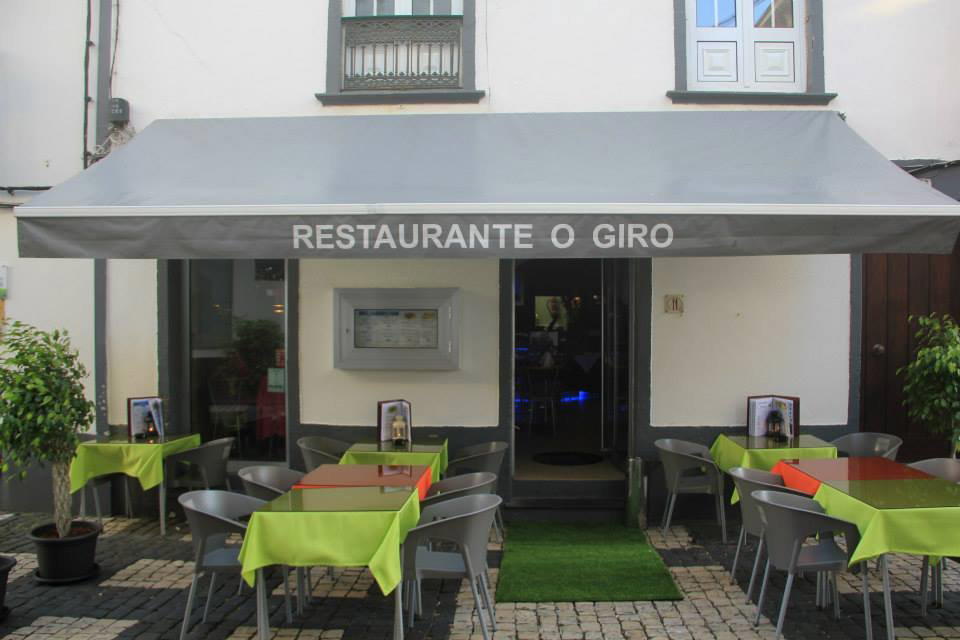
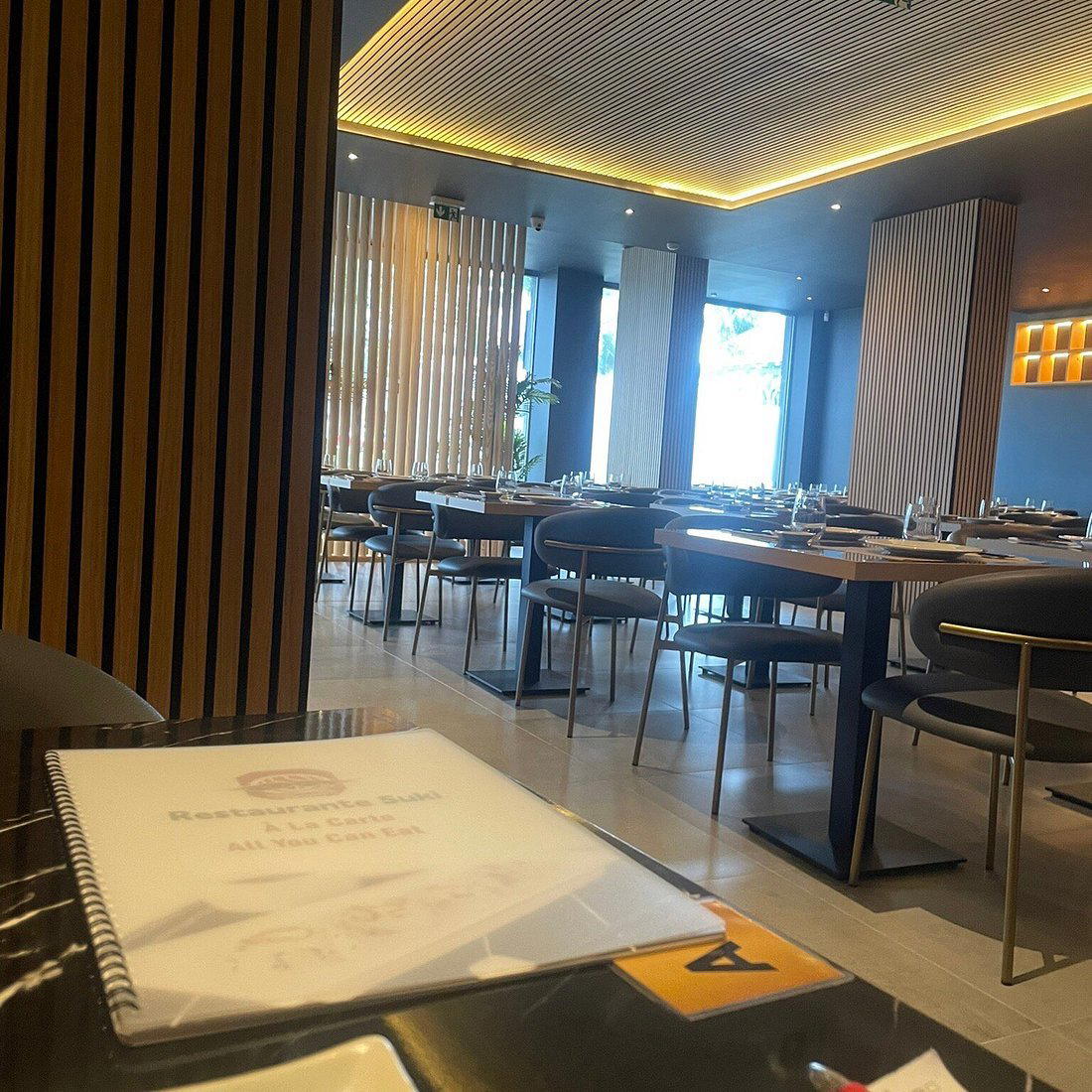
The city's restaurant offering has expanded considerably with the growth of short-haul European tourism to the Azores over the past several years. The island now receives meaningful visitor numbers from Lisbon, Porto, and northern European capitals, and the food scene has responded with a wider range of formats beyond the traditional tasca and seafood grill. Alongside Azorean Poke, the city's Asian-influenced and lighter-format segment includes Fuji Sushi Experience, Restaurante Suki, and O Giro, each occupying a slightly different position in the casual-to-mid-range spectrum. Our full Ponta Delgada restaurants guide maps the city's dining options across all formats and price tiers.
The poke bowl format sits in a specific gap in the local market: lighter than a full restaurant lunch, faster than a sit-down meal, and more ingredient-focused than a standard snack. In a city where afternoon heat and hiking-fatigued appetites are common travel conditions from spring through autumn, the format has practical relevance beyond trend-following. The same logic applies in other Atlantic island destinations, where the combination of outdoor activity and warm weather has historically supported lighter, seafood-centred eating.
Planning a Visit
Azorean Poke is located at Rua da Vitória 23 C in Ponta Delgada's central commercial district, within walking distance of the city's main waterfront and the Igreja Matriz. The address places it in a part of the city that functions primarily for residents rather than tourists, which keeps the atmosphere functional and unpretentious. The format is consistent with counter service rather than reservation dining, which means timing a visit outside the local lunch peak, roughly noon to 2pm, is the direct way to avoid queues. For travellers building a wider picture of casual eating in the city, the venues above represent the cluster of lighter-format options currently operating in central Ponta Delgada.
For comparison across Portugal's broader dining spectrum, the country's award-recognised restaurants referenced above offer a useful frame for understanding where the Azores fits within national food culture. The archipelago has historically been an ingredient source for the mainland rather than a dining destination in its own right, but that positioning is shifting. References at the international level, such as Le Bernardin in New York City or Lazy Bear in San Francisco, demonstrate how Atlantic seafood provenance has become a credentialing argument across very different price points and formats globally. Other strong Portuguese dining references for context include Fortaleza do Guincho in Cascais, Ó Balcão in Santarém, Al Sud in Lagos, Gusto by Heinz Beck in Almancil, and Palatial in Braga.
Frequently asked questions
Is Azorean Poke suitable for children?
The poke bowl format, customisable, unfussy, and served in a casual setting on Rua da Vitória in central Ponta Delgada, works well for families with children. The build-your-own structure of most poke concepts allows younger diners to sidestep unfamiliar ingredients without complication. It sits within easy walking distance of the city's main waterfront, which makes it a practical stop on a family day out.
What's the overall feel of Azorean Poke?
The address on Rua da Vitória 23 C places it in Ponta Delgada's central commercial district, which sets the tone: this is a neighbourhood lunch spot, not a formal dining room. The poke format itself signals a relaxed, counter-style energy that suits the rapid growth in short-haul European tourism the Azores has seen in recent years. Expect a quick-service rhythm rather than a lingering multi-course occasion.
How does Azorean Poke differ from standard European poke chains?
The distinguishing factor is geographic: the Azores sit in the mid-Atlantic, with a fishing tradition built around species that don't typically reach mainland European fish markets. A poke concept operating in Ponta Delgada has direct access to that supply chain, which gives the bowls a provenance argument that urban European poke bars in Lisbon or London cannot replicate. Whether the current menu fully capitalises on that advantage is worth confirming on arrival at Rua da Vitória 23 C.
What's the must-try dish at Azorean Poke?
What the Azorean context does suggest is that bowls centred on locally caught Atlantic species, rather than the farmed salmon default common across European poke chains, are the reason to choose this address over a generic alternative in Ponta Delgada.
Comparable Spots, Quickly
Comparable venues nearby, for context on price, style, and recognition.
| Venue | Cuisine | Price | Notes |
|---|---|---|---|
| Azorean PokeThis venue (the venue you are viewing) | Hawaiian Poke with Azorean Twist | $10–20 | Not listed |
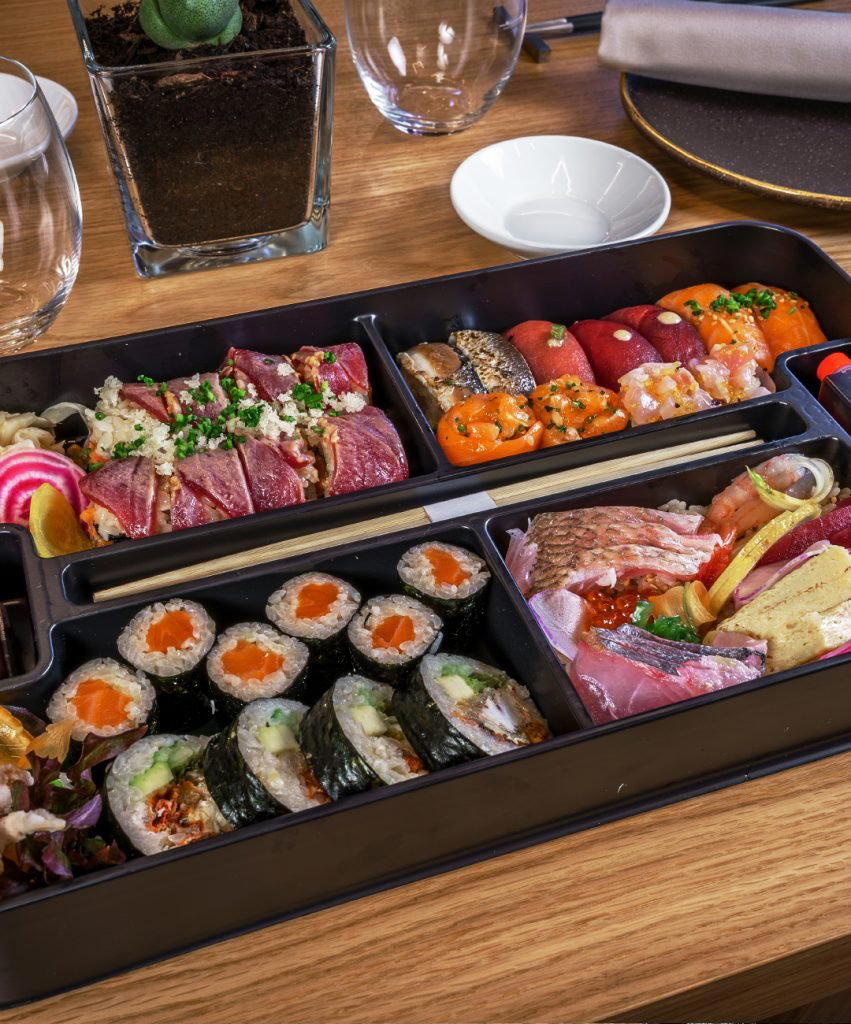
| Fuji Sushi Experience | Azorean Japanese Sushi | $50–100 | Ponta Delgada |
| Restaurante Suki | Chinese & Japanese Fusion | $20–30 | Centro |
| O Giro | Modern Azorean | $30–50 | Ponta Delgada City Center |
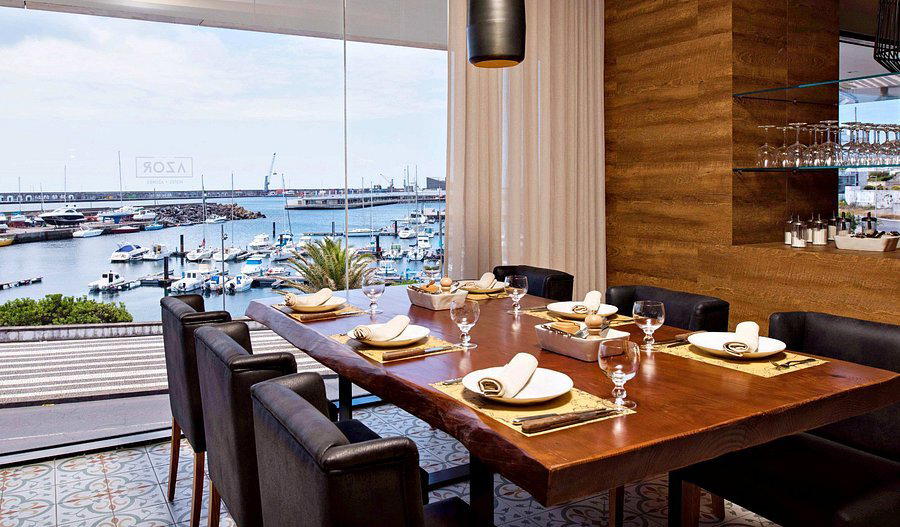
| Barbela Companhia de Peixe e Marisco | Modern aged-seafood restaurant with Japanese influence | $50–100 | Santos |
| restaurantes Banhos Quentes | Portuguese | Not listed | Povoacao |
Continue exploring
More in Ponta Delgada
Details
- Trendy
- Cozy
- Casual Hangout
- Beer Program
- Local Sourcing
- A La Carte
- Vegetarian Friendly
- Vegan Options
- Gluten Free Options
Current opening hours
- Monday
- 11 AM–9:30 PM
- Tuesday
- 11 AM–9:30 PM
- Wednesday
- 11 AM–9:30 PM
- Thursday
- 11 AM–9:30 PM
- Friday
- 11 AM–9:30 PM
- Saturday
- 11 AM–9:30 PM
- Sunday
- 11 AM–9:30 PM
Hours can change for holidays and private events. Hours as of .
Casual and humble bistro atmosphere with friendly service and fresh, visually appealing poke preparations.