O Giro
Our verdict
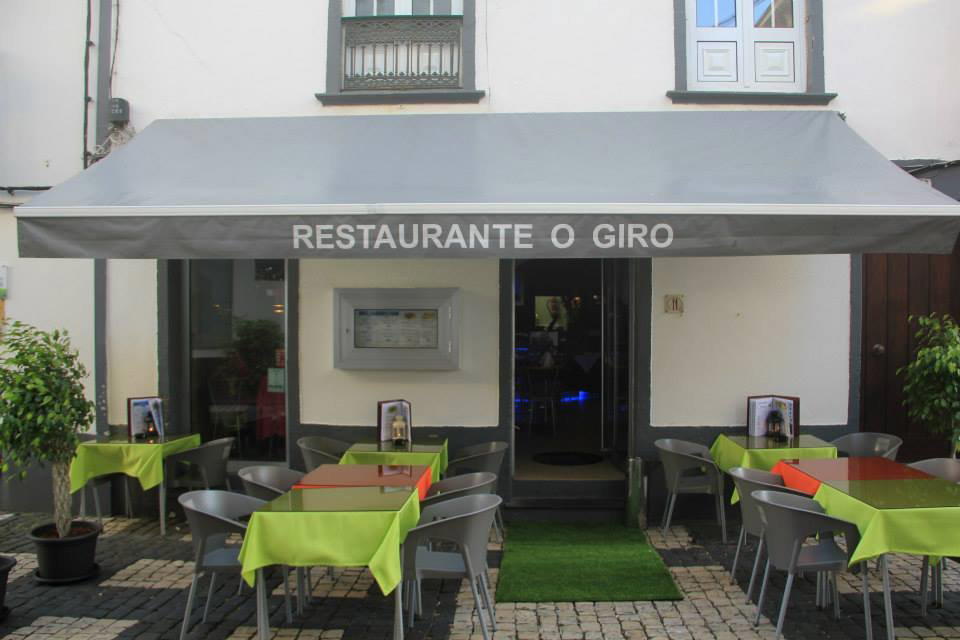
O Giro occupies a street-level address on Rua Diário dos Açores in Ponta Delgada, where the Azores' volcanic soil and Atlantic fishing grounds set the terms for what ends up on the plate. The restaurant sits within a dining scene that is still finding its footing internationally, but which draws on some of the most singular raw materials in the Portuguese-speaking world.

Pearl is the En Primeur Club membership app, where members save venues, book tables and use the concierge.
The menu
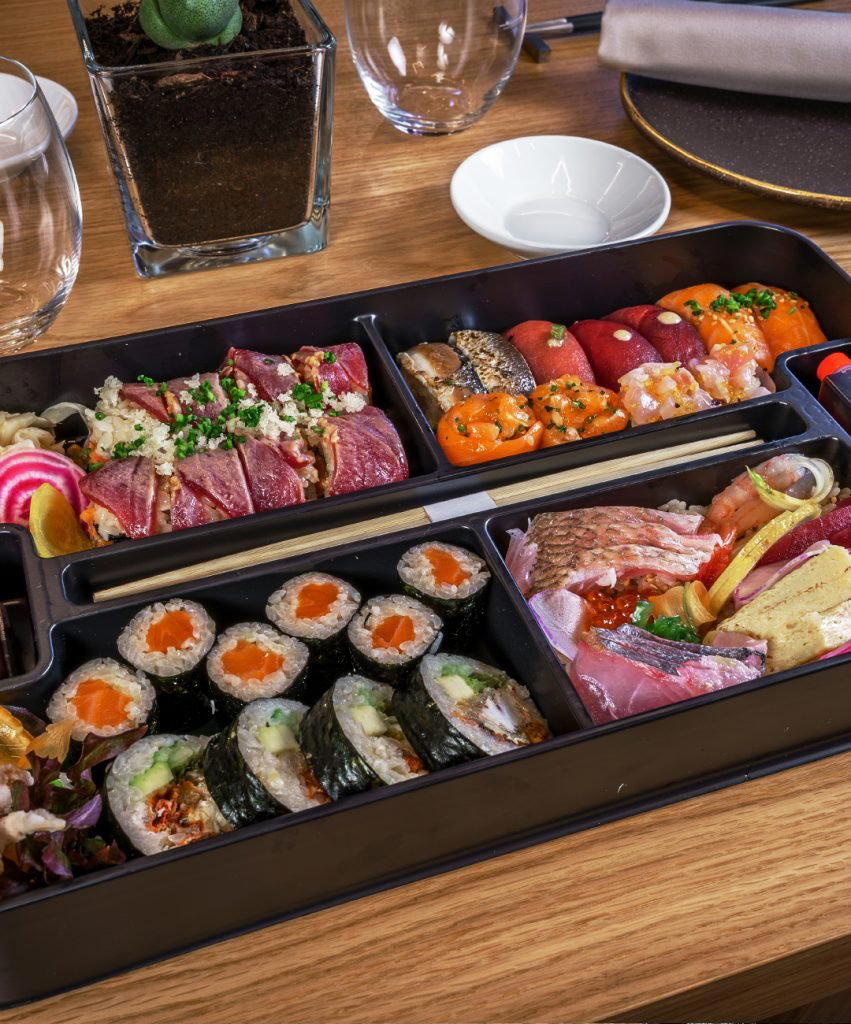
What to order
- Octopus Rice
- Tuna Teriyaki
- Shrimps with Lemon Foam and Garlic Sauce
- Pork Belly Croquettes
Atlantic Ingredients, Island Logic
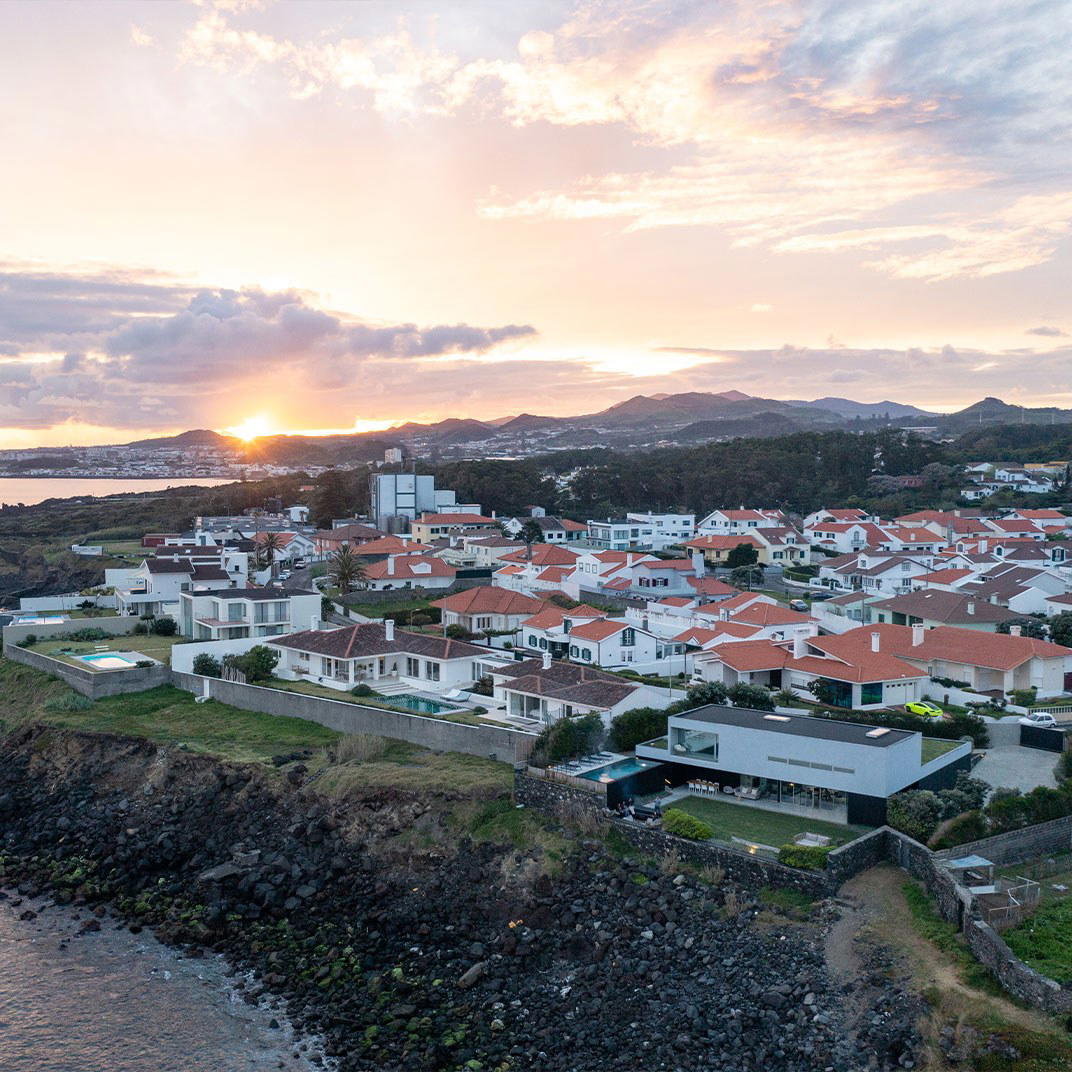
Rua Diário dos Açores is not a street built for spectacle. It runs through one of the quieter residential-commercial fringes of central Ponta Delgada, where the architecture is low, the pace is unhurried, and the buildings carry the particular gravity of black basalt that defines São Miguel's built environment. Approaching O Giro at number 35, the setting signals something that the Azores dining scene has been quietly asserting for the past decade: that serious cooking here is not about importing continental prestige but about working with what the island produces, catches, and grows on its own terms.
That premise matters more in the Azores than almost anywhere else in Portugal. The archipelago sits roughly 1,500 kilometres west of Lisbon in the mid-Atlantic, close enough to the Gulf Stream to sustain year-round green pastures, fertile volcanic soils, and some of the cleanest cold-water fishing grounds in the region. The cattle that graze São Miguel's hillsides produce milk with a fat profile noticeably different from mainland herds. The tuna and wreckfish pulled from surrounding waters are caught at shorter supply-chain distances than most European fishing ports can claim. Sourcing is not a marketing concept here; it is a geographical fact that shapes what any kitchen working honestly with local produce will put in front of you.
Where O Giro Sits in Ponta Delgada's Dining Progression
Ponta Delgada's restaurant scene has split over the past several years into two broad tiers. The first serves a reliable tourist circuit: grilled limpets, caldeirada, alcatra in earthenware, all executed competently and priced for volume. The second, smaller tier attempts something more considered, using the same Azorean materials but with more discipline around preparation and presentation. O Giro operates on Rua Diário dos Açores as part of this second cohort, a neighbourhood-scale address that is positioned away from the marina's most trafficked restaurant row.
That positioning has its own logic. Restaurants removed from the high-visibility tourist corridor in Ponta Delgada tend to carry a higher proportion of local regulars, which creates a different feedback loop in the kitchen. The audience knows what good Azorean beef tastes like because they eat it regularly. They know the difference between tuna hauled from close waters and fish that has spent time in cold storage. A room weighted toward that kind of diner sets a different standard than one calibrated to visitors encountering the cuisine for the first time.
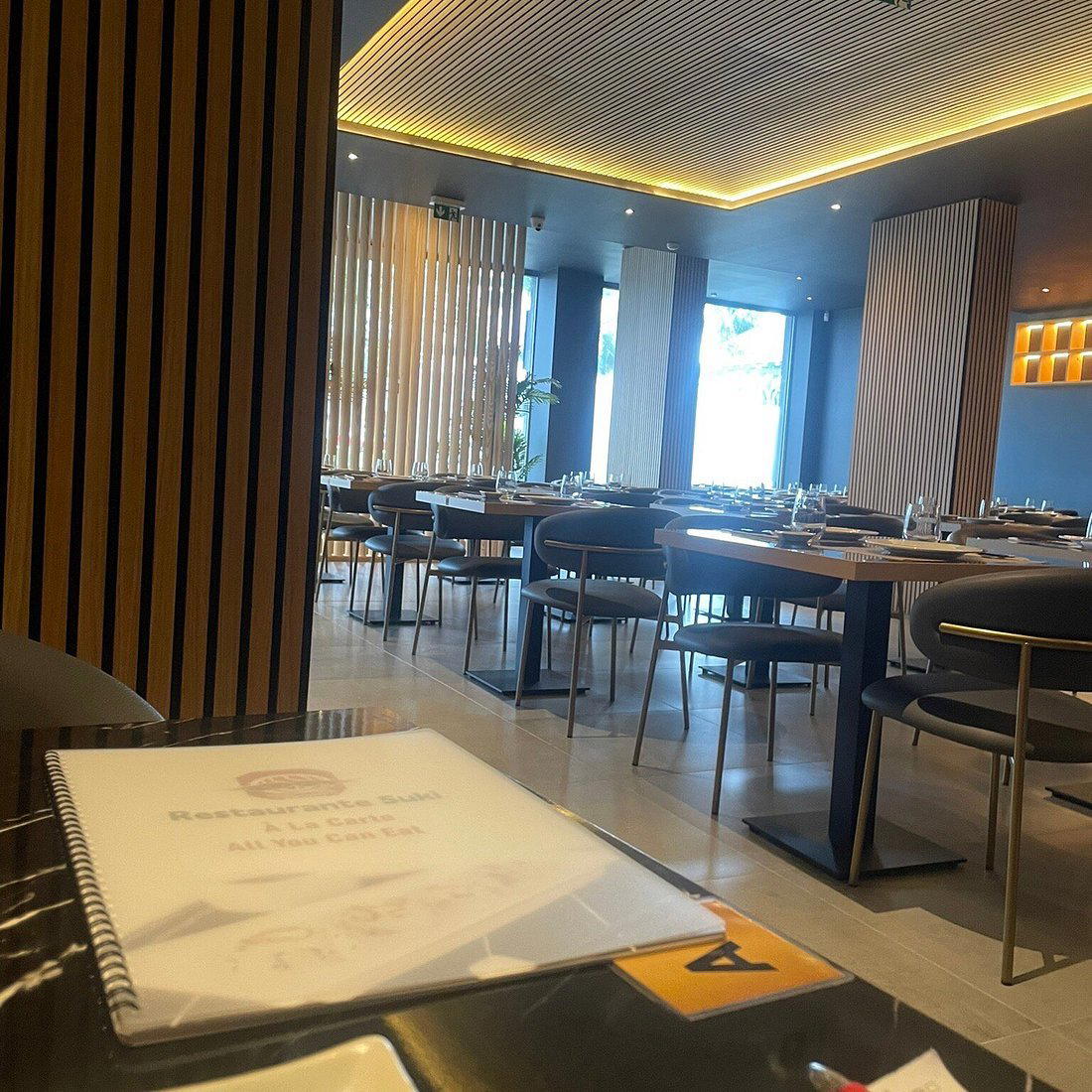
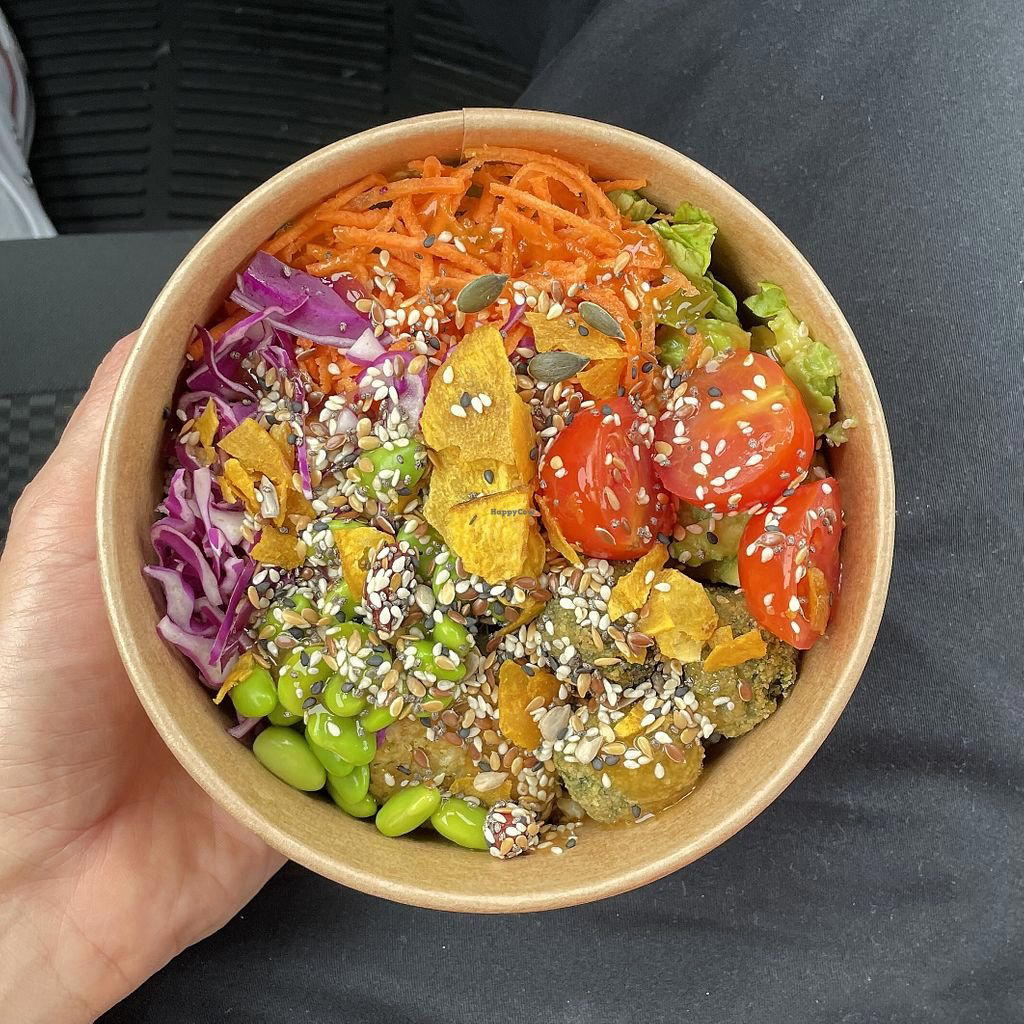
Within Ponta Delgada specifically, the dining options closest to O Giro in spirit include Azorean Poke, which approaches the island's fish through a Pacific-influenced format, and Fuji Sushi Experience and Restaurante Suki, both of which demonstrate how Ponta Delgada's dining has absorbed international formats without abandoning its Atlantic supply lines. Our full Ponta Delgada restaurants guide maps the broader picture across price tiers and formats.
The Azorean Ingredient Case
Any honest account of eating well in the Azores has to engage with the sourcing reality before discussing preparation. São Miguel's pastures are fertilised by volcanic mineral runoff and receive rainfall that keeps grass growing through months when mainland Portuguese and Spanish herds are eating supplementary feed. The result is dairy and beef with a particular depth that is measurable, not just claimed. Azorean cheese, for instance, has carried protected designation of origin status since the 1990s, a formal acknowledgment that the terroir produces something geographically specific.
The fishing situation is equally particular. The Azores operates one of Europe's most significant tuna fisheries, using pole-and-line methods that reduce bycatch and keep individual fish in better condition than net-caught equivalents. Skipjack and yellowfin are the dominant species, and both are caught close enough to the islands that freshness at the point of service is a realistic rather than aspirational claim. For a kitchen committed to working with what the island provides, this is the foundation everything else is built on.
Contextualised against Portugal's broader restaurant tier, where Michelin-recognised addresses like Belcanto in Lisbon and Vila Joya in Albufeira have built international reputations on Portuguese ingredient traditions, the Azores occupies a distinct position. The archipelago has its own protected products, its own fishing culture, and a terroir that mainland kitchens cannot replicate. Restaurants like O Giro operate in a category that other Portuguese fine-dining addresses, whether Antiqvvm in Porto, Casa de Chá da Boa Nova in Leça da Palmeira, or Ocean in Porches, cannot easily access: a cuisine rooted in mid-Atlantic geography rather than continental Portuguese tradition.
For comparison, island restaurant programs with strong sourcing narratives, such as Il Gallo d'Oro in Funchal on Madeira, have shown that Atlantic island kitchens can command serious critical attention when the ingredient base is handled with precision.
Planning a Visit
O Giro's address on Rua Diário dos Açores places it within walking distance of Ponta Delgada's central grid, accessible on foot from the seafront promenade in under ten minutes. This applies particularly during the shoulder seasons of spring and late autumn, when Ponta Delgada's visitor numbers fluctuate and restaurant schedules adjust accordingly.
For context on what the Azores dining tier looks like at the more formal end of the Portuguese spectrum, the destinations worth cross-referencing include The Yeatman in Vila Nova de Gaia, A Cozinha in Guimaraes, A Ver Tavira in Tavira, Al Sud in Lagos, Bon Bon in Lagoa, and Fortaleza do Guincho in Cascais, all of which illustrate the range of registers in which serious Portuguese cooking now operates. Further afield, the approach to ingredient-driven precision at addresses like Le Bernardin in New York City and Atomix in New York City offers a useful calibration for what sustained sourcing discipline looks like at the highest level.
Frequently asked questions
Is O Giro child-friendly?
O Giro sits on Rua Diário dos Açores in a residential-commercial part of central Ponta Delgada, which tends to attract a mixed local crowd rather than a purely destination-dining set. That neighbourhood character generally signals a relaxed, unpretentious environment where children are not out of place.
What's the overall feel of O Giro?
O Giro occupies a quieter stretch of Ponta Delgada away from the waterfront tourist corridor, which shapes its atmosphere considerably. The address on Rua Diário dos Açores puts it among locals rather than foot-traffic visitors, suggesting a pace and tone oriented toward neighbourhood regulars. Expect something closer to a working dining room than a polished showcase.
Is O Giro a good option for eating like a local in Ponta Delgada rather than on the tourist circuit?
O Giro's address on Rua Diário dos Açores places it outside the concentrated seafront strip where most visiting diners default, which is the practical marker of a restaurant drawing its trade from Ponta Delgada residents rather than package itineraries. That geography alone distinguishes it from the tourist-circuit tier that dominates the harbour-adjacent blocks. For travellers specifically looking to eat within São Miguel's daily dining culture rather than a curated visitor experience, that address is a meaningful signal.
What do regulars order at O Giro?
Regulars at Ponta Delgada restaurants in this tier typically gravitate toward preparations that foreground those island-specific ingredients rather than imported or continental alternatives.
What's the address for O Giro?
O Giro is located at R. Diário dos Açores 35, 9500-178 Ponta Delgada, Portugal, Ponta Delgada.
How far ahead should I plan for O Giro?
Booking lead times are not documented for O Giro, but restaurants on the quieter residential edges of Ponta Delgada, serving a local rather than a tourist-heavy crowd, can fill quickly with regulars, particularly on weekends during the Azores' high season from June through September. Contacting the venue directly via their address at R. Diário dos Açores 35 is the reliable approach.
What's the defining dish or idea at O Giro?
Without a published menu or chef statement on record, the defining idea at O Giro is best understood through its location in the Azorean sourcing context. São Miguel produces some of the most consistent grass-fed beef and Atlantic seafood in Portuguese territory, and restaurants working honestly with that supply, rather than defaulting to continental menus, tend to anchor their identity there. O Giro's positioning in Ponta Delgada's local dining tier suggests that island ingredient logic, rather than technique showmanship, is the through-line.
How It Stacks Up
Comparable venues nearby, for context on price, style, and recognition.
| Venue | Cuisine | Price | Notes |
|---|---|---|---|
| O GiroThis venue (the venue you are viewing) | Modern Azorean | $30–50 | Not listed |
| Azorean Poke | Hawaiian Poke with Azorean Twist | $10–20 | São José |
| Restaurante Suki | Chinese & Japanese Fusion | $20–30 | Centro |
| Fuji Sushi Experience | Azorean Japanese Sushi | $50–100 | Ponta Delgada |
| TUPUQ Restaurant & Bar | Modern Portuguese | Not listed | Olhos de Agua |
| Barbela Companhia de Peixe e Marisco | Modern aged-seafood restaurant with Japanese influence | $50–100 | Santos |
Continue exploring
More in Ponta Delgada
Details
- Modern
- Sophisticated
- Cozy
- Casual Hangout
- Date Night
- Group Dining
- Open Kitchen
- Standalone
- Beer Program
- Local Sourcing
- A La Carte
- Wine
- Beer
- Vegetarian Friendly
- Vegan Options
- Gluten Free Options
Current opening hours
- Monday
- 12–3 PM, 6–10 PM
- Tuesday
- 12–3 PM, 6–10 PM
- Wednesday
- 12–3 PM, 6–10 PM
- Thursday
- 12–3 PM, 6–10 PM
- Friday
- 12–3 PM, 6–10 PM
- Saturday
- 12–3 PM, 6–10 PM
- Sunday
- Closed
Hours can change for holidays and private events. Hours as of .
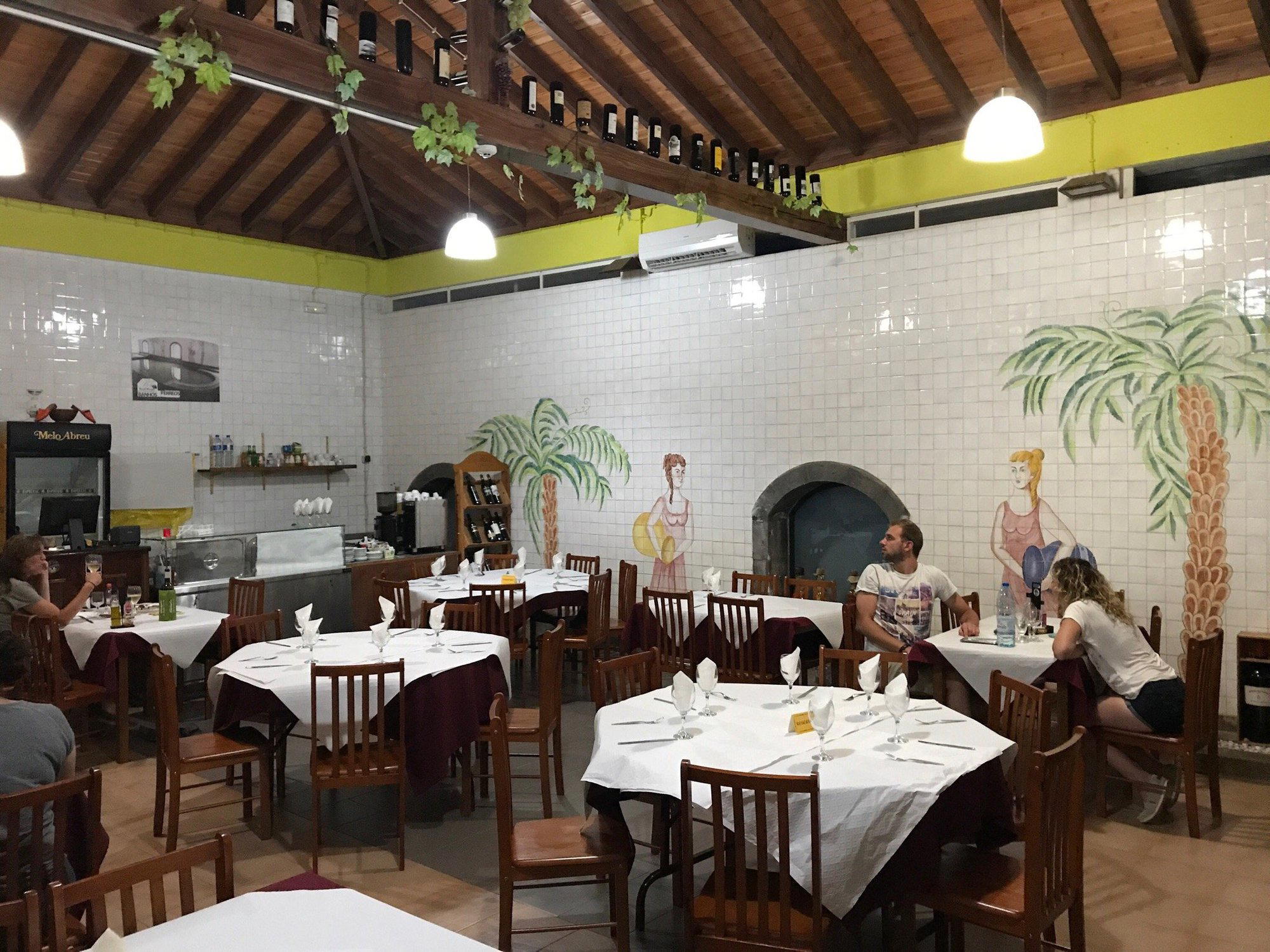
Modern and elegant with warm, welcoming atmosphere; recently renovated with contemporary décor that complements the sophisticated yet approachable dining experience.