Restaurant Sow

Inside a 16th-century barn on the Netherwood Estate, Restaurant Sow operates at the sharper end of estate dining in the English countryside. The kitchen, led by Andrew Sheridan, draws heavily from the surrounding walled garden, weaving local produce with East Asian influences. A handful of luxury bedrooms across the courtyard make it a natural destination for those travelling from further afield.
Pearl is the En Primeur Club membership app — saves, bookings, and concierge access live there. Same editors, same standards.
- Address
- Yard, Pensons, Tenbury Wells WR15 8RT, United Kingdom
- Phone
- +44 1885 477122
- Website
- restaurantsow.co.uk
- Directions
- Get directions
 Saves & bookings on Pearl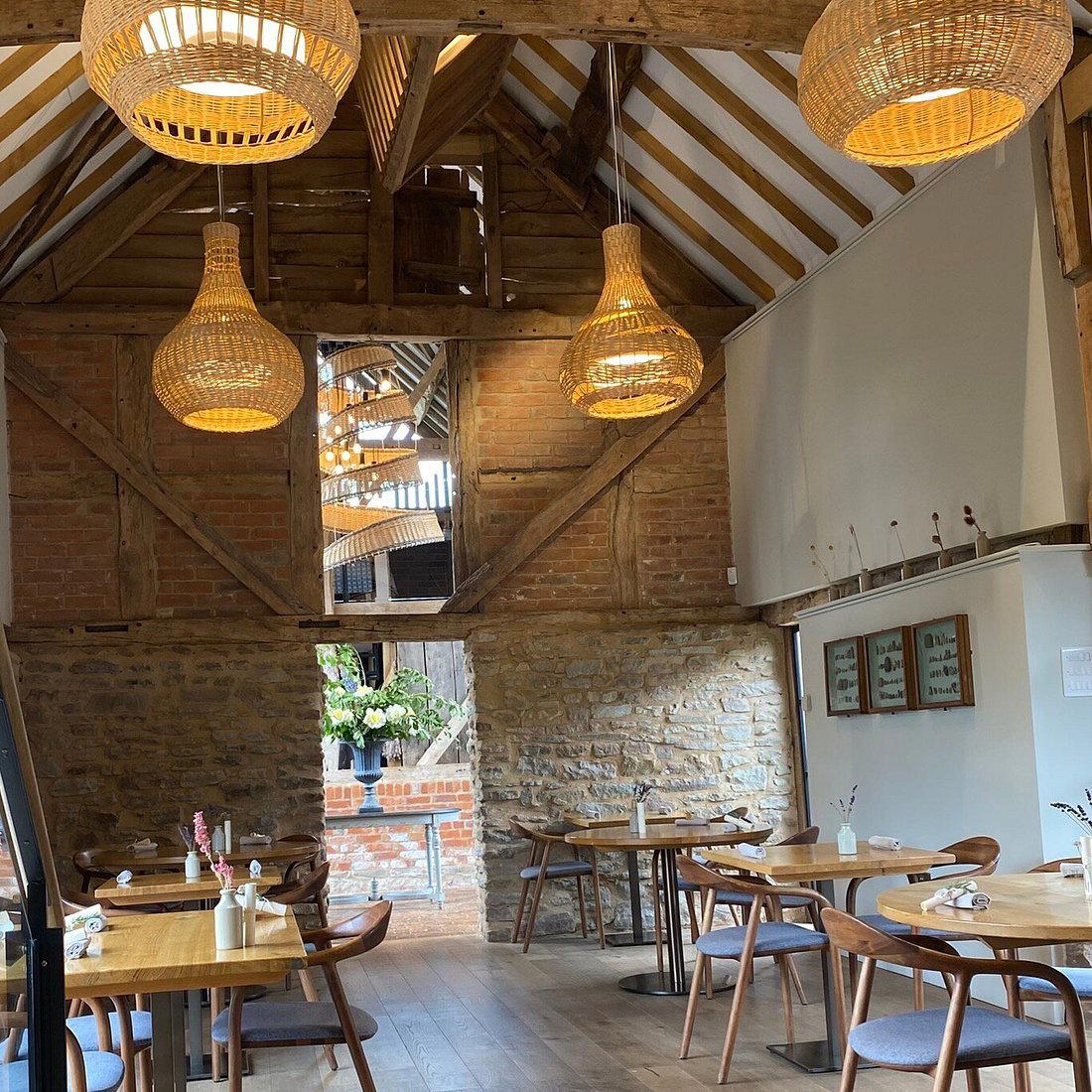
A Barn, a Garden, and a Kitchen That Earns Its Setting
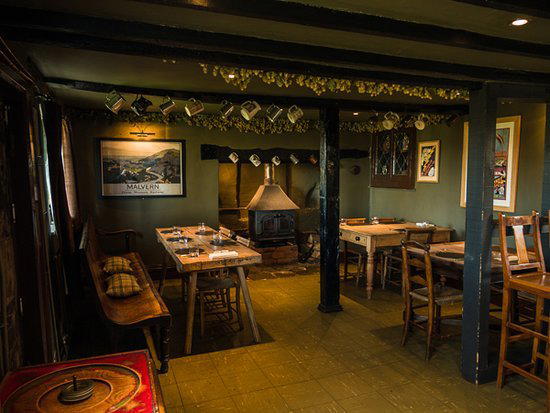
There is a particular category of English countryside restaurant that earns its place through what it grows rather than what it imports. Restaurant Sow, set inside a 16th-century barn on the Netherwood Estate outside Tenbury Wells, belongs firmly to that tradition. Before you reach your seat, the setting makes its argument: exposed timber, stone, and the kind of architectural honesty that only centuries of use can produce. This is not a converted barn dressed to suggest rusticity. It is the real thing, and the kitchen behind it takes that inheritance seriously.
Estate dining in Britain has a long and occasionally self-congratulatory history. At its worst, it trades on heritage photographs and decent views while the food coasts. At its more considered, it creates a closed loop between land and plate that justifies the journey. Restaurant Sow sits in the second camp. The Netherwood Estate's walled garden functions as a direct supplier to the kitchen, which means what you see growing outside the dining room will, in most cases, arrive on the table in a recognisable form shortly after. That relationship between soil and service is the editorial subject here, and it deserves attention.
The Garden as Larder
The estate-to-table model that Restaurant Sow works within is increasingly rare in its genuine form. Plenty of restaurants use seasonal and regional language; fewer can trace a straight line from a specific plot of land to a specific plate. The Netherwood Estate's garden, visible before you sit down, is not a decorative gesture. Walking it before dining is worth the extra time, partly for the produce itself and partly because it reframes the meal: the kitchen is not sourcing from a network of approved suppliers, it is working with a living, seasonal inventory that changes week to week.
This matters for reasons beyond the obvious. A kitchen constrained by what the estate can produce in a given season cannot maintain a static menu. It must adapt, which disciplines the cooking and focuses the brigade's attention on technique rather than formula. For the diner, it means the menu in July reads differently from the menu in October, and both are more interesting than a menu built around a fixed seasonal concept that doesn't actually change with the weather. If you are planning a visit, the peak months of July and August are when the estate garden is at full production: soft fruits, heritage vegetables, and summer brassicas are typically in heavy rotation, and the cooking in those weeks reflects a larder at its most generous.
Where the East Asian Thread Comes In
Estate cooking in England has historically been quite conservative in register: French-influenced, butter-forward, classical in structure. What distinguishes Restaurant Sow from that template is the presence of East Asian inflections in the menu. The kitchen under Andrew Sheridan introduces these without theatrical announcement. Japanese milk bread, for instance, sits alongside produce that might otherwise anchor a straightforwardly British plate. The contrast is not incongruous; it reflects a wider shift in how serious regional British restaurants think about technique and texture. Properties like L'Enclume in Cartmel and Moor Hall in Aughton have both demonstrated that the English countryside is not incompatible with precision cooking that draws from multiple traditions. Restaurant Sow occupies a smaller, quieter register than either, but the instinct is similar: use what the land gives you, then apply whatever technique serves it leading.
Sheridan's role as an experienced operator is relevant context here. The combination of a heritage setting, a producing estate garden, and a kitchen capable of integrating East Asian technique is not the result of a single inspired idea. It reflects a clear understanding of what estate restaurants can do when they are run with genuine culinary ambition rather than ambient country-house comfort. For broader context on how this tier of regional British dining has developed, [Our full Tenbury Wells restaurants guide]() maps the area's options in more detail.
It is worth locating Restaurant Sow relative to the broader category of destination rural restaurants in Britain. At the top of that tier sit properties like [Le Manoir aux Quat' Saisons in Great Milton](), Gidleigh Park in Chagford, and Restaurant Andrew Fairlie in Auchterarder, each operating in a formal, multi-award category where the cost and ceremony are both significant. Restaurant Sow does not occupy that tier. It is a more intimate, estate-rooted proposition: the barn setting is extraordinary, the garden sourcing is serious, and the cooking is accomplished, but the register is warmer and less ceremony-heavy than those flagship names. That is a distinction, not a criticism. There is a strong case that the most interesting rural British restaurants right now are the ones that have stepped away from the formal destination model and built something that feels proportionate to its actual landscape and supply chain.
For urban comparison, restaurants like Opheem in Birmingham and Midsummer House in Cambridge demonstrate how regional British dining can hold serious culinary ambition outside London. Sow's equivalent argument is made through its estate context rather than a city address.
Planning a Visit
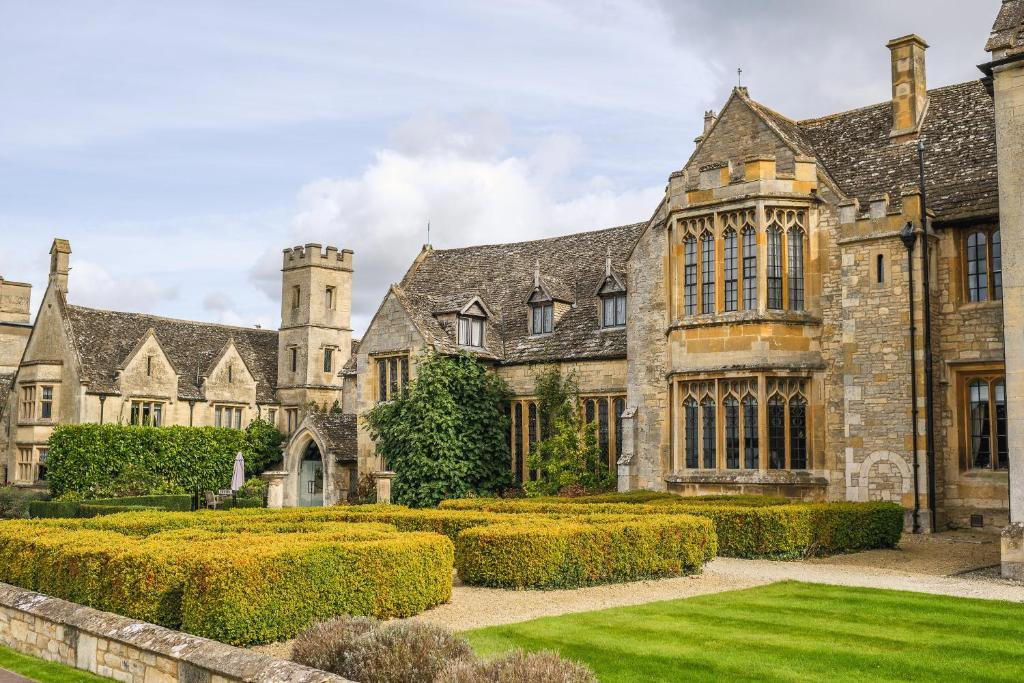
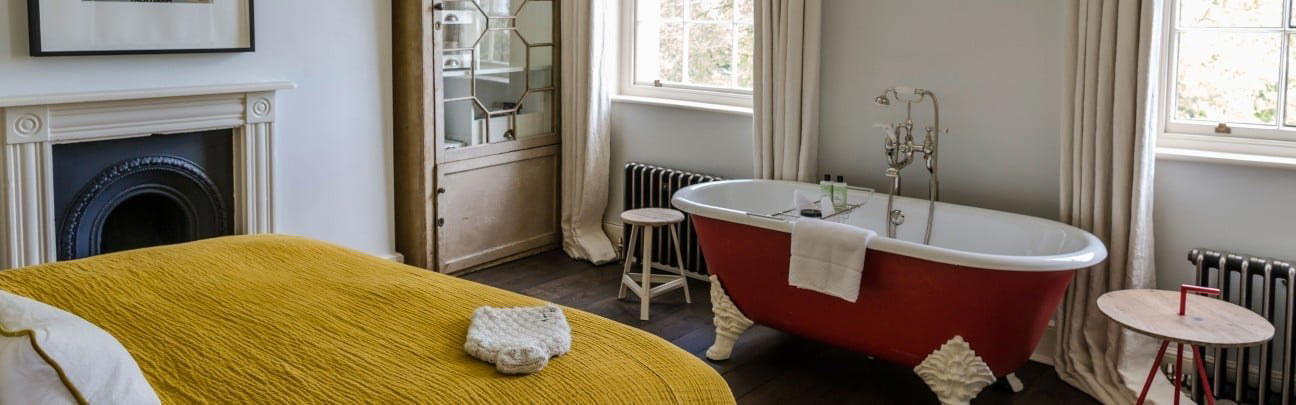
Tenbury Wells is a small market town in Worcestershire, close to the Shropshire and Herefordshire borders. It is not on a major transport route, which means Restaurant Sow rewards planning. The Netherwood Estate address puts it slightly outside the town itself; allow for that in your timing. The presence of luxury bedrooms on the other side of the courtyard addresses the obvious logistical challenge: the drive home after a full evening here is not necessary if you book to stay. For those travelling from Birmingham, Hereford, or Worcester, the journey is manageable as a day trip, but staying on the estate transforms the experience into something that makes fuller use of the grounds, the garden, and the morning after.
For visitors building a broader itinerary around the area, [Our full Tenbury Wells hotels guide](), [Our full Tenbury Wells bars guide](), and Our full Tenbury Wells experiences guide cover the surrounding options. Those with a particular interest in wine will find [Our full Tenbury Wells wineries guide]() worth consulting given the region's quiet reputation for English wine production.
How Restaurant Sow Tenbury Wells compares with similar nearby venues.
| Venue | Cuisine | Price |
|---|---|---|
| The Baiting House | Modern British | ££ |
| Charlton Arms | Traditional British | ££ |
| Mortimers | Modern British | £££ |
| Forelles | Modern Cuisine | £££ |
Recognition history
Dated appearances from independent guides and award organizations, with the underlying list record or original source where available.
Michelin Plate
Michelin
Continue exploring
More in Tenbury Wells
Restaurants in Tenbury Wells
Browse all →
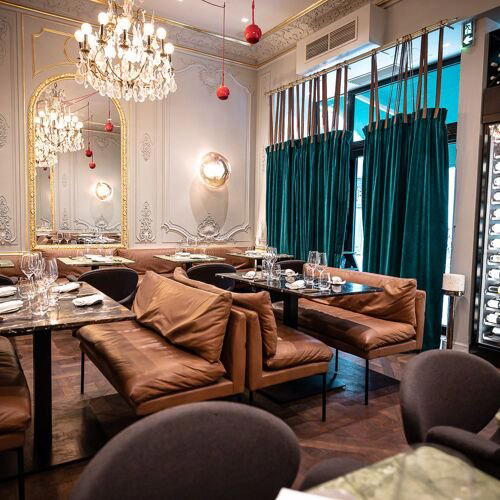
Bars in Tenbury Wells
Browse all →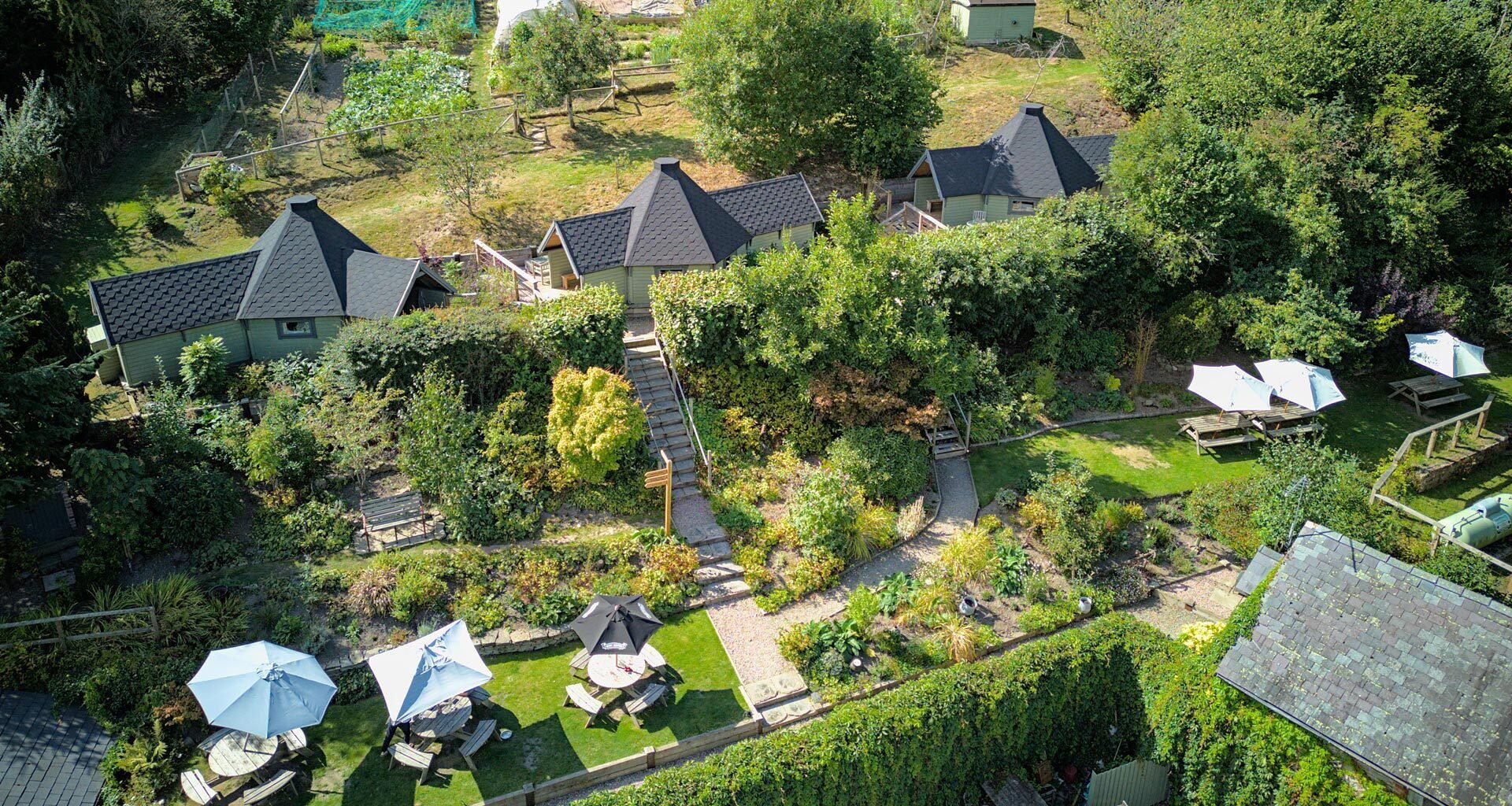
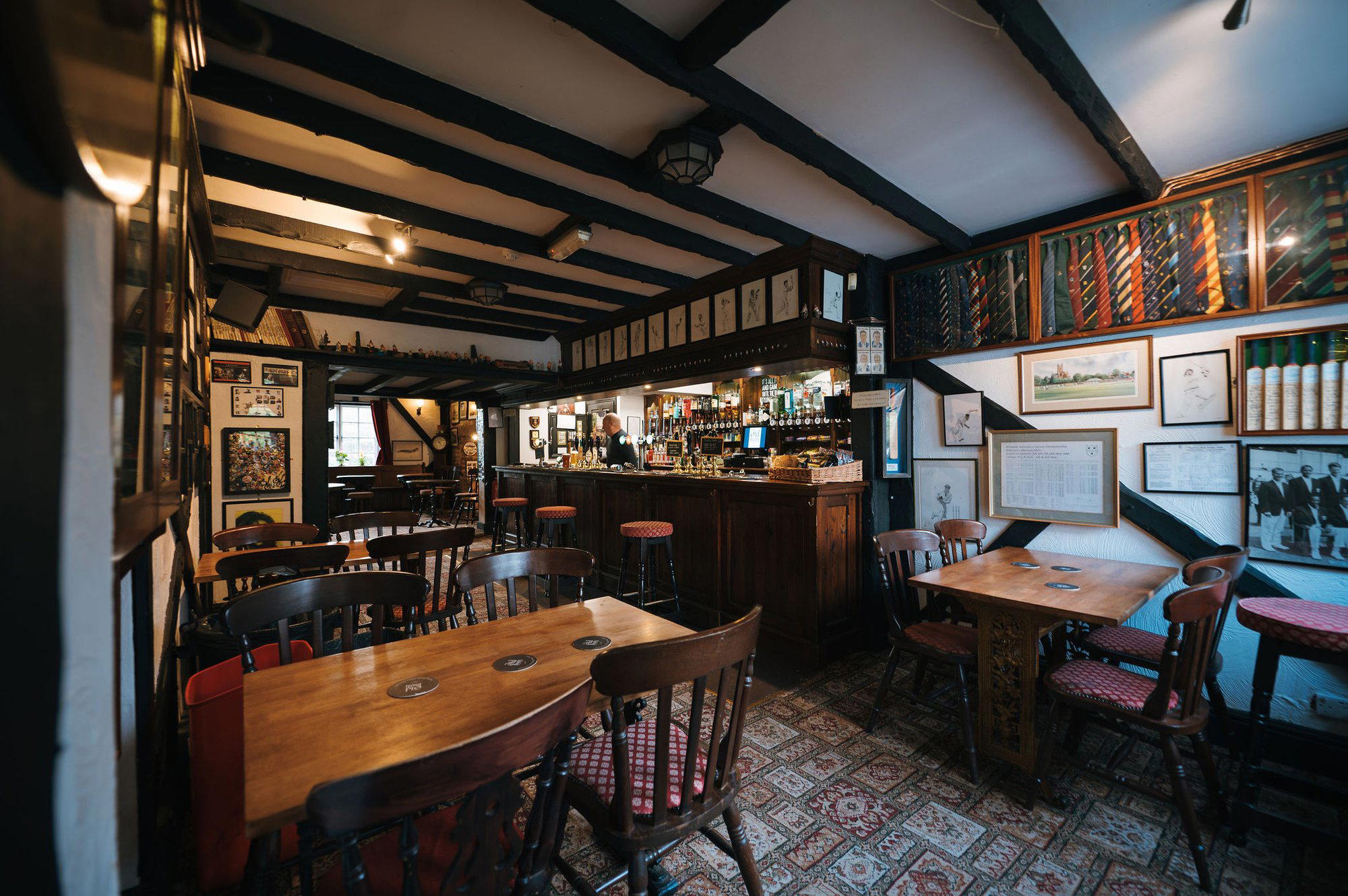
At a Glance
- Elegant
- Romantic
- Scenic
- Sophisticated
- Date Night
- Special Occasion
- Celebration
- Garden
- Historic Building
- Open Kitchen
- Standalone
- Sommelier Led
- Farm To Table
- Local Sourcing
- Organic
- Garden
Current opening hours
- Monday
- Closed
- Tuesday
- Closed
- Wednesday
- 6–11 p.m.
- Thursday
- 8:30 a.m.–11 p.m.
- Friday
- 8:30 a.m.–11 p.m.
- Saturday
- 8:30 a.m.–11 p.m.
- Sunday
- 8:30 a.m.–4 p.m.
Hours can change for holidays and private events. Last verified .
Beautiful, refined setting in a historic barn with warm, sophisticated lighting and an intimate atmosphere that encourages leisurely dining.
Know Before You Go
- Getting there
- Yard, Pensons, Tenbury Wells WR15 8RT, United Kingdom