Our verdict
Restaurant Plant sits on the Avenue d'Angers in Durtal, a small Loire-valley town that rarely appears on France's fine-dining circuit. With sparse public data available, the venue occupies an interesting position in a region where farm-to-table sourcing and quiet provincial cooking traditions carry more weight than awards tallies. For travellers passing through the Maine-et-Loire département, it warrants attention.

Pearl is the En Primeur Club membership app — saves, bookings, and concierge access live there. Same editors, same standards.
Where Durtal Fits in France's Provincial Dining Order
France's most-discussed restaurants tend to cluster in Paris, on the Riviera, or in the gastronomic strongholds of Lyon and Alsace. Places like Alléno Paris au Pavillon Ledoyen, Mirazur in Menton, and Flocons de Sel in Megève set the terms of that conversation. Durtal does not feature in it. The town sits in the Maine-et-Loire département, roughly midway between Angers and La Flèche along the Loir river, and its culinary profile is shaped by quiet agricultural abundance rather than critical acclaim. That positioning is not a weakness; it is a different kind of credential. The Loire Valley and its immediate surroundings produce some of the most consequential raw ingredients in France: Anjou vegetables, local river fish, poultry from the nearby Sarthe, and a dairy tradition that underpins the cooking across the entire region. Any restaurant operating here draws from that supply chain by default, and Restaurant Plant, addressed at 54 Avenue d'Angers, sits directly within that geography.
The Avenue d'Angers Approach
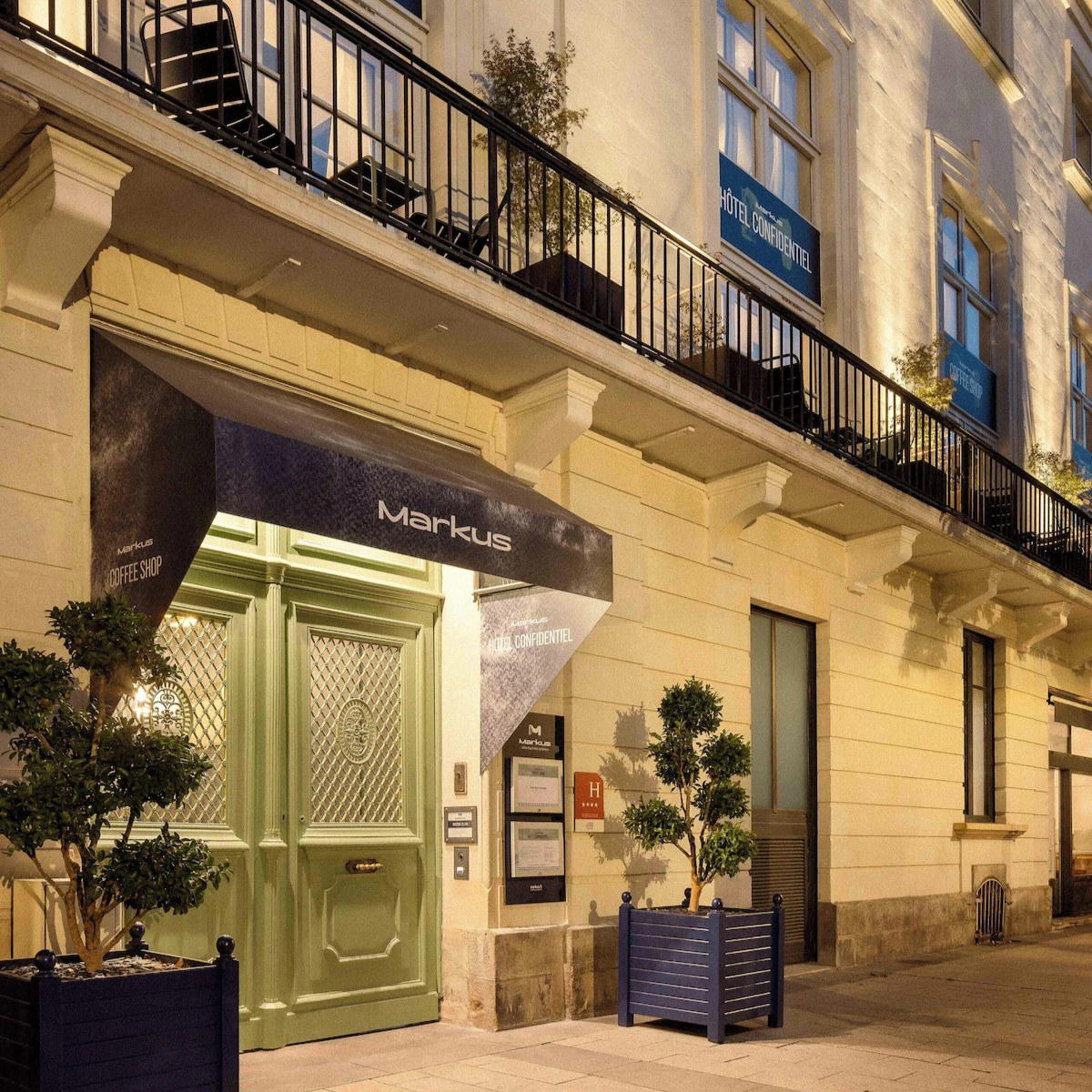
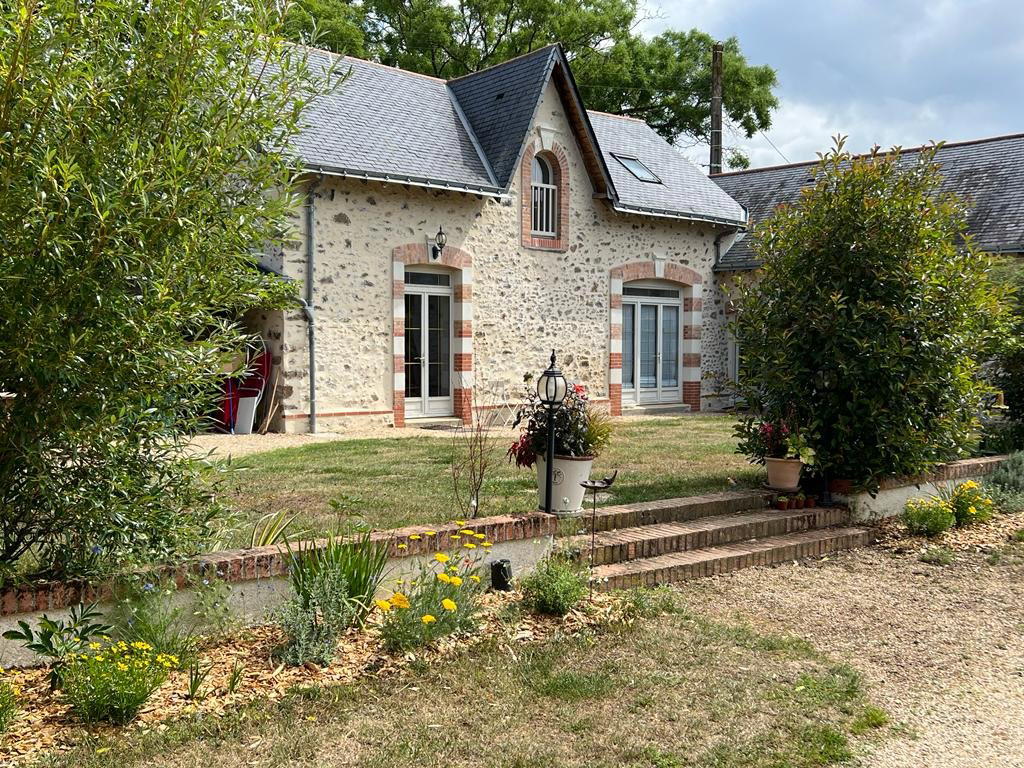
Avenue d'Angers is a direct arterial road that leads into Durtal from the west, lined with the kind of modest architecture that characterises small French market towns rather than tourist destinations. The physical approach to Restaurant Plant is therefore not theatrical in the way that arriving at, say, Bras in Laguiole or Auberge de l'Ill in Illhaeusern can feel. There is no sweeping driveway, no medieval courtyard, no river view framing the entrance. What the location offers instead is the particular quality of French provincial stillness: a town that moves at its own pace, where a restaurant on the main avenue functions as a genuine local institution rather than a destination constructed for visiting diners. That distinction matters when considering what kind of meal to expect.
Sourcing in the Maine-et-Loire Context
Maine-et-Loire is one of France's more productive agricultural départements. The Loir and Loire rivers contribute freshwater species. Market gardening around Saumur and the Anjou plain produces vegetables of a quality that supplies restaurants well beyond the region. Poultry from the Sarthe, pork products from surrounding farms, and a dairy tradition connecting to Normandy's influence to the north all form the background against which a locally-grounded kitchen in Durtal would compose its menu. This is the logic behind plant-forward or ingredient-led cooking in regional France: the supply is there, the seasons are defined, and the distance from farm to plate is short in ways that larger urban restaurants spend considerable effort simulating. Comparable moves toward ingredient transparency in fine dining appear at Christopher Coutanceau in La Rochelle, where Atlantic sourcing anchors the menu, and at La Marine in Noirmoutier-en-l'Île, where the island's specific terroir shapes every course. Restaurant Plant operates in an analogous regional logic, even if its profile sits at a different scale.
Provincial France's Quiet Dining Tier
French dining outside the major cities breaks into a recognisable tier structure. At the apex sit the multi-starred destinations that draw international visitors: Paul Bocuse in Collonges-au-Mont-d'Or, Troisgros in Ouches, Georges Blanc in Vonnas, Auberge du Vieux Puits in Fontjoncouse, and L'Oustau de Baumanière in Les Baux. Below that, in most French towns of Durtal's size and character, the operative dining format is the neighbourhood restaurant that serves a community rather than a circuit of critics. These venues operate on market availability, weekly specials determined by what came in from local suppliers, and a price structure calibrated to local spending rather than destination-dining premiums. for Restaurant Plant, placing it precisely in that hierarchy is not possible, but the geography and profile suggest it belongs to this second tier: locally significant, regionally grounded, and unlikely to require the advance booking strategy that applies to Assiette Champenoise in Reims or AM par Alexandre Mazzia in Marseille.
How This Sits Against International Reference Points
For EP Club readers who also follow the tasting-menu tier internationally, venues like Le Bernardin in New York City or Atomix in New York City represent the high-water mark of produce-driven precision cooking at scale. The sourcing discipline those kitchens apply, often with significant resources and supplier relationships built over decades, is pursued on a smaller, more improvisational basis in provincial French restaurants that still depend on weekly market runs and supplier relationships built over years in the same community. Neither model is superior; they solve different problems for different audiences. For a reader in Durtal or passing through the Maine-et-Loire, Restaurant Plant represents the more accessible, regionally embedded version of that same underlying commitment to good ingredients cooked without unnecessary complication. Similarly, Au Crocodile in Strasbourg demonstrates how provincial French kitchens can sustain serious culinary ambition outside the capital, which is a model relevant to understanding what regional dining at this level can represent.
Planning a Visit
Durtal is accessible by road from Angers, approximately 30 kilometres to the southwest, and from Le Mans, roughly 45 kilometres to the northeast. Visitors combining a Loire Valley itinerary with a stop in Durtal will find the town manageable as a half-day diversion, with the medieval château and the river frontage offering context before or after a meal. Because verified hours, booking method, and contact details for Restaurant Plant are at the time of writing, the most reliable approach is to visit the venue directly at 54 Avenue d'Angers or consult our full Durtal restaurants guide for updated logistics. Arriving without a reservation in a town of Durtal's scale carries less risk than it would in a major destination, but confirming availability in advance remains the prudent approach, particularly on weekends or during summer, when the Loire Valley sees its highest visitor volumes.
Frequently asked questions
Is Restaurant Plant child-friendly?
Durtal is a small French market town, and neighbourhood restaurants at this scale typically serve families without formal age restrictions or separate children's menus. If dining with children, arriving at the earlier end of the French dinner service is the standard approach in towns of this size.
What should I expect atmosphere-wise at Restaurant Plant?
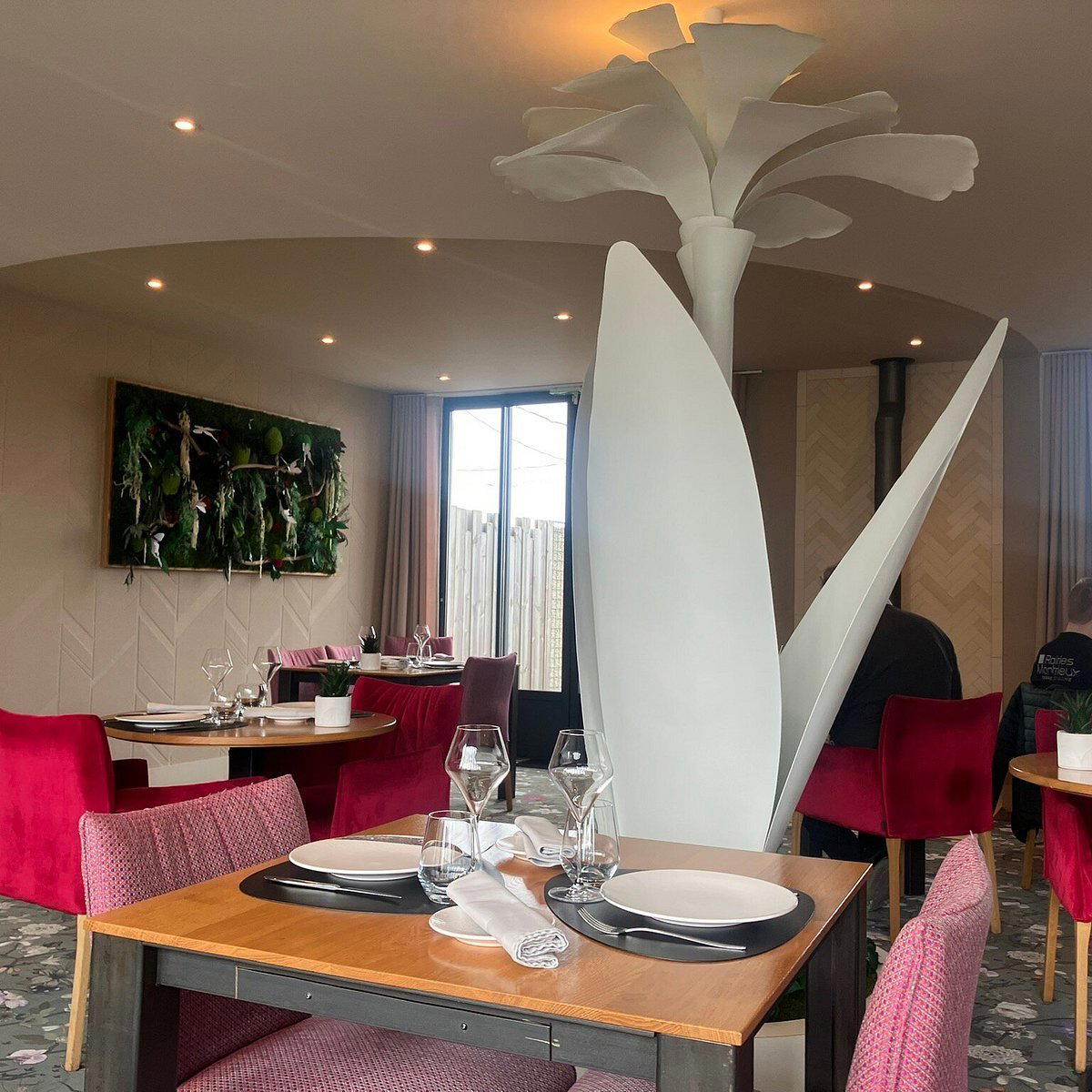
Restaurant Plant sits at 54 Avenue d'Angers, an arterial road into Durtal characterised by modest provincial architecture — the setting signals a neighbourhood room rather than a destination showpiece. In Maine-et-Loire's provincial dining tier, that typically means a focused, unfussy dining space where the kitchen takes precedence over décor. Verified interior details are not on public record, so treat the address itself as the clearest guide to format.
Is Restaurant Plant in Durtal worth a stop on a Loire Valley food itinerary?
Durtal sits roughly 30 kilometres northeast of Angers and 45 kilometres southwest of Le Mans, placing Restaurant Plant on a logical route between two of the region's larger food destinations. For travellers tracing Maine-et-Loire's provincial dining tier rather than its starred circuit, a stop in Durtal offers a less-visited counterpoint to Angers' more prominent restaurant scene. The town's market character and the restaurant's Avenue d'Angers address both point toward a locally grounded table rather than a tasting-menu destination.
What dish is Restaurant Plant famous for?
Kitchens operating within the Maine-et-Loire supply network tend to anchor menus around the region's river fish, game, and market garden produce, with rillettes and freshwater preparations appearing frequently across the area. For current menu specifics, contacting the restaurant directly before visiting is the reliable approach.
Comparison Snapshot
Comparable venues nearby, for context on price, style, and recognition.
| Venue | Cuisine | Price | Awards | Notes |
|---|---|---|---|---|
| Restaurant PlantThis venue — the venue you are viewing | Modern French Bistro | $30–50 | Not listed | Not listed |
| Comptoir De Vie | Modern French Tasting Counter-Bar | $100–150 | Not listed | 2nd Arrondissement |
| Bienheureux | Modern French Creative | Not listed | Michelin Plate | Wasquehal |
| Le Savignois | French Gastronomic with Southern Influences | $30–50 | Not listed | Savigny-sous-Faye |
| Atelier de Candale | Seasonal French wine‑country restaurant in the vineyards | $50–100 | Not listed | Saint-Laurent-des-Combes / Saint-Émilion vineyards |
| Saturne | Modern French with Nordic Influences | Not listed | Not listed | 2nd Arrondissement |
Continue exploring
More in Durtal
Restaurants in Durtal
All restaurants in Durtal →
Bars in Durtal
Browse all →
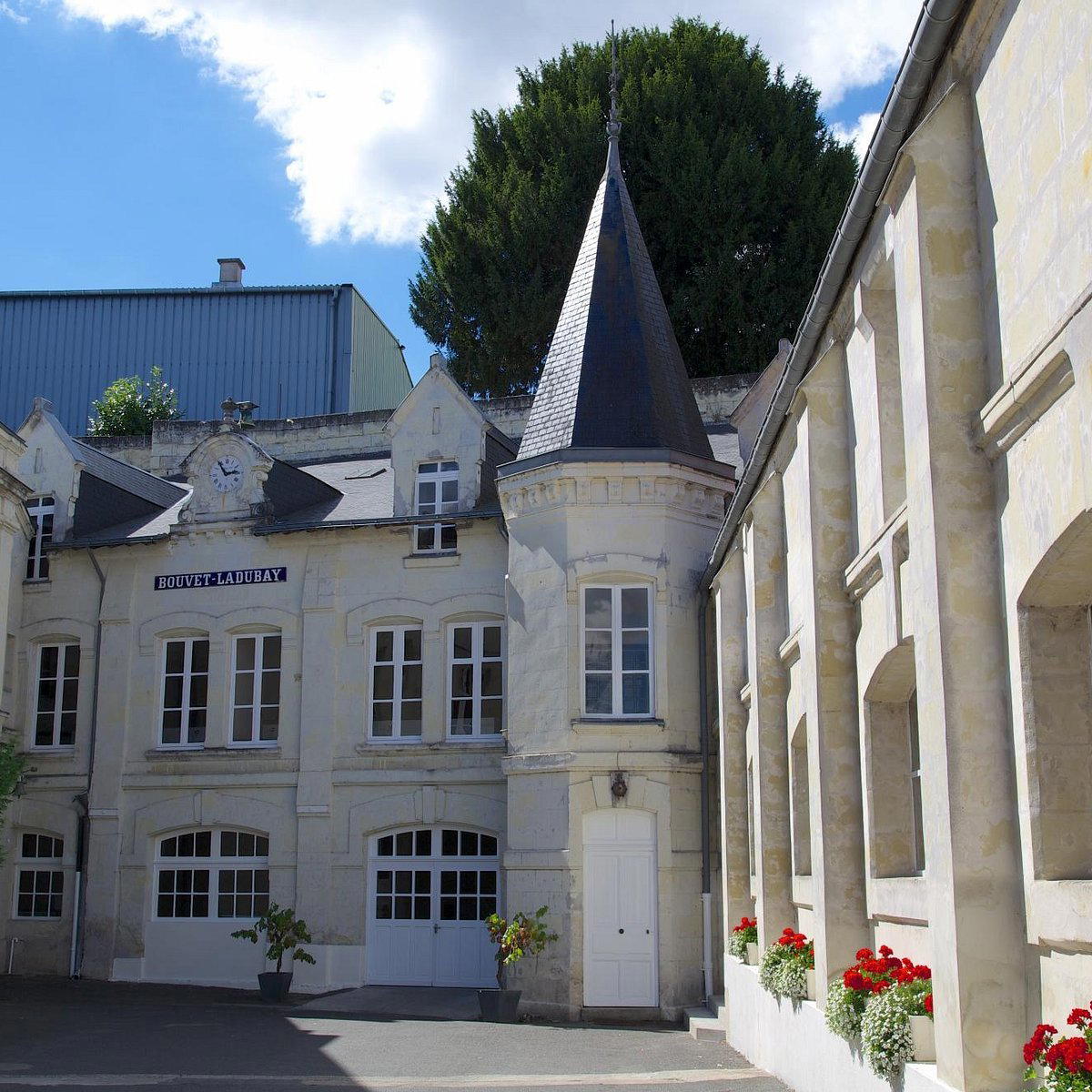
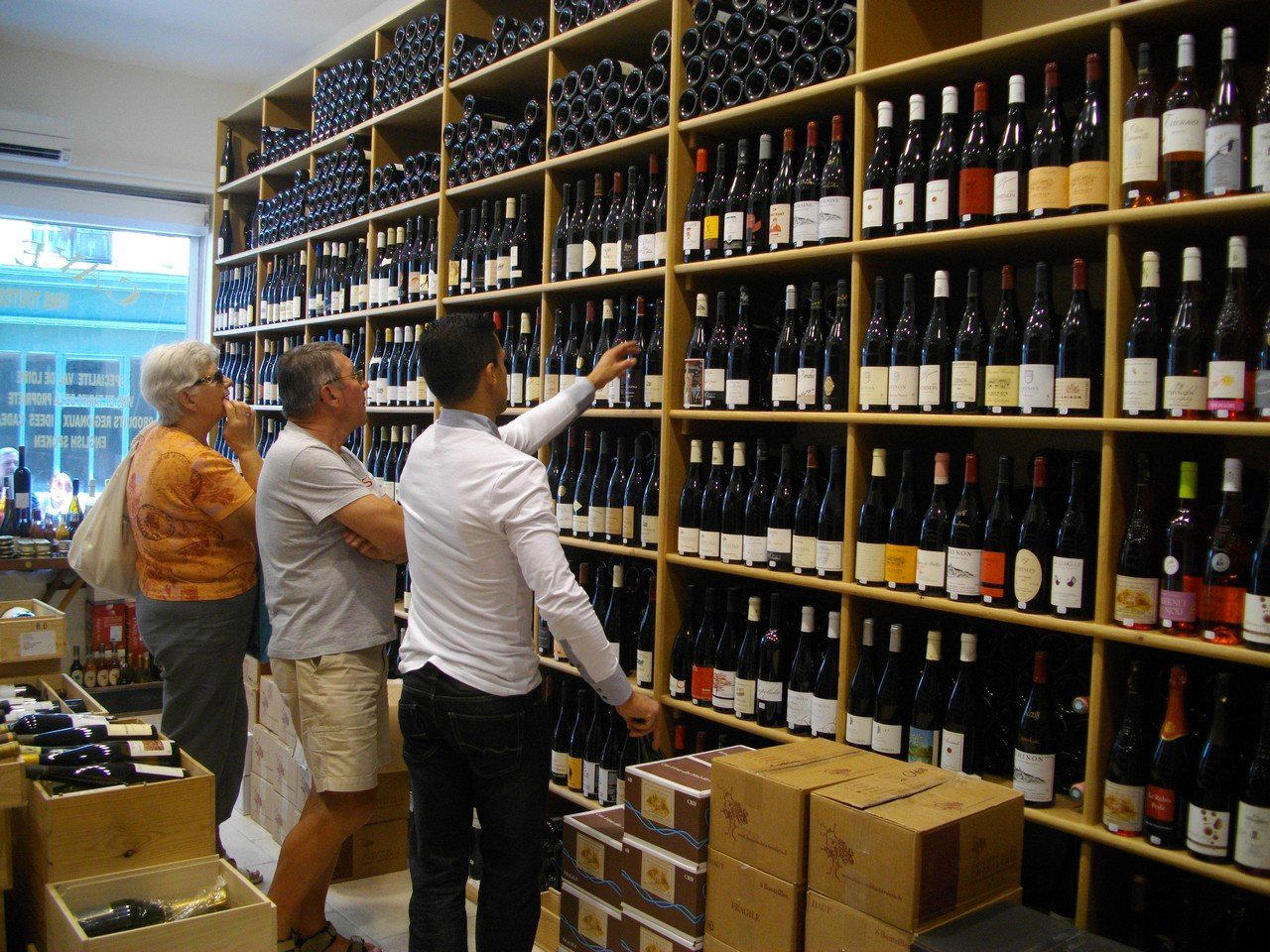
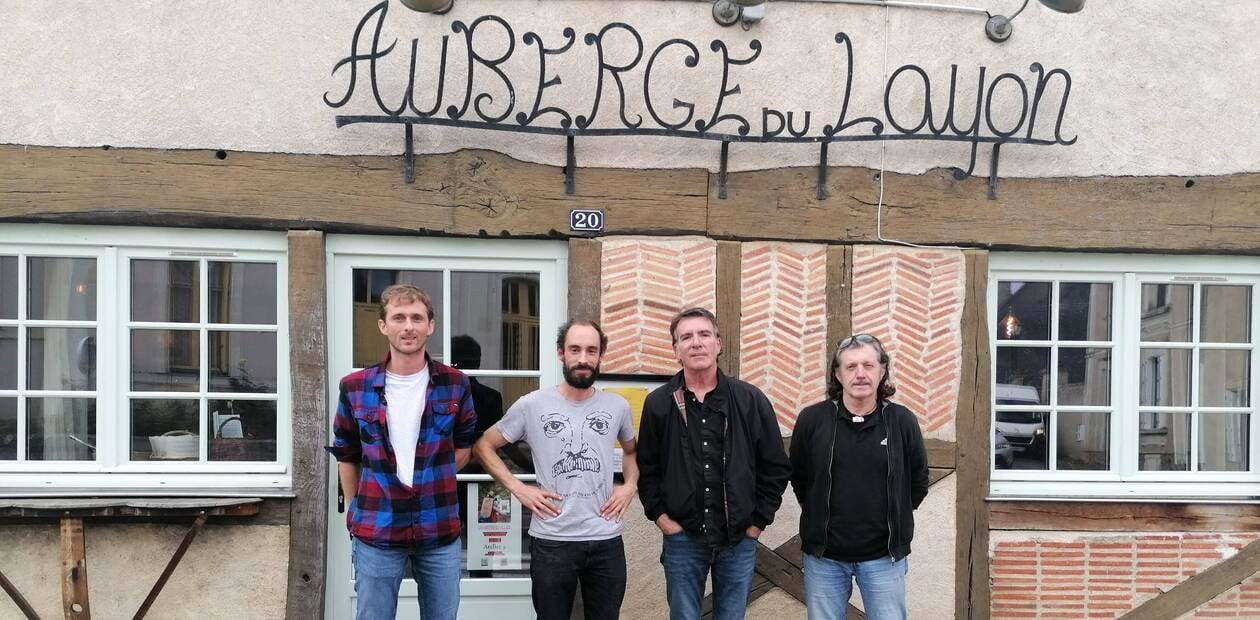
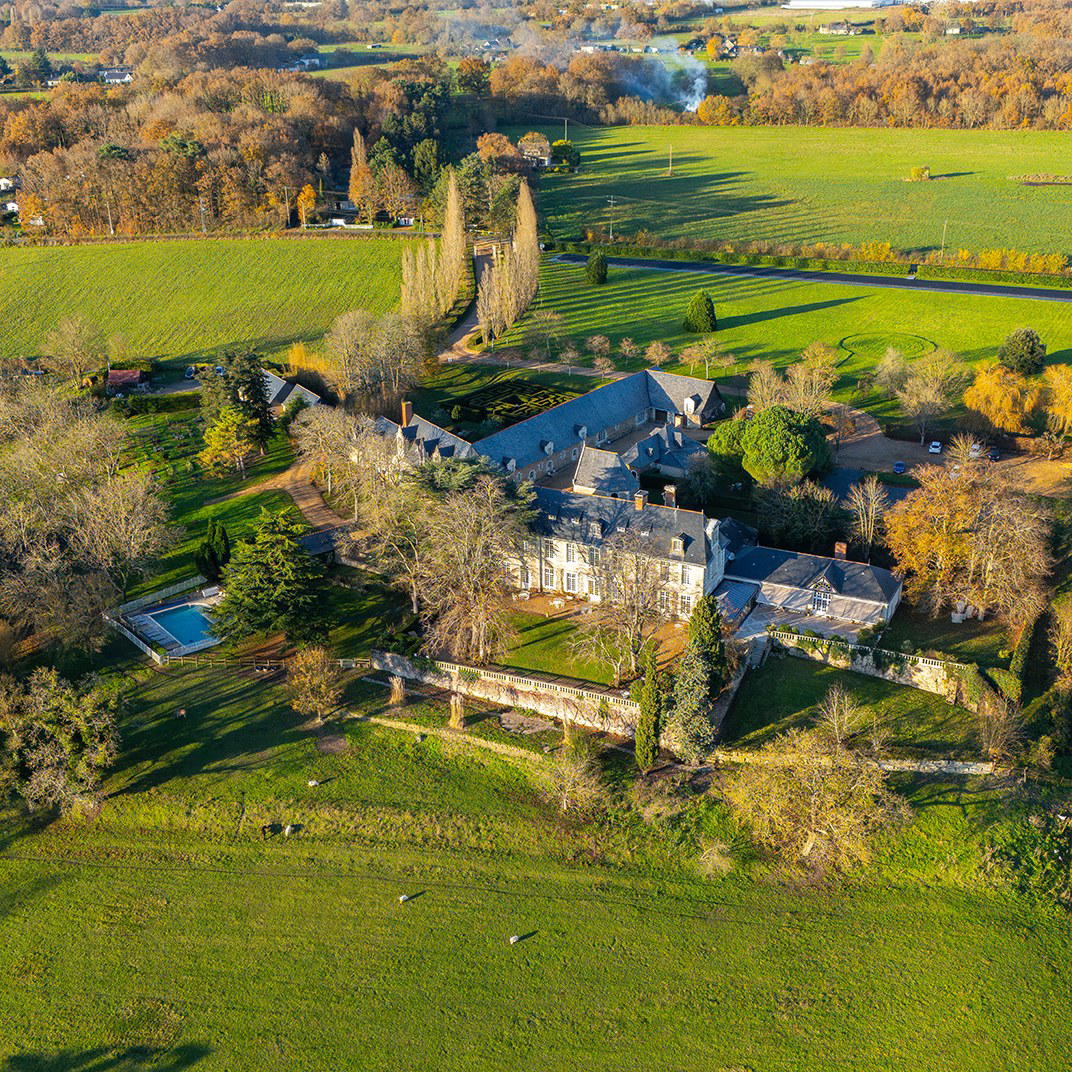

Restaurant Plant
The wine
- Wine program
- Curated wine list
- Extensive wine list
Details
- Elegant
- Modern
- Cozy
- Date Night
- Special Occasion
- Open Kitchen
- Extensive Wine List
- A La Carte
- Vegetarian Friendly
Current opening hours
- Monday
- 9 AM–2 PM
- Tuesday
- 9 AM–2 PM
- Wednesday
- Closed
- Thursday
- 9 AM–2 PM, 7:30–9:30 PM
- Friday
- 9 AM–2 PM, 7:30–9:30 PM
- Saturday
- 9 AM–2 PM, 7:30–9:30 PM
- Sunday
- 9 AM–2 PM
Hours can change for holidays and private events. Last verified .
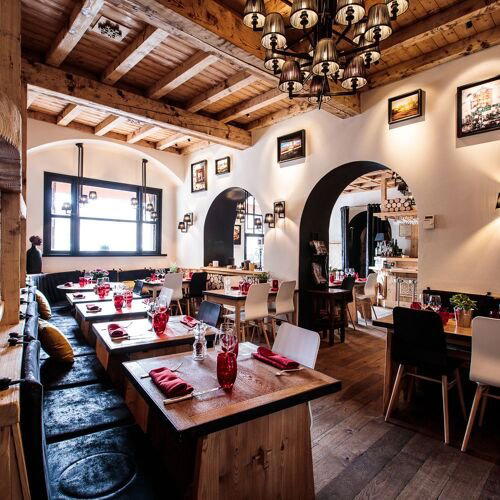
Tastefully decorated contemporary interior with comfortable seating, warm welcoming service, and an elegant yet relaxed atmosphere.