Our verdict
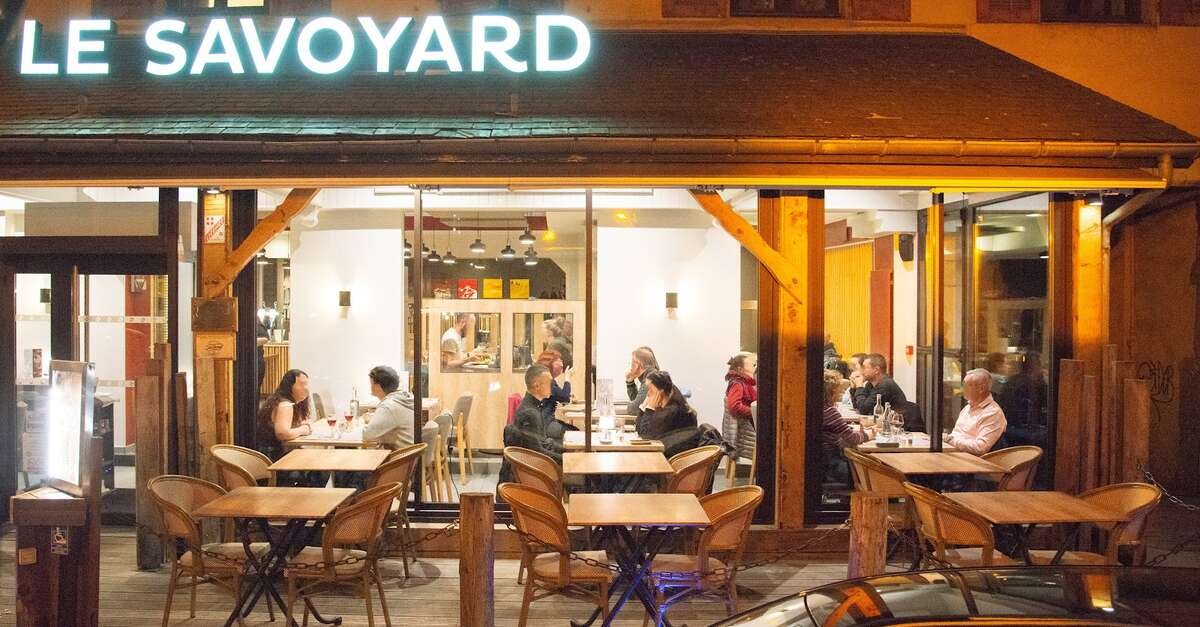
Restaurant le Savoyard serves contemporary Savoyard French in a historic building in Chambéry, with local sourcing and raclette, fondue savoyarde, and tartiflette.

Pearl is the En Primeur Club membership app — saves, bookings, and concierge access live there. Same editors, same standards.
The menu
What to order
- Raclette
- Fondue savoyarde
- Tartiflette
Place Monge and the Grammar of Savoyard Dining
Place Monge sits at the quieter edge of Chambéry's old quarter, where the city's Baroque arcades give way to a more workday rhythm of market stalls and neighbourhood cafés. It is the kind of address that rewards visitors who have already spent time in the city centre and are ready to move a step beyond the obvious. Restaurant le Savoyard occupies this position literally and figuratively: a dining room on a square that locals use rather than one that tourists photograph, which places it inside a distinct category of French regional restaurant where the room, the menu, and the clientele all point in the same direction.
Chambéry itself has an underappreciated place in the French dining conversation. The city is the historic capital of Savoie, a region whose culinary identity runs deeper than the ski-resort fondue stereotype suggests. Raclette, tartiflette, and diots are genuine expressions of an Alpine larder shaped by altitude, short growing seasons, and cross-border proximity to northern Italy and Switzerland. When the broader French restaurant world has tended toward either the technical abstraction of modern haute cuisine or the casual naturalness of the bistronomie movement, the Savoyard tradition has held its own lane: generous, dairy-forward, rooted in preserved and cured products, and deeply dependent on local cheese production. A restaurant bearing the name le Savoyard is announcing an allegiance to that tradition before a single dish arrives.
Where le Savoyard Sits in Chambéry's Current Dining Picture
Chambéry's restaurant scene has diversified considerably over the past decade. The city now supports a tier of modern creative kitchens alongside its traditional houses. Folie Cuisine d'Émotions operates at the €€€ level with a modern cuisine approach, while Carré des Sens occupies the €€ modern tier. Both represent a shift toward technique-led menus that draw from the regional larder but reframe it through a contemporary lens. Le Bistrot, also at €€, holds the traditional cuisine category alongside le Savoyard, suggesting that demand for direct regional cooking remains strong enough to sustain more than one practitioner. LMK Restaurant and La Table de Lans extend the picture further. The fuller context is available in our full Chambéry restaurants guide.
Within that spread, a restaurant that names itself after the region is making a positioning choice. It is not reaching for the creative tier. It is not trying to sit alongside the kind of technically ambitious French cooking found at Flocons de Sel in Megève or the restless innovation of Mirazur in Menton.
The Savoyard Tradition on a City-Centre Plate
Alpine cuisine in a city-centre context is a specific proposition. The great Savoyard dishes were built for mountain workers: calorie-dense, warming, often built around potatoes, cheese, charcuterie, and dried or cured meats. Transposing that into a restaurant dining room in a provincial capital requires a degree of editing. The leading regional houses in this tradition know how to keep the character of the cuisine intact while adjusting portions and composition for a lunch or dinner that does not require a ski run afterward. The risk is always in either direction: too rustic and the food tips into canteen territory, too refined and the regional identity dissolves into generic French brasserie cooking.
The broader French restaurant world offers instructive comparisons at either extreme. Houses like Bras in Laguiole have shown how a regional cuisine can be pushed into a fully contemporary register without losing its territorial root. At the other end of the spectrum, neighbourhood bistros in every French city maintain the appeal of honest, unfussed cooking that does not ask the diner to decode a concept. The Savoyard tradition in a city-centre setting sits between those poles, and the execution at any given address determines where it lands on that axis.
Getting There and Planning a Visit
Place Monge is reachable on foot from Chambéry's city centre in under ten minutes, which places it within easy reach of the main train station, a practical consideration given that Chambéry sits on a direct TGV line from Paris (roughly three hours) and is connected to Lyon in under an hour. The square itself is not a major tourist node, so the dining room draws primarily from a local and regional clientele rather than an international one, which tends to shape both the pace and the noise level of service. For visitors arriving from outside France, Chambéry-Savoie airport handles limited seasonal traffic; the train is the more reliable entry point for most European travellers.
For visits in the ski season (roughly December through March), Chambéry restaurants at all tiers tend to see heavier demand from resort-adjacent travellers, and reservation lead times increase accordingly. The shoulder months of May, June, and September offer the most accessible conditions for dining across the city.
Regional Dining in a National Context
To understand what a restaurant like le Savoyard represents in the French dining system, it helps to look at where the national conversation is focused. The restaurants that generate the most critical attention in France today tend to cluster around either extreme of the formality spectrum: three-star temples like Alléno Paris au Pavillon Ledoyen or the technically precise Assiette Champenoise in Reims, or the wave of creative newcomers working in a looser register. Regional houses that maintain classical cooking without chasing awards or press cycles occupy a different space: they serve the function of cultural continuity, keeping the local larder visible and the regional kitchen legible to each generation of diners. Internationally, parallels exist in houses like Au Crocodile in Strasbourg, which navigates the tension between Alsatian tradition and contemporary French dining expectations. Even at the global level, the contrast is instructive: the technical ambition of Le Bernardin in New York City or the cross-cultural precision of Atomix represents what happens when a cuisine is pushed to its formal limit. The Savoyard tradition makes a different argument: that a cuisine rooted in place and season, served without theatre, has its own integrity. The most compelling regional houses do not need to compete with the avant-garde to justify their existence. They justify it by cooking well in a register that the avant-garde has largely abandoned. Whether le Savoyard delivers on that argument is something a visit to Place Monge will settle more efficiently than any amount of critical context. The address, the tradition it claims, and the city it operates in all point toward a specific kind of meal. The question is whether the kitchen meets the expectation the name sets.
Frequently asked questions
Where do I go for Restaurant le Savoyard?
Restaurant le Savoyard is located at 35 Pl. Monge, 73000 Chambéry, France, Chambéry.
Is Restaurant le Savoyard a good choice for a traditional Alpine meal near Chambéry's train station?
Place Monge places it within walking distance of Chambéry's main station, which makes it a practical option for travellers passing through the city between Alpine destinations. The restaurant's Savoyard orientation means the menu draws from the same regional tradition as the ski resort kitchens further up in the Savoie, but in a city-centre setting without the resort pricing dynamic. For anyone transiting Chambéry and wanting a grounded introduction to the region's food, the address at 35 Place Monge is worth noting.
What do people recommend at Restaurant le Savoyard?
The name signals a commitment to the Savoyard canon, which means the menu likely centres on fondue, tartiflette, and raclette — the dishes that define Alpine cuisine in the Savoie. These are calorie-dense, dairy-forward preparations built around Reblochon, Beaufort, and Abondance, cheeses with protected designation status in the region. For first-time visitors to Chambéry, starting with the fondue Savoyarde is the logical entry point into what the kitchen represents.
What's the best way to book Restaurant le Savoyard?
Place Monge is walkable from Chambéry's main train station in under ten minutes, making a direct inquiry straightforward for anyone already in the city centre.
What has Restaurant le Savoyard built its reputation on?
Its positioning within the Savoyard culinary tradition is the clearest signal available. In Chambéry, where the dining scene now includes modern creative kitchens, a restaurant anchored in regional Alpine cooking occupies a distinct position — one oriented toward the cheese-heavy, mountain-worker dishes that the Savoie has produced for centuries. That specificity, rather than any single award or critical recognition currently on record, is what defines the restaurant's role in the city.
Do they accommodate allergies at Restaurant le Savoyard?
Savoyard cuisine is built on dairy — cheese, cream, and butter appear across the core dishes — which matters for guests with lactose intolerance or dairy allergies. Contacting the restaurant directly at 35 Place Monge before visiting is the practical course of action.
A Minimal comparable set
Comparable venues nearby, for context on price, style, and recognition.
| Venue | Cuisine | Price | Awards | Notes |
|---|---|---|---|---|
| Restaurant le SavoyardThis venue — the venue you are viewing | Contemporary Savoyard French | $20–30 | Not listed | Not listed |
| Restaurant les Halles | Traditional French Bistro | $20–30 | Not listed | Vieux Chambéry, Traditional French Bistro |
| La Table de Lans | Seasonal French Cuisine | Not listed | Not listed | historic center, Refined French Fine Dining |
| Carré des Sens | Modern French Bistro | $30–50 | Michelin Plate | Place Monge, Modern French Bistro |
| Le Bistrot | Classic French Bistro | $30–50 | Michelin Plate | historic center, Classic French Bistro |
| Pinson | Mediterranean-French Seasonal Cuisine | $50–100 | Michelin Plate | Centre-ville (Downtown Chambéry), Mediterranean-French Seasonal Cuisine |
Continue exploring
More in Chambéry
Restaurants in Chambéry
All restaurants in Chambéry →
Bars in Chambéry
All bars in Chambéry →

Details
- Rustic
- Cozy
- Classic
- Date Night
- Special Occasion
- Historic Building
- Local Sourcing
- A La Carte
- Vegetarian Friendly
- Vegan Options
- Gluten Free Options
Current opening hours
- Monday
- 12–1:30 PM, 7–9:30 PM
- Tuesday
- 12–1:30 PM, 7–9:30 PM
- Wednesday
- 12–1:30 PM, 7–9:30 PM
- Thursday
- 12–1:30 PM, 7–9:30 PM
- Friday
- 12–1:30 PM, 7–10 PM
- Saturday
- 12–1:30 PM, 7–10 PM
- Sunday
- Closed
Hours can change for holidays and private events. Last verified .
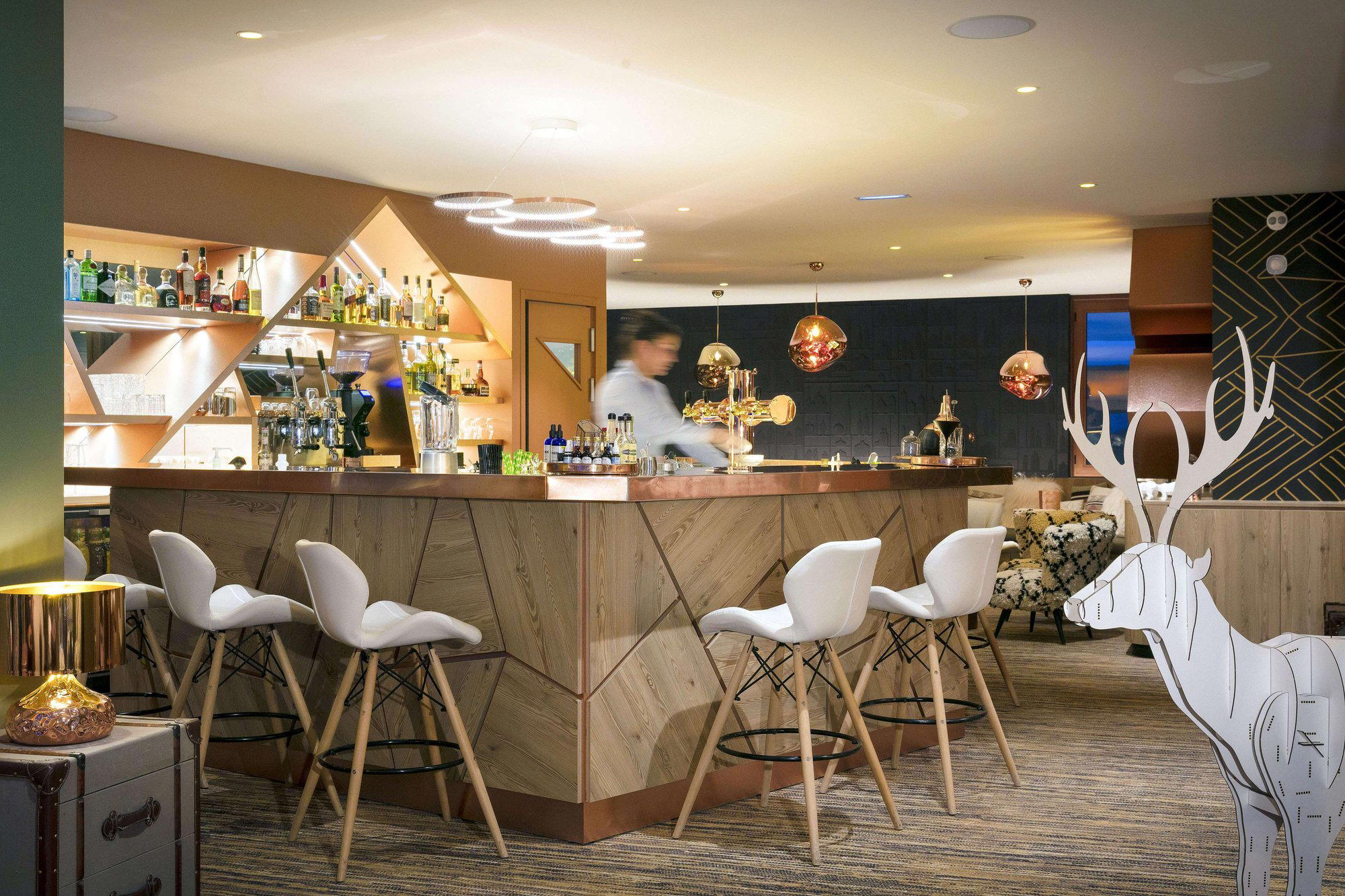
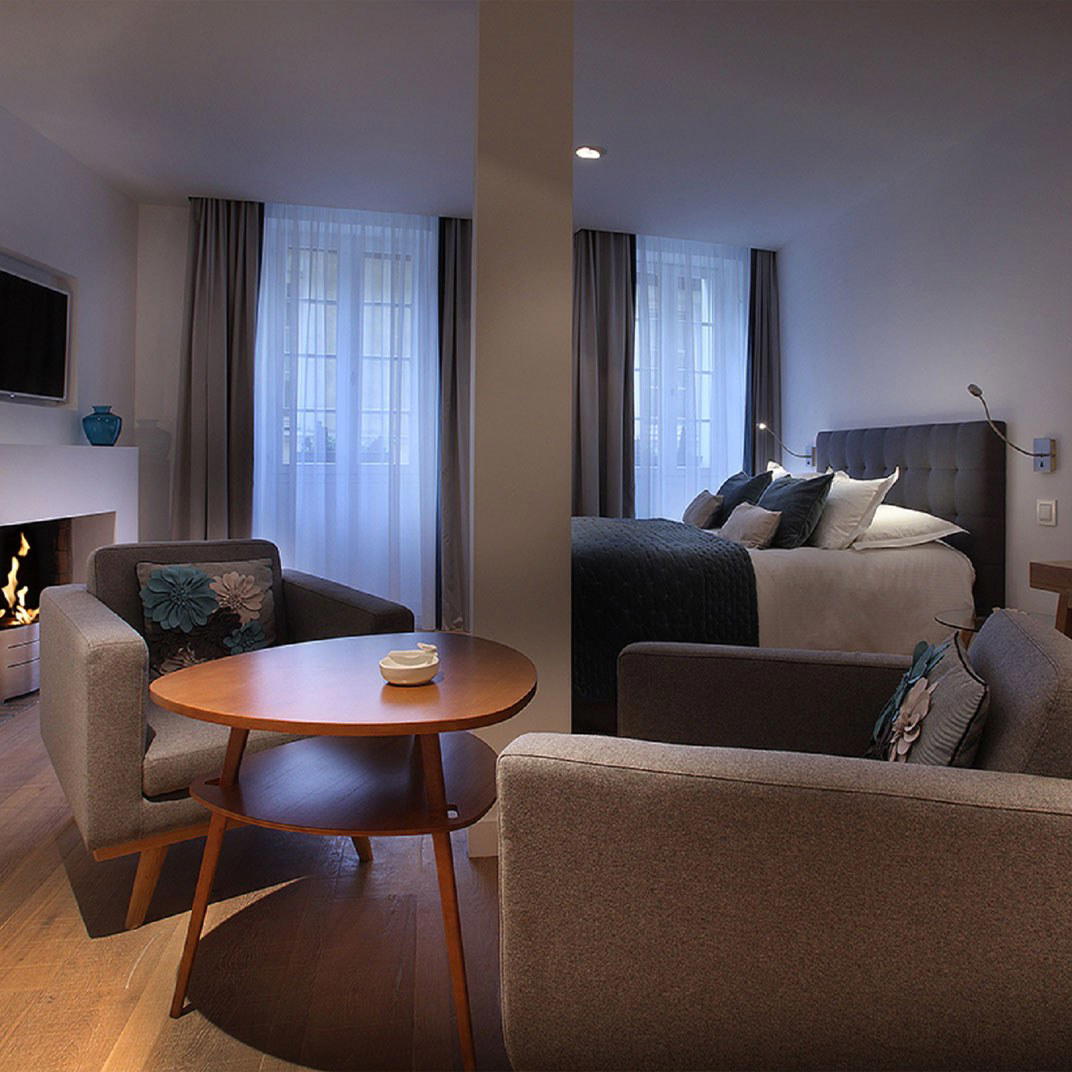
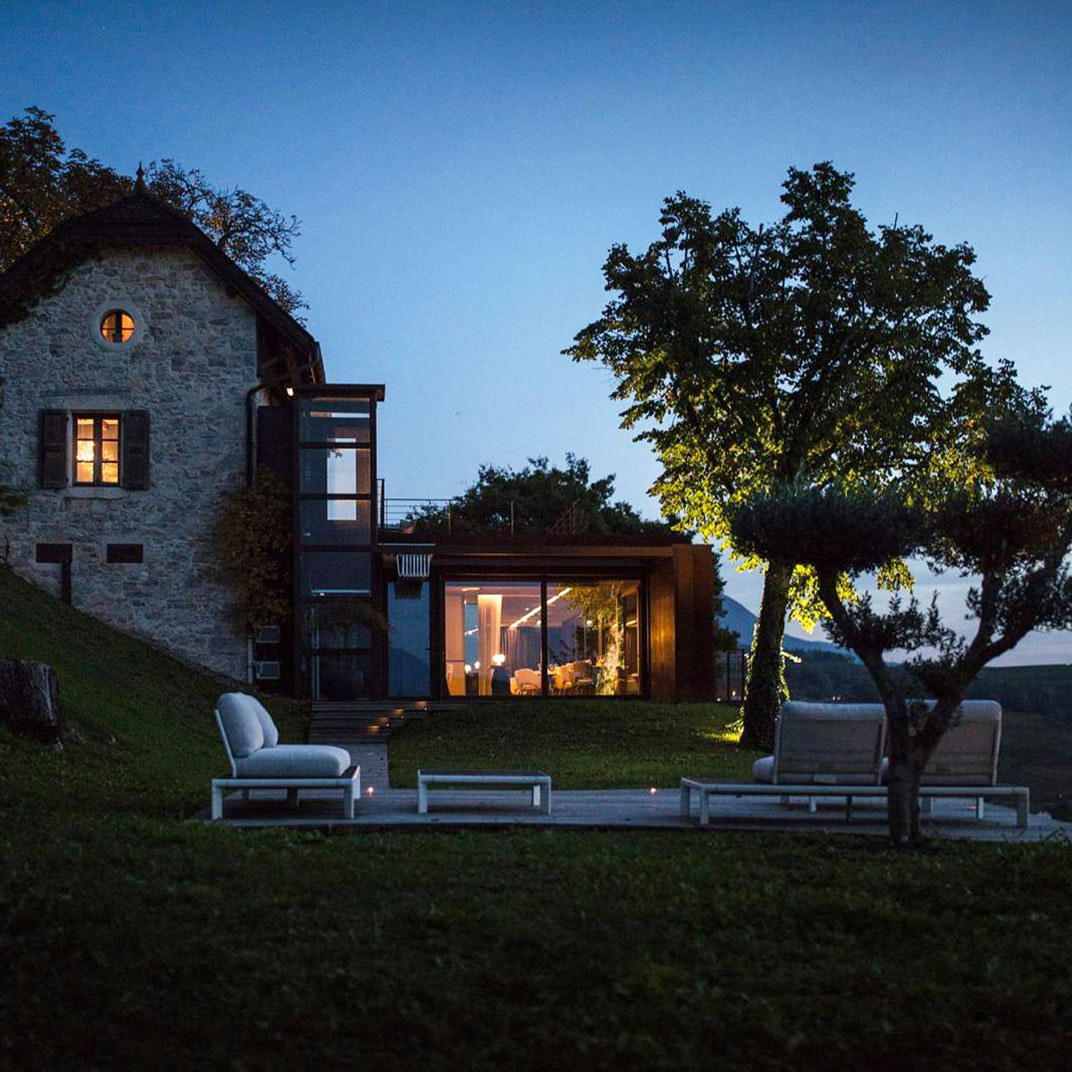
Stylish and cozy atmosphere well-suited for romantic dinners with warm welcome and attentive service.