LMK Restaurant occupies a address on the Avenue des Landiers in Chambéry, placing it within reach of the city's broader dining circuit that spans traditional Savoyard cooking and contemporary French technique. The restaurant sits in a city where alpine culinary identity and urban French sensibility regularly intersect, making it a point of interest for those mapping the Chambéry restaurant scene beyond its better-documented addresses.
Pearl is the En Primeur Club membership app — saves, bookings, and concierge access live there. Same editors, same standards.
- Address
- 831 Av. des Landiers, 73000 Chambéry, France
- Phone
- +33777492727
- Website
- lmkrestaurant-chambery.fr
- Directions
- Get directions
 Saves & bookings on Pearl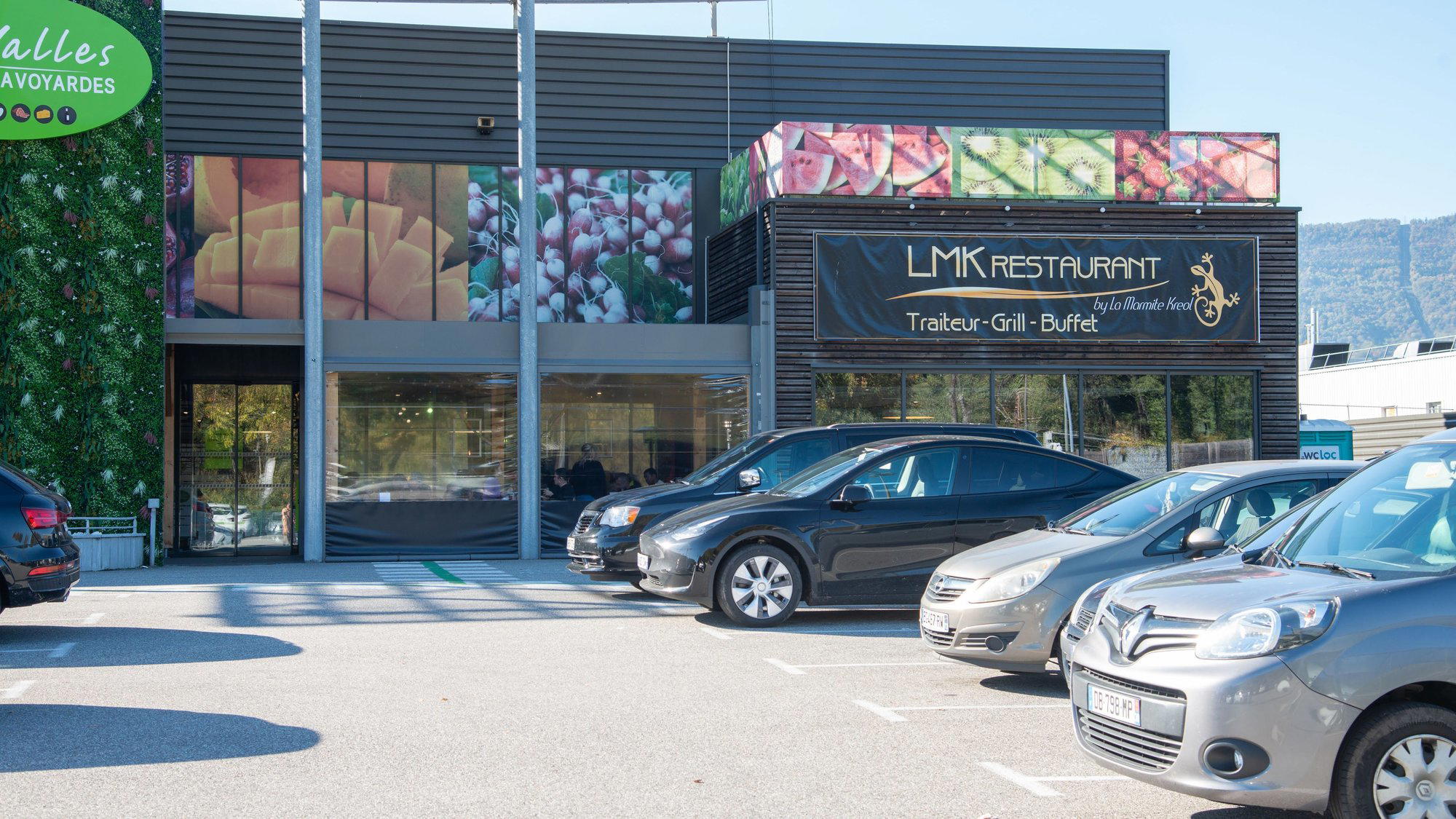
Chambéry's Dining Position Between the Alps and the Rhône Valley
Chambéry occupies an unusual culinary position for a mid-sized French city. Sitting at the foot of the Savoy Alps and within reasonable distance of Lyon's gastronomic gravity, it draws on two distinct food cultures simultaneously: the mountain tradition of cheese-heavy, fire-cooked, fat-enriched dishes rooted in altitude and agricultural history, and the more technique-driven, produce-centred cooking that defines the Rhône-Auvergne axis further west. Restaurants operating in this city therefore face a persistent editorial question about which tradition to serve, and to what degree. Some, like Le Bistrot, anchor firmly in traditional cuisine at an accessible price point. Others, including Carré des Sens and Folie Cuisine d'Émotions, have moved toward contemporary French formats at mid-to-upper price tiers. LMK Restaurant, located at 831 Avenue des Landiers, 73000 Chambéry, France, sits within this city's evolving dining geography.
Avenue des Landiers and the Northern Edge of the City
The Avenue des Landiers runs through a predominantly commercial and transit-facing part of Chambéry, north of the medieval old town. This is not the postcard Chambéry of cobbled streets and ducal history. Arriving here, the urban texture shifts: wider roads, light industrial edges, retail parks in the periphery. In French dining culture, this kind of address often signals a neighbourhood restaurant built for a local clientele rather than tourist circuits, where regulars define the room and the formula is driven by consistency and value rather than destination-dining theatrics. That spatial context matters when reading any restaurant on this street: the surrounding environment sets certain expectations about format, price register, and what the dining room probably feels like from the inside, functional, likely unfussy, with a proximity to everyday local life that more centrally placed addresses cannot replicate.
What LMK Represents in Chambéry's Mid-Market
Chambéry's restaurant scene has not historically attracted the Michelin concentration found in nearby alpine resort towns. Flocons de Sel in Megève and the broader Haute-Savoie circuit operate at a different altitude of investment and international profile. Chambéry's dining, by contrast, is largely built around the city's permanent population: students, professionals, public-sector workers, and the seasonal flow that passes through en route to ski stations. In this environment, restaurants on peripheral avenues like the Landiers corridor tend to occupy a middle register: accessible pricing, dependable menus, and a relationship with regular customers that sustains them outside of tourist peaks. This is the kind of restaurant geography that cities actually run on, even if it generates less editorial coverage than destination-tier addresses. For those interested in how Chambéry eats day-to-day, rather than how it performs for visitors, these addresses carry real informational weight.
Savoyard Culinary Roots and the Cultural Register They Carry
French alpine cuisine is one of the more geographically specific food cultures in Europe. Its core materials, Beaufort, Reblochon, Abondance, tomme, are appellation-controlled products with legally defined production zones tied to specific altitudes and pastoral practices. Dishes like tartiflette, raclette, and fondue are not merely comfort food in this region; they encode centuries of mountain agriculture, preservation technique, and communal eating practice. Understanding this makes the contemporary question facing Chambéry restaurants more interesting: how much of that tradition survives as living practice versus becoming a tourist-facing performance? Restaurants positioned away from the old town, on addresses like the Avenue des Landiers, tend to navigate this tension differently from those in historic centres. The clientele is less likely to be seeking a folkloric Savoyard experience and more likely to expect something that resembles how actual Chambériens eat in 2024. That distinction shapes menus, pricing, and tone of service in ways that matter. Comparable cultural negotiations play out at regional institutions across France, from Auberge de l'Ill in Illhaeusern to Bras in Laguiole, each anchored in a regional identity while making active choices about how much that identity dominates the plate.
Reading LMK Against the Wider Chambéry Field
Within Chambéry's documented dining tier, the market breaks broadly into two bands. There is the contemporary French tier, where Folie Cuisine d'Émotions operates at a €€€ price point with a modern approach, and Carré des Sens holds a similar contemporary positioning at €€. Below that sits the traditional tier, anchored by addresses like Le Bistrot at €€, and more informal local options. Pinson and La Table de Lans represent further points on this local map. LMK's position within this field is not fully documented in publicly available records at this time, which itself says something about where it sits: restaurants at the destination tier generate the review density, awards citations, and critical documentation that makes positioning direct. When that documentation is absent, the restaurant is most likely operating in the everyday segment, where local utility matters more than editorial recognition. That is not a diminishment. It is a different kind of value, one that becomes visible when you stop reading city guides written exclusively for inbound visitors.
Practical Information for Visiting
LMK Restaurant is located at 831 Avenue des Landiers, 73000 Chambéry. The address places it in the northern commercial zone of the city, accessible by car and within reach of public transit lines that connect the Landiers corridor to central Chambéry. Booking is recommended, and the restaurant is open Tue to Thu 12–1:45 PM and 7–9 PM, Fri to Sat 12–2 PM and 7–10 PM. Given its casual setting, reservations are recommended rather than essential. For comparison across the national French dining field, profiles extend to addresses including Alléno Paris au Pavillon Ledoyen, Mirazur in Menton, Paul Bocuse in Collonges-au-Mont-d'Or, Assiette Champenoise in Reims, Au Crocodile in Strasbourg, and AM par Alexandre Mazzia in Marseille, offering a range of benchmarks against which any French regional restaurant can be contextualised. Beyond France, coverage includes addresses in New York City and Ouches, including Le Bernardin in New York City, Atomix in New York City, and Troisgros in Ouches.
Cost and Credentials
Comparable venues nearby, for context on price, style, and recognition.
| Venue | Cuisine | Price | Awards | Notes |
|---|---|---|---|---|
| LMK RestaurantThis venue — the venue you are viewing | Not listed | $$ | Not listed | Not listed |
| Restaurant le Savoyard | Not listed | $$ | Not listed | historic center, Contemporary Savoyard French |
| Restaurant les Halles | Not listed | $$ | Not listed | Vieux Chambéry, Traditional French Bistro |
| Carré des Sens | Place Monge, Modern French Bistro | $$ | Michelin Plate | Not listed |
| La Table de Lans | Not listed | $$$$ | Not listed | historic center, Refined French Fine Dining |
| Le Bistrot | historic center, Classic French Bistro | $$ | Michelin Plate | Not listed |
At a Glance
- Cozy
- Lively
- Family
- Group Dining
- Casual Hangout
- Standalone
- Beer Program
- Local Sourcing
Current opening hours
- Monday
- Closed
- Tuesday
- 12–1:45 PM, 7–9 PM
- Wednesday
- 12–1:45 PM, 7–9 PM
- Thursday
- 12–1:45 PM, 7–9 PM
- Friday
- 12–2 PM, 7–10 PM
- Saturday
- 12–2 PM, 7–10 PM
- Sunday
- Closed
Hours can change for holidays and private events. Last verified .
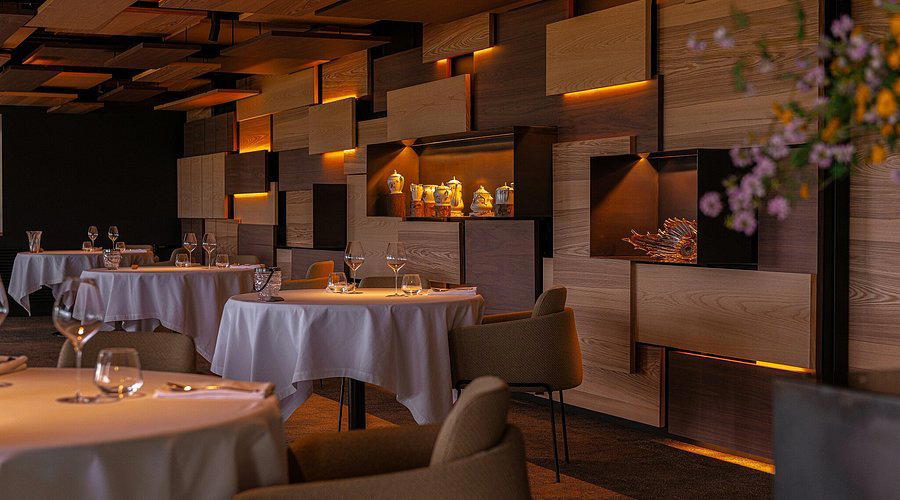
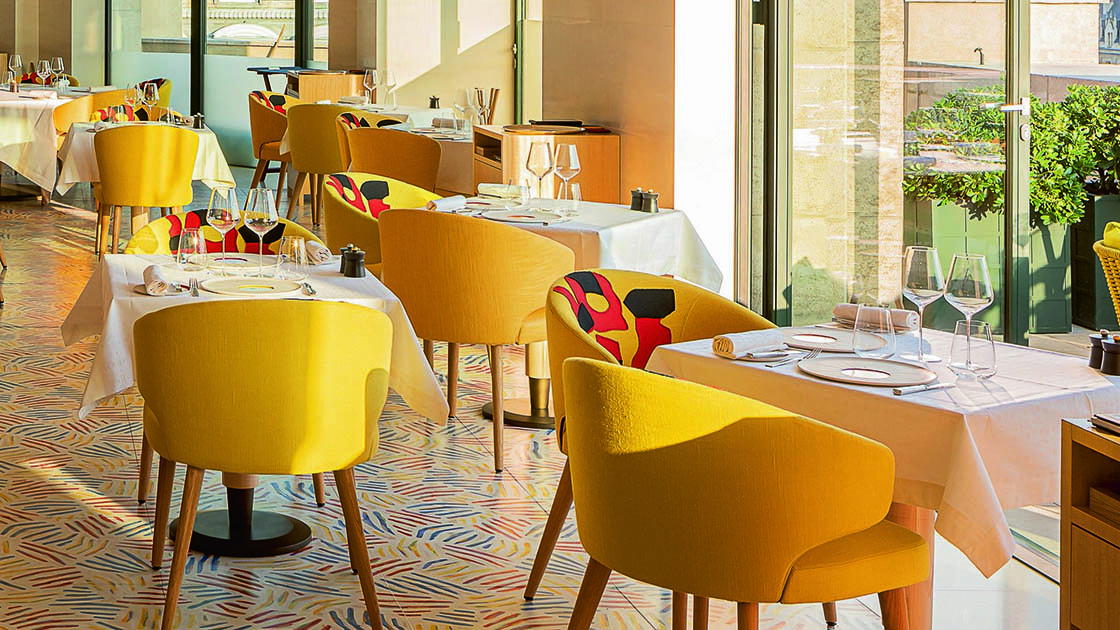
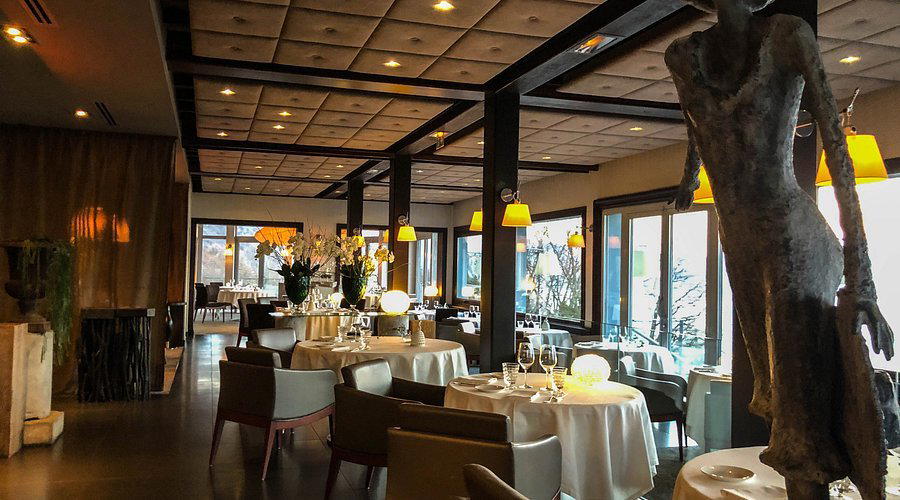
Warm and convivial atmosphere with casual, unpretentious décor; transports diners to Réunion Island through music, flavors, and friendly staff guidance.