Our verdict
Restaurant L'Académie occupies a well-established address on Boulevard des Galeries d'Anjou, serving the eastern Montreal suburb with a dining room that has built steady local loyalty over the years. The restaurant sits in a borough where table-service dining options are fewer than in central Montreal, giving it a clear role in the neighbourhood's food scene. Visitors looking for a sit-down meal in Anjou will find it a reliable reference point.

Pearl is the En Primeur Club membership app, where members save venues, book tables and use the concierge.
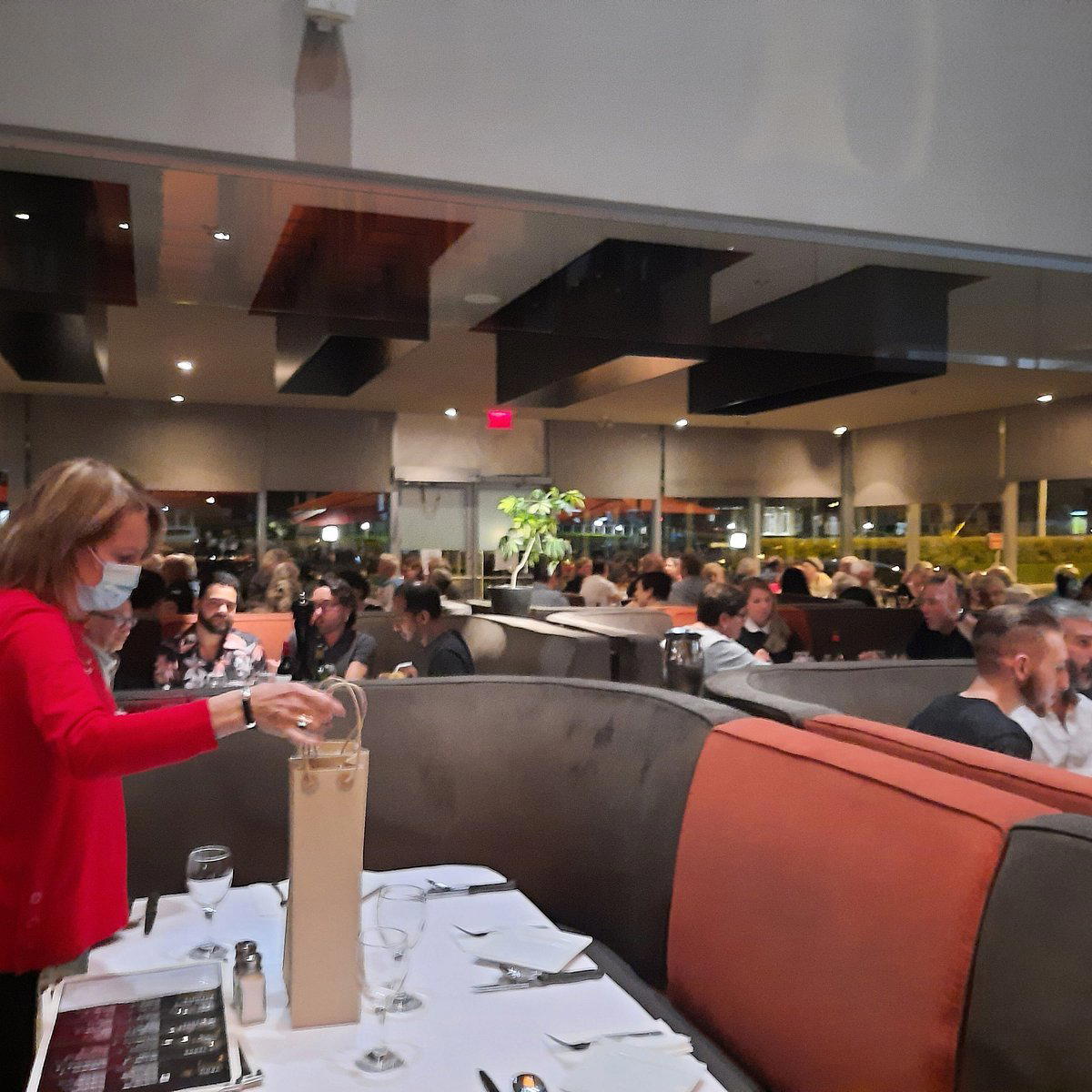
Dining in Anjou: Context Before the Menu
Montreal's eastern suburbs have long operated in the culinary shadow of the city's Plateau, Mile End, and Old Port districts, where press coverage concentrates and reservation lists fill fastest. Anjou, a residential borough anchored by the Galeries d'Anjou shopping complex, follows a different rhythm. Table-service restaurants here serve a local clientele rather than destination diners, and the venues that endure tend to do so on consistency rather than on industry buzz. Restaurant L'Académie, at 7275 Boulevard des Galeries d'Anjou, sits within that context: a neighbourhood address that has maintained a presence in an area not overserved by sit-down dining options.
That geography matters when assessing what L'Académie represents. Anjou is not where Montreal's food media focuses its attention, which means restaurants here compete on repeat visits from local regulars rather than on first impressions from critics passing through. The borough's dining scene is worth understanding on its own terms before drawing comparisons to destination restaurants like Jérôme Ferrer's Europea in Montreal or further afield, Alo in Toronto and AnnaLena in Vancouver. Those venues operate in urban cores with dense, competitive peer sets.
Where Ingredient Sourcing Shapes the Suburban Table
Across Quebec, the sourcing conversation that has reshaped restaurant culture over the past fifteen years has not stayed contained to the province's headline addresses. Restaurants in Quebec City, like Tanière³, built their reputation in part on rigorous local sourcing as a creative and ethical framework. In smaller cities, venues like Narval in Rimouski have applied similar sourcing principles to regional contexts far from metropolitan supply chains. The question for a neighbourhood restaurant in Anjou is how much of that broader Quebec sourcing culture filters through to a table on Boulevard des Galeries.
What can be said is that the sourcing expectations of Quebec diners have shifted considerably, even in suburban markets. A restaurant operating in Anjou in the current period faces a local clientele that is increasingly familiar with seasonal produce, Quebec dairy, and regional proteins, partly because those conversations have entered mainstream food culture through television, farmers' markets, and the broader visibility of restaurants like Aux Anciens Canadiens, which has long leaned on traditional Quebec produce as its core identity. Suburban dining rooms are not immune to those expectations, and the restaurants that hold regular customers in areas like Anjou tend to be the ones that meet them.
Canada's farm-to-table movement has also produced some of its most committed examples outside city centres. Eigensinn Farm in Singhampton and Restaurant Pearl Morissette in Lincoln both demonstrate that proximity to source is a viable structural advantage rather than a marketing gesture. That model does not translate directly to a suburban Montreal setting, but it illustrates the direction Quebec's broader dining culture has been moving. Restaurants at every price tier feel the downstream effects of that shift.
The Anjou Dining Room as a Local Institution
What distinguishes restaurant addresses in suburbs like Anjou from their counterparts in denser urban neighbourhoods is the relationship between the dining room and the surrounding community. There are no passing tourists, no spillover from hotel foot traffic, and limited benefit from the aggregator visibility that rewards centrally located venues. A restaurant on Boulevard des Galeries d'Anjou succeeds because residents return, because it functions as a venue for family occasions, and because it earns a reputation through word of mouth within a defined geographic radius.
That model of local institution carries its own form of credibility, even if it operates entirely outside the awards circuits tracked by guides like Michelin or the lists compiled by Canada's 100 Best. The restaurants earning those recognitions, including venues like The Pine in Creemore or Barra Fion in Burlington, tend to combine strong local foundations with a level of kitchen ambition or sourcing rigour that attracts broader attention. Whether L'Académie operates at that level of ambition is not something available data confirms or contradicts.
For readers planning a visit, the practical reality is that Anjou is accessible by Montreal's metro system, with Anjou station on the orange line placing the boulevard within reach without a car. The restaurant's Boulevard des Galeries address situates it near one of the eastern island's major commercial corridors, which means parking is available for those arriving by vehicle. Readers wanting a fuller picture of what the borough offers should consult our full Anjou restaurants guide.
Placing L'Académie in the Broader Quebec Dining Picture
Quebec's restaurant scene has diversified considerably over the past decade. The province's French-influenced culinary tradition has expanded to accommodate a wider range of formats, sourcing philosophies, and price points. At the high end, restaurants with serious wine programs and chef-driven tasting menus compete with peers in Toronto and New York, with addresses like Le Bernardin and Atomix in New York City serving as global reference points for what ambitious contemporary cooking looks like at the table-service tier. At the neighbourhood level, the conversation is different: it is about value, reliability, and the kind of hospitality that makes a suburban dining room feel like a genuine local resource rather than a transactional stop.
Readers who appreciate the community-anchored restaurant model, and who are exploring the broader category of neighbourhood institutions across Canada, will also find relevant parallels in venues like Biagio's Kitchen + Catering in Ottawa, Bonimi in Etobicoke, and Bubi's Awesome Eats in Windsor, each of which occupies a similar position in its respective city: a reliable local address operating outside the metropolitan spotlight. The Bearspaw Golf Club in Calgary offers yet another variation on the theme of dining that serves a defined community rather than a transient public.
Frequently asked questions
Would Restaurant L'Académie be comfortable with kids?
Suburban dining rooms along the Bd des Galeries d'Anjou corridor tend to draw family traffic by geography: the area is a residential and retail hub, not a late-night dining strip. L'Académie's address at 7275 Bd des Galeries d'Anjou places it within a neighbourhood where family meals are a routine part of the local restaurant week. check the venue's official channels to confirm seating arrangements for younger guests.
What kind of setting is Restaurant L'Académie?
L'Académie operates as a sit-down dining room in Anjou, Montreal's eastern borough, at 7275 Bd des Galeries d'Anjou. The surrounding context is suburban rather than urban-core: expect a neighbourhood-institution format rather than the open-kitchen counter formats common in Plateau or Mile End. It draws a predominantly local clientele, which shapes the pace and tone of service.
Is Restaurant L'Académie a good option for a business lunch in Montreal's east end?
For professionals based east of the downtown core, Anjou has limited sit-down restaurant options relative to the density of the Plateau or Old Port, which makes an established dining room at 7275 Bd des Galeries d'Anjou a practical anchor for the area. L'Académie's position in the Galeries d'Anjou corridor puts it close to several commercial office zones in the borough. Confirm current lunch hours directly with the restaurant before booking.
A Quick Peer Check
Comparable venues nearby, for context on price, style, and recognition.
| Venue | Cuisine | Price | Notes |
|---|---|---|---|
| Restaurant L'AcadémieThis venue (the venue you are viewing) | French and Italian Bistro | $20–30 | Not listed |
| Le Bordelais | Traditional French Steakhouse | Not listed | Riviere des Prairies |
| Lloyd | French-Seafood with Oceania Fusion | Not listed | Centre-Ville |
| Bistro Martini Grill | French Bistro Grill | $30–50 | Saint-Eustache |
| Chez Christophe | French Patisserie & Café | $10–20 | West Vancouver |
| La Salle à Manger | French-Inspired Bistro | Not listed | La Fontaine Park |
Continue exploring
More in Anjou
Restaurants in Anjou
All restaurants in Anjou →


Details
- Casual
- Classic
- Casual Hangout
- Group Dining
- Family
- Terrace
- Byob
- A La Carte
- Byob
Current opening hours
- Monday
- 11 AM–10 PM
- Tuesday
- 11 AM–10 PM
- Wednesday
- 11 AM–10 PM
- Thursday
- 11 AM–10 PM
- Friday
- 11 AM–10 PM
- Saturday
- 11 AM–10 PM
- Sunday
- 11 AM–10 PM
Hours can change for holidays and private events. Hours as of .
Casual and welcoming atmosphere suitable for relaxed dining with friends or family.