Restaurant de l'Ermitage
Our verdict
In the Alpine village of Château-d'Œx, Restaurant de l'Ermitage occupies a position on Grand Rue that places it within one of the Pays-d'Enhaut's most recognisable dining addresses. The region's pastoral economy, defined by high-altitude dairy farming and seasonal produce cycles, shapes what appears on plates here. For visitors arriving from Geneva or Lausanne, it represents a grounded alternative to the resort-circuit dining that dominates the surrounding Vaud Alps.

Pearl is the En Primeur Club membership app — saves, bookings, and concierge access live there. Same editors, same standards.
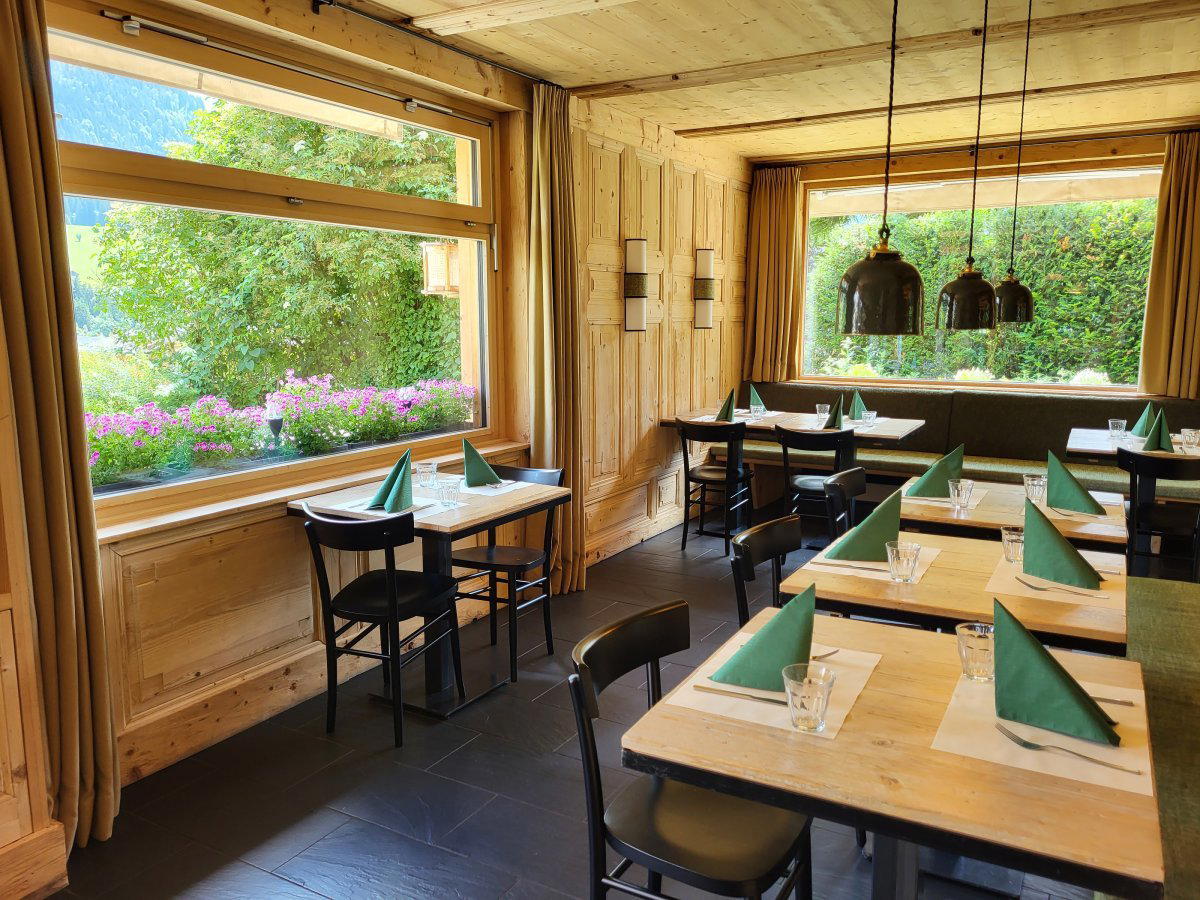
Where the Pays-d'Enhaut Sets the Table
Château-d'Œx sits at roughly 1,000 metres in the Vaud Prealps, a village whose economy has rotated around Alpine cheese-making, winter sports, and the famous January hot-air balloon festival for generations. The main street, Grand Rue, carries the functional architecture of a working mountain community rather than the polished resort veneer of neighbouring Gstaad, twelve kilometres to the east. Restaurant de l'Ermitage is addressed at Grand Rue 4, which places it at the centre of that everyday village rhythm rather than at its periphery. Arriving on foot from the train station, you pass boulangeries, a fromagerie, and the kind of hardware shop that still sells cowbells. The restaurant draws from the same world it occupies.
That geographical and cultural context matters when assessing what kitchens in this region do well. The Pays-d'Enhaut is one of the few remaining areas of Switzerland where Gruyère AOP production — the genuine high-altitude variety, made from the milk of cows grazing above 1,000 metres — is embedded in daily commerce rather than being a heritage attraction. A kitchen operating in this environment has direct access to an ingredient supply chain that larger urban restaurants have to negotiate from a distance. For comparison, the celebrated mountain-sourced larder that informs the menus at properties like Schloss Schauenstein in Fürstenau or Memories in Bad Ragaz is, here in Château-d'Œx, essentially the default rather than a considered sourcing decision.
Alpine Sourcing and What It Actually Means
Switzerland's high-altitude dairy belt produces ingredients with measurable compositional differences from lowland equivalents. Milk from Alpine-pastured cattle carries higher concentrations of beta-carotene and conjugated fatty acids, which affects flavour and colour in aged cheeses and butter. The Gruyère produced in and around the Pays-d'Enhaut is made under AOP regulations that specify altitude, feed, and aging conditions, these are not marketing distinctions but legally enforced production standards. A restaurant working within this geography, sourcing from local farms and the cooperative dairy structures that have operated in the valley for over a century, is working with an ingredient base that has genuine traceability.
This kind of provenance is increasingly what differentiates serious Alpine kitchens from the broader Swiss dining tier. Across Switzerland, the gap between fine dining focused on technique, places like focus ATELIER in Vitznau or IGNIV Zürich by Andreas Caminada, and more grounded regional kitchens has widened. The latter category earns its credibility not through award accumulation but through proximity to source. Château-d'Œx sits firmly in that second tradition, and a restaurant positioned on its main street is accountable to local knowledge in a way that urban fine dining is not. Regulars know the farms. They recognise the cheese.
The Village Dining Format and Its Demands
In Swiss Alpine villages of this size, the restaurant that occupies the central commercial street typically operates across multiple service formats: weekday lunches for workers and tradespeople, weekend meals for day-trippers arriving by train from Montreux or Lausanne, and longer-form dinners for guests staying in the valley. This multi-speed service pattern requires a kitchen that can hold its standard across different guest profiles and expectations. It is a more demanding operating model than a single-service destination restaurant, and it shapes menu structure accordingly.
The broader Swiss mid-mountain dining tier, villages between 800 and 1,200 metres with year-round population, has seen a gradual consolidation over the past two decades, with some addresses closing as seasonal visitor patterns shifted and others strengthening their local positioning. Restaurants that have maintained a clear identity in this environment tend to do so by anchoring to local produce cycles rather than chasing seasonal fine-dining trends. Spring brings ramps and morels from the surrounding forests; autumn shifts toward game from Vaud's hunting season; winter centres on the cheese and preserved-meat traditions that define the regional table. A kitchen alert to these cycles operates on a different calendar than urban counterparts like La Table du Lausanne Palace or L'Atelier Robuchon in Geneva, which source more broadly and are less bound to what the immediate season permits.
Château-d'Œx in Context: Planning a Visit
Château-d'Œx is served by the MOB Panoramic Express from Montreux, a train journey of approximately one hour that remains one of the more practical Alpine approaches from the Lake Geneva corridor. From Lausanne, the connection adds roughly twenty minutes. The village is walkable from the station, and Grand Rue is the obvious axis. For visitors combining the restaurant with a wider stay in the Vaud Prealps, the valley offers hiking access into the Pays-d'Enhaut Regional Nature Park, and the balloon festival, held each January, draws international visitors who tend to book the valley's dining options well in advance during that window. Outside festival season, the village operates at a quieter register. Switzerland's broader fine dining circuit, represented by addresses like Hotel de Ville Crissier in Crissier or Cheval Blanc by Peter Knogl in Basel, operates at a different scale and booking depth than what a village restaurant requires, but the same principle applies: arriving with a reservation is always the more reliable approach. For the full picture of what Château-d'Œx's dining offers, our full Chateau D Oex restaurants guide covers the valley's options across price points and formats.
How It Sits in the Swiss Dining Picture
Switzerland's restaurant scene stratifies clearly by geography and elevation. The leading Michelin tier concentrates in urban centres and in a small cluster of destination-resort addresses. Village restaurants in the Prealps occupy a separate and largely separate category, evaluated by different criteria: consistency over seasons, rootedness in local production, and the ability to serve a community rather than an audience. By those measures, a restaurant on Grand Rue in Château-d'Œx is not competing with 7132 Silver in Vals or Da Vittorio in St. Moritz, resort-embedded, destination-marketed, and priced accordingly. For further reference points across the Swiss scene, Maison Wenger in Le Noirmont, Magdalena in Schwyz, Colonnade in Lucerne, Einstein Gourmet in Sankt Gallen, and La Brezza in Ascona each represent distinct regional traditions within the same national dining framework.
Frequently asked questions
Can I bring kids to Restaurant de l'Ermitage?
Château-d'Œx is a family-oriented Alpine village — winter sports and ballooning draw multigenerational visitors — and restaurants on Grand Rue typically accommodate younger guests as part of the local dining format.
What's the vibe at Restaurant de l'Ermitage?
The address — Grand Rue 4, on Château-d'Œx's central commercial street — places it squarely in the working heart of a Vaud Prealps village at roughly 1,000 metres elevation. Expect the register typical of Swiss Alpine village dining: unhurried, locally rooted, and shaped by a clientele that mixes residents with visitors arriving via the MOB Panoramic Express from Montreux.
Is Restaurant de l'Ermitage a good option when arriving by train from Montreux?
Château-d'Œx is served by the MOB Panoramic Express from Montreux, a journey of approximately one hour through the Vaud Prealps. Restaurant de l'Ermitage at Grand Rue 4 is within walking distance of the village centre and train station, making it a practical dining stop for visitors arriving by rail without a car. Checking current hours before travel is recommended, as village restaurant schedules in Switzerland often vary by season.
What do people recommend at Restaurant de l'Ermitage?
Given the context — a Swiss Prealps village where the Pays-d'Enhaut dairy tradition is central — Alpine-sourced cheese preparations and seasonal regional dishes tend to define what kitchens at this address are known for, though confirming the current menu directly with the restaurant is advisable.
Where do I go for Restaurant de l'Ermitage?
Restaurant de l'Ermitage is located at Grand Rue 4, 1660 Château-d’Œx, Switzerland, Chateau D Oex.
Can I walk in to Restaurant de l'Ermitage?
Restaurant de l'Ermitage sits at Grand Rue 4 in the centre of Château-d'Œx, making it walkable from the village train station. Whether walk-in tables are routinely available — particularly during peak winter and ballooning season — is not confirmed; smaller Swiss Alpine village restaurants at popular periods often fill quickly, so a reservation in advance reduces uncertainty.
Comparison Snapshot
Comparable venues nearby, for context on price, style, and recognition.
| Venue | Cuisine | Price | Notes |
|---|---|---|---|
| Restaurant de l'ErmitageThis venue — the venue you are viewing | Regional Swiss | Not listed | Not listed |
| Brasserie Le Jura | Swiss Brasserie | Not listed | centre ville |
| Zum Ochsen | Modern Swiss Gastropub | $20–30 | Schöftland |
| Restaurant Alpenland | Traditional Swiss with Modern Touches | $30–50 | Lauenen |
| Restaurant Ritter | Swiss & International Classics | $30–50 | Kandersteg |
| Nachbarsgarten | Swiss-Mediterranean | $30–50 | Veltheim |
Continue exploring
More in Chateau D Oex
Restaurants in Chateau D Oex
All restaurants in Chateau D Oex →
Bars in Chateau D Oex
Browse all →
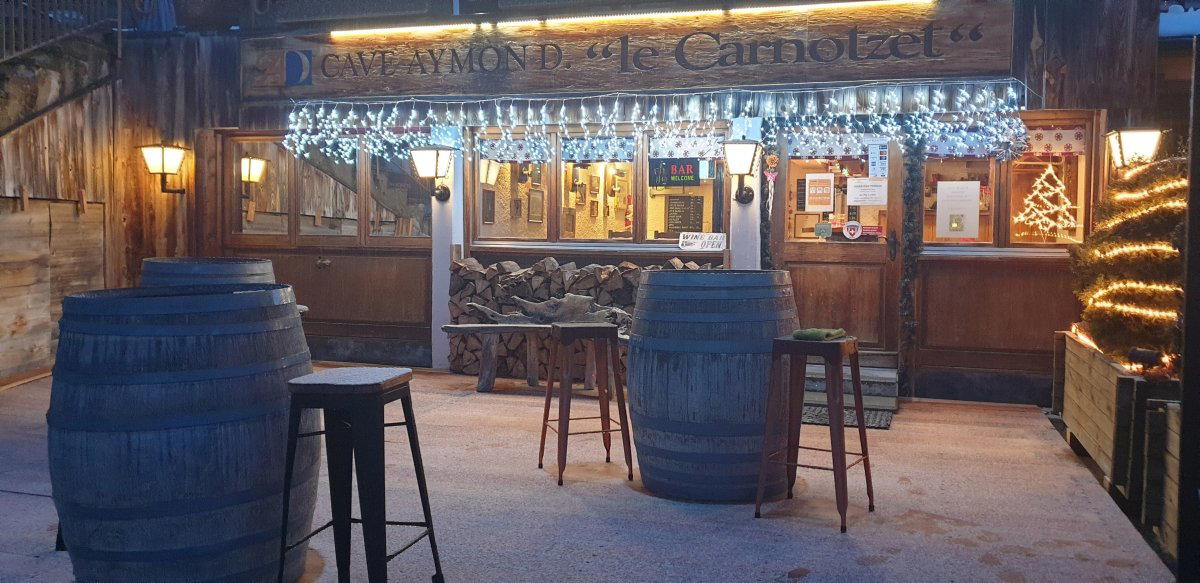
Restaurant de l'Ermitage
The wine
- Wine program
- Curated wine list
Details
- Cozy
- Classic
- Family
- Celebration
- Terrace
- Private Dining
- Local Sourcing
- Mountain
- A La Carte
- Vegetarian Friendly
Current opening hours
- Monday
- Closed
- Tuesday
- Closed
- Wednesday
- 10 AM–3 PM, 5–11:30 PM
- Thursday
- 10 AM–3 PM, 5–11:30 PM
- Friday
- 10 AM–3 PM, 5–11:30 PM
- Saturday
- 10 AM–3 PM, 5–11:30 PM
- Sunday
- 10 AM–4 PM
Hours can change for holidays and private events. Last verified .
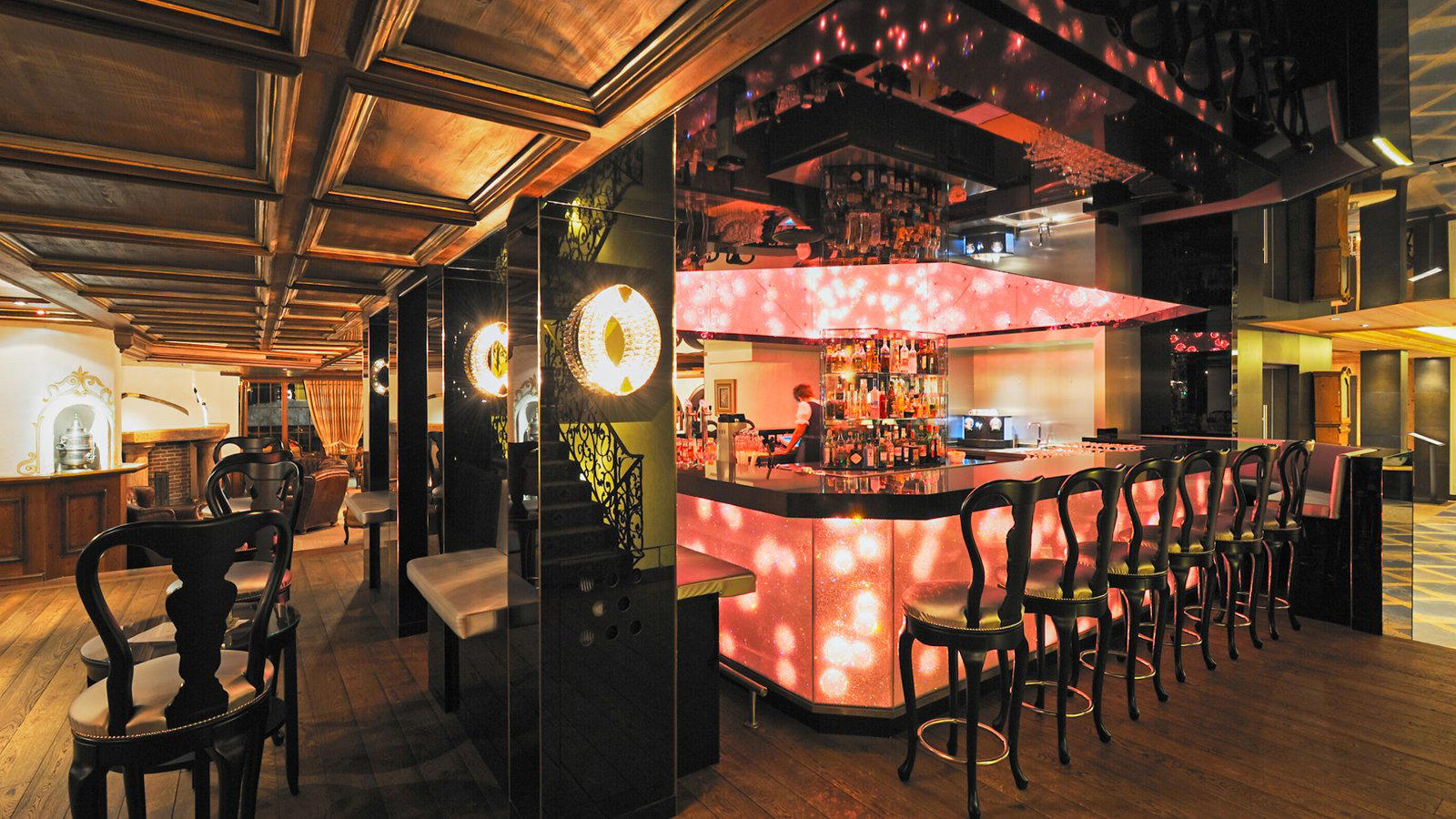
Chaleureux, convivial et familial with warm welcoming atmosphere as per guest reviews.