Restaurant 1397

Michelin Plate
Our verdict
Restaurant 1397 holds a Michelin Plate (2025) and occupies a historic position on Bergen op Zoom's Grote Markt, inside the centuries-old Hotel de Draak. Chef Torben Bouterse works a French contemporary menu that draws on Zeeland's coastal larder and broader global technique. At the €€€ price tier, it represents the most formally ambitious dining in the city.

Pearl is the En Primeur Club membership app — saves, bookings, and concierge access live there. Same editors, same standards.
- Address
- Grote Markt 38, 4611 NT Bergen op Zoom, Netherlands
- Phone
- +31 164 252 050
- Hours
- Mon ClosedTue 6–8:30 PMWed–Fri 12–2 PM, 6–8:30 PMSat 6–8:30 PMSun Closed
- Website
- hoteldedraak.nl
- Directions
- Get directions
- Booking
- Book on the venue's website
The menu
What to order
- Duck breast with cherry reduction
- Sea bass with lemon beurre blanc
- Beef tenderloin with truffle mashed potatoes
- Teppanyaki scallops
A Historic Room, a Contemporary Table
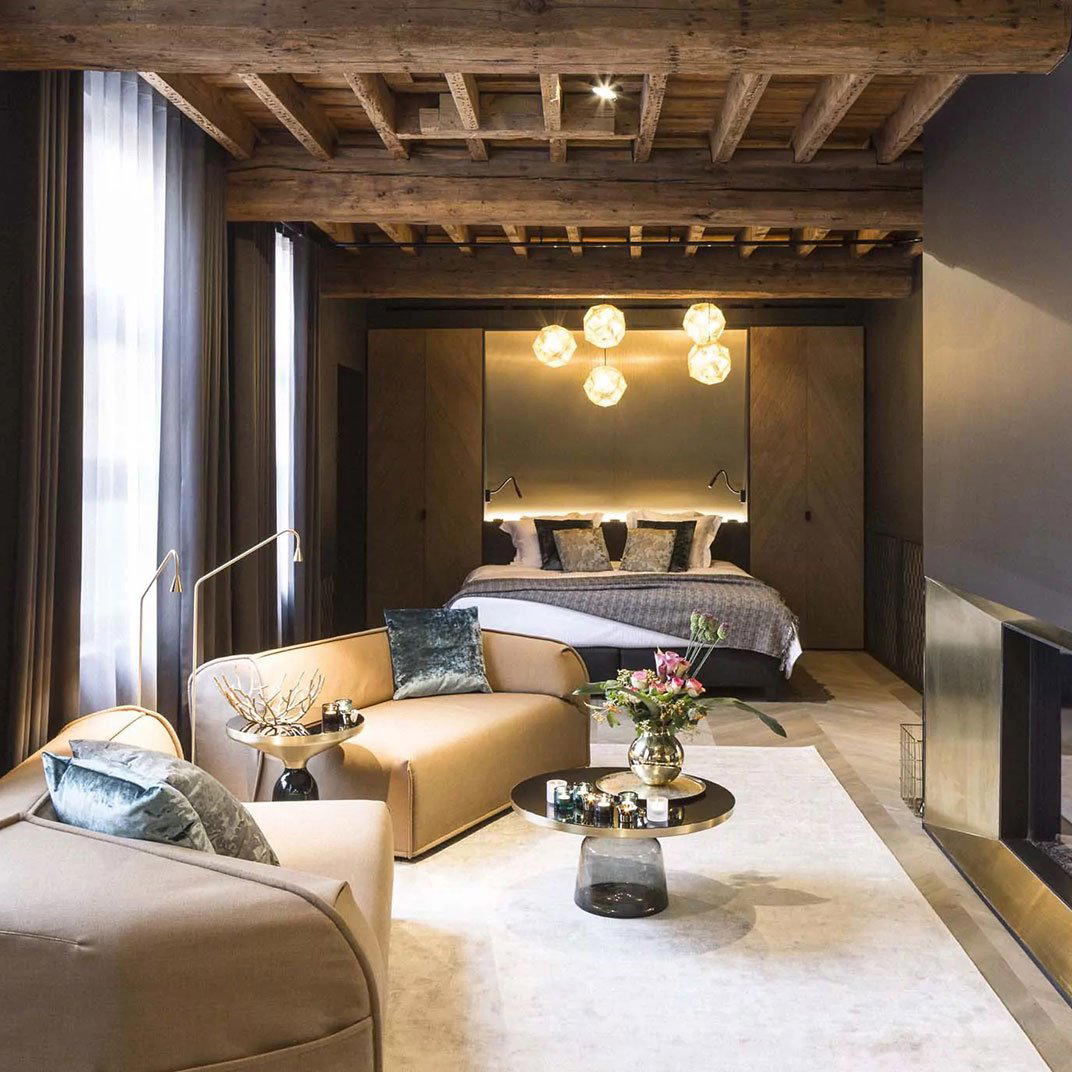
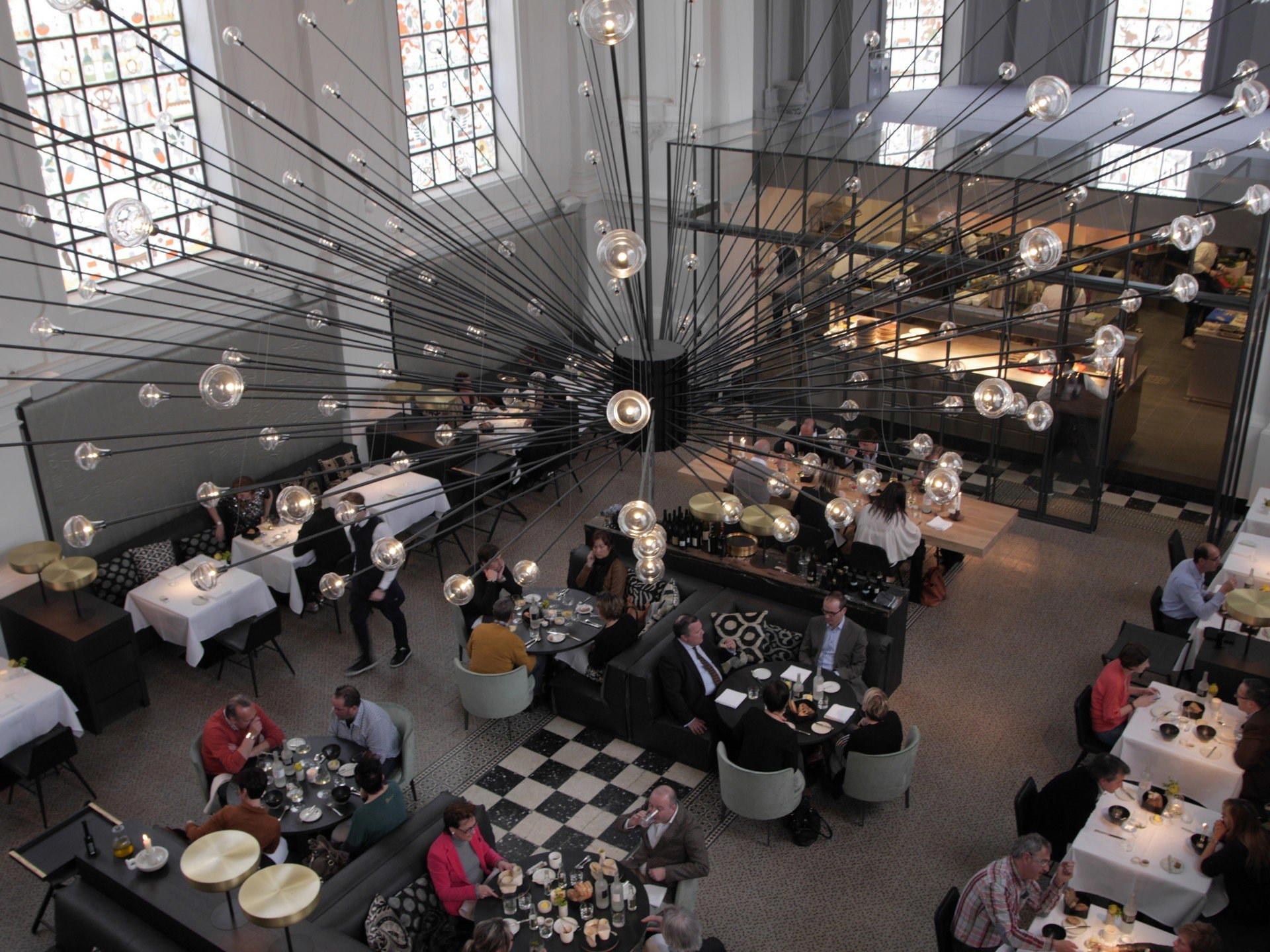
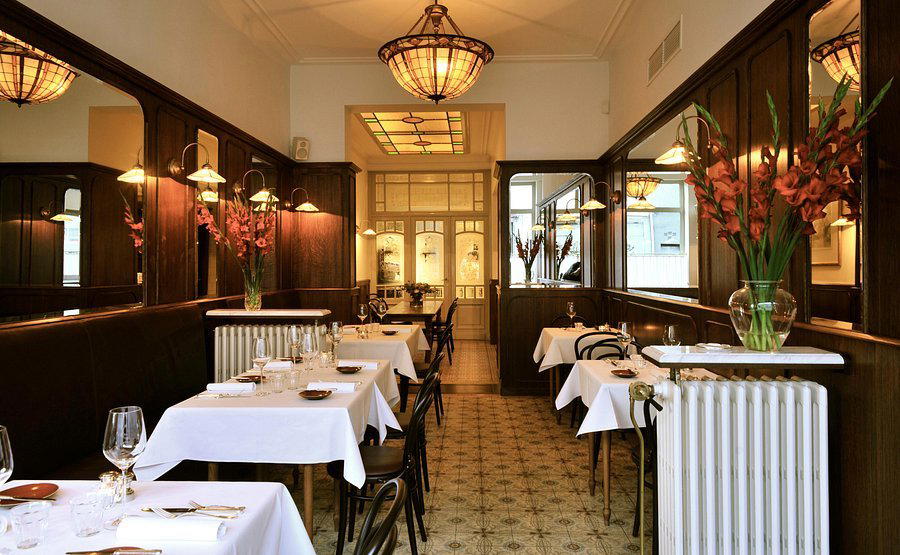
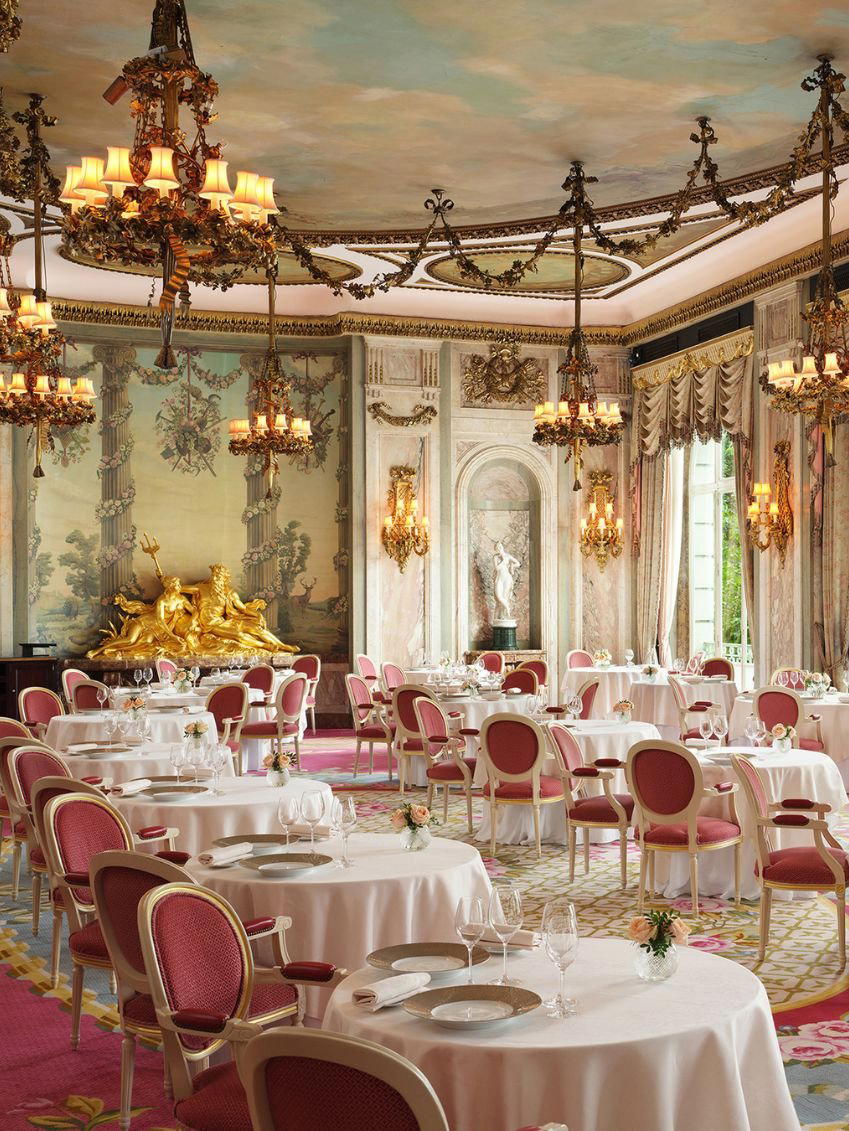
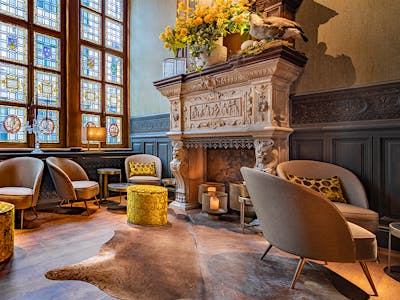
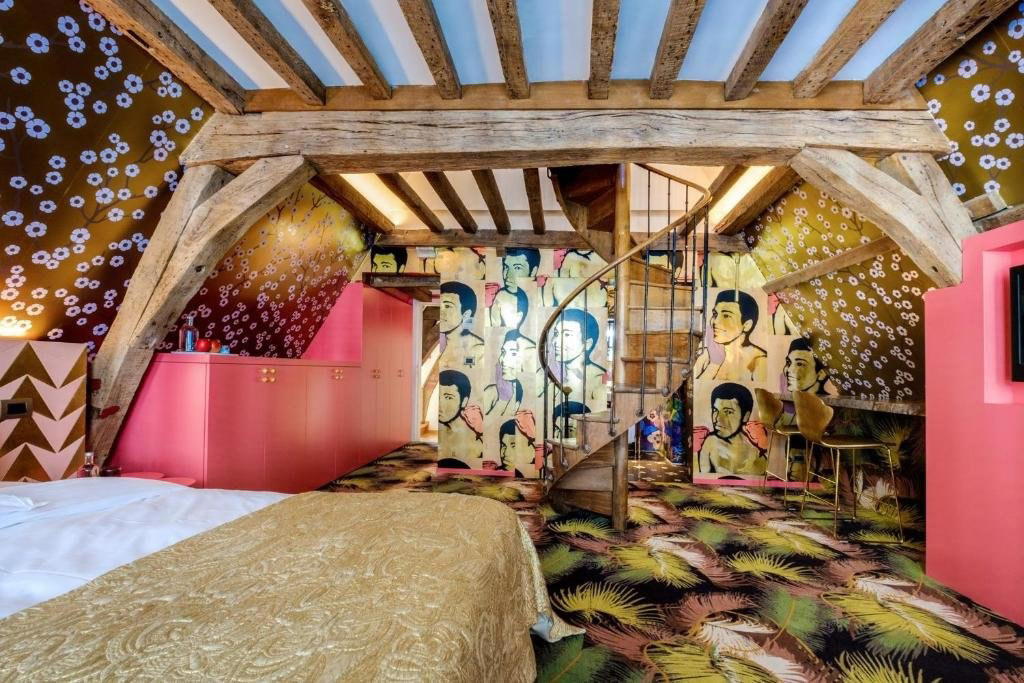
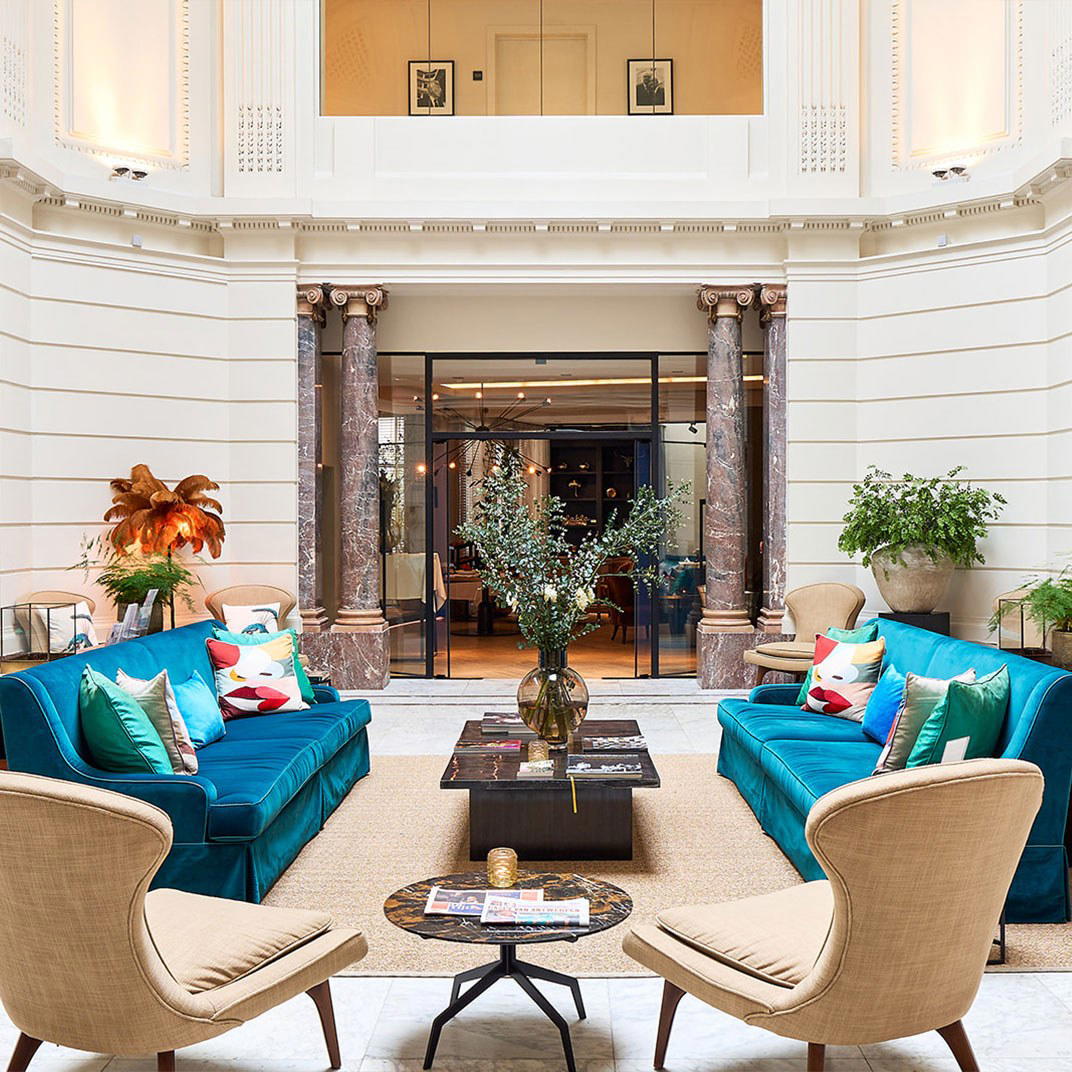
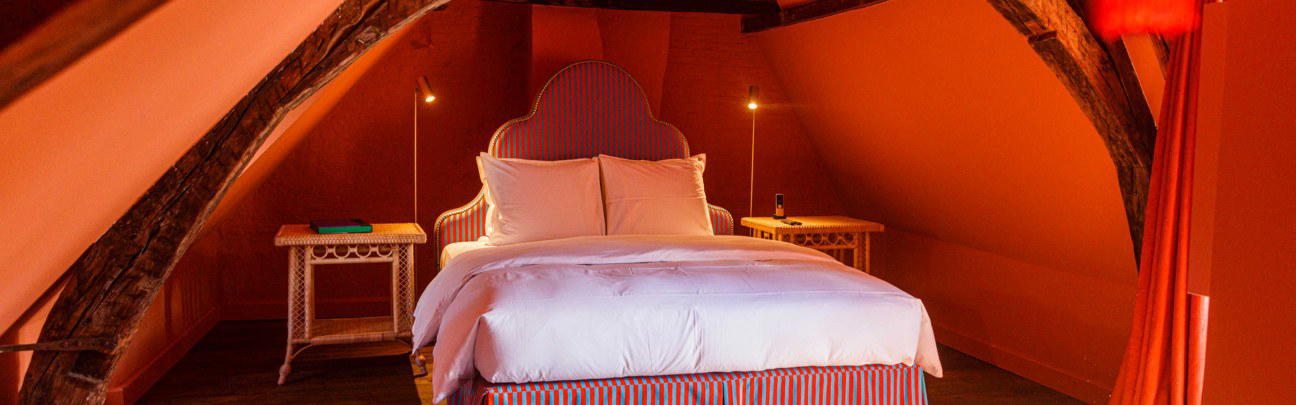
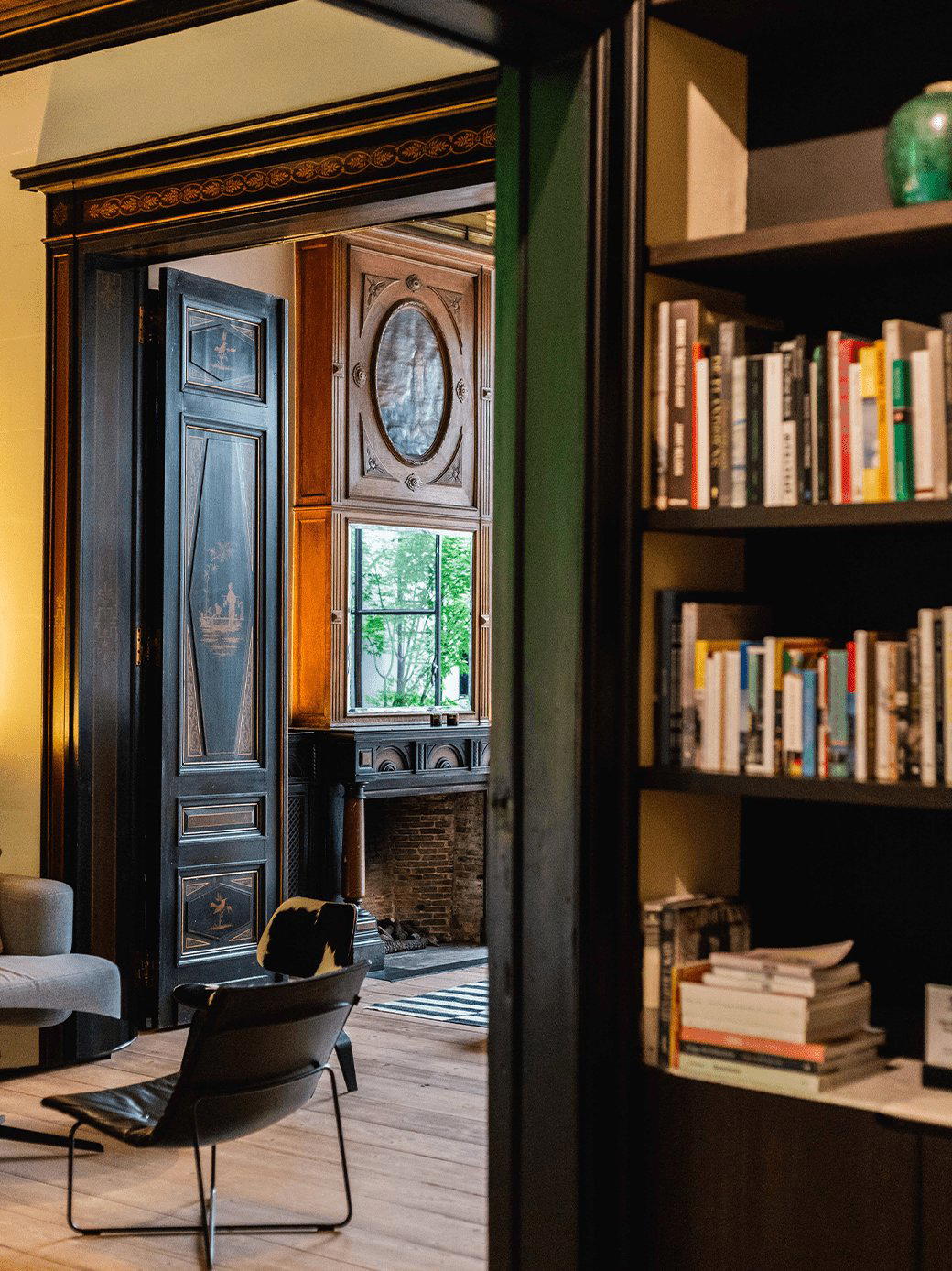
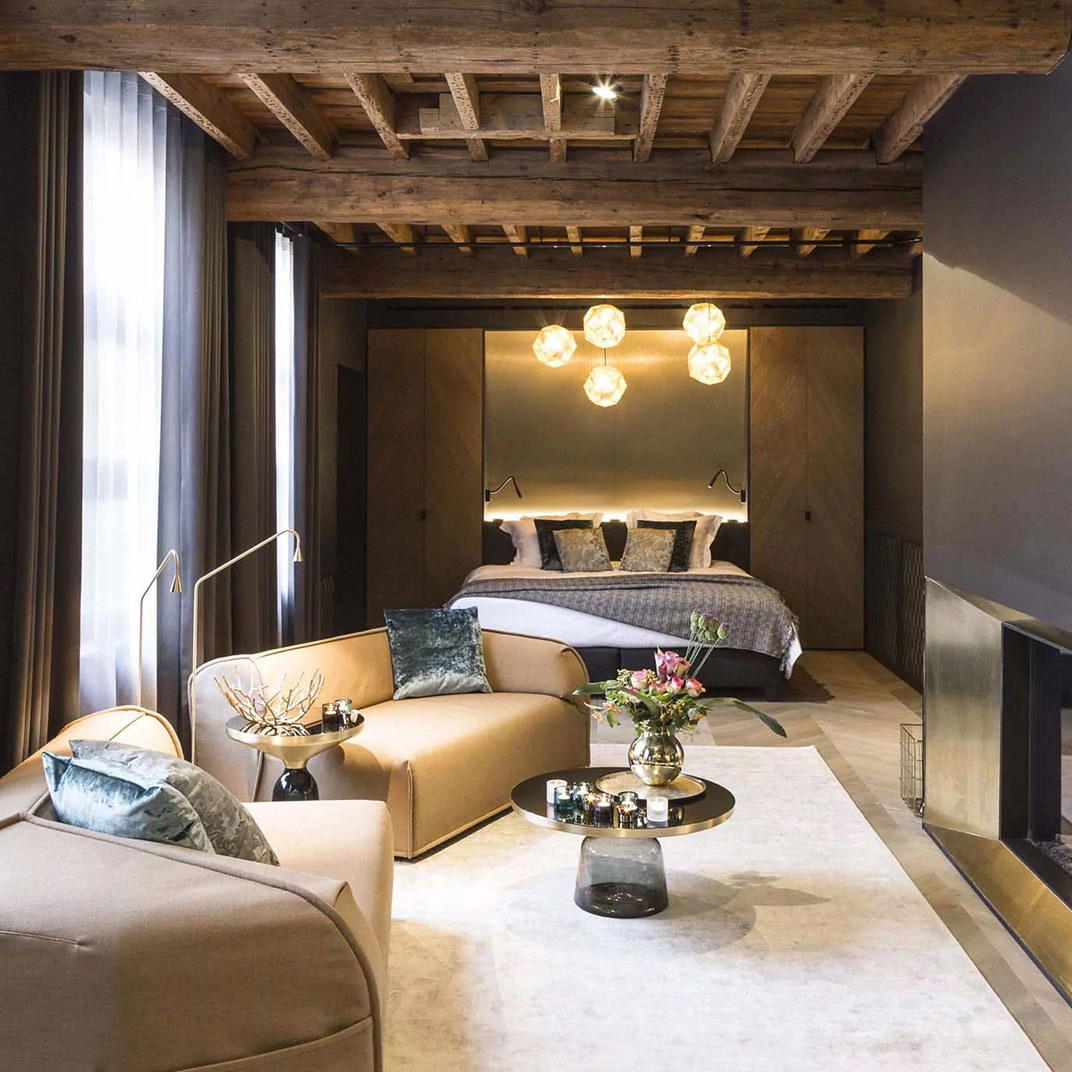
The grande salle tradition in French and French-influenced European cooking has always relied on architecture to do half the work. High ceilings signal occasion. Large windows anchor the room to the street and the city. Gold accents, deployed with restraint, read as history rather than ostentation. Restaurant 1397 occupies exactly this grammar, inside Hotel de Draak on Bergen op Zoom's Grote Markt — a building whose origins reach back to the fourteenth century. The interiors incorporate dragon motifs throughout, a nod to the hotel's name, and the effect is of a space that knows its own age without being imprisoned by it. This is a room designed for serious eating, not background dining.
Bergen op Zoom sits in the southwestern Netherlands, in a province more often associated with Inter Scaldes in Kruiningen than with its own formal dining scene. That context matters: the city is not a restaurant destination in the way that Amsterdam or Rotterdam is, which means Restaurant 1397 operates as the anchor of the local fine-dining tier rather than as one entry among dozens.
The Bistro Tradition and Where 1397 Sits Within It
The French bistro, in its classical sense, was never just a price category. It was a cooking philosophy: seasonal produce, direct technique, a preference for ingredient clarity over architectural construction. What distinguishes the better contemporary French tables from their predecessors is the willingness to work that same philosophy across a wider ingredient range. Regional shellfish, fermented components, Japanese technique applied to French structure — these are not departures from the bistro tradition so much as extensions of it, applied by cooks who trained through the French canon and then looked outward.
Restaurant 1397's Michelin Plate recognition in 2025 places it in the category of restaurants the guide considers technically sound and worth the visit, without yet awarding a star. In the Netherlands, that Plate tier includes a significant number of French contemporary kitchens that are working at genuine quality without the production scale or tasting-menu formality of starred peers like De Librije in Zwolle or Aan de Poel in Amstelveen. The comparison set for Restaurant 1397 is not those four-bracket rooms but rather mid-register French contemporaries at the €€€ tier, closer in spirit and price to Damianz in Roermond or Eeuwen in Amsterdam.
Within Bergen op Zoom itself, the nearest peer is De Hemel, which operates at the €€ tier with a Modern French orientation. The gap between the two in price and formality maps directly onto the gap between a neighbourhood bistro and a hotel dining room with recognizable culinary ambition.
What the Kitchen Is Doing
The approach at Restaurant 1397 is French contemporary in the sense that matters most: classical French technique applied to a broader ingredient vocabulary. Chef Torben Bouterse draws on Zeeland's coastal produce, the southwestern Netherlands province is one of the country's primary shellfish regions, with scallops, mussels, and oysters forming the core of its edible identity. That regional sourcing is not decoration; it gives the kitchen access to product quality that purely urban French restaurants often have to work harder to match.
The kitchen's use of koji and Japanese fermentation technique alongside velvety European preparations reflects a broader pattern in Dutch fine dining, where French training and global technique have converged more openly than in France itself. Restaurants like Fred in Rotterdam and Ciel Bleu in Amsterdam operate at higher price brackets with similar cross-cultural fluency. At the €€€ tier, the same instinct, applying umami-forward fermentation to classic French base sauces, tends to produce more accessible, if less architecturally complex, results. The vegetable-forward disposition noted in the Michelin entry also positions the kitchen within a contemporary current that runs from De Bokkedoorns in Overveen through to the most produce-led rooms in the country.
The Experience Before You Sit Down
Aperitif lounge is a structural feature worth noting in the context of how the restaurant deploys its historic space. In formal French dining, the separation of aperitif and dining rooms is a pacing device as much as a design choice. It signals that the meal has a sequence, that arrival is not the same as eating, and that the kitchen has time to prepare properly while guests settle. Rooms with this architecture tend to produce more considered eating experiences, because both sides of the pass operate on the same tempo.
Lounge itself reads as chic within the broader historicist setting, contemporary comfort inside a medieval frame. The approach mirrors what a handful of Dutch hotel restaurants have pursued in recent years: the building as backdrop, not costume.
Planning Your Visit
Restaurant 1397 sits at Grote Markt 38 in central Bergen op Zoom, making it walkable from most of the city's accommodation options. For those travelling from outside the city, Bergen op Zoom has a direct rail connection from Rotterdam and Antwerp, placing it within a manageable journey from both cities. At the €€€ price tier, the room sits above casual dining but below the tasting-menu formality of starred Dutch tables, which means a la carte ordering and a more relaxed pace are the norm. Booking in advance is advisable, particularly on weekends, given both the hotel setting and the limited volume of comparable formal restaurants in the area. Guests looking to extend the visit can consult our full Bergen op Zoom hotels guide, our bars guide, and our experiences guide for broader context. The full Bergen op Zoom restaurants guide and wineries guide round out the picture for those spending more than a single evening.
For context on comparable French contemporary kitchens elsewhere in the Netherlands, Brut172 in Reijmerstok, De Groene Lantaarn in Staphorst, and De Lindenhof in Giethoorn and De Lindehof in Nuenen offer useful reference points for what the Michelin Plate tier looks like across different regional settings.
What to Order at Restaurant 1397
The kitchen's documented approach points toward Zeeland shellfish preparations and vegetable-forward compositions as the most distinctive territory on the menu. Dishes that combine French base technique with fermented or umami-forward elements, the teppanyaki scallop with Jerusalem artichoke cream and koji-infused white wine jus is the publicly cited example, represent the kitchen at its most characteristic. In French contemporary cooking at this tier, those are the dishes that most directly express where a kitchen's thinking sits: between the classical canon and the contemporary global pantry. The aperitif lounge is worth using as intended; arriving early enough to order a drink before the meal begins is the natural way to experience the full arc of the space.
Pricing, Compared
| Venue | Cuisine | Price | Awards |
|---|---|---|---|
| Restaurant 1397This venue — the venue you are viewing | Modern Dutch Fine Dining | $50–100 | Michelin Plate |
| De Librije | Modern Cuisine | Not listed | Michelin 3 Star |
| Aan de Poel | Creative | Not listed | Michelin 2 Star |
| De Lindehof | Contemporary Dutch, Creative | Not listed | Michelin 2 Star |
| Fred | Creative French | Not listed | Michelin 2 Star |
| De Nieuwe Winkel | Organic | Not listed | Michelin 2 Star |
Recognition history
Dated appearances from independent guides and award organizations, with the underlying list record or original source where available.
Michelin Plate
Michelin
Full recognition history (2 entries)
Michelin Plate
Michelin
Continue exploring
More in Bergen op Zoom
Restaurants in Bergen op Zoom
Browse all →
Bars in Bergen op Zoom
Browse all →
Restaurant 1397
The wine
- Wine program
- Curated wine list
- Extensive wine list
Details
- Elegant
- Cozy
- Sophisticated
- Historic
- Date Night
- Special Occasion
- Celebration
- Live Music
- Open Kitchen
- Historic Building
- Hotel Restaurant
- Extensive Wine List
- Local Sourcing
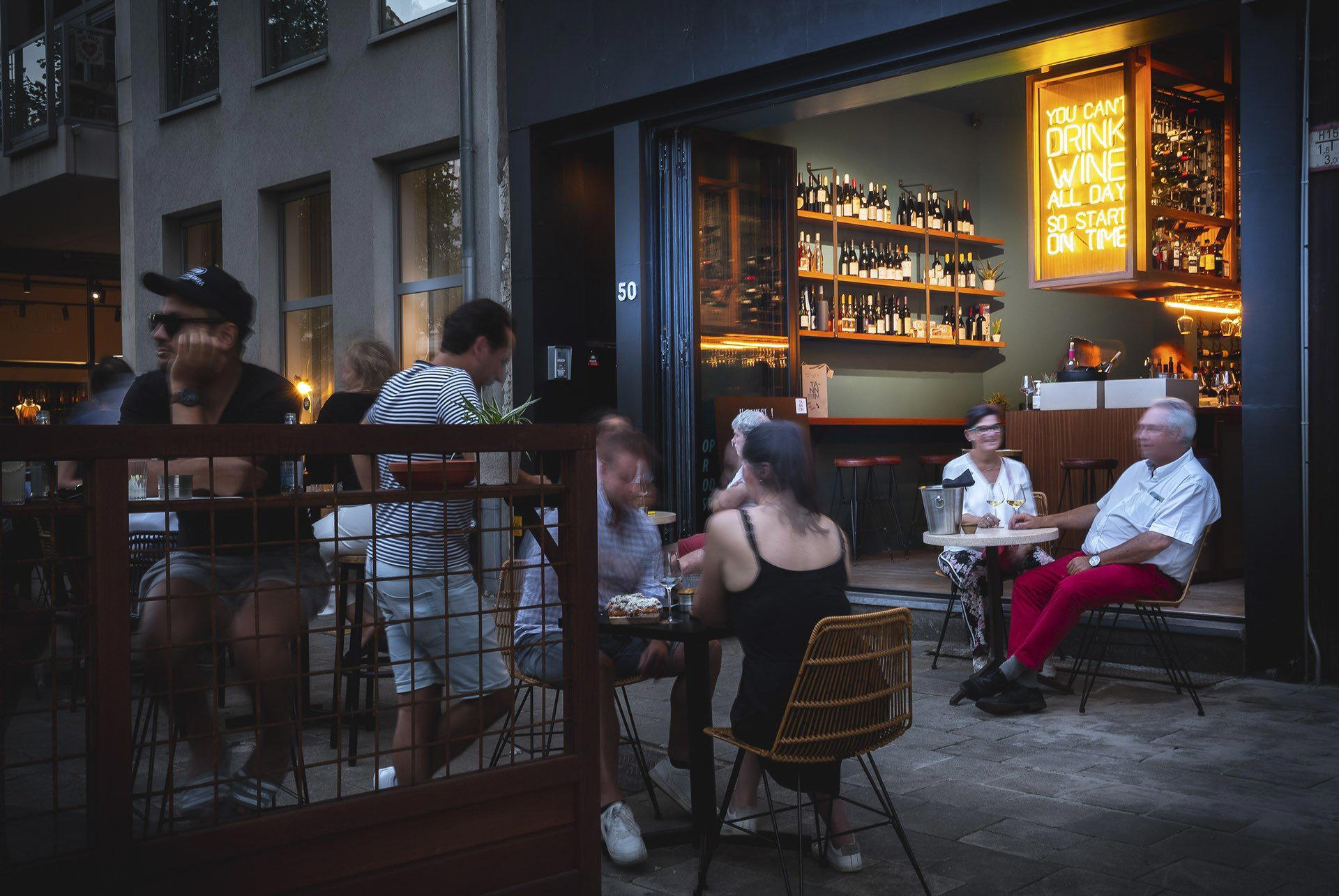
- Street Scene
- A La Carte
- Tasting Menu
- Wine
- Vegetarian Friendly
- Vegan Options
- Gluten Free Options
Current opening hours
- Monday
- Closed
- Tuesday
- 6–8:30 PM
- Wednesday
- 12–2 PM, 6–8:30 PM
- Thursday
- 12–2 PM, 6–8:30 PM
- Friday
- 12–2 PM, 6–8:30 PM
- Saturday
- 6–8:30 PM
- Sunday
- Closed
Hours can change for holidays and private events. Last verified .
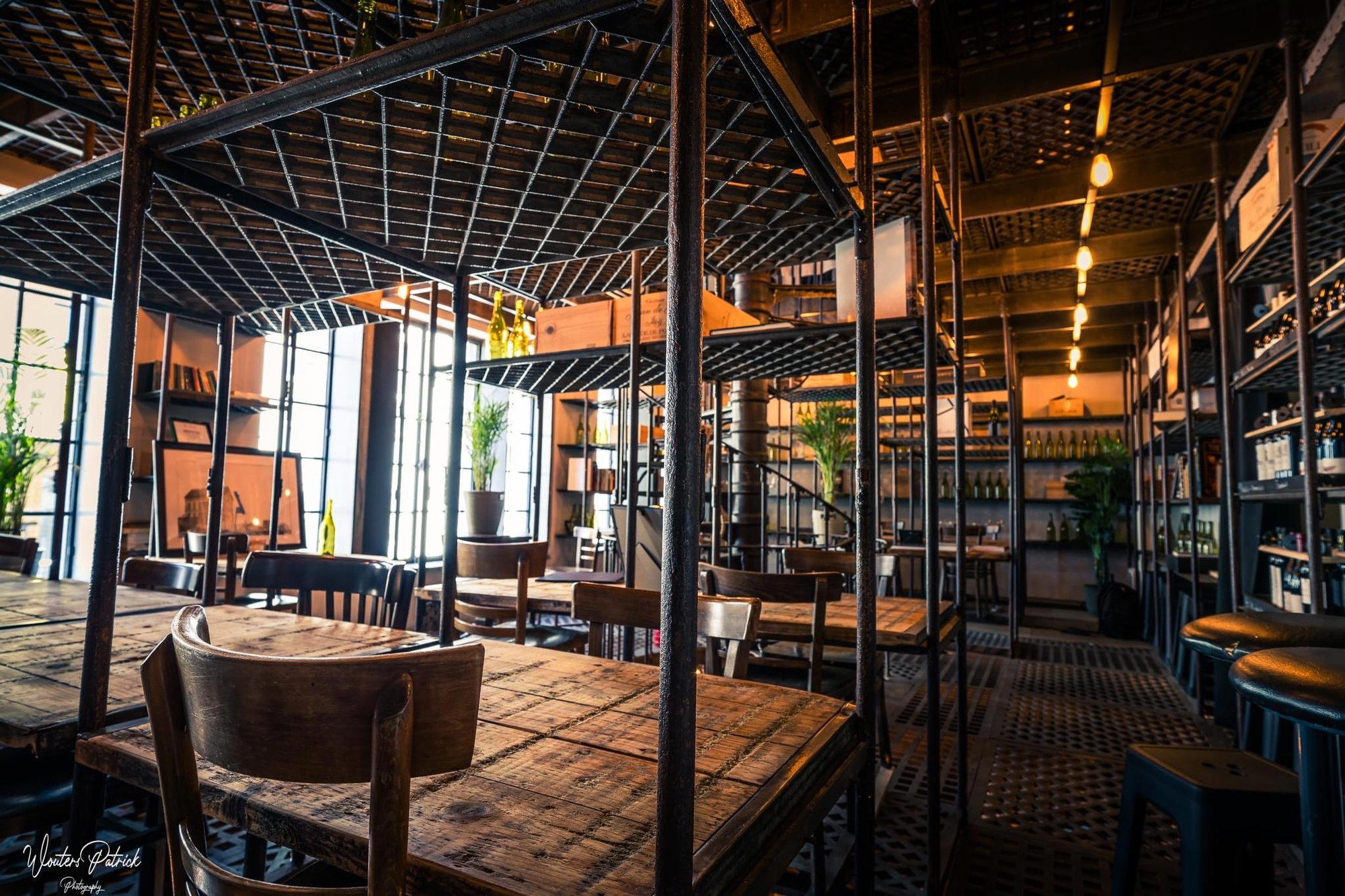
Warm, elegant atmosphere with high ceilings, large windows, and subtle historical grandeur enhanced by live music.