

Michelin Plate · White Guide Sweden Restaurants - Fine Level
Our verdict
A.R. operates on an interactive model that puts the selection process at the centre of the meal: choose your seafood from a fridge or live tank, specify a cooking method, pick a sauce, and negotiate the sides. The semi-industrial fish-market aesthetic sets the tone before a dish has been ordered.

Pearl is the En Primeur Club membership app, where members save venues, book tables and use the concierge.
The menu
What to order
- Mixed Grill
- Grilled Pike Perch
- Grilled Sea Bream
- Oysters
- Scallops
Where the Order Is the Experience
Stockholm has two broad registers for serious seafood dining. One is the white-tablecloth formality of the grand dining rooms clustered around Gamla Stan and Norrmalm, where the kitchen makes every decision and the guest receives the result. The other is something more participatory, where the structure of the meal is built at the table rather than behind a pass. Restaurang B.A.R.
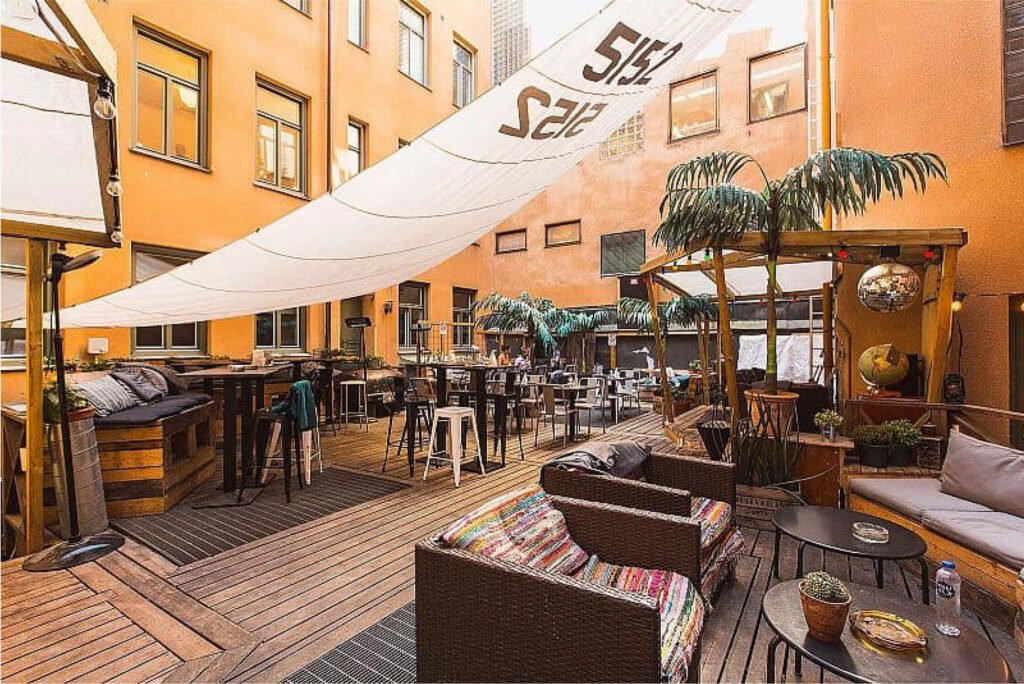
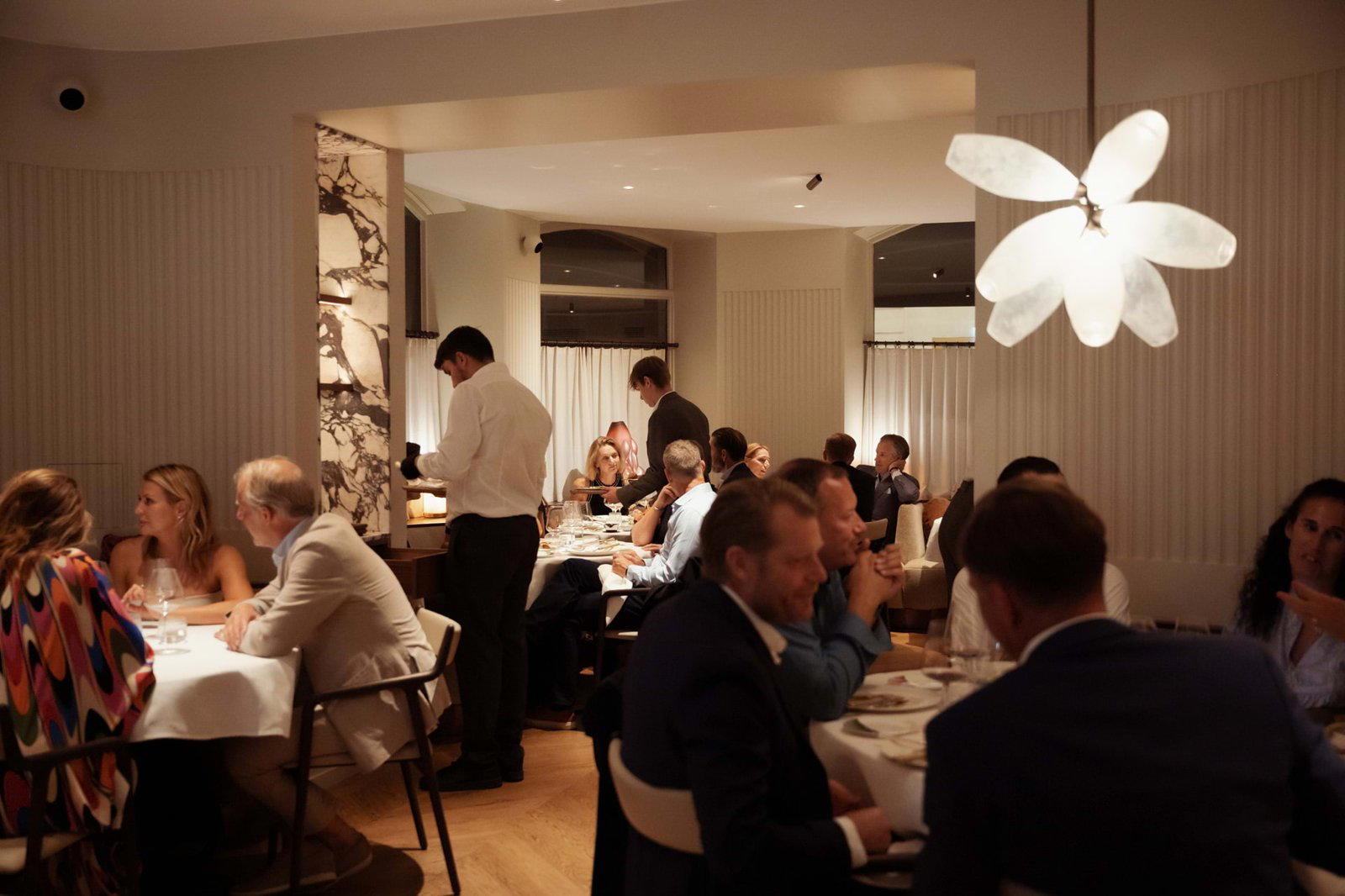
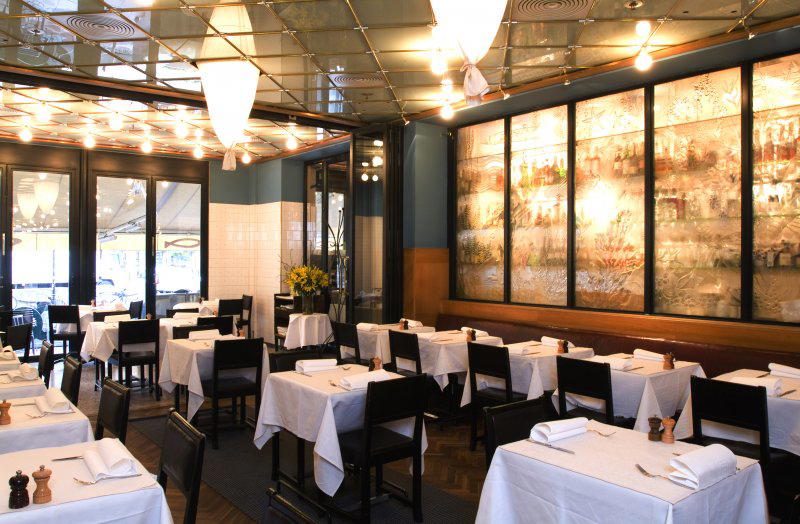
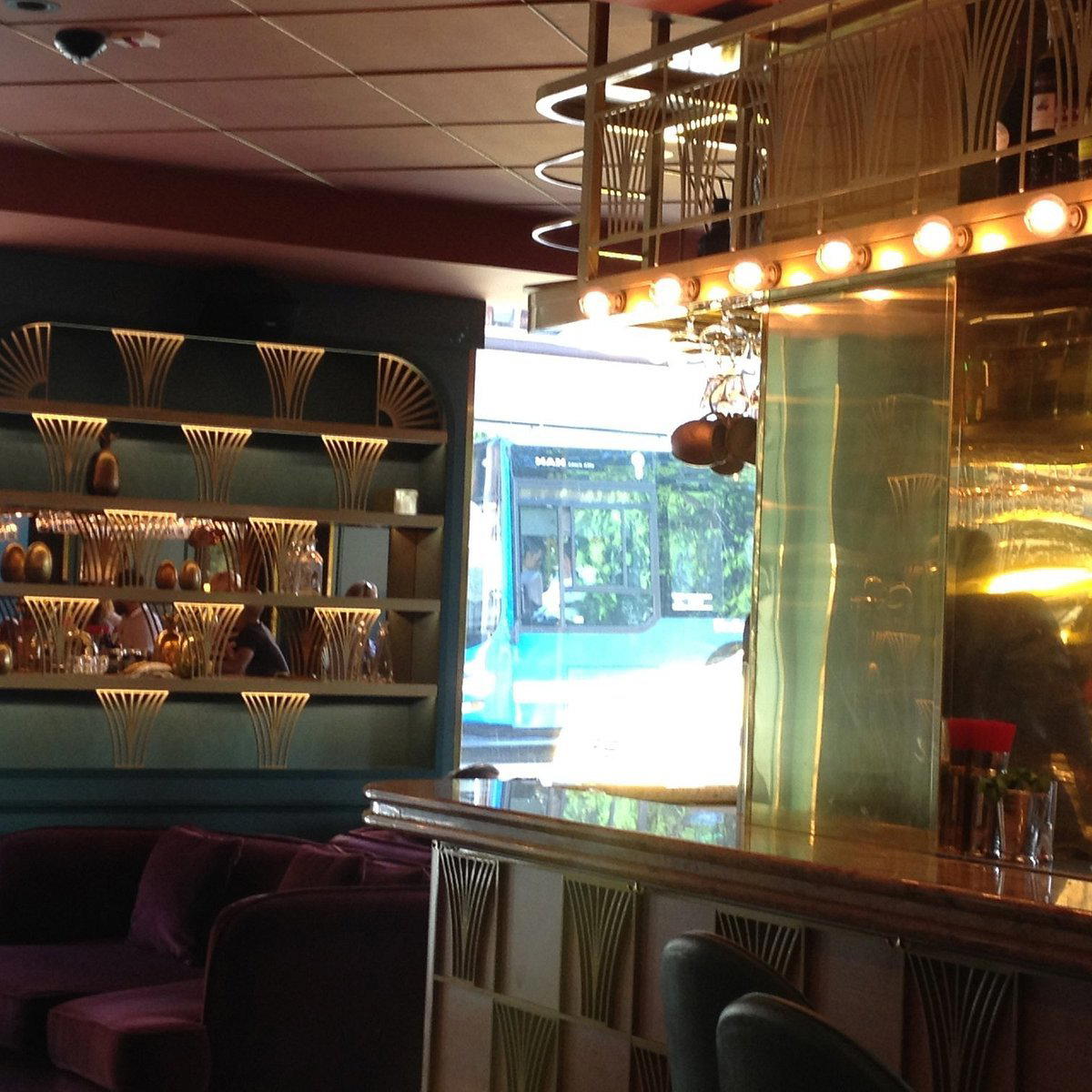
The room announces its intent immediately. A semi-industrial fish-market aesthetic, deliberately spare and functional, signals that this is a place organised around the product rather than around décor. Natural light and a bright, open energy define the space in a way that distinguishes it from the hushed, controlled atmospheres of restaurants like Frantzén or AIRA. The noise level in the room sits noticeably above those peers. That is not a flaw in the design; it is a function of the model.
The Ritual of Choosing
Participatory seafood formats have a long tradition in coastal European dining, from the tank-side selections of Portuguese marisqueiras to the market-style displays of French poissonneries that evolved into restaurants. What Restaurang B.A.R. does is adapt that tradition for a northern European context, where the supply chain runs through the cold, clean waters of the North Atlantic and Baltic rather than the Mediterranean. The result is a dining ritual that puts the guest's decision-making at its centre in a way that few Stockholm restaurants attempt.
The process works in sequence. Guests select their fish or shellfish either from a refrigerated display or from a live tank, depending on what is in season and available that day. They then specify a cooking style and choose from a list of sauces. A set of sides rounds out the plate. This sounds transactional in description, but in practice the sequence creates a meal with genuine engagement built into it: the conversation at the table shifts toward the food at the point of ordering rather than arriving as a fait accompli. For the format to work well, the sourcing needs to be reliable enough that the selection on any given day is worth choosing between. Stockholm's position within Scandinavian seafood supply networks makes that a reasonable expectation.
The approach sits at an interesting distance from the tasting-menu orthodoxy that has come to define fine dining ambition in the city. Restaurants like Adam / Albin and Aloë operate on formats where the kitchen's narrative is delivered course by course, leaving guests in a receptive rather than active role. B.A.R. inverts that relationship. Whether that inversion is appealing depends entirely on what a guest is looking for: an authored experience or a self-directed one.
Seafood as Occasion, Not Ceremony
Fish-market model carries different social energy from a tasting counter. Meals here tend to move at the pace the guests set, because the kitchen is responding to individual orders rather than executing a choreographed sequence. That makes Restaurang B.A.R. more suited to occasions where conversation is the point rather than occasions where the food is meant to be the primary event. A business lunch, a reunion dinner, or a meal designed around a particular bottle of wine all map well onto the format.
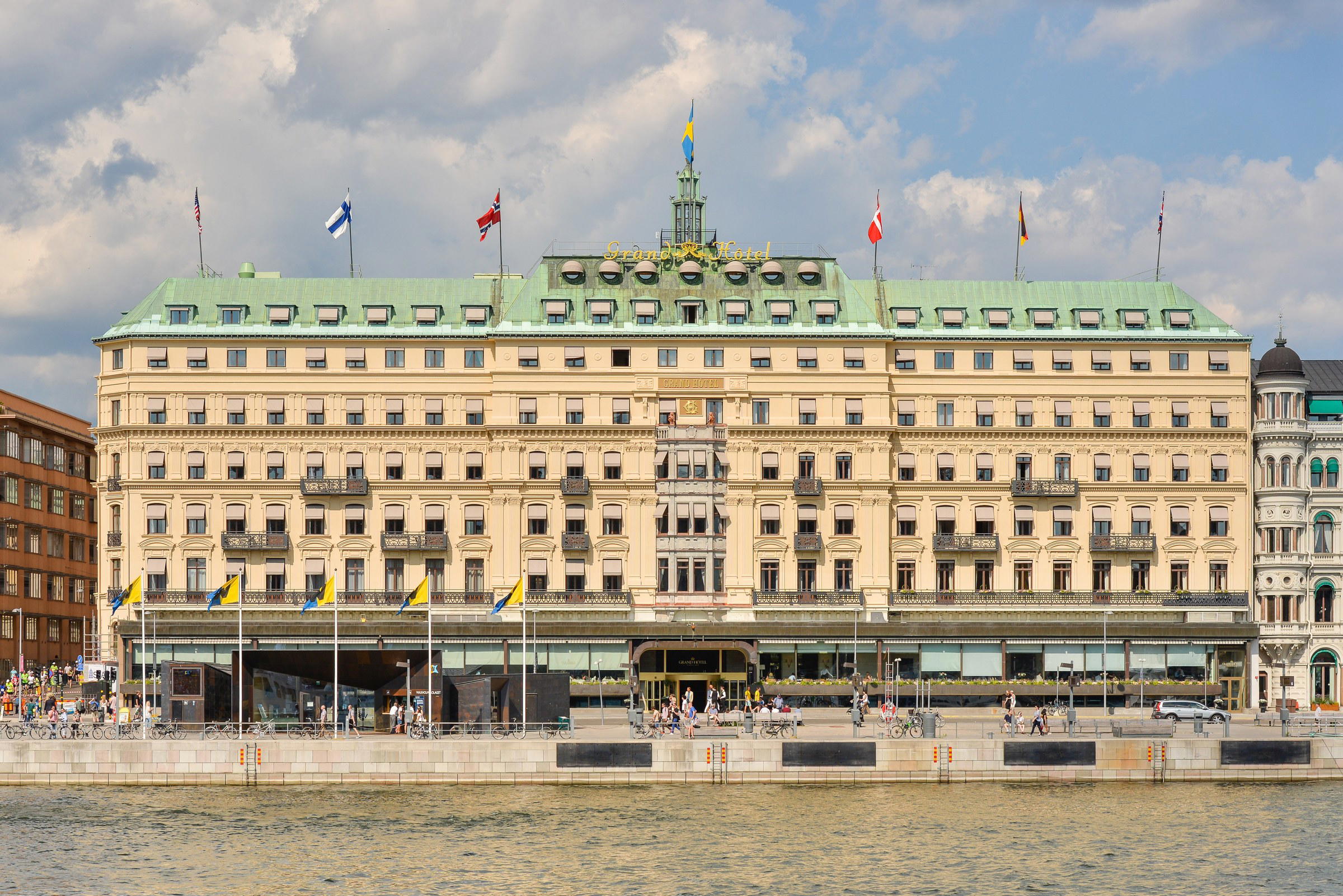
Waterfront proximity matters in practical terms too. Blasieholmen is a peninsula between Norrmalm and Skeppsholmen, with easy access from the central hotel district and from the museum cluster on Skeppsholmen itself. For visitors staying in the central or northern part of the city, the address is walkable from most accommodation. The location also places it within the cluster of serious Stockholm addresses that reward an evening's movement between dinner and a drink: Stockholm's bar scene in that part of the city has depth worth exploring.
In the Wider Stockholm Context
Stockholm's restaurant scene has split progressively over the past decade between a tier of ambitious tasting-menu destinations, a tier of neighbourhood-casual operators, and a smaller mid-register of restaurants that are serious about ingredients without requiring a three-hour commitment or a multi-month booking lead time. Restaurang B.A.R. sits in that middle register, and it is a register the city has not always served well. The participatory seafood format gives it a specific identity within that tier rather than just a position by price point.
For travellers moving through Sweden beyond Stockholm, the serious seafood and Nordic fine dining tradition extends down the west and south coasts. VYN in Simrishamn and ÄNG in Tvååker represent the coastal fine-dining end of that spectrum. Vollmers in Malmö and Signum in Mölnlycke show the breadth of ambition outside the capital. Further afield, the participatory seafood format has global analogues: Le Bernardin in New York City represents the opposite end of the spectrum, where product-led seafood cooking is delivered through maximally controlled kitchen authorship rather than guest selection. Emeril's in New Orleans shows yet another approach to seafood occasion dining rooted in regional tradition. The comparison is instructive: there is no single correct way to structure a serious seafood meal, and B.A.R.'s model is a defensible and coherent one within its own terms.
Among Stockholm's formal fine dining options, the contrast with Operakällaren is particularly clear. Operakällaren carries the weight of Swedish culinary heritage and operates with corresponding ceremony. B.A.R. makes no claim to that tradition and is better for not trying. It occupies a different position in the city's dining week: the place where you go when you want the quality of the seafood to be the argument, not the theatre built around it.
For planning a broader Stockholm visit, our full Stockholm restaurants guide maps the city's dining options by format and neighbourhood. Our Stockholm hotels guide, wineries guide, and experiences guide cover the wider visit. For inland Swedish fine dining worth the drive, Knystaforsen in Rydöbruk and PM & Vänner in Växjö are the addresses that serious food travellers tend to add to a longer Swedish itinerary.
Frequently asked questions
What's the signature dish at Restaurang B.A.R.?
How hard is it to get a table at Restaurang B.A.R.?
What's Restaurang B.A.R. leading at?
Is Restaurang B.A.R. good for vegetarians?
Category Peers
Comparable venues nearby, for context on price, style, and recognition.
| Venue | Cuisine | Price | Awards | Notes |
|---|---|---|---|---|
| Restaurang B.A.R.This venue (the venue you are viewing) | Fresh Grilled Seafood | $50–100 | Michelin Plate · White Guide Sweden Restaurants - Fine Level | Not listed |
| Sture Hof | Classic Swedish Seafood | $50–100 | Star Wine List · White Guide Sweden Restaurants - Very Fine Level | Östermalm |
| Bobergs Matsal | Modern French-Nordic | Not listed | White Guide Sweden Restaurants - Very Fine Level | Norrmalm |
| Oxenstiernan | Sustainable Swedish Bistro | Not listed | Michelin Plate | Östermalm |
| Spritmuseum | Modern Nordic Seasonal | $50–100 | Star Wine List | Djurgården |
| Wasahof | Classic Swedish Seafood Bistro | $50–100 | Star Wine List | Vasastan |
Recognition history
Dated appearances from independent guides and award organizations, with the underlying list record or original source where available.
Michelin Plate
Michelin
White Guide Sweden Restaurants - Fine Level
White Guide
Continue exploring
More in Stockholm
Restaurants in Stockholm
All restaurants in Stockholm →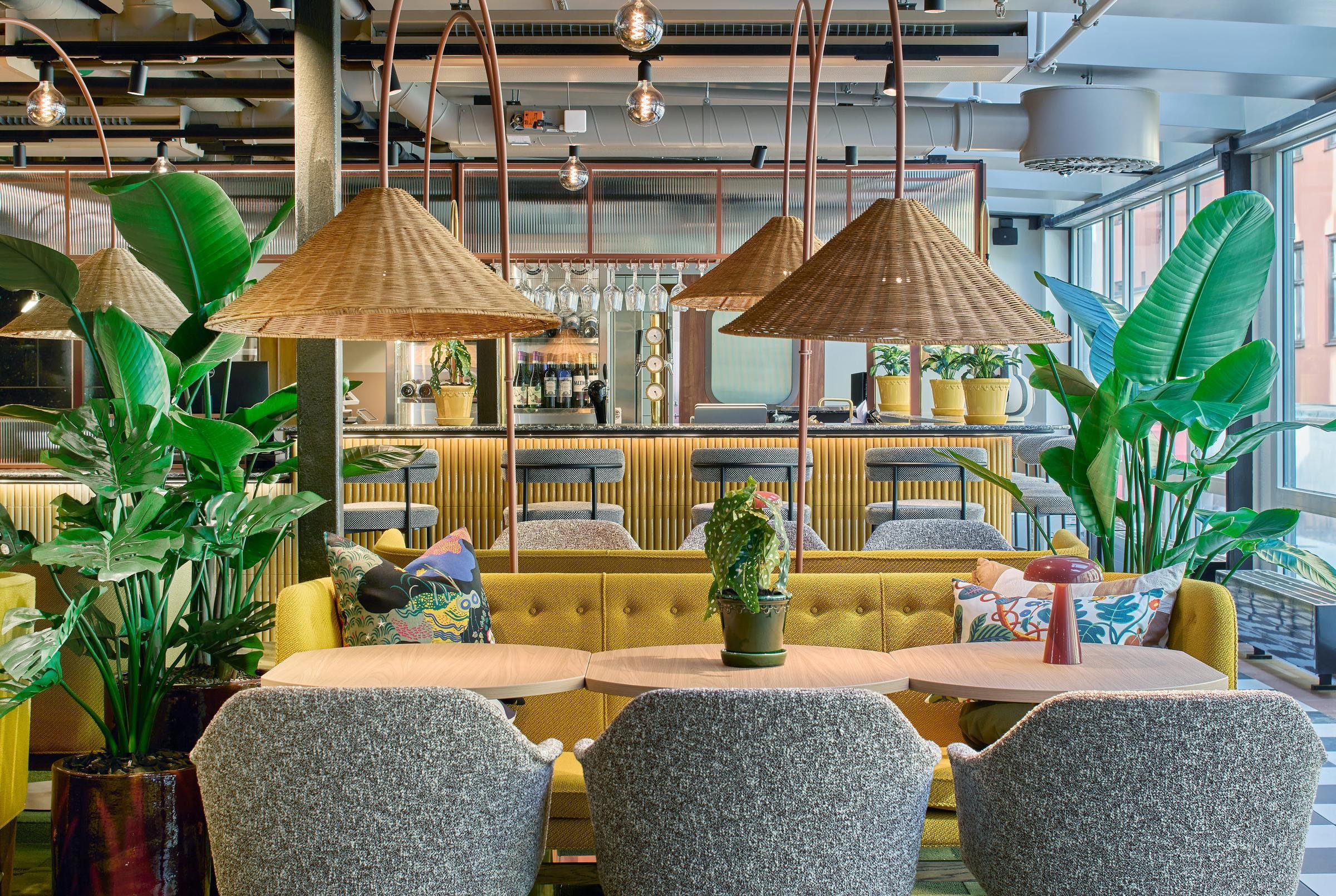
Details
- Lively
- Industrial
- Energetic
- Casual
- Group Dining
- Family
- Casual Hangout
- Date Night
- Open Kitchen
- Waterfront
- Extensive Wine List
- Beer Program
- Local Sourcing
- Sustainable Seafood
- Waterfront
- A La Carte
- Counter Dining
- Wine
- Beer
- Gluten Free Options
- Pescatarian Friendly
Current opening hours
- Monday
- Closed
- Tuesday
- 5 PM–1 AM
- Wednesday
- 11:30 AM–1 AM
- Thursday
- 11:30 AM–1 AM
- Friday
- 11:30 AM–1 AM
- Saturday
- 5 PM–1 AM
- Sunday
- Closed
Hours can change for holidays and private events. Hours as of .