
Tabelog 100 #23
Our verdict
Regalo gives Niigata’s gelato culture a rural frame rather than an urban dessert-bar one. Its Tabelog 100 Ice Cream / Gelato 2023 selection, take-out format, terrace seating, and family-friendly posture place it in the casual end of Japan’s serious frozen-dessert scene, where the ritual is brief, seasonal, and shaped around a drive rather than a long meal.

Pearl is the En Primeur Club membership app — saves, bookings, and concierge access live there. Same editors, same standards.
- Address
- 新潟県新潟市西蒲区橋本240-7
- Website
- fujitafarm1866.com
- Directions
- Get directions

The menu
What to order
- Fresh milk gelato
- Seasonal fruit gelato
- Original ice cream cakes
The approach to a gelato shop changes the rhythm of eating before the first order. In Niigata, dessert is not necessarily a final course after a formal table; it can be the destination, a pause shaped by timing, appetite, and the short window in which frozen dairy keeps its texture. Regalo belongs to a Japanese category of specialist shops with a compact ritual: arrive, choose with intent, eat before the melt, and let the stop do part of the work.
Niigata’s dining identity is often read through rice, sake, seafood, and kappo cooking, but its cafés and dessert specialists form a quieter parallel route. Gelato is a useful counterpoint to the city’s formal restaurants. A traveller moving between established Niigata dining rooms, regional cooking, and polished counters sees one Niigata; a gelato stop shows another, less ceremonial but no less revealing.
Gelato as a short-form Niigata dining ritual
Japan’s specialist dessert culture rewards focus. The Tabelog 100 Ice Cream / Gelato 2023 recognition places Regalo in a national conversation narrower than general café culture and more disciplined than casual sweets counters. In this tier, recognition comes less from long menus or theatrical service than from consistency in texture, temperature, and turnover. The meal is brief by design, closer to a calibrated stop than a lingering lunch.
That matters in Niigata, where food reputation often leans toward abundance: winter seafood, polished rice, sake breweries, inns, and kappo rooms built for a full evening. Gelato cuts against that pace. It asks for immediacy. Stretching the experience brings little advantage, and etiquette is practical rather than ornate: choose, collect, move aside, and eat while the product is at its intended condition. The restraint is part of the appeal.
Compared with Niigata’s higher-spend dining rooms, the category changes the threshold for entry. Kappou Choukichi sits in a more formal restaurant conversation, while Hangzhou Hanten occupies a different everyday bracket; a gelato counter works on another scale. That difference is not lesser seriousness. It shows how Japanese food culture separates craft from formality. A small frozen-dessert shop can carry national category recognition without requiring a full-service meal.
A Niigata café format, not a city dessert bar
The key distinction is format. Regalo is listed across gelato, ice cream, and café categories. That places it closer to a focused specialty stop than a dessert salon, a venue that makes more sense folded into a day in Niigata than treated as a long, stand-alone urban errand.
Local geography reinforces that reading. Niigata City is spread out, and rewarding food stops are not always arranged in the compact station-area pattern familiar from larger Japanese cities. The practical diner plans by area as much as appetite. Pairing a dessert stop with a broader Niigata itinerary gives the visit better logic than crossing the city for a single cone with no surrounding plan.
The format is also easier-going than the city’s reservation-led dining rooms. The experience does not require the hush or choreography of a counter meal, and its value lies in a brief, direct encounter with a specialist category. For mixed itineraries, that matters. Niigata can handle serious dining at night and relaxed café stops by day without forcing both into the same register.
The wider food map sharpens the contrast. Other Niigata dining rooms speak to casual and formal appetites in different ways, while Regalo belongs to the dessert-specialist side of the same ecosystem. For a fuller read of that spread, Our full Niigata restaurants guide is the better starting point than treating any single stop as representative.
How to place it in a Niigata day
Strongest use case is daytime, especially when the schedule has room for a short specialty stop rather than a full meal. This is not a place to schedule with tasting-menu rigidity, but it rewards basic planning: dessert shops can turn a loose day into a defined food stop, and Regalo’s category makes its role in the itinerary clear.
Budget is part of the ritual. The listed spending band is - JPY 999 - JPY 999, with both dinner and lunch budget fields shown as - JPY 999. That keeps the visit in a very different register from Niigata’s higher-cost restaurants. A nationally recognized gelato shop can still function as a simple, accessible café stop rather than a major dining commitment.
For a wider Niigata stay, the dessert stop works as a soft counterweight to sake, seafood, and onsen planning. Pair it with lodging research in Our full Niigata hotels guide, drinking plans in Our full Niigata bars guide, cellar-focused travel in Our full Niigata wineries guide, or cultural routing through Our full Niigata experiences guide. The point is not to overbuild the stop; it is to give it the right frame.
Regalo also shows why Japan’s casual food awards are worth taking seriously. They surface places that do not fit the usual luxury checklist but still define how a region eats between formal meals. The same editorial logic applies when comparing small-format specialists in other cities and regions. Format, price, and local habit often reveal more than a grand dining-room narrative.
For international readers, the lesson carries beyond Niigata. A compact Japanese specialty stop can have the same itinerary value as a tightly focused bar, a rice-focused counter, or a regional restaurant built around one clear idea. Even an urban casual-format listing follows the same planning principle: read the ritual first, then decide whether the stop fits the day.
Frequently asked questions
What part of town is Regalo in?
Niigata.
What's the price range at Regalo?
Pricing at Regalo is listed as - JPY 999 - JPY 999 View spending breakdown.
Do they take walk-ins at Regalo?
Regalo is listed in gelato, ice cream, and café categories in Niigata. For the latest visit format, check the venue's official channels before going.
What's the signature at Regalo?
Those details are not published. What is clear is the format: gelato, ice cream, and café service, plus selection in Tabelog 100 Ice Cream / Gelato 2023. Check the venue's official channels for the latest details.
Cuisine-First Comparison
Side-by-side context: comparable cuisine and price.
| Venue | Cuisine | Price | Awards | Notes |
|---|---|---|---|---|
| RegaloThis venue — the venue you are viewing | Farm-based gelato & ice cream shop | $1–10 | Tabelog 100 #23 | Not listed |
| Sasagawa Mochiya | Traditional Japanese Sweets | $1–10 | Tabelog 100 #63 | Nishibori, Chuo Ward |
| 古門 | japanese | Not listed | Not listed | Niigata |
| YASUDAYOGURT CoCoLo minamikan ten | Dining | Not listed | Tabelog 100 #30 | Niigata |
| gelateria popolo. | Seasonal Japanese gelato shop | $1–10 | Tabelog 100 #24 | Chuo-ku |
| KOKAJIYA | Italian-Japanese Fusion | $30–50 | Not listed | Iwamuro Onsen |
Recognition history
Dated appearances from independent guides and award organizations, with the underlying list record or original source where available.
Tabelog 100 #23 · No. 23
Tabelog · Tabelog 100 - Ice cream / Gelato - 2023


Details
- Cozy
- Lively
- Rustic
- Family
- Casual Hangout
- Solo
- After Work
- Standalone
- Farm To Table
- Organic
- Local Sourcing
- Counter Dining
- Soft Drinks
- Organic Focus
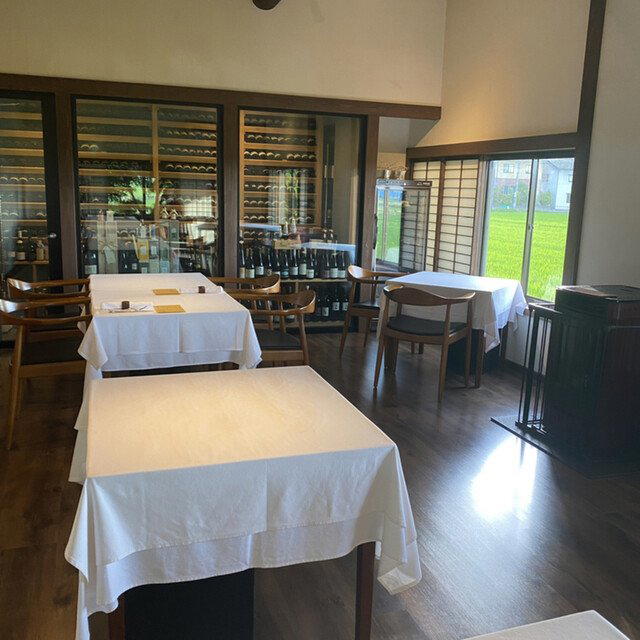
Bright, casual ice cream shop attached to a farm plaza, with a relaxed family-friendly feel focused on enjoying gelato made from the surrounding countryside’s milk, fruits, and vegetables.