Ratsstube

Michelin Plate
Our verdict
Ratsstube occupies the former town hall on Rathausplatz in Limbach-Oberfrohna, pairing contemporary design with warm wood interiors and a Michelin Plate-recognised kitchen that keeps its creative ambition grounded in regional produce. Dishes like cold watermelon and cucumber soup with trout ceviche sit alongside wild boar with beetroot ragout, signalling a kitchen that takes local sourcing seriously without retreating into convention. A terrace shaded by lime trees and on-site accommodation make it easy to linger.

Pearl is the En Primeur Club membership app, where members save venues, book tables and use the concierge.
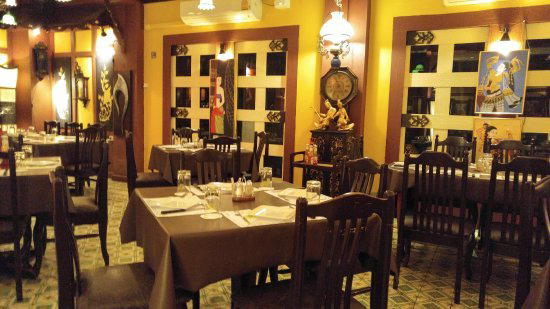
A Town Hall Reinvented
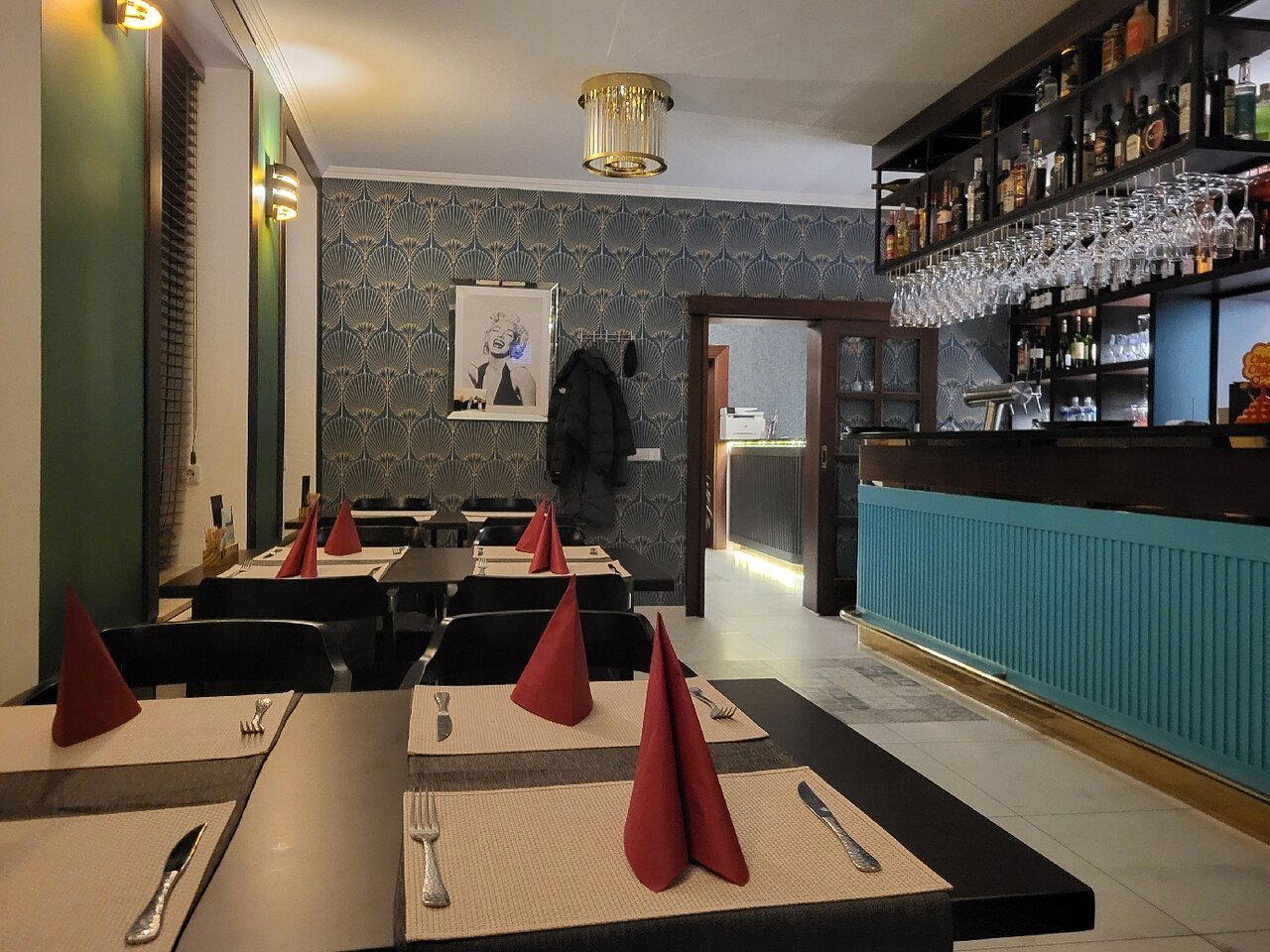
Saxony's smaller towns rarely figure in conversations about Germany's modern restaurant scene, but the country's Michelin coverage has long rewarded kitchens operating well outside the major urban centres. The building at Rathauspl. 1 in Limbach-Oberfrohna was once the seat of local civic administration; it is now the setting for one of the region's more considered dining rooms. The transition from governmental function to hospitality hasn't been a cosmetic one. The interior works with the architecture rather than against it, pairing contemporary design with natural wood and warm tones that give the space a coherence you don't often find in converted civic buildings. The room feels considered without feeling curated for Instagram.
Where the Ingredients Come From
The kitchen at Ratsstube operates in a category that Michelin labels Modern Cuisine, but the more useful frame is how it handles sourcing. Central Saxony sits within reach of forests, freshwater rivers, market gardens, and farms that supply ingredients the restaurant's menu names directly. The dish listed as "H2O" draws on watermelon and cucumber alongside trout ceviche, a pairing that reflects both the region's summer produce and its freshwater fishing tradition. "Haarscharf" (razor-sharp) combines medium-rare wild boar with spring onion, beetroot ragout, garden herbs, and horseradish pasta, a composition that reads like a map of the surrounding countryside in a single plate.
This approach to regional sourcing matters because it anchors the creativity to a specific geography. At the upper end of Germany's restaurant tier, venues like Aqua in Wolfsburg or Vendôme in Bergisch Gladbach operate with four-figure tasting menus and sourcing programs that cross national borders. Ratsstube, at a €€ price point, is solving a different problem: how to keep ambitious, creative cooking grounded in what's growing, swimming, and roaming within a sensible radius. The Michelin Plate recognition in 2025 signals that the approach is landing.
The Creative Logic of the Menu
The naming conventions on the menu reward attention. Dish names like "H2O" and "Haarscharf" are not whimsical branding; they signal a kitchen with a point of view on how food should communicate before the first fork is lifted. The colour and visual presentation that Michelin's inspectors noted in the 2025 citation reflects a kitchen thinking about the full experience of eating rather than just the flavour outcome. That kind of presentation discipline is more common at the €€€€ tier, where restaurants like CODA Dessert Dining in Berlin or ES:SENZ in Grassau treat plating as part of the argument the kitchen is making. Finding it at a mid-range price point in Limbach-Oberfrohna is less expected.
The cuisine is also described as pleasantly down-to-earth alongside its ambition, which is a harder balance to strike than it sounds. Kitchens that reach for creativity without the anchoring weight of regional identity can drift into abstraction. Here, the wild boar and the horseradish pasta function as recognisable Saxon references even when the preparation around them is inventive. It keeps the menu legible without making it conservative.
Summer on the Terrace
Lime trees shading Ratsstube's summer terrace are a logistical detail that matters more than it might appear. Limbach-Oberfrohna's town square setting means outdoor dining happens in a civic rather than a scenic context, and the quality of shade and atmosphere becomes the differentiator. Dining under mature lime trees in flower in June or July carries a specific sensory quality that the restaurant's position makes possible. For visitors planning around the warmer months, terrace seating should be factored into the booking decision. Germany's short but intense dining season between May and September fills outdoor tables quickly at recognised kitchens, and a Michelin Plate citation in 2025 will have widened awareness of this one.
Positioning in the Saxon Dining Scene
For context on where Ratsstube sits within Germany's broader restaurant geography, the Michelin Plate is a recognition that falls below Star level but above the general listings, indicating food worth a detour rather than a pilgrimage. The Star kitchens that define Germany's dining conversation, from Schwarzwaldstube in Baiersbronn to Waldhotel Sonnora in Dreis or Schanz in Piesport, operate at price points and with sourcing budgets that serve a different market entirely. Ratsstube's value is in what it offers at its actual price tier: creative, regionally grounded cooking with a visual sensibility and a Michelin citation to substantiate the ambition.
Saxony's dining scene has historically received less international attention than Bavaria or Baden-Württemberg, but the Michelin guide's coverage of smaller Saxon towns has gradually surfaced kitchens that operate with real intent. Ratsstube is part of that pattern. For visitors constructing a broader itinerary through central Germany, it functions as a credible dining stop rather than an incidental one. Our full Limbach-Oberfrohna restaurants guide maps additional options across the city's dining range.
Staying Over
The availability of overnight accommodation on-site shifts the calculus for visitors arriving from outside the region. Germany's mid-tier restaurant towns often require either a long drive back or a separate hotel booking in a nearby city. Ratsstube resolves that friction directly. Our full Limbach-Oberfrohna hotels guide covers the wider accommodation picture for those wanting alternatives, but the on-site option at Rathauspl. 1 is a practical argument for making an evening here unhurried. For anyone planning time in the area, the bars, wineries, and experiences guides for Limbach-Oberfrohna round out the picture beyond the restaurant itself.
Planning a Visit
Ratsstube sits at Rathauspl. 1 in the centre of Limbach-Oberfrohna at a €€ price point, which for a Michelin Plate kitchen in Germany represents direct value relative to peer restaurants. The summer terrace is the seasonal consideration: lime tree shade in June through August makes outdoor booking worth requesting specifically. The on-site accommodation means a dinner reservation can easily become an overnight stay without logistical complexity. For broader comparisons within Germany's modern cuisine category, JAN in Munich, Restaurant Haerlin in Hamburg, and Victor's Fine Dining by Christian Bau in Perl provide reference points at different price tiers. For those whose interest extends to modern cuisine internationally, Frantzén in Stockholm and FZN by Björn Frantzén in Dubai represent what the format looks like at its most resource-intensive end. Bagatelle in Trier offers another useful regional German comparison at a mid-range price point.
Frequently asked questions
Is Ratsstube expensive?
Pricing at Ratsstube is listed as €€.
A Quick Peer Check
| Venue | Cuisine | Price | Awards | Notes |
|---|---|---|---|---|
| RatsstubeThis venue (the venue you are viewing) | Modern European Fine Dining | $50–100 | Michelin Plate | Not listed |
| Schwarzwaldstube | Modern French Fine Dining | $150–200 | 3 Michelin Stars · World's 50 Best #47 | French, Classic French |
| Aqua | Contemporary German, Italian/Japanese, Creative | Not listed | Michelin 3 Star | Not listed |
| CODA Dessert Dining | Dessert-Inspired Fine Dining | $200–300 | 2 Michelin Stars · World's 50 Best #79 | Creative |
| Tantris | Modern French, French Contemporary | Not listed | Michelin 2 Star | Not listed |
| Vendôme | Modern German Haute Cuisine | $200–300 | 2 Michelin Stars · World's 50 Best #47 | Modern European, Creative |
Recognition history
Dated appearances from independent guides and award organizations, with the underlying list record or original source where available.
Michelin Plate
Michelin · 2026 Michelin Plate
Full recognition history (3 entries)
Michelin Plate
Michelin
Michelin Plate
Michelin
Continue exploring
More in Limbach-Oberfrohna
Restaurants in Limbach-Oberfrohna
All restaurants in Limbach-Oberfrohna →
Bars in Limbach-Oberfrohna
Browse all →
Details
- Cozy
- Elegant
- Intimate
- Sophisticated
- Date Night
- Special Occasion
- Celebration
- Terrace
- Extensive Wine List
- A La Carte
- Set Menu
- Vegetarian Friendly
Current opening hours
- Monday
- Closed
- Tuesday
- Closed
- Wednesday
- 6–10 PM
- Thursday
- 6–10 PM
- Friday
- 6–10 PM
- Saturday
- 6–10 PM
- Sunday
- 6–10 PM
Hours can change for holidays and private events. Hours as of .
Lovely cosy interior with warm lighting, stylish furnishings, and a comfortable, elegant atmosphere ideal for special evenings.