

A Chennai-rooted kitchen operating inside Kinsale's €€€€ dining tier, Rare holds a Michelin Plate and channels Tamil Nadu's coastal pantry through West Cork produce. Chilli, coconut, tamarind, and date anchor dishes that sit somewhere between southern Indian tradition and fine-dining technique. The open kitchen format, where chefs deliver food directly to the table, makes the precision of the cooking visible from the first course.
Pearl is the En Primeur Club membership app — saves, bookings, and concierge access live there. Same editors, same standards.
- Address
- 3/4 Pearse St, Sleveen, Kinsale, Co. Cork, P17 NA72, Ireland
- Phone
- +353 21 477 2209
- Website
- rare1784.ie
- Directions
- Get directions
 Saves & bookings on Pearl
Tamil Nadu on the West Cork Coast
Southern Indian cooking rarely makes it to small Irish harbour towns, and when it does, it tends to arrive diluted into something more broadly familiar. The kitchen at Rare, on Pearse Street in Kinsale, operates from a different premise entirely. The cooking here draws its primary reference from Tamil Nadu, the state that occupies India's southeastern tip, where the cuisine is defined by coconut milk and grated coconut, tamarind for its sweet-sour acidity, date for depth, and chilli at a register that tends to be more assertive than the butter-forward Mughal-influenced cooking most Irish diners associate with Indian restaurants. That regional specificity matters because it produces a flavour vocabulary genuinely at odds with what West Cork diners might expect, and Rare makes no attempt to soften the gap.
Tamil food is distinct from the Indian cooking traditions that have dominated the Irish and British restaurant scene for decades. Where Punjabi cooking built its European reputation on cream, ghee, and slow-cooked tomato-based gravies, Tamil Nadu's kitchen is lighter in fat but more direct in spice, leaning on mustard seed tempering, curry leaf aromatics, and fermented batter in dishes like dosa and idli. At Rare, that tradition is filtered through fine-dining technique and applied to the produce sitting immediately outside the kitchen door: the seafood pulled from Kinsale harbour and the wider West Cork coastline, the game and foraged ingredients of the inland counties. The combination produces dishes that don't fit neatly into any existing Irish restaurant category, which is precisely what makes the Michelin Plate recognition Rare has held across 2024 and 2025 intelligible. The guide is flagging something it hasn't seen in this geography before.
What the Open Kitchen Signals
The dining room at Rare is described as rustic-chic rather than formally theatrical, which places it at a different atmospheric register from the white-tablecloth fine dining that Kinsale has historically associated with its premium tier. The large kitchen windows that open the cooking space to the dining room are not incidental design. They are the clearest statement of intent the restaurant makes before a single dish arrives: the work is the spectacle, and the kitchen has nothing to conceal about its process or its confidence.
That confidence is observable in the decision to have chefs carry dishes to the table directly, a format that collapses the usual buffer between kitchen and guest and turns each course into a brief point of contact rather than a handoff through a service team. Across premium Indian dining globally, from Trèsind Studio in Dubai to Opheem in Birmingham, open kitchens and chef-led presentation have become the standard grammar of the genre's top tier. Rare's version of that format operates at a smaller scale and within a different context, but it belongs to the same broader shift in how ambitious Indian cooking chooses to present itself.
Where Rare Sits in the Kinsale Dining Picture
Kinsale's restaurant reputation was built primarily on seafood and the kind of generously resourced Irish cooking that the town's fishing harbour makes direct. The €€€€ price tier the town supports is smaller than its profile might suggest: Bastion, with its progressive American and modern cuisine format, occupies one end of that bracket, while Rare occupies something with no direct local equivalent. Venues like Max's and Saint Francis Provisions operate at a lower price point and from within more familiar European frameworks. That leaves Rare in an unusual competitive position: priced against the town's most expensive options, but drawing from a culinary reference with no comparison point anywhere nearby.
The broader West Cork and south-coast Michelin picture provides more useful context. dede in Baltimore and Chestnut in Ballydehob both demonstrate that the region supports serious cooking well outside of Kinsale itself. Nationally, the fine-dining conversation runs through Chapter One in Dublin, Liath in Blackrock, Aniar in Galway, Campagne in Kilkenny, and Terre in Castlemartyr. What Rare shares with that group is the Michelin recognition and the rigour of the cooking; what separates it is the absence of any European culinary anchor in its primary reference point. Among those restaurants, it is the outlier, and that position is durable as long as the cooking sustains its credibility.
The Produce Logic
The decision to ground a Tamil Nadu-influenced kitchen in West Cork produce is not an eccentric conceit. It follows a logic that runs through most serious regional Indian cooking: the cuisine is historically built around what the land and sea immediately provide. Tamil Nadu's coastal towns cook with the fish and shellfish of the Bay of Bengal and the Indian Ocean; the spice and coconut base comes from what grows locally in a tropical climate. Transposing that framework to West Cork substitutes the local seafood and game for the Bay of Bengal catch while preserving the flavour architecture of the original tradition. The result, as the Michelin notation describes it, is cooking that makes lobster, clams, and mussels appear inside fish momo dumplings, and venison jerky turn up inside a pickled mushroom paratha. These are not fusion dishes in the sense of aesthetic collision; they are the product of a consistent methodology applied to a different larder.
Side dishes referenced in the Michelin documentation are an instructive detail. In Tamil Nadu, as in most of southern India, the boundary between what constitutes a supporting element and what counts as a main event is more fluid than in European fine dining. A paratha is a daily staple; a momo is a dumpling form that crosses into the northeastern Indian tradition via Tibet. The fact that Rare's accompaniments are described as standouts rather than afterthoughts suggests a kitchen that takes its full menu seriously rather than reserving effort for a headline course.
Planning a Visit
Rare is located at 3/4 Pearse Street in Kinsale, at the €€€€ price point that reflects the sourcing and preparation the kitchen commits to. Given the scale of the operation and its growing recognition, booking in advance is sensible, particularly across the summer months when Kinsale draws visitors from Cork city and further afield. For those building a longer itinerary around this part of the coast, our full Kinsale restaurants guide, Kinsale hotels guide, Kinsale bars guide, Kinsale wineries guide, and Kinsale experiences guide cover the full picture. For those extending the trip along the Wild Atlantic Way to Doolin, Homestead Cottage is worth noting as another regional kitchen with a strong sense of place.
Cuisine and Recognition
Comparable venues nearby, for context on price, style, and recognition.
| Venue | Cuisine | Price | Awards | Notes |
|---|---|---|---|---|
| RareThis venue — the venue you are viewing | Indian-Irish Fusion Fine Dining | $$$ | Michelin Plate | Not listed |
| Max's | French-Inspired Seafood Bistro | $$$ | Michelin Plate | Main Street |
| Bastion | Modern Irish Fine Dining | $$$$ | Michelin 1 Star | Kinsale Town Centre |
| Saint Francis Provisions | Mediterranean Farm-to-Table | $$ | Bib Gourmand | Kinsale town centre |
Recognition history
Dated appearances from independent guides and award organizations, with the underlying list record or original source where available.
Michelin Plate
Michelin
Michelin Plate
Michelin
The Sunday Times Ireland’s 100 Best Restaurants
The Sunday Times
Michelin Plate
Michelin
Continue exploring
More in Kinsale
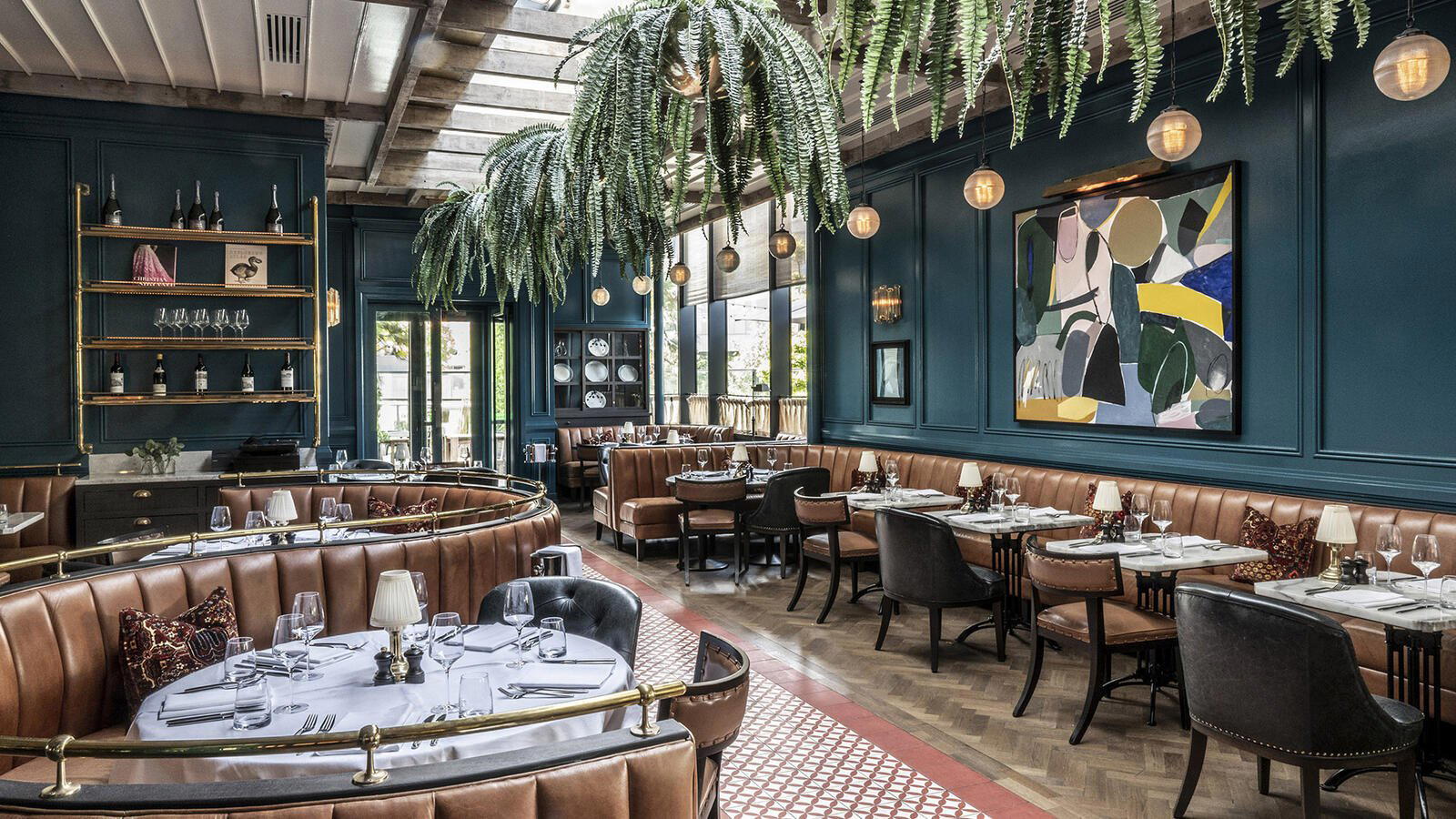
Restaurants in Kinsale
Browse all →
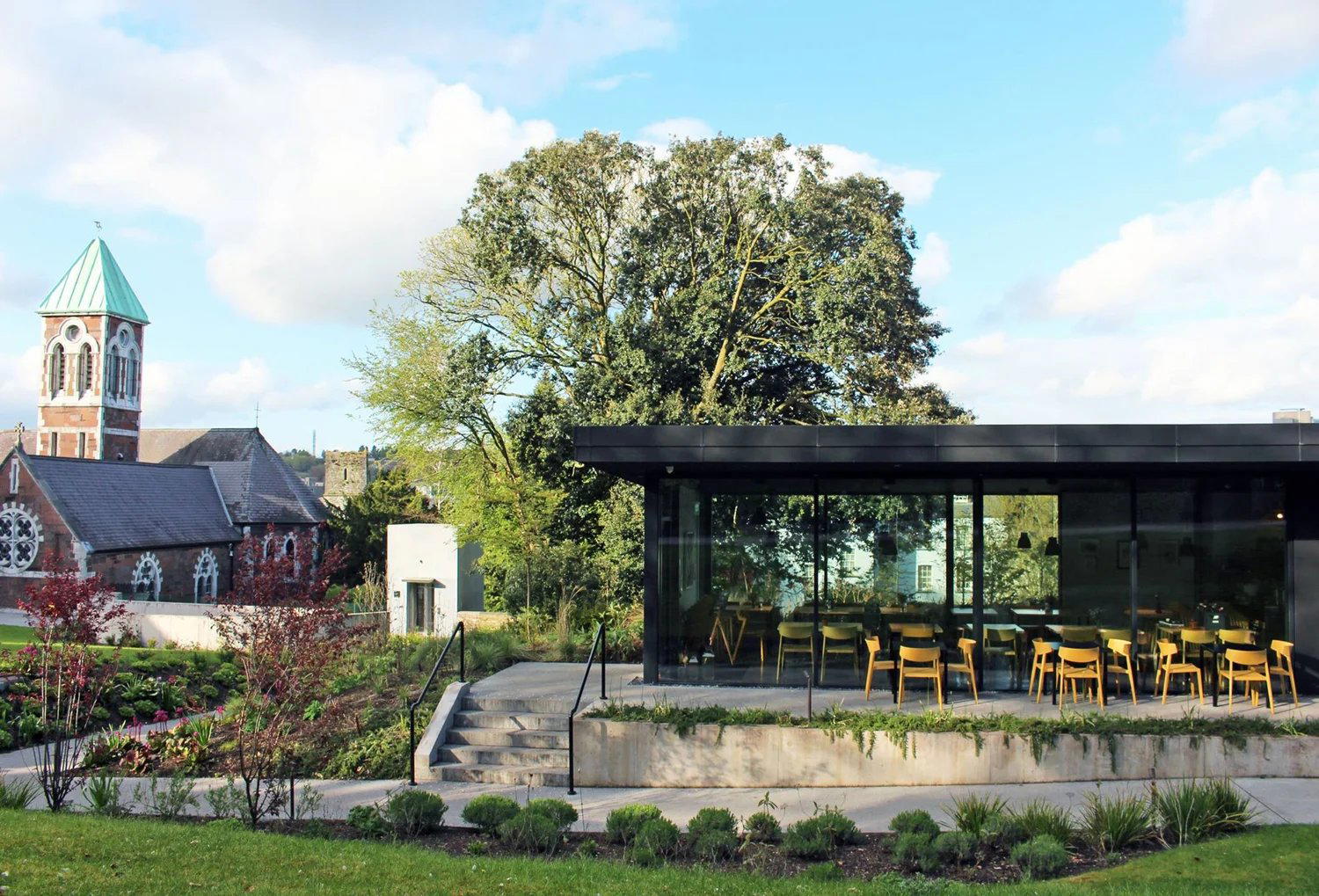
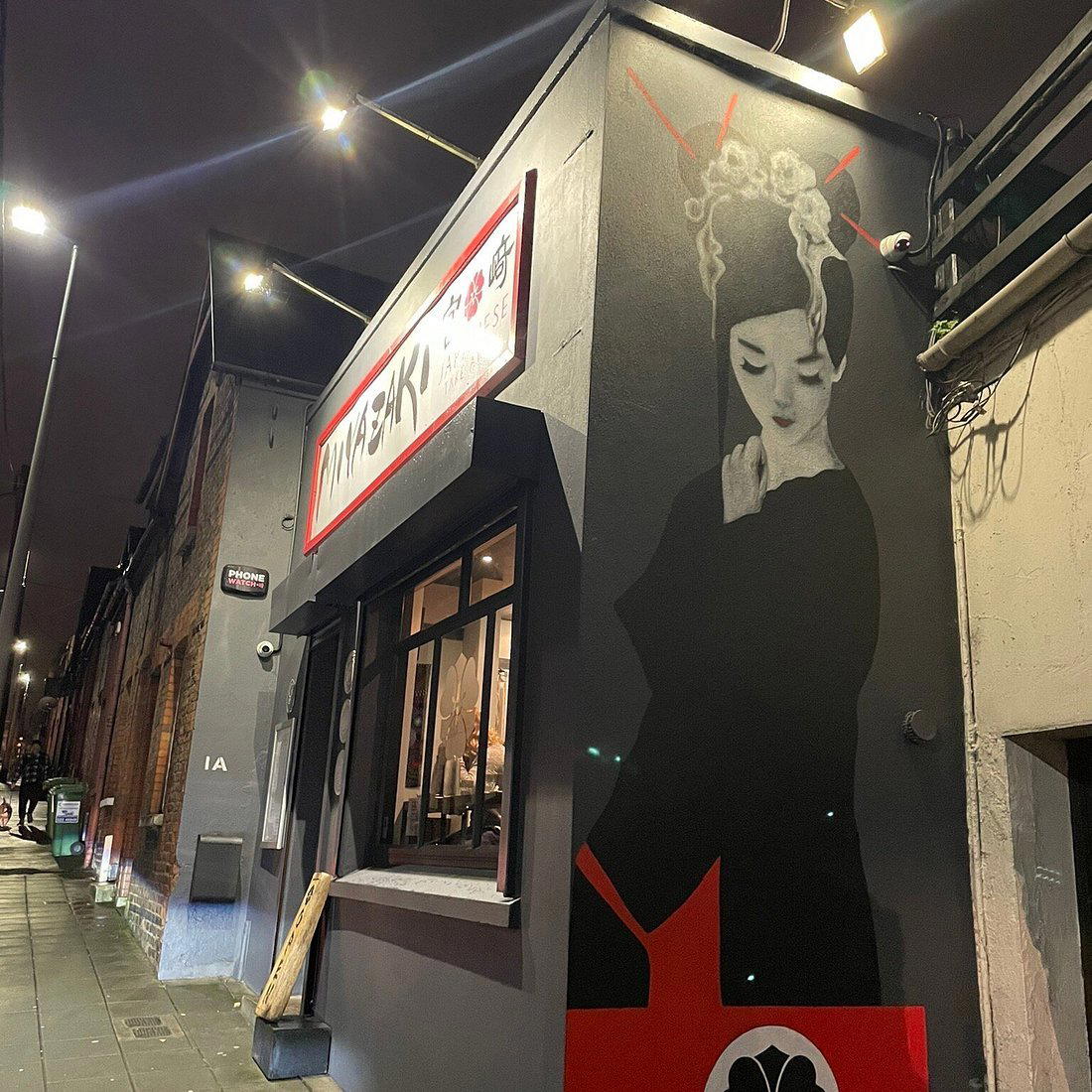
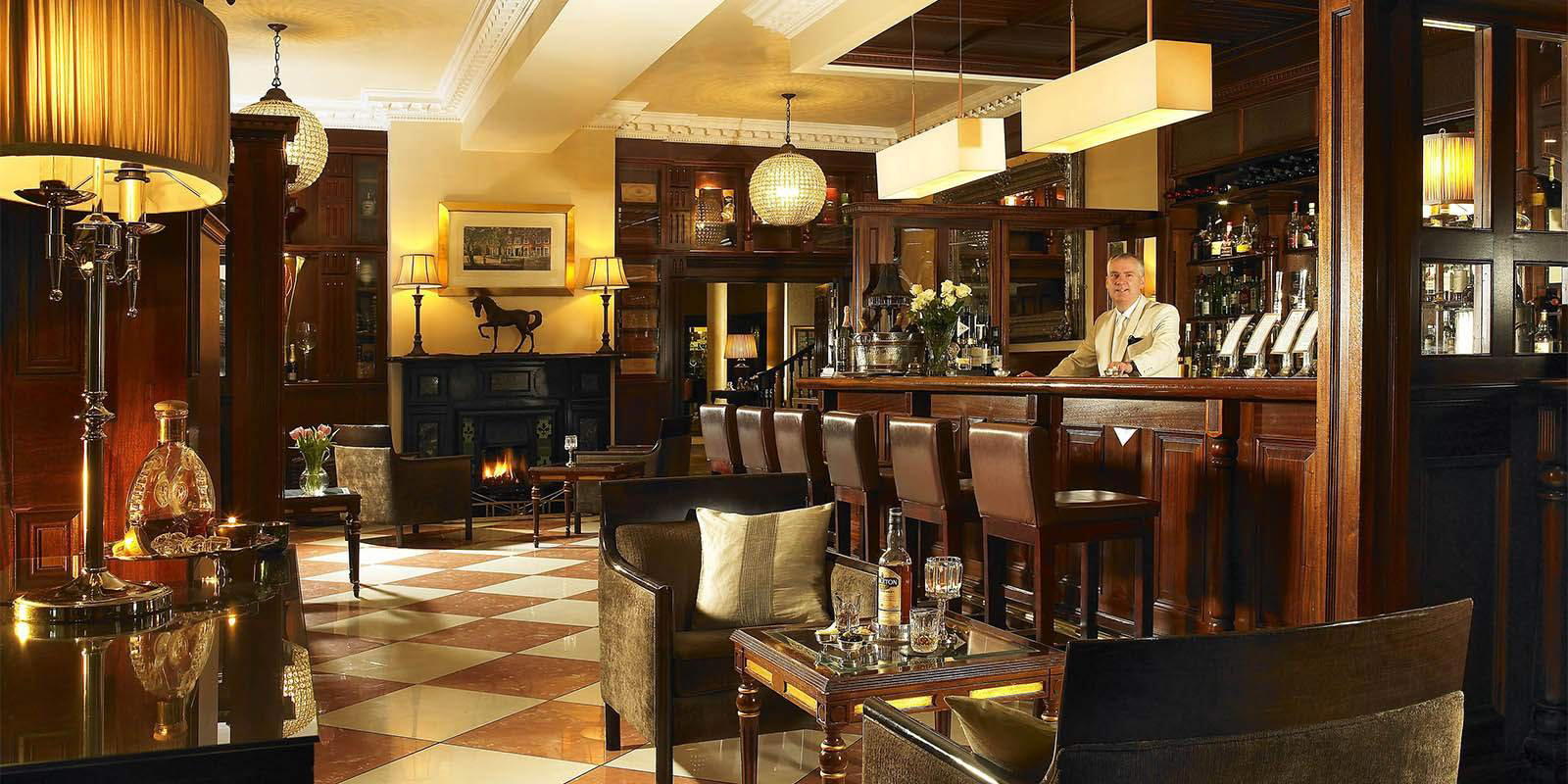
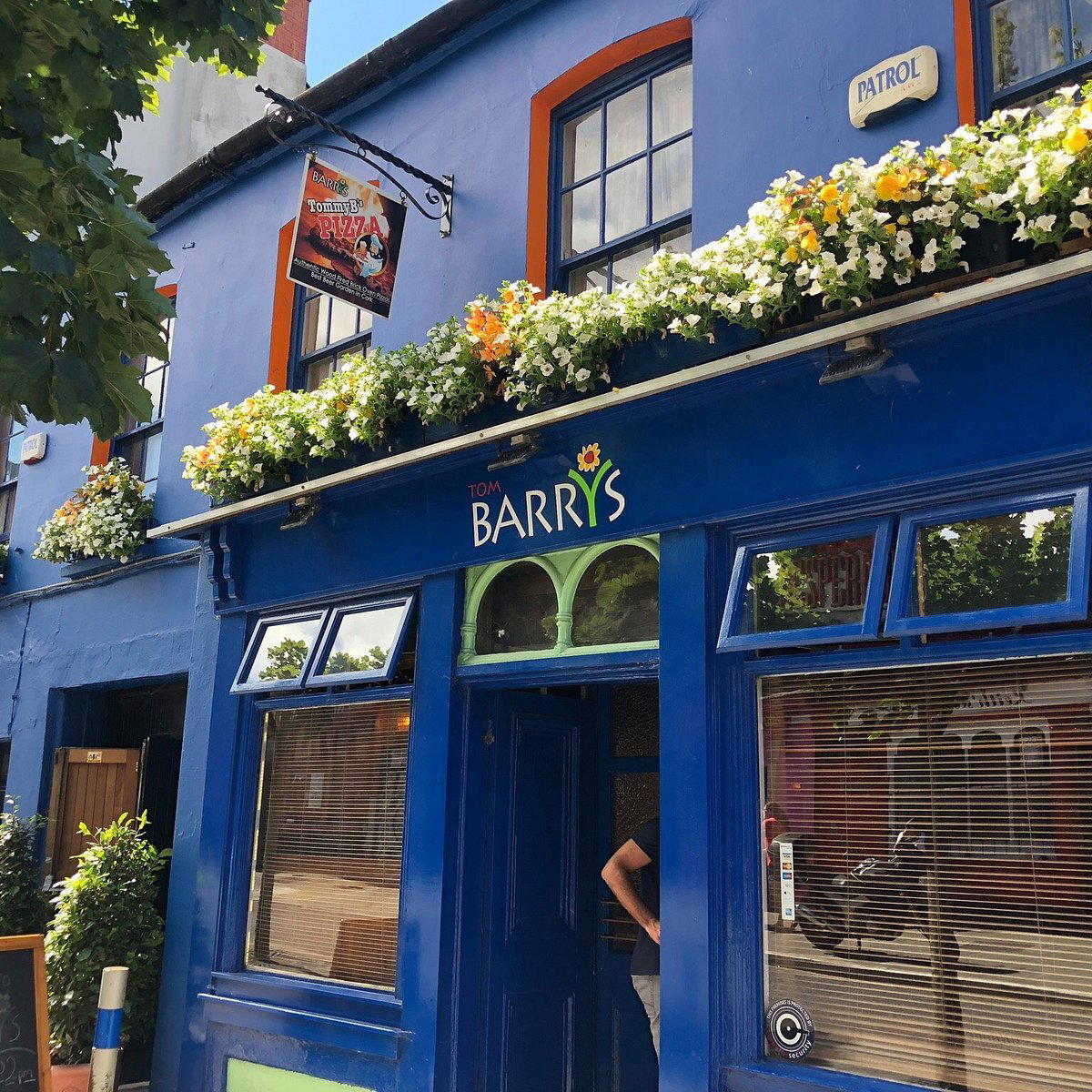
Bars in Kinsale
Browse all →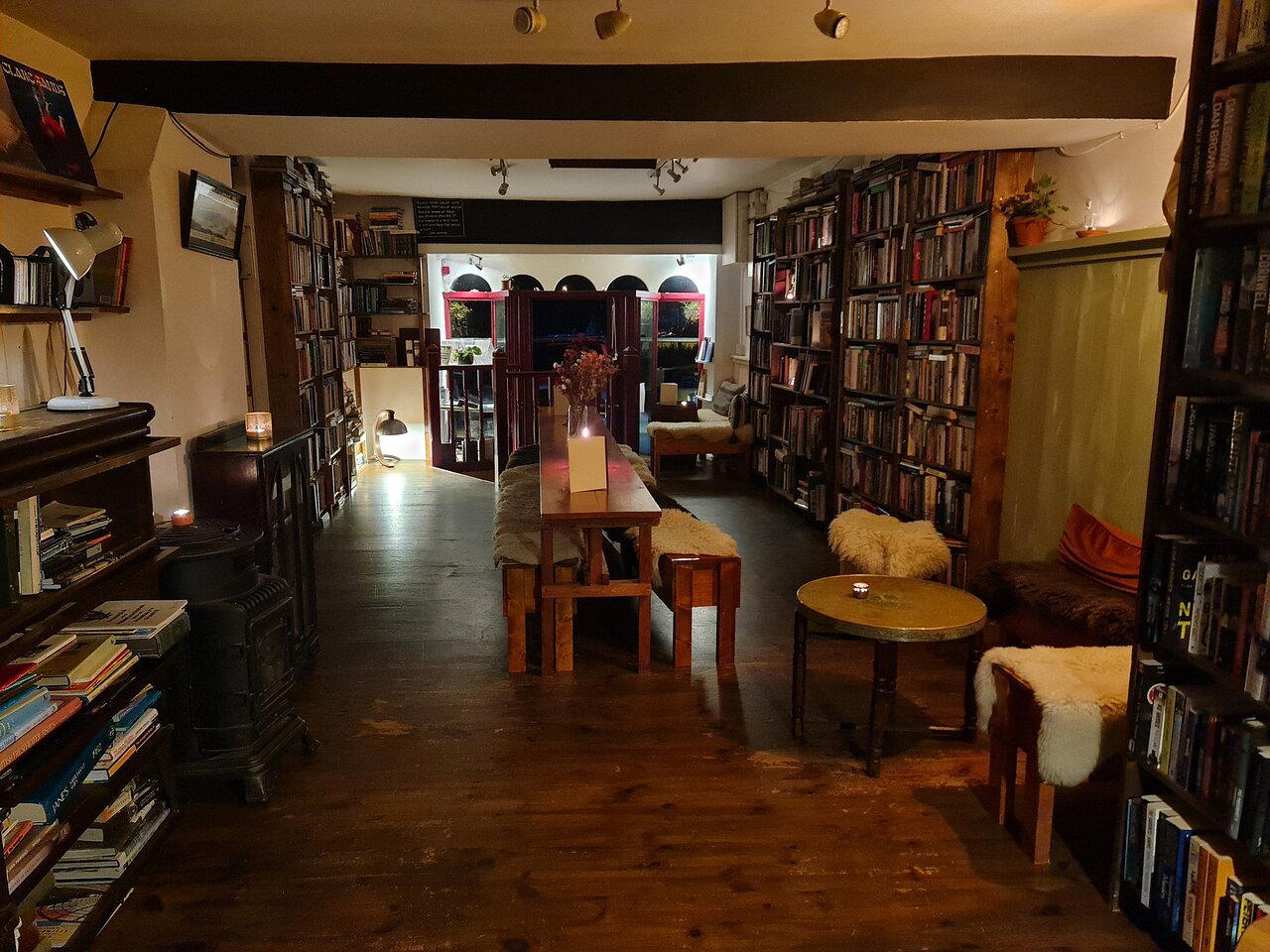
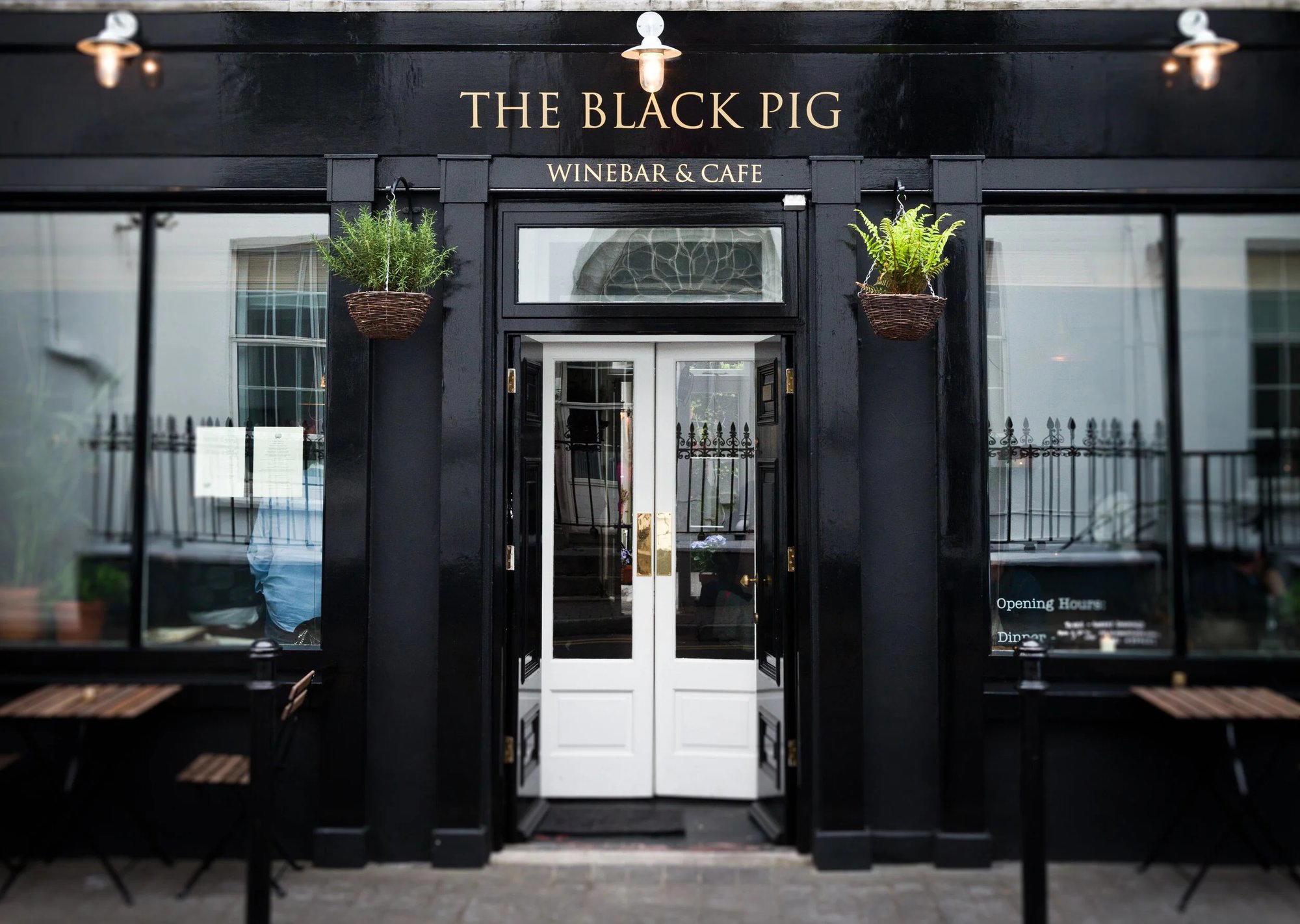

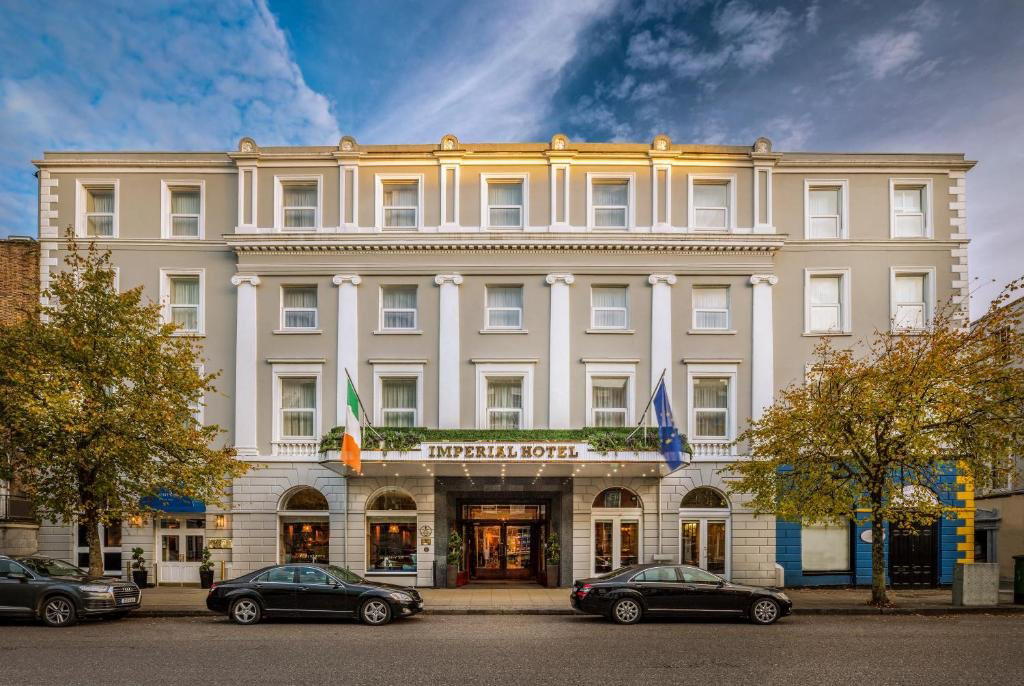
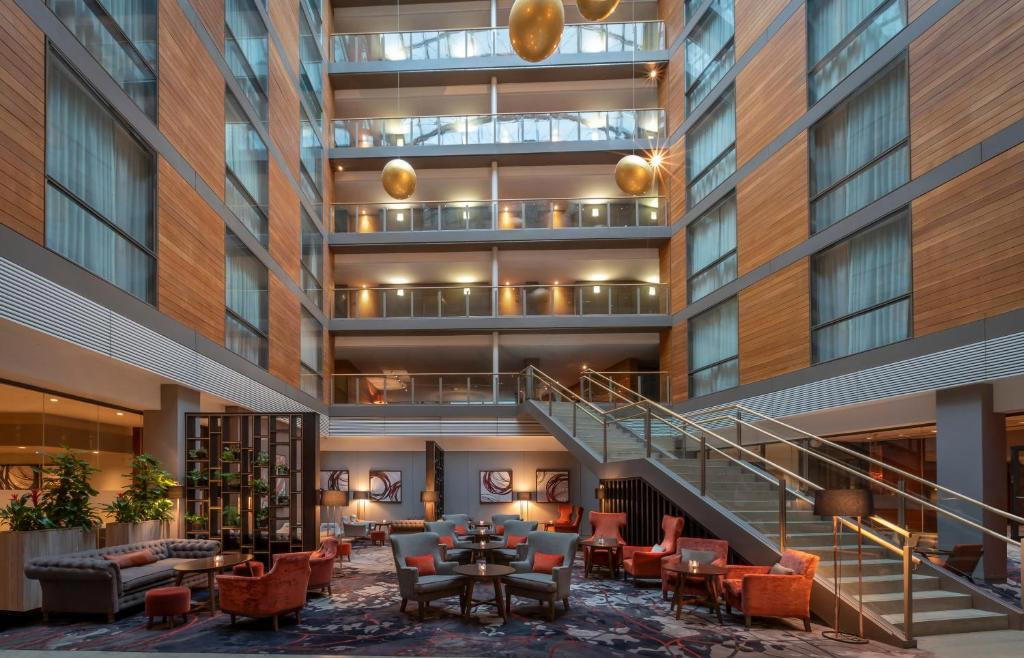
Hotels in Kinsale
Browse all →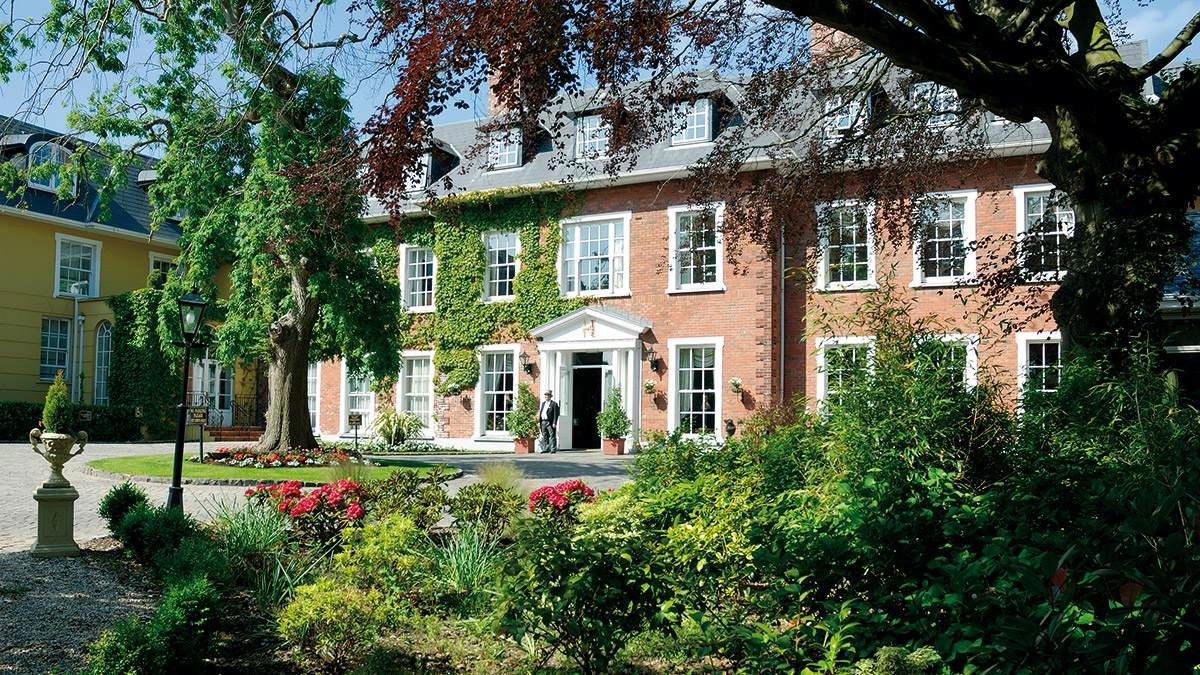
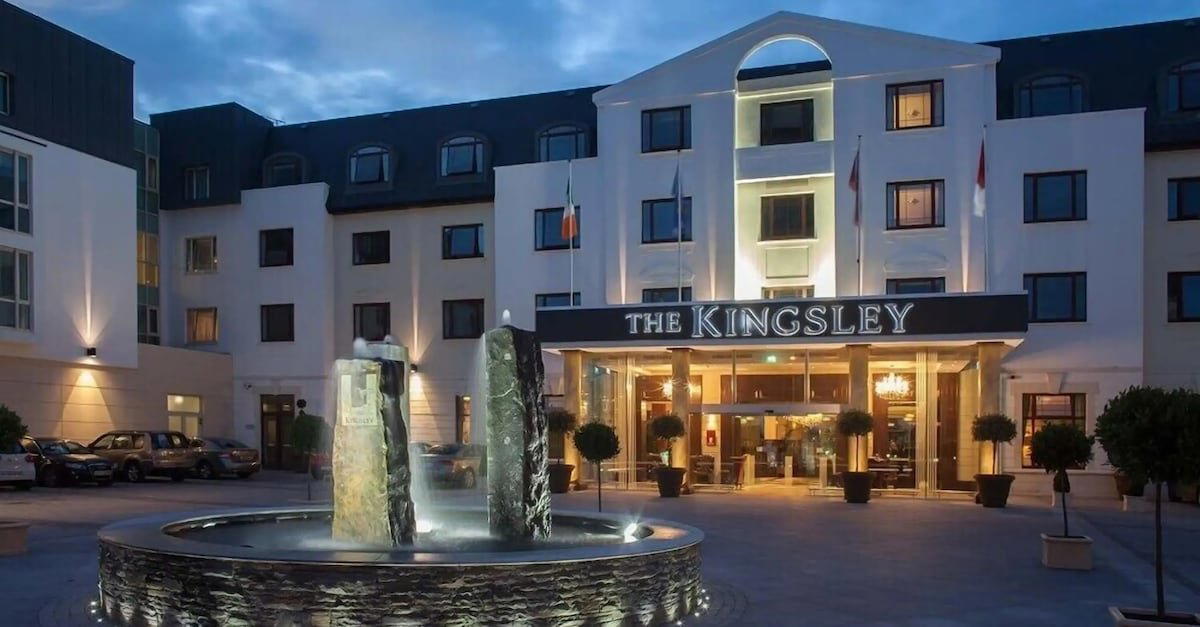
Wineries in Kinsale
Browse all →
At a Glance
- Elegant
- Rustic
- Intimate
- Sophisticated
- Date Night
- Special Occasion
- Celebration
- Open Kitchen
- Craft Cocktails
- Local Sourcing
Current opening hours
- Monday
- Closed
- Tuesday
- Closed
- Wednesday
- Closed
- Thursday
- Closed
- Friday
- 5:30–11:30 PM
- Saturday
- 5:30–11:30 PM
- Sunday
- Closed
Hours can change for holidays and private events. Last verified .
Understated rustic-chic dining room with subtle downlight lamps creating a comfortable speakeasy vibe, offering views into the swish kitchen through a glass wall.