Rangoli Indian Cuisine
Rangoli Indian Cuisine at 3055 Walton Blvd. brings the regional depth of the subcontinent's cooking traditions to Auburn Hills, Michigan. Located in a suburban Detroit corridor that has developed a more varied dining scene than its strip-mall geography suggests, Rangoli sits within a small cluster of independently operated restaurants worth tracking for visitors and residents alike.
Pearl is the En Primeur Club membership app — saves, bookings, and concierge access live there. Same editors, same standards.
- Address
- 3055 Walton Blvd., Auburn Hills, MI 48326
- Phone
- +12483773800
- Website
- detroitrangoli.com
- Directions
- Get directions
 Saves & bookings on Pearl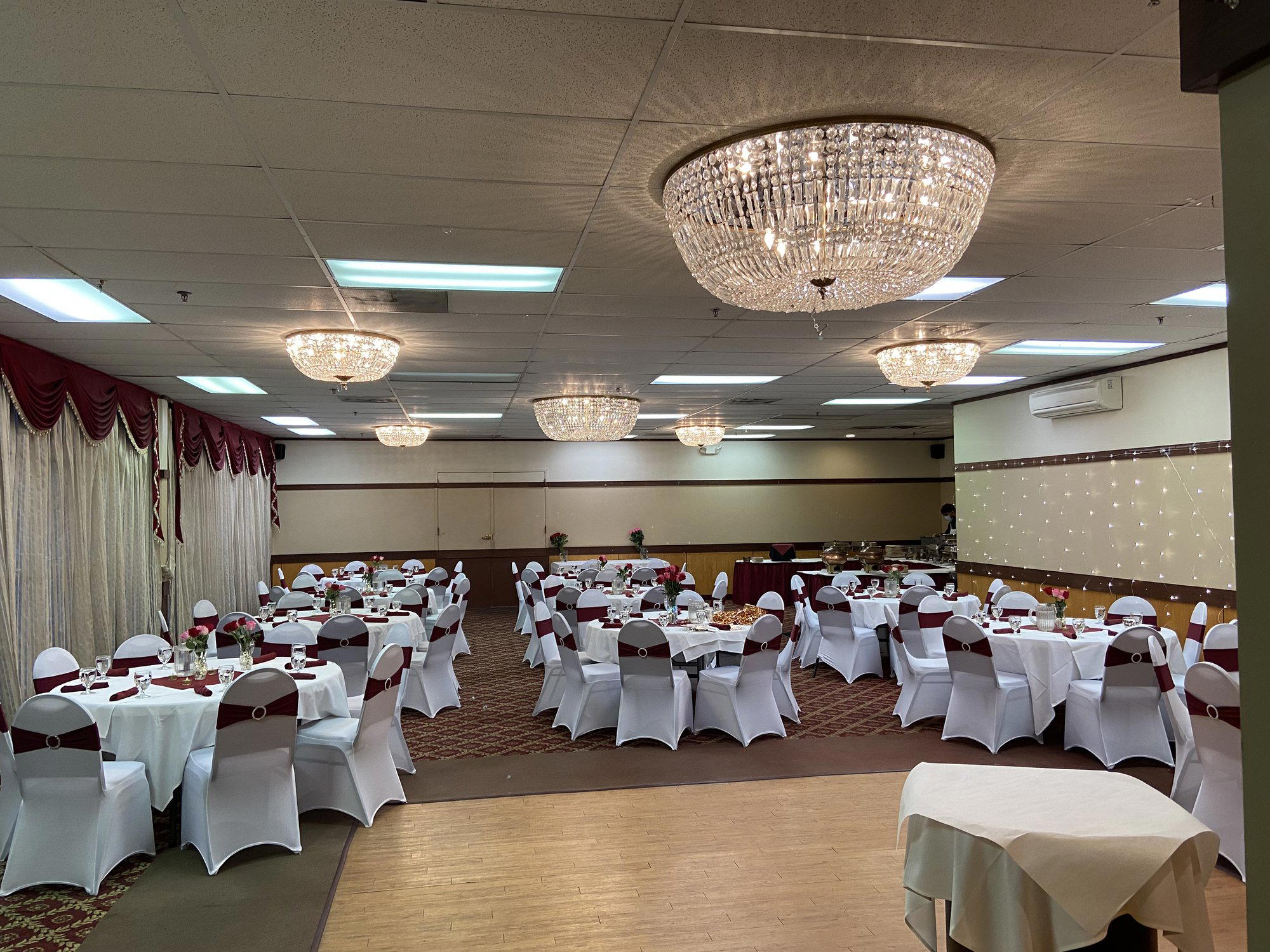
Indian Regional Cooking in Suburban Detroit
Auburn Hills does not have the concentrated dining density of Detroit proper or the polished restaurant rows of Birmingham to its south, but the corridor along Walton Boulevard has accumulated a quiet collection of independently run kitchens that reward attention. Among them, Rangoli Indian Cuisine at 3055 Walton Blvd. represents a category of restaurant that suburban Michigan has historically underserved: a sit-down Indian kitchen operating outside the tandoori-and-tikka-masala template that defined the first wave of South Asian dining in the American Midwest.
Indian cuisine in the United States spent decades flattened into a handful of familiar reference points, with menus calibrated for a perceived American palate rather than for the actual breadth of subcontinental cooking. That pattern has been shifting, particularly in cities with sizable South Asian communities, where restaurants increasingly draw from specific regional traditions — the coconut-forward curries of Kerala, the tamarind-laced preparations of Tamil Nadu, the wheat-based bread cultures of Punjab, the slow-cooked Mughlai tradition that gave the world korma and biryani in their most elaborate forms. Auburn Hills, home to a significant Indian-American professional population tied to the automotive and technology sectors concentrated in the wider Detroit metro, provides a community context that supports more considered regional cooking.
What the Name Signals
The word rangoli itself is instructive. Rangoli refers to the decorative floor patterns made from colored powders, flowers, or rice during Indian festivals and auspicious occasions — Diwali, Dussehra, weddings, harvest celebrations. It is an art form with deep roots across nearly every region of India, varying in style from the geometric kolam of South India to the freehand floral patterns of Rajasthan and Gujarat. Choosing it as a restaurant name is not incidental. It positions the kitchen within a tradition of celebration and hospitality rather than convenience dining, signaling an intention to operate in the space where food and cultural identity overlap.
That framing matters when reading Auburn Hills against the broader American Indian dining scene. The highest-profile Indian restaurants in the country, those drawing critical attention in New York, Chicago, and San Francisco, have largely moved toward tasting-menu formats that isolate and recontextualize regional techniques for a fine-dining audience. The majority of Indian restaurants in mid-sized American metros operate differently, serving communities who want specific regional dishes executed correctly rather than reimagined. Rangoli, given its address and community context, almost certainly falls into the latter category: a neighborhood restaurant whose authority comes from consistency and specificity rather than from the editorial visibility that drives reservation waitlists at high-concept urban addresses.
Auburn Hills in the Wider Michigan Dining Picture
Situating Rangoli within Michigan's dining geography requires acknowledging that Auburn Hills occupies a particular niche. The city's restaurant scene is shaped by its demographics: a suburban population anchored in part by Oakland University, the corporate presence of major automotive suppliers, and a notably large South Asian and Middle Eastern community that has built a parallel food economy along the northern Detroit suburbs. This is not the dining culture of downtown Detroit's revivalist kitchens or the farm-to-table ambitions of the Ann Arbor corridor, but it sustains a set of ethnic restaurants that would be unremarkable in a major city and are genuinely useful in their specific geography.
For visitors coming from outside the region, this context is worth holding. Auburn Hills is not a destination dining city in the way that a shortlist of American fine-dining addresses is: The French Laundry in Napa, Alinea in Chicago, or Lazy Bear in San Francisco operate in a register that Auburn Hills does not claim. Nor does it position itself alongside tasting-menu-driven operations like Atomix in New York City or Le Bernardin in New York City, or newer-wave destination kitchens such as Brutø in Denver, Causa in Washington, D.C., or Addison in San Diego. Rangoli operates in a different register entirely, and that register has its own integrity.
Within Auburn Hills specifically, Rangoli sits alongside a range of independent operators tracked on our full Auburn Hills restaurants guide, including Lellis and Sweet Lorraine's Mac & Cheez. The Indian dining category in this corridor functions, in practical terms, as part of the everyday food infrastructure of a community rather than as an occasional special-occasion category. That is not a diminishment; it is a description of a different kind of value.
The Cultural Weight of Indian Hospitality
Indian restaurant culture in the diaspora carries expectations that differ from most other cuisines transplanted to the United States. A table of guests arriving at an Indian restaurant in the Midwest brings, in many cases, reference points built from home cooking, regional travel, or family memory of specific dishes. The chai has to taste like chai. The dal has to have been cooked long enough. The bread has to have the right char and the right chew. These are not abstract standards; they are specific sensory benchmarks against which community restaurants are measured informally and constantly.
The broader American fine-dining conversation has, in recent years, begun to take Indian cooking seriously on its own terms. Restaurants like Blue Hill at Stone Barns in Tarrytown, Bacchanalia in Atlanta, and The Inn at Little Washington in Washington have influenced how American diners think about sourcing and tradition without directly engaging the Indian canon, while a separate wave of South Asian chefs is now operating in that fine-dining space in major cities. The trickle-down effect of that critical reappraisal eventually reaches suburban community restaurants, where the baseline expectation of quality rises alongside broader literacy about what Indian cooking can do.
Planning Your Visit
Rangoli Indian Cuisine is located at 3055 Walton Blvd. Auburn Hills, MI 48326, in a corridor accessible by car from the wider Oakland County area and from I-75. Given the limited publicly available data on hours, booking format, and current menu specifics, prospective visitors should confirm operational details directly with the restaurant before traveling. For context on the wider Auburn Hills dining picture, including other independently operated kitchens in the area, the EP Club Auburn Hills guide covers the full scene. Those planning a broader Michigan dining itinerary who want contrast at the other end of the ambition spectrum might note that Providence in Los Angeles, Single Thread Farm in Healdsburg, Emeril's in New Orleans, and 8 1/2 Otto e Mezzo Bombana in Hong Kong represent the kind of destination anchors that shape a longer itinerary, but none of them serve the same community function that a well-run Indian kitchen in suburban Detroit does for its regular guests.
Continue exploring
More in Auburn Hills
Restaurants in Auburn Hills
Browse all →

Bars in Auburn Hills
Browse all →



At a Glance
- Classic
- Family
- Group Dining
- Casual Hangout
Current opening hours
- Monday
- 11 AM–2:30 PM, 5–8:30 PM
- Tuesday
- 11 AM–2:30 PM, 5–8:30 PM
- Wednesday
- 11 AM–2:30 PM, 5–8:30 PM
- Thursday
- 11 AM–2:30 PM, 5–8:30 PM
- Friday
- 11 AM–2:30 PM, 5–9:30 PM
- Saturday
- 11:30 AM–3 PM, 5–9:30 PM
- Sunday
- 11:30 AM–3 PM, 5–8:30 PM
Hours can change for holidays and private events. Last verified .
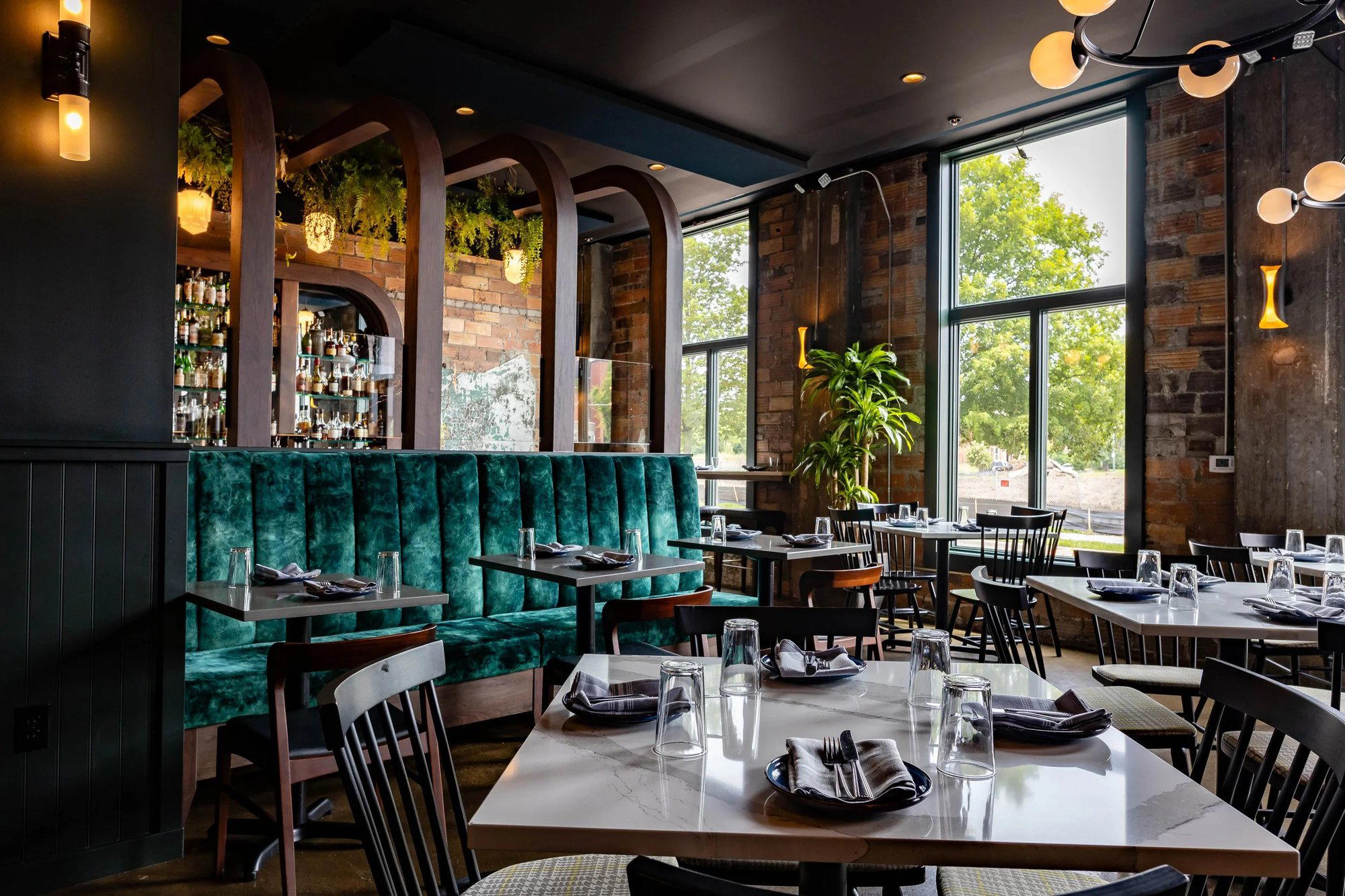
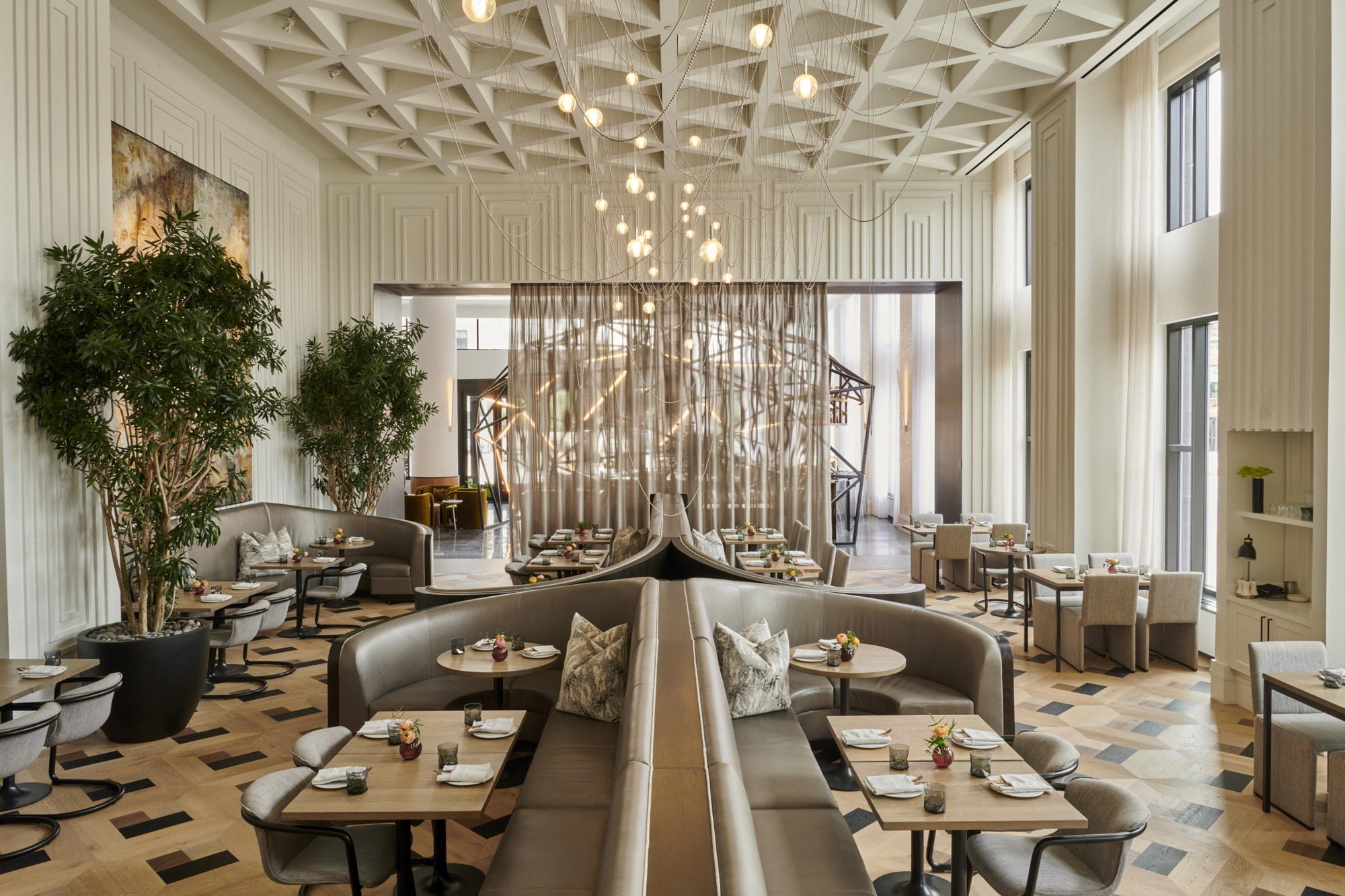
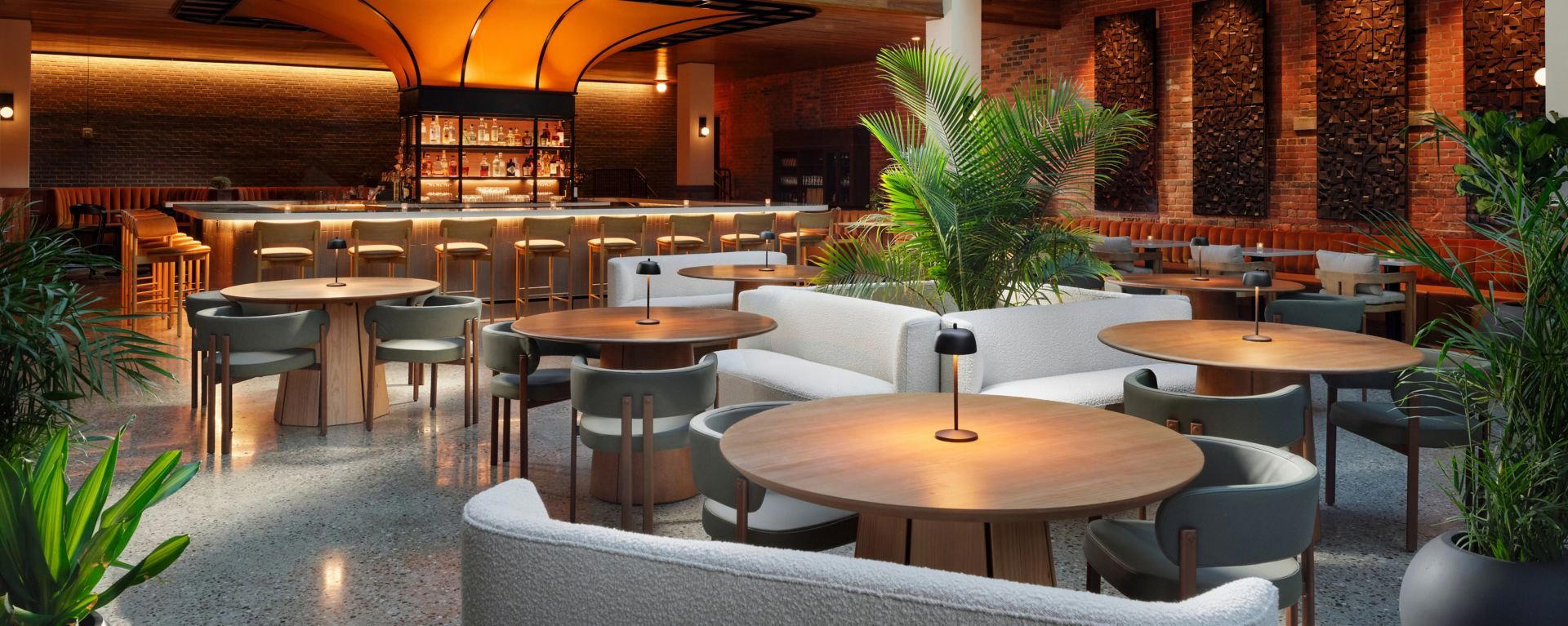
Pretty and elegant atmosphere with entrées served in small copper bowls, rooted in traditional Indian simplicity.
Know Before You Go
- Getting there
- 3055 Walton Blvd., Auburn Hills, MI 48326