
Relais Chateaux Award
Our verdict
Atth brings a terroir-led dining brief to Patiala’s palace quarter, placing regional produce and Punjab’s courtly food memory inside the restored Ran Baas The Palace complex. Chef Jayanto Kumar Ghosh is the named culinary lead, and the restaurant’s inclusion in the 2026 Relais & Châteaux restaurant selection gives it a clear luxury-hospitality context rather than a standalone city-restaurant frame.

Pearl is the En Primeur Club membership app, where members save venues, book tables and use the concierge.
The menu
What to order
- Regional dishes from the eight regions of Punjab
Inside Qila Mubarak, the approach to dinner already does half the editorial work. Patiala is not neutral backdrop: palace walls, courtly memory, and old Punjab press against the meal before a plate arrives. Atth’s stated cuisine, Punjabi fine dining in a royal palace, reads less like a fashionable label than a useful promise. The question is not whether the room feels grand, but whether the cooking makes Patiala specific rather than merely regal.
That distinction matters in Indian luxury dining. Palace hotels can flatten regional food into ceremony: silverware, chandeliers, familiar kebabs, reassurance. A terroir-led kitchen has the harder task of connecting produce, season, local memory, and technique without turning dinner into a museum exhibit. Atth enters that conversation with a 2026 Relais & Châteaux restaurant listing, a trust signal placing it among properties where hospitality credentials and culinary identity are expected to work together.
Patiala's royal frame, read through regional ingredients rather than spectacle
Patiala’s dining identity is inseparable from the former princely state: generous Punjabi tables, court-influenced cooking, and hospitality built around abundance. Its contemporary premium version is more complicated. Diners expect locality without nostalgia, polish without hotel sameness, and regional reference without clichés. A restaurant using terroir as its stated language must answer all three.
Atth is positioned differently from a general Punjabi dining room because the concept points toward origin: what grows nearby, what local kitchens remember, and how a chef edits that inheritance for a palace-hotel audience. Its value is focus rather than novelty. In a city where royal association can dominate, the more interesting move is letting terrain and kitchen practice carry equal weight.
Chef Jayanto Kumar Ghosh gives the restaurant a defined culinary lead. His role is to translate place for guests arriving with broad expectations of Punjabi food, then pull the experience toward the more granular idea of Patiala and its surrounding region. That differs from simply serving classics, and is where the restaurant’s editorial interest sits.
For travellers mapping Patiala through food, the city now has more than one register. Neel (Punjabi Indian) speaks more directly to Punjabi identity, while The Patiala (Cooking classics) points toward a heritage-led reading of the table. Atth occupies the interpretive space between those poles: less about reproducing a canon, more about using the region as raw material for a contemporary hotel restaurant.
Why the Relais & Châteaux context changes the expectation
Relais & Châteaux recognition matters because it sets a higher burden than decorative luxury. The association is built around independent hotels and restaurants where food, lodging, and sense of place should reinforce one another. In India, that becomes especially interesting outside the larger dining capitals. Patiala lacks the volume of internationally visible openings found in Delhi, Mumbai, or Bengaluru, so a listed restaurant within a palace property carries more weight as a destination-dining marker.
The parent setting, Ran Baas The Palace, shapes the meal’s rhythm. This is hotel-anchored dining inside a heritage property, not a stand-alone urban counter or high-turnover neighbourhood restaurant. That usually means a slower, more composed experience for guests already spending time with the property and city. The editorial advantage is coherence: architecture, locality, and cuisine can speak the same language. The risk is over-formality. The stronger version keeps the plate anchored to the region instead of letting the room do all the signalling.
Patiala benefits from restraint. The city’s cultural identity is already loud: the fort complex, palace associations, music and courtly histories, and confident Punjabi hospitality. A restaurant here does not need theatrical volume. It needs accuracy, editing, and a reason this meal belongs here rather than in any other North Indian luxury hotel.
For a wider itinerary, the restaurant sits within a compact but layered Patiala brief. Our full Patiala restaurants guide is the natural dining starting point; our full Patiala hotels guide adds stay context; our full Patiala bars guide, our full Patiala wineries guide, and our full Patiala experiences guide round out the city view without pretending the restaurant exists in isolation.
How to place it within India's broader premium dining map
India’s premium dining scene is often described through metropolitan centres, but palace and heritage properties form a parallel route through the country’s food culture. That route privileges architecture, regional memory, and slower travel. Atth belongs to that second map. It is not competing on urban novelty; it asks whether a palace setting in Patiala can carry a serious regional food argument.
That is why the restaurant is better read alongside other place-heavy Indian dining rooms than through a generic luxury checklist. Travellers comparing heritage settings and regional interpretation may also look at 1135 AD in Jaipur or Adaa at Falaknuma Palace in Hyderabad, both in cities where royal architecture changes how a meal is understood. They are not Patiala substitutes; they show how Indian palace dining has become its own category, with food expected to carry historical pressure, not merely accompany it.
A different comparison comes from urban and regional breadth. 360° in New Delhi reflects the capital’s hotel-dining scale, while 5868 Restaurant in Gandhinagar, 6 Ballygunge Place in Kolkata, Aaharam in Thanjavur, Aaleeshan in Bengaluru, and Aanch in Dehradun show how varied India’s regional dining references become beyond one city. Even a casual directory outlier such as ಸà³à²µà³à²¨à³à²¤à³ ಹà³à²µà³à²¨à³ à²à³à²à³ ಠà²à²à²¡à²¿ in Chitradurga reminds us India’s restaurant map is not only a metro map.
The international terroir label has wider context. Restaurants such as 4 Sajons, Expression of the terroir in Ortisei Val Gardena and ALMA Restaurant, Expression of the terroir in Tr Na use the same category language in different geographies. The comparison strips the phrase back to its test: does the cooking make place legible? In Patiala, the answer depends on whether the kitchen turns Punjab’s royal and agricultural inheritance into a focused dining argument rather than a decorative theme.
The editorial case for Atth is specific. It suits travellers who want Patiala’s palace context to continue onto the table, and who prefer regional interpretation to a long list of familiar North Indian standards. Its palace setting supplies the external credential; the city supplies the pressure. The meal’s success rests between them.
Frequently asked questions
Is Atth suitable for children?
Atth sits inside Ran Baas The Palace in Patiala, so it suits children who are comfortable in a formal hotel dining room. The restaurant’s setting and 2026 Relais & Châteaux listing point to a polished, sit-down meal rather than a casual stop.
What kind of setting is Atth?
Atth is located at Ran Baas The Palace, Qila Mubarak, Quila Androon, in Patiala. Its 2026 Relais & Châteaux restaurant listing and “Expression of the terroir” cuisine make it a palace dining room with a strong regional frame.
What should I expect cuisine-wise at Atth?
Atth serves Expression of the terroir cuisine.
What part of town is Atth in?
Atth is located at Ran Baas The Palace, Qila Mubarak, Quila Androon, Patiala.
In Context
Comparable venues nearby, for context on price, style, and recognition.
| Venue | Cuisine | Price | Awards | Notes |
|---|---|---|---|---|
| AtthThis venue (the venue you are viewing) | Punjabi fine dining in a royal palace | $20–30 | Relais Chateaux Award | Not listed |
| Neel | Traditional Punjabi | $30–50 | Relais Chateaux Award | Adalat Bazar, Traditional Punjabi |
| The Pavillion | Not listed | Not listed | Not listed | Rajpur Road, Indian, Chinese & Continental |
| Krafty Kitchen | Multi-Cuisine Indian & Chinese | $1–10 | Not listed | Sector 9C, Multi-Cuisine Indian & Chinese |
| Green Park | Indian & International Garden Dining | $1–10 | Not listed | Fatehabad Road, Indian & International Garden Dining |
| Tadka | Not listed | Not listed | Not listed | Cantonment, Awadhi & North-West Frontier Indian Fine Dining |
Recognition history
Dated appearances from independent guides and award organizations, with the underlying list record or original source where available.
Relais Chateaux Award
Relais Chateaux
Continue exploring
More in Patiala
Restaurants in Patiala
All restaurants in Patiala →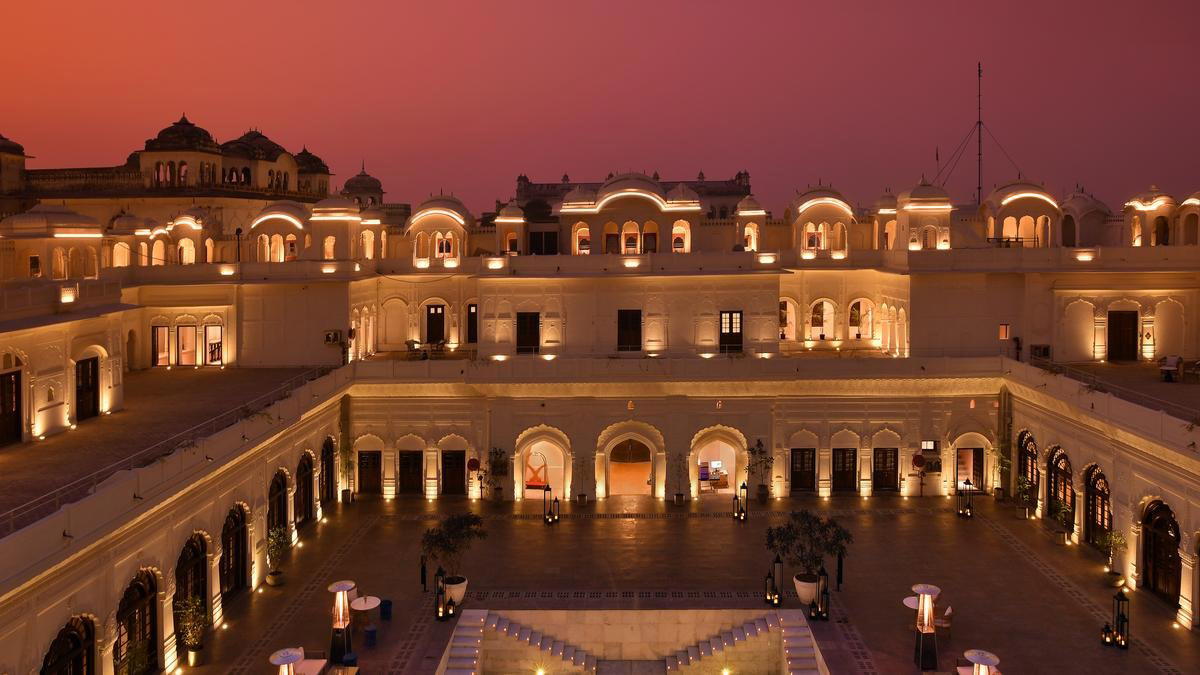
Hotels in Patiala
All hotels in Patiala →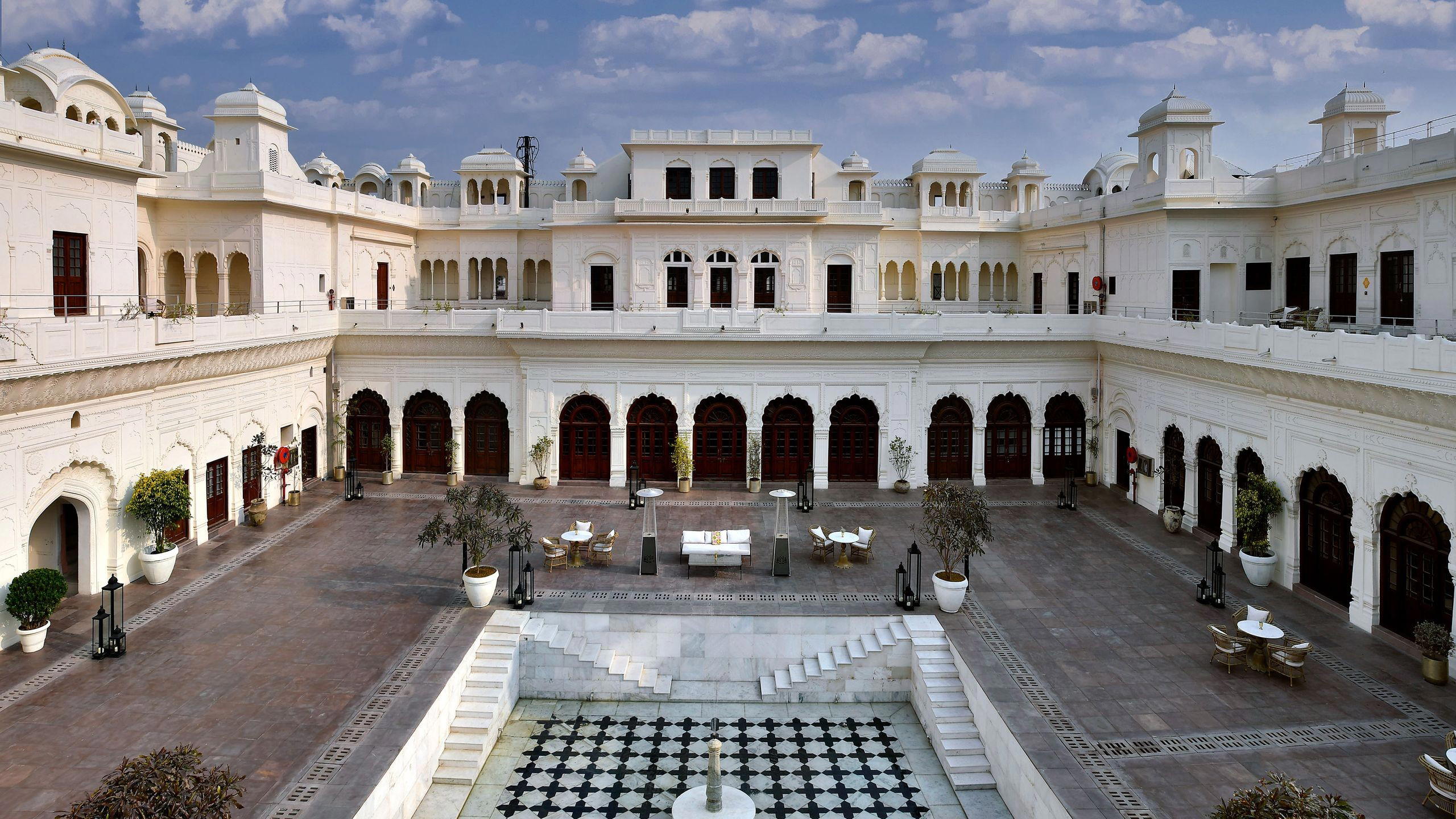
Details
- Elegant
- Romantic
- Classic
- Sophisticated
- Cozy
- Date Night
- Family
- Celebration
- Group Dining
- Special Occasion
- Garden
- Historic Building
- Design Destination
- Hotel Restaurant
- Standalone
- Garden
- A La Carte
- Cocktails
- Spirits
- Beer
- Wine
- Vegetarian Friendly
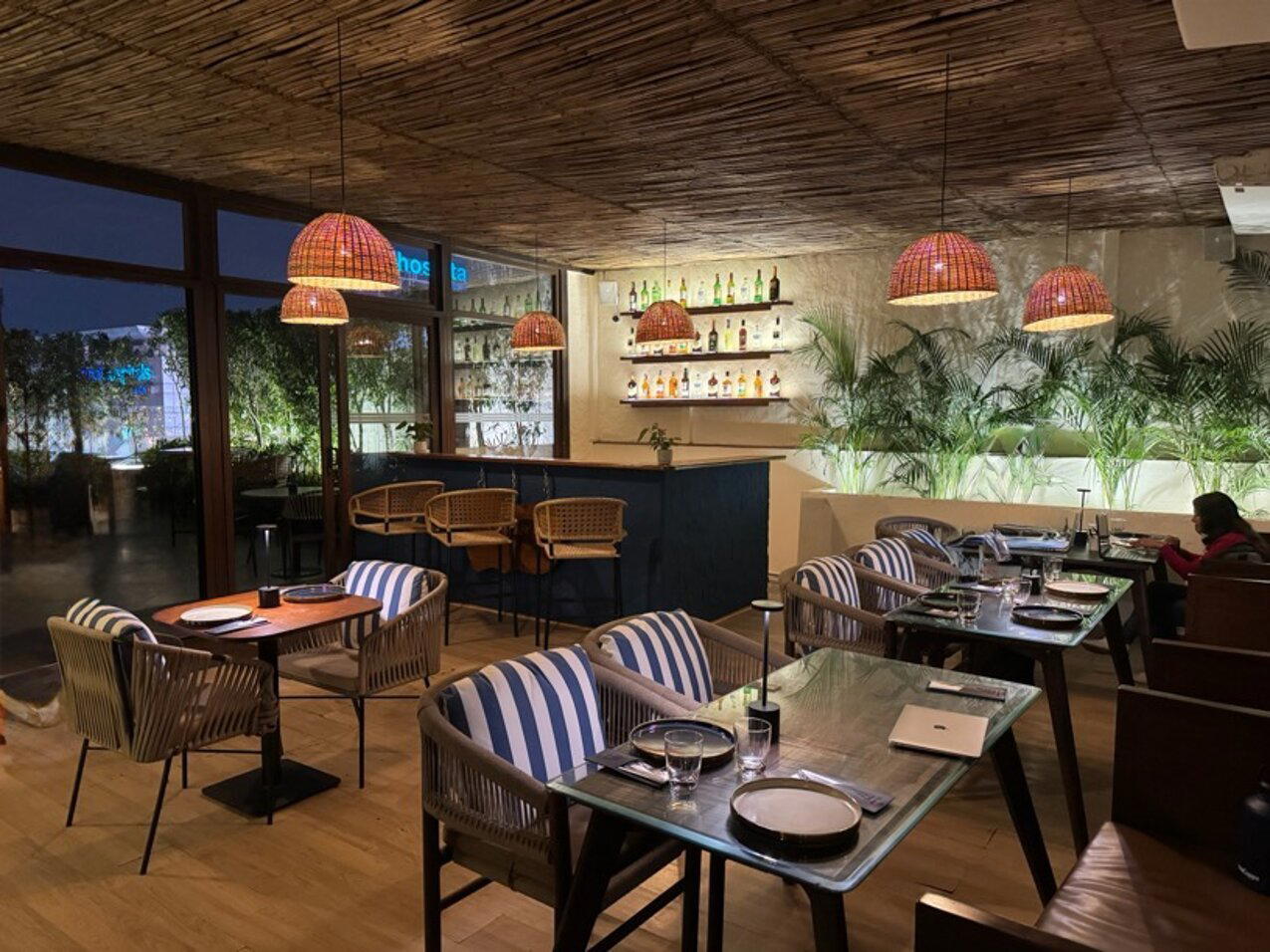
Refined palace dining room with heritage architecture, warm lighting, and a relaxed but upscale atmosphere that evokes royal Punjabi hospitality.