

A Sardinian-born chef brings Italian produce and osteria tradition to one of Paris's most atmospheric covered passages. At 8 passage des Panoramas, Racines operates as a hybrid bistro and wine cellar, running a carte blanche menu alongside daily specials built around vitello tonnato, polpette al sugo, and ricotta ravioli. It sits at an interesting crossroads between French bistro culture and the Italian south.
Pearl is the En Primeur Club membership app — saves, bookings, and concierge access live there. Same editors, same standards.
- Address
- 8 passage des Panoramas
- Phone
- +33 1 40 13 06 41
- Website
- racinesparis.com
- Directions
- Get directions
 Saves & bookings on Pearl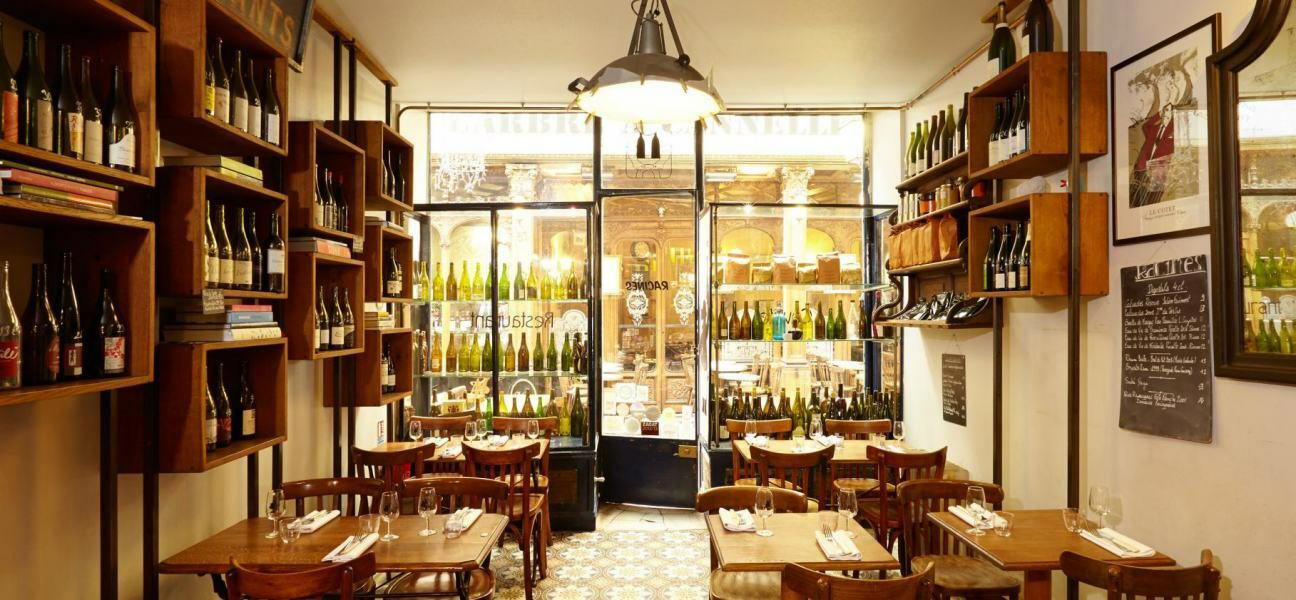
The Passage as Setting
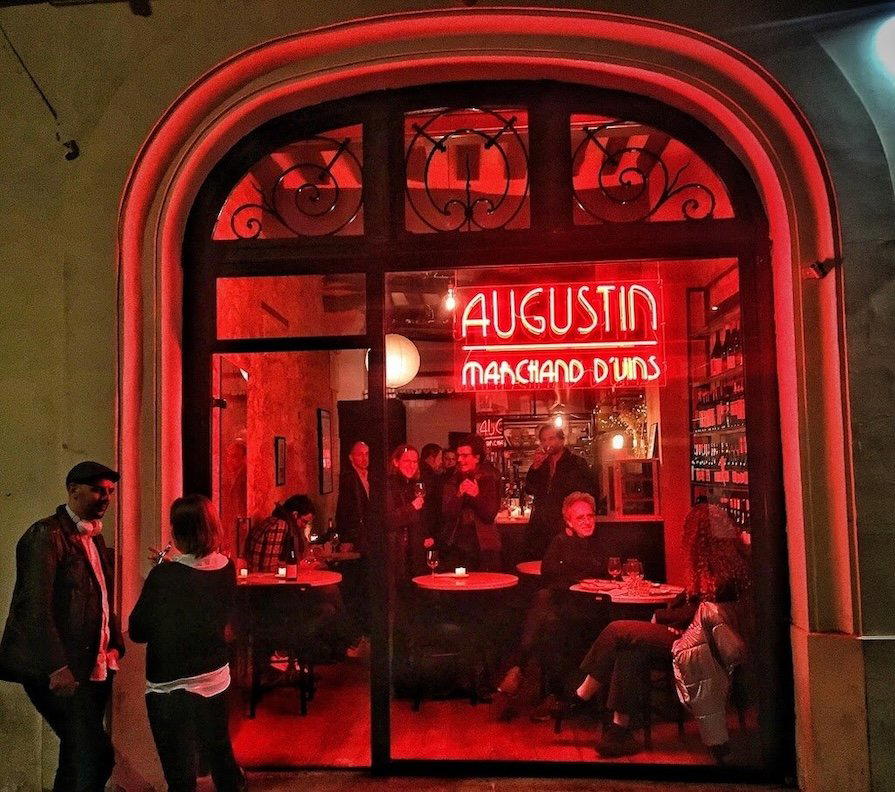
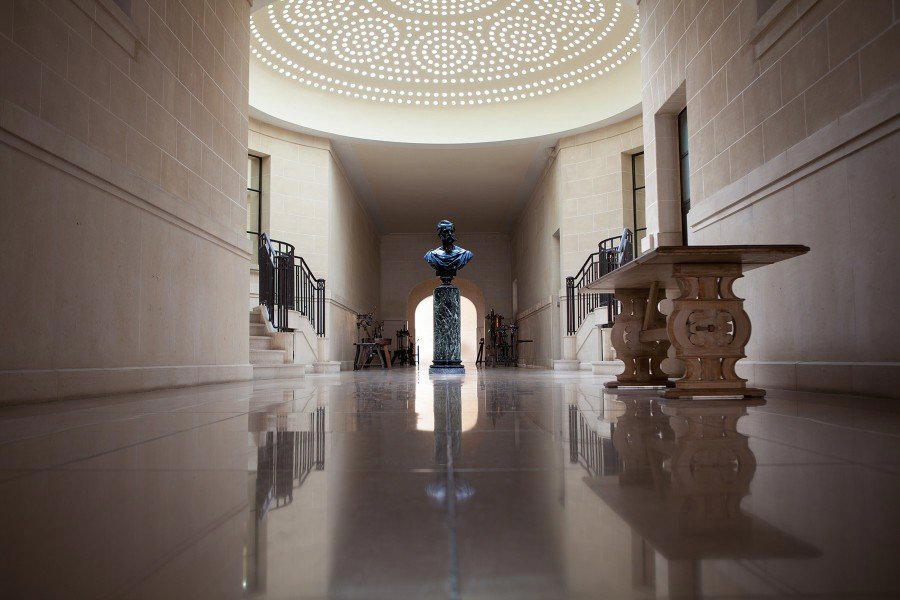
Passage des Panoramas is one of Paris's oldest surviving covered arcades, a 19th-century glass-roofed corridor where the light shifts from grey to amber depending on the hour. The arcades of the 2nd arrondissement occupy a specific category in the city's dining geography: informal enough to attract neighbourhood regulars, atmospheric enough to draw visitors who have done their research. Racines sits inside this passage at number 8, and the physical context matters. You are walking into a room shaped by the building around it. You are stepping into a space shaped by the building around it, with a wine-cellar register that predates the current trend for natural-wine-bar aesthetics by some margin.
This kind of location tends to attract a particular operating philosophy: fewer theatrics, more focus on what is on the plate and in the glass. Racines fits that pattern, functioning as a hybrid between a French bistro and an Italian osteria, which in practice means the pace is unhurried and the menu shifts according to what the kitchen has sourced rather than what a printed card has committed to months in advance.
Italian Roots in a French Frame
Paris has absorbed Italian cooking across several distinct registers over the past two decades. At the formal end, Italian-influenced technique appears in tasting menus at multi-course restaurants with significant investment in dining rooms and wine lists. At the casual end, a wave of pizza and pasta addresses arrived alongside the broader natural-wine movement. Racines occupies a more specific position: it operates with the informality of the latter but the seriousness of ingredient sourcing that belongs to the former.
The chef, Simone Tondo, is of Sardinian origin, and that geographical specificity carries weight. Sardinian cooking is not Roman, not Neapolitan, not northern Italian. It draws on a larder that includes aged pecorino, bottarga, offal preparations, and legumes in proportions that distinguish it clearly from the peninsula's dominant traditions. That background informs a menu where Italian produce is the anchor, not the decoration. Dishes such as vitello tonnato, polpette al sugo, and ricotta ravioli with spinach and squid are not attempts to approximate a generic Italian restaurant experience. They are preparations with regional genealogy, adjusted to what is available and what the kitchen wants to say on a given day.
The carte blanche format and daily specials mean the menu is genuinely subject to change. For diners accustomed to locking in a choice before arrival, this requires a small recalibration: the point is to respond to what the kitchen is doing that day, not to arrive with a dish already decided. This is standard practice at osterie in Italy, where the chalkboard outside changes with the market, and it translates coherently to the passage des Panoramas context.
Where Racines Sits in Paris's Wider Dining Picture
Paris's restaurant scene spreads across a wide price and format range. The city's three-Michelin-star addresses, such as L'Ambroisie, Alléno Paris au Pavillon Ledoyen, and Le Cinq at the Four Seasons Hôtel George V, operate at the €€€€ tier with formal service structures and reservation windows that extend months ahead. Kei and Arpège represent the creative and ingredient-led ends of that same price bracket. Racines is not in competition with any of them. It belongs to a different category: informal, producer-driven, Italian in its culinary allegiance, and operating in a format where the daily specials board matters more than the prestige of the address.
The wine-cellar dimension of the operation places it in a subset of Paris restaurants where the list functions as a genuine editorial statement rather than a conventional support document. The natural and low-intervention wine movement found strong footing in Paris's bistro sector, and Racines has been associated with that sensibility, pairing an Italian-rooted kitchen with a list that tends toward producers working with minimal intervention. This is consistent with the osteria tradition in Italy, where the wine is treated as food rather than ceremony.
Planning Your Visit
Passage des Panoramas is in the 2nd arrondissement, close to the Grands Boulevards. The neighbourhood has density in terms of dining options, but the passage itself creates a degree of separation from street-level noise. The osteria format and shifting daily menu make Racines more suitable for an unhurried lunch or dinner than a quick stop. Booking ahead is advisable.
Know Before You Go
- Address: 8 passage des Panoramas, Paris, France
- Format: Bistro and wine cellar operating as an Italian osteria; carte blanche menu with daily specials
- Cuisine: Italian, with Sardinian roots; producer-driven sourcing
- Booking: Advance reservation recommended; contact details via the restaurant directly
- Neighbourhood: 2nd arrondissement, covered arcade of passage des Panoramas near Grands Boulevards
A Pricing-First Comparison
Comparable venues nearby, for context on price, style, and recognition.
| Venue | Cuisine | Price | Awards | Notes |
|---|---|---|---|---|
| RacinesThis venue — the venue you are viewing | Modern French | $$$ | Michelin Plate | Not listed |
| L'Altro Frenchie | Sentier, Modern Italian Bistro | $$$ | Michelin Plate | Not listed |
| Osteria Ferrara | Not listed | $$$ | Michelin Plate | 11th arrondissement, Authentic Sicilian-Inspired Italian |
| Ciasa Mia | Not listed | $$$ | Michelin Plate | Sorbonne, Modern Northern Italian from the Dolomites |
| Caffè Stern | Not listed | $$$ | Michelin Plate | Passage des Panoramas, Modern Italian Trattoria |
| Restaurant des Grands Boulevards | Not listed | $$$ | Michelin Plate | Grands Boulevards, Franco-Italian Country Bistro |
Recognition history
Dated appearances from independent guides and award organizations, with the underlying list record or original source where available.
Michelin Plate
Michelin
Opinionated About Dining Top Restaurants in Europe Recommended
Opinionated About Dining
Opinionated About Dining Casual in Europe Recommended
Opinionated About Dining
Continue exploring
More in Paris
Restaurants in Paris
Browse all →
Bars in Paris
Browse all →
Hotels in Paris
Browse all →
At a Glance
- Romantic
- Intimate
- Cozy
- Classic
- Date Night
- Special Occasion
- Celebration
- Wine Cellar
- Open Kitchen
- Historic Building
- Standalone
- Extensive Wine List
- Natural Wine
- Sommelier Led
- Natural Wine
- Local Sourcing
- Organic
Current opening hours
- Monday
- 12:15–2 PM, 7:30–10 PM
- Tuesday
- 12:15–2 PM, 7:30–10 PM
- Wednesday
- 12:15–2 PM, 7:30–10 PM
- Thursday
- 12:15–2 PM, 7:30–10 PM
- Friday
- 12:15–2 PM, 7:30–10 PM
- Saturday
- 12:15–2 PM, 7:30–10 PM
- Sunday
- 12:15–2 PM, 7:30–10 PM
Hours can change for holidays and private events. Last verified .
Warm, intimate, and authentically romantic with traditional Haussmann architecture and gallery-like setting in a covered passageway; cozy and unpretentious despite Michelin recognition.