In-Fine

Michelin Bib Gourmand
Our verdict
In-Fine holds consecutive Michelin Bib Gourmand awards (2024 and 2025) for traditional French cooking in the centre of Frontignan, a Mediterranean town better known for its Muscat vineyards than its restaurant scene.

Pearl is the En Primeur Club membership app — saves, bookings, and concierge access live there. Same editors, same standards.
- Address
- Rue Hôtel de ville, 34110 Frontignan, France
- Phone
- +33 4 67 24 97 14
- Hours
- Mon–Tue 12–1:30 PMWed ClosedThu–Fri 12–1:45 PM, 7:45–9:30 PMSat 12–1:30 PM, 8–9:30 PMSun 12–1:30 PM
- Website
- infinerestaurant.fr
- Directions
- Get directions
- Booking
- Book on TheFork
The menu
What to order
- Egg meurette
- Calf's head with ravigote sauce
- Fillet of mullet with aïgo boulido
- Paris-brest pastry
- Chocolate soufflé with vanilla and yuzu cream
A Town Square Address and What It Signals
Frontignan sits on the Hérault coast between Sète and Montpellier, a town defined for centuries by its Muscat de Frontignan appellation rather than by its restaurant culture. Rue Hôtel de Ville, the address of In-Fine, runs through the civic centre of that town — the kind of street where a serious local kitchen can operate quietly for years without attracting the attention it deserves from visitors passing through on the way to the coast. That proximity to the Muscat-producing vineyards and the Mediterranean market circuit matters: the ingredient supply available to a kitchen in this pocket of the Languedoc-Roussillon is among the most varied in southern France, running from garrigue-raised lamb and shellfish pulled from the Étang de Thau to the aromatic herbs and stone fruits that define the area's seasonal rhythm.
What the Bib Gourmand Actually Means Here
Michelin's Bib Gourmand designation, held consecutively at In-Fine for 2024 and 2025, recognises cooking that delivers quality at a price point the guide considers accessible. The single-euro price marker places In-Fine at the entry tier for French dining costs, which makes the back-to-back recognition more significant, not less. The designation is not handed to kitchens producing simple food carelessly priced; it identifies places where technique and ingredient quality combine at a margin that requires discipline. In a region where three-star cooking at places like Mirazur in Menton or Alléno Paris au Pavillon Ledoyen sits at the €€€€ ceiling, the Bib tier fills a genuinely different function: it points the reader toward kitchens where the guide's inspectors found something worth the detour without the invoice that arrives at the higher brackets.
Ingredient Geography: The Languedoc Supply Chain
The editorial angle on In-Fine cannot be separated from where it sits in relation to its raw materials. The Étang de Thau, the lagoon running between Sète and Marseillan roughly ten kilometres to the east and west respectively, is one of France's primary oyster and mussel cultivation sites. Seafood that might spend days in transit at a restaurant in Paris or Lyon is available here within hours of harvest. The garrigue hinterland, the scrubby, herb-dense hillside terrain that runs behind the coastal plain from the Pyrénées toward the Rhône, produces thyme, rosemary, and wild herbs that carry a mineral intensity specific to limestone soils baked by Languedoc summers. Markets at Sète and in Frontignan itself cycle through stone fruits, courgettes, and aubergines at peak ripeness through the summer months, while autumn brings wild mushrooms from the Cévennes foothills within practical supply distance.
Traditional French cuisine, the category under which Michelin has classified In-Fine, tends to express its quality most directly through the honesty of its sourcing. Unlike creative or haute cuisine formats, where technique and transformation are the primary tools, traditional cooking asks more of the ingredient itself. A kitchen in this position either takes its proximity to good raw material seriously or it doesn't, and the Bib Gourmand evidence suggests this one does. Compare that approach against the labour-intensive creative formats at, say, Bras in Laguiole or AM par Alexandre Mazzia in Marseille, and you see two distinct philosophies operating in the same broader region: one where the kitchen imposes itself on the ingredient, and one where the ingredient is allowed to lead.
Frontignan's Wider Dining Moment
The town is not a recognised dining destination in the way that Sète has become for its seafood, or that the villages around the Pic Saint-Loup appellation have started to attract wine-driven visitors. In-Fine represents something more specific than a local landmark; it is evidence that Michelin's inspectors are mapping the smaller towns of the Languedoc coast with more granularity than the guide's reputation for metropolitan bias might suggest. Across France, the Bib Gourmand network includes traditional kitchens in comparably sized communes, places like Auberge Grand'Maison in Mûr-de-Bretagne, which serve as anchors for serious eating outside the major cities. In-Fine occupies that same position on the Mediterranean coastal strip.
For visitors spending time in the Hérault, the dining geography spreads across a spectrum: the established gastronomic rooms further along the coast, the wine-country tables in the Pic Saint-Loup and Faugères zones inland, and a small but growing number of address-level finds in the coastal towns themselves. Le MG par Cécile et Grégory Doucey represents the modern cuisine end of Frontignan's own offer, while In-Fine operates in the traditional register. Together they form the nucleus of a restaurant conversation worth having in a town that most route planners would bypass without a second thought.
Planning Your Visit
In-Fine is located on Rue Hôtel de Ville in the centre of Frontignan (34110), walkable from the town's main commercial streets. The single-euro price tier means the cost of a meal sits well below the regional average for Michelin-recognised cooking, which makes booking lead time the primary logistical variable rather than budget. For a fuller view of what the town and the wider Hérault coast offer across categories, see our full Frontignan restaurants guide, our Frontignan hotels guide, our Frontignan bars guide, our Frontignan wineries guide, and our Frontignan experiences guide.
Frequently asked questions
What's In-Fine's location?
In-Fine is located at Rue Hôtel de ville, 34110 Frontignan, France, Frontignan.
What awards or recognition does In-Fine have?
In-Fine has received recognition including: Michelin Bib Gourmand (2025); Michelin Bib Gourmand (2024).
What should I eat at In-Fine?
In-Fine is classified under traditional French cuisine, which in a Languedoc coastal town places it squarely in the territory of regional produce: the Étang de Thau lagoon sits minutes away, making shellfish and local seafood logical reference points for the kitchen. The consecutive Bib Gourmand awards for 2024 and 2025 confirm that Michelin's inspectors found cooking worth returning to at the single-euro price point.
What should I budget for a meal at In-Fine?
Pricing at In-Fine is listed as €.
How It Stacks Up
| Venue | Cuisine | Price | Awards |
|---|---|---|---|
| In-FineThis venue — the venue you are viewing | French Bistronomic | $30–50 | Michelin Bib Gourmand |
| Alléno Paris au Pavillon Ledoyen | Creative | Not listed | Michelin 3 Star |
| Kei | Contemporary French, Modern Cuisine | Not listed | Michelin 3 Star |
| L'Ambroisie | French, Classic Cuisine | Not listed | Michelin 3 Star |
| Le Cinq - Four Seasons Hôtel George V | French, Modern Cuisine | Not listed | Michelin 3 Star |
| Plénitude | Contemporary French | Not listed | Michelin 3 Star |
Recognition history
Dated appearances from independent guides and award organizations, with the underlying list record or original source where available.
Michelin Bib Gourmand
Michelin
Full recognition history (2 entries)
Michelin Bib Gourmand
Michelin
Continue exploring
More in Frontignan
Restaurants in Frontignan
Browse all →
Hotels in Frontignan
Browse all →

Details
- Cozy
- Rustic
- Classic
- Casual Hangout
- Family
- Group Dining
- Date Night
- Standalone
- Terrace
- Beer Program
- Local Sourcing
- Farm To Table
- A La Carte
- Set Menu
- Wine
- Vegetarian Friendly
- Allergy Accommodating
Current opening hours
- Monday
- 12–1:30 PM
- Tuesday
- 12–1:30 PM
- Wednesday
- Closed
- Thursday
- 12–1:45 PM, 7:45–9:30 PM
- Friday
- 12–1:45 PM, 7:45–9:30 PM
- Saturday
- 12–1:30 PM, 8–9:30 PM
- Sunday
- 12–1:30 PM
Hours can change for holidays and private events. Last verified .
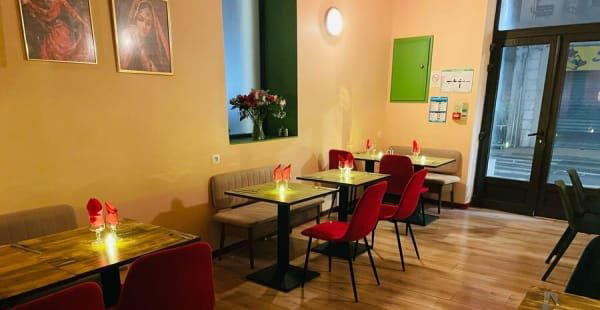
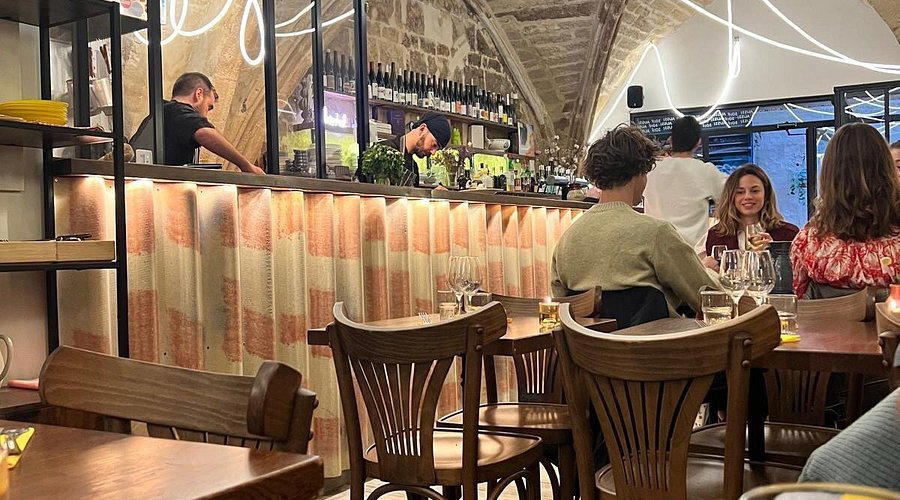
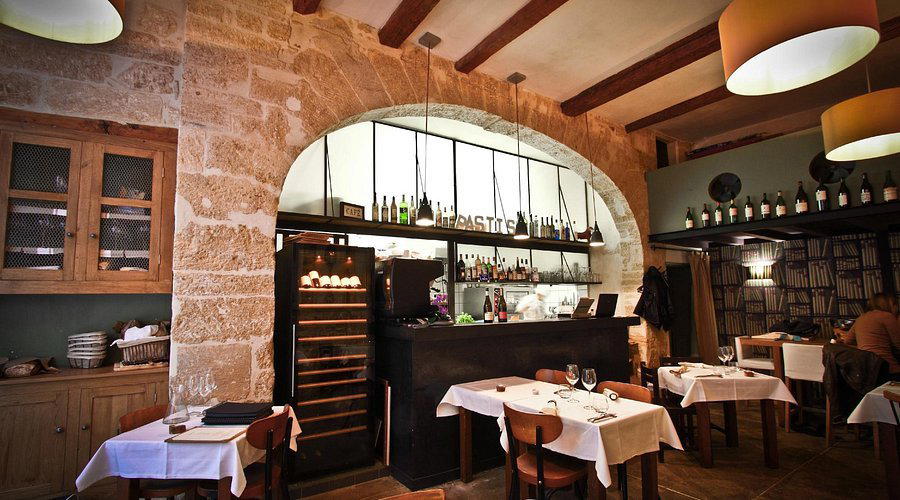
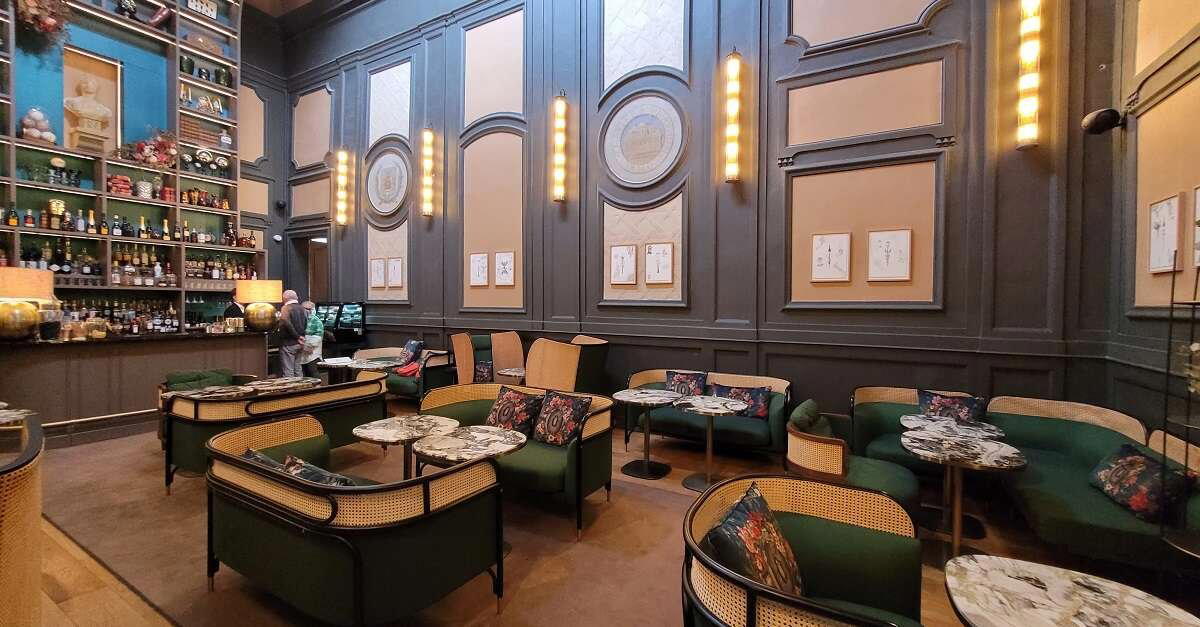
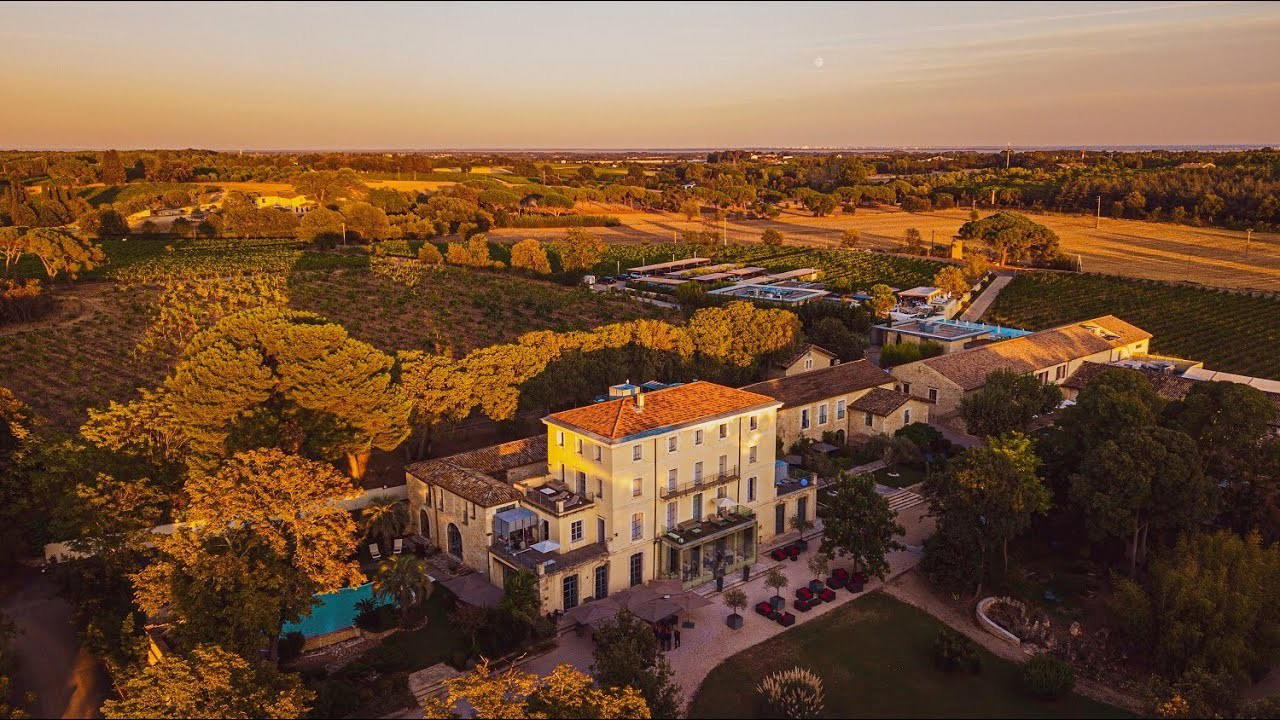
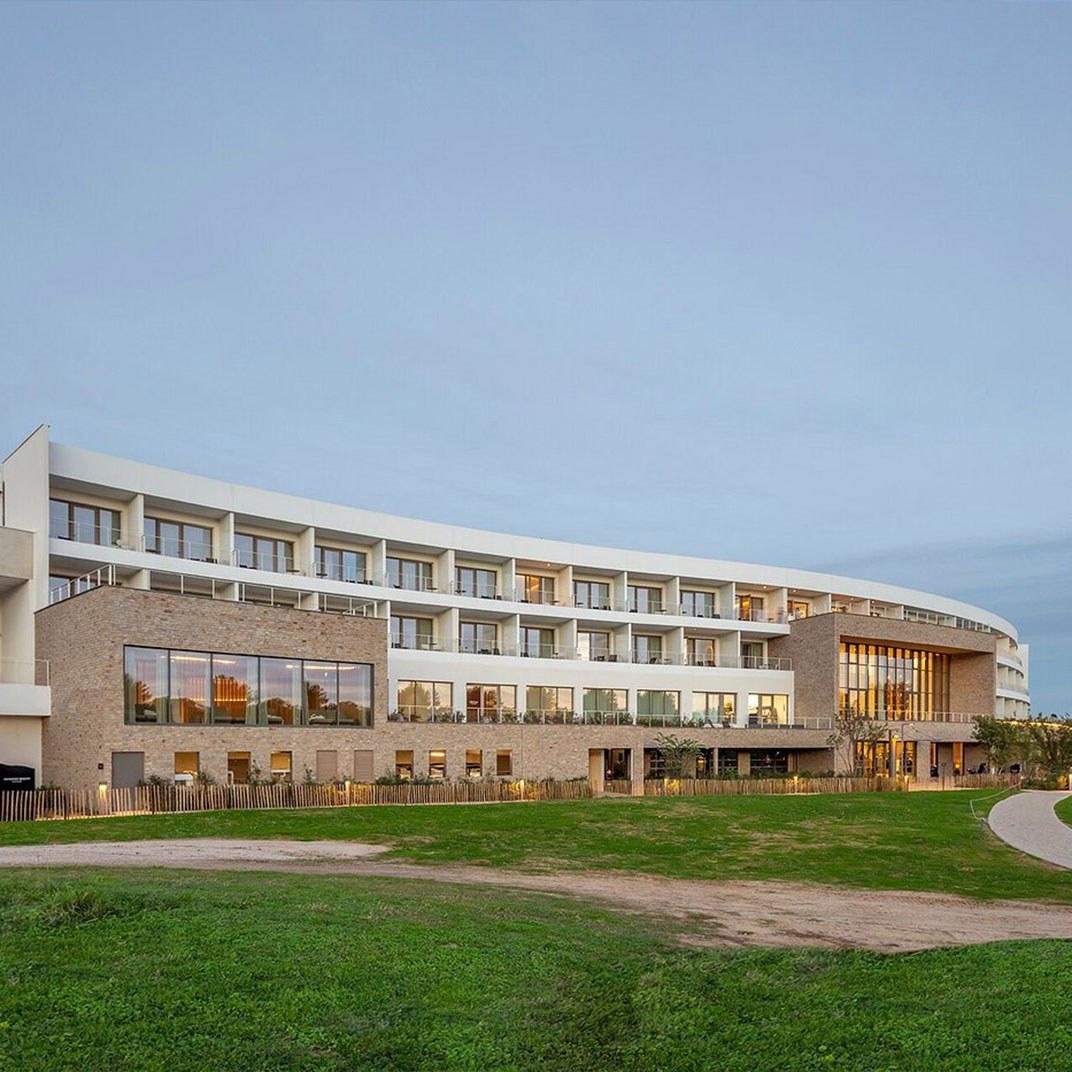
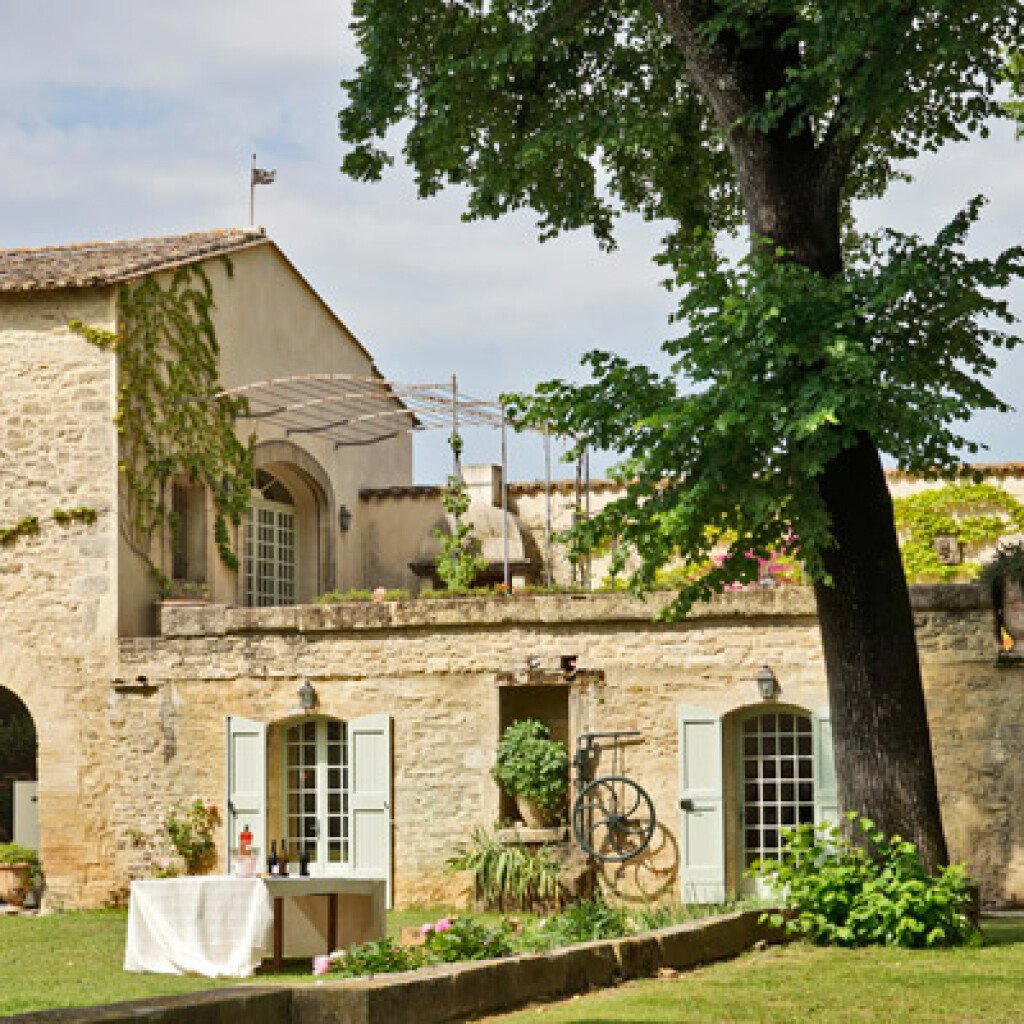
Sleek, unpretentious bistro setting in the heart of Frontignan with good vibes and a welcoming atmosphere; currently operating from sister restaurant Le MG at the port during village center renovations.