
Cave de l'Ormarine is a large Pinet cooperative shaped by the coastal logic of AOP Picpoul de Pinet: sea air, the Étang de Thau, limestone-clay soils, and Piquepoul Blanc’s cutting acidity. Founded in 1922, it now brings together 470 growers across more than 2,500 hectares, making it a serious reference point for understanding the appellation rather than a small estate romance.
Pearl is the En Primeur Club membership app — saves, bookings, and concierge access live there. Same editors, same standards.
- Address
- Pinet, Picpoul-de-pinet, Occitanie, Frankreich
- Directions
- Get directions
 Saves & bookings on Pearl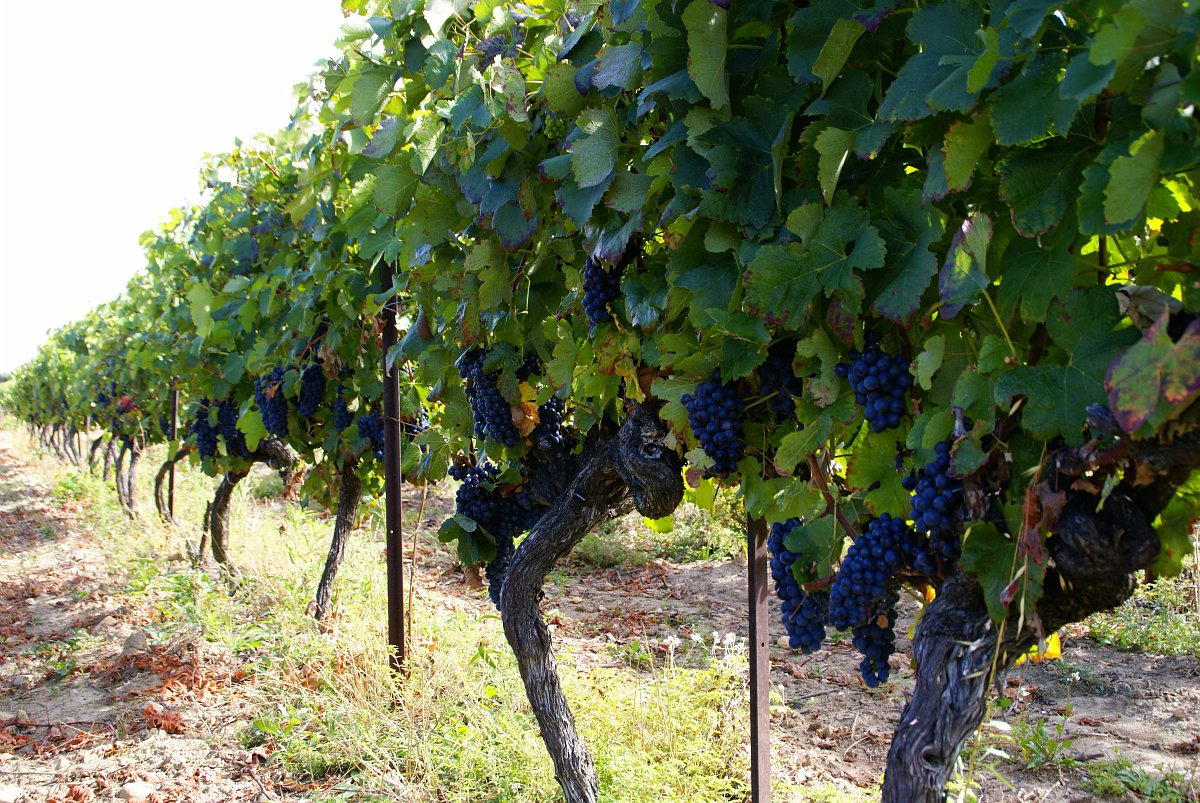
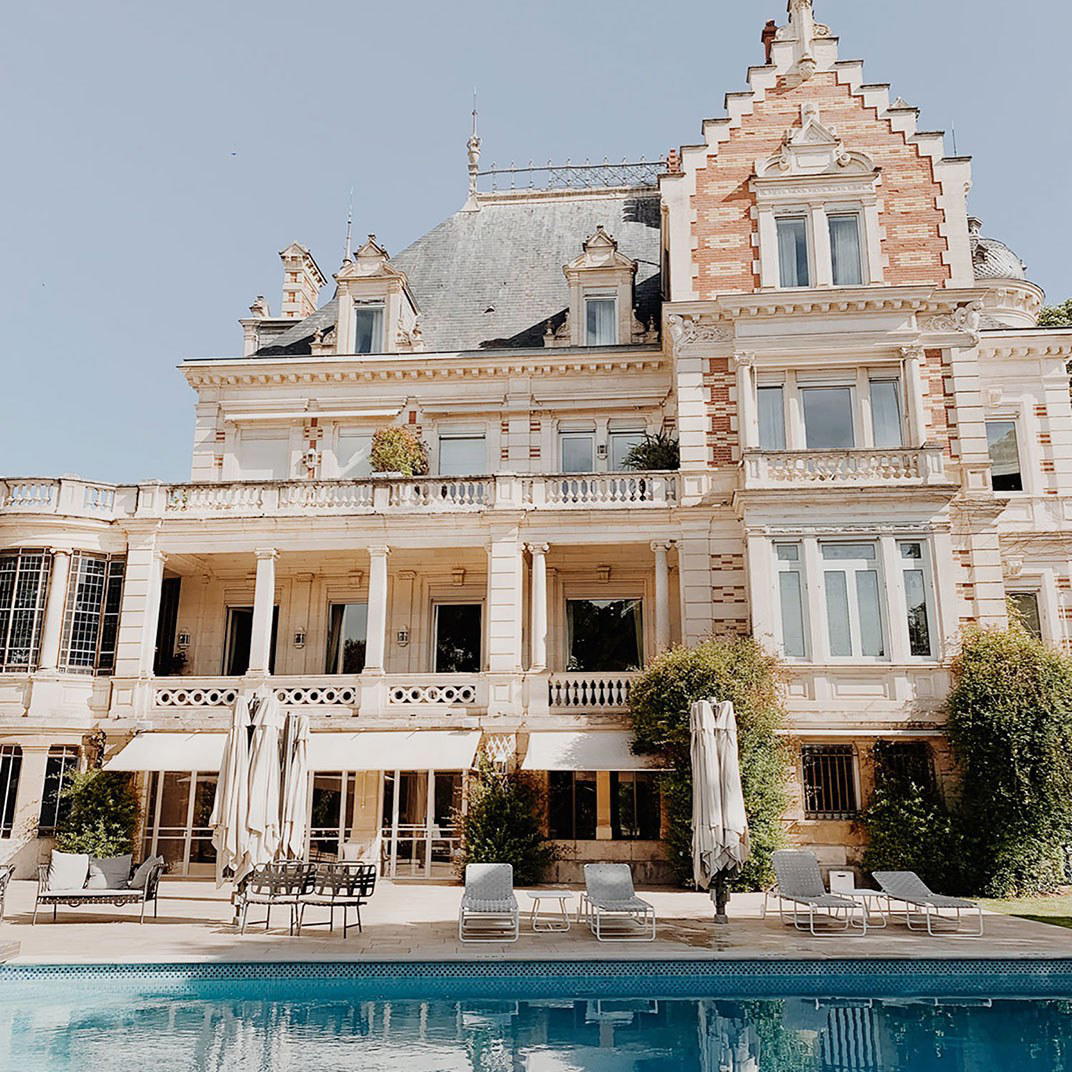
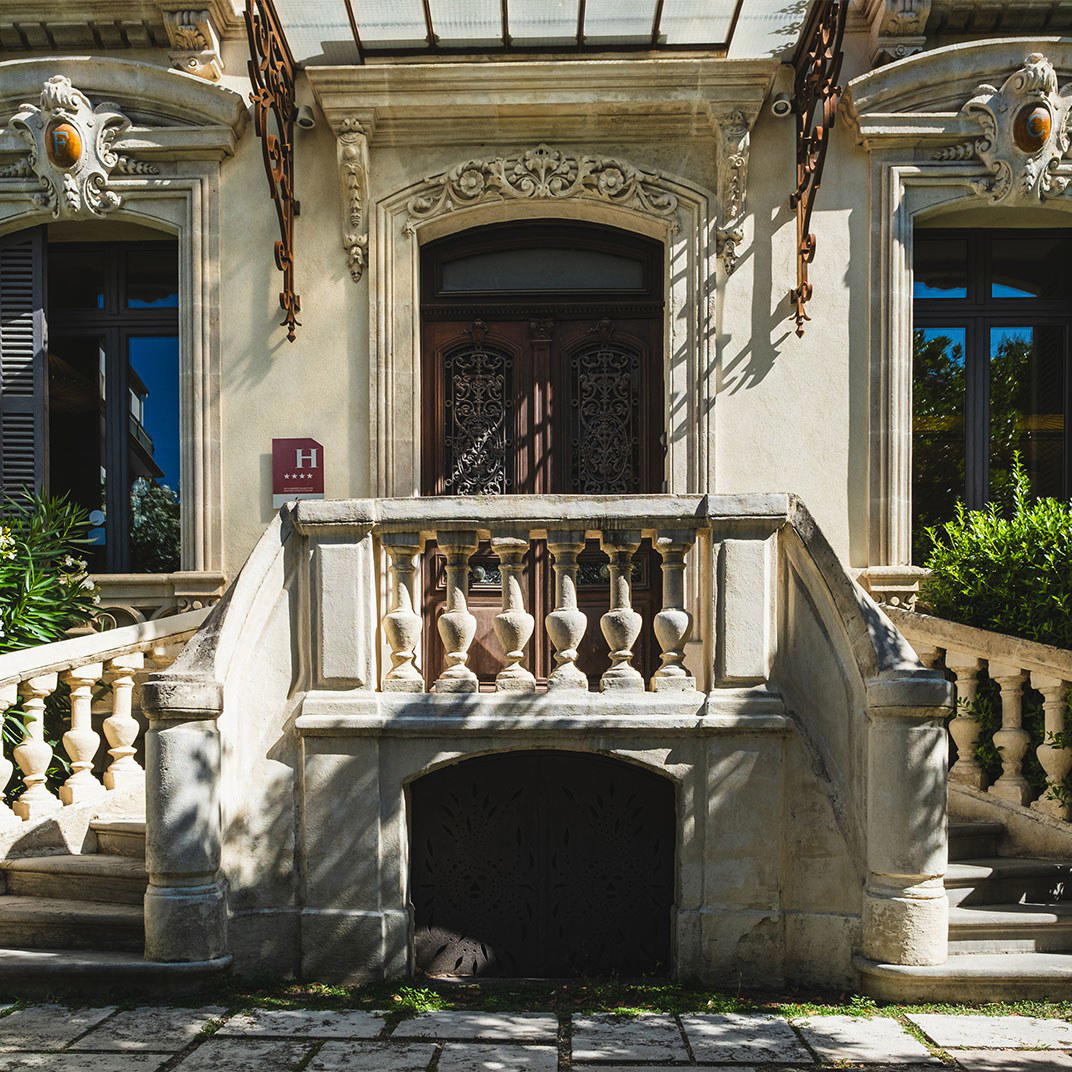
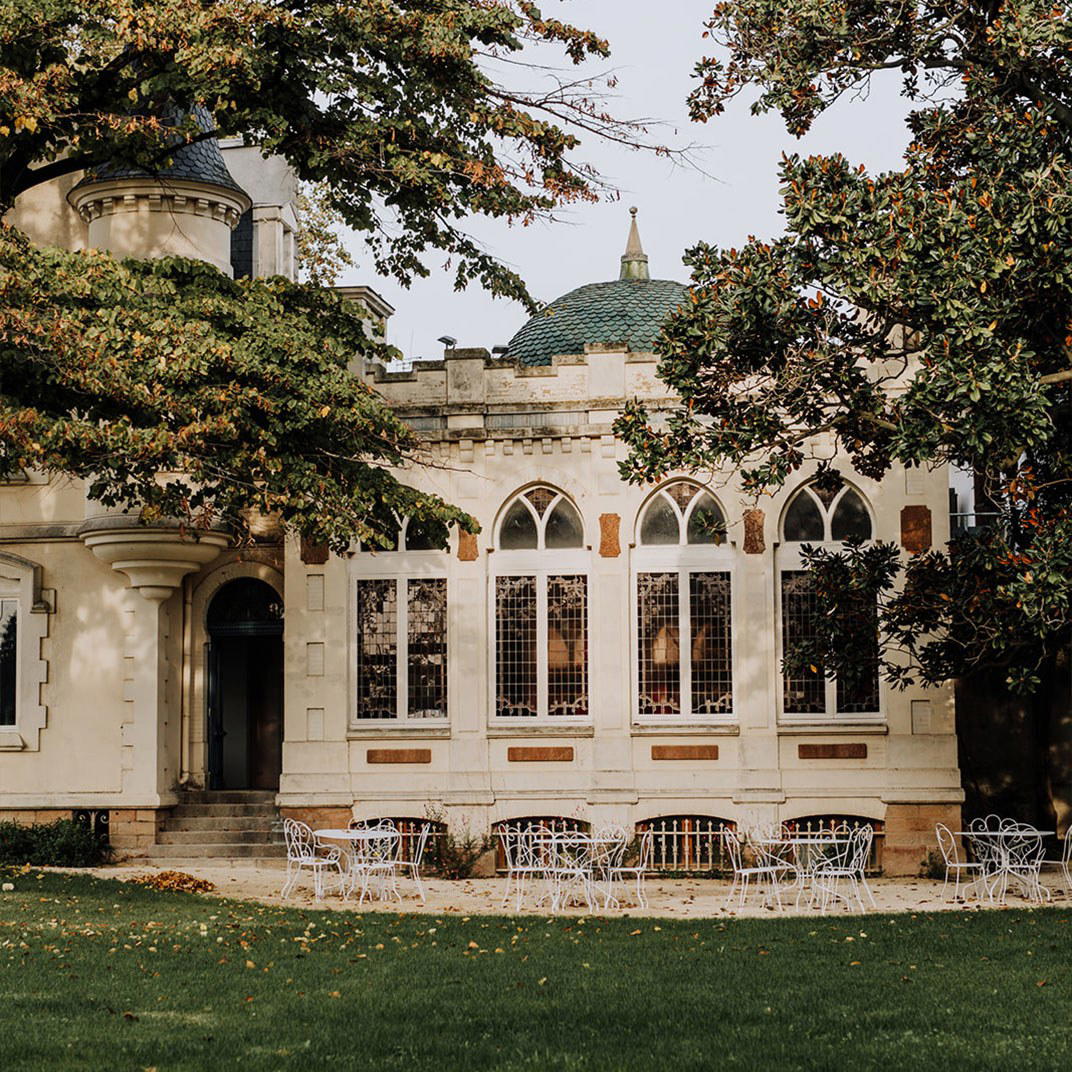
Cave de l'Ormarine in Pinet is best treated as a terroir-driven wine stop with a cooperative feel rather than as a luxury-venue set piece. The picture is deliberately simple: a place rooted in tradition, sustainability, and the Mediterranean-influenced coastal character of its wines. Its tone is rustic, classic, scenic, and somewhat hidden-gem in spirit. That restraint is part of the appeal. Instead of presenting the venue as a high-gloss destination with a long checklist of features, it is more accurate to read it as a local address whose interest comes from setting, identity, and a clear connection to Pinet.
Wine shaped by a Mediterranean coastal setting
The central appeal of Cave de l'Ormarine is its connection to Pinet and to wines with a Mediterranean-influenced coastal character. Rather than relying on an list of grape varieties, cuvées, scores, or awards, the safest way to understand the venue is through its broader identity: terroir-driven, traditional, and cooperative in feel. In practical terms, that means the wines are best approached through the idea of place first, with the coastal setting and regional context doing much of the descriptive work.
That makes it a useful stop for travellers who want a grounded sense of local wine culture in Pinet. The emphasis is not on spectacle or a named chef-led format, but on place, tradition, and the kind of regional character that can make a wine venue feel both practical and scenic. It is the sort of stop that fits travellers who are interested in the atmosphere around wine as much as in the glass itself: the sense of a local rhythm, a classic regional profile, and a venue that does not need to be dressed up as something it is not.
Specific claims about individual bottlings, production scale, founding dates, ratings, or awards are not included here because they are not part of the available information. The confirmed profile is narrower but still meaningful: Cave de l'Ormarine is a $$ venue in Pinet with a rustic, classic, sustainability-minded identity. That narrower profile is worth preserving because it keeps expectations clear. Visitors should come for a terroir-led, locally rooted impression rather than for a fully documented luxury experience or a list of prestige markers.
A cooperative feel with sustainability in the foreground
The cooperative character is part of the feel of the winery. That does not require overstating details about membership numbers, vineyard area, cellar history, or certification status. What can be said with confidence is that the venue presents as terroir-driven and cooperative, with tradition and sustainability forming important parts of its identity. Those ideas work together: tradition gives the place its classic tone, while sustainability adds a contemporary layer without turning the description into a claim about specific programs or credentials.
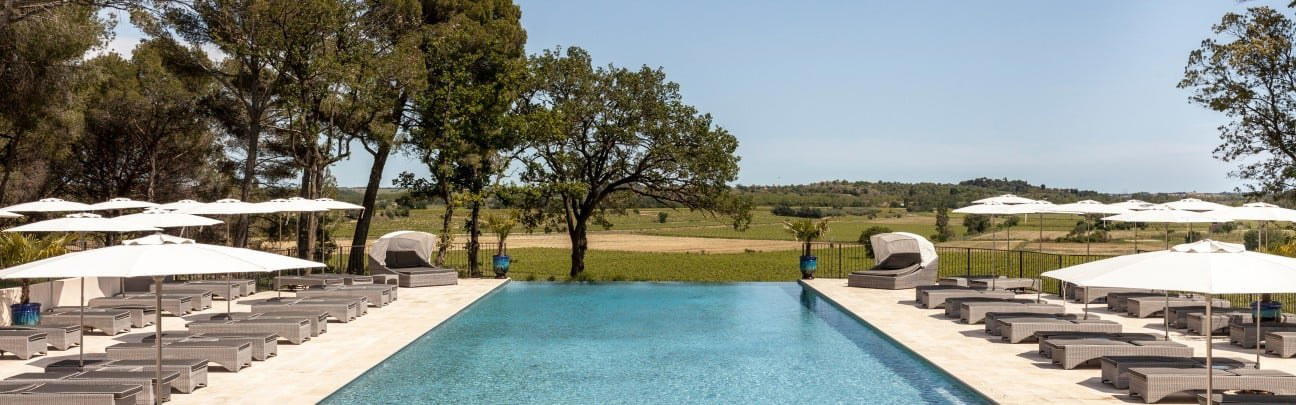
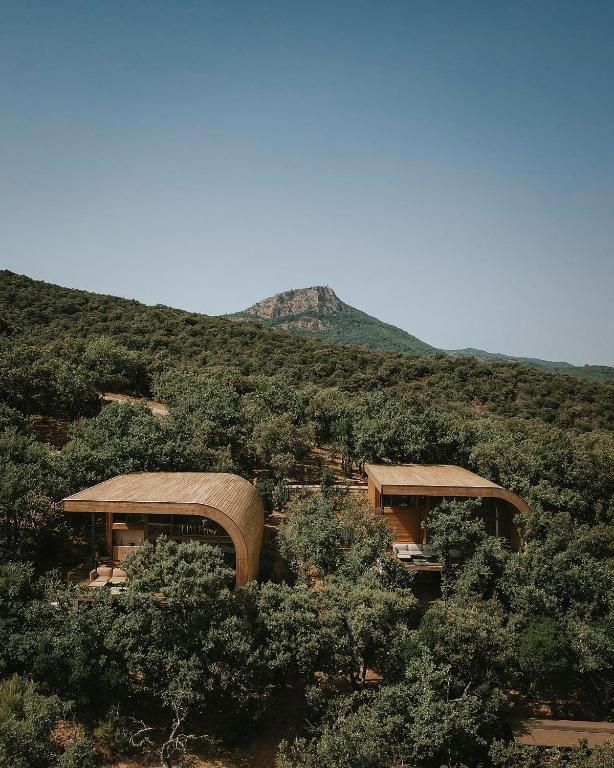
For visitors, that means the appeal is less about polished luxury cues and more about a grounded regional atmosphere. The setting is best framed as rustic and classic, with a scenic quality that fits the Mediterranean-influenced coastal character associated with the wines. This is not a venue that needs to be understood through formality. Its value lies in being direct, local, and connected to the surrounding wine landscape, which is why the hidden-gem description feels appropriate without needing to overstate exclusivity.
Check the venue directly for current visit arrangements before planning around any operational detail. That is especially important for a wine-focused stop, where the practical experience can depend on the day, the season, and the venue’s own current setup. The safest planning approach is to treat the identity as clear but the logistics as something to confirm.
How to place it in a Pinet itinerary
For a Pinet itinerary, the winery works as a local wine-focused stop for travellers interested in terroir, tradition, sustainability, and a cooperative atmosphere. The price level is $$, and the mood is rustic, classic, scenic, and hidden-gem rather than formal or flashy. It is best placed in an itinerary as a point of local orientation: a way to connect Pinet with the broader feeling of Mediterranean-influenced coastal wine culture without turning the visit into a heavily staged experience.
If you are comparing options, keep the comparison local and general: other dining or wine-related stops in Pinet may offer a different rhythm, but the winery’s identity rests on its Pinet setting, cooperative feel, and Mediterranean-influenced coastal wine character. Choose it when that combination is the point of the visit. It is not being recommended here on the basis of accolades, specific bottles, or detailed services, but because its confirmed profile offers a clear, grounded, and place-led way to encounter wine in Pinet.
Recognition history
Dated appearances from independent guides and award organizations, with the underlying list record or original source where available.
Falstaff Winery - Listed
Falstaff


At a Glance
- Rustic
- Classic
- Scenic
- Wine Education
- Group Outing
- Special Occasion
- Cave Tasting
- Design Destination
- Sustainable
- Organic
- Waterfront
- AOP Picpoul De Pinet
- Picpoul Blanc
- Syrah
- Grenache
- Carignan
- Still White
- Still Red
- Still Rosé
- Sparkling
- Cave Tasting
Terroir-driven and cooperative in feel, with a strong emphasis on tradition, sustainability, and the Mediterranean-influenced coastal character of its wines.