Our verdict
ami - la table conviviale serves French bistronomy at 15 Rue Frédéric Mistral in Sète, with a terrace, local sourcing, and a conversational pace for lunch or dinner.

Pearl is the En Primeur Club membership app, where members save venues, book tables and use the concierge.
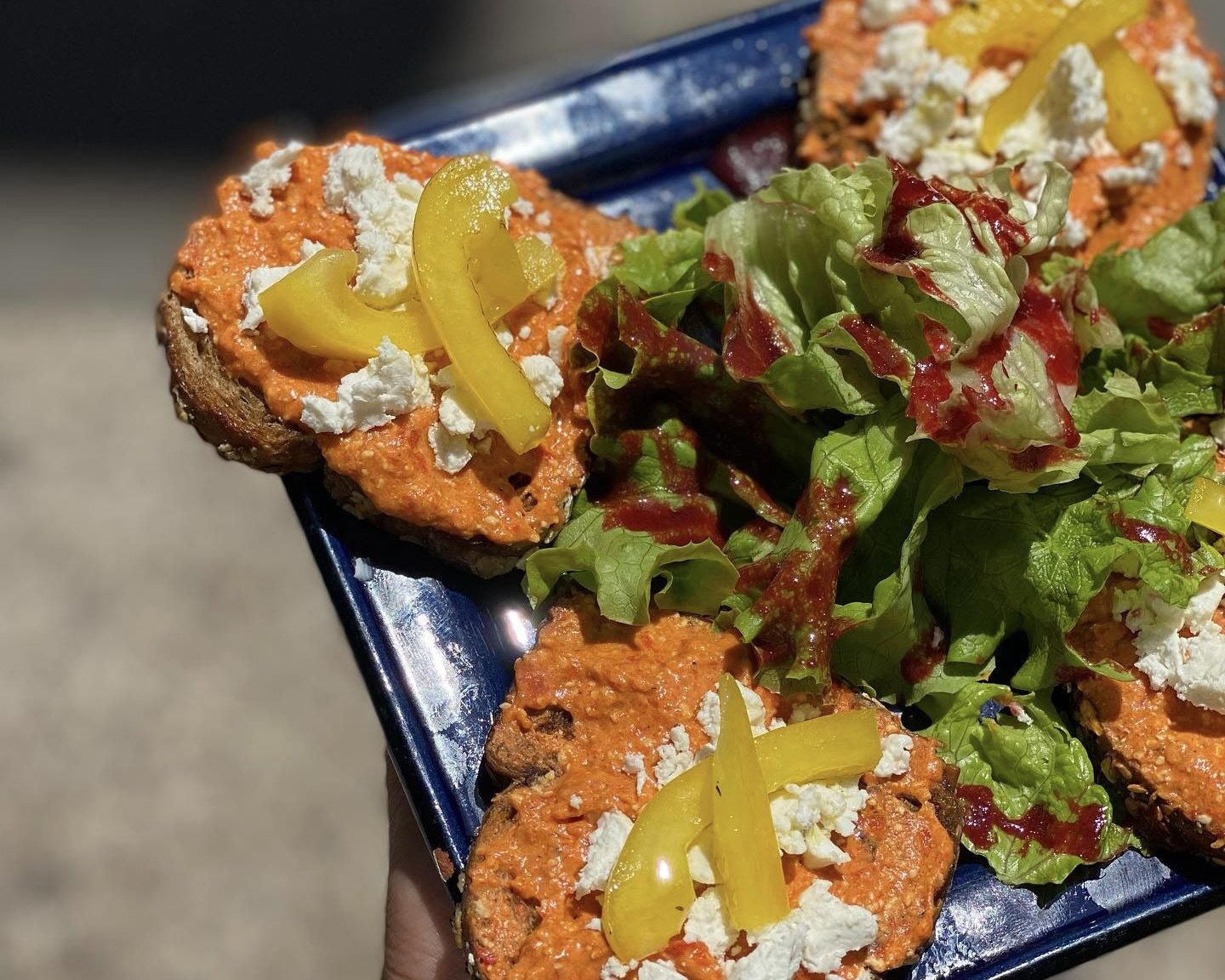
The menu
What to order
- Picanha de bœuf chimichurri
- Duo de brochette Saganáki
- Pancake douceur
Where Sète's Port Produce Meets the Table
Rue Frédéric Mistral sits a short walk from the Vieux Port, close enough that the salt air follows you through the door. In a town built on the convergence of the Étang de Thau lagoon, the Canal du Rhône à Sète, and the Gulf of Lion, proximity to the source is not a marketing point, it is simply geography. Restaurants on this street operate inside a supply chain that most coastal cities can only approximate. The oysters, sea bream, and eel that define Sète's culinary identity travel from water to kitchen in hours, not days. Ami - la table conviviale sits in that context, and the name signals the room's intention before a single dish arrives: convivial, not ceremonial.
Ingredient Sourcing in a City Built on Water
Sète's claim on Mediterranean produce is unusually direct. The Étang de Thau, the saltwater lagoon immediately to the town's west, is one of France's principal oyster and mussel farming areas. Shellfish cultivated there carry a specific minerality tied to the lagoon's salinity gradient, which sits between fully marine and brackine depending on season and rainfall. Tielle sètoise, the saffron-spiced octopus tart that functions as the town's signature dish, depends on octopus pulled from the same coastal waters. For a restaurant with convivialité as its founding principle, the case for ingredient sourcing writes itself: local markets, local fishermen, local producers define what ends up in the pot.
That sourcing philosophy is not unusual in Sète, but it matters in comparative terms. At the higher end of the French Mediterranean table, restaurants like Mirazur in Menton have made hyper-local and biodynamic sourcing a defining credential, and AM par Alexandre Mazzia in Marseille has built a three-Michelin-star reputation on creative Mediterranean produce interpretation. Ami operates several registers below that in formality and likely in price, but the underlying sourcing logic, trust the coast, trust the lagoon, connects it to the same regional argument.
The Sète Dining Scene: Registers and Reference Points
Sète splits its restaurant offer roughly into two camps: waterfront seafood addressed to tourists on one side, and neighbourhood-driven tables that reflect how locals actually eat on the other. The latter category tends toward honest cooking, reasonable price points, and a format where the room's energy matters as much as the plate. Ami's name and stated character place it firmly in the second camp.
Across Sète's broader range, the price and style spectrum is worth mapping. La Coquerie (Modern Cuisine) sits at the €€€ mark with a modern interpretation of the local larder. Paris Méditerranée (Modern Cuisine) operates at €€, offering a middle-register Mediterranean option. Quai 17 (Mediterranean Cuisine) brings the waterfront setting into its pricing. La Méditerranéenne and chez Lanchois each represent distinct neighbourhood perspectives on Sète's culinary character. In that context, Ami's convivial register suggests a room more interested in generous portions and shared rhythm than in tasting-menu architecture.
That approach has precedent throughout France. The table conviviale format, long meals, shared plates or generous individual servings, a wine list that encourages another glass, belongs to a French dining tradition that runs from Lyon's bouchons to the bistros of the Languedoc. It is not the register of Alléno Paris au Pavillon Ledoyen in Paris or Flocons de Sel in Megève, nor of the grande maisons like Auberge de l'Ill in Illhaeusern, Troisgros - Le Bois sans Feuilles in Ouches, or Paul Bocuse - LAuberge du Pont de Collonges in Collonges-au-Mont-dOr. It is something more democratic and, in a port town like Sète, probably more honest to how the city feeds itself.
The Languedoc Wine Context
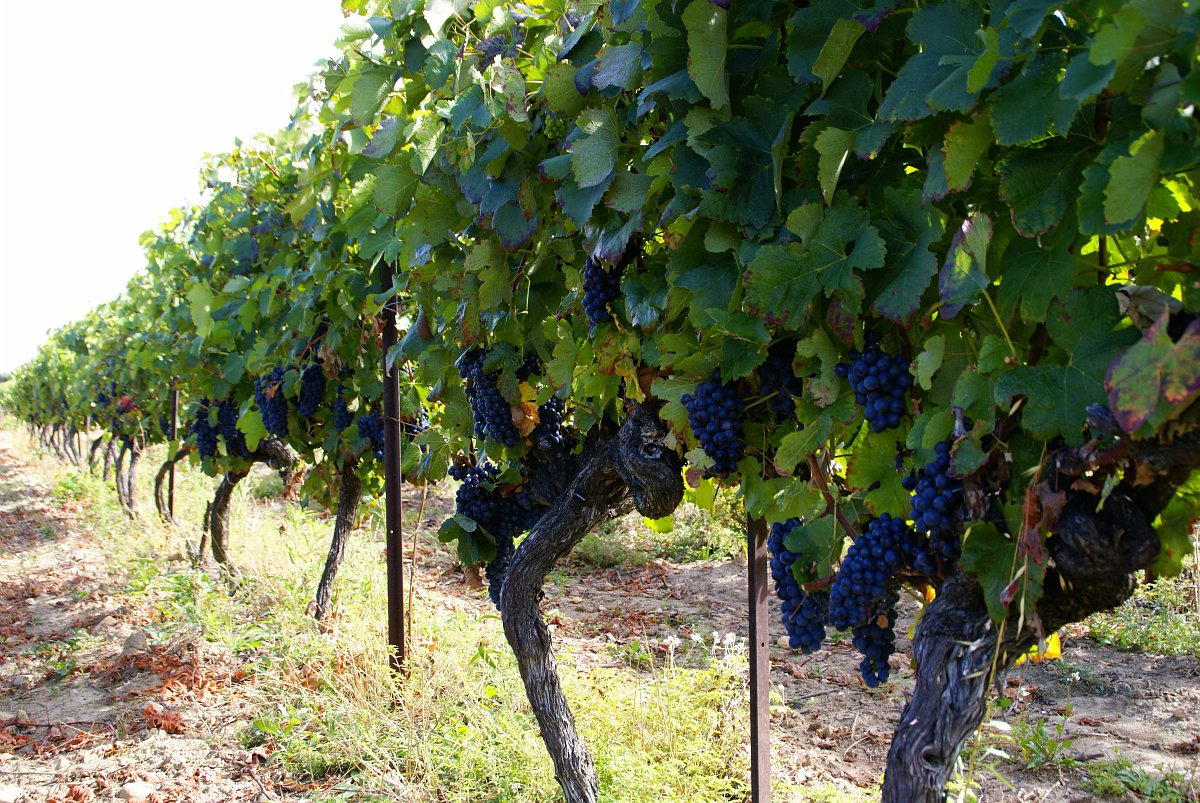
A restaurant positioned as convivial in Sète has natural access to one of France's most productive and increasingly serious wine regions. The Languedoc-Roussillon stretches across the hinterland behind the town, with appellations including Picpoul de Pinet, whose vineyards sit almost at the edge of the Étang de Thau, producing a crisp, high-acid white that has become the default pairing for lagoon oysters and local shellfish. The logic is almost circular: the same body of water that produces the oysters sits alongside the vineyards that produce the wine that leading accompanies them. Any serious table in Sète, regardless of register, should be working with that geography. Further afield, France's highest-awarded tables, from Bras in Laguiole to Assiette Champenoise in Reims and Au Crocodile in Strasbourg, demonstrate that regional anchoring in wine is as much a statement of culinary identity as ingredient sourcing.
Planning a Visit
Ami - la table conviviale is at 15 Rue Frédéric Mistral, 34200 Sète. Sète is accessible by train from Montpellier in under 30 minutes and from Marseille in approximately 90 minutes, placing it within easy reach for visitors exploring the wider Languedoc or Mediterranean coast. Contact details and current hours are best confirmed directly or through local booking platforms, as the restaurant's operational specifics are not listed centrally. For a neighbourhood table in this register, arriving with a reservation rather than walking in is the sensible approach, particularly in summer when Sète draws significant visitor numbers to the coast. For a broader picture of what the city's restaurant scene offers across registers and formats, the Our full Sète restaurants guide maps the range from waterfront to neighbourhood tables.
For comparison, two internationally recognised formats at the far end of the dining spectrum, Le Bernardin in New York City for benchmark seafood technique, and Atomix in New York City for precision tasting-menu work, illustrate how far the convivial table format sits from the formal end of the spectrum. Ami's appeal is precisely that distance.
Frequently asked questions
Is ami - la table conviviale a family-friendly restaurant?
The name itself signals the approach: 'conviviale' in French denotes a table built around shared, relaxed eating rather than formal ceremony. That register tends to sit comfortably with families. The address on Rue Frédéric Mistral, a residential street near the Vieux Port in Sète, places it in a neighbourhood context rather than a tourist strip, which generally makes for a calmer, more accommodating room.
Is ami - la table conviviale formal or casual?
The restaurant's own framing, 'la table conviviale', signals an informal register by design. In Sète, that typically means a room where the cooking takes the produce seriously but the setting does not demand a jacket. Expect something closer to a considered neighbourhood table than a white-tablecloth occasion.
How does ami - la table conviviale fit into the wider Sète restaurant scene?
Sète divides its restaurant offer into waterfront seafood aimed at visitors and neighbourhood tables that work closer to local rhythms. Ami - la table conviviale, positioned on Rue Frédéric Mistral away from the tourist quays, places itself in the latter camp. That distinction matters in a port city where the gap between the two registers can be considerable.
What should I eat at ami - la table conviviale?
Sète's position between the Mediterranean and the Étang de Thau lagoon, one of France's principal oyster and mussel cultivation zones, means any restaurant working with local sourcing has direct access to shellfish of genuine provenance. Beyond seafood, the Languedoc hinterland supplies the vegetables, charcuterie, and wine that define the regional table. Specific current dishes are best confirmed directly with the restaurant at 15 Rue Frédéric Mistral.
A Quick Peer Check
| Venue | Cuisine | Price | Awards | Notes |
|---|---|---|---|---|
| ami - la table convivialeThis venue (the venue you are viewing) | French Bistro and Tapas | $20–30 | Not listed | Not listed |
| La Coquerie | Contemporary French Mediterranean | $50–100 | Michelin Plate | Modern Cuisine |
| Paris Méditerranée | Modern Mediterranean Bistro | $30–50 | Michelin Bib Gourmand | Modern Cuisine |
| The Marcel | Modern Mediterranean French Fine Dining | $100–150 | 1 Michelin Star | Mediterranean Cuisine |
| La Méditerranéenne | Traditional Mediterranean Seafood | $20–30 | Not listed | Not listed |
| chez Lanchois | Modern French-Mediterranean with Asian influences | $30–50 | Not listed | Not listed |
Continue exploring
More in Sète
Restaurants in Sète
All restaurants in Sète →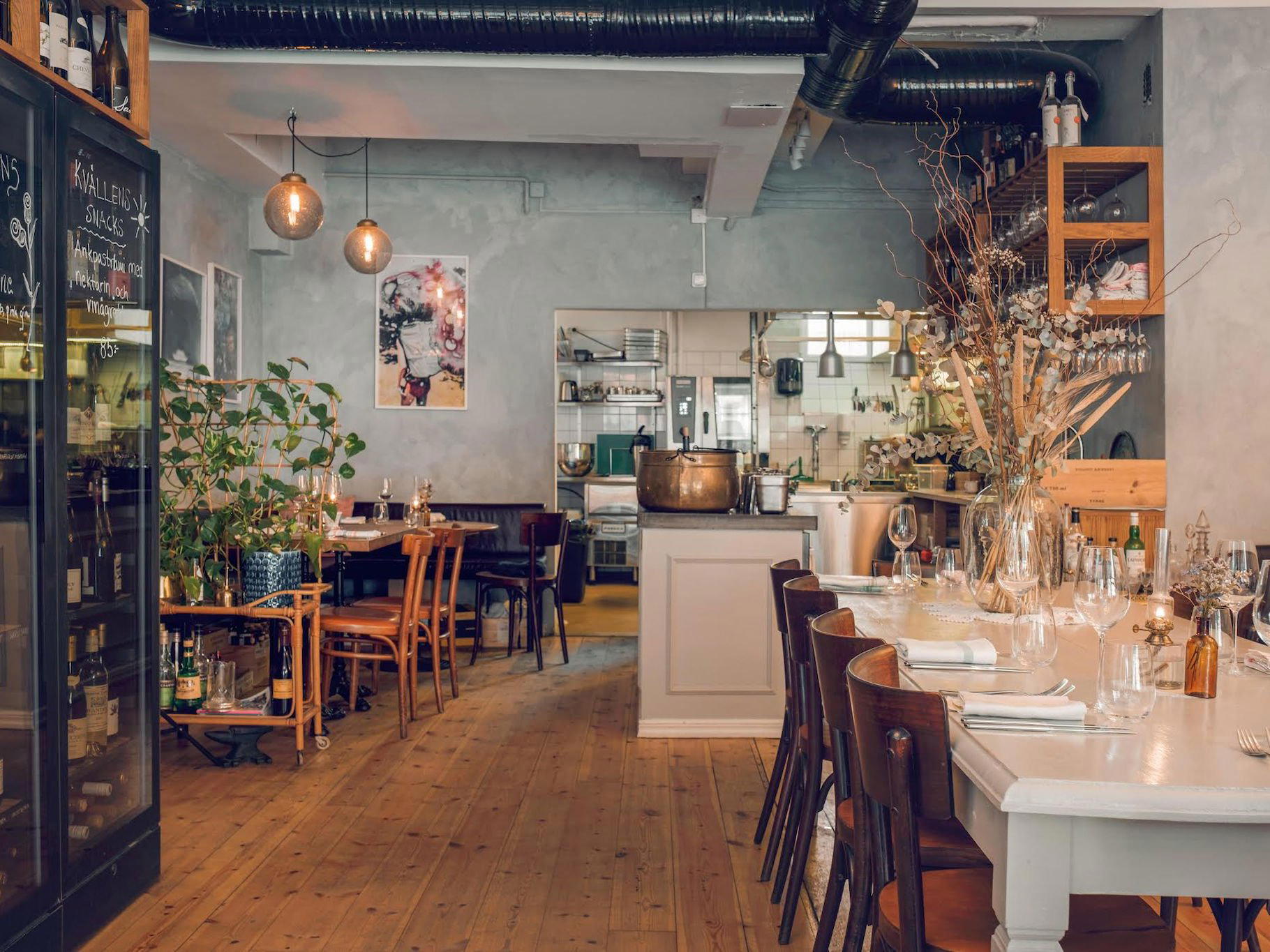

Details
- Cozy
- Lively
- Rustic
- Casual Hangout
- Date Night
- Terrace
- Standalone
- Local Sourcing
- Street Scene
- A La Carte
- Small Plates
- Vegetarian Friendly
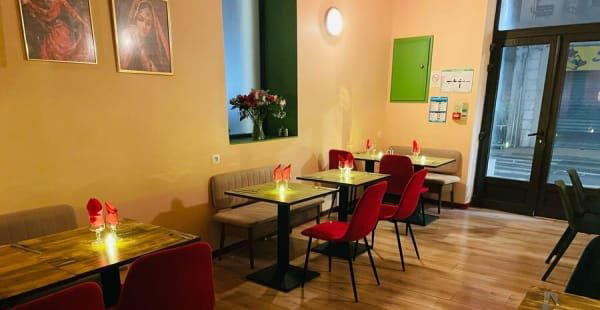
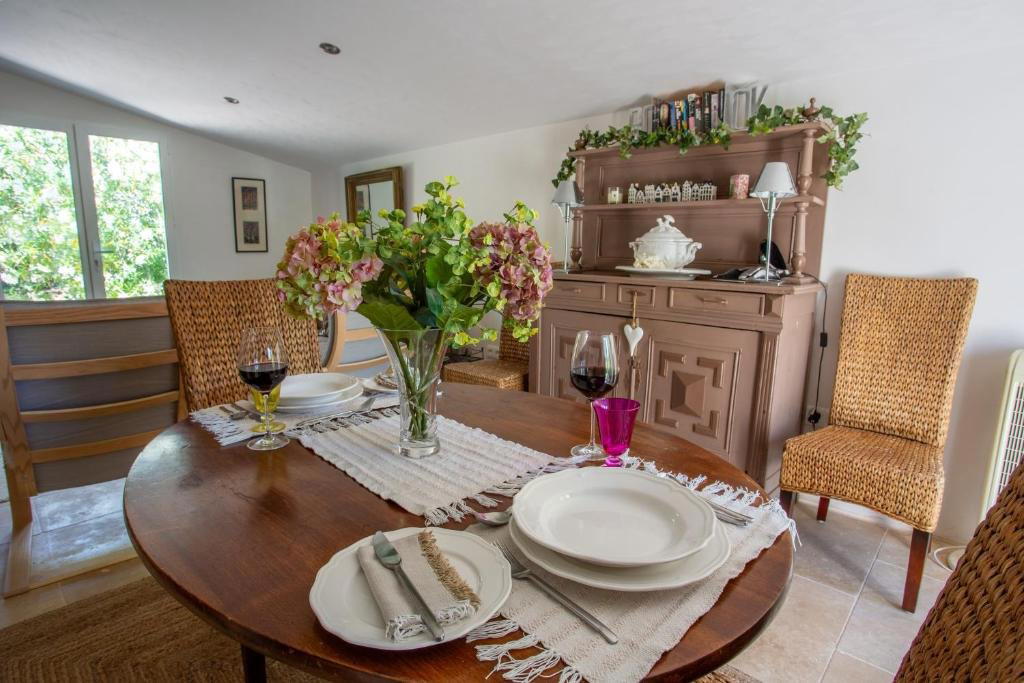
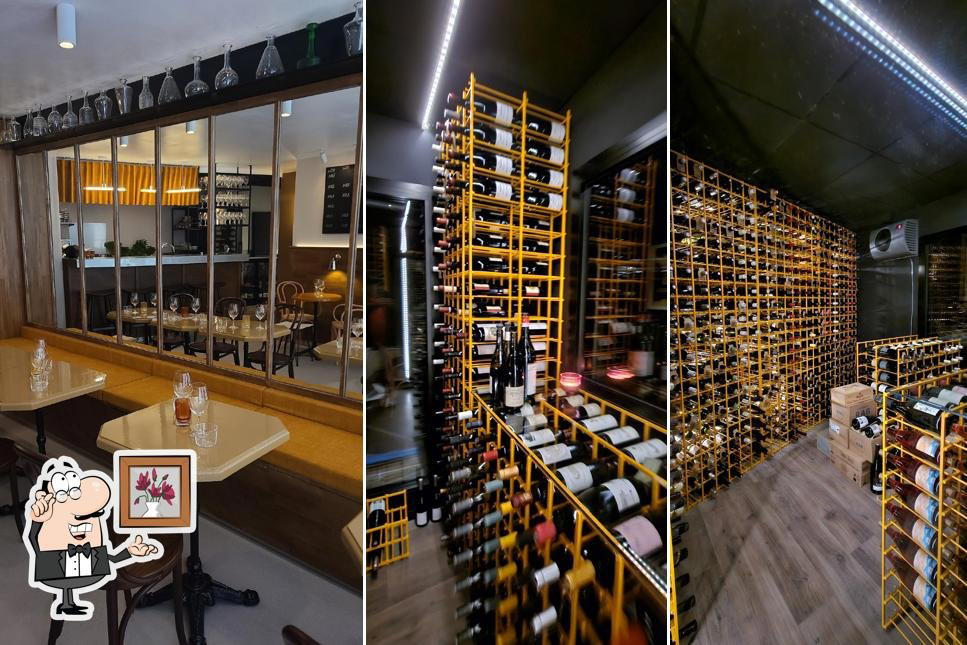
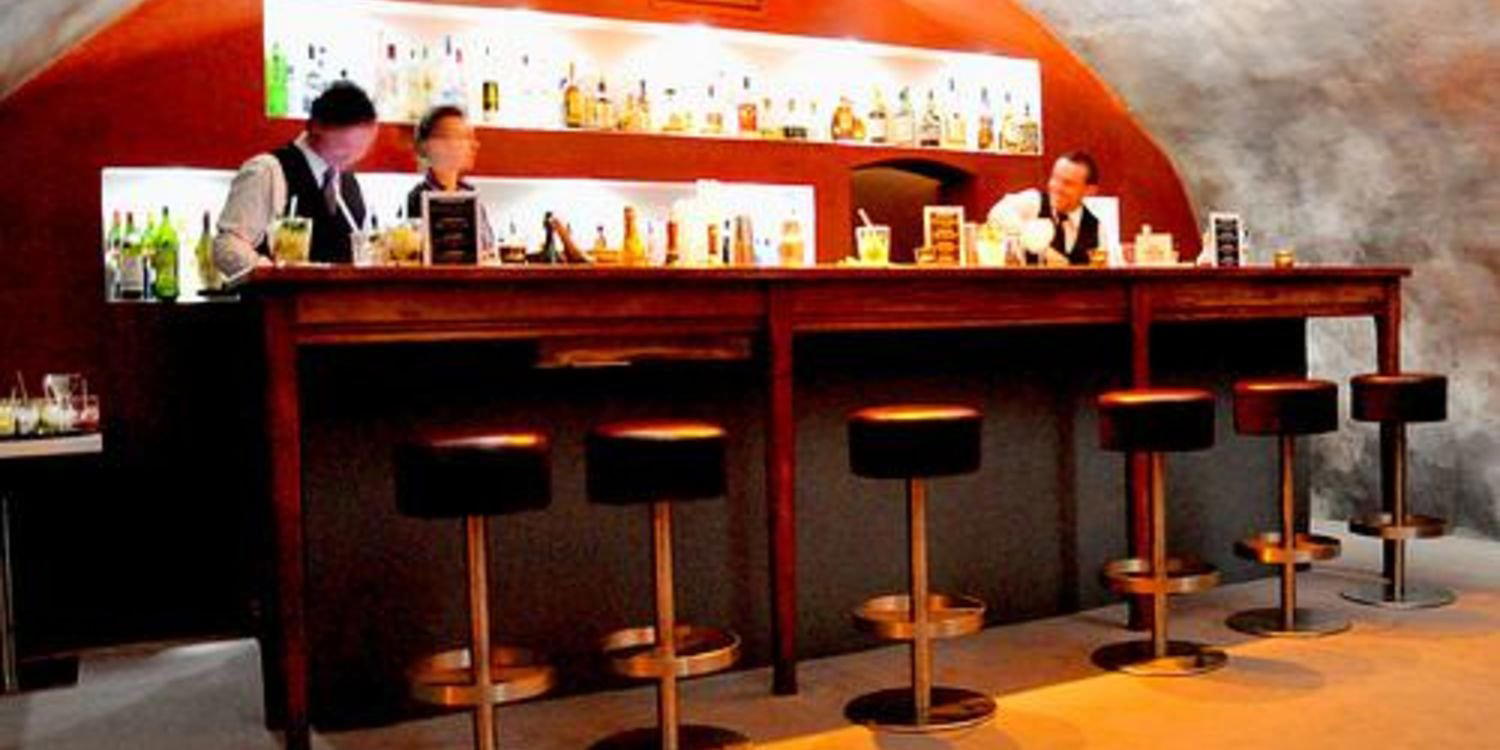
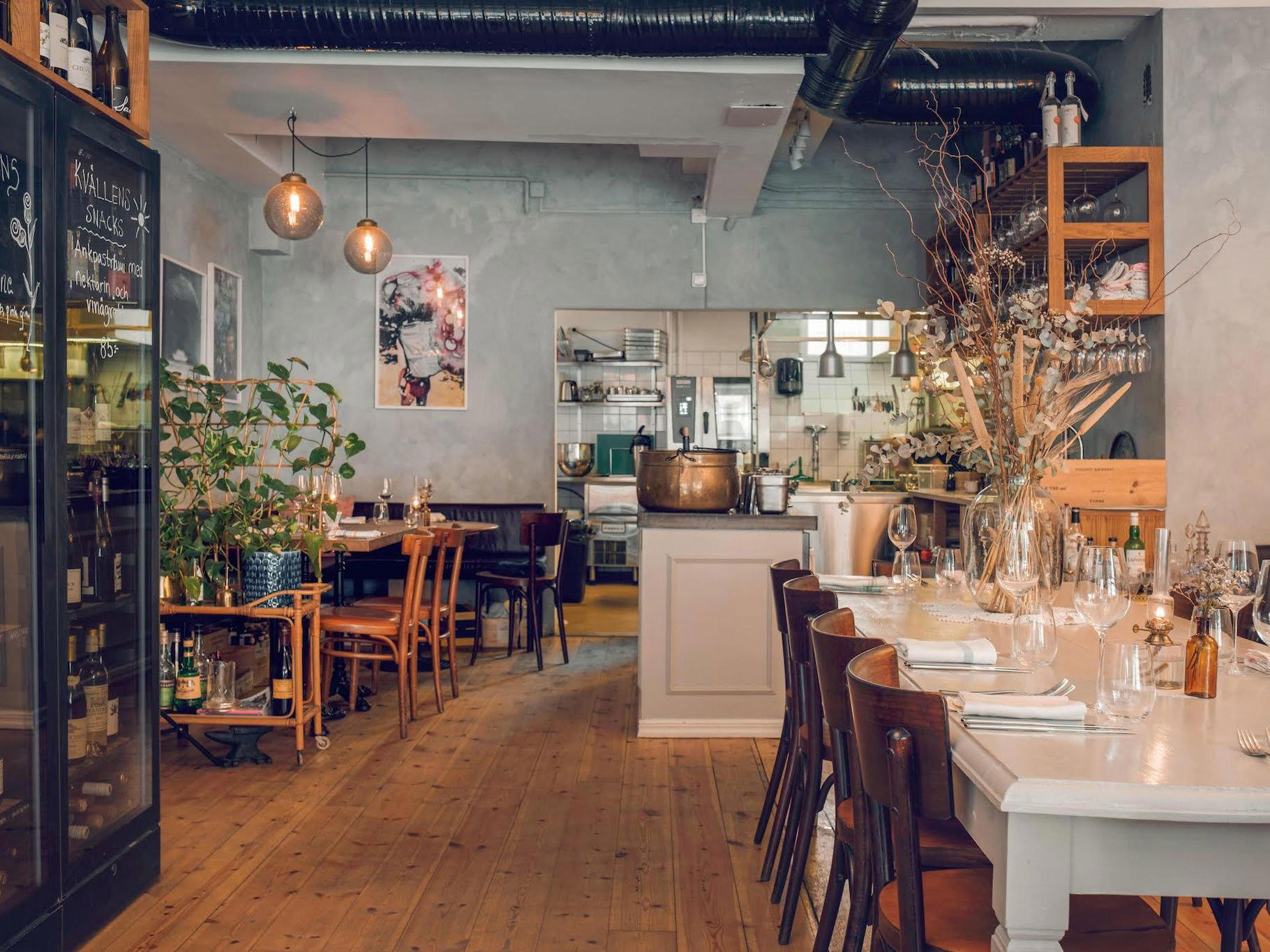
Warm and convivial, with a relaxed bistro-tapas spirit on a pedestrian street in the city center.