Our verdict
On Sète's working quayside at 3 Quai Maximin Licciardi, La Méditerranéenne sits within a port culture that has shaped this city's table for generations. The address positions it squarely in the tradition of Sète's seafood-focused harbour restaurants, where the catch, the canal, and the cooking remain tightly connected. Visitors looking for the city's Mediterranean character in a single sitting will find it along this stretch of water.

Pearl is the En Primeur Club membership app, where members save venues, book tables and use the concierge.
The menu
What to order
- Moules Persillades
- Tielle Setoise
- Macaronade de la Mer
- Grilled Sardines
- Rouille de Seiches
The Quayside Tradition That Shapes This Address
Sète operates on a different register from the Côte d'Azur resorts to its east. This is a working port on the Étang de Thau, where fishing boats and oyster platforms define the economy more than tourism, and where the local table reflects that reality without apology. The restaurants that line the canal quays here are not performing Mediterranean identity, they are expressing a version of it that predates the region's culinary marketing by several centuries. La Méditerranéenne, at 3 Quai Maximin Licciardi, sits within that continuity. The address is the argument: a quayside position in a city whose relationship with the sea is not decorative.
Sète's harbour-facing restaurants occupy a distinct niche within the broader Languedoc-Roussillon dining scene. They sit between the rustic fishing cooperative culture of the étang villages and the more self-consciously ambitious modern kitchens appearing in larger southern French cities. AM par Alexandre Mazzia in Marseille represents the experimental register of Mediterranean France; Mirazur in Menton the refined coastal produce approach. Sète's quayside houses, La Méditerranéenne among them, occupy a more grounded position in that geography, defined by proximity to a specific body of water and the produce it yields rather than by culinary ambition pointed outward.
A Port City's Ingredient Logic
The Étang de Thau is one of France's most significant shellfish-producing lagoons, responsible for a large share of the country's oyster and mussel output. That geographical fact is the dominant influence on what lands on the tables of restaurants positioned along Sète's canals. The oysters here are not shipped from Brittany or Arcachon, they come from flat-bottomed boats a short distance away, which changes the timeline between harvest and plate in ways that matter to texture and salinity. This is the kind of supply logic that high-end tasting menus in Paris spend considerable effort trying to simulate. In Sète, it is simply the operating condition.
Tielle Sétoise, the spiced octopus tart that carries UNESCO-adjacent cultural status as a Sète speciality, tells the same story in a different register. Its origins lie in the city's Neapolitan immigrant community, which arrived in the nineteenth century and merged Italian stuffed-pie traditions with local cephalopod abundance. The dish is now so embedded that it functions as a shorthand for the city's identity, the kind of thing that appears as a small plate or an amuse alongside whatever a quayside kitchen decides to cook that day. Restaurants along the Quai Maximin Licciardi corridor sit inside this tradition whether they foreground it or not.
For comparison, ami - la table conviviale and chez Lanchois represent different points on Sète's local-dining spectrum, while La Coquerie and Paris Méditerranée move toward more modern-cuisine framings. Quai 17 occupies a directly comparable canal-side position. La Méditerranéenne's name signals its orientation clearly: this is a restaurant whose identity is defined by the sea in front of it and the regional culture behind it, not by a modernist program or a tasting-menu format.
Where Sète Sits in the French Restaurant Conversation
France's formally recognised restaurant tier, the houses that carry Michelin stars and appear on international lists, is concentrated in Paris, Lyon, and a handful of regional destinations that have cultivated fine-dining infrastructure over decades. Alléno Paris au Pavillon Ledoyen, Troisgros - Le Bois sans Feuilles, Auberge de l'Ill, Bras, Paul Bocuse, Assiette Champenoise, Au Crocodile, and Flocons de Sel all represent that formally validated layer. Sète does not compete in that register, and its leading restaurants are not trying to. The city's culinary authority derives from ingredient proximity, local specificity, and a coastal culture that has not yet been heavily mediated by the international fine-dining apparatus.
That positioning has a practical consequence for visiting diners. The pressure that drives booking windows of weeks or months at recognised destination tables, places like Le Bernardin in New York City or Atomix, does not apply in the same way along the Sète quays. The rhythm here is different: a port-city lunch culture where the timing of the day's catch matters more than a reservation made three weeks in advance.
Planning a Visit to the Quai Maximin Licciardi
Sète is accessible by TGV from Montpellier (roughly 30 minutes) and sits on the main coastal rail line between Montpellier and Béziers. The Quai Maximin Licciardi runs along one of the city's central canals, within easy walking distance of Sète's main railway station. The canal-side position means the lunch service, when light off the water is at its flattest and most characteristic, is generally the better sitting for first-time visitors. Summer brings volume to all the quayside addresses, and the shoulder months of April through June and September through October offer the same produce quality with less competition for tables. The Étang de Thau's oyster season runs year-round, though winter months are when local consumption peaks and prices tend to stay lowest. Specific booking requirements, hours, and current pricing for La Méditerranéenne should be confirmed directly with the restaurant, as that information was not available at time of writing.
Those building a fuller picture of Sète's dining should consult our full Sète restaurants guide, which maps the city's options across different price points and cooking styles.
Frequently asked questions
Where do I go for La Méditerranéenne?
La Méditerranéenne is located at 3 Quai Maximin Licciardi, 34200 Sète, France, Sète.
What makes La Méditerranéenne a distinctive dining address in Sète compared to Côte d'Azur restaurants?
Sète functions as a working port on the Étang de Thau rather than a resort destination, which means the ingredient supply chain is local and direct in a way that coastal restaurants further east cannot replicate. The lagoon produces a significant share of France's oyster and mussel output, and La Méditerranéenne's position at 3 Quai Maximin Licciardi places it within that supply network. This is port-city dining grounded in a specific geography, not a Mediterranean concept applied to a tourist strip.
What do regulars order at La Méditerranéenne?
Sète's quayside addresses are defined by what comes off the Étang de Thau, one of France's principal shellfish lagoons, so oysters and mussels are the natural anchor of any meal here. The port also lands tielle Sétoise, a spiced octopus pastry that is specific to this city and appears across the better waterfront tables. Given the address at 3 Quai Maximin Licciardi, the menu follows the catch rather than a fixed format.
Is La Méditerranéenne reservation-only?
Quayside restaurants in Sète tend to fill quickly during the summer months when the port draws visitors from across the Hérault, so contacting the venue directly before arrival is the practical approach. The address at 3 Quai Maximin Licciardi places it in the most active section of the waterfront.
Booking and Cost Snapshot
Comparable venues nearby, for context on price, style, and recognition.
| Venue | Cuisine | Price | Awards | Notes |
|---|---|---|---|---|
| La MéditerranéenneThis venue (the venue you are viewing) | Traditional Mediterranean Seafood | $20–30 | Not listed | Not listed |
| chez Lanchois | Modern French-Mediterranean with Asian influences | $30–50 | Not listed | port, Modern French-Mediterranean with Asian influences |
| Paris Méditerranée | Modern Mediterranean Bistro | $30–50 | Michelin Bib Gourmand | centre-ville, Modern Mediterranean Bistro |
| La Coquerie | Contemporary French Mediterranean | $50–100 | Michelin Plate | Mont St Clair, Contemporary French Mediterranean |
| Quai 17 | Mediterranean Seafood Bistro | $30–50 | Michelin Bib Gourmand | Sète, Mediterranean Seafood Bistro |
| ami - la table conviviale | French Bistro and Tapas | $20–30 | Not listed | City Center, French Bistronomy |
Continue exploring
More in Sète
Restaurants in Sète
All restaurants in Sète →

Details
- Classic
- Scenic
- Cozy
- Casual Hangout
- Family
- Group Dining
- Date Night
- Waterfront
- Terrace
- Open Kitchen
- Local Sourcing
- Sustainable Seafood
- Waterfront
- A La Carte
- Set Menu
- Local White Wines
- Pescatarian Friendly
Current opening hours
- Monday
- 10:30 AM–2:30 PM, 6:30–10:30 PM
- Tuesday
- Closed
- Wednesday
- 10:30 AM–2:30 PM, 6:30–10:30 PM
- Thursday
- 10:30 AM–2:30 PM, 6:30–10:30 PM
- Friday
- 10:30 AM–2:30 PM, 6:30–10:30 PM
- Saturday
- 10:30 AM–2:30 PM, 6:30–10:30 PM
- Sunday
- 10:30 AM–2:30 PM, 6:30–10:30 PM
Hours can change for holidays and private events. Hours as of .
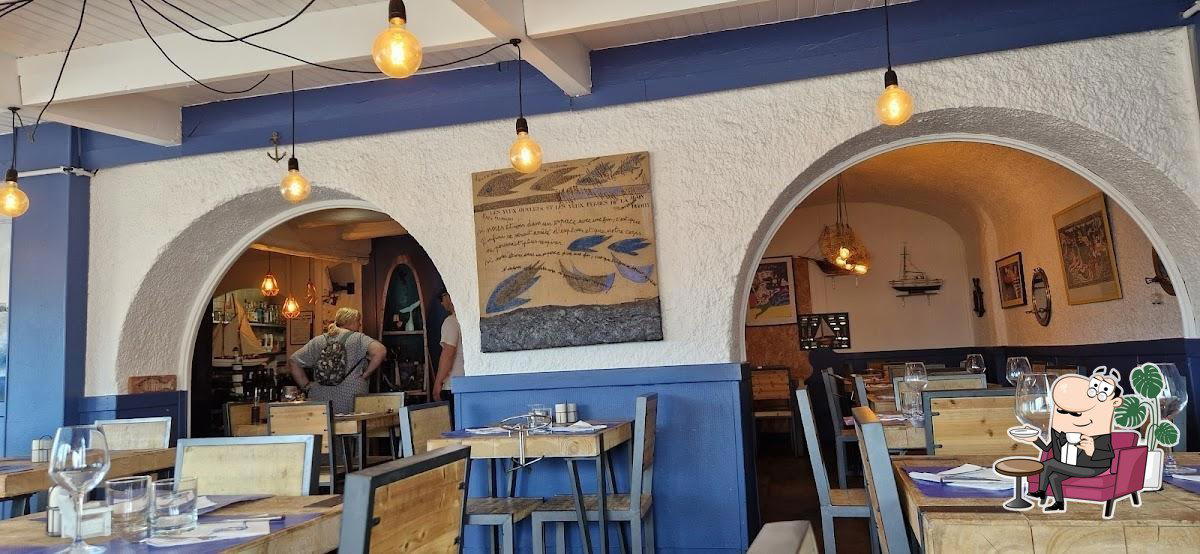
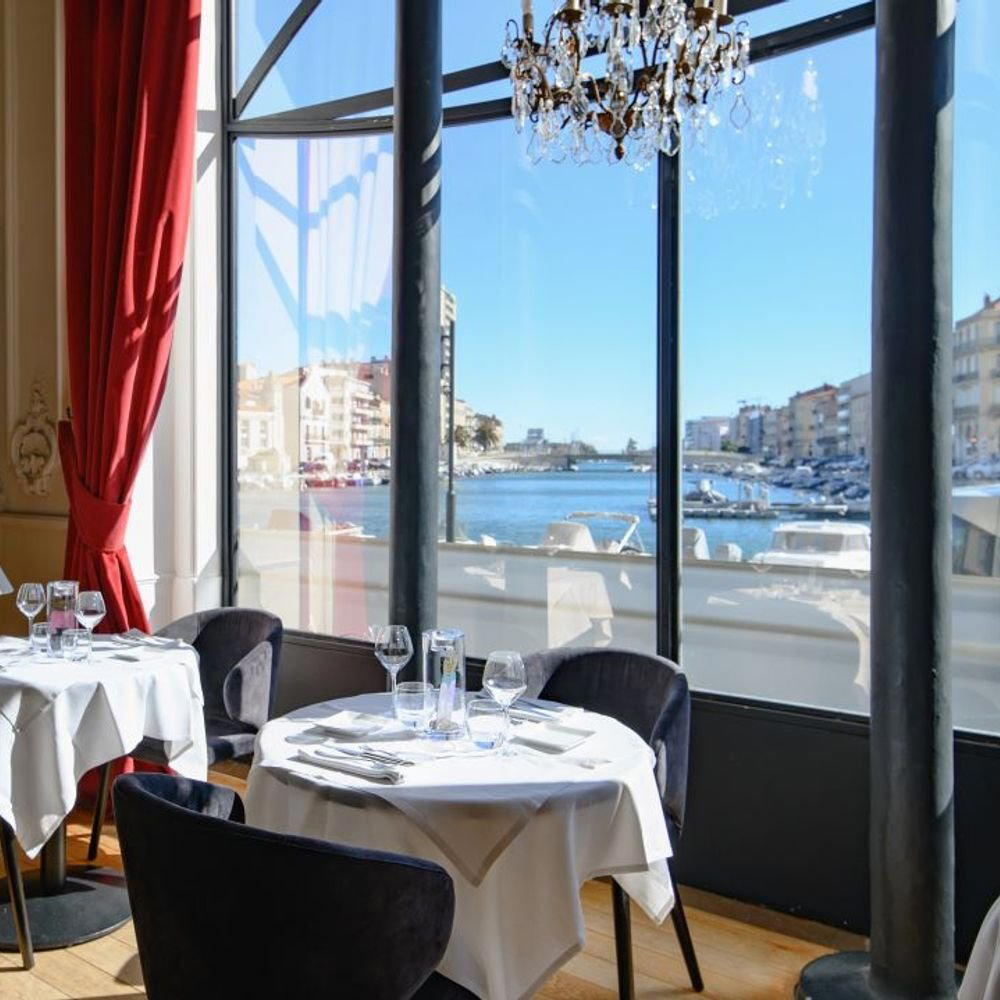
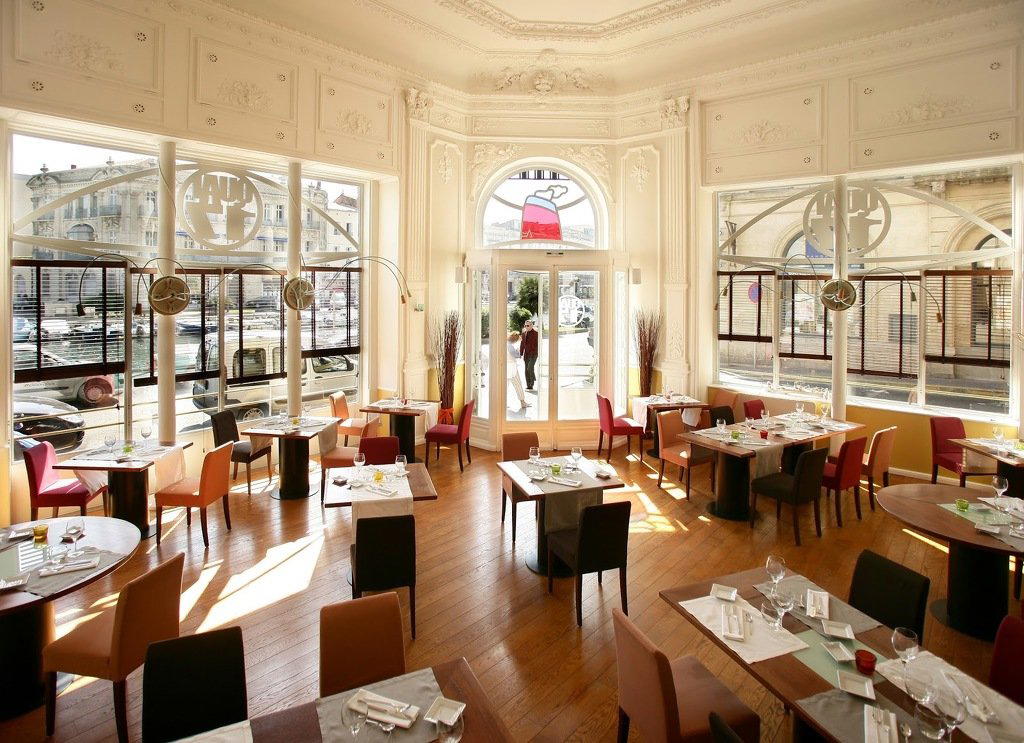
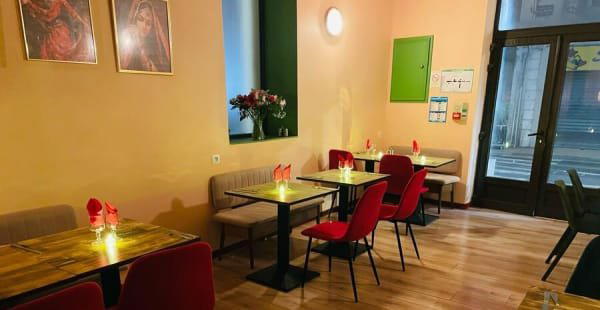
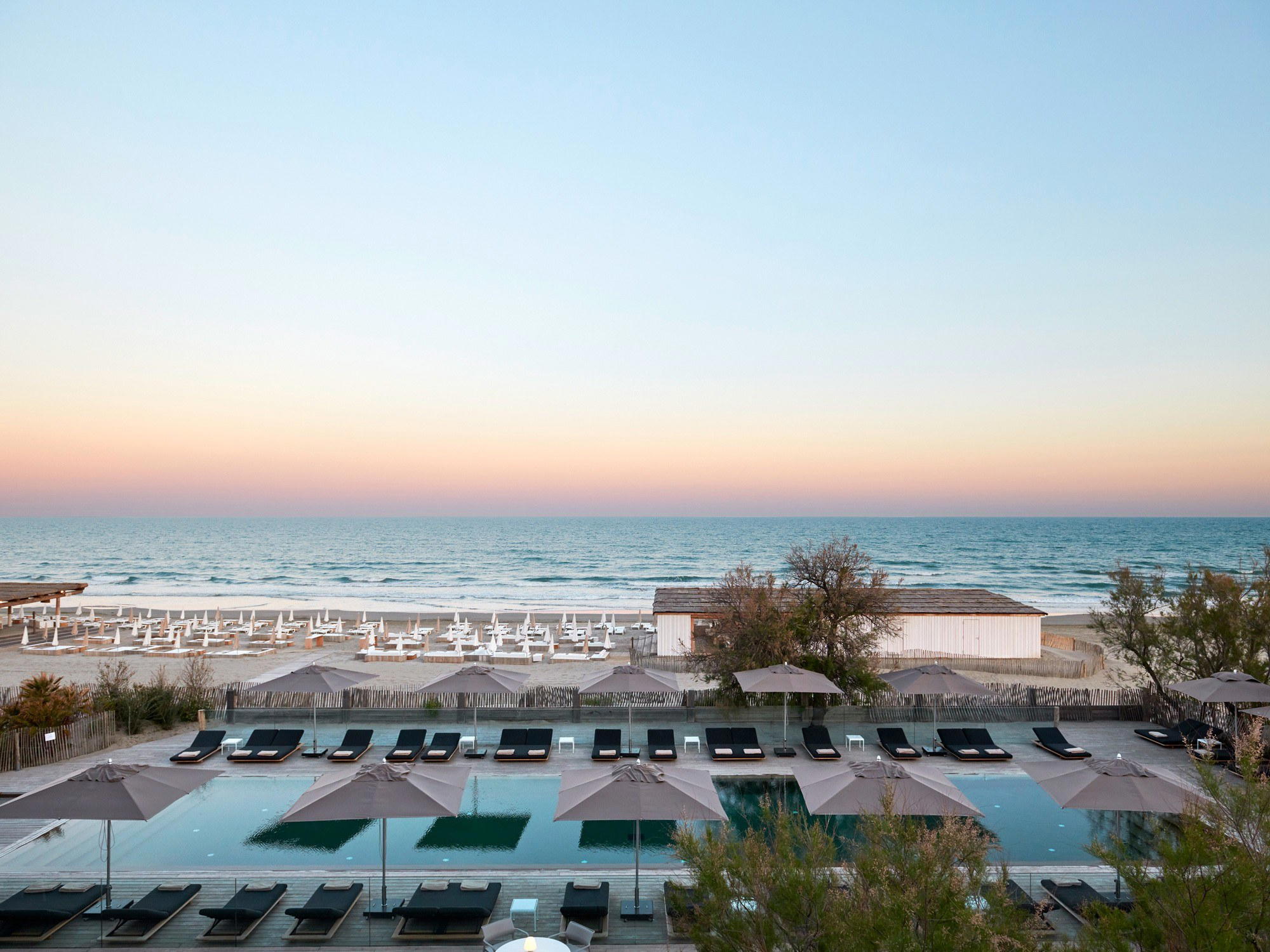
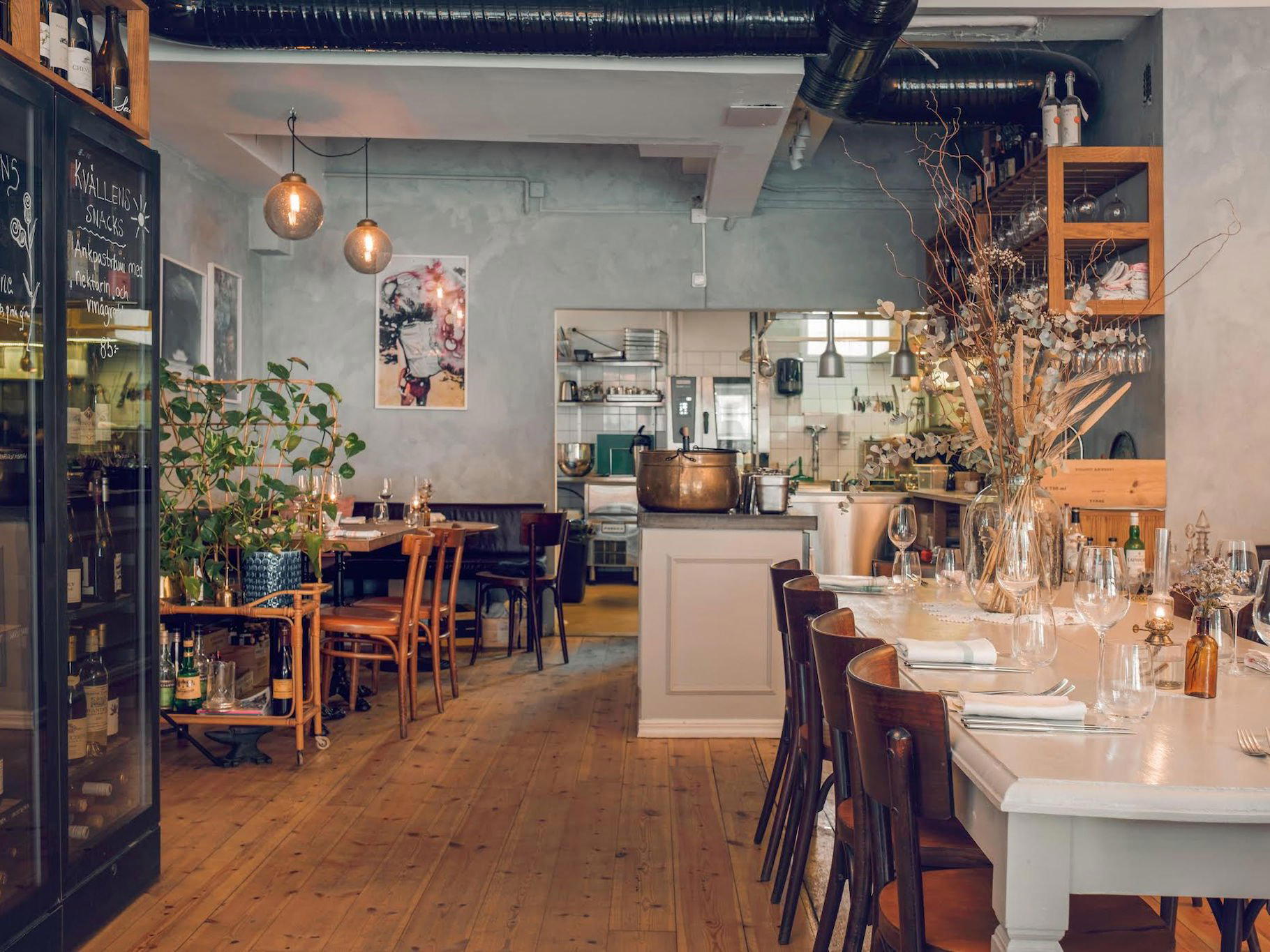
Marine-themed décor with a pleasant terrace overlooking the canal, warm and welcoming atmosphere with natural lighting from waterfront views.