Michelin Plate
Our verdict
Puri holds a 2025 Michelin Plate at its address on Nooda tee in Tallinn, operating in the mid-range price tier alongside other recognized modern-cuisine addresses in the city.

Pearl is the En Primeur Club membership app, where members save venues, book tables and use the concierge.
The menu
What to order
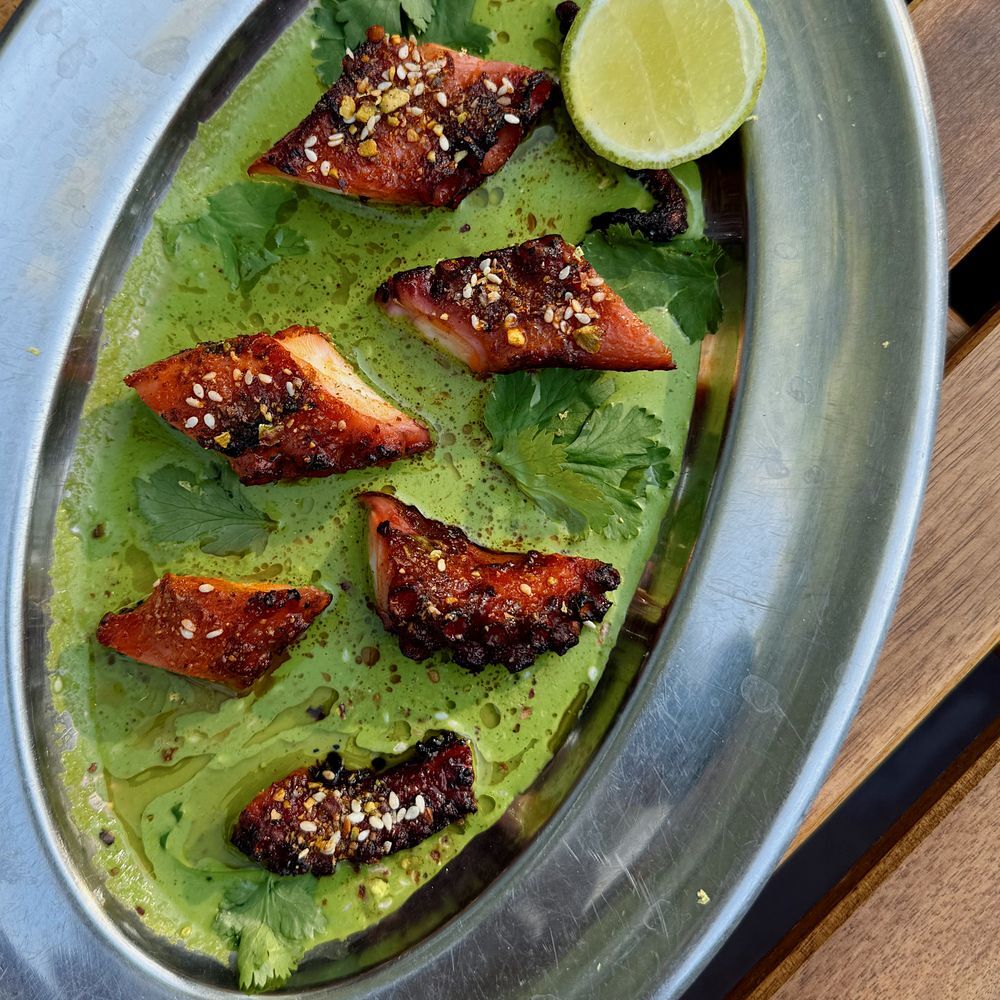
- Wine Baba with Langoustines
- Gratinated Crab with Creamy Risotto
Where Tallinn's Modern Cuisine Meets the Estonian Pantry
Tallinn's serious restaurant tier has reorganized itself over the past decade around a single argument: that Estonian ingredients, handled with contemporary technique, need no apology and no augmentation from imported prestige goods. That argument was once confined to a handful of addresses in the Old Town and Kalamaja. It has since pushed outward, with recognizable kitchens now operating in quieter residential coordinates like Nooda tee 8, where Puri has established itself as part of the city's mid-range Michelin-recognized cohort.
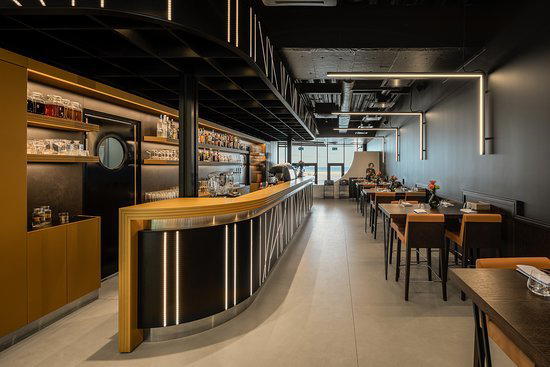
The address sits outside the tourist circuit, which tells you something about the intended audience. Restaurants that open in residential Tallinn rather than the Old Town are generally cooking for locals who return regularly, not for visitors looking for atmosphere by the metre. That context shapes expectations: the room will not perform heritage for you, and the menu will not explain Estonia to a foreign audience. It will simply cook with what the season and the surrounding region provide.
Ingredient Logic at the €€ Tier
Modern cuisine in Estonia has developed a sourcing vocabulary that draws heavily on the country's forests, coastline, and small-scale farms. Fermented dairy, cold-smoked fish, foraged mushrooms, wild herbs, and Baltic seafood appear across the recognized kitchens in this city at different price points. At the €€ tier, where Puri operates, the editorial question is always whether ingredient quality is maintained or whether it becomes the first casualty of margin pressure. Puri's 2025 Michelin Plate recognition suggests the kitchen has held that line, since Michelin inspectors at this level are assessing whether the cooking delivers consistent quality relative to its category, not whether it competes with the tasting-menu formats at the top of the price range.
For comparison, Fotografiska operates at the €€€ tier with a modern-cuisine format, and HOOV works in a similar contemporary register. At the higher end, 180° by Matthias Diether and NOA Chef's Hall run creative tasting formats at €€€€. Puri's position at €€ with a Michelin Plate puts it in a specific and useful bracket: recognized cooking at a price point that doesn't require a special-occasion justification.
The Sourcing Frame: Why Provenance Matters Here
Estonia's food culture has undergone a genuine shift in how chefs think about provenance. A generation ago, the premium signal in a Tallinn kitchen was French technique applied to imported product. The shift toward local sourcing was partly ideological, partly practical: Estonia's growing season is short but intense, and ingredients like wild garlic, Baltic herring, bog bilberries, and rye have a character that imported alternatives cannot replicate. The kitchens that have earned recognition in recent years, from Tallinn addresses like Art Priori and Barbarea to rural destinations like Hiis in Manniva, Alexander in Pädaste, Kolm Sõsarat in Lüllemäe, and Lahepere Villa in Kloogaranna, have largely made that provenance argument their organizing principle.
Puri operates within that tradition. The modern-cuisine classification covers a range of approaches, but at the Michelin Plate level in a city where ingredient-led cooking has become the dominant critical language, the reasonable inference is that the kitchen is working with Estonian seasonal materials rather than against them. The Nooda tee location, removed from the supply chains that serve the Old Town's tourist-facing kitchens, supports that reading: sourcing from local producers is a structural decision as much as a philosophical one when your restaurant is not positioned to benefit from passing foot traffic.
That same sourcing philosophy connects Estonian fine dining to broader Nordic patterns. Kitchens like Frantzén in Stockholm and FZN by Björn Frantzén in Dubai have demonstrated how Nordic ingredient logic, precision, restraint, seasonal specificity, translates across price points and formats. Estonia's recognized kitchens are operating within that same regional conversation, with the added constraint and character that comes from a shorter season and a smaller producer network.
Puri in the Wider Estonian Restaurant Picture
Tallinn is not the only city producing serious Estonian cooking. Hõlm in Tartu and Fellin in Viljandi demonstrate that the ingredient-led approach has spread well beyond the capital, with regional kitchens developing their own producer relationships and seasonal cadences. That wider network matters when reading a Tallinn address like Puri: the city's recognized mid-range restaurants are competing not just against each other but against a national dining culture that has raised its collective floor.
Within Tallinn, the modern-cuisine category at €€ sits in a productive tension with both the more casual end of the market, represented by addresses like Härg, which focuses on meats and grills at a comparable price point, and the higher-tier creative formats. The Michelin Plate is the relevant differentiator: it signals that an independent inspector has assessed the kitchen and found the cooking worth the visit at its price level.
Planning Your Visit
Puri sits at Nooda tee 8, in a part of Tallinn that requires intention to reach: this is not a restaurant you stumble upon between the town hall and Telliskivi. Factor in travel time from the centre, and consider that visiting on a weekday evening may offer more flexibility than weekend service, when Michelin-recognized addresses at this price tier tend to fill quickly. Booking in advance is the sensible approach for any recognized kitchen in Tallinn, where the pool of serious diners is large relative to the number of seats at recognized addresses.
The price tier, €€, positions Puri at a level where a full meal with wine is unlikely to exceed what you would pay at the mid-range tier in Helsinki or Stockholm, which reflects Tallinn's general cost position in the Nordic-Baltic dining context. For visitors building a broader Tallinn itinerary, our full Tallinn restaurants guide maps the recognized addresses across price tiers, and our guides to Tallinn hotels, bars, wineries, and experiences cover the rest of the city's premium offering.
Frequently asked questions
Is Puri Michelin-listed?
Puri has received recognition including: Michelin Plate (2025).
Where exactly is Puri?
Puri is located at Nooda tee 8, 13516 Tallinn, Estonia, Tallinn.
What's the signature dish at Puri?
The 2025 Michelin Plate recognition signals consistent technical execution at the €€ price tier. For the current menu, check directly with the restaurant at Nooda tee 8.
What should I expect cuisine-wise at Puri?
What's the pricing like at Puri?
Pricing at Puri is listed as €€.
Should I book Puri in advance?
Puri sits in Tallinn's Michelin-recognised tier with a 2025 Plate award, which puts it in demand among visitors specifically seeking contemporary Estonian cooking. The address at Nooda tee 8 is outside the Old Town tourist circuit, meaning the dining room attracts a largely intentional crowd rather than walk-ins. Booking ahead is advisable, particularly on weekends.
What's the defining dish or idea at Puri?
The defining idea across Puri's cuisine type is modern cooking anchored in Estonian provenance: local ferments, seasonal forage, and small-scale farm sourcing rather than imported luxury ingredients. That positioning, recognised by the 2025 Michelin Plate, places Puri within a peer group of Tallinn restaurants arguing that Estonian terroir is the point, not the compromise.
Pricing, Compared
Comparable venues nearby, for context on price, style, and recognition.
| Venue | Cuisine | Price | Awards | Notes |
|---|---|---|---|---|
| PuriThis venue (the venue you are viewing) | Modern Seafood | $50–100 | Michelin Plate | Not listed |
| Osteria il Cru | Modern Italian Osteria | $50–100 | Michelin Plate · White Guide Baltic Restaurants - Very Fine Level | Old Town, Modern Italian Osteria |
| Pull | Modern Charcoal Grill Steakhouse | $50–100 | Michelin Plate · White Guide Baltic Restaurants - Fine Level | Rotermanni, Modern Charcoal Grill Steakhouse |
| Tchaikovsky | Modern Russian Fine Dining | $50–100 | Michelin Plate · White Guide Baltic Restaurants - Very Fine Level | Old Town, Modern Russian Fine Dining |
| Art Priori | Modern Nordic Fine Dining | $50–100 | Michelin Plate · White Guide Baltic Restaurants - Masters Level | Old Town, Modern Nordic Fine Dining |
| Fotografiska | Progressive Sustainable Food & Drink | Not listed | Michelin Bib Gourmand · Star Wine List | Dining |
Recognition history
Dated appearances from independent guides and award organizations, with the underlying list record or original source where available.
Michelin Plate
Michelin
Full recognition history (2 entries)
Michelin Plate
Michelin