Ponto
Ponto has carved a specific niche in Portland's bakery scene by centering Korean salt bread alongside broader bakery offerings and coffee. It sits within a growing wave of Korean-inflected baked goods gaining traction in American cities, where the pillowy, butter-rich roll has moved from Seoul's side streets to specialty counters far beyond the West Coast's Korean enclaves.
Pearl is the En Primeur Club membership app — saves, bookings, and concierge access live there. Same editors, same standards.
- Address
- Portland, United States
- Directions
- Get directions
 Saves & bookings on Pearl
Salt, Butter, and the Logic of the Korean Bakery Counter
Ponto is a Korean salt bread bakery in Portland. Portland's bakery scene has long rewarded specificity. The city's most durable spots tend to anchor around a single format done with precision, whether that is the wood-fired Neapolitan logic of Ken's Artisan Pizza, the Italian-rooted comfort of Nostrana, or the Haitian wood-fire cooking at Kann. Ponto fits that pattern by staking its identity on Korean salt bread, a product that has moved from the crowded bakery corridors of Seoul's Gangnam district to specialty counters across North America with unusual speed.
The format itself warrants context. Korean salt bread, known as sogeum ppang, is a laminated roll shaped into a tight horn, finished with a salted butter wash that produces a lacquered crust over a soft, pull-apart interior. The category sits in a different register from the flaky croissant tradition of French-trained bakeries and from the denser enriched loaves of American artisan bread culture. It occupies its own logic: a snack-scale item meant to be eaten warm, requiring precise lamination technique and a short window between oven and counter.
Where Korean Baking Sits in the American Bakery Market
The rise of Korean-inflected baked goods in American cities has followed a recognizable arc. What began as a staple inside Korean supermarket chains and H Mart food courts has migrated into standalone specialty formats. Cities with substantial Korean-American communities, including Los Angeles, New York, and the Bay Area, saw the first wave of dedicated Korean bakery counters. Portland, with a smaller but engaged food community, has arrived at the format through a different path: not demographic density, but culinary curiosity and the city's established appetite for imported baking traditions.
That appetite shows up across the city's dining culture. Berlu demonstrated how Vietnamese culinary sensibility could anchor a serious tasting-menu format in Portland. Langbaan built its reputation on bringing Thai regional cooking to a format that the city had not previously encountered. Ponto applies comparable logic to the bakery register: take a Korean staple seriously, execute it with technique, and trust that the audience will follow.
The Accompaniment Philosophy in Korean Baking
The editorial angle assigned here, the banchan table, is not incidental. Korean food culture is organized around accompaniment: the idea that a central item is surrounded by a spread of supporting preparations, each distinct in flavor and texture, collectively creating something greater than any single element. Korean bakeries in Seoul operate on a related principle. The salt bread anchors the counter, but it is surrounded by a rotation of complementary items, sweet and savory, each calibrated to extend the visit and diversify the tray.
At Ponto, the menu extends beyond salt bread into broader bakery items and coffee, which means the counter operates on a similar assembly logic. The coffee functions as the beverage anchor. The secondary bakery items function as the banchan, filling out the offering and giving the customer a reason to linger or return for something different on a subsequent visit. This structure mirrors what particularly coherent specialty bakeries do globally: build around one signature, then surround it with enough variety to reward repeat visits without losing the identity that drew the customer in the first place.
For comparison, consider how this bakery philosophy differs from the high-format dining that defines the upper tier of American restaurant culture. Atomix in New York has demonstrated what Korean culinary tradition can achieve in a fine-dining frame, earning sustained recognition for its banchan-led tasting format and technical rigor. Le Bernardin and The French Laundry represent the apex of French-lineage fine dining in America. Ponto occupies an entirely different register, the casual specialty counter, but the underlying logic of accompaniment and product specificity connects it to the same broader conversation about what it means to take a culinary tradition seriously at any price point.
Portland's Bakery Scene and Where Specialty Counters Fit
Portland's food scene has always carried more depth at the informal end of the market than its size would suggest. The city produced Blue Star Donuts as a model for the premium single-product bakery format, a counter that applied pastry technique to an American staple and found a national audience. Ponto applies comparable ambition to a Korean staple in a city that has shown it can support specialty formats that would struggle to find footing in less food-literate markets.
The city's appetite for Asian culinary traditions presented without compromise has grown steadily. Berlu's Vietnamese tasting menu approach and Langbaan's Thai regional format both confirmed that Portland diners are willing to meet a specific culinary tradition on its own terms rather than demanding adaptation. Ponto enters that context as a bakery-scale participant in the same pattern.
Portland's contribution to that map is less about formal dining and more about the density of serious specialty formats at the counter and casual level, of which Ponto is a current example.
Know Before You Go
Cuisine: Korean salt bread, bakery items, coffee
Format: Specialty bakery counter
Reservations: Not applicable for a counter-service bakery format
Pricing: About $8 per person
Location: Portland, Oregon
Ideal time to visit: Morning hours
Context: Part of a wider Portland specialty food scene; pairs well with exploration of the city's broader Asian-inflected dining culture
The Essentials
Comparable venues nearby, for context on price, style, and recognition.
| Venue | Cuisine | Price | Notes |
|---|---|---|---|
| PontoThis venue — the venue you are viewing | Not listed | $$ | Not listed |
| Giraffe | Not listed | $$ | Central Eastside Industrial District, Japanese Deli |
| ¿Por Qué No? | Mississippi Ave, Mexican Taqueria | $$ | Not listed |
| Caro Amico Italian Cafe | Lair Hill, Traditional Italian Trattoria | $$ | Not listed |
| Sure Shot Burger | Concordia, Smashburgers | $$ | Not listed |
| Mae | Cully, Southern Appalachian | $$ | Not listed |
Continue exploring
More in Portland
Restaurants in Portland
Browse all →
Bars in Portland
Browse all →
Hotels in Portland
Browse all →


At a Glance
- Casual
- Trendy
- Modern
- Casual Hangout
- Solo
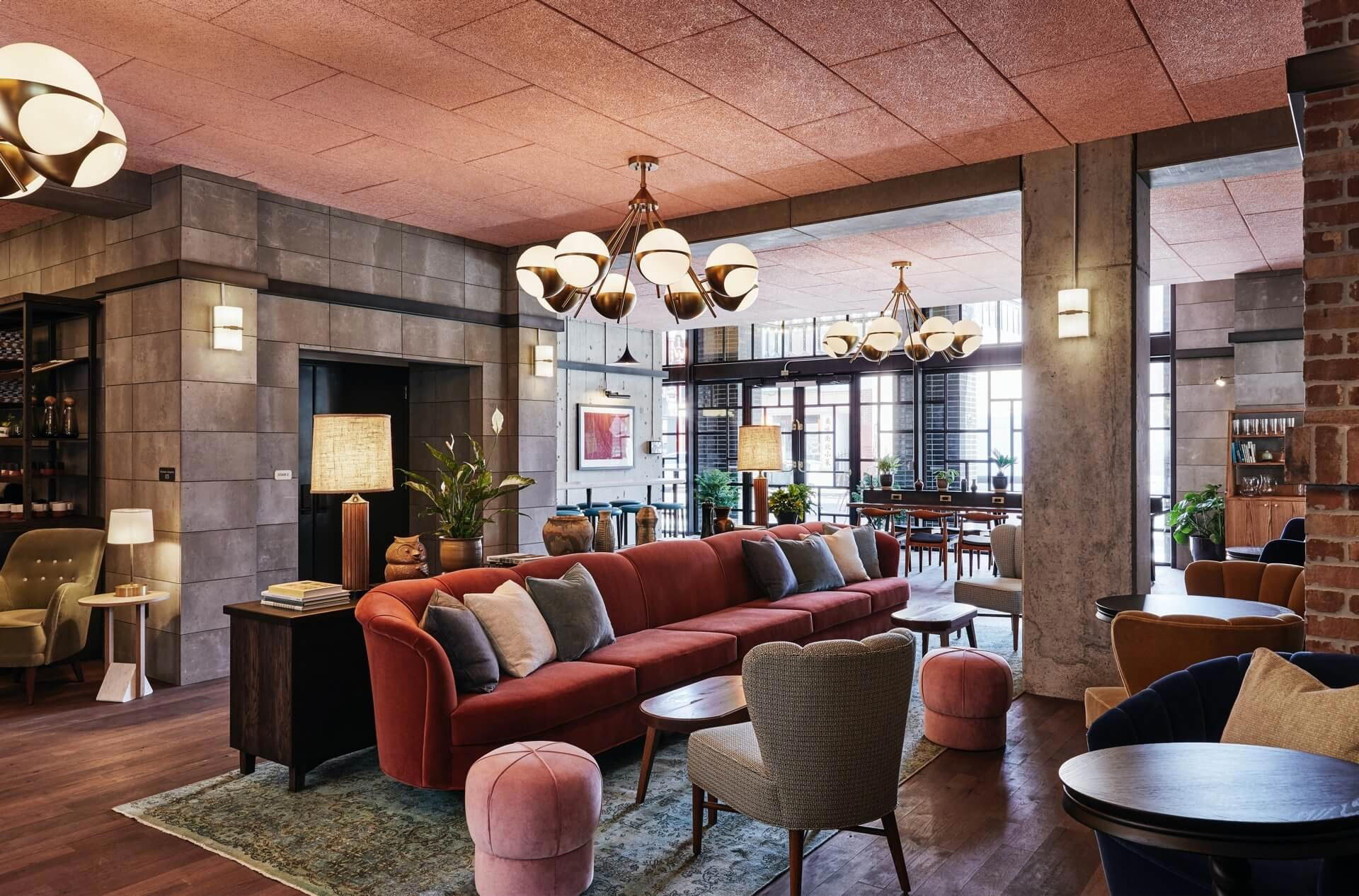
Bright, casual bakery atmosphere with a focus on fresh pastries and morning service.