Polidori Market & Restaurant
Our verdict
Polidori Market & Restaurant on North Miami's Biscayne Boulevard occupies the hybrid market-restaurant format that has quietly redefined how the corridor eats. The dual identity, part provisions shop, part dining room, positions it differently from the strip's more conventional sit-down operations. For sourcing-conscious diners in North Miami, it represents a format worth understanding before you book elsewhere.

Pearl is the En Primeur Club membership app, where members save venues, book tables and use the concierge.
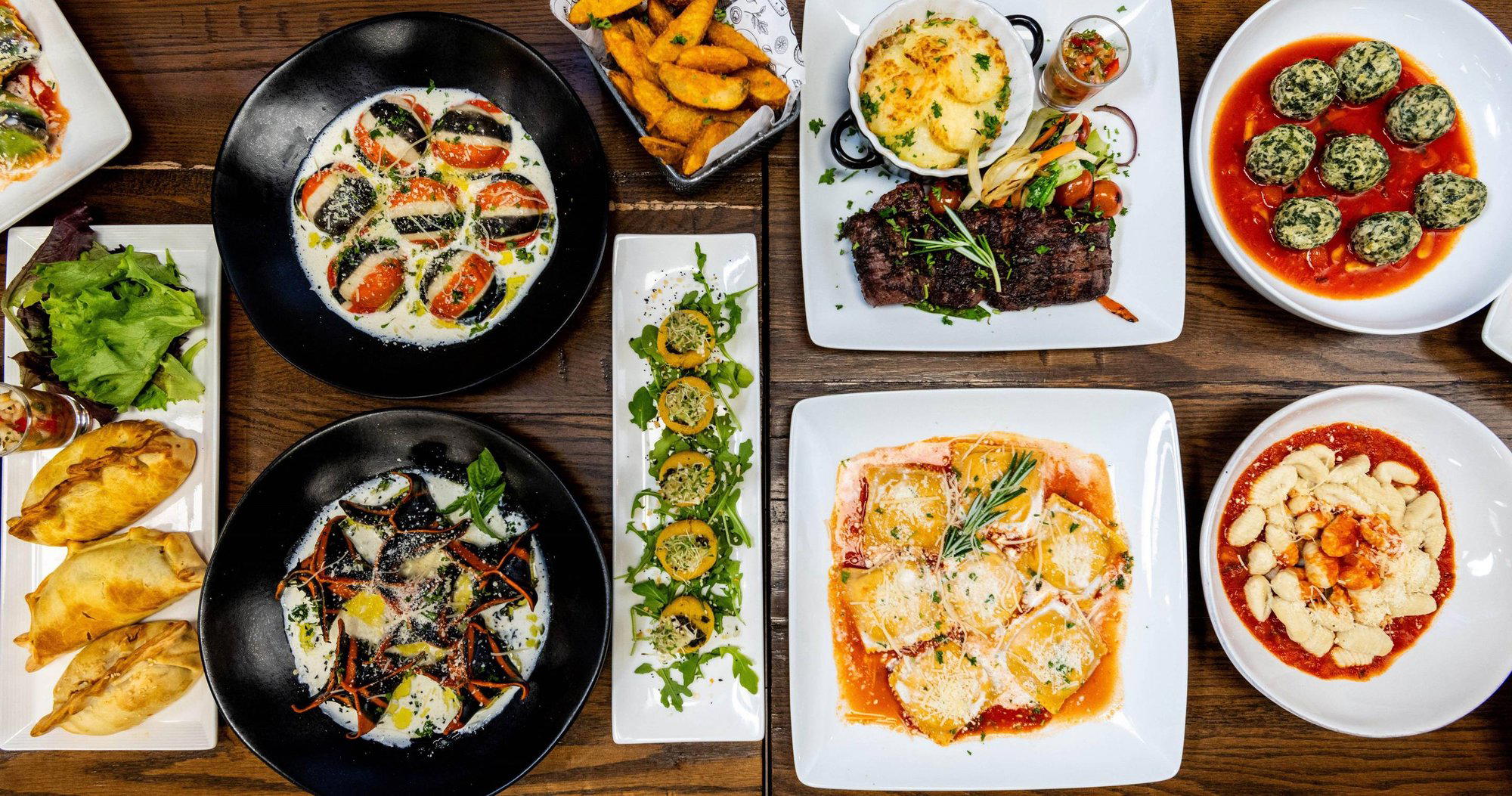
The menu
What to order
- Short Rib Agnolotti
- Potato Gnocchi
- Empanadas Criollas
Where Biscayne Boulevard Meets the Market Counter
Biscayne Boulevard in North Miami has long functioned as a functional corridor rather than a dining destination, a stretch where strip malls and local independents coexist without much curatorial logic. That has been changing. A small cluster of places, including the Italian-leaning Emma & Lorenzo Trattoria, the Mediterranean-inflected Edan Bistro, and the water-adjacent Blue Marlin Fish House Restaurant & Adventures, has begun to give the area a more legible dining identity. Polidori Market & Restaurant at 13408 Biscayne Blvd sits within that emerging cluster, but its market-restaurant hybrid format separates it from the conventional sit-down model that most of its neighbours operate.
The hybrid format matters because it implies a specific relationship with sourcing. In cities with a strong food-culture tradition, the market-restaurant combination has historically been a signal of ingredient-led cooking: the shop floor tells you where the food comes from before the kitchen tells you what it can do with it. You see the logic at full expression in places like Blue Hill at Stone Barns in Tarrytown, where the farm-to-table chain is literal and visible, or at Single Thread Farm in Healdsburg, where the inn, restaurant, and farm operate as a single sourcing system. Polidori operates at a different scale and price point, but the underlying proposition shares the same logic: knowing where your ingredients originate is part of the meal.
The Market-Restaurant Format in a Florida Context
Florida's relationship with local sourcing is more complicated than its agricultural abundance might suggest. The state produces significant quantities of citrus, tomatoes, stone crab, and Gulf and Atlantic seafood, but much of that produce exits the state before reaching local restaurant tables. The market-restaurant hybrid, by contrast, tends to create a shorter supply chain by design. When a venue operates both a retail provisions side and a dining room, the incentive to maintain direct supplier relationships is stronger because the sourcing decisions are visible to the customer twice: once when they browse the market shelves and once when they read the menu.
That visibility is a form of editorial pressure. It raises the cost of inconsistency. A restaurant that quietly swaps a local supplier for a cheaper distant one is invisible to its diners; a market-restaurant that does the same thing risks a customer noticing the discrepancy between what's sold on the shelf and what's described on the plate. North Miami's dining scene, covered in more depth in our full North Miami restaurants guide, has not historically been defined by this kind of sourcing transparency, which is part of what makes the Polidori format worth attention.
Placing Polidori in Its Competitive Set
Bocatto and Captain Jim's Seafood represent the more conventional end of the corridor, operating as single-format restaurants without a retail dimension. The market component at Polidori creates a different kind of operation, one that can serve a weekday provisions run and a weekend dinner from the same address. That dual utility is an asset in a neighbourhood that doesn't yet have a consolidated food-shopping identity.
At the national level, the sourcing-forward restaurant model has been refined at venues like Providence in Los Angeles, which has built its reputation on documented seafood sourcing, and Le Bernardin in New York City, where supplier relationships are treated as part of the restaurant's professional identity. Those are reference points at a significantly different price tier. Closer to a mid-market register, Emeril's in New Orleans helped establish the template of a chef-driven restaurant that makes sourcing provenance a visible part of its brand. Polidori's market format offers a retail-integrated version of that same emphasis, at a neighbourhood scale.
What the Format Tells You Before You Sit Down
Arriving at a market-restaurant, you typically encounter the provisions side first. The range of products on the market shelves functions as a statement of culinary orientation: what producers the operation trusts, what regions it draws from, what food culture it is aligned with. In Florida, that might mean local honey, Atlantic seafood, or Caribbean-influenced pantry staples, depending on the operator's sourcing relationships. The restaurant side then operates as an argument for how those ingredients perform when cooked. The two halves of the format are in conversation.
This is a different model from the prix-fixe omakase logic you find at places like Alinea in Chicago or the agricultural immersion of The French Laundry in Napa, where sourcing is curated and invisible to the diner. It is also different from the highly choreographed communal-dining format at Lazy Bear in San Francisco. The market-restaurant sits in a more democratic register, one where the ingredient conversation is accessible to anyone who walks through the door, not just to those who have booked months ahead.
Planning a Visit
Polidori Market & Restaurant operates from 13408 Biscayne Blvd in North Miami. Given the dual-format operation, timing your visit depends on whether you are coming for provisions, a sit-down meal, or both. Market-format venues in this category often have different peak times for each side of the business: the retail component tends to be busiest in the morning and early afternoon, while the restaurant side draws the evening crowd.
For diners moving between multiple stops along the corridor, the proximity to other independents like Edan Bistro and Emma & Lorenzo Trattoria makes Polidori a logical anchor for a longer afternoon or evening in North Miami. The market component also makes it worth factoring into a provisions stop if you are self-catering in the area.
Frequently asked questions
Is Polidori Market & Restaurant suitable for children?
The market-restaurant format at 13408 Biscayne Blvd tends to suit families reasonably well, market counters are casual environments with no dress code pressure and a browse-before-you-order rhythm that works at a family pace. That said, the dual-format setup means service priorities can shift depending on how busy the provisions side is. Calling ahead to confirm seating arrangements is advisable for larger groups with young children.
What kind of setting is Polidori Market & Restaurant?
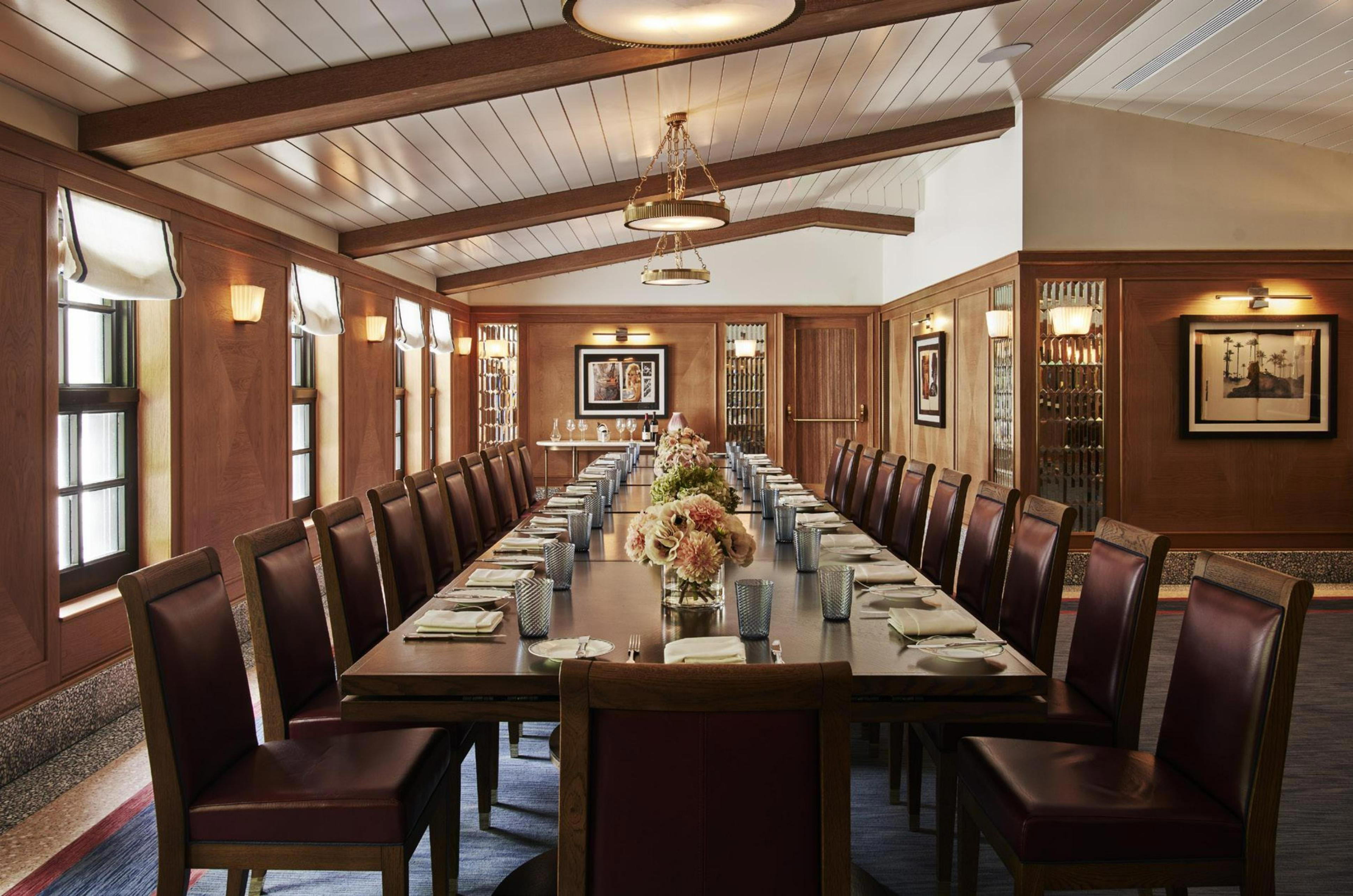
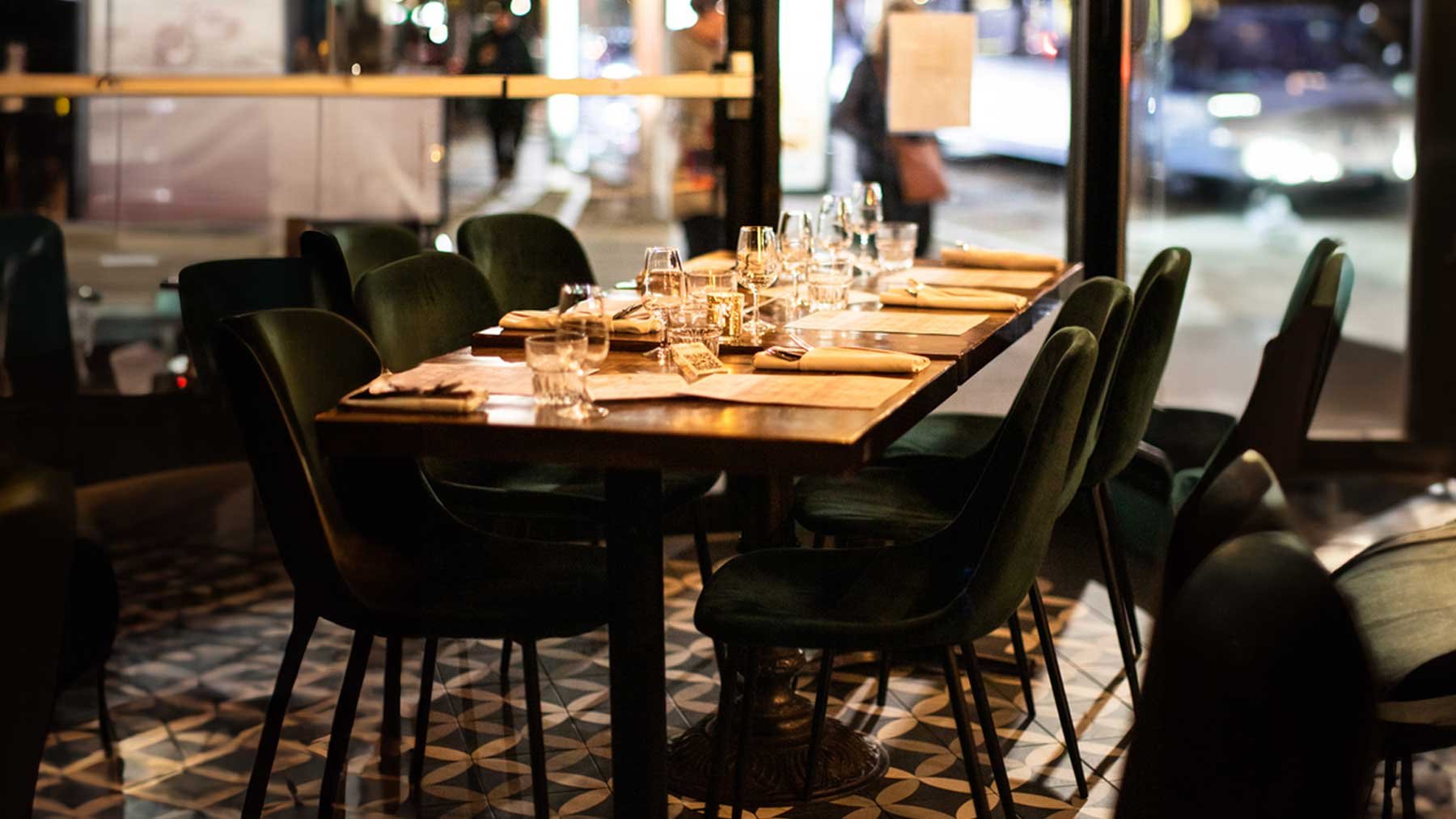
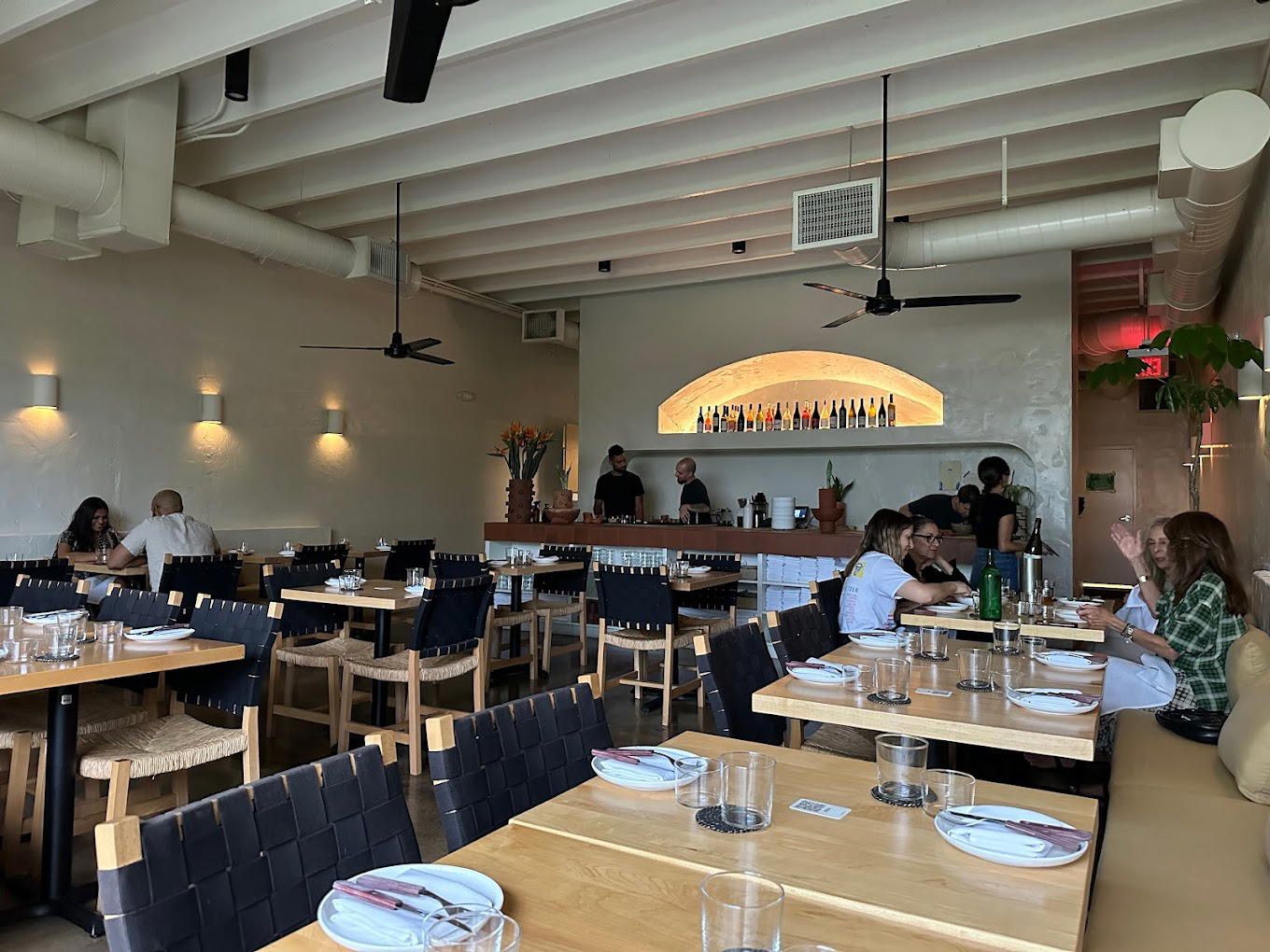
Polidori operates as a hybrid market and restaurant on Biscayne Boulevard, a functional North Miami corridor rather than a curated dining strip. The market side greets you first, which sets an informal, neighbourhood-supply-store tone before the restaurant seating takes over. It is the kind of room where the shelves themselves tell you something about the kitchen's sourcing priorities.
What makes Polidori Market & Restaurant different from other North Miami restaurants on Biscayne Boulevard?
Polidori's dual operation as both a provisions market and a restaurant sets it apart from the more conventional neighbourhood dining on Biscayne Boulevard, where full-service restaurants and seafood counters like Captain Jim's represent the typical format. The market component implies a kitchen with direct access to its own supply chain, a structural advantage over venues that source through standard distribution. For North Miami, that kind of integrated operation is uncommon at the street-level dining tier.
What do regulars order at Polidori Market & Restaurant?
In market-restaurant formats of this type, the day's strongest dishes typically track what has moved through the provisions counter most recently, so the market shelves on arrival are a practical guide to what the kitchen is working with that session.
Where exactly is Polidori Market & Restaurant?
Polidori Market & Restaurant is located at 13408 Biscayne Blvd, Miami, FL 33181, North Miami.
Side-by-Side Snapshot
Comparable venues nearby, for context on price, style, and recognition.
| Venue | Cuisine | Price | Awards | Notes |
|---|---|---|---|---|
| Polidori Market & RestaurantThis venue (the venue you are viewing) | Italian Pasta House | $20–30 | Not listed | Not listed |
| Emma & Lorenzo Trattoria | Authentic Roman Italian Trattoria | $30–50 | Not listed | North Miami |
| Bocatto | Italian and Mediterranean | $30–50 | Not listed | North Miami |
| Blue Marlin Fish House Restaurant & Adventures | Seafood and American | $20–30 | Diners, Drive-Ins and Dives Featured Restaurant | North Miami Beach |
| Edan Bistro | Modern Spanish Basque Bistro | $100–150 | Not listed | North Miami |
| Captain Jim's Seafood | Fresh Local Seafood | $30–50 | Not listed | North Miami |

Continue exploring
More in North Miami
Restaurants in North Miami
All restaurants in North Miami →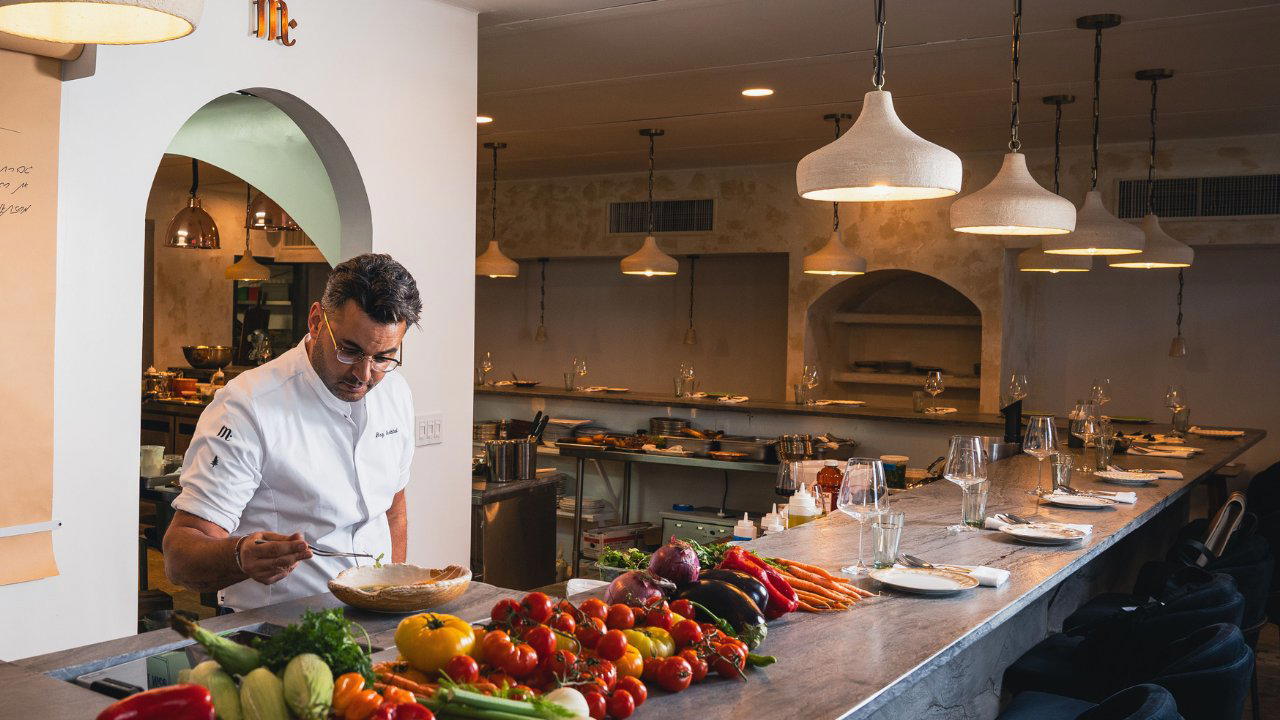
Bars in North Miami
All bars in North Miami →


Details
- Cozy
- Rustic
- Casual Hangout
- Family
- Standalone
- A La Carte
- Vegetarian Friendly
Current opening hours
- Monday
- 11 AM–10 PM
- Tuesday
- 11 AM–10 PM
- Wednesday
- 11 AM–10 PM
- Thursday
- 11 AM–10 PM
- Friday
- 11 AM–10 PM
- Saturday
- 11 AM–10 PM
- Sunday
- 11 AM–10 PM
Hours can change for holidays and private events. Hours as of .
Cozy and welcoming atmosphere with a market feel.