Pleasantry
Our verdict
Pleasantry is listed as permanently closed following the June 22, 2026 status audit.
- Address
- 118 W 15th St, Cincinnati, OH 45202
- Phone
- (513) 381-1969
- Directions
- Get directions
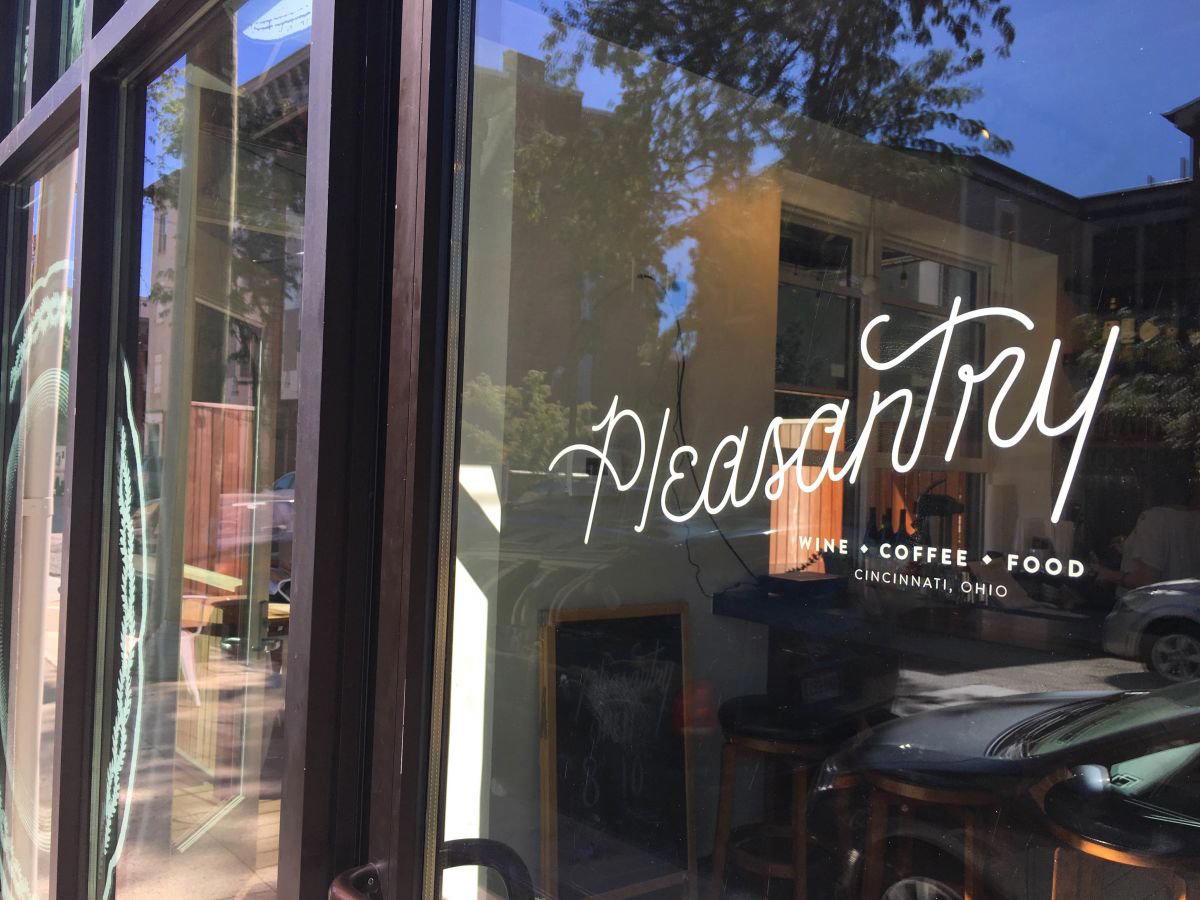
The menu
What to order
- Fried_olives
- Spicy_chicken
- Roasted_cauliflower
Pleasantry is listed as permanently closed following the June 22, 2026 status audit.
Frequently asked questions
What part of town is Pleasantry in?
Pleasantry is located at 118 W 15th St, Cincinnati, OH 45202.
How does Pleasantry compare to other restaurants in Over-the-Rhine, Cincinnati?
Over-the-Rhine has produced a concentrated run of independent operators along and around Vine Street, making West 15th Street addresses like Pleasantry's part of a wider neighbourhood dining circuit rather than an isolated destination. Pleasantry is a Seasonal Midwestern Small Plates restaurant in Over-the-Rhine, so it belongs in the neighborhood's independent dining set. Visitors building a multi-stop OTR evening will find the 118 W 15th St location walkable from the neighbourhood's main corridor.
What do people recommend at Pleasantry?
EP Club does not hold verified menu data for Pleasantry at this time, so specific dish recommendations can change here. The venue's address at 118 W 15th St places it in the northern section of Over-the-Rhine, where independent operators tend toward focused, frequently rotating menus rather than broad kitchen-sink formats. Pleasantry serves seasonal Midwestern small plates. Check the venue directly before visiting for the latest menu details.
Do I need a reservation for Pleasantry?
Reservations are recommended for Pleasantry. Independent venues in Cincinnati's OTR corridor at a comparable street-level positioning often fill quickly on Thursday through Saturday evenings, so contacting the venue ahead of a weekend visit is a practical precaution. The address is 118 W 15th St, Cincinnati, OH 45202.
What is Pleasantry known for?
Pleasantry operates on West 15th Street in Over-the-Rhine, a neighbourhood that has drawn sustained editorial attention as Cincinnati's most active zone for independent restaurant development over the past decade. Its position slightly off the main Vine Street corridor suggests a venue that draws on neighbourhood loyalty rather than foot-traffic volume. Pleasantry is known for seasonal Midwestern small plates in Over-the-Rhine.
Can Pleasantry adjust for dietary needs?
Please contact the restaurant directly about dietary needs. Cincinnati's independent dining operators in Over-the-Rhine broadly reflect national practice among chef-driven venues, where allergy and dietary requests are handled on a case-by-case basis when flagged at the time of booking or arrival. Reaching out to the venue directly at 118 W 15th St before your visit is one reliable approach.
Is eating at Pleasantry worth the cost?
Pleasantry is priced at about $35 per person. What can be said is that independent venues in Cincinnati's Over-the-Rhine corridor have generally held a price point that sits below comparable independent operations in Chicago or Columbus while offering comparable kitchen ambition. That positioning alone makes the category worth considering for visitors tracking the Midwest's independent dining trajectory.
Budget and Context
Comparable venues nearby, for context on price, style, and recognition.
| Venue | Cuisine | Price | Awards | Notes |
|---|---|---|---|---|
| PleasantryThis venue — the venue you are viewing | American | Not listed | Not listed | Not listed |
| Nada | Modern Mexican | $20–30 | Not listed | Downtown, Modern Mexican |
| KTOWN BBQ & HOTPOT | Korean BBQ & Hotpot | $30–50 | Not listed | Oakley, Korean BBQ & Hotpot |
| Sleepy Bee Cafe | Farm-to-Table American Breakfast & Brunch | $20–30 | Not listed | Oakley, Farm-to-Table American Breakfast & Brunch |
| Boca | Modern American Fine Dining | $100–150 | Wine Spectator Award of Excellence · World's Best Wine Lists Awards WBWL 2-Star | Downtown, Modern American Fine Dining |
| Via Vite | Contemporary Italian | $30–50 | Not listed | Downtown, Contemporary Italian |
Continue exploring
More in Cincinnati
Restaurants in Cincinnati
Browse all →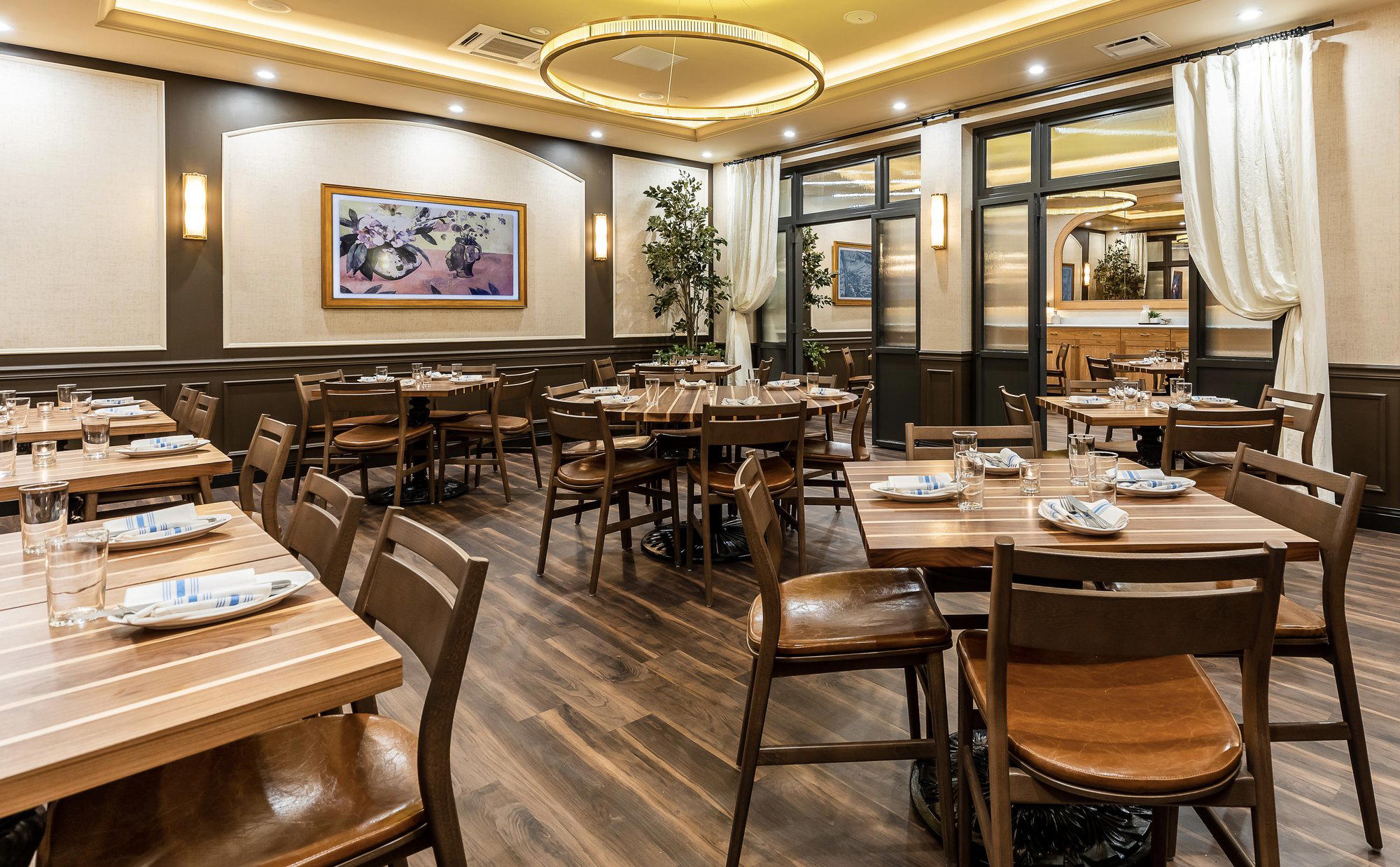
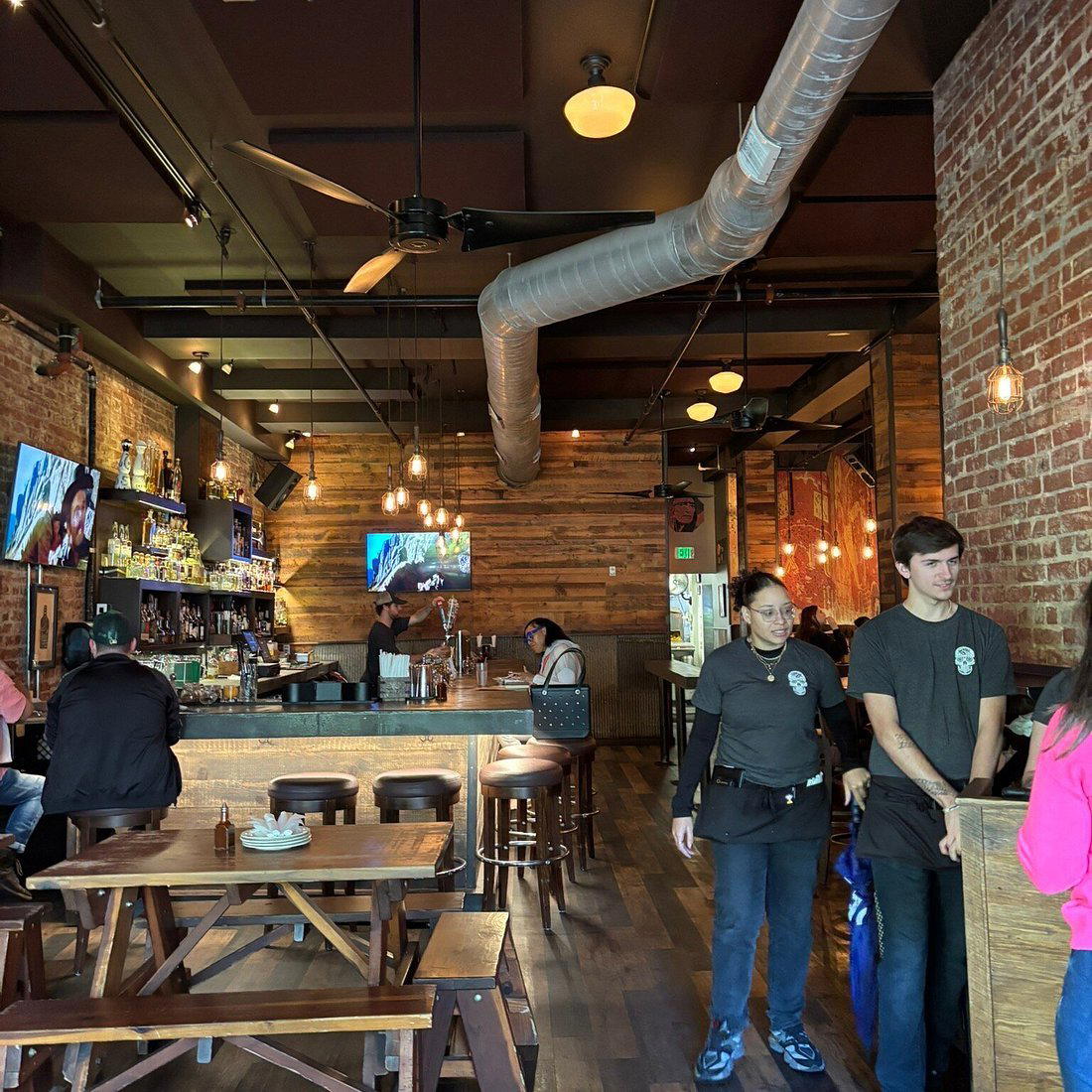
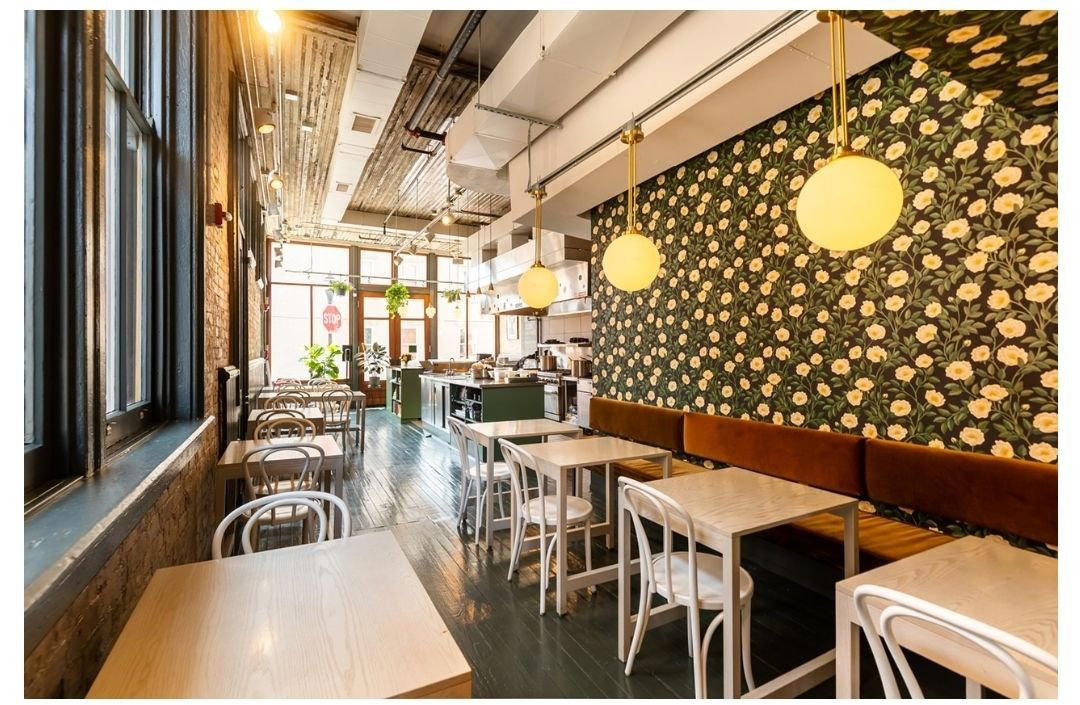
Bars in Cincinnati
Browse all →

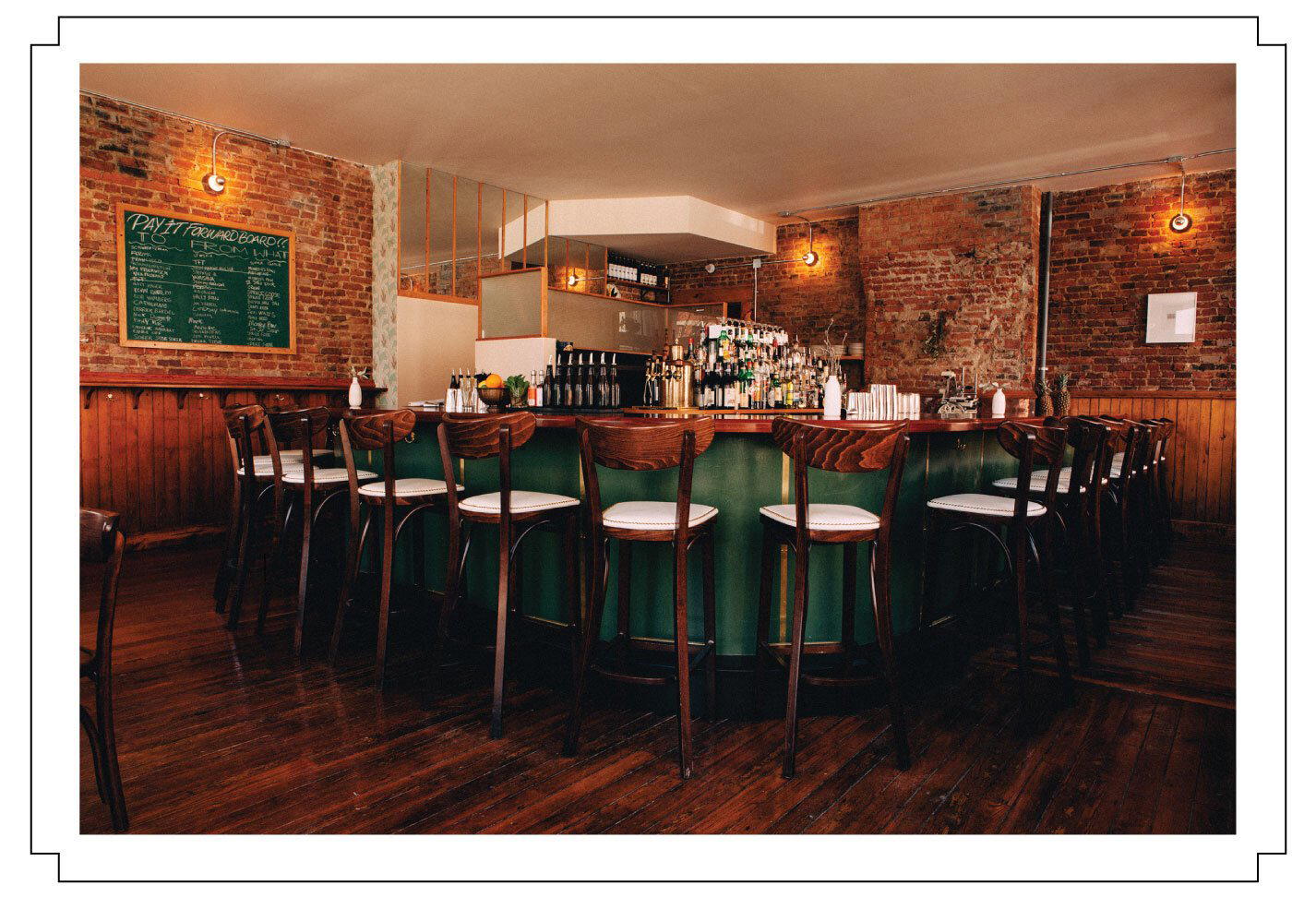





Details
- Cozy
- Intimate
- Modern
- Date Night
- Casual Hangout
- Open Kitchen
- Natural Wine
- Local Sourcing
- Sustainable Seafood
- Small Plates
- A La Carte
- Natural Wine
- Vegetarian Friendly