
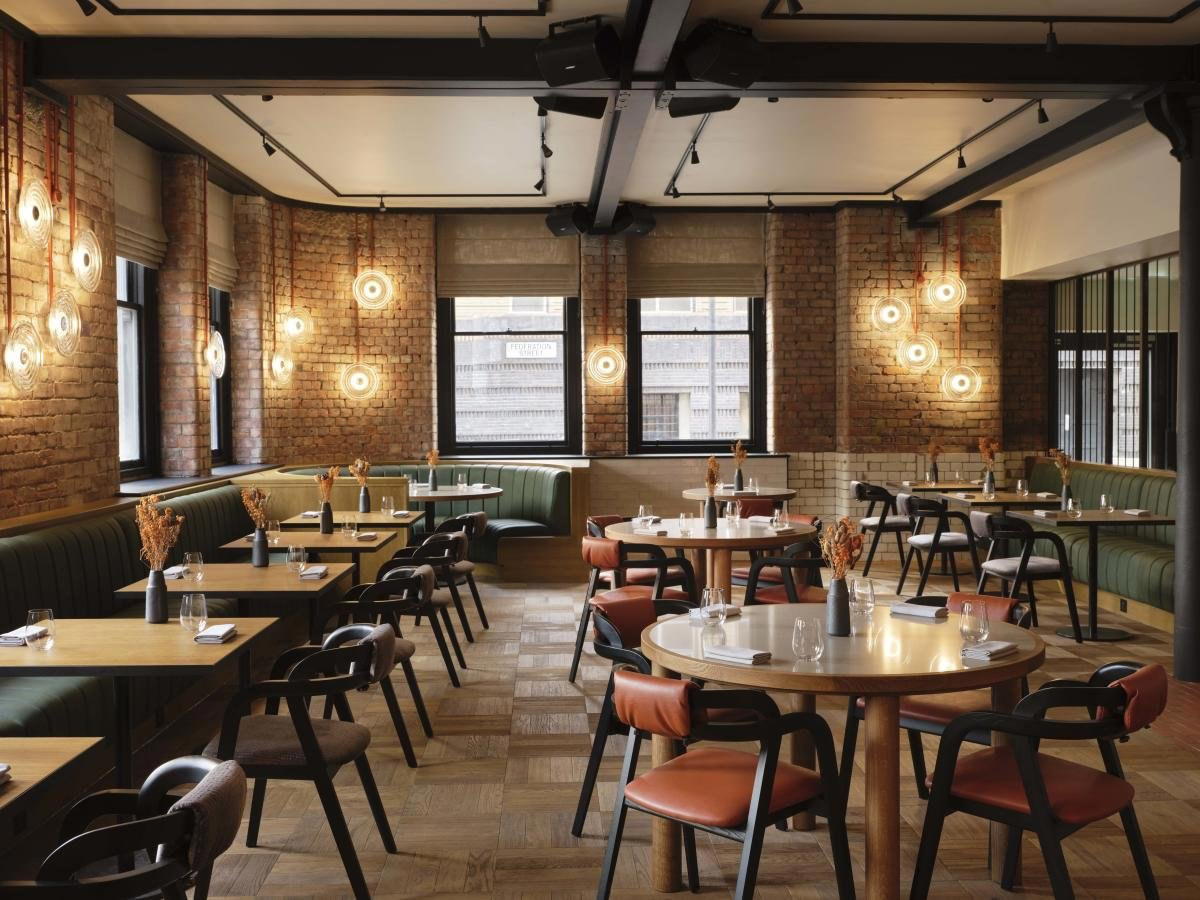
Part of the Treehouse Hotel on Blackfriars Street, Pip sits at the quieter, more grounded end of Manchester's hotel dining scene. Chef Mary-Ellen McTague builds menus around regional produce, with Lancashire hot pot among the dishes that keep regulars coming back. The room, repurposed materials, wooden furnishings, flashes of colour, matches the kitchen's sensibility: considered, unstuffy, and rooted in the North West.
Pearl is the En Primeur Club membership app — saves, bookings, and concierge access live there. Same editors, same standards.
- Address
- Blackfriars St, Manchester M3 2EQ, United Kingdom
- Phone
- +44 161 553 0055
- Website
- treehousehotels.com
- Directions
- Get directions
 Saves & bookings on Pearl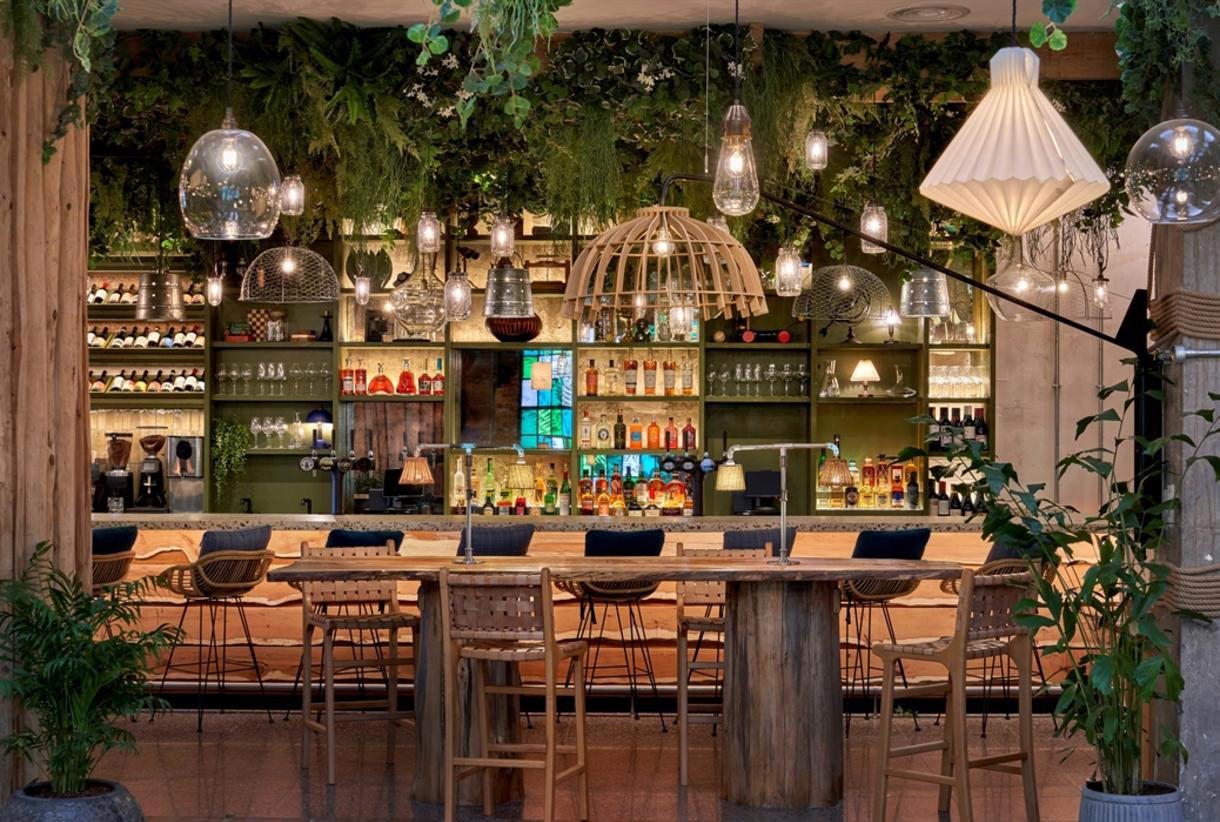
Where the Room Sets the Tone
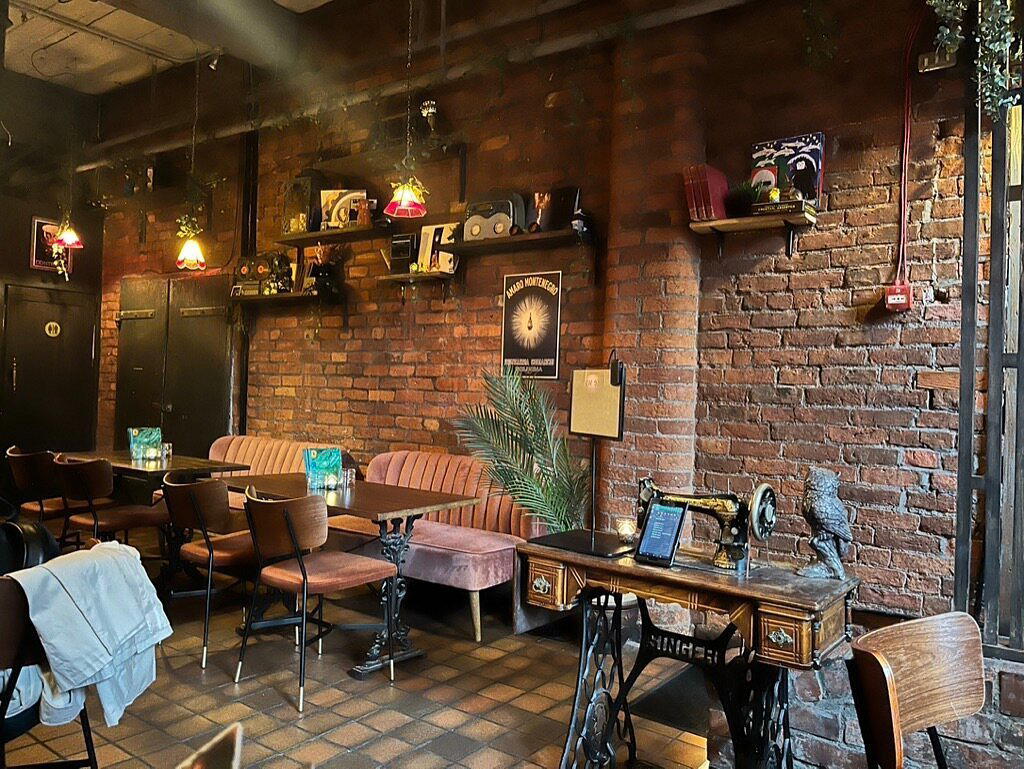
Manchester's hotel restaurant scene divides fairly cleanly between two modes: the grand-gesture dining room that functions as a destination in its own right, and the quieter, neighbourhood-pitched space that earns its repeat custom through consistency rather than spectacle. Pip, on Blackfriars Street within the Treehouse Hotel, belongs firmly to the second category. Reclaimed and repurposed materials sit alongside vintage pieces; wooden furnishings ground the space while deliberate pops of colour prevent it from reading as merely rustic. The effect is deliberate without feeling designed-for-Instagram, a distinction that matters more than it once did in a city where the hospitality sector has grown sharply competitive.
That physical character signals something about the kitchen's priorities. Hotels that invest in this kind of material authenticity tend to attract, and retain, a clientele that values coherence over novelty. At Pip, the room and the food speak the same language, which is part of what makes it a natural home for regulars rather than one-time visitors passing through.
The North West on the Plate
The broader direction of Manchester's restaurant scene over the past decade has tracked a familiar arc: international influence, tasting-menu ambition, and increasingly technical cooking at the higher end, represented by places like mana and Skof, alongside the modern European register that Adam Reid at the French has made its own. Pip occupies a different position in that map, one where regional produce and the cooking traditions of the North West are the reference point rather than the departure.
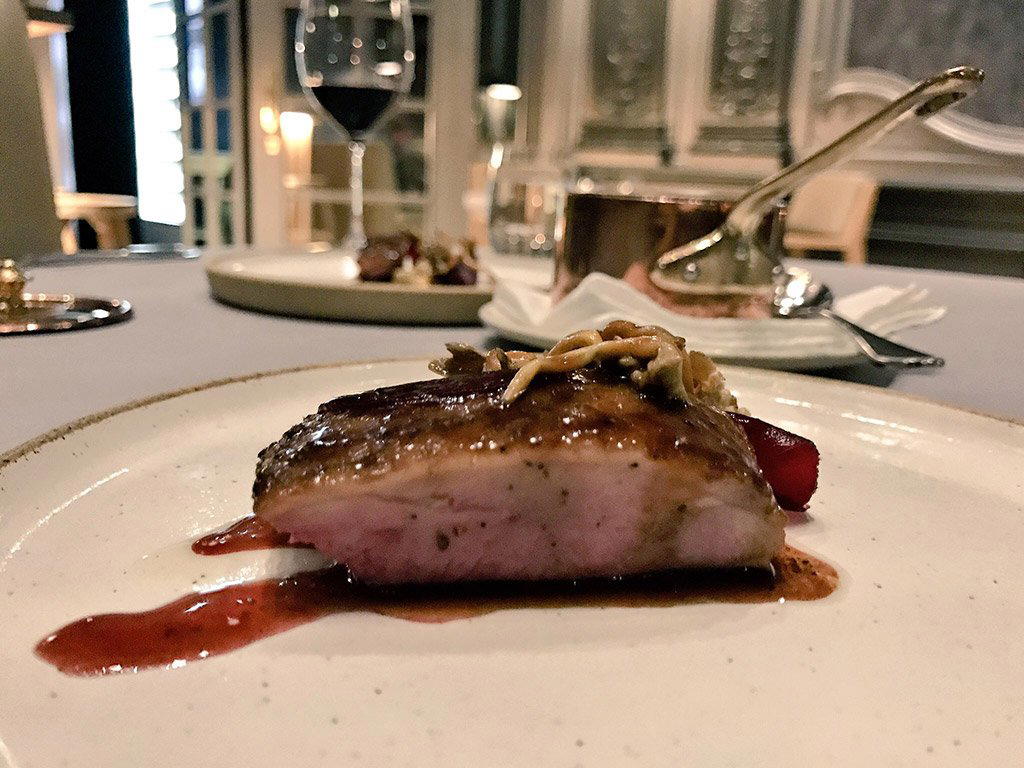
Mary-Ellen McTague, who heads the kitchen, has been a vocal advocate for Lancashire and Cheshire ingredients at a time when that kind of regional commitment has moved from niche positioning to something closer to a mainstream value across British dining. The menu's Lancashire hot pot is the clearest expression of that stance: a dish with deep county roots, here given a treatment that regulars describe as rich and layered without losing the dish's essential directness. It is the kind of cooking that rewards familiarity, the second time you order it, you notice more than the first.
That sensibility places Pip in an interesting relationship with the wider British restaurant conversation. The tradition of elevating regional dishes through careful sourcing and kitchen discipline runs through properties like L'Enclume in Cartmel and Moor Hall in Aughton at the formal end, and through more relaxed formats like Hand and Flowers in Marlow, where the pub format carries serious culinary intent. Pip shares the underlying principle, local produce, regional identity, no apology for comfort, while operating at an accessibility point that the Michelin-starred tier cannot easily match.
What Keeps People Coming Back
Regulars at hotel restaurants in British cities often develop their loyalty for reasons that have as much to do with service culture as with the food itself. At Pip, the service team's evident investment in what they do is frequently noted by those who return. That quality, genuine engagement rather than scripted hospitality, is harder to manufacture than a polished menu, and it tends to be the detail that turns occasional visitors into habitual ones.
The restaurant also sits in a specific position within Manchester's broader dining culture. For those who find the intensity of the tasting-menu circuit at venues like Another Hand or Bell more demanding than the occasion calls for, Pip offers a version of serious, produce-led cooking in a register that allows for conversation and ease. That is not a secondary quality, it is a specific and valuable one, and it explains why the restaurant functions well for both hotel guests and locals who have no particular reason to be in the Blackfriars Street area except for the meal itself.
The Treehouse Hotel context matters here too. The group's approach, design-led, material-conscious, locally rooted, creates a consistent frame around the restaurant that reinforces rather than competes with the kitchen's direction. For a full picture of what Manchester's hotel scene looks like across different price points and formats, the EP Club Manchester hotels guide maps the current options in detail.
Placing Pip in the Manchester Dining Map
Manchester's restaurant offer has broadened considerably, and the city now supports a range of serious cooking at multiple price points. The higher end of the market, where mana operates with Creative British ambition at the ££££ tier, sets one kind of benchmark. Pip doesn't compete at that level and doesn't try to. Instead it holds a position that is more difficult to sustain: a hotel restaurant with a clear regional identity, a menu that earns return visits, and a room that functions as well on a Wednesday evening as it does on a weekend.
For context on what a comparable commitment to quality looks like at one formal end of UK dining, it is worth noting the benchmark set by properties like The Fat Duck in Bray or The Ledbury in London. Pip operates at a different register and price point entirely, but the underlying principle, that a restaurant should be coherent from room to plate to service, is shared. At the international level, the discipline of a place like Le Bernardin in New York City or Atomix reminds us what total focus on a culinary identity can achieve. Closer to home, Gidleigh Park in Chagford demonstrates how a hotel dining room can develop a long-term culinary personality. Pip is making a version of that argument in Manchester, in its own idiom.
Planning Your Visit
Pip is located at Blackfriars Street, Manchester M3 2EQ, within the Treehouse Hotel. The restaurant is accessible on foot from Manchester city centre, and the Blackfriars Street address places it at a manageable distance from both the Northern Quarter and Spinningfields.
The Essentials
Comparable venues nearby, for context on price, style, and recognition.
| Venue | Cuisine | Price | Notes |
|---|---|---|---|
| PipThis venue — the venue you are viewing | Deansgate, Modern British | $$$ | Not listed |
| Red Lion East Chisenbury | Not listed | $$$ | East Chisenbury, Modern British Gastropub |
| Adam Reid at the French | Deansgate, Modern British Fine Dining | $$$$ | Not listed |
| Pollen Bakery | Not listed | $$ | Ancoats & Beswick, Modern Sourdough Bakery & Viennoiserie |
| 20 Stories | Deansgate, Modern British | $$$$ | Not listed |
Recognition history
Dated appearances from independent guides and award organizations, with the underlying list record or original source where available.
Michelin Plate
Michelin
Continue exploring
More in Manchester
Restaurants in Manchester
Browse all →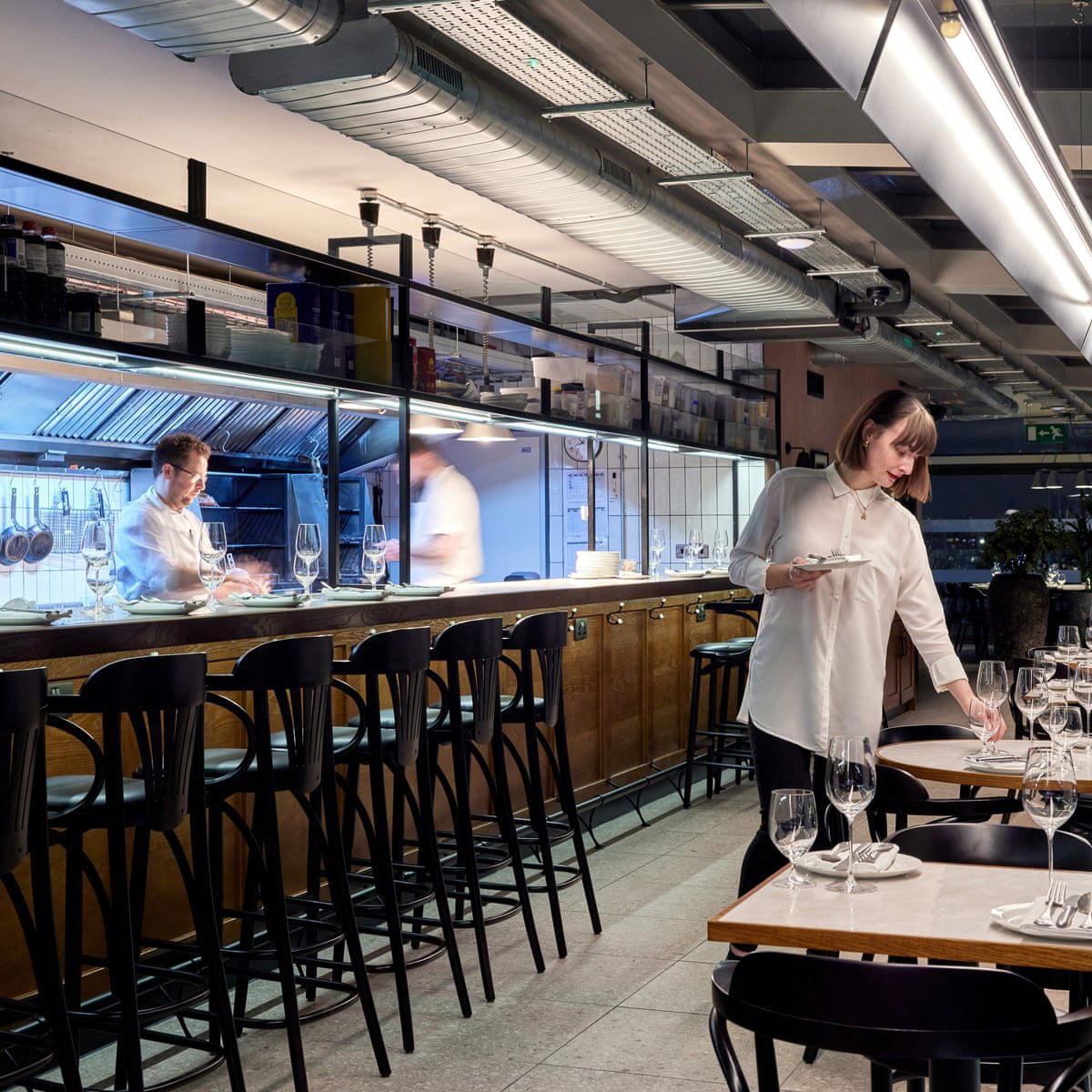
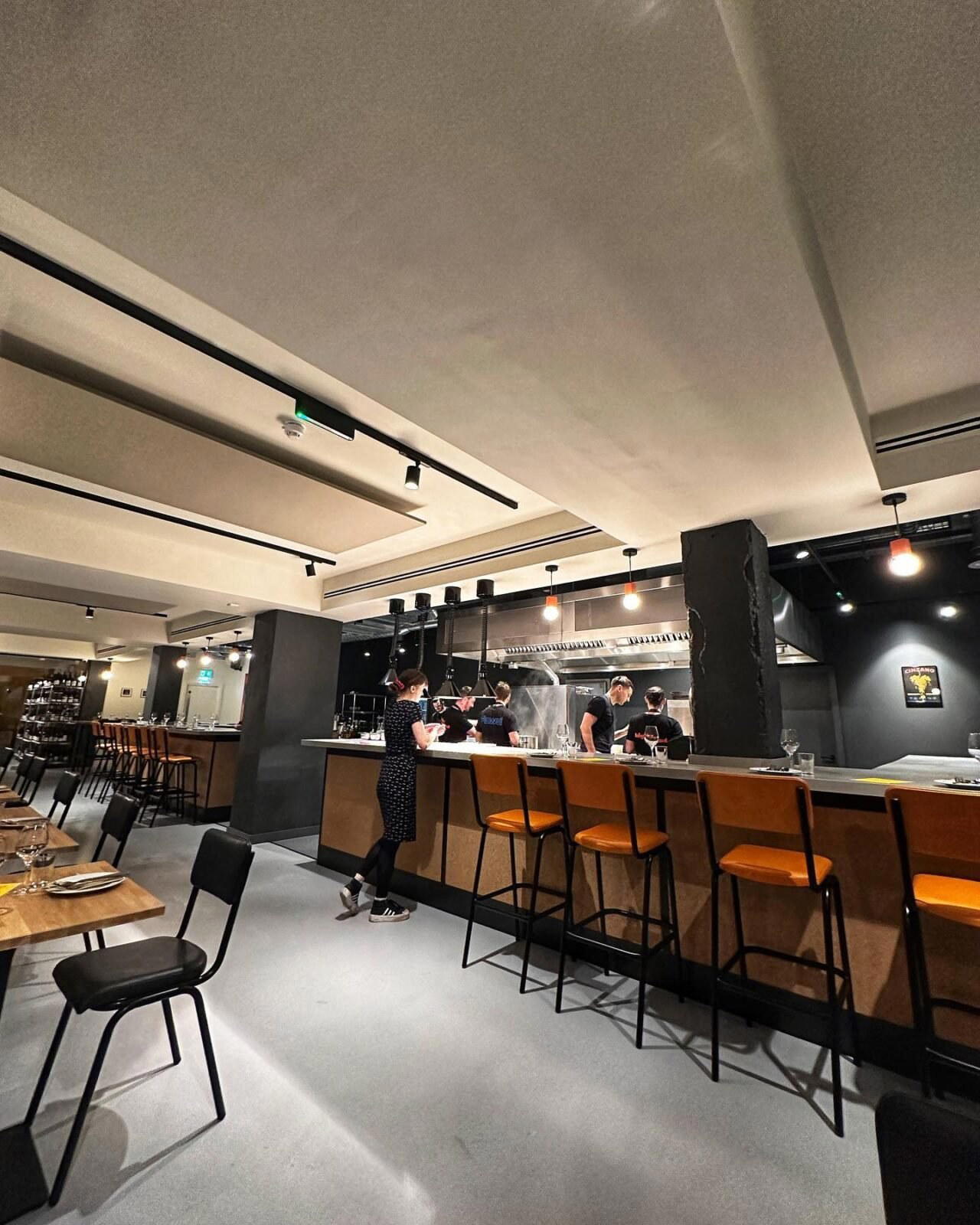
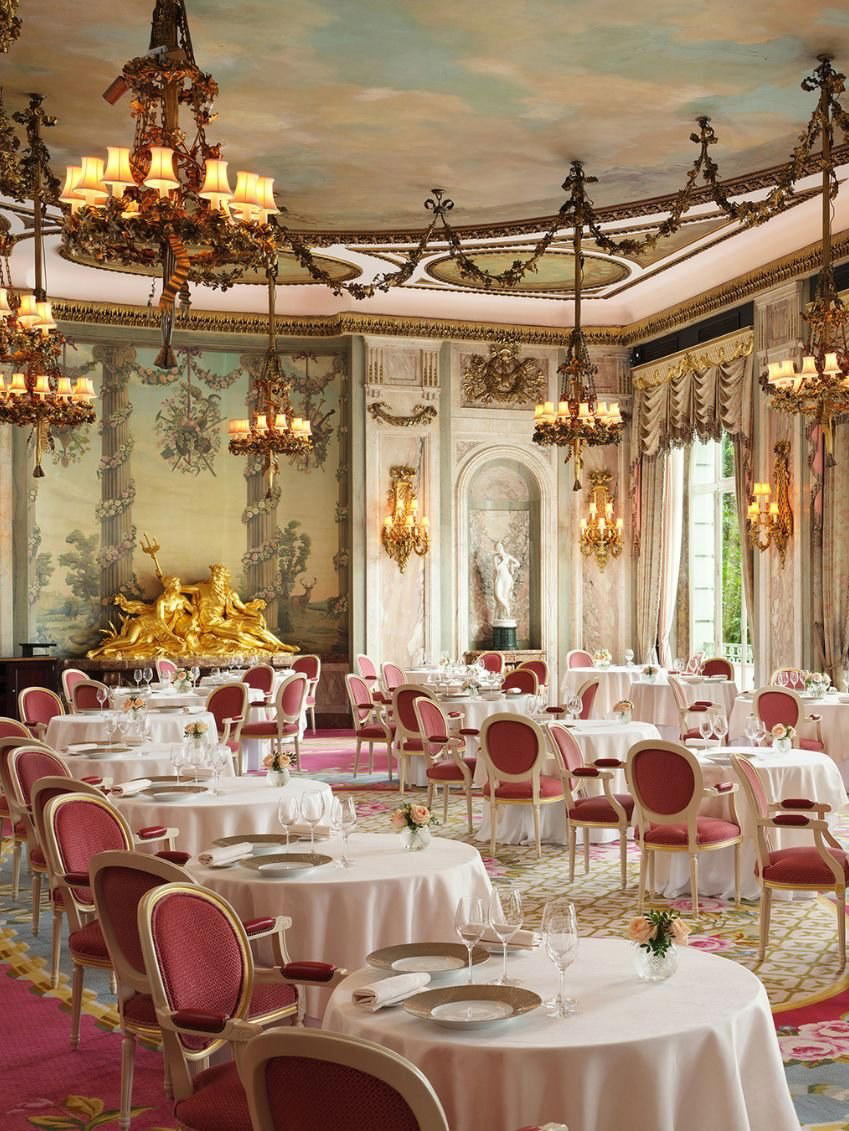
Bars in Manchester
Browse all →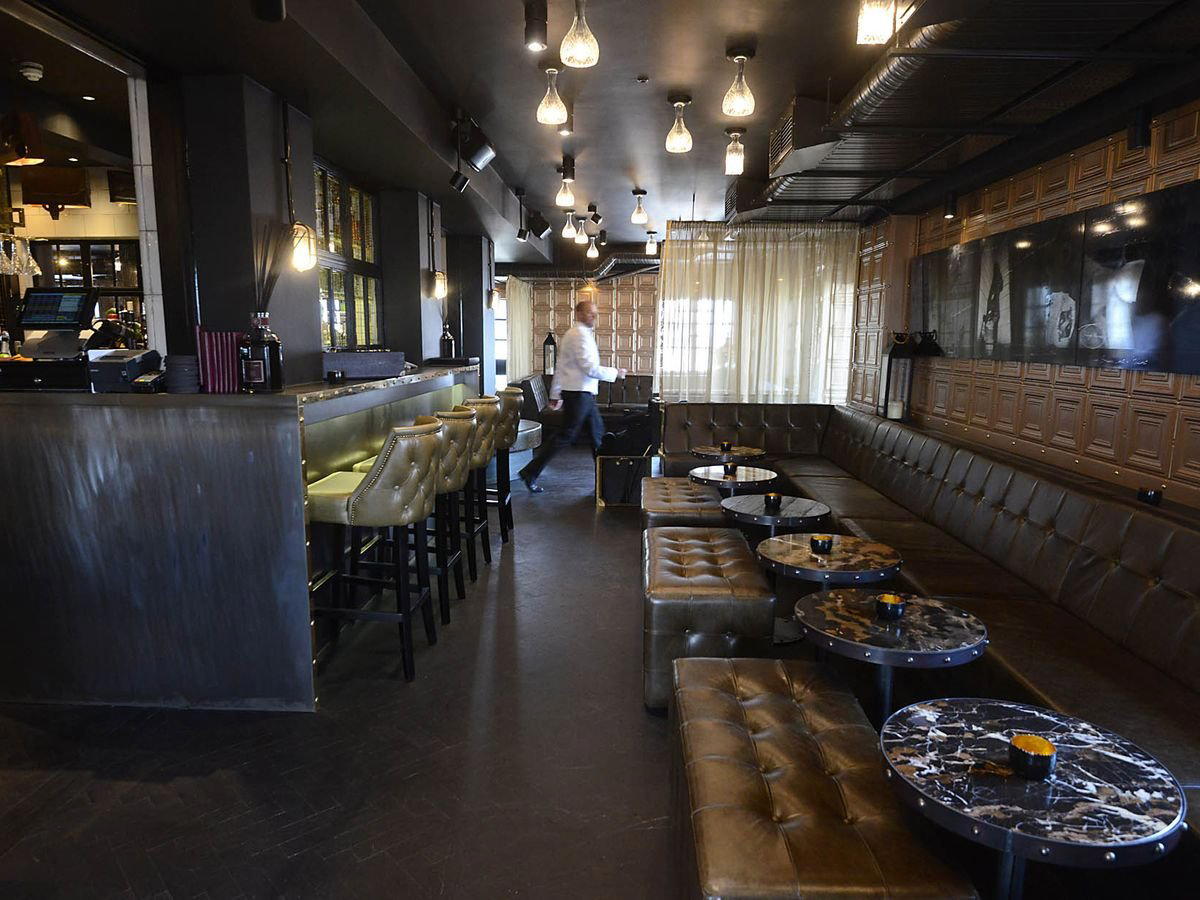
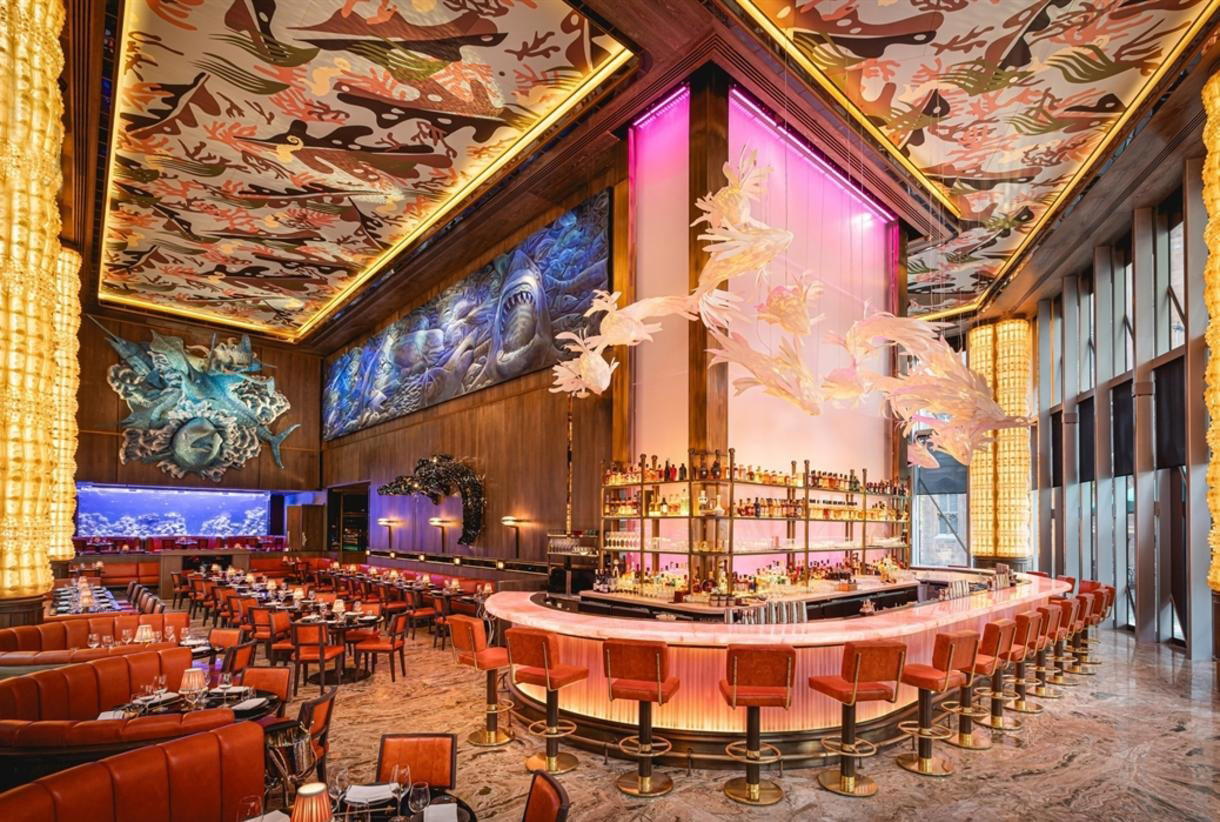
Hotels in Manchester
Browse all →
Wineries in Manchester
Browse all →

At a Glance
- Modern
- Cozy
- Trendy
- Elegant
- Date Night
- Business Dinner
- Celebration
- Hotel Restaurant
- Open Kitchen
- Craft Cocktails
- Local Sourcing
Current opening hours
- Monday
- 6:30–10:30 AM, 12–9:15 PM
- Tuesday
- 6:30–10:30 AM, 12–9:15 PM
- Wednesday
- 6:30–10:30 AM, 12–9:15 PM
- Thursday
- 6:30–10:30 AM, 12–9:45 PM
- Friday
- 6:30–10:30 AM, 12–9:45 PM
- Saturday
- 7–11 AM, 12–9:45 PM
- Sunday
- 7–11 AM, 1–8 PM
Hours can change for holidays and private events. Last verified .
Dramatic eco-chic interiors with wood, ropes, greenery, fun decor, lighting, and a busy yet calming atmosphere.