Our verdict
Pilguse Residency sits in the rural parish of Jõgela on Saaremaa island, placing it within Estonia's broader conversation about land-rooted hospitality in places far removed from Tallinn's dining circuit. The residency format positions it closer to the slow-travel tier than to conventional restaurant dining, where the surrounding agricultural and coastal environment shapes the experience more than any single menu decision.

Pearl is the En Primeur Club membership app, where members save venues, book tables and use the concierge.
The menu
What to order
- Smoked trout
- Cured fish
- Pilguse-style tapas
- Smoked aubergine with yogurt
- Roasted cauliflower with cashew cream
Where the Land Sets the Terms
Estonia's rural hospitality has been quietly reorganising itself around a specific premise: that the most compelling dining and lodging experiences are no longer in capital cities but on the island periphery, where the ingredient supply chain is short enough to be visible and the pace of a meal is dictated by season rather than service rotation. Saaremaa, Estonia's largest island, sits at the centre of that shift. The island's combination of agricultural land, coastal access, and near-total separation from mainland supply logistics has made it a focal point for the kind of residency-format hospitality that treats provenance as architecture rather than garnish.
Pilguse Residency, addressed to Jõgela-Pussa in the Saare maakond parish, occupies this territory literally and conceptually. Jõgela is not a dining destination in the conventional sense, there is no neighbourhood restaurant strip, no cluster of competing venues. What exists instead is landscape managed for food production, and a hospitality format that draws its coherence from that fact. The physical approach, through Estonian rural roads that cross open farmland before reaching the western reaches of Saaremaa, establishes the terms before any meal begins.
The Saaremaa Sourcing Model
The ingredient logic of western Saaremaa is worth understanding on its own terms before applying it to any single venue. The island has long maintained food production systems that operate at a remove from mainland Estonia: juniper-smoked products, lamb from coastal heathland grazed animals, rye from varieties specific to the island's soil conditions, and fish from the straits and bays surrounding the archipelago. These are not artisanal affectations introduced by the hospitality industry, they are continuations of production methods that predate modern supply chains and have survived because the island's relative isolation made them practical rather than romantic.
What the residency model does, when applied to a location like Jõgela, is close the distance between those production systems and the plate to near zero. This is the structural difference between ingredient-sourcing at an urban restaurant that curates its suppliers and ingredient-sourcing at a rural residency where the supplier relationship may be a matter of geography rather than procurement. The Estonian term for this kind of rootedness does not translate cleanly into hospitality English, but the outcome is legible: menus shaped by what is available within a narrow radius, subject to seasonal interruption, and not replicated elsewhere.
For context on how this compares across Estonia's dining spectrum, 180° by Matthias Diether in Tallinn represents the urban Estonian Fusion tier at the top of the price range, where island and regional ingredients are curated and recontextualised within a fine-dining format. The Saaremaa residency model operates differently, proximity to source replaces curation as the primary editorial gesture.
Rural Residency Hospitality in Estonia's Current Context
Estonia's hospitality sector has, over the past decade, developed a tier of accommodation and dining that does not map cleanly onto either the urban restaurant category or the conventional rural guesthouse. The residency format, which typically combines lodging with a defined dining experience tied to the property's land or immediate surroundings, has emerged as a distinct product aimed at travellers for whom the meal and the place are inseparable. This tier sits above the village café and below the formal tasting-menu restaurant, competing instead with similar properties in Latvia, Finland's archipelago, and rural Sweden.
Saaremaa's relative inaccessibility from Tallinn, requiring either a ferry crossing from Virtsu or the northern route through Muhu, functions as a self-selecting filter for this tier of hospitality. Visitors who reach the western parishes of the island have already made a commitment that distinguishes them from day-trippers or capital-city diners. That commitment shapes what a residency can reasonably offer and how it positions its experience. Venues like Valgeranna Veinitall in Audru and Kuur in Vihtra represent other points on Estonia's rural hospitality spectrum, each anchored to a specific natural or agricultural context.
The comparison set for Pilguse Residency is not Tallinn's fine-dining corridor, venues like Kohvik in Viljandi or Kolm. Restoran in Voru operate in regional town contexts with different dynamics entirely.
What This Kind of Place Asks of Its Guests
Residency-format hospitality in rural Estonia operates on different terms than booking a restaurant table in a city. Advance planning is not merely advisable, it is structurally necessary, because capacity is finite by design and the logistics of reaching western Saaremaa require coordination that urban dining does not. The ferry connection to Muhu and the subsequent road distance to the island's western parishes mean that a visit to a property in Jõgela is a day's commitment at minimum, and for most international visitors, a multi-night stay is the practical baseline.
This is not a format suited to spontaneous decisions. It suits travellers who approach a destination the way a reader approaches a text, with preparation, patience, and an interest in what the place has to say on its own terms. For those arriving from further afield, Estonia's broader rural dining circuit rewards sequential visits: Wana Kala Kõrts in Neeme, KABE Beach in Kaberneeme, and Kalana ÄÄR in Kalana each represent distinct coastal and rural registers that compound meaningfully when visited in sequence. Our full Jogela restaurants guide maps the local context in greater detail.
For visitors using Tallinn as a base and extending into the islands, cross-referencing the urban fine-dining tier, including internationally recognised venues like Le Bernardin in New York City and Atomix in New York City, with Estonia's rural residency offer clarifies just how different the underlying proposition is. The ambition of the residency format is not comparable to a three-Michelin-star tasting counter; it is a different category of experience organised around place-specificity rather than culinary technique as a primary value.
Planning a Visit
Reaching Jõgela requires commitment to the journey. The standard route from Tallinn runs southwest to Virtsu, where the Muhu ferry crossing takes approximately 25 minutes; from Muhu, the road crosses the causeway to Saaremaa and continues toward the western parishes. The total travel time from Tallinn is roughly three hours under normal conditions, making same-day return visits from the capital viable but not relaxed. Visitors travelling from Pärnu can reduce that journey. Given the island's limited accommodation options at this level, securing a booking well ahead of a planned visit is the operating assumption, contact via the property's available channels, which should be confirmed at the time of inquiry, is the logical starting point. Estonian summers (June through August) concentrate visitor demand on the island's western and southern reaches; shoulder season visits in May or September offer quieter conditions and often more direct engagement with the property's seasonal food programme.
For reference across Estonia's wider regional dining circuit, Ilmaveere in Obinitsa, Kärme Küülik in Haapsalu, Franzia in Narva Joesuu, Kohvik Kaar in Narva, Eva Sushi in Tartu, Everest Thai/Nepalese Restaurant in Pärnu, and Burger Bros in Rakvere illustrate the range of formats operating across the country, from urban casual to regional specialist, against which the Saaremaa residency tier reads as a deliberate outlier.
Frequently asked questions
Can I bring kids to Pilguse Residency?
Pilguse Residency sits in Jõgela-Pussa, a rural corner of Saaremaa where the surroundings are agricultural and unhurried. Residency-format properties in this part of Estonia tend to operate on a small-group, advance-booking model that suits families willing to commit to the pace and the journey, rather than those expecting urban convenience. Confirm suitability and any age-specific arrangements directly when making contact ahead of your stay.
How would you describe the vibe at Pilguse Residency?
The address says it plainly: Jõgela-Pussa, Saare maakond, in the agricultural interior of Saaremaa island. Expect quiet that is structural rather than incidental, with the rhythms of the property shaped by season and land rather than hospitality convention. This is not a boutique hotel with a curated soundtrack; it is a residency format, where the setting does most of the work.
Is Pilguse Residency in Jõgela open year-round, and how far is it from Tallinn?
Seasonal operating details for Pilguse Residency are not publicly listed, so confirming availability before planning travel is necessary. From Tallinn, the standard route runs southwest to Virtsu, then by ferry to Muhu island and across the causeway into Saaremaa, with Jõgela located in the island's western reaches, a total journey that typically takes three to four hours depending on ferry schedules and road conditions.
What's the best thing to order at Pilguse Residency?
Specific menu details for Pilguse Residency are not published in advance. Western Saaremaa's ingredient logic is defined by what the island produces, which historically means juniper, foraged herbs, coastal seafood, and preserved larder staples. Any ordering strategy here is better determined on arrival, once the current season's sourcing picture is clear.
What's the address for Pilguse Residency?
Pilguse Residency is located at Jõgela-Pussa, Jõgela, 93312 Saare maakond, Estonia, Jogela.
How hard is it to get a table at Pilguse Residency?
Residency-format venues in rural Estonia do not operate on open walk-in booking. Pilguse Residency's location in Jõgela means that access is already filtered by the commitment required to reach western Saaremaa, and capacity at properties of this type is typically limited by design. Advance contact is essential rather than optional, and lead times depend on season.
What's the standout thing about Pilguse Residency?
The address itself is the argument: Jõgela-Pussa in Saare maakond places Pilguse Residency in one of Estonia's most geographically committed rural positions, requiring a ferry crossing from the mainland and deliberate travel through the island's interior. The residency format, as practised in this part of Estonia, means the property shapes the guest experience around the land's conditions rather than fitting the land around hospitality expectations.
At-a-Glance Comparison
| Venue | Cuisine | Price | Awards | Notes |
|---|---|---|---|---|
| Pilguse ResidencyThis venue (the venue you are viewing) | Farm-to-Table European | $50–100 | Not listed | Not listed |
| NOA | Modern International | $50–100 | Michelin Bib Gourmand · White Guide Baltic Restaurants - Very Fine Level | Modern European, Modern Cuisine |
| 180° by Matthias Diether | Modern Creative Fine Dining | $300–500 | 2 Michelin Stars · La Liste Top Restaurants | Estonian Fusion |
| NOA Chef’s Hall | Modern European Fine Dining | $150–200 | 1 Michelin Star · La Liste Top Restaurants | Creative |
| Alexander | Nordic Islands’ Cuisine | $150–200 | Michelin Plate · La Liste Top Restaurants | Modern Cuisine |
| Fellin | European Café-Bistro | Not listed | Michelin Bib Gourmand · White Guide Baltic Restaurants - Fine Level | Traditional Cuisine |
Continue exploring
More in Jogela
Restaurants in Jogela
All restaurants in Jogela →
Details
- Quiet
- Scenic
- Rustic
- Elegant
- Date Night
- Special Occasion
- Private Event
- Group Dining
- Hotel Restaurant
- Historic Building
- Garden
- Terrace
- Craft Cocktails
- Sommelier Led
- Farm To Table
- Local Sourcing
- Garden
- Waterfront
- Family Style
- A La Carte
- E2 Coastal Gin
- M1 Coastal Vodka
- Local Spirits
- Vegetarian Friendly
- Organic Focus
- Allergy Accommodating
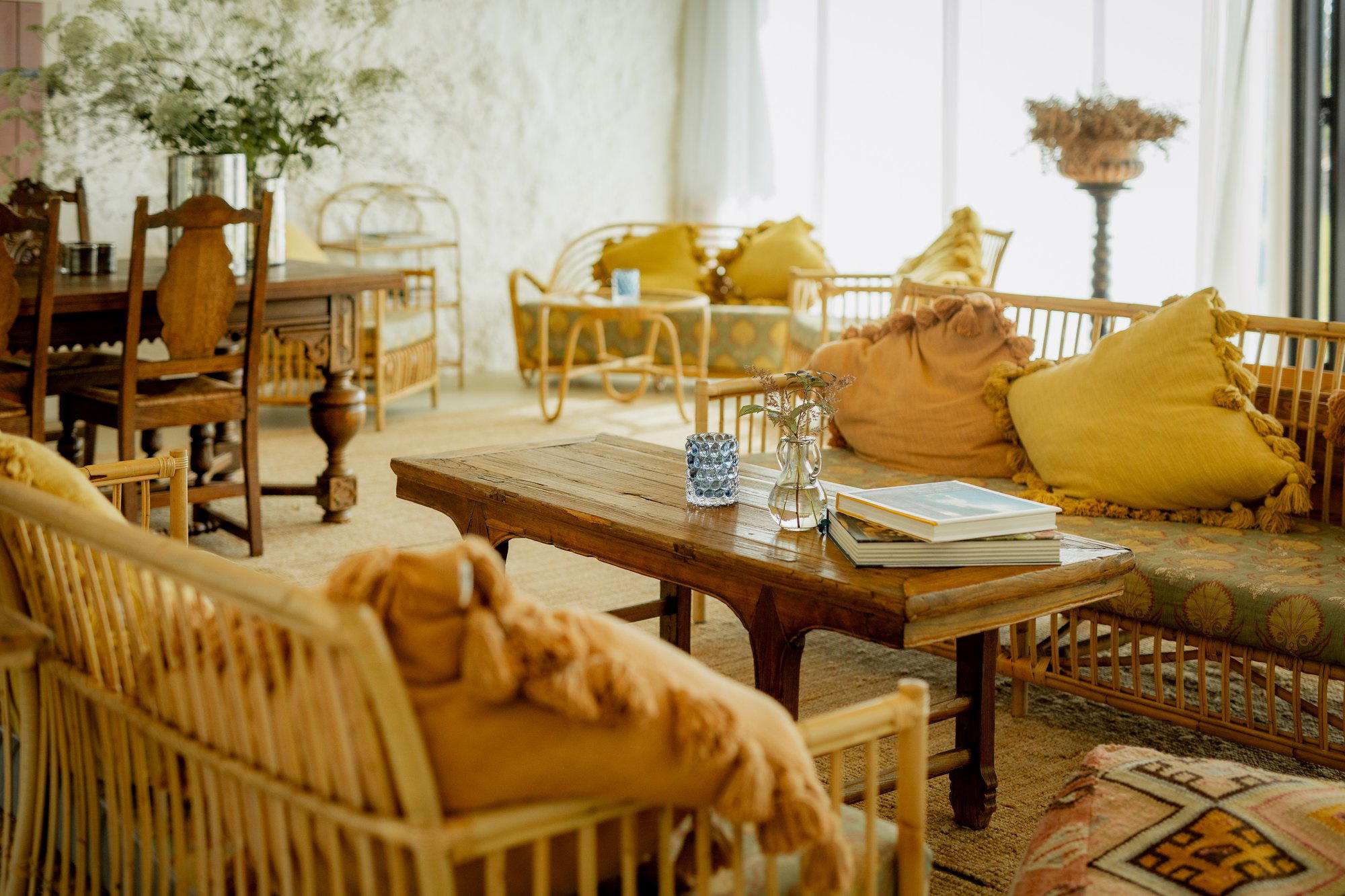
Quiet, calming and rustic-elegant, with simple design, restored historic buildings, garden and nature surroundings, and an off-grid retreat atmosphere.