



Michelin Plate · Star Wine List · We're Smart World 2 Radishes
Our verdict
Pierre Sang Signature, at 55 Rue Oberkampf in the 11th arrondissement, brings French-Korean cooking into the Oberkampf dining scene through a format built around playful technique and waste-conscious preparation.

Pearl is the En Primeur Club membership app, where members save venues, book tables and use the concierge.
The menu
What to order
- Blind tasting menu with scallops and apple
- Wagyu beef with kimchi
- Truffle cheese course
French-Korean Cooking in the 11th: Where the Oberkampf Scene Gets Serious
When Pierre Sang Boyer opened his first address on Rue Oberkampf over a decade ago, the 11th arrondissement was already becoming the part of Paris where serious cooking happened without the Grand Apparat of the 8th. The neighbourhood had the density of working kitchens, the foot traffic of a local population that ate out regularly, and, critically, the tolerance for formats that didn't fit the white-tablecloth template. That context matters for understanding what Pierre Sang Signature is and what it is not. It is not a crossover novelty act importing Korean ingredients into a French frame for the sake of curiosity. It sits within a longer tradition of chefs whose training crosses borders and who use that crossing as a technical resource rather than a marketing position.
Paris has hosted French-Asian fusion for long enough that the category has its own internal hierarchy. At the formal end, Kei holds three Michelin stars for its Japanese-influenced French cooking in the 1st arrondissement, operating at a price point and formality level that places it in direct conversation with Alléno Paris au Pavillon Ledoyen and Le Cinq. Pierre Sang Signature operates differently: it belongs to the Oberkampf tier where the room is less ceremonial, the booking culture is more accessible, and the cooking does the credentialling. That positioning is not a compromise, it is a choice about where the chef's particular kind of cooking lands leading.
The Training Behind the Kitchen: EA-GN-01
The editorial tradition around Pierre Sang Boyer tends to begin with his biography, and there is a reason for that: his trajectory through French culinary institutions is directly legible in the cooking. Boyer trained in French kitchens before reaching the level of competition finalist on Leading Chef France, which gave him a public platform unusual for a chef at his career stage at the time. What that platform revealed, and what his restaurants have since confirmed, is a technical grounding in classical French method combined with a cultural reference set shaped by Korean culinary tradition. The result is not fusion in the blending sense but a dialogue between two precise bodies of knowledge.
That kind of dual fluency has precedent in French restaurant history. Chefs like Mauro Colagreco at Mirazur in Menton used non-French culinary heritage as a lens through which to refine rather than replace French technique. Boyer's Korean reference operates similarly: fermentation, texture contrasts, and the flavour logic of Korean seasoning enter the cooking not as decoration but as structural choices. The awards record suggests the approach has been consistent. Pierre Sang Signature has appeared in the Opinionated About Dining Leading Restaurants in Europe in 2024 (ranked 350th) and 2025 (ranked 388th), with a Recommended listing in OAD's Leading New Restaurants in Europe in 2023. OAD rankings are crowd-sourced from a specialist dining community, which makes sustained placement across three consecutive years a more meaningful signal than a single-year inclusion.
What the Cooking Looks Like
The OAD citation specifically flags two elements: playful technique and a commitment to reducing and processing waste. Both are worth taking seriously as descriptors rather than marketing language. Playfulness in this context means preparations where temperature, texture, and presentation carry expressive weight, the kind of cooking where a sizzling element at the table is a structural decision rather than tableside theatre for its own sake. The waste-reduction dimension connects Pierre Sang Signature to a broader shift in serious Paris kitchens, where sustainability has moved from side-note to menu logic. Restaurants like Arpège under Alain Passard have made this a defining characteristic of their identity; at Pierre Sang Signature, the same thinking operates at a different price tier and in a more casual room.
The French-Korean format gives the kitchen a specific range of textural and flavour moves unavailable in a purely French or purely Korean frame. Korean cuisine's depth in fermented flavours, in the use of heat as a seasoning agent, and in the contrast between cold and hot elements within a single course provides the kind of technical vocabulary that extends rather than replaces classical French sauce and preparation logic. For the diner, this translates to a menu that is readable through a French lens while repeatedly doing something unexpected at the flavour level.
Oberkampf as a Dining Address
Rue Oberkampf and its surrounding streets in the 11th form one of the more coherent dining neighbourhoods in Paris. The area sits east of the Marais and north of Bastille, close enough to both to attract their restaurant-going populations while maintaining its own residential identity. The dining density here rewards walking: a pre-dinner drink at one of the neighbourhood's wine bars, a meal, and a return on foot to a central address is a feasible evening structure. Pierre Sang Signature at number 55 is well-positioned within this geography, and the full range of what the city offers radiates outward from here: classic French fine dining at L'Ambroisie in the 4th, or the landmark regional houses further afield like Flocons de Sel in Megève, Troisgros in Ouches, or Bras in Laguiole.
For Korean-French cooking at high formality levels in another city, the comparison point is Atomix in New York, which operates a tasting-menu format at the upper end of that city's fine dining tier. Pierre Sang Signature occupies a different register: less formal, more accessible, anchored in a neighbourhood rather than a destination-dining circuit. The distinction matters for how you plan around it.
A rating held at that level across a large review base indicates consistency rather than peak-occasion performance, the kitchen is delivering reliably across both lunch and dinner services, not only for first-time visitors drawn by the reputation.
The Broader Paris Table
Pierre Sang Signature is one data point in a wider Paris dining map worth understanding before any visit. The city's restaurant scene spans from three-star grandeur at addresses like Paul Bocuse's Auberge du Pont de Collonges and Auberge de l'Ill in Illhaeusern to the neighbourhood-rooted, technically serious cooking that Pierre Sang Signature represents. Understanding where a meal fits in that spectrum is part of planning well. For everything else the city offers, hotels, bars, wine, see our full Paris restaurants guide, Paris hotels guide, Paris bars guide, Paris wineries guide, and Paris experiences guide. For a transatlantic reference on what French-trained chefs do when they reach a global dining city, Le Bernardin in New York remains the clearest benchmark.
Know Before You Go
- Address: 55 Rue Oberkampf, 75011 Paris, France
- Hours: Monday to Sunday, 12:00–2:30 pm and 7:00–11:00 pm
- Cuisine: French-Korean
- Chef: Pierre Sang Boyer
- Awards: Opinionated About Dining Leading Restaurants in Europe, Ranked 350th (2024), Ranked 388th (2025); OAD Leading New Restaurants in Europe Recommended (2023)
- Neighbourhood: Oberkampf, 11th arrondissement
- Booking: Advance reservation recommended; check the restaurant's current booking channel directly
Frequently asked questions
How do I find Pierre Sang Signature?
Pierre Sang Signature is located at 55 Rue Oberkampf, 75011 Paris, France, Paris.
What awards or recognition does Pierre Sang Signature have?
Pierre Sang Signature has received recognition including: The Korean chef Pierre Sang Boyer is well and truly settled in Paris. This is his third restaurant and themes recent one. His playful cuisine is really fun! He mixes the French and Korean culture in a perfect mix with sizzling preparations.….
What dish is Pierre Sang Signature famous for?
No fixed signature dish appears in the restaurant's public record. The OAD citations that placed it at #350 in Europe in 2024 and #388 in 2025 point instead to a cooking style: playful technique that fuses French and Korean traditions, with a documented focus on reducing and processing kitchen waste. The cuisine is defined by approach rather than any single plate.
Standing Among Peers
| Venue | Cuisine | Price | Awards | Notes |
|---|---|---|---|---|
| Pierre Sang SignatureThis venue (the venue you are viewing) | French-Korean Fusion Fine Dining | $50–100 | Michelin Plate · Star Wine List | Not listed |
| Alléno Paris au Pavillon Ledoyen | Modern French Fine Dining | $150–200 | 3 Michelin Stars · World's 50 Best #79 | Creative |
| Kei | Modern French with Japanese Influences | $300–500 | 3 Michelin Stars · World's 50 Best #93 | Contemporary French, Modern Cuisine |
| L'Ambroisie | Classic French Haute Cuisine | $300–500 | 2 Michelin Stars · World's 50 Best #23 | French, Classic Cuisine |
| Le Cinq - Four Seasons Hôtel George V | Modern French Fine Dining | $300–500 | 3 Michelin Stars · World's 50 Best #24 | French, Modern Cuisine |
| Plénitude | Modern French Sauce-Led Fine Dining | $300–500 | 3 Michelin Stars · World's 50 Best #14 | Contemporary French |
Recognition history
Dated appearances from independent guides and award organizations, with the underlying list record or original source where available.
Michelin Plate
Michelin
Star Wine List
Star Wine List
Opinionated About Dining Top Restaurants in Europe Ranked #388
Opinionated About Dining
We're Smart World 2 Radishes
We're Smart World
Full recognition history (8 entries)
Michelin Plate
Michelin
Michelin Plate
Michelin
Opinionated About Dining Top Restaurants in Europe Ranked #350
Opinionated About Dining
Opinionated About Dining Top New Restaurants in Europe Recommended
Opinionated About Dining
Continue exploring
More in Paris
Restaurants in Paris
All restaurants in Paris →
Bars in Paris
All bars in Paris →

Details
- Intimate
- Elegant
- Sophisticated
- Romantic
- Date Night
- Special Occasion
- Celebration
- Open Kitchen
- Private Dining
- Extensive Wine List
- Local Sourcing
- Tasting Menu
- Set Menu
- Wine
- Vegetarian Friendly
- Allergy Accommodating
Current opening hours
- Monday
- 12–2:30 PM, 7–11:30 PM
- Tuesday
- 12–2:30 PM, 7–11:30 PM
- Wednesday
- 12–2:30 PM, 7–11:30 PM
- Thursday
- 12–2:30 PM, 7–11:30 PM
- Friday
- 12–2:30 PM, 7–11:30 PM
- Saturday
- 12–3 PM, 7–11:30 PM
- Sunday
- 12–3 PM, 7–11:30 PM
Hours can change for holidays and private events. Hours as of .
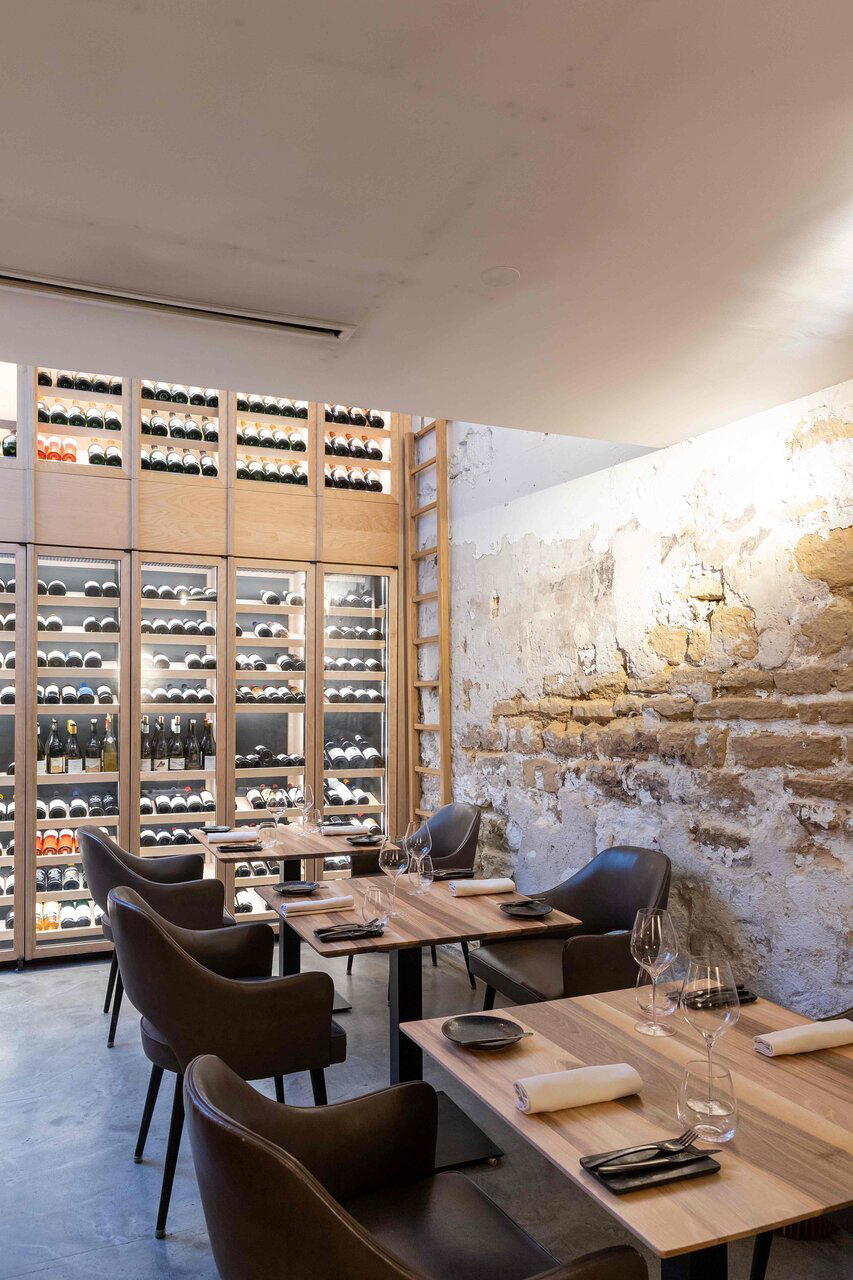
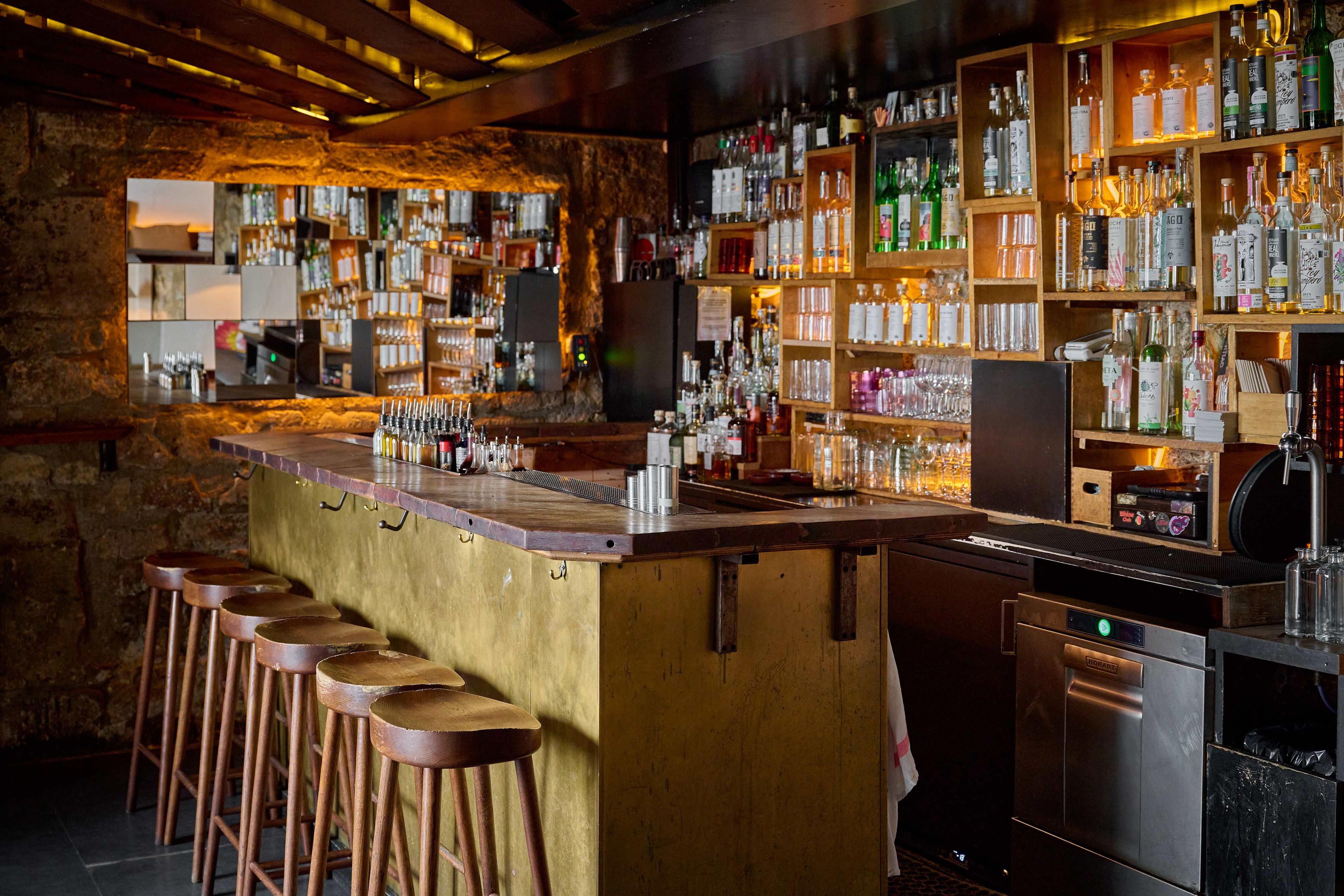
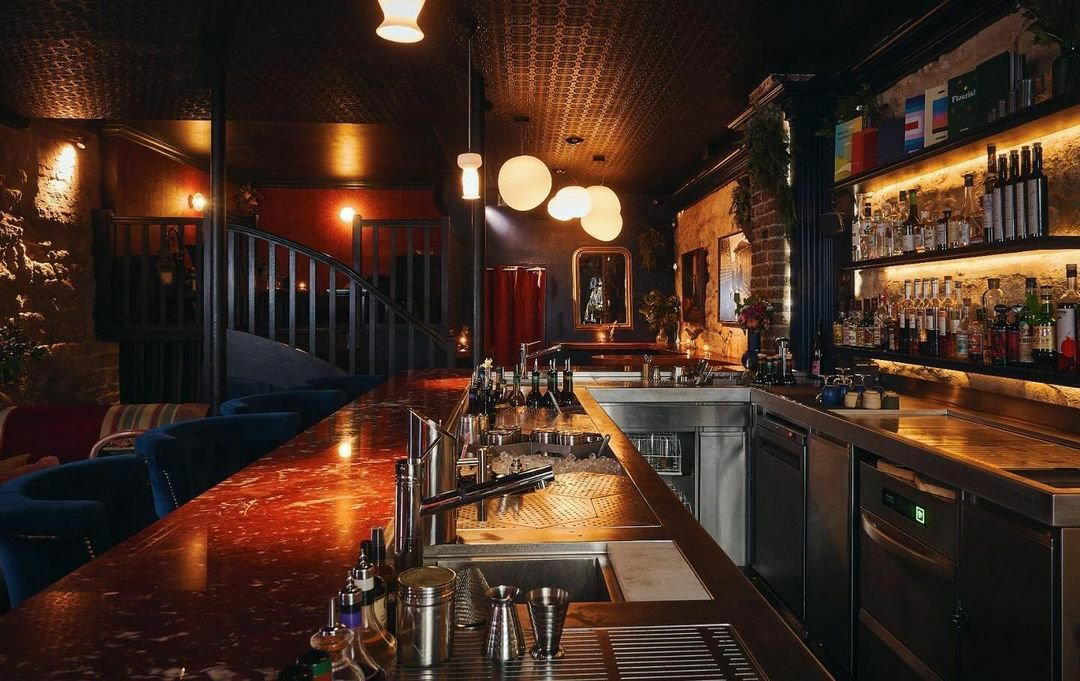
Cozy, chic, and personal with beautifully appointed interiors featuring lighted wine storage racks, copper accents, stone walls, and a skylight; intimate and quiet atmosphere conducive to conversation and culinary discovery.