Philippe Chow
Philippe Chow on Fifth Avenue occupies a specific lane in New York's Chinese dining scene: high-visibility, celebrity-adjacent, and pitched squarely at the upscale Midtown crowd. The kitchen's approach to Chinese-American classics, from Peking duck to hand-prepared noodles, draws a mix of regulars and out-of-towners willing to pay premium prices for a room that reads more power-dinner than Chinatown. It sits in a different comparable set than the city's tasting-menu circuit, and that distinction matters when deciding where it fits in your itinerary.
Pearl is the En Primeur Club membership app — saves, bookings, and concierge access live there. Same editors, same standards.
- Address
- 10 E 52nd St, New York, NY 10022
- Phone
- (212) 644-8885
- Website
- philippechow.com
- Directions
- Get directions
 Saves & bookings on Pearl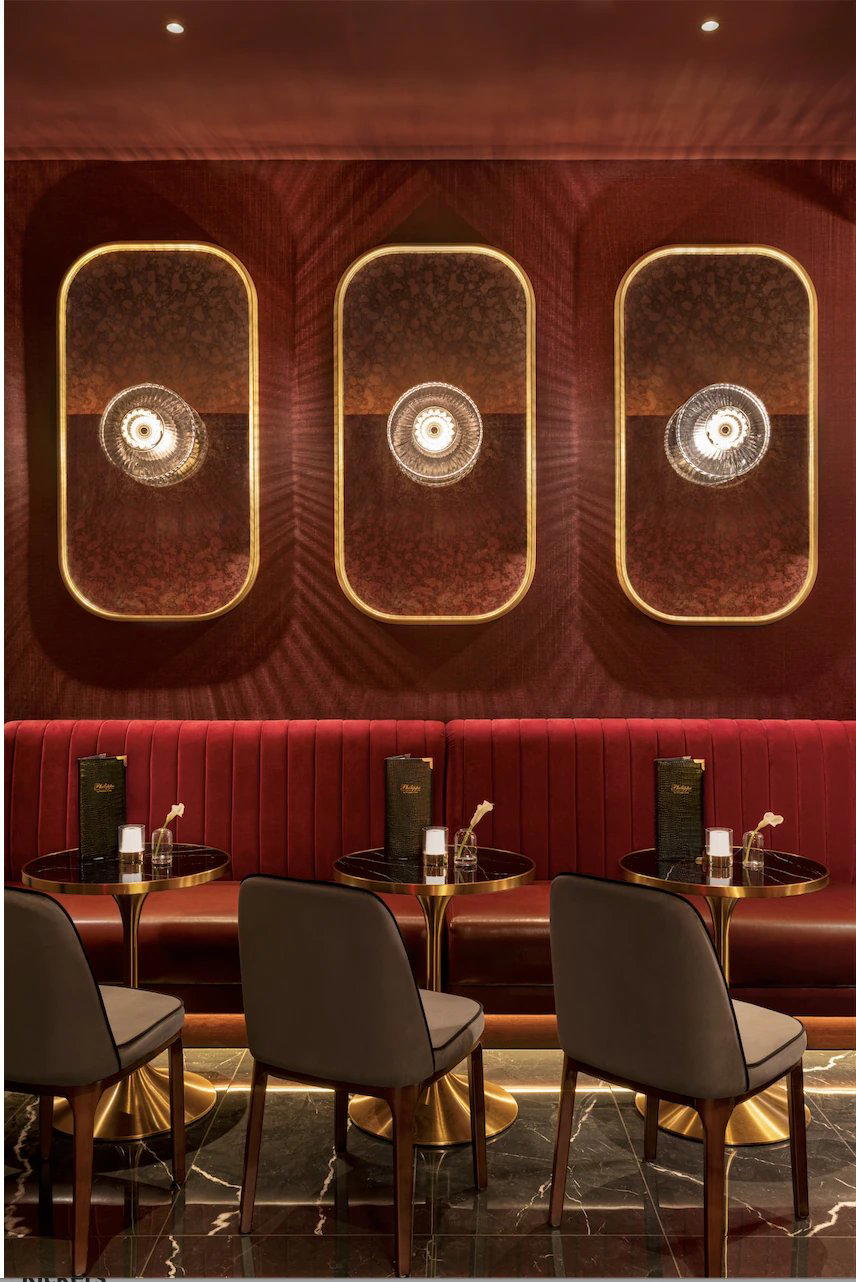
The Room Before the Food: Philippe Chow's Midtown Register
Midtown Manhattan has always housed a particular category of Chinese restaurant: not the Chinatown specialist grinding out regional authenticity for $12 a head, and not the Cantonese institution built over decades of immigrant craft. Instead, there is a smaller tier of upscale Chinese dining rooms pitched at expense accounts and post-theater crowds, where the room signals ambition as clearly as the menu does. Philippe Chow's Fifth Avenue flagship operates firmly within that tier. The address alone places it in conversation with Midtown's other high-visibility dining options, a neighborhood where Le Bernardin and Per Se set the reference point for what serious money buys at the table.
The visual grammar of the space is deliberate: dark tones, low lighting, and a layout designed to create the sense of a room where something is happening. This is not incidental. The celebrity-hotspot label attached to Philippe Chow is part of the product. In New York's dining culture, especially in Midtown, the room's social charge functions as an amenity alongside the food. That is neither a criticism nor an endorsement; it is simply the accurate description of how this category of restaurant operates, and understanding it helps calibrate expectations before booking.
Noodles, Technique, and What Chinese-American Fine Dining Actually Means Here
Philippe Chow positions Chinese noodle and kitchen technique within an upscale American context. Chinese noodle traditions are among the more technically demanding in any cuisine. Hand-pulled la mian requires pulling dough through increasingly fine folds until strands reach the correct diameter; knife-cut dao xiao mian produces thick, irregular ribbons with a chew that extruded pasta cannot replicate; cold sesame noodles, the style most recognizable in the New York Chinese-American canon, depend on emulsification ratios and sesame paste quality that vary enormously across price tiers.
At this level, the expectation is that execution on these fundamentals sits above what a standard Midtown takeout counter delivers. The restaurant's identity is built around its noodle and dumpling preparations, which are positioned as house signatures rather than secondary menu items. This places the restaurant in a broader pattern visible across American cities: the move to take Chinese technique seriously within high-spend dining rooms, a shift that venues like Atomix have demonstrated works for Korean cuisine and that the broader market is beginning to accept for Chinese cooking.
Regional noodle traditions from Shanxi's knife-cut styles to Lanzhou's beef broth hand-pulled bowls to XO-sauced Hong Kong egg noodles have rarely been given the same premium treatment in New York that Japanese ramen or Italian handmade pasta receives. The restaurant's approach, whatever its specific execution on any given night, participates in a slowly changing set of expectations about what Chinese restaurant investment should look like in a city where Masa and Eleven Madison Park define the upper ceiling of tasting-menu pricing.
Where Philippe Chow Sits in New York's Chinese Dining Hierarchy
New York's Chinese restaurant scene operates across several distinct tiers that rarely overlap in clientele or price. The Flushing, Queens corridor offers technically precise regional Chinese cooking in the United States, with Xi'an-style hand-torn noodles, Sichuan cold preparations, and Fujianese seafood at prices that make Midtown dining look expensive by comparison. Manhattan's Chinatown runs a parallel track, stronger on Cantonese dim sum and BBQ than on the northern noodle traditions. Then there is the Midtown and uptown tier, where the restaurant operates: restaurants whose pricing reflects real estate costs, a particular clientele, and a service model calibrated to the power-dinner function that Manhattan restaurants have always served alongside the food itself.
None of these tiers is inherently superior on craft. The leading hand-pulled noodle you eat in New York this year is more likely to come from a Flushing specialist than from a Fifth Avenue address. But that is not the comparison that matters when someone is choosing the restaurant. The relevant comparable set is the Midtown and uptown Chinese dining room: restaurants where the room, the service formality, and the consistent execution across a broad menu matter as much as any single dish's technical achievement. Against that comparable set, the restaurant's longevity and name recognition carry weight.
For readers already working through New York's tasting-menu circuit, the restaurant represents a different kind of evening. It is not in competition with Blue Hill at Stone Barns or with the restrained precision of spots like Smyth in Chicago. It is in competition with other upscale Chinese rooms, and within that frame, its Fifth Avenue position gives it a visibility advantage that translates directly into table demand.
The Broader Context: Celebrity Dining Rooms and What They Deliver
The celebrity-adjacent dining room is a persistent format in American restaurant culture, present in cities from New York to Los Angeles, through New Orleans, where Emeril's built its reputation partly on personality as much as plate. The format works when the food holds up independently of the social energy in the room. When it does not, the restaurant becomes primarily a scene rather than a dining destination. The restaurant's sustained presence on Fifth Avenue suggests the kitchen delivers enough consistency to keep a repeat-visit clientele alongside the first-timers drawn by the name.
The comparison points that matter for a reader placing the restaurant on a broader map of ambitious American dining include venues like Lazy Bear in San Francisco, Single Thread Farm in Healdsburg, Addison in San Diego, The French Laundry in Napa, The Inn at Little Washington, Frasca Food & Wine in Boulder, and internationally, places such as Atelier Moessmer Norbert Niederkofler in Brunico and Dal Pescatore in Runate. These are restaurants whose identity rests on ingredient sourcing, tasting-menu architecture, or regional specificity. The restaurant does not claim that territory. Its claim is a well-executed Chinese-American menu, a high-energy room on one of Manhattan's most trafficked corridors, and a brand that has maintained relevance in a market where Chinese dining is finally receiving more serious critical attention.
Planning Your Visit
The restaurant recommends reservations, and booking ahead for weekend evenings is the sensible approach. The restaurant targets an upscale price point of about $85 per person. Dress code expectations align with the room's tone: the clientele skews toward business and occasion dining rather than casual. Timing midweek gives a quieter room without sacrificing the social energy that is part of the experience.
Quick reference: Fifth Avenue flagship location, Midtown Manhattan. Upscale Chinese-American. Book ahead for weekends. Midweek evenings offer the leading balance of atmosphere and accessibility.
A Minimal comparable set
Comparable venues nearby, for context on price, style, and recognition.
| Venue | Cuisine | Price | Notes |
|---|---|---|---|
| Philippe ChowThis venue — the venue you are viewing | Midtown-Times Square, Upscale Chinese | $$$$ | Not listed |
| Philippe Downtown | Not listed | $$$$ | Chelsea-Hudson Yards, Upscale Beijing Chinese |
| Hutong | Not listed | $$$$ | Midtown East, Contemporary Northern Chinese & Dim Sum |
| Din Tai Fung | Not listed | $$$ | Midtown-Times Square, Taiwanese Soup Dumplings |
| Antidote | Williamsburg, Modern Sichuan Chinese | $$$ | Not listed |
| Peking Duck House | Not listed | $$$ | Chinatown-Two Bridges, Traditional Peking Duck House |
Continue exploring
More in New York City
Restaurants in New York City
Browse all →
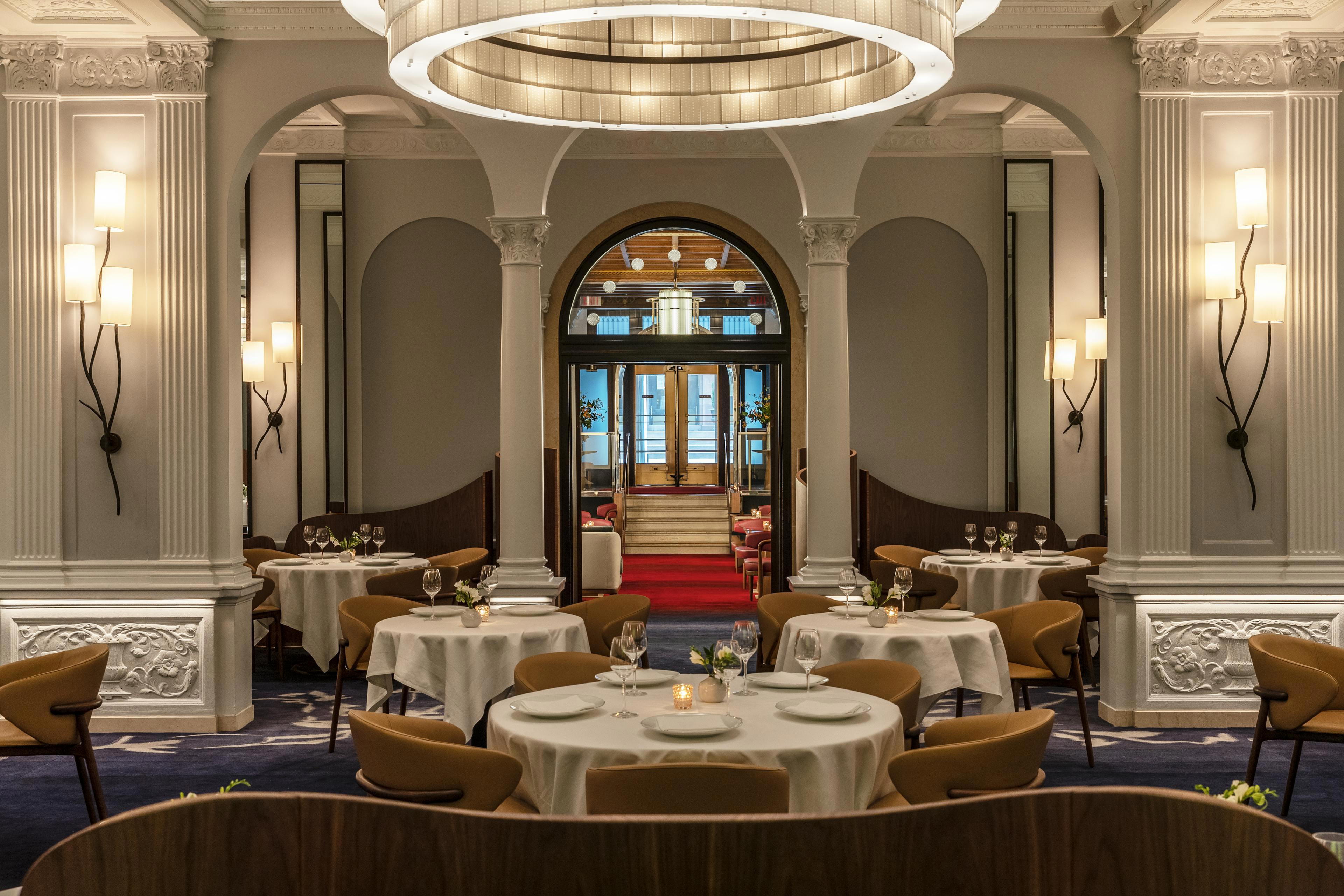
Bars in New York City
Browse all →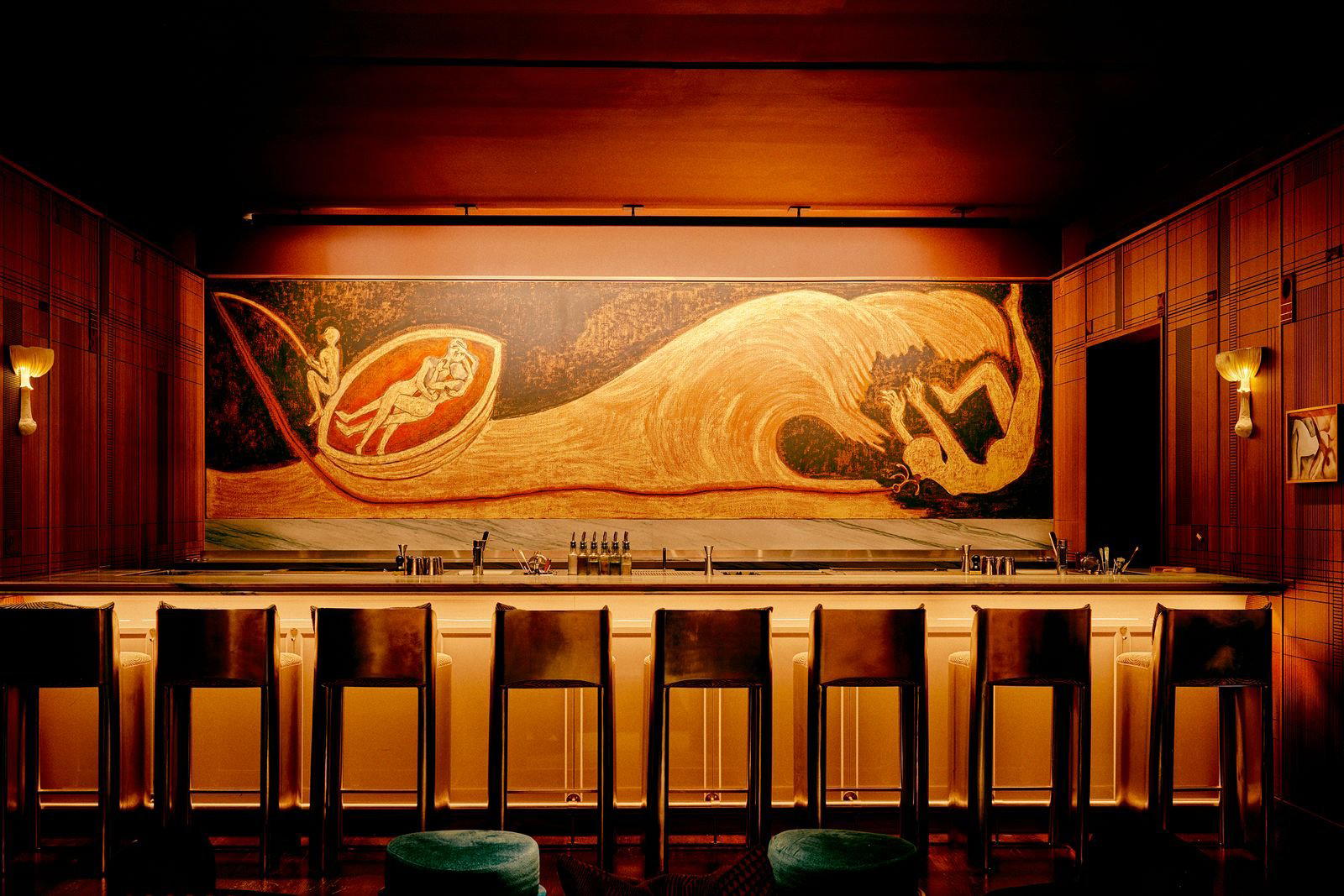
Hotels in New York City
Browse all →





At a Glance
- Elegant
- Sophisticated
- Ornate
- Business Dinner
- Special Occasion
- Celebration
- Private Dining
- Extensive Wine List
Current opening hours
- Monday
- 11:30 AM–10:30 PM
- Tuesday
- 11:30 AM–10:30 PM
- Wednesday
- 11:30 AM–10:30 PM
- Thursday
- 11:30 AM–10:30 PM
- Friday
- 11:30 AM–10:30 PM
- Saturday
- 4–10:30 PM
- Sunday
- 4–10:30 PM
Hours can change for holidays and private events. Last verified .