

Michelin Plate
Our verdict
Since 1920, Petrossian has anchored the 7th arrondissement as the reference address for caviar and smoked salmon. The Art Deco boutique and restaurant occupy a Belle Époque building near Les Invalides, where sourcing expertise and century-old curing techniques define the house style more than fashion or celebrity buzz.

Pearl is the En Primeur Club membership app, where members save venues, book tables and use the concierge.
The menu
What to order
- Caviar tasting
- Blini with caviar
- Smoked salmon with caviar
- Caviar-centric degustation menu
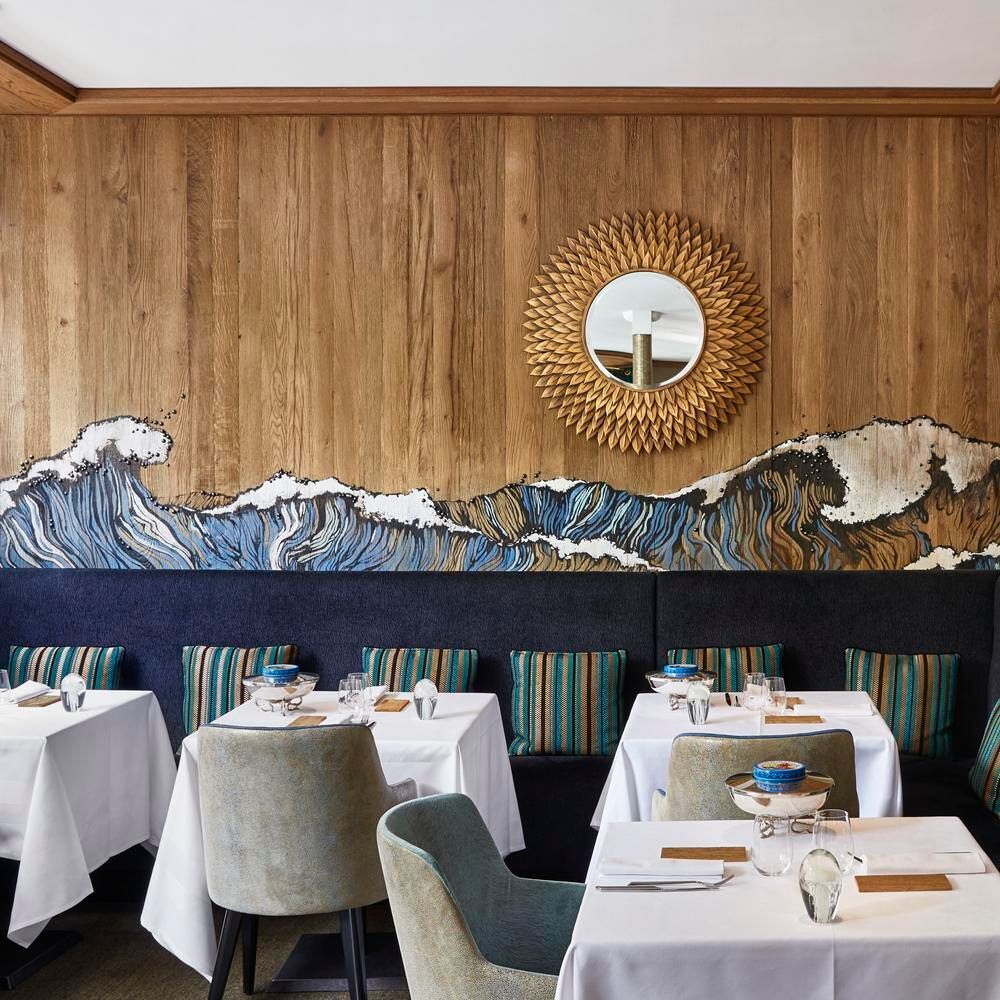
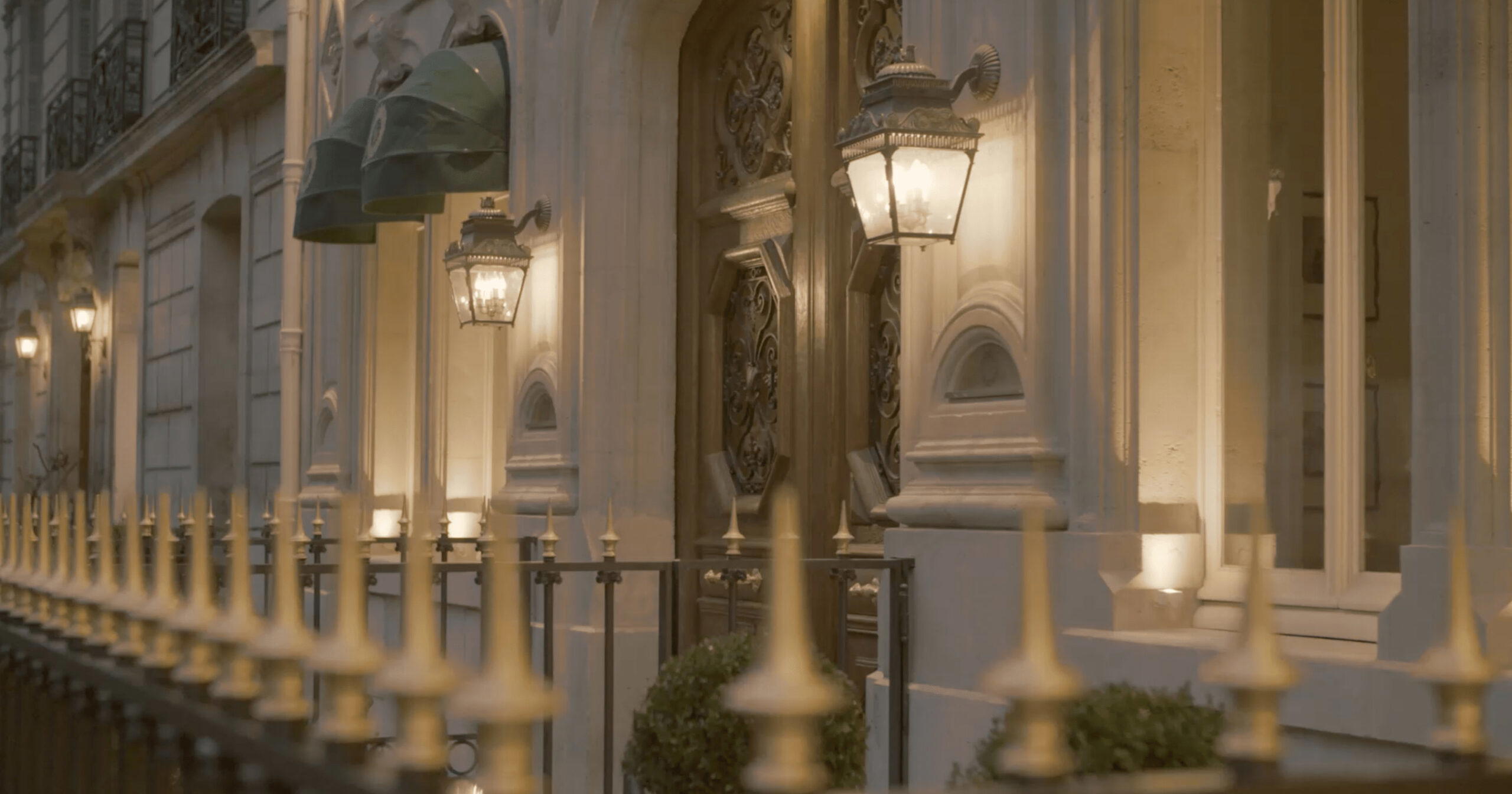
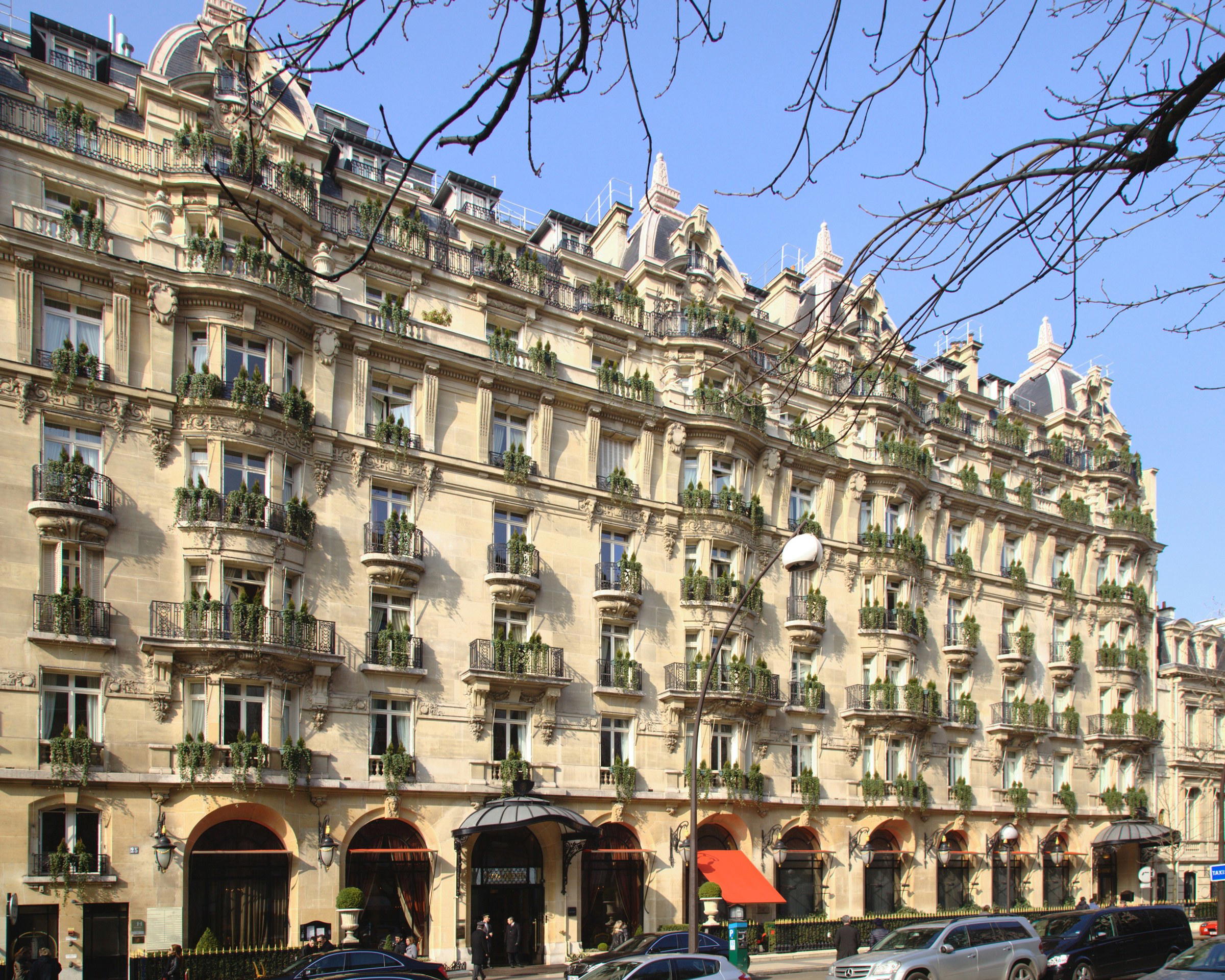
The blue-and-gold façade on boulevard de la Tour-Maubourg has stood since the Petrossian brothers opened their Paris flagship in 1920, bringing sturgeon roe from the Caspian and establishing the capital's first dedicated caviar house. The Art Deco interior, original panelling, backlit vitrines, marble counters, reflects interwar luxury without renovation gloss. You enter through the boutique, where glass cases display tins of Oscietra and Baeri alongside smoked-salmon planks, then pass into the dining room or collect direct from the counter. The location, two blocks west of Les Invalides, places it within the 7th's institutional quarter rather than the high-traffic zones around Saint-Germain or the Champs-Élysées, and the clientele skews accordingly: regulars collecting tins for private dinners, foreign delegations hosting receptions, and a smaller share of first-time visitors working through the caviar tiers.
Sourcing and Curing: The Petrossian Method
Petrossian built its name on direct relationships with fisheries, first in the Soviet Union, later with farms in France, Italy, and Uruguay, and proprietary curing protocols developed over a century. The house uses only roe from Acipenser species (Oscietra, Baeri, Sevruga where available) and applies a light-salt malossol cure that preserves bead integrity and allows the butter and hazelnut notes to emerge without brine masking. Smoked salmon follows a similar low-intervention path: wild Alaskan and Scottish fish are cold-smoked over beech for up to 48 hours, a longer cycle than mass-market competitors use, yielding translucent slices with pronounced wood and salt balance. The firm controls ageing and maturation in-house rather than outsourcing to third-party packers, a vertical-integration model that fewer European caviar houses maintain at this scale. For context, Divellec and Restaurant David Toutain source Petrossian tins for their own service, treating the brand as a benchmark supplier rather than a competitor.
The restaurant menu extends beyond roe and salmon to include blini with crème fraîche, king-crab salad, lobster bisque, and a rotating selection of cold appetisers that lean heavily on the house's fish-curing repertoire. Mains, grilled turbot, veal chop, seasonal vegetables, serve as anchors for guests who want a full meal rather than a tasting flight of caviar. Desserts follow classic French templates: tarte Tatin, île flottante, Paris-Brest. The wine list prioritises Champagne (Krug, Salon, Dom Pérignon) and white Burgundy, with a smaller selection of Bordeaux and Loire reds. Pricing reflects both ingredient cost and location: expect €80–€150 per person for a two-course meal without caviar, rising sharply if you add tins by the 30-gram or 50-gram serve.
Neighbourhood Context and Paris Peers
The 7th arrondissement hosts fewer destination dining addresses than the 8th, 1st, or 6th, but its concentration of institutional and diplomatic traffic sustains a tier of formal, ingredient-focused establishments. Tomy & Co operates nearby with a modern French lens; Cléo and Au Petit Tonneau maintain neighbourhood-bistro formats. Petrossian occupies a distinct category, part boutique, part restaurant, where the product rather than the chef drives the experience. The absence of Michelin stars or 50 Best rankings reflects that positioning: the house trades on a century-old name and ingredient authority rather than tasting-menu innovation or seasonal reinvention. Visitors seeking contemporary technique or avant-garde plating will find more momentum at 19 Saint Roch or 114 Faubourg; those prioritising provenance transparency and a single-category deep dive will appreciate the Petrossian model.
Dining room seats approximately 40, with additional seating in a private salon for groups. Service follows formal French convention, white tablecloths, uniformed staff, precise plating, but without the theatre or sommelier choreography typical of starred addresses. Reservations are advisable for weekend lunches and Friday or Saturday evenings, though midweek availability is broader than at high-demand contemporaries. The boutique operates on a walk-in basis, and many clients bypass the restaurant entirely to purchase tins, smoked fish, or prepared trays for home service. That retail stream, combined with corporate gifting and international shipping, accounts for a significant share of revenue and explains the firm's endurance through economic cycles that have closed peer operators.
For broader dining options across the capital, see our full Paris restaurants guide. Accommodation near Les Invalides and the 7th is covered in our full Paris hotels guide, while cocktail and wine-bar options appear in our full Paris bars guide. Additional Paris experiences, from market tours to private tastings, are catalogued in our full Paris experiences guide. Beyond the capital, France's regional caviar and seafood specialists include addresses such as .... Et la Fourmi in Nantes, [S] Corner in Courchevel, 1217 in Bagnols, 1387 in Strasbourg, 14 Avenue in La Baule, and 16âme in Le Monêtier-les-Bains. International parallels for caviar-focused dining appear at Jōdo Saké Bar in Los Angeles and Onigiri Time in Pasadena, though neither matches the century-long curing lineage or retail scale of the Paris flagship.
Petrossian remains relevant not through reinvention but through consistency: the same sourcing partnerships, the same curing protocols, and the same willingness to prioritise ingredient quality over trend cycles. That approach appeals to a narrower audience than fashion-forward openings attract, but it sustains a loyal base and a reputation that extends beyond Paris into international luxury retail. Whether the model holds appeal depends on whether you value heritage and provenance transparency over chef-driven creativity, a trade-off that defines much of the city's dining landscape.
Frequently asked questions
Is Petrossian suitable for children?
The 7th-arrondissement house on boulevard de la Tour-Maubourg accommodates families during daytime service, particularly in its boutique and café areas. Caviar tasting menus and higher-priced courses skew toward adult palates, but simpler smoked-fish plates and accessible à la carte options work for younger diners when paired with early seatings.
How would you describe the vibe at Petrossian?
The tone is institutional and quietly formal, shaped by decades of diplomatic and government clientele in the 7th arrondissement. Service reflects the house's standing as a multi-generational caviar specialist, efficient, knowledgeable, and focused on the product rather than contemporary theatrics. Expect wood panelling, muted conversation, and a crowd that treats caviar as a staple rather than a novelty.
What kind of recognition has Petrossian received?
Petrossian has received recognition including: Un nom mythique pour les amateurs....
What part of town is Petrossian in?
Petrossian is located at 13 boulevard de la Tour-Maubourg, Paris, Île-de-France, 75007, FRA, Paris.
Comparison Snapshot
Comparable venues by cuisine and price in the same metro.
| Venue | Cuisine | Price | Awards |
|---|---|---|---|
| Petrossian | French Caviar Gastropub | $100–150 | Michelin Plate |
| Cléo | Modern French Bistro | $50–100 | Not listed |
| Divellec | Modern French Seafood | $150–200 | 1 Michelin Star |
| Tomy & Co | Modern French Bistro | $50–100 | 1 Michelin Star |
| Au Petit Tonneau | Traditional French Bistro | $30–50 | Not listed |
| Restaurant David Toutain | Modern French Fine Dining | $200–300 | 2 Michelin Stars · La Liste Top Restaurants |
Recognition history
Dated appearances from independent guides and award organizations, with the underlying list record or original source where available.
Michelin Plate
Michelin
Opinionated About Dining Classical in Europe Highly Recommended
Opinionated About Dining
Full recognition history (3 entries)
Opinionated About Dining Newly Added European Restaurants
Opinionated About Dining
Continue exploring
More in Paris
Restaurants in Paris
All restaurants in Paris →
Bars in Paris
All bars in Paris →
Details
- Elegant
- Sophisticated
- Romantic
- Classic
- Intimate
- Well Known
- Date Night
- Business Dinner
- Special Occasion
- Celebration
- Group Dining
- Wine Cellar
- Design Destination
- Standalone
- Extensive Wine List
- Sustainable Seafood
- A La Carte
- Tasting Menu
- Wine
- Champagne
- Pescatarian Friendly
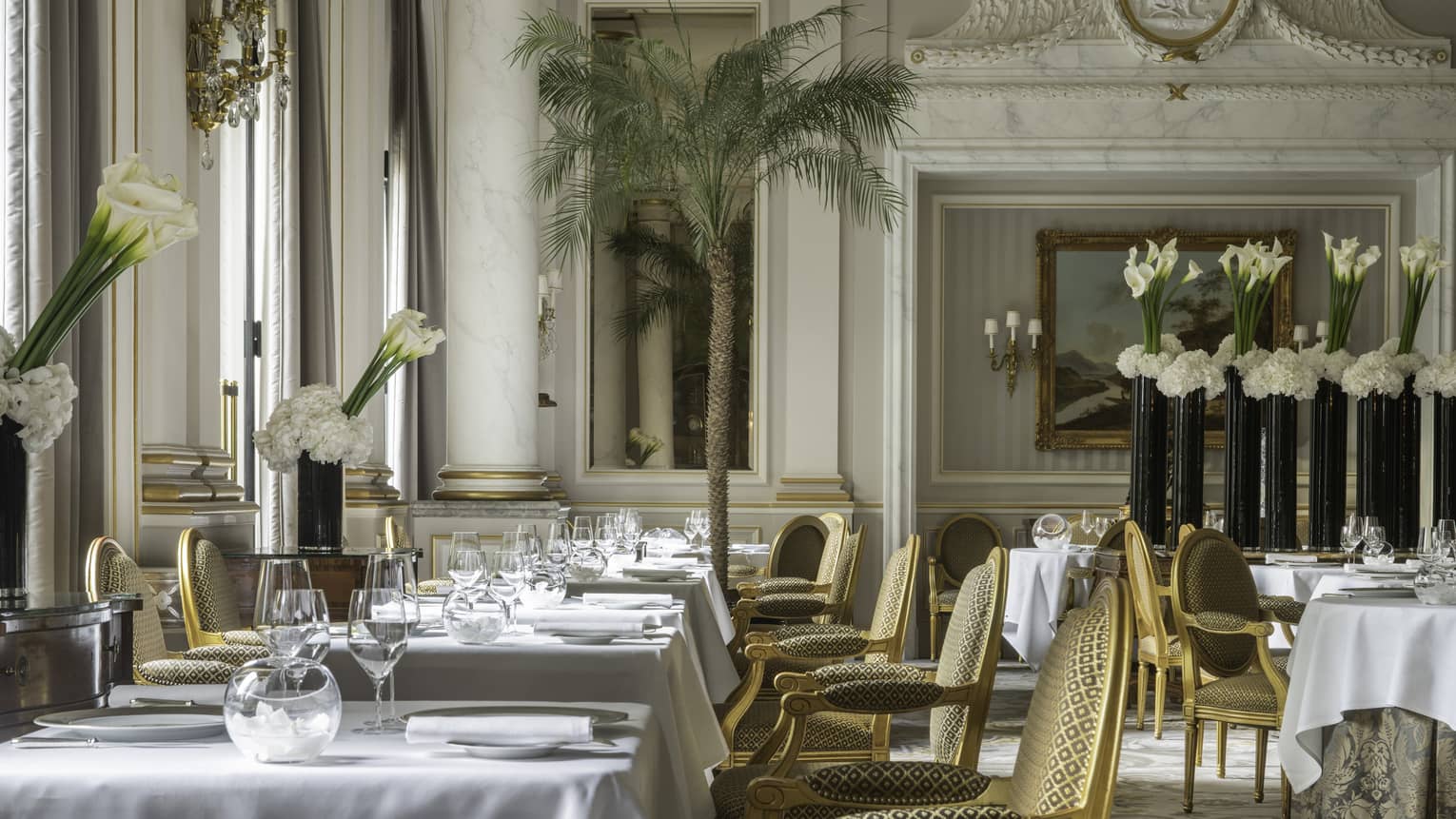
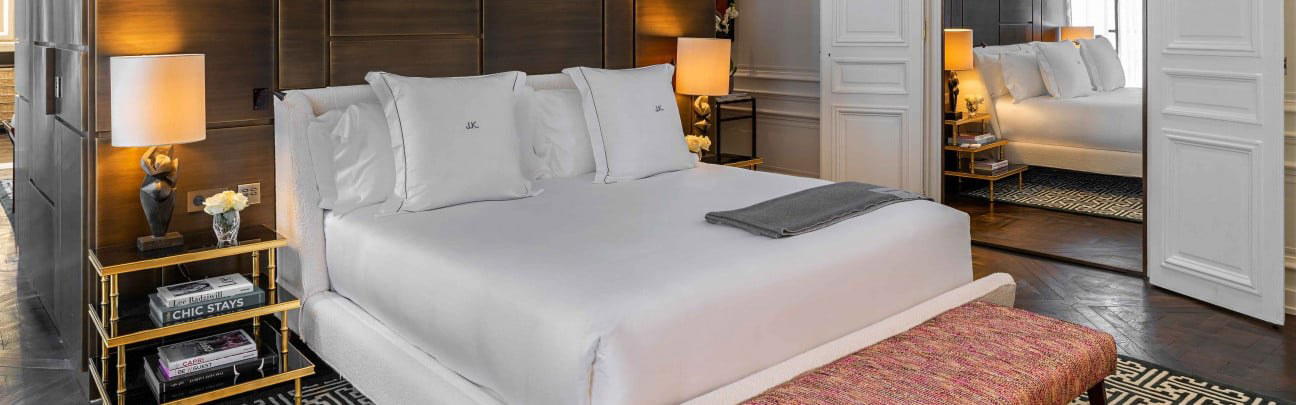
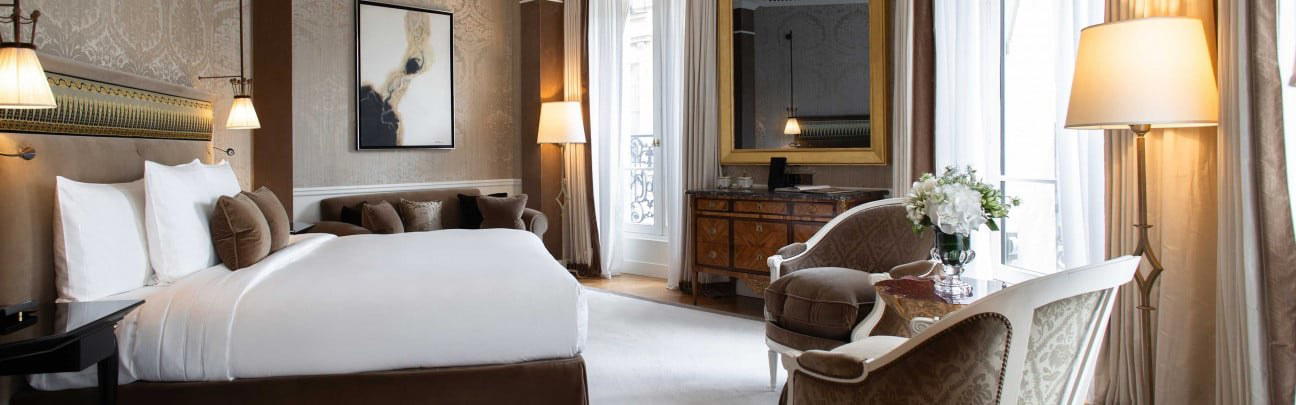
Refined and hushed with white-tablecloth formality, soft lighting and classic decor that highlight the luxury caviar house heritage while keeping the room comfortable and intimate rather than ostentatious.