Pear Tree Restaurant on East Hastings Street sits within Burnaby's evolving dining corridor, where neighbourhood restaurants increasingly compete on craft rather than category. The address places it between Vancouver's east side energy and Burnaby's own growing culinary identity, making it a reference point for the kind of serious cooking that doesn't require a downtown postal code to earn attention.
- Address
- 4120 E Hastings St, Burnaby, BC V5C 2J4, Canada
- Phone
- +1 604 299 2772
- Directions
- Get directions
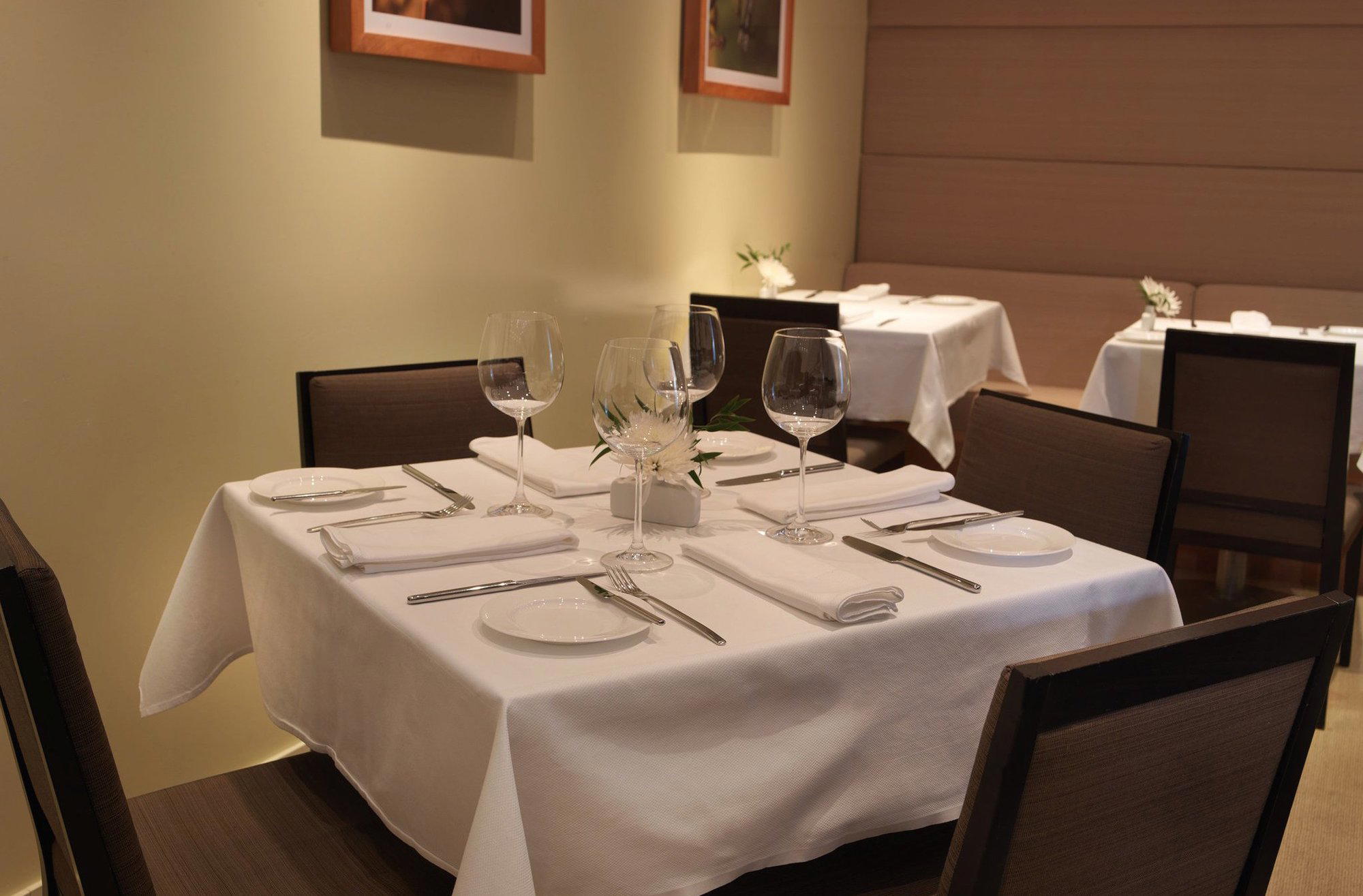
East Hastings and the Case for Suburban Ambition
There is a version of Canadian dining that exists entirely outside the downtown core, and Burnaby's East Hastings Street corridor is one of its more interesting expressions. The strip running through the V5C postal area has, over the past decade, accumulated the kind of restaurant density that once required a trip into Vancouver proper: independents with genuine culinary intention sitting alongside longstanding neighbourhood fixtures. Pear Tree Restaurant, at 4120 E Hastings St, Burnaby, occupies this terrain, and the address itself carries meaning. It is not a destination in the way that a waterfront room or a hotel dining room announces itself; it is a neighbourhood proposition, which in the current Canadian dining climate is increasingly where the more considered cooking tends to happen.
Eigensinn Farm in Singhampton and The Pine in Creemore have demonstrated that geography is no longer a ceiling for culinary ambition. In British Columbia, that same logic applies to the suburbs east of Vancouver, where the cost and space constraints that squeeze downtown operators simply do not exist in the same form.
Where Burnaby Sits in the Regional Picture
Burnaby's dining identity is harder to summarise than Vancouver's, partly because it has never carried a single defining food narrative the way that, say, Gastown or Main Street has. What it does have is a population that draws on particularly varied culinary traditions in the country, a function of immigration patterns that have made the eastern Lower Mainland one of Canada's most culturally layered food environments. The Chinese, South Asian, Korean, and Southeast Asian communities that have shaped Burnaby's food culture have pushed the standard for ingredient quality and technique specificity far above what the neighbourhood's profile might suggest to an outsider.
For a restaurant like Pear Tree, that context creates both pressure and opportunity. The pressure is that diners along this corridor have access to cooking that is exceptionally precise within its own traditions; the opportunity is that a kitchen willing to meet that standard on its own terms can find an audience that is genuinely knowledgeable and not easily impressed by surface-level gestures toward quality. Nearby, Desi Turka Indian Cuisine and Claudio's Ristorante represent the kind of category-specific depth that characterises the area's dining offer, while Atlas Steak + Fish anchors the more formal end of the local market.
The Cultural Weight of a Neighbourhood Room
Canadian cuisine, to the extent that it has a coherent identity, is built on borrowed and synthesised traditions rather than a single root. The country's most discussed restaurants, from Alo in Toronto to Tanière³ in Quebec City, tend to work with French technique as a structural spine while pulling ingredients and influences from the immediate geography. In British Columbia, that geography is particularly generous: Pacific seafood, high-elevation produce, and a foraging tradition that has fed into serious kitchens across the province. AnnaLena in Vancouver has built a well-documented reputation on exactly this kind of regionally grounded cooking, and it sits only a few kilometres west of the East Hastings corridor.
The question for any restaurant operating in this neighbourhood is how it positions itself relative to those reference points. A room that draws comparison to Vancouver's more decorated addresses, such as the technique-driven formats championed at places like Restaurant Pearl Morissette in Lincoln or the ambitious regional programming at Jérôme Ferrer - Europea in Montreal, is operating in a comparable set defined by ambition rather than postcode. Burnaby does not have the critical mass of food media attention that those cities command, which means restaurants there tend to build reputations through word-of-mouth and repeat custom rather than through review cycles.
Approaching the Room
East Hastings between Boundary Road and Gilmore Avenue is a working commercial strip: transit-accessible, parking-functional, and without the self-conscious curation of a designated dining district. The experience of arriving at a restaurant here is urban in the practical sense rather than the atmospheric one. There are no valet lines or hotel lobbies to pass through; the room announces itself on its own terms, and the quality of what happens inside has to carry the full weight of the proposition. This is, in many ways, the more demanding test for a kitchen. Restaurants in premium hotel settings or landmark buildings borrow atmosphere from their context; a standalone room on East Hastings earns its reputation entirely from the plate and the service floor.
For diners travelling from elsewhere in Metro Vancouver, the route is direct: the 135 bus connects the area to downtown Vancouver, and the location sits within reasonable distance of Production Way-University SkyTrain station. Those combining dinner with other evening programming might consider that Cineplex VIP Cinemas Brentwood is among the area's options for a longer evening out, while Birdies represents a more casual counterpoint to the sit-down dining options along the corridor.
What the Address Signals
Internationally, the pattern of serious cooking migrating away from expensive city-centre real estate is well established. In San Francisco, Lazy Bear built its reputation on a format that deliberately avoided the conventional fine-dining address. In New York, Le Bernardin occupies Midtown rather than a fashionable neighbourhood, and has never needed the postcode to make its case. The logic translates to Burnaby: a kitchen that can hold its own against stronger examples from what the region produces does not require a Coal Harbour address to do so. What it requires is consistency, a clear point of view on what it is cooking and for whom, and a room that earns repeat visits.
covers the range in detail. The corridor that Pear Tree occupies is one of the city's more active, and the competition it faces from both neighbourhood regulars and the broader Metro Vancouver dining market means that the standard it has to meet is higher than the address might initially suggest. That pressure, in the end, tends to produce the more interesting cooking.
Cost Snapshot
Comparable venues nearby, for context on price, style, and recognition.
| Venue | Cuisine | Price | Notes |
|---|---|---|---|
| Pear Tree RestaurantThis venue — the venue you are viewing | Burnaby North, Modern French Fine Dining | $$$ | Not listed |
| Hart House Restaurant | Not listed | $$$ | Deer Lake, Mediterranean-Inspired West Coast |
| Claudio's Ristorante | Not listed | $$ | SOLO District, Brentwood, Authentic Italian Trattoria |
| JOEY Burnaby | Not listed | $$ | Willingdon Heights, Global Fusion Casual Dining |
| Portobello Restaurant Burnaby | Not listed | $$$ | Willingdon Heights, Authentic Southern Italian Fine Dining |
| Cineplex VIP Cinemas Brentwood | Not listed | $$$ | Brentwood, Contemporary Canadian Cinema Dining |

At a Glance
- Elegant
- Sophisticated
- Minimalist
- Intimate
- Date Night
- Special Occasion
- Business Dinner
- Open Kitchen
- Extensive Wine List
- Local Sourcing
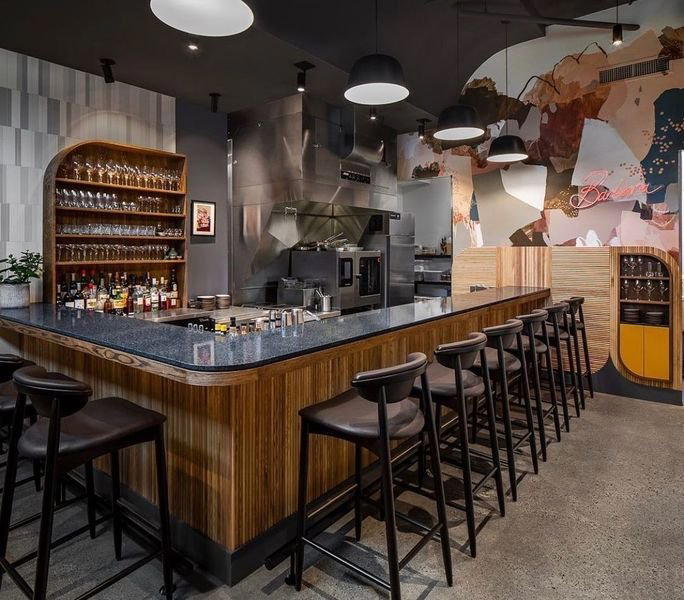
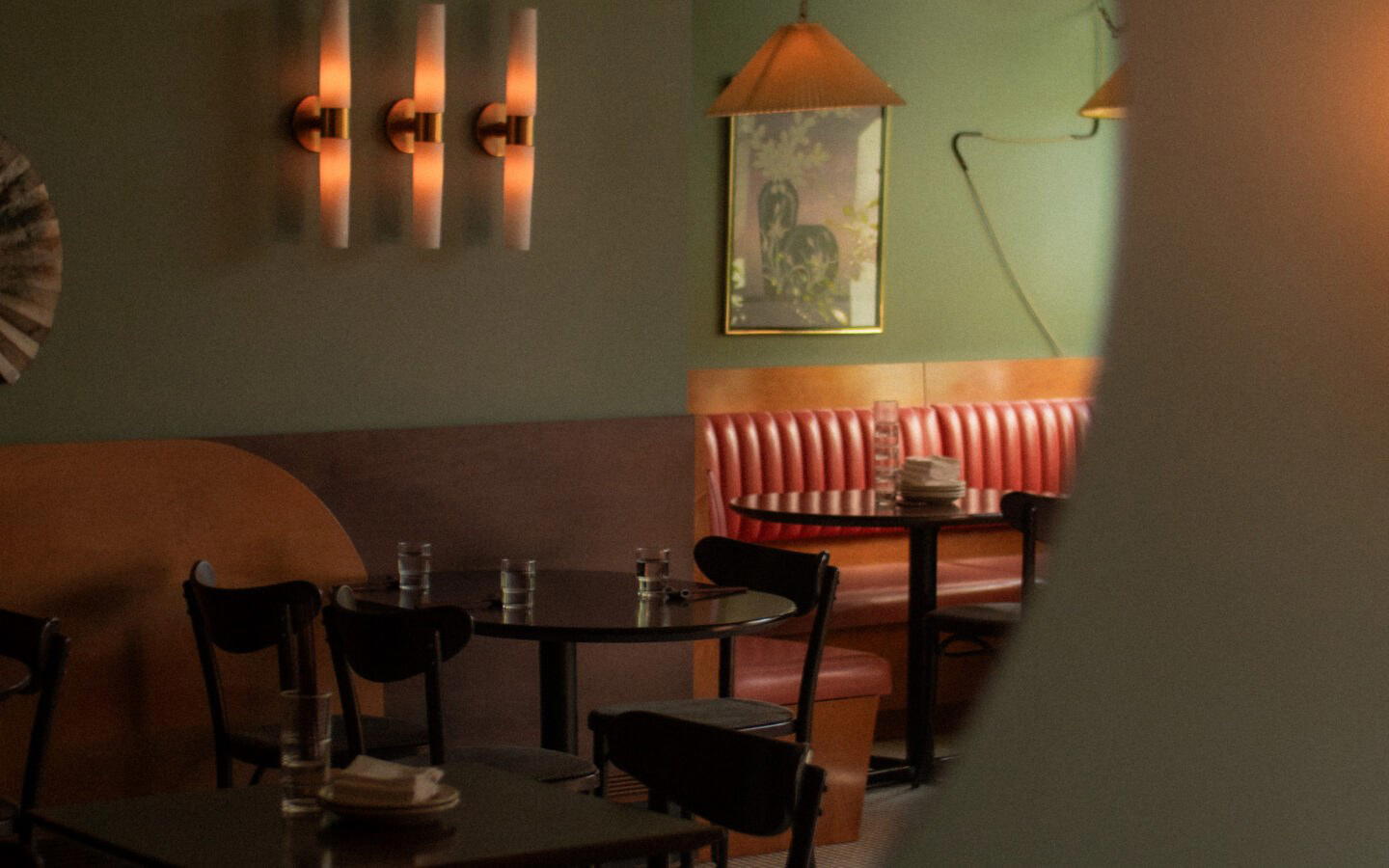
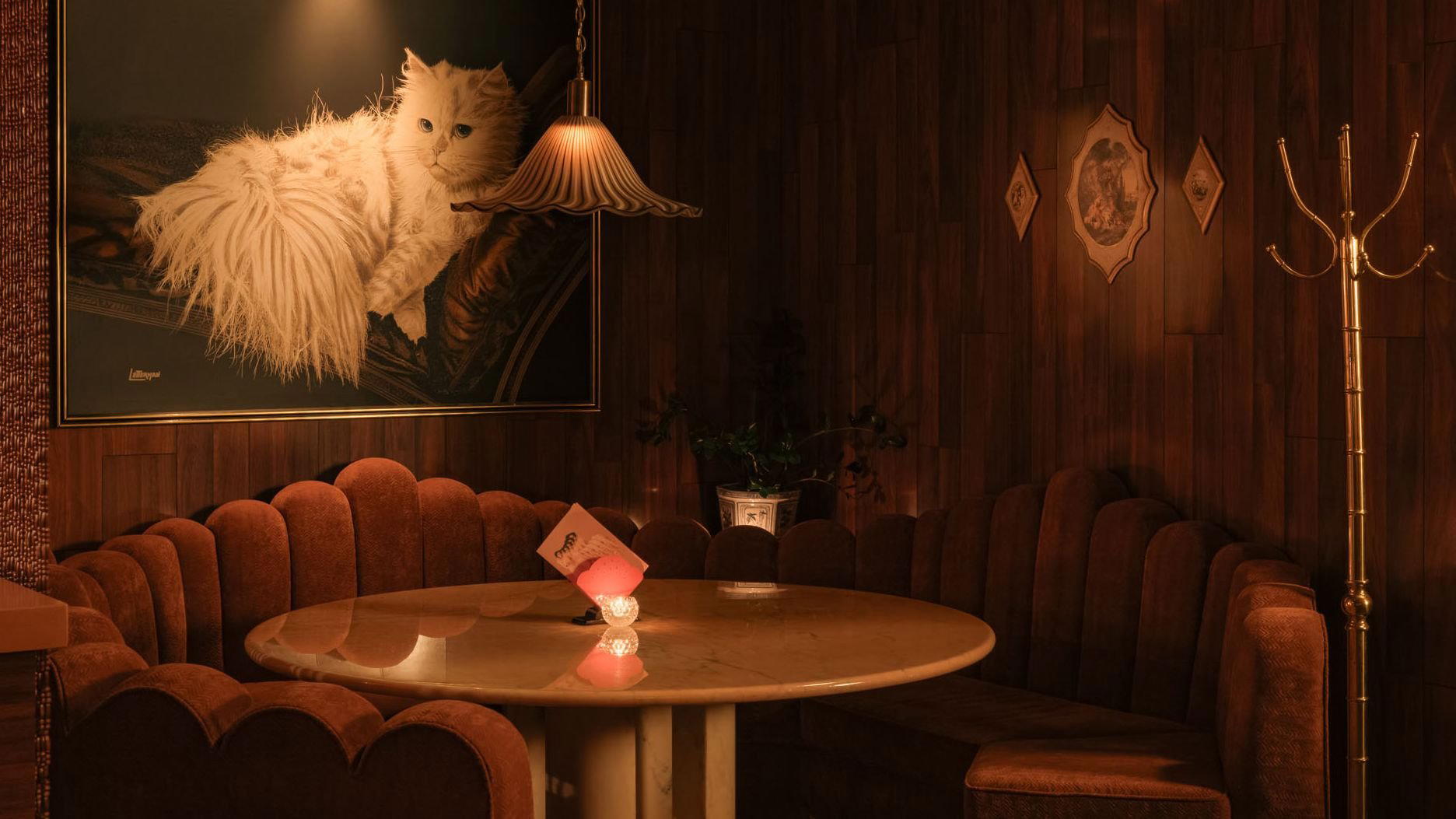
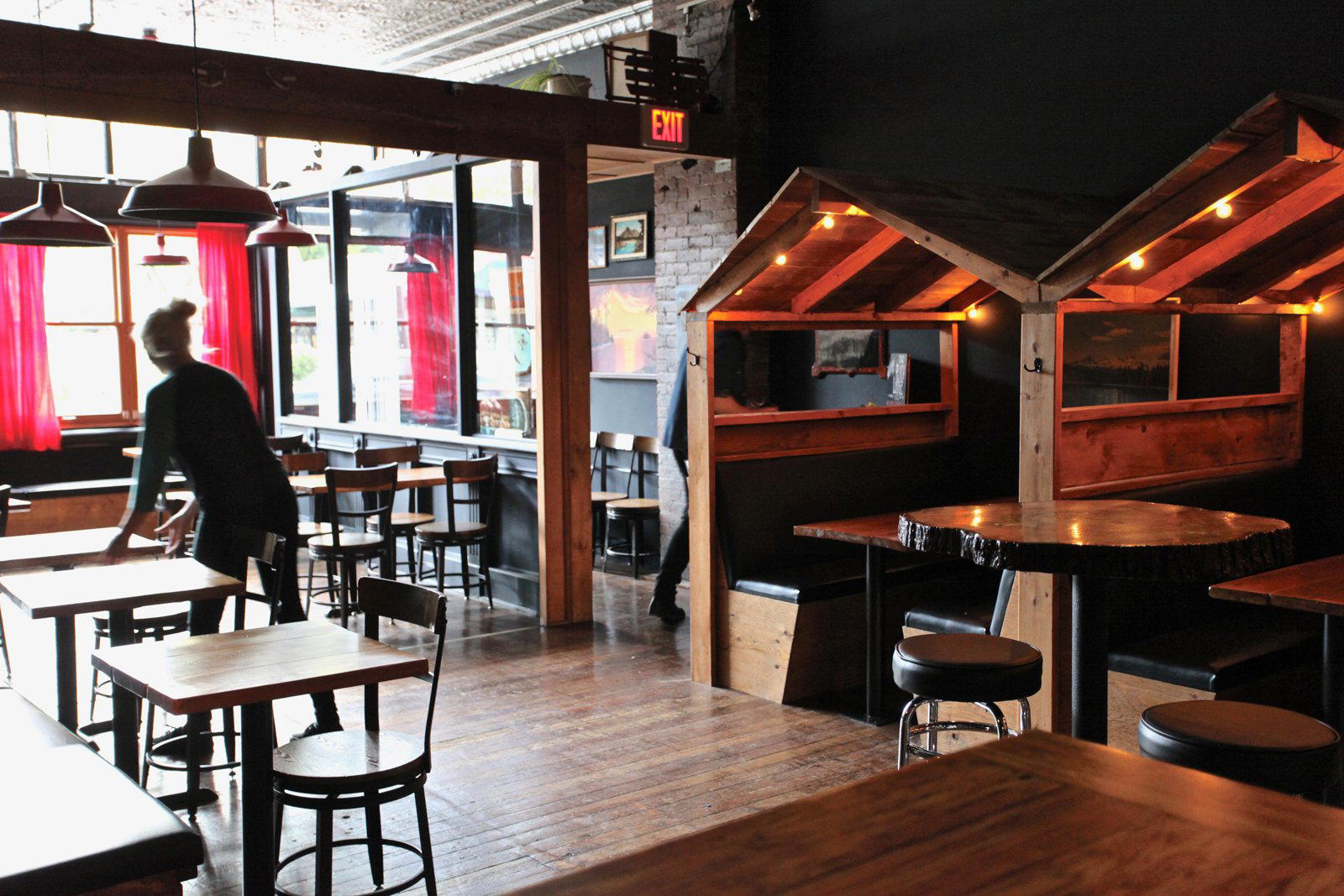
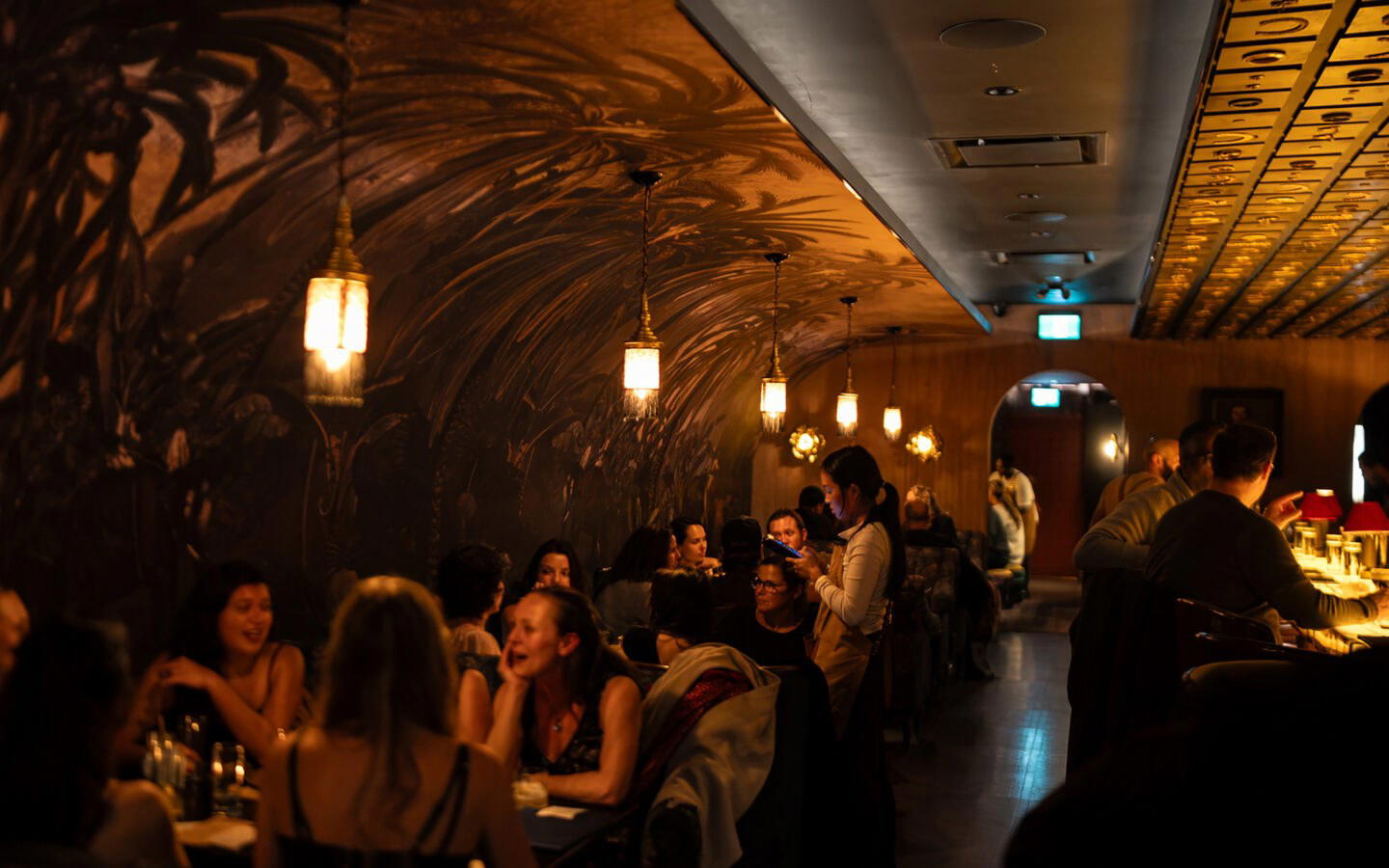
Understated elegance with minimalist interior, delicate plating, and poised service creating a refined, intimate atmosphere.