Papabou
On Avenue Henri-Dunant in Geneva's Plainpalais district, Papabou occupies a corner of the city where international influence and local sensibility meet at the table. The kitchen works at the intersection of imported technique and indigenous produce, a pairing that Geneva's cosmopolitan dining scene has made its own. Reservations are advisable for those arriving without advance planning.
Pearl is the En Primeur Club membership app — saves, bookings, and concierge access live there. Same editors, same standards.
- Address
- Av. Henri-Dunant 12, 1205 Genève, Switzerland
- Website
- papabou.ch
- Directions
- Get directions
 Saves & bookings on Pearl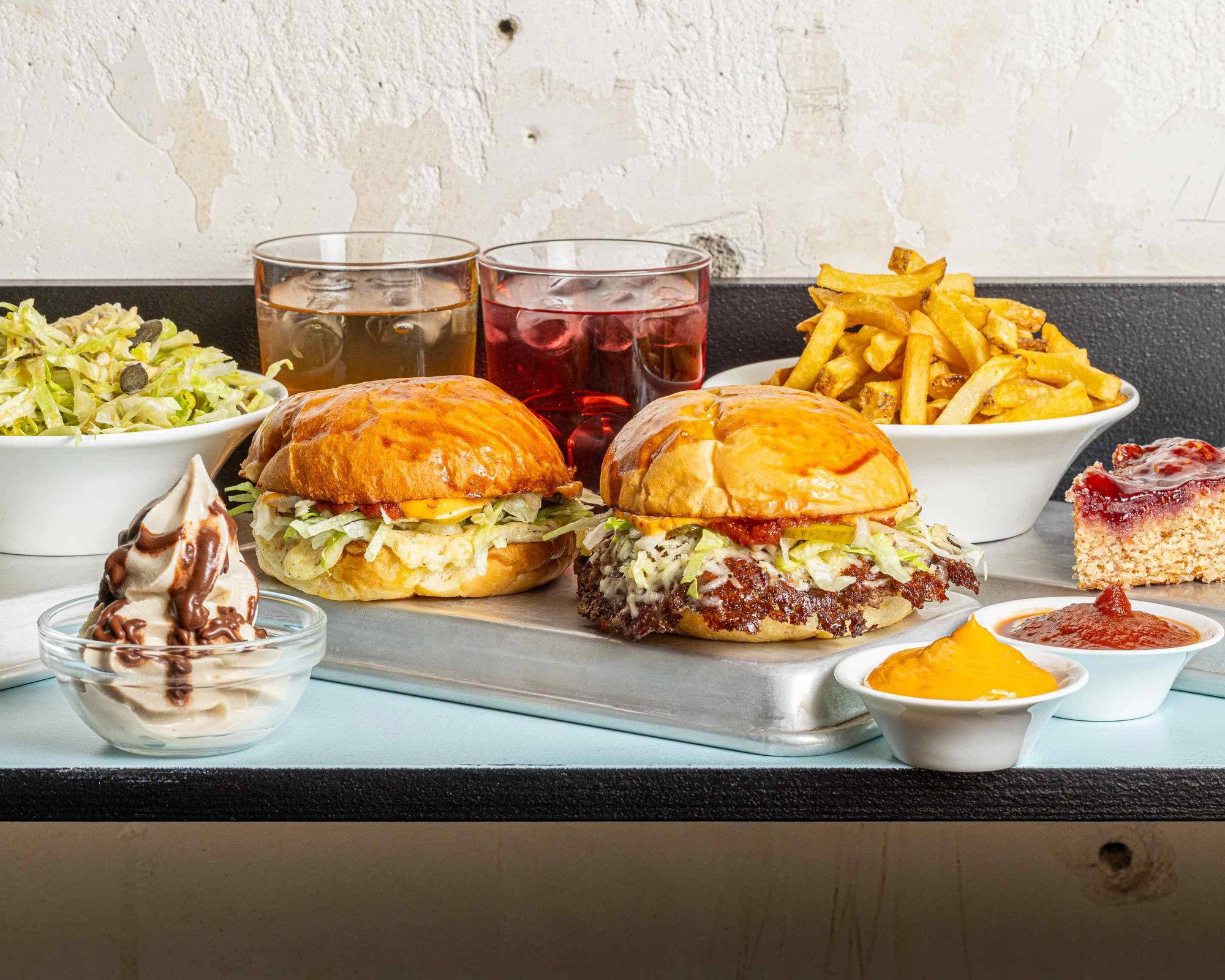
Avenue Henri-Dunant and the Geneva Dining Register
Geneva's restaurant scene sorts itself along a clear axis: the international-facing rooms clustered around the Quai du Mont-Blanc and Rive droite, and a quieter, more neighbourhood-rooted tier that spreads through Plainpalais and the streets surrounding the university quarter. Avenue Henri-Dunant sits in the latter zone. The energy here is less performative than the lakefront corridor, and the restaurants that work in this part of the city tend to earn their regulars through consistency and a particular understanding of their neighbourhood, rather than through address alone. Papabou, at number 12 on that avenue, belongs to this second category.
This is a part of Geneva that moves at its own pace. The proximity to the university, to the Red Cross Museum, and to the more residential fabric of the 12th arrondissement gives the surrounding streets a character distinct from the high-spend diplomatic dining belt further north. That context matters when reading what a restaurant is doing and who it is doing it for.
The Intersection That Defines Geneva's Table
The interesting culinary argument playing out in Swiss cities right now is not about Michelin count or tasting-menu format. It is about what happens when rigorous classical or global technique meets the actual agricultural and artisan reality of the Swiss plateau and the Alpine periphery. Geneva sits at one end of that argument, a city that has absorbed French, Italian, and increasingly Asian culinary influence across decades of international residency, while remaining close enough to Savoie, the Valais, and the Swiss farming interior to have access to produce with genuine regional identity.
This is the frame through which Papabou reads most clearly. The editorial category that Geneva's more thoughtful mid-register restaurants occupy is precisely that intersection: methods that arrive from elsewhere, products that are answerable to a specific place. At its leading, that combination produces cooking that could not happen anywhere else, because neither the technique alone nor the ingredient alone would generate the same result. Restaurants at venues like La Micheline and L'Aparté engage with versions of the same question, each from a different angle of the Mediterranean or French tradition.
At the higher-spend end of the city, that intersection gets filtered through formality and ceremony. L'Atelier Robuchon and Il Lago operate inside the premium tier, where the price point underwrites an elaborate production. The more interesting question for the neighbourhood register is whether the same ambition can survive at a scale and price that invites regularity rather than occasion. That is what Avenue Henri-Dunant tests.
Switzerland's Broader Dining Arc
To understand what Geneva's neighbourhood restaurants are working against and toward, it helps to look at what Switzerland's formally recognised dining rooms have built. Hotel de Ville Crissier in Crissier and Schloss Schauenstein in Fürstenau represent the apex of the Swiss fine-dining argument: produce-led, technically unimpeachable, geographically rooted. Cheval Blanc by Peter Knogl in Basel and Memories in Bad Ragaz extend that conversation to different regional contexts. Further east, 7132 Silver in Vals and Einstein Gourmet in Sankt Gallen demonstrate how the local-technique synthesis plays across different Swiss culinary geographies.
In Zurich, IGNIV Zürich by Andreas Caminada has made the sharing-format, ingredient-forward model commercially durable at the premium level. In Lucerne, Colonnade holds a different position in the Swiss hotel-dining tier. The consistent thread across all of these rooms is an attention to sourcing that treats Swiss and Alpine produce as a point of distinction rather than a constraint.
Geneva's neighbourhood tier, where Papabou operates, cannot match the production values of those rooms. What it can do is apply the same underlying logic at a scale that makes it accessible across a week, not just across a year.
Technique and Product as a Working Pair
The global reference points for what happens when rigorous imported technique meets local ingredient intelligence are instructive. Le Bernardin in New York built its entire reputation on applying French classical discipline to Atlantic seafood with a precision that redefined what that product could be. Atomix, also in New York, demonstrates what happens when Korean culinary logic is expressed through fine-dining structure without losing its essential character. Both cases show that the technique-product intersection produces its strongest results when neither element subordinates the other.
Geneva's position, at the junction of French, Italian, and Central European culinary traditions, and in proximity to Swiss, Savoyard, and Valais agricultural production, means that the raw material for that kind of synthesis is available. What varies across the city's restaurants is the ambition and consistency with which it is pursued. Arakel navigates this from a modern cuisine position; L'Aparté from a French formal one. Papabou on Avenue Henri-Dunant works within the neighbourhood register of that same broader conversation.
Placing Papabou in the City
Geneva's dining options at the neighbourhood level tend to be less documented than its trophy rooms, which means the practical intelligence for visitors is thinner. The Avenue Henri-Dunant address is walkable from the Plainpalais tram stops, which connect the area to the broader city network without requiring a taxi or rideshare. For those arriving from the lake district or the right bank, the journey is short but crosses the social geography of the city, from international-institutional to residential-academic.
For visitors building a Geneva itinerary across multiple nights, a useful structure places the higher-formality rooms, the Robuchon counter, the lakefront hotel dining rooms, alongside neighbourhood options that reflect how the city actually eats across a week. Papabou sits in that second column. The full context for Geneva's dining register, including the current spread across cuisines, price tiers, and neighbourhoods, is available in our full Geneva restaurants guide.
Comparative reference points beyond Switzerland are worth noting for those who track how the local-technique argument travels. focus ATELIER in Vitznau and Da Vittorio in St. Moritz show how the Swiss resort and lakeside dining tiers handle the same question at a different price and formality level. The Geneva neighbourhood tier, by contrast, answers it at the scale of a room you return to rather than one you plan toward.
Planning Your Visit
Papabou's address at Av. Henri-Dunant 12, 1205 Genève, places it in the southern quarter of the city's left bank, within the Plainpalais-university corridor. Arrival by tram is one practical approach from central Geneva. Geneva's neighbourhood restaurants often operate tighter schedules than their fine-dining counterparts, with some closing on Sundays or Monday evenings, a pattern common across the Francophone Swiss dining calendar.
Peers in This Market
Comparable venues nearby, for context on price, style, and recognition.
| Venue | Cuisine | Price | Notes |
|---|---|---|---|
| PapabouThis venue — the venue you are viewing | Smash Burgers & Natural Wines | $$ | Not listed |
| Pretty Patty - Smash Burger | Smash Burgers | $$ | Le Prieuré |
| La Clémence | Swiss Café with Petite Restauration | $$ | Cite |
| Luigia | Authentic Neapolitan Pizza & Italian | $$ | Malagnou |
| Debi's Kitchen Ville GE | Asian Fusion with British Desserts | $ | Saint-Gervais |
| Café du Centre | French Seafood Brasserie | $$$ | Cite |
At a Glance
- Cozy
- Modern
- Trendy
- Casual Hangout
- After Work
- Open Kitchen
- Natural Wine
- Local Sourcing
Current opening hours
- Monday
- Closed
- Tuesday
- Closed
- Wednesday
- 12–2:30 PM, 6:30–10 PM
- Thursday
- 12–3:30 PM
- Friday
- Closed
- Saturday
- Closed
- Sunday
- Closed
Hours can change for holidays and private events. Last verified .
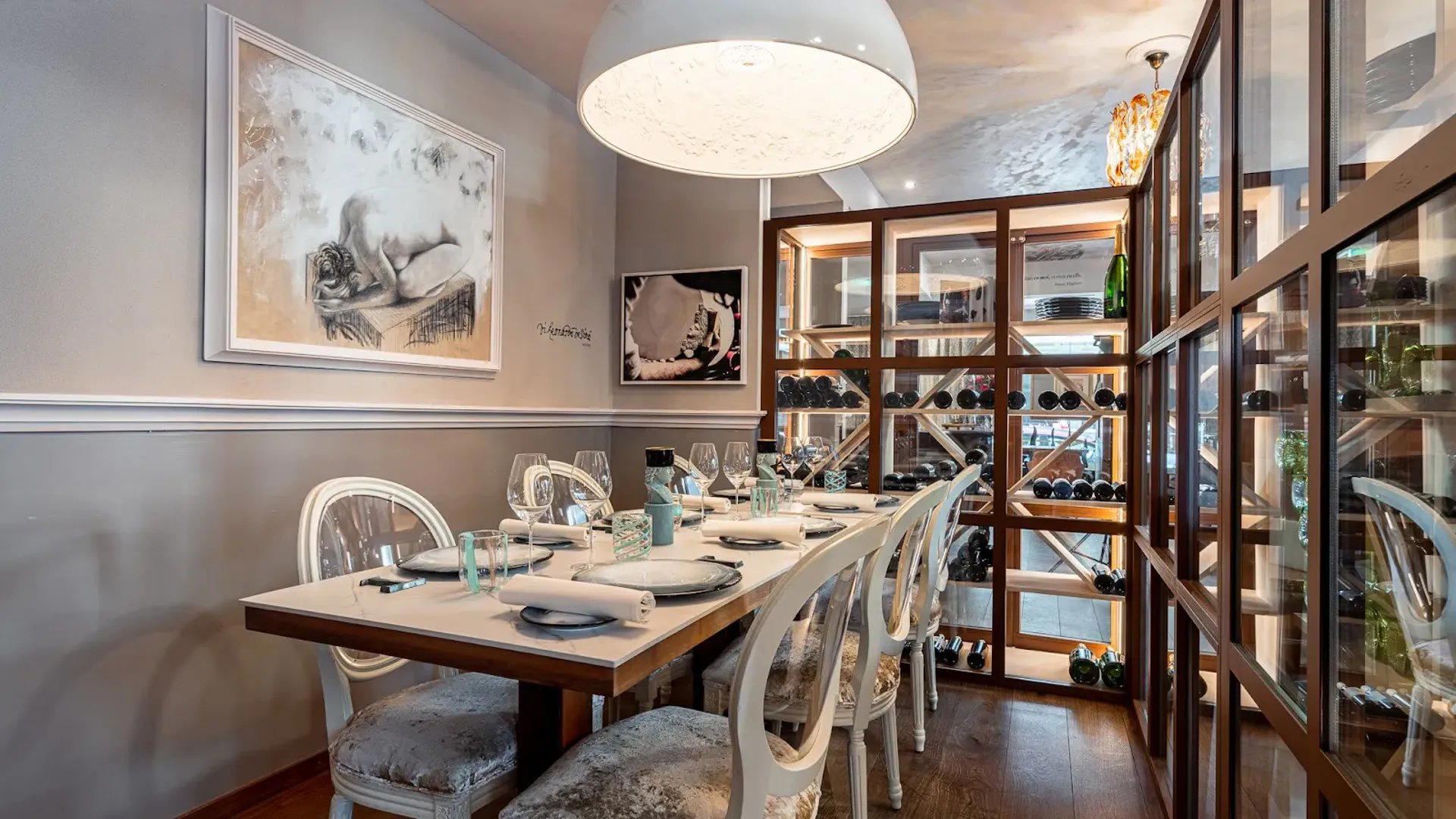
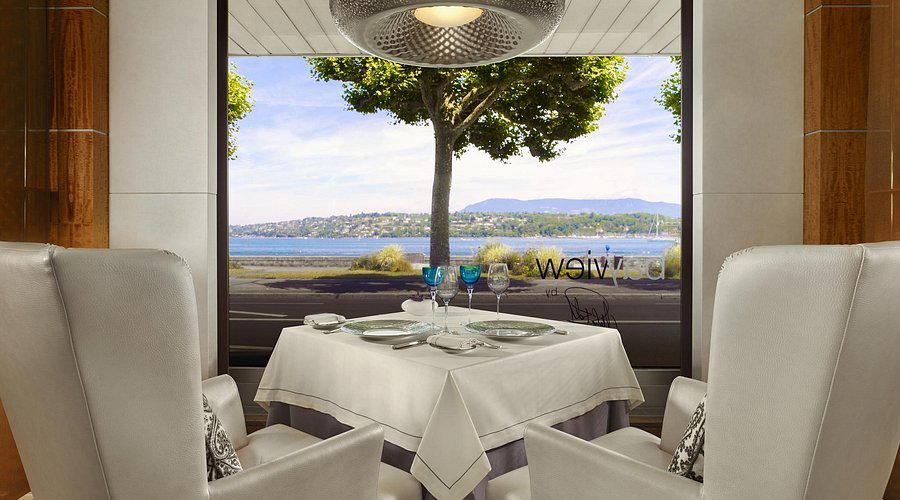
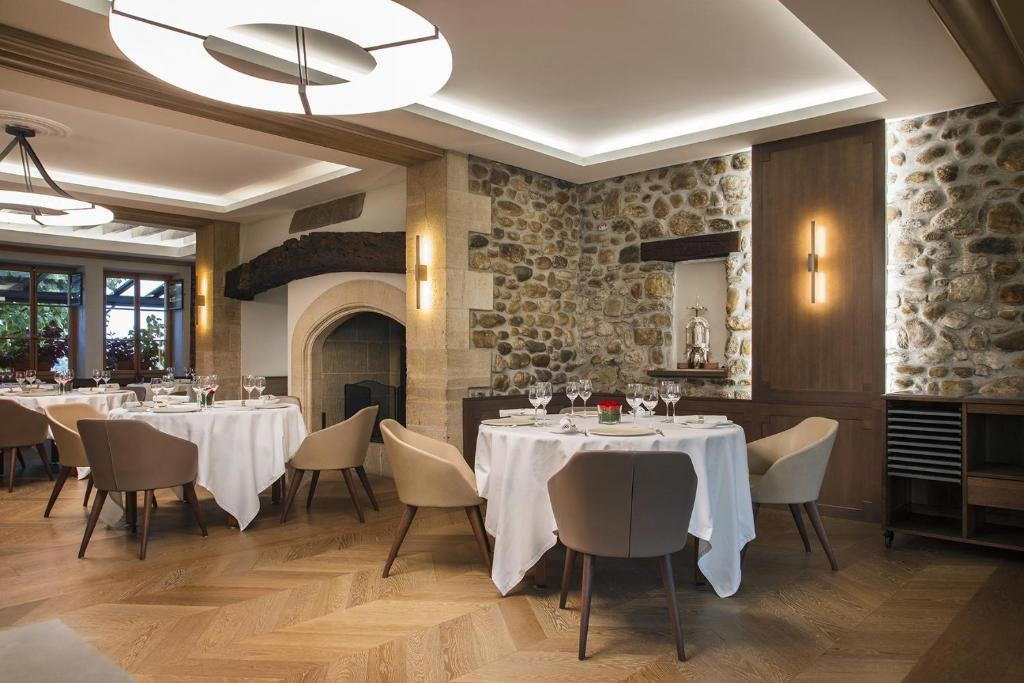
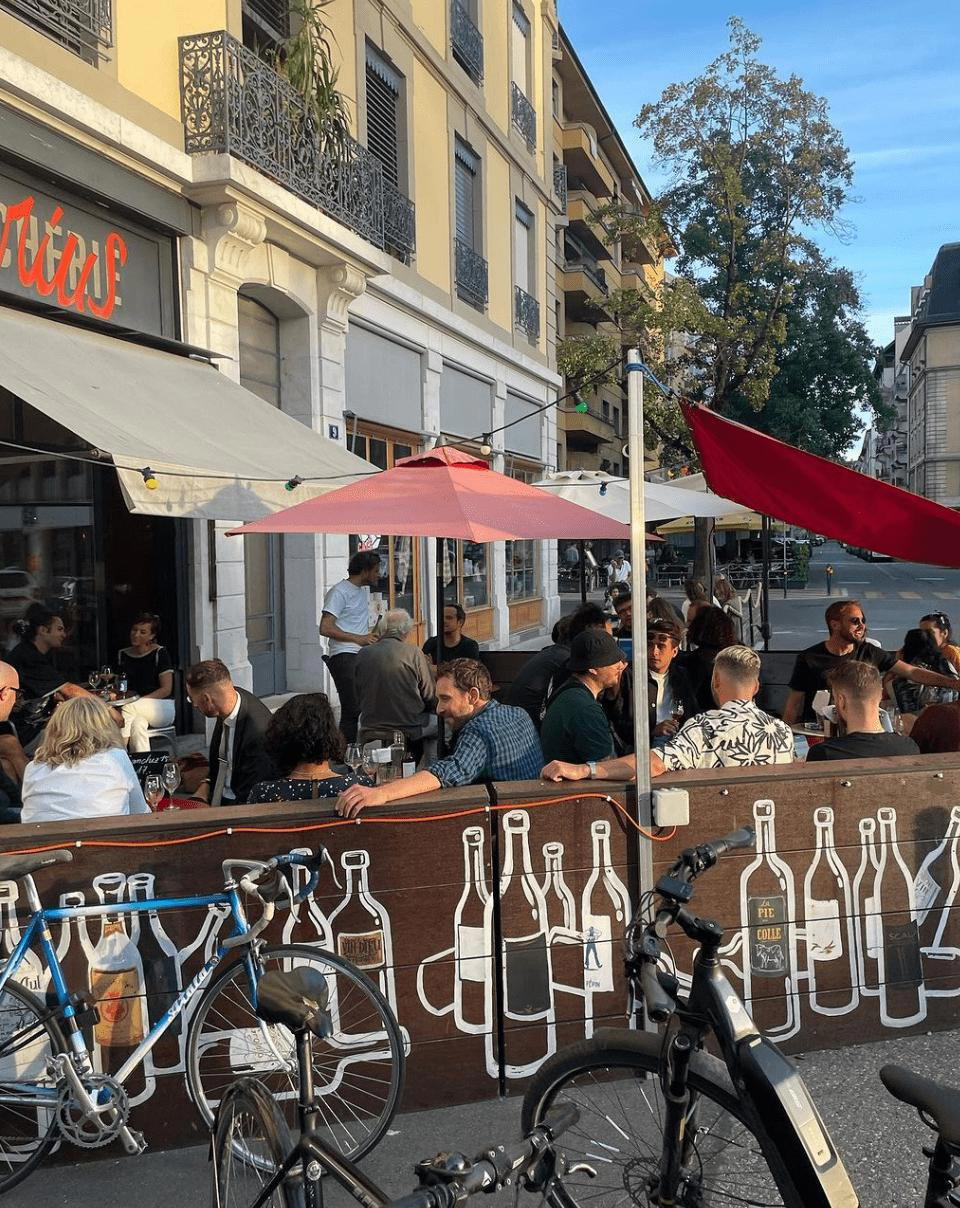
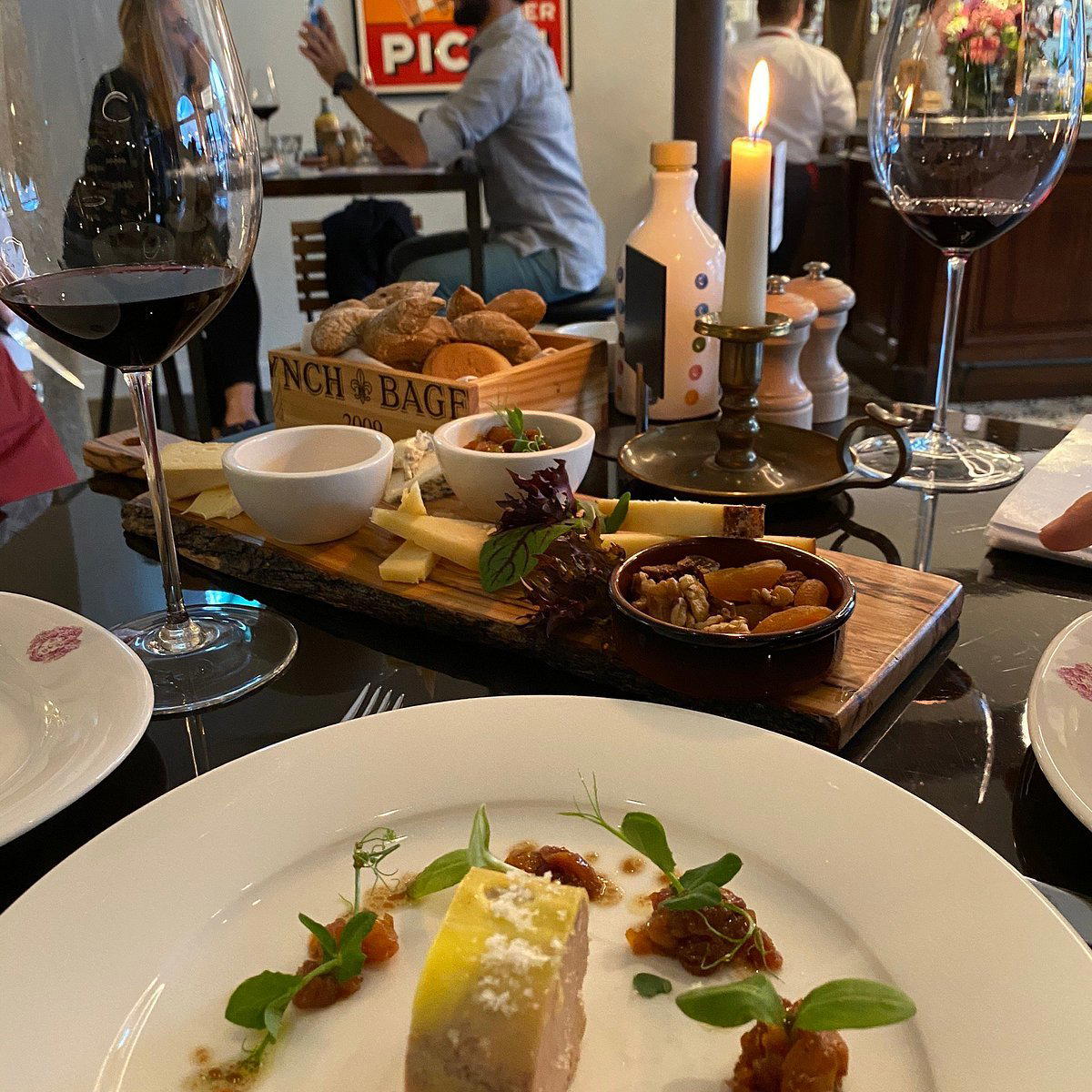
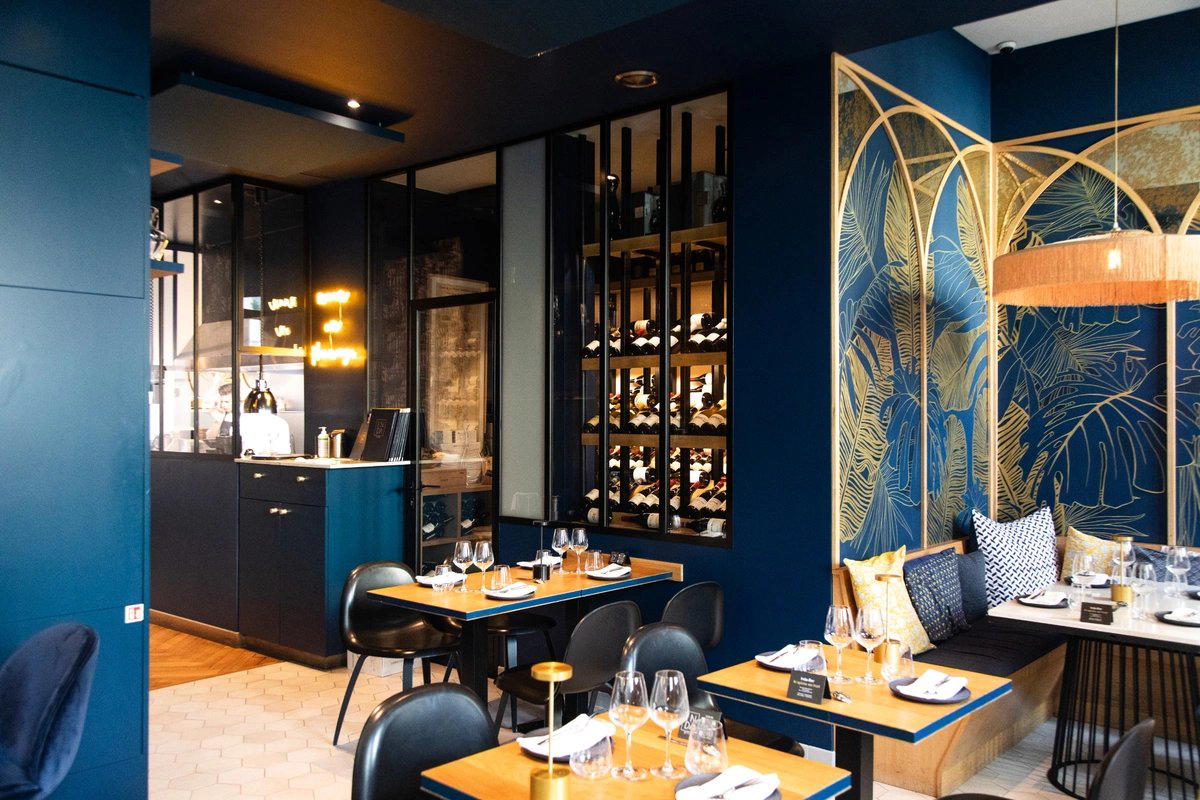
Casual and welcoming with a homely, family-oriented atmosphere and contemporary aesthetic.